

Molino de Alcuneza
Alcuneza
Hotel in Alcuneza, Spain
 Book with Pearl
The Read
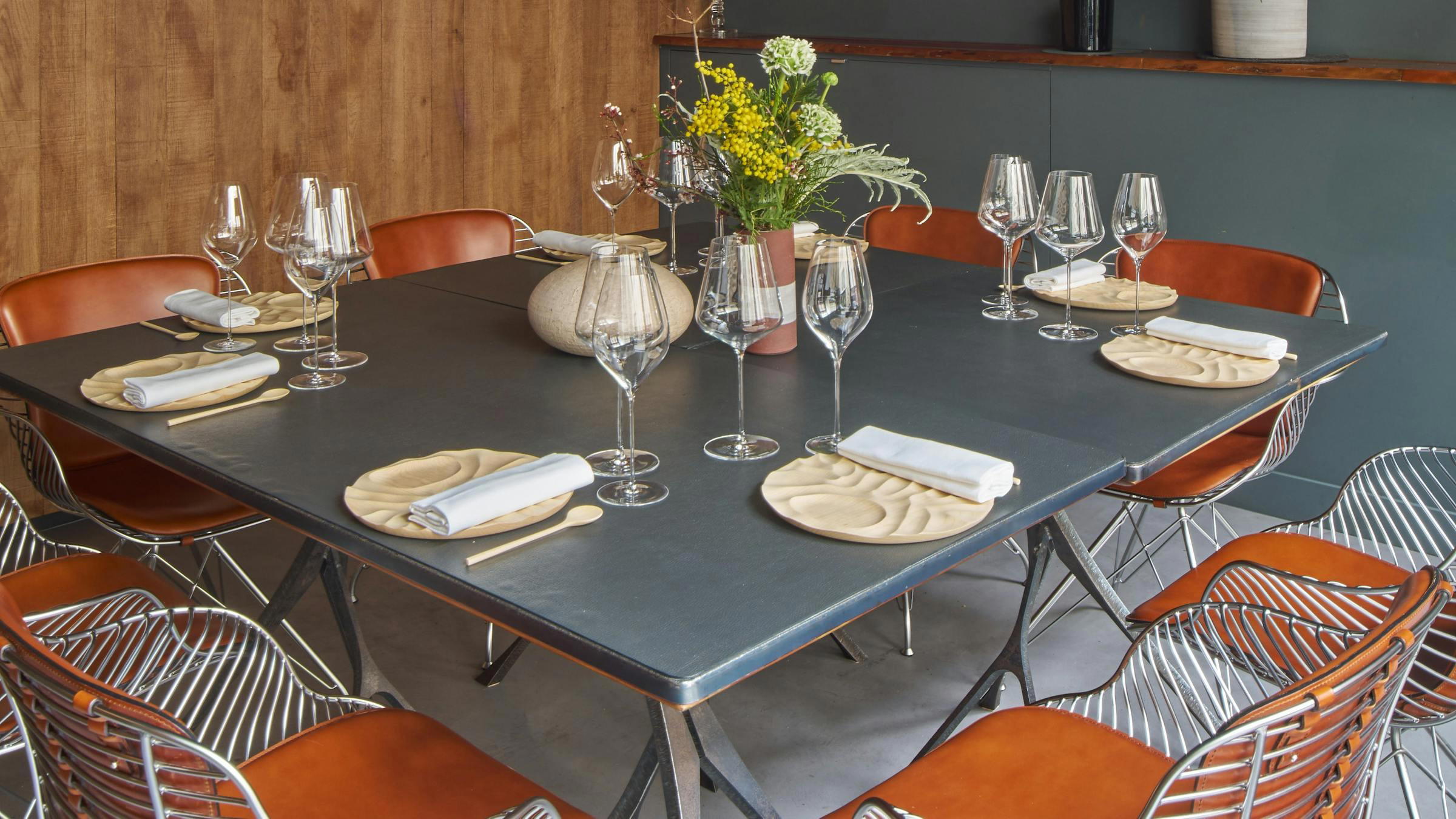
15th-Century Mill Gastronomy
Price
$300–500per night
Why go
Molino de Alcuneza is worth considering for a quiet Alcuneza stay when the hotel is part of the occasion, not just a place to sleep. It is a better fit for couples, small retreats, and slower business itineraries than for airport-linked meetings or city-heavy workdays.
About Molino de Alcuneza
Molino de Alcuneza is best assessed as a stay in Alcuneza rather than as a generic business-hotel substitute. The venue has a smart casual dress code, a Relais Chateaux Award (2026), and MICHELIN Guide, Hotels Selected recognition (2025). Those signals support considering it for a more deliberate hotel choice, while travelers with needs centered on large-city logistics may want to compare it with options such as Madrid Marriott Auditorium Hotel & Congress Center or ARTIEM Madrid.
The practical verdict is simple: book it when the plan specifically calls for Molino de Alcuneza in Alcuneza and the recognition matters to the stay. For a standard corporate itinerary, Madrid Marriott Auditorium Hotel & Congress Center may be a more relevant comparison. For a Madrid stay, ARTIEM Madrid is another option to weigh separately.
A recognized hotel choice in Alcuneza
The recognition matters here because it places Molino de Alcuneza in a more curated hotel conversation than an otherwise undescribed property. That does not automatically make it the right booking for every trip. It means the strongest grounded reason to consider it is the combination of its Alcuneza setting, smart casual dress code, Relais Chateaux Award (2026), and MICHELIN Guide, Hotels Selected recognition (2025).
Specific room types, spa features, pool setup, dining format, cuisine, price, and service schedule are not identified. The safest booking move is to choose based on the stay's purpose and to verify any operational needs directly with the hotel before committing.
Who should book it, and who should not
Book if the trip is specifically built around staying at Molino de Alcuneza in Alcuneza and the recognition is part of the appeal. Do not book it on assumptions about business facilities, resort amenities, dining format, or transportation convenience unless those details have been confirmed for your dates. If the priority is a different type of stay, Ilunion Atrium Hotel or Madrid Marriott Auditorium Hotel & Congress Center may be more relevant comparisons.
Families and groups should confirm room setup and services directly rather than assuming a particular resort or activity profile. For travelers building a broader Spain hotel shortlist, compare Molino de Alcuneza with options such as Castilla Termal Brihuega, Castilla Termal Burgo de Osma, ARTIEM Madrid, Ilunion Atrium Hotel, and Madrid Marriott Auditorium Hotel & Congress Center according to the specific trip needs.
Inside Molino de Alcuneza
Planning details
- Location
- Carretera Alboreca, km. 0, 5, 19264 Alcuneza, Guadalajara
- Website
- molinodealcuneza.com
- Phone
- +34 949 39 15 01
The take
The Take
The Vibe
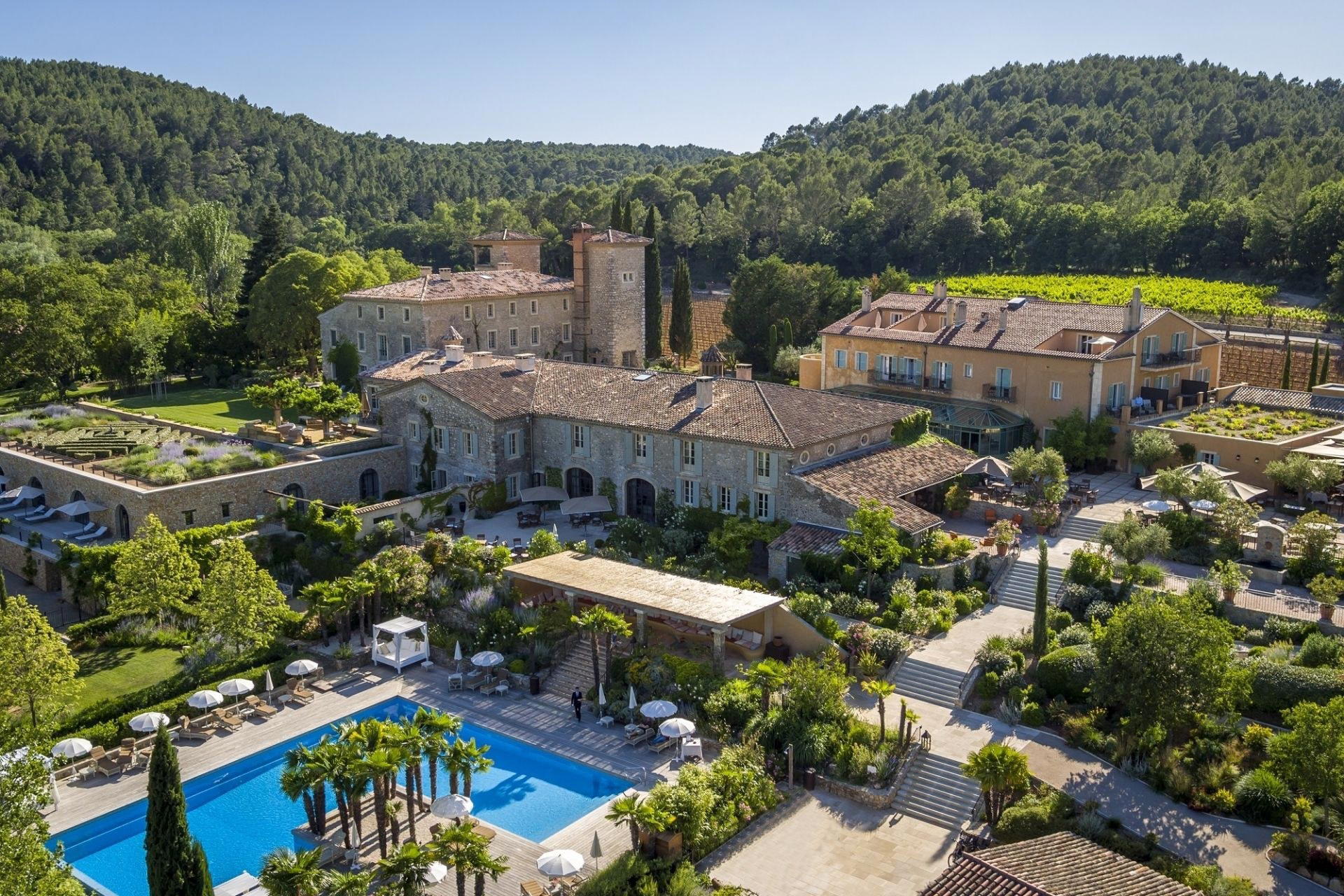
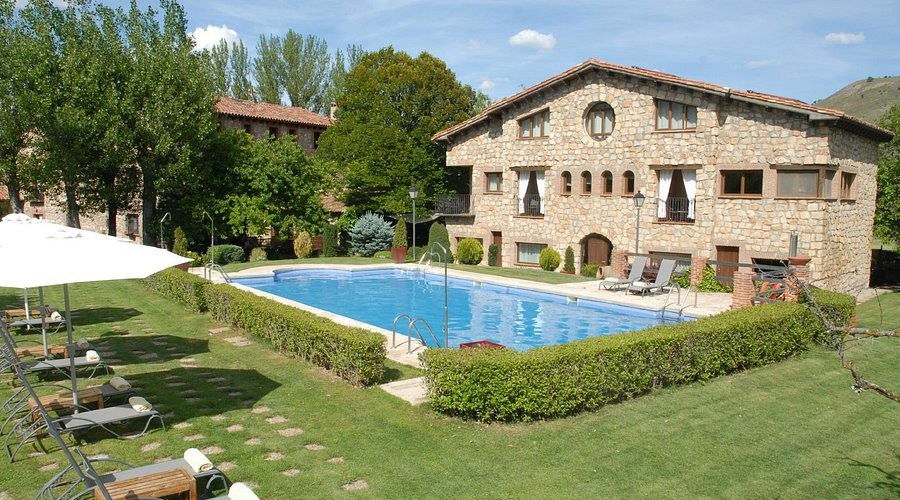
Molino de Alcuneza reads like a lived-in piece of history. The fifteenth-century mill architecture—thick stone walls, wooden beams and uneven floors—dominates the experience, grounding the hotel in its Castilian setting. The property doesn’t shout; it blends into the plateau and the stream valley that defines the approach, giving stays a quietly rooted, intimate quality. That sense of restraint is balanced by touches of rural luxury: a functioning Michelin-starred kitchen sits comfortably within a family-run operation, preserving the building’s patina while delivering a polished hospitality experience.
Best For
This is a destination for travellers seeking a calm heritage escape rather than a buzzy urban stay. It suits couples on romantic getaways and anniversaries, guests looking for a restorative wellness retreat or anyone after a quiet weekend escape in the countryside. The combination of an historic setting near Sigüenza and an on-site Michelin-starred kitchen also makes it appropriate for special occasions when guests want both atmosphere and elevated dining without the scale of larger resorts.
Venue details
Ambiance
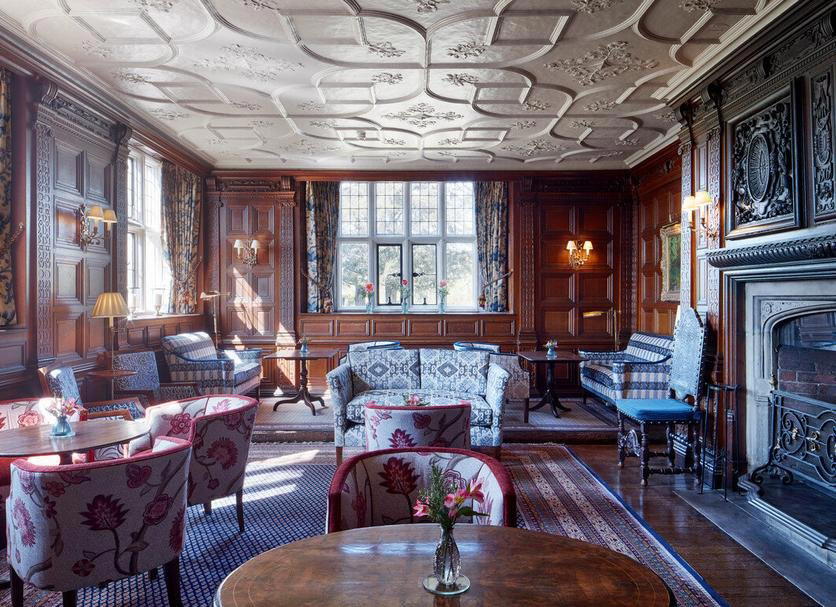
Cozy and tranquil with open fireplaces, whitewashed walls, exposed wooden beams, and serene riverside gardens fostering deep relaxation.
Tags
Vibe
Best For
Experience
Amenities
View
Accessibility
About the Stay
- Rooms
- 17
- Check-in
- 12:00
- Check-out
- 12:00
- Property Type
- Boutique hotel
- Property Style
- Restored 15th Century Flour Mill Blending Historic Charm with Modern Luxury
- Design Style
- Rustic Elegance with Whitewashed Walls, Exposed Beams, Antique Furnishings, and Natural Tones
- Airport Transfer
- Available
- Pool
- Yes
- Spa
- Yes
- Pets
- Allowed
- Cancellation
- Moderate
Know before you go
Know Before You Go
- Getting there
- Carretera Alboreca, km. 0, 5, 19264 Alcuneza, Guadalajara
Planning details
Location
Carretera Alboreca, km. 0, 5, 19264 Alcuneza, Guadalajara · Directions
Recognition and awards

Also consider
Also Consider
- Castilla Termal Brihuega, Notable alternative
- Castilla Termal Burgo de Osma, Notable alternative
- Madrid Marriott Auditorium Hotel & Congress Center, Notable alternative
- ARTIEM Madrid, Notable alternative
- Ilunion Atrium Hotel, Notable alternative
Hotel context
How it compares
Molino de Alcuneza is the countryside choice in this set: better for a quiet stay, a special-occasion overnight, or a work retreat where the slower setting is the point. Castilla Termal Brihuega and Castilla Termal Burgo de Osma are the more obvious cross-shops if the trip is built around a spa-style hotel experience rather than a small rural base.
For business travel, Madrid Marriott Auditorium Hotel & Congress Center is the practical pick when meeting logistics, group scale, and airport access matter. ARTIEM Madrid is the better alternative for travelers who want a softer city stay without giving up Madrid access. Ilunion Atrium Hotel is the more functional choice for a straightforward Madrid base.
Book Molino de Alcuneza when ambiance outweighs convenience. Cross-shop Castilla Termal Brihuega or Castilla Termal Burgo de Osma for a more spa-led escape, and choose the Madrid hotels when the trip needs easier scheduling and less travel friction.
Explore Alcuneza
Around this place
Discover more on Pearl
Unlock the full Molino de Alcuneza guide in Pearl, including awards, comparisons, FAQs, planning details, and nearby places.
Compare Molino de Alcuneza
| Venue | Location | Awards |
|---|---|---|
| Molino de Alcuneza | Alcuneza | 2026 Relais Chateaux Hotels2025 Michelin Selected Hotels2025 Relais Chateaux Award |
| Castilla Termal Brihuega | Brihuega | No published awards |
| Castilla Termal Burgo de Osma | El Burgo De Osma | No published awards |
| Madrid Marriott Auditorium Hotel & Congress Center | Madrid | No published awards |
| ARTIEM Madrid | Madrid | Preferred Hotels Member 2025 |
| Ilunion Atrium Hotel | Madrid | No published awards |

How Molino de Alcuneza Hotel Verdict: Alcuneza Recognition & Fit compares with similar nearby venues.
FAQ
Frequently Asked Questions
When is the best time to book Molino de Alcuneza?
Book early if the stay depends on specific dates or room needs. The recognition includes a Relais Chateaux Award (2026) and MICHELIN Guide, Hotels Selected recognition (2025), which make Molino de Alcuneza a property to plan deliberately rather than treat as an interchangeable stop.
Which room category is best at Molino de Alcuneza?
No best room category is identified. Choose based on your party size, date, and the room details provided at booking, and confirm any specific requirements directly with Molino de Alcuneza.
How does Molino de Alcuneza compare to other hotels?
Molino de Alcuneza is a recognized hotel in Alcuneza with a smart casual dress code, a Relais Chateaux Award (2026), and MICHELIN Guide, Hotels Selected recognition (2025). Madrid Marriott Auditorium Hotel & Congress Center, ARTIEM Madrid, Ilunion Atrium Hotel, Castilla Termal Brihuega, and Castilla Termal Burgo de Osma should be compared according to the trip's location, service, and stay requirements.