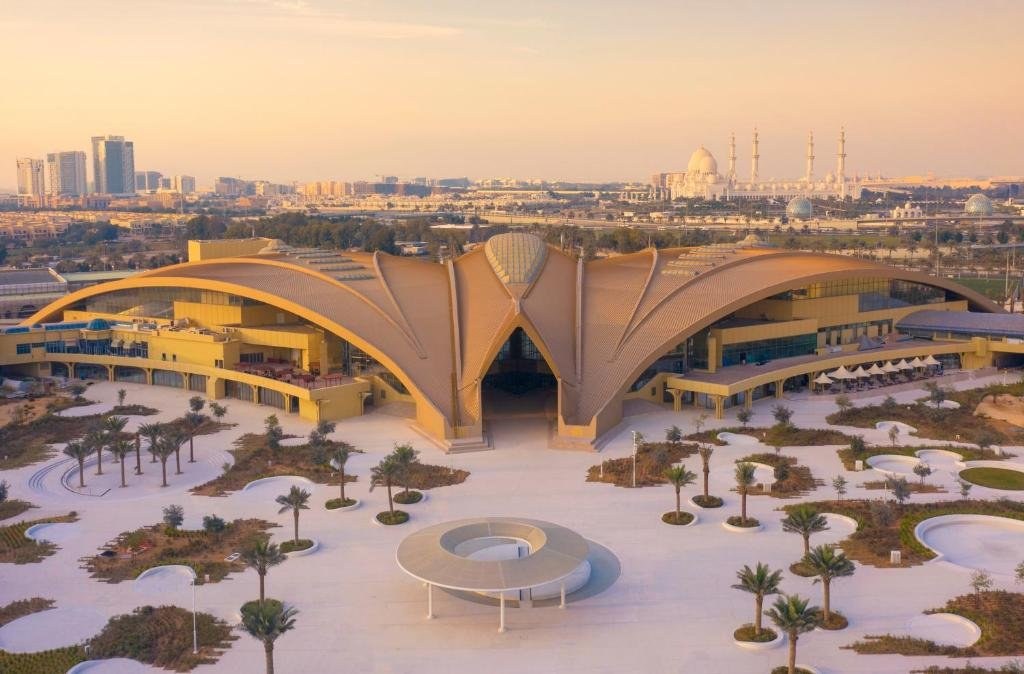

ERTH Abu Dhabi Hotel
Al Muzoon, Abu Dhabi
Hotel in Abu Dhabi, United Arab Emirates
 Book with Pearl
The Read
Military Heritage Reimagined
Why go
ERTH Abu Dhabi Hotel is worth booking for a calm, heritage-led resort stay with serious sports and wellness facilities. It is strongest for families, celebrations, and active weekends near Sheikh Zayed Grand Mosque; choose a beachfront room or villa if outdoor space and club-style service will matter to the trip.
About ERTH Abu Dhabi Hotel
Book ERTH Abu Dhabi Hotel if you want a premium Abu Dhabi stay and are comfortable with a $$$$ price point. The public profile here is deliberately simple: this is ERTH Abu Dhabi Hotel in Abu Dhabi, with smart casual dress expectations and Michelin 1 Key recognition in 2025. Beyond those confirmed points, specific claims about room types, facilities, dining formats, location details, or services should be checked directly with the hotel before booking.
The clearest reason to consider it is the combination of Abu Dhabi setting and confirmed Michelin hotel recognition. Treat the Michelin 1 Key in 2025 as the main quality signal, not as proof of any particular amenity, restaurant concept, or service style. If the trip depends on a specific facility, meal period, room category, or package inclusion, confirm it with ERTH Abu Dhabi Hotel before committing to the rate.
A premium Abu Dhabi hotel stay with limited public detail
ERTH Abu Dhabi Hotel is best evaluated as a $$$$ Abu Dhabi hotel with a smart casual standard and a confirmed Michelin 1 Key for 2025. That is enough to place it in a premium consideration set, but it is not enough to verify specific claims about rooms, wellness facilities, dining venues, or neighborhood positioning from this guide alone.
For that reason, the practical booking advice is direct: decide whether the price works for your dates, then confirm the exact room, inclusions, cancellation terms, and any on-property services you plan to use. If the stay is for a special occasion, business trip, or family visit, ask the hotel directly about the details that matter most rather than assuming they are included.
The safest verdict is based on confirmed recognition and price
The grounded case for ERTH Abu Dhabi Hotel rests on three points: it is in Abu Dhabi, it sits at a $$$$ price level, and it received Michelin 1 Key recognition in 2025. Smart casual dress is also the confirmed standard. Those facts support considering it for a polished hotel stay, while still leaving many practical details to confirm before arrival.
Dining, nightlife, wellness, and service specifics should not be treated as confirmed unless they come directly from the hotel for your dates. For broader planning around the city, use the Abu Dhabi restaurants guide, Abu Dhabi bars guide, and Abu Dhabi experiences guide.
Planning details
- Location
- Khor Al Maqta, Al Khaleej Al Arabi - Road - المزون - خور المقطع - أبو ظبي
- Website
- erth.ae
- Phone
- +971 2 441 5900
The take
The Take
The Vibe
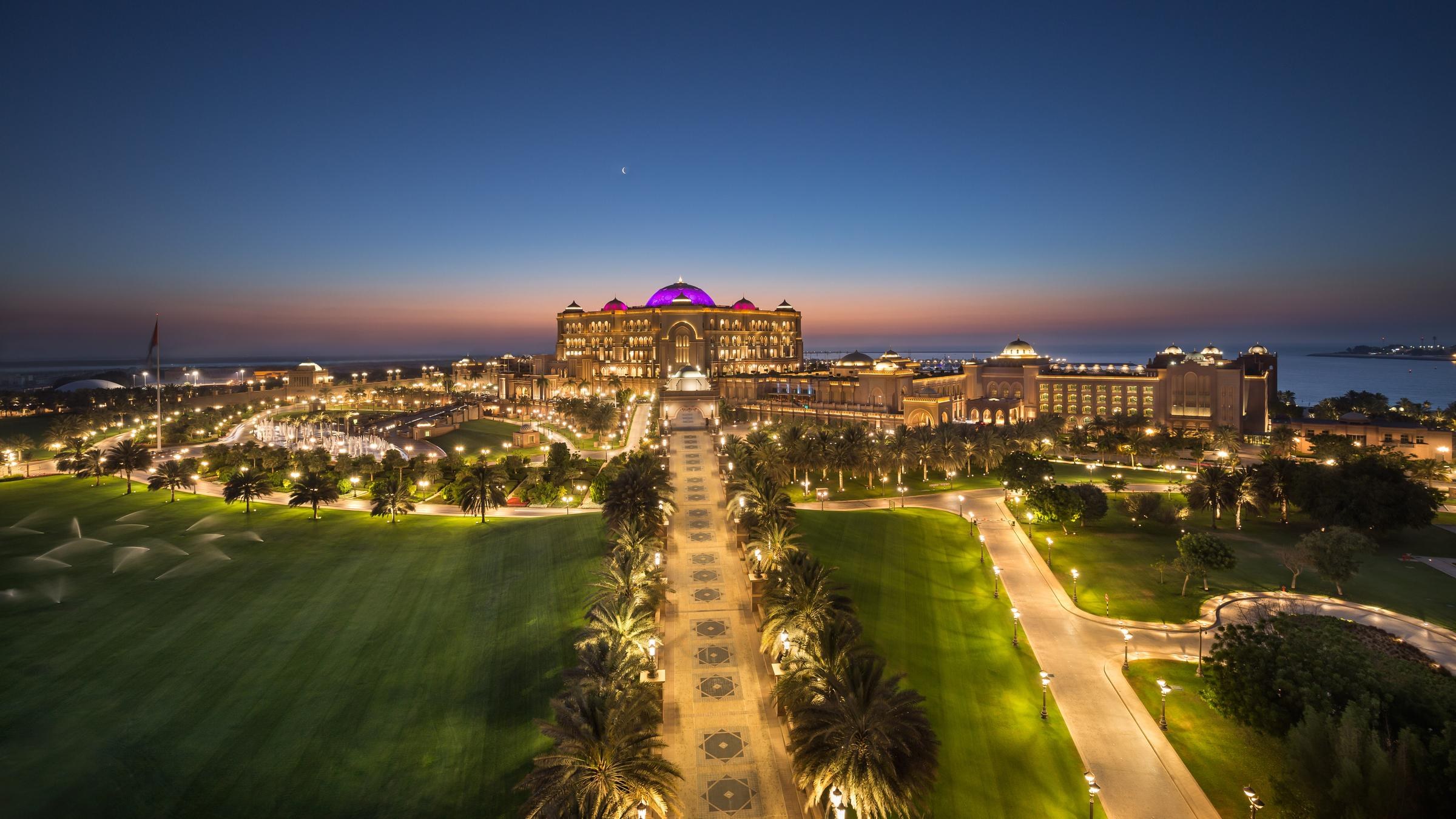
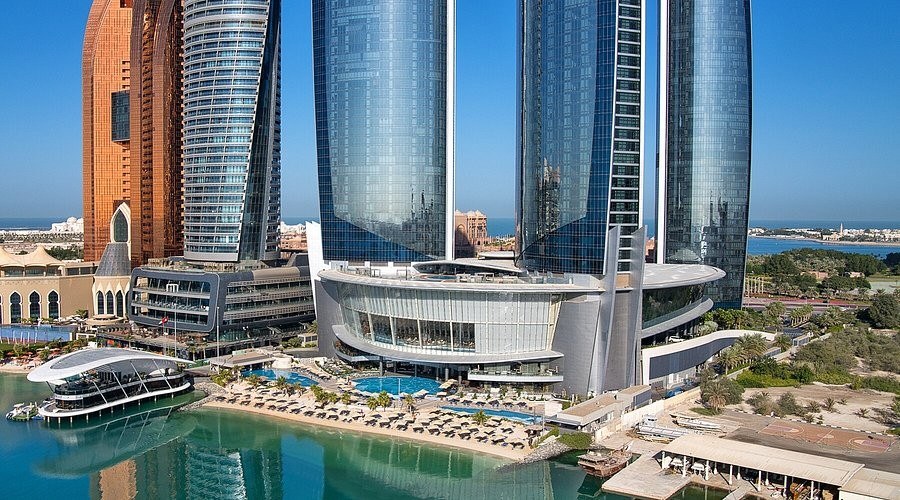
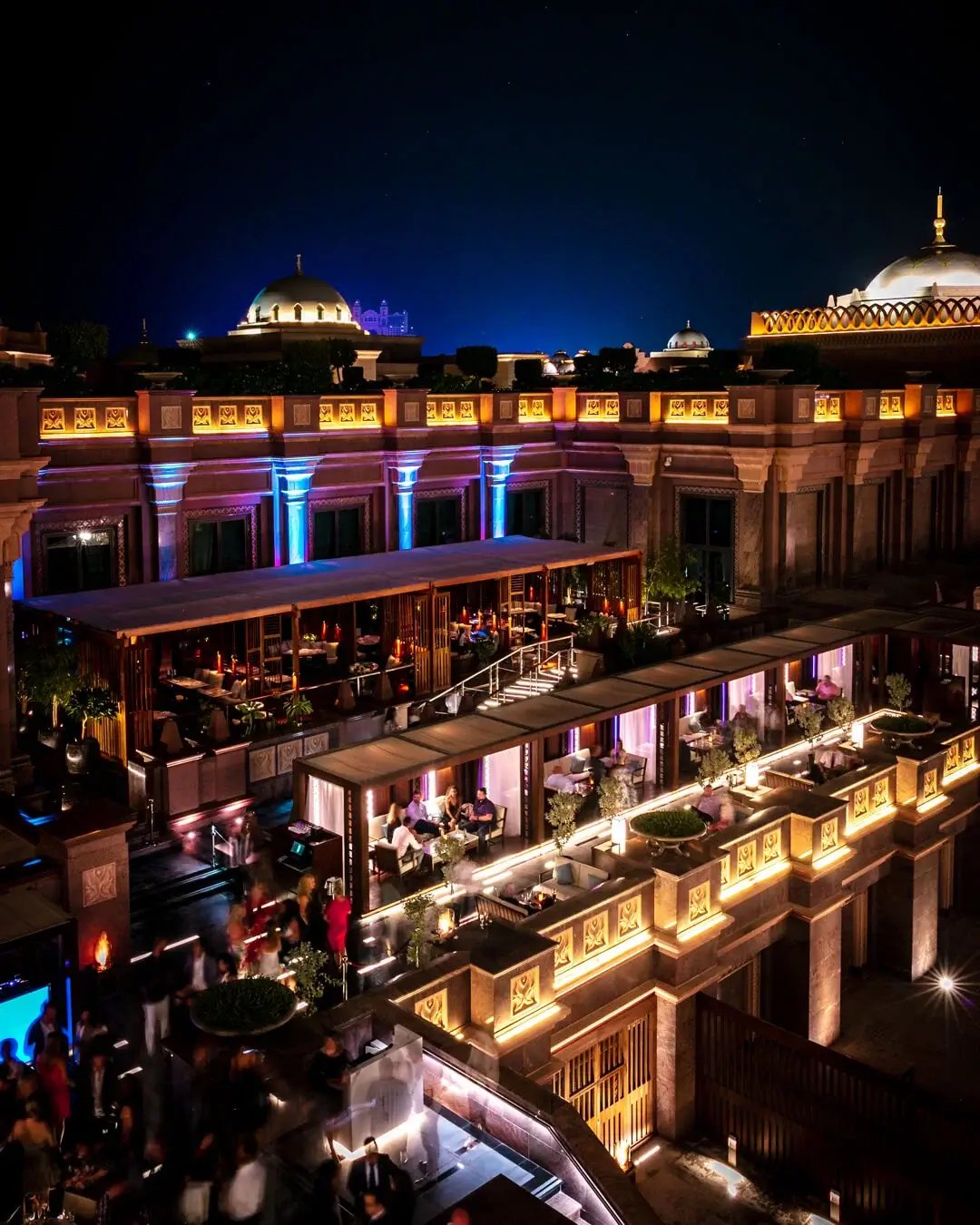
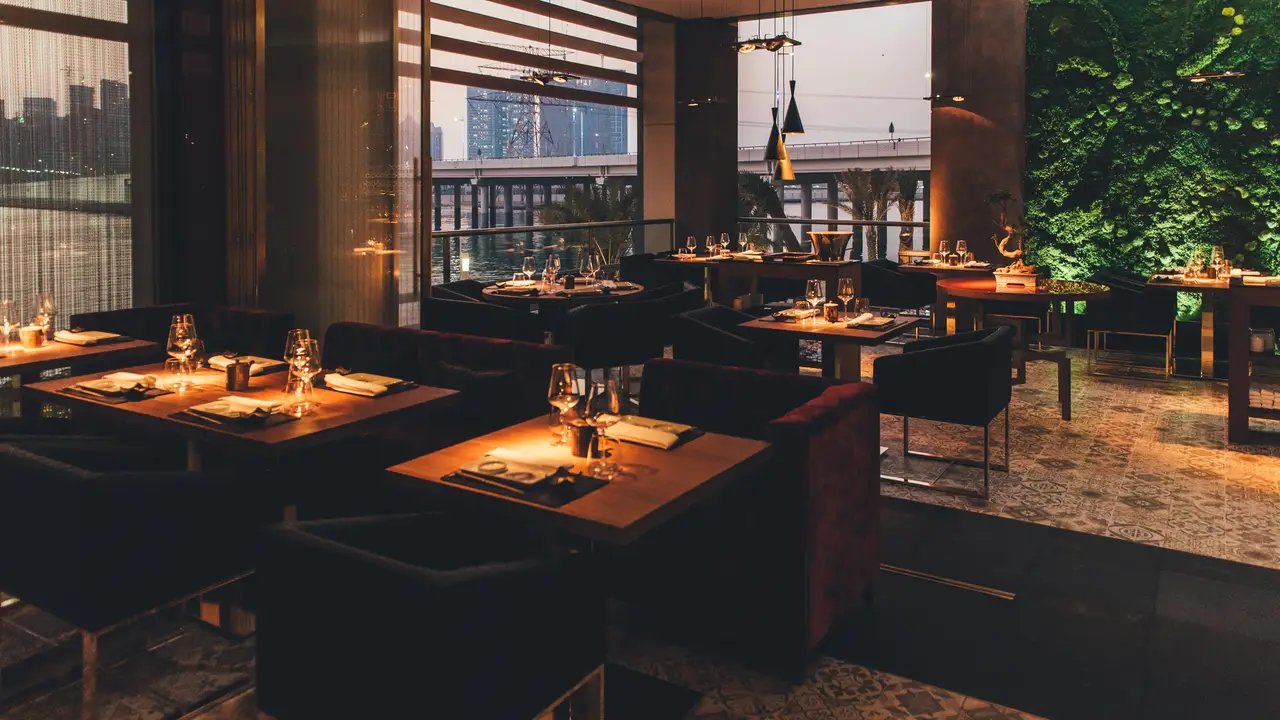
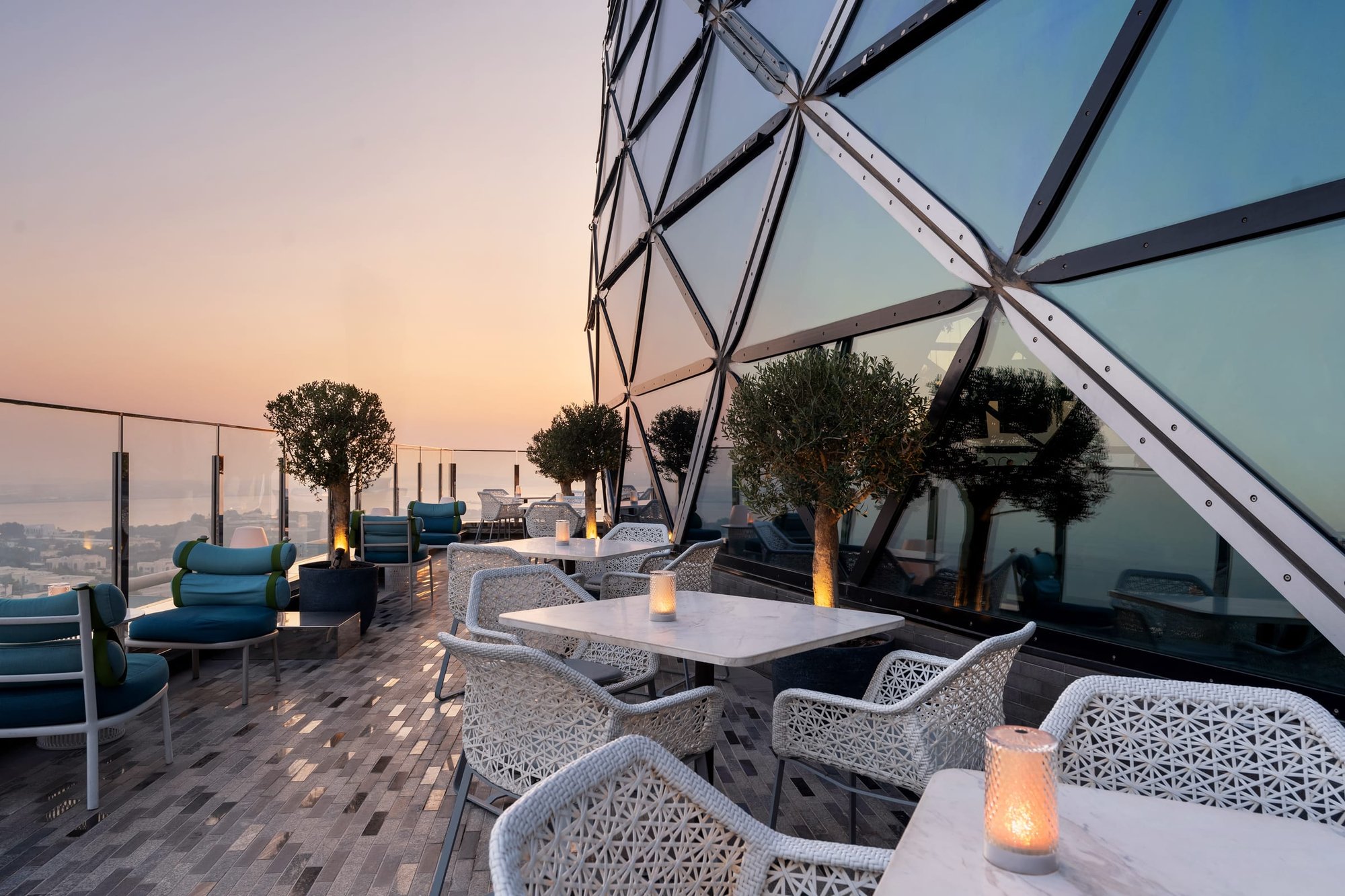
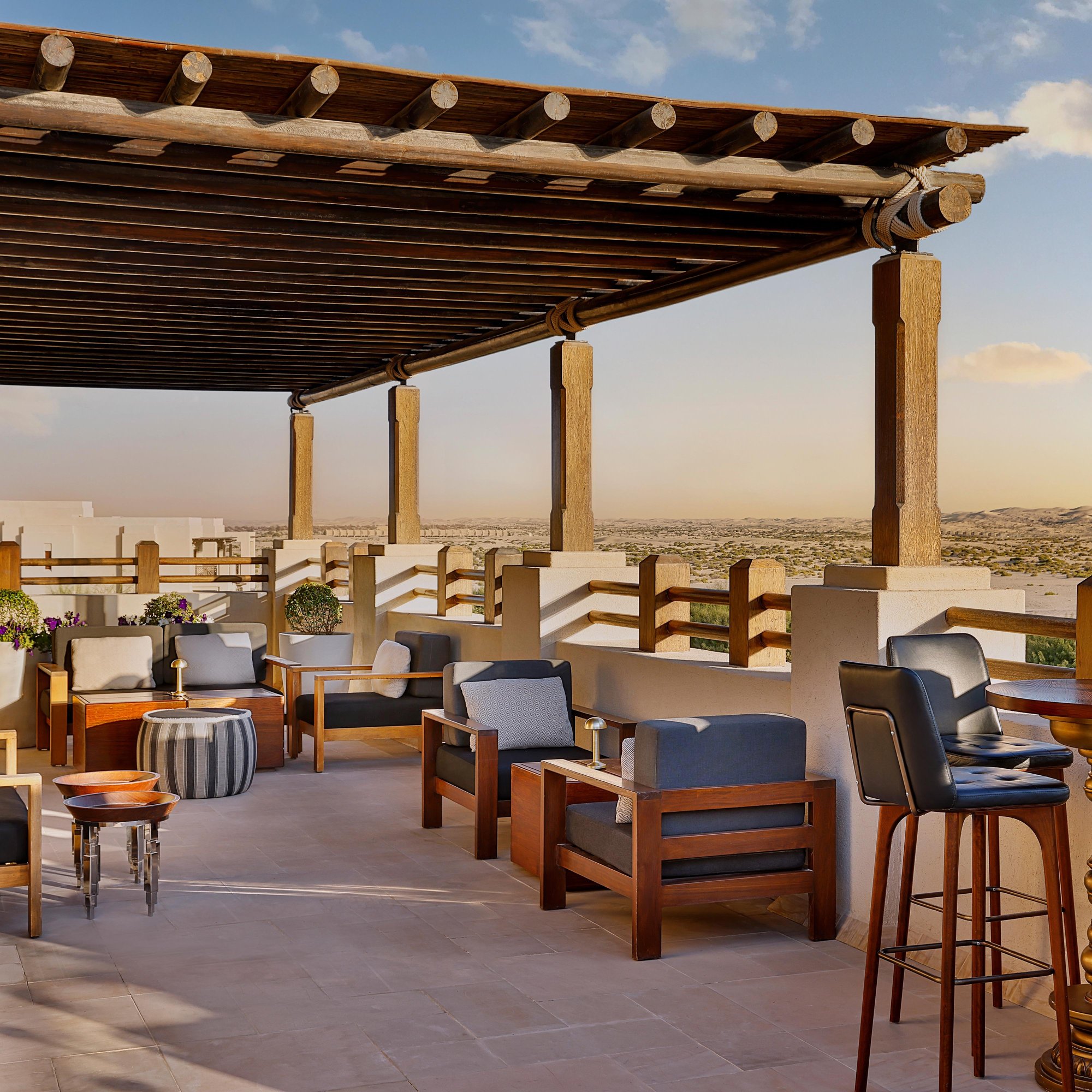
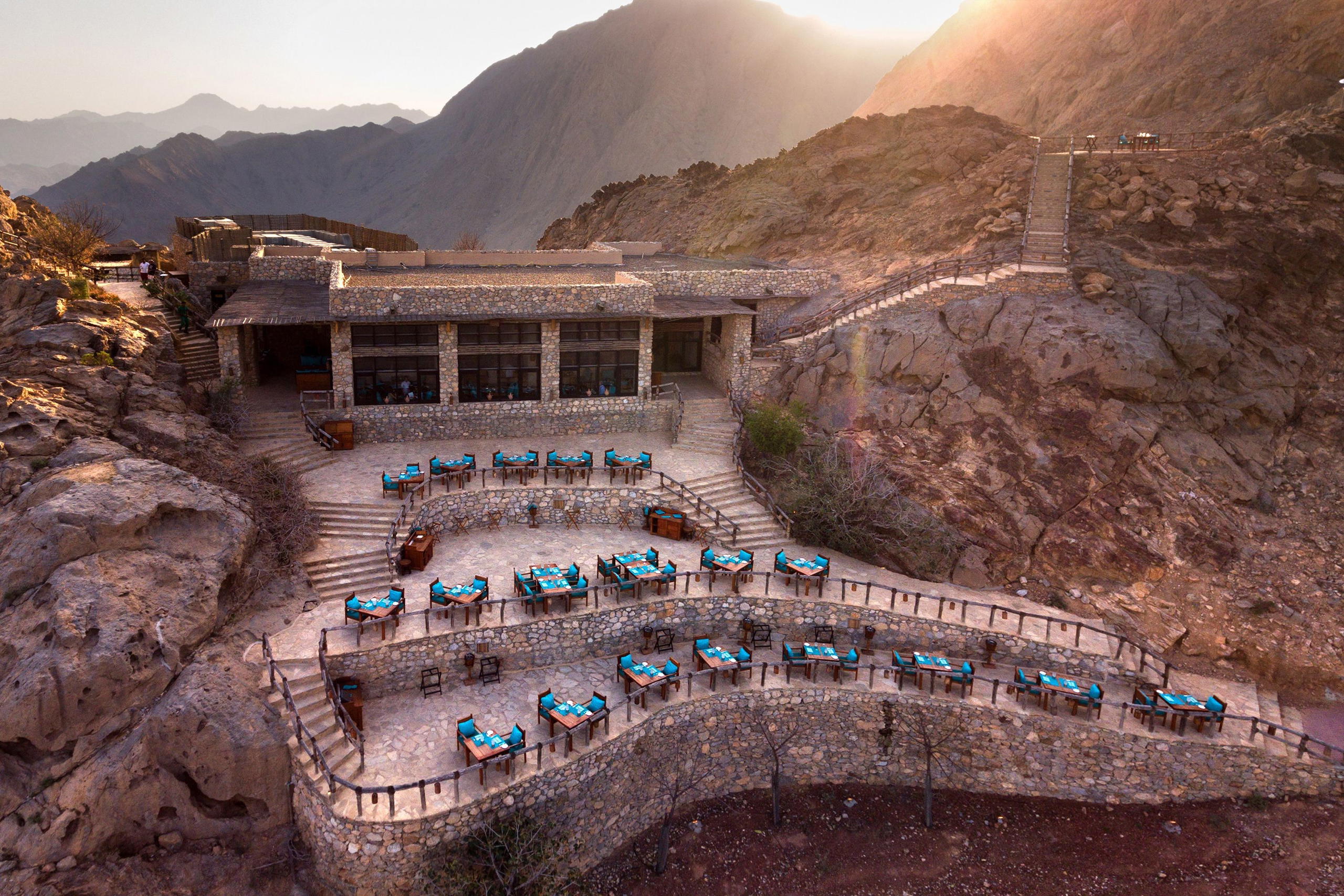
ERTH reads like a recovered piece of place rather than a new build. The property keeps the scale and site logic of its former life as an officers’ recreational centre, so public spaces and room layouts feel slightly asymmetric and grounded in history. That sense of legacy is literal: the hotel’s name—ERTH, meaning “legacy”—is earned by the way the compound settles into the Khor Al Maqta waterfront, with the Arabian Gulf on one side and an old stone watchtower across the water. The result is a quietly scenic, classic-feeling hotel that privileges context and character over glossy spectacle.
Best For
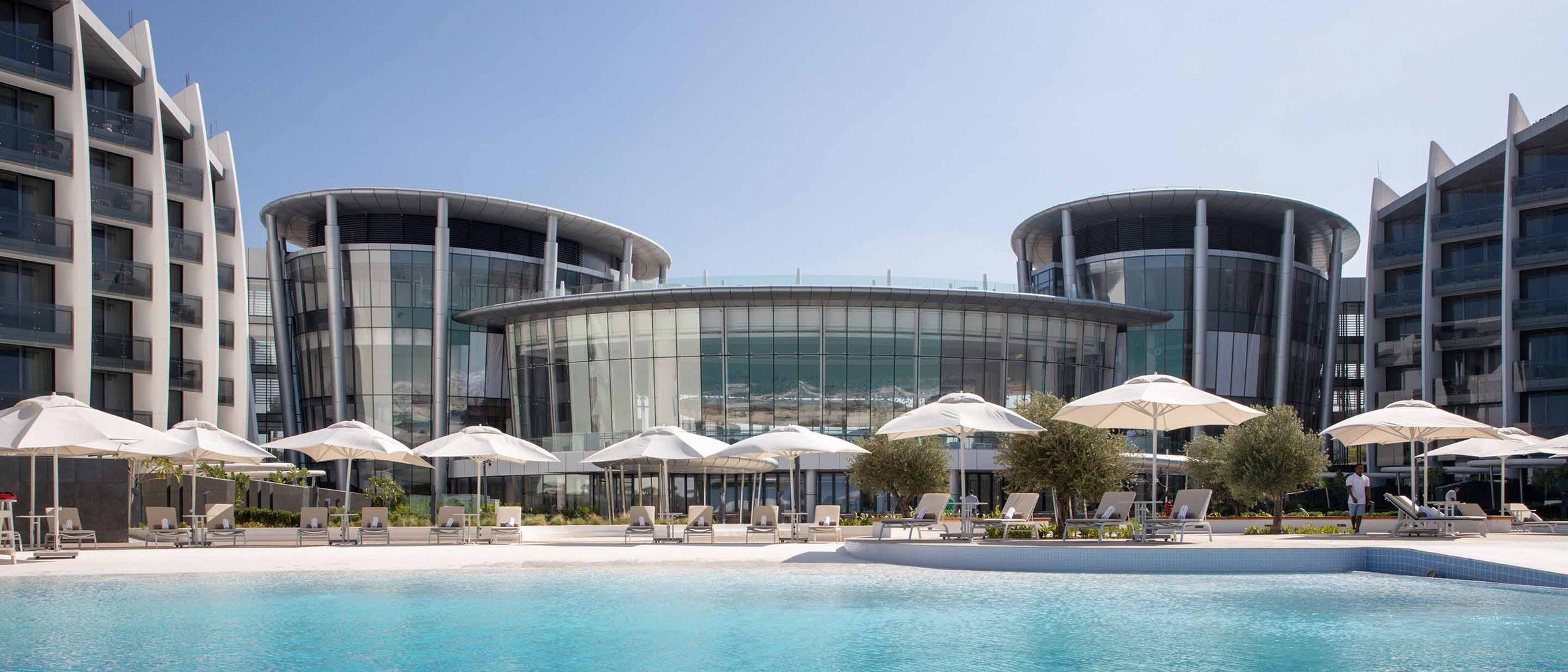
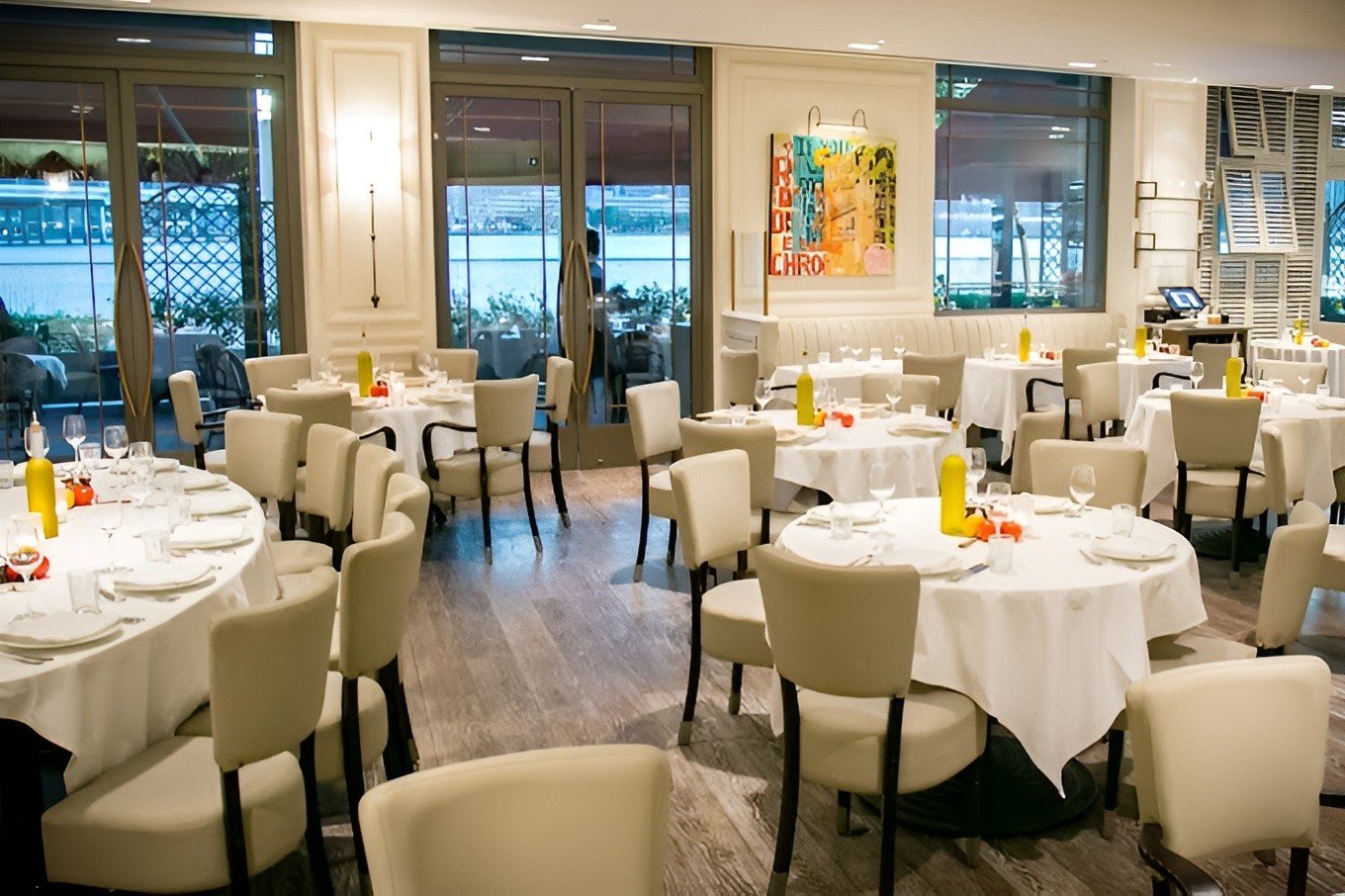
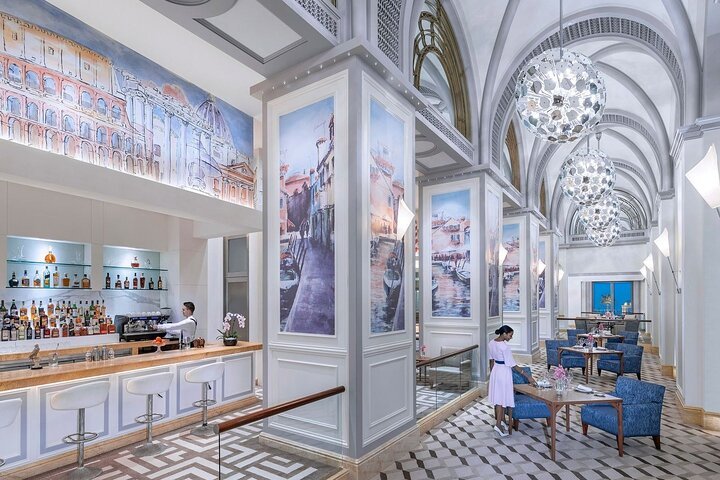
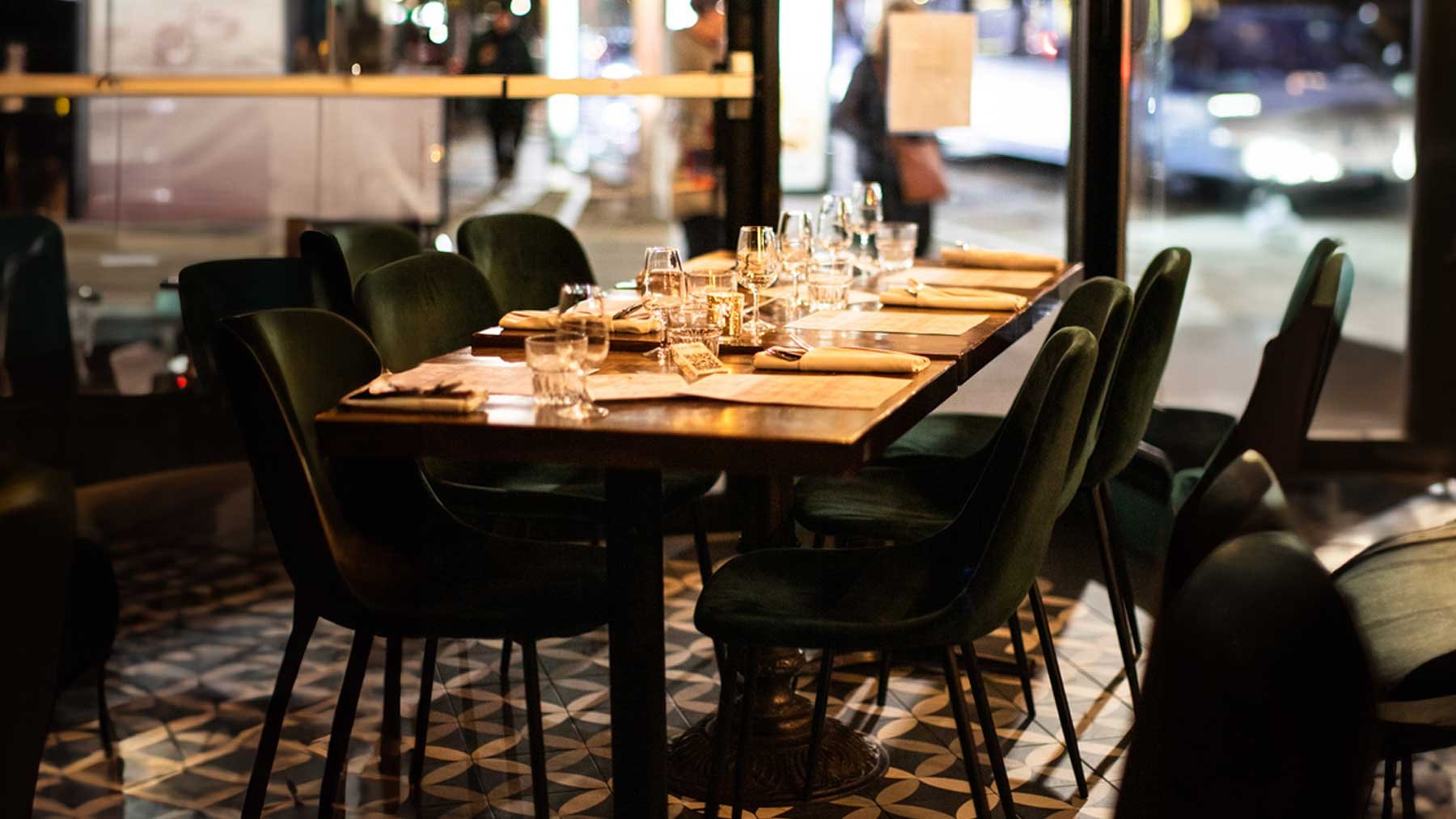
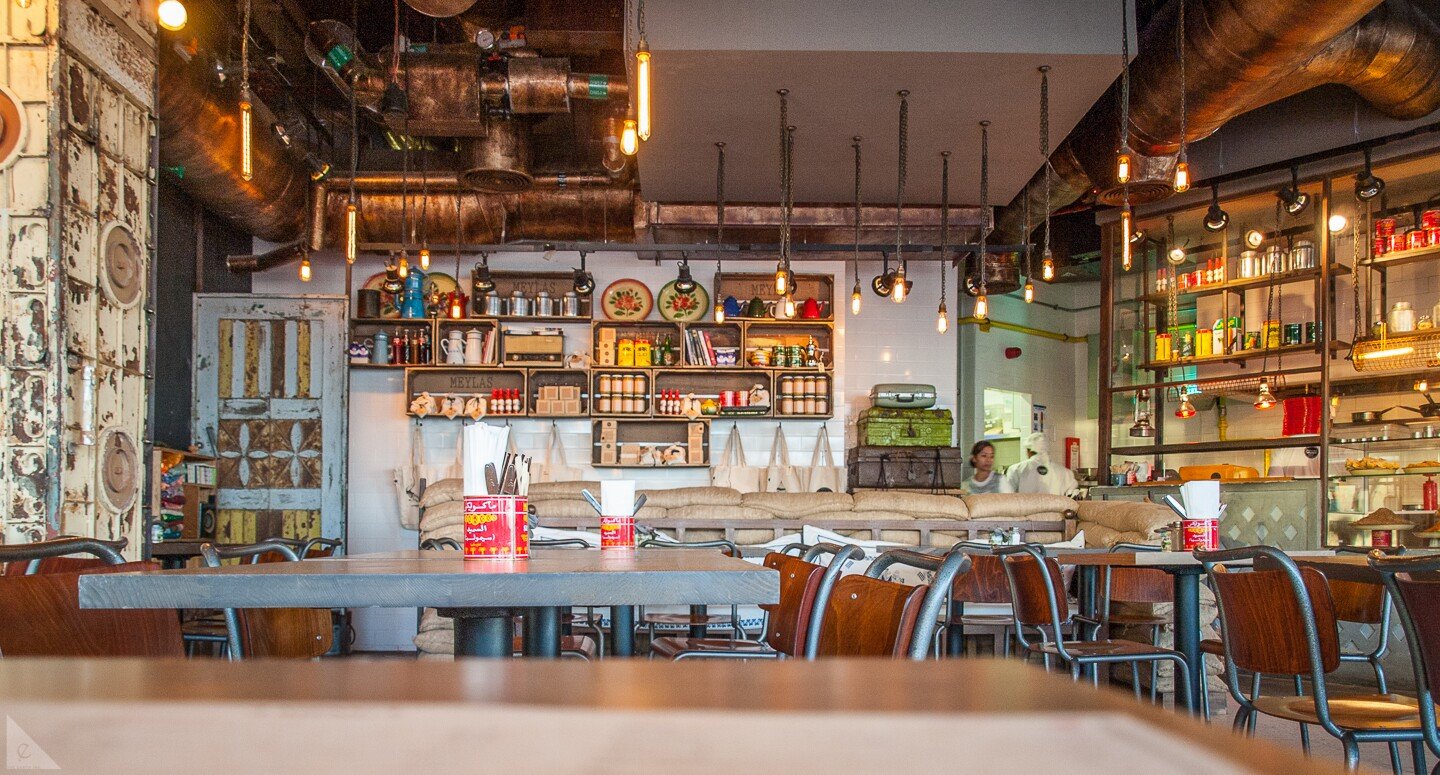
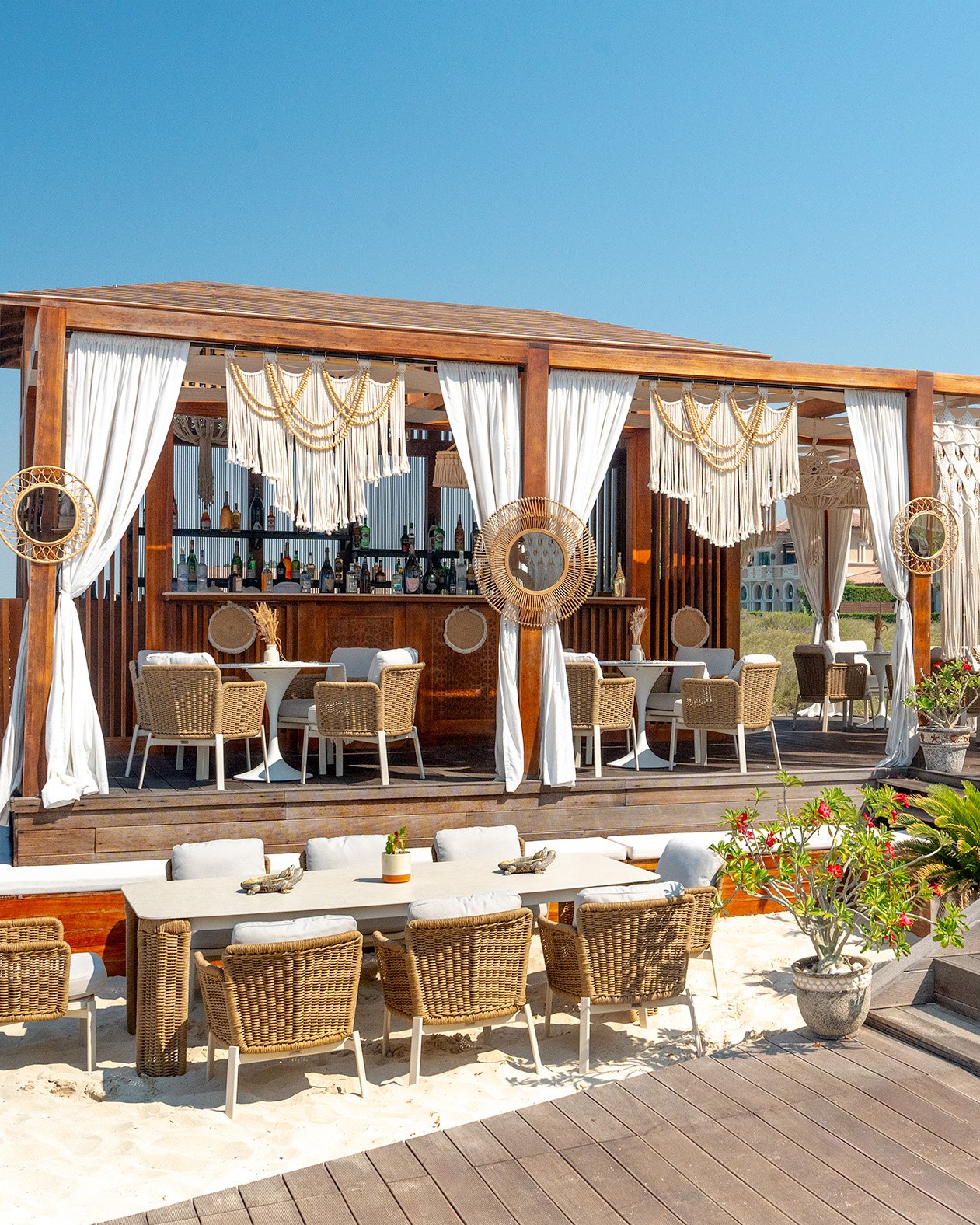
With 294 rooms, suites and villas spread across a waterfront compound and a six-outlet dining programme, ERTH suits a range of stays. Families and groups get space and variety from multiple accommodation types and restaurants; weekend travelers find a scenic, history-rich escape away from the city’s typical new-build glamour; business travelers benefit from the hotel’s upper-tier positioning and generous public spaces that feel more like a compound than a conference block. The coherent dining logic across outlets also makes it easy to stay on property for most meals.
Venue details
Ambiance
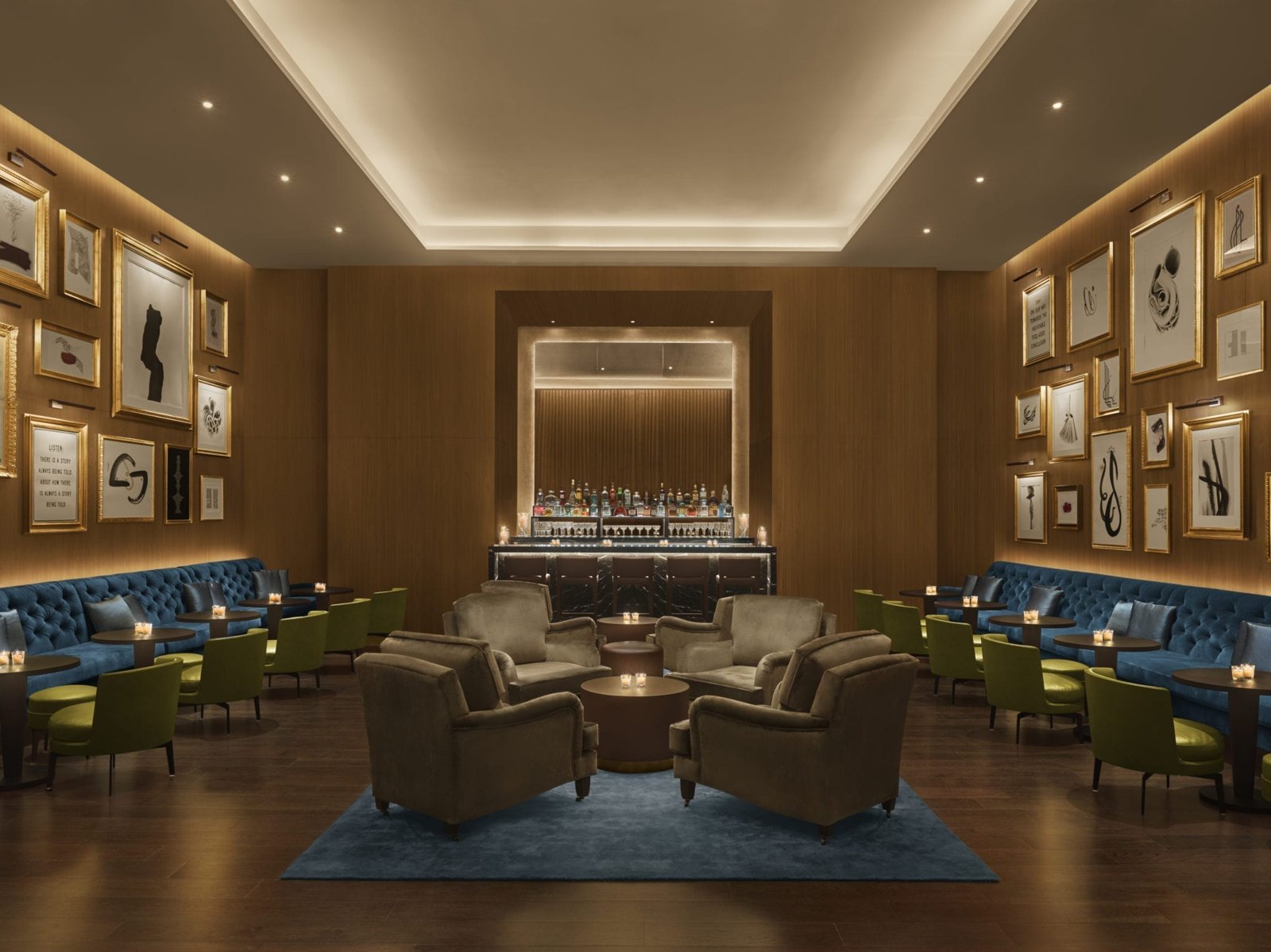
Serene and tranquil atmosphere with silence, coolness, soothing background music, pleasant aromas, magnificent landscaping, and garden views.
Tags
Vibe
Best For
Experience
Amenities
View
Accessibility
About the Stay
- Rooms
- 294
- Check-in
- 15:00
- Check-out
- 12:00
- Property Style
- Modern Eco Certified Resort with Extensive Leisure Facilities
- Design Style
- Elegant Contemporary with Space Shuttle Like Interiors
Know before you go
Know Before You Go
- Getting there
- Khor Al Maqta, Al Khaleej Al Arabi - Road - المزون - خور المقطع - أبو ظبي
Planning details
Location
Khor Al Maqta, Al Khaleej Al Arabi - Road - المزون - خور المقطع - أبو ظبي · Directions
Recognition and awards
Explore Abu Dhabi
Around this place
Discover more on Pearl
Unlock the full ERTH Abu Dhabi Hotel guide in Pearl, including awards, comparisons, FAQs, planning details, and nearby places.
FAQ
Frequently Asked Questions
Is it worth upgrading rooms at ERTH Abu Dhabi Hotel?
At $$$$ and with a Michelin 1 Key in 2025, compare the exact rate, room type, and inclusions before booking.
How does ERTH Abu Dhabi Hotel compare to other hotels?
ERTH Abu Dhabi Hotel is a premium Abu Dhabi option with Michelin 1 Key recognition in 2025. Compare it with other Abu Dhabi hotels based on confirmed details for your dates, especially price, room category, and any services you plan to use.
How is the pool and spa at ERTH Abu Dhabi Hotel?
When is the best time to book ERTH Abu Dhabi Hotel?
Book when the $$$$ rate, room category, and cancellation terms work for your Abu Dhabi trip. For weekends, holidays, or high-demand periods, it is sensible to check availability and conditions earlier.
Do loyalty programs work at ERTH Abu Dhabi Hotel?
What is check-in like at ERTH Abu Dhabi Hotel?
How is the dining at ERTH Abu Dhabi Hotel?
If dining is important to your stay, confirm current options directly with ERTH Abu Dhabi Hotel or use Abu Dhabi dining guides for wider planning.