Book selectively: the Los Angeles restaurant openings worth your time right now are not all dinner reservations. The strongest picks run from Wa-Iro’s Hokkaido-flour pastries in Pasadena’s Old Town to ABL Hollywood’s 35-seat Jamaican-Chinese room and Jacaranda’s 10-course vegetable-forward tasting menu. If you only have one Pasadena stop, Wa-Iro is better for a pastry-and-coffee run, while Nana’s Green Tea is the smarter matcha-and-parfait move.
Peer Set Snapshot
| Venue | Neighborhood/area | Concept or format | Specific menu item or feature |
|---|---|---|---|
| Wa-Iro | Pasadena’s Old Town | Japanese bakery and drink counter | Salt and butter roll, curry pan, s’mores Danish, black sesame latte |
| Nana’s Green Tea | Pasadena | Japan-based matcha teahouse flagship | Matcha mochi parfait, black sesame mochi parfait, hojicha mochi parfait |
| Seedy | Lincoln Heights | Mexican American comfort-cooking restaurant | Papa tostadas, pozole, tahini chickpea salad sandwich |
| Everywhere | Union Station | Brewery taproom with food | Mexican lager, West Coast IPA, burgers, fried chicken sandwich |
| Brick Lane | Arts District | Modern Indian restaurant | Kulcha with soft brie and gooseberry chutney, smoked butter chicken, sourdough naan |
| Cafe Stella | Silver Lake | Reopened French bistro | French onion soup, steak frites, tomato-confit burger |
| ABL Hollywood | Hollywood | 35-seat Jamaican-Chinese restaurant | Jerk fried egg rolls, oxtail macaroni and cheese, deep-fried whole escovitch snapper |
| Jacaranda | Los Angeles | Vegetable-forward tasting-menu restaurant | 10-course vegetable-forward tasting menu |
| Kouzeh | Los Angeles | Persian bread and pastry bakery | Spago alum Sahar Shomali, daytime counter closing at 3pm |
Wa-Iro (Pasadena’s Old Town) leads Los Angeles restaurant openings
Wa-Iro should be first on your list if you want a Japanese bakery, not another dinner booking. The appeal is specific: plush breads, black sesame lattes, pastries made with Hokkaido flour, and a short drink list that covers coffee and matcha without turning the stop into a full sit-down meal.
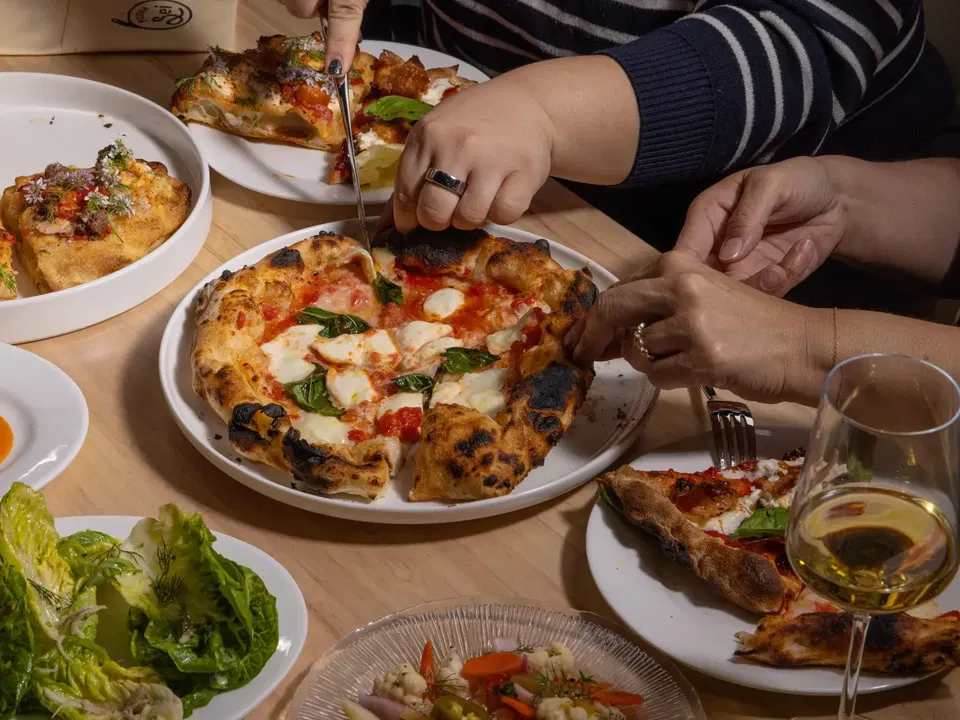
The bakery has taken over the former I Like Pie space in Pasadena’s Old Town, so use it as part of a short Pasadena crawl rather than a cross-city plan. For a first order, start with the salt and butter roll, then add curry pan if you want something savory, or the s’mores Danish if you want the richer side of the case. The Hokkaido-flour lineup also includes cinnamon rolls, honey butter, and a yakisoba-filled panini, so this is not a one-item bakery.
Drinks matter here. The black sesame latte is the obvious signature, but Wa-Iro also serves cold brew, pour overs, a banana cream matcha latte, and sea salt matcha cold brew. Go solo or as a two-person morning stop. For a group, everyone will probably want a second pastry after seeing the case.
Nana’s Green Tea (Pasadena)
Nana’s Green Tea is the Pasadena pick when matcha is the whole point. The Japan-based teahouse chain specializes in matcha and opened its first California flagship location in Pasadena, which gives this more pull than a routine cafe debut.
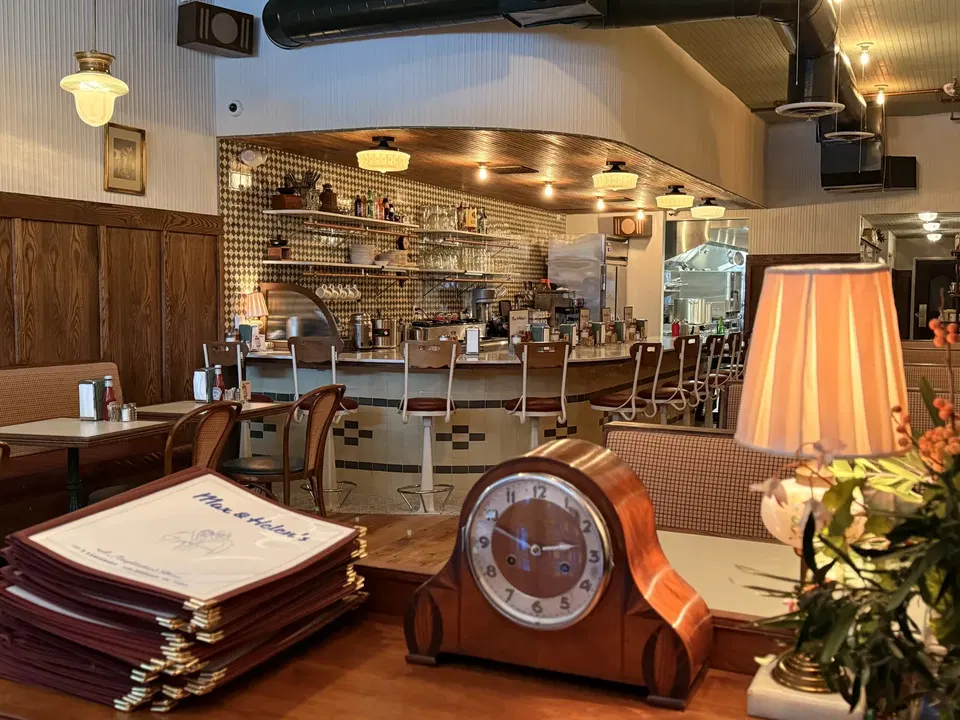
The menu works best for people who know whether they want a clean tea or a dessert drink. You can keep it simple with sencha, hojicha, or hot genmaicha, or go heavier with matcha lattes in classic, brown sugar, mochi, or red bean versions. If texture is the draw, the blended frappes put matcha with chocolate crunch, soft serve, or black sesame in dessert territory.
For a first visit, commit to the layered parfaits. Matcha mochi, black sesame mochi, and hojicha mochi are the combinations to consider before defaulting to a latte. Soft serve gets the same tea treatment: matcha with mochi and red bean, hojicha with chocolate crunch, or vanilla. Savory dishes make it useful beyond an afternoon sugar stop, with chicken soboro don, salmon sashimi don, pork katsu curry, and chicken nanban. This is a casual Pasadena visit, not a reservation-night event, and the range is the point.
Details:
- Price: $
Seedy (Lincoln Heights)
If you followed the pop-up circuit and prefer a focused menu over a sprawling one, Seedy is the Lincoln Heights opening to track. Raquel Rodriguez and Nikko Cruz turned their Mexican American comfort-cooking pop-up into a permanent restaurant in a small space along North Broadway, and the fixed address is the reason to go now.
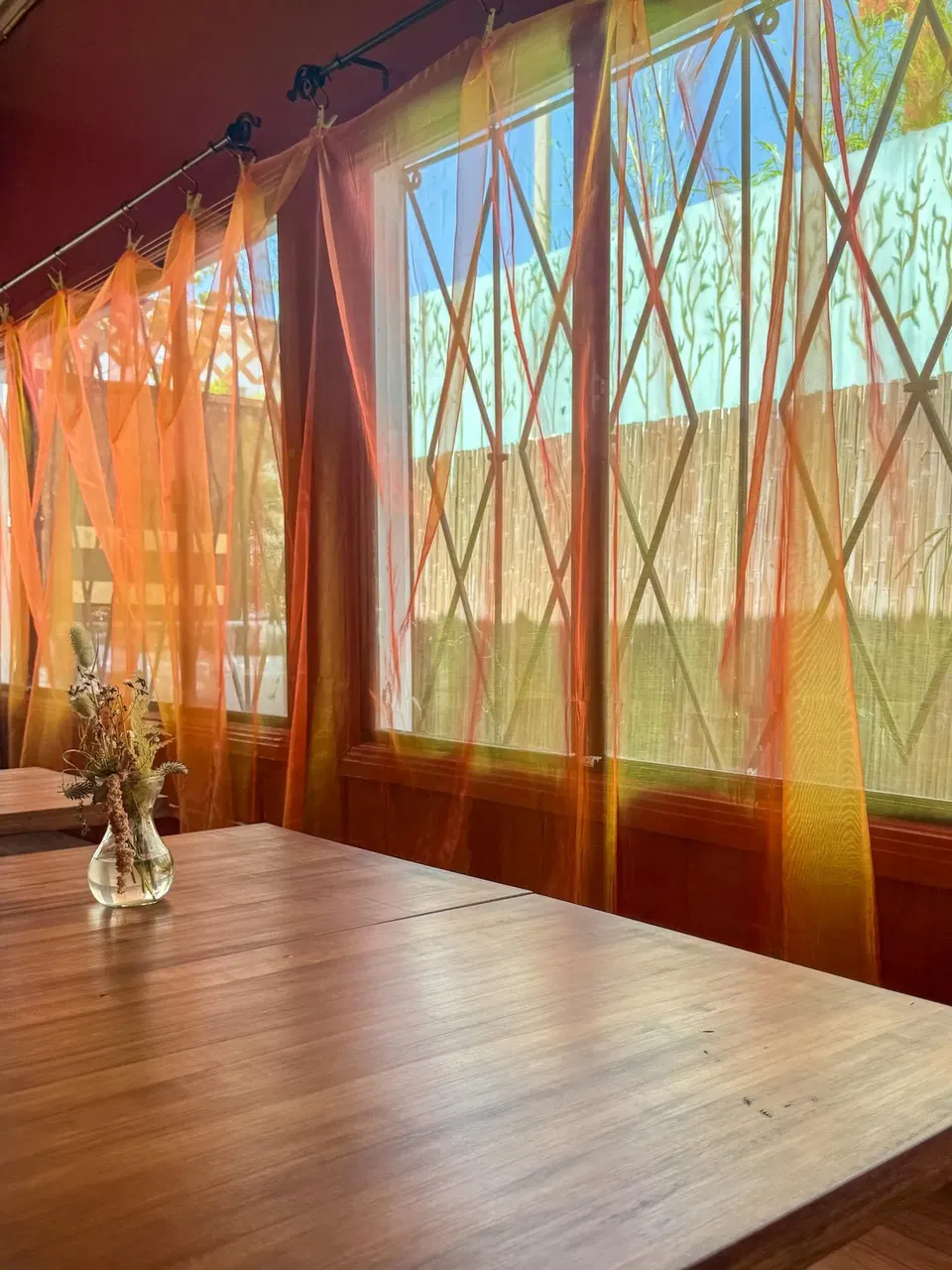
The cooking draws from what Rodriguez and Cruz grew up eating in Southern California. The first order should include papa tostadas with pepita crema, cabbage slaw, salsa verde, and salsa macha. Add the tahini chickpea salad sandwich on thick slices of sourdough if you want the softer lunch-counter side of the menu. Pozole brings tender hominy and massaged greens in a green broth, while the salsa macha chicken bowl nods to Spikes and the pickled-vegetable-and-chicken plates from Zankou Chicken.
Seedy is not trying to compete with the city’s tasting-menu rooms. It is more useful than that: a neighborhood home for a pop-up that already had a point of view. Morning fare and pastries widen the use case, including coconut French toast with fresh fruit, bay leaf coffee cake, and a double-chocolate sesame cookie. Coffee, tea, and shrubs make it flexible for a low-commitment visit. Go when you want flavor and familiarity without booking a formal dinner.
Everywhere (Union Station)
At Union Station, Everywhere is the easiest opening here to use as a transit-adjacent meet-up. The brewery comes from beer industry veterans who previously worked at the Bruery, and its new outpost occupies the former Fred Harvey space at Union Station.
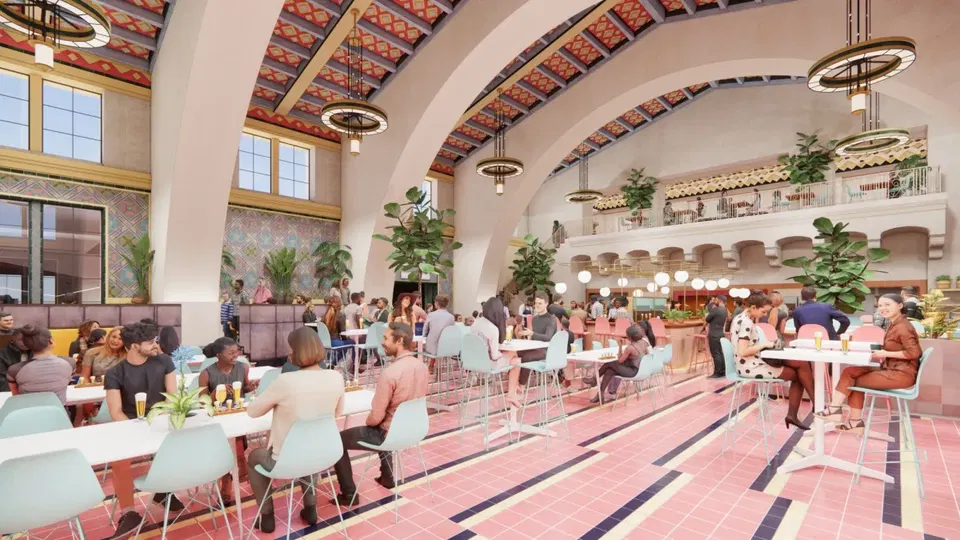
The room matters because Union Station needs places that work for more than one plan: pre-train beer, downtown meet-up, casual group hangout, or a low-pressure stop before heading elsewhere. The tap list includes a Mexican lager and a West Coast IPA, so the table has both crisp and bitter covered. Slushies and seltzers help if not everyone wants beer.
Food keeps it practical rather than precious. Smaller snacks include chicharrones and Tater Tots, while bigger options include burgers, a grilled chicken Caesar wrap, and a fried chicken sandwich. The next piece to watch is Streamliner, a cocktail bar planned inside the taproom. Until that opens, treat this as a beer-first Union Station stop with enough food to hold a group. At $$, it is one of the lower-friction Los Angeles restaurant openings in the current set.
Details:
- Price: $$
Brick Lane (Arts District)
Brick Lane is the Arts District dinner booking in these openings if you want modern Indian cooking with a chef credential attached. Sanjay Rawat, formerly of Kahani at the Ritz-Carlton Laguna Niguel in Dana Point, leads the restaurant, and that background gives the opening more context than another small-plates debut.
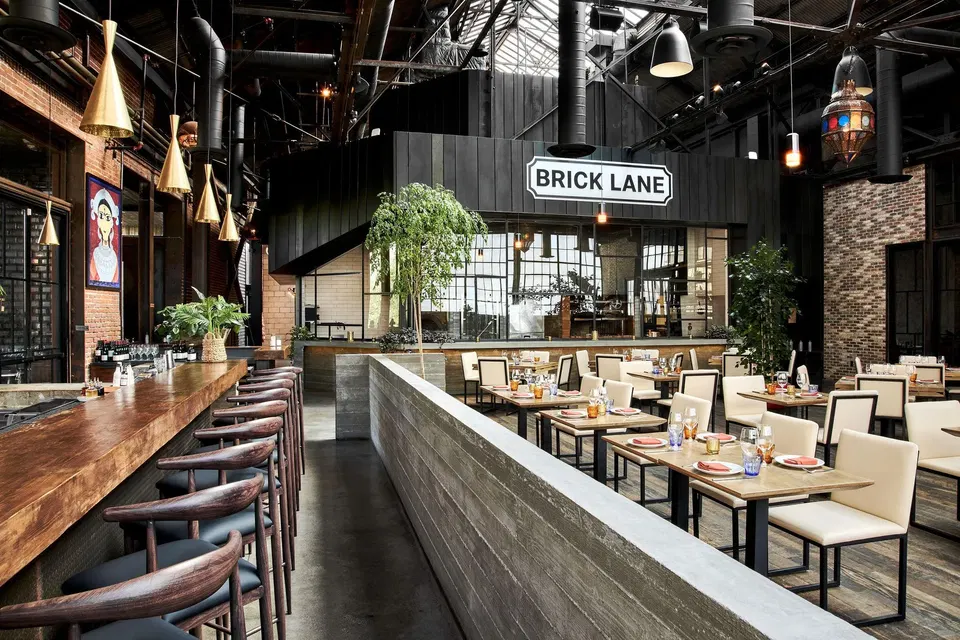
The menu pulls Indian flavors into a California dining format without losing the dishes you actually want to order. Start with kulcha flatbread with soft brie and gooseberry chutney, then move to smoked butter chicken if you want the familiar anchor. The live-fire side gives the kitchen more range: celeriac chapli kebabs and flank steak kebab with mint hummus and pickled onions are the order if your table wants meat and vegetables handled with care.
Bread is not an afterthought. Rawat’s sourdough naan and tandoori roti are worth building the table around, especially if you are ordering sauced dishes. Drinks give Brick Lane another reason to book rather than wait: the bar serves a jaggery Old Fashioned, and the wine list comes from Kathryn Coker, wine director for Rustic Canyon Family. This is the clearest dinner-reservation play in the Arts District section of the current Los Angeles restaurant openings slate.
Cafe Stella (Silver Lake)
That Cafe Stella is not a new idea is the point. The Silver Lake restaurant has reopened after suddenly closing in 2024, bringing back the bistro menu and social rhythm that made it a neighborhood fixture before the pause.
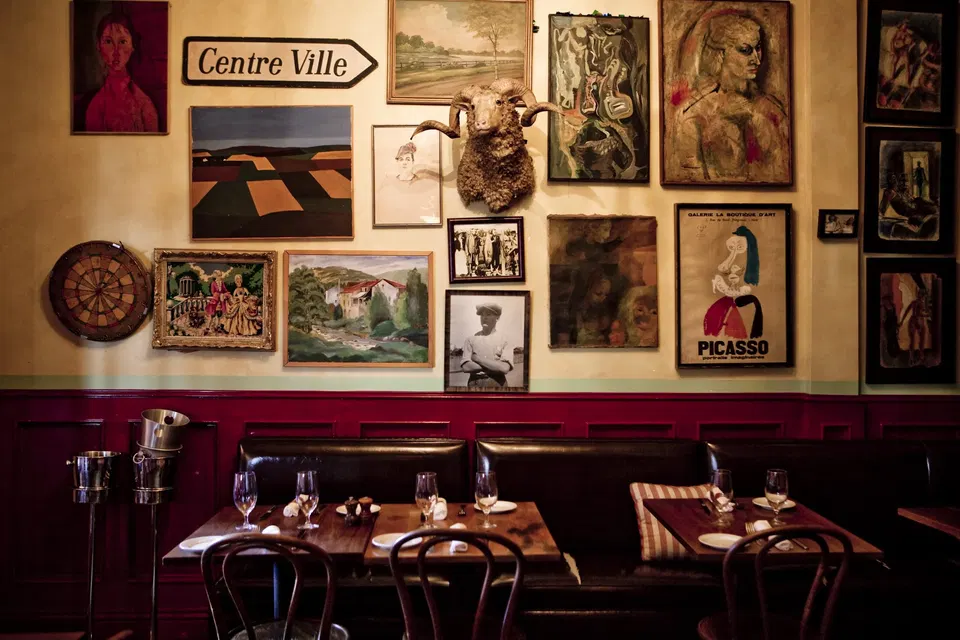
The order is familiar: slow-simmered French onion soup, steak frites, and a burger topped with tomato confit. It is where to go when you want the comfort of a room with a built-in audience and dishes that do not require a server to explain a concept. The city has enough new menus asking for patience; Cafe Stella’s advantage is memory.
Expect long waits on some nights. The crowd is part of the calculus, especially in Silver Lake, where the room’s fashion quotient has long been as visible as the food. Go when you want a late-feeling bistro dinner and do not mind possible friction at the door. Skip it if your goal is a quiet catch-up or a tightly timed pre-show meal. Among reopening stories, this one is less about discovery and more about whether you wanted this address back in rotation.
ABL Hollywood
For Jamaican-Chinese cooking, ABL Hollywood is the high-character Hollywood dinner to book if that is the lane you want. Aja Dawson and Barbara Dawson, the mother-daughter team behind Little Tokyo’s A Beautiful Life, opened the 35-seat restaurant in a former boba shop, so capacity should shape your plan from the start.
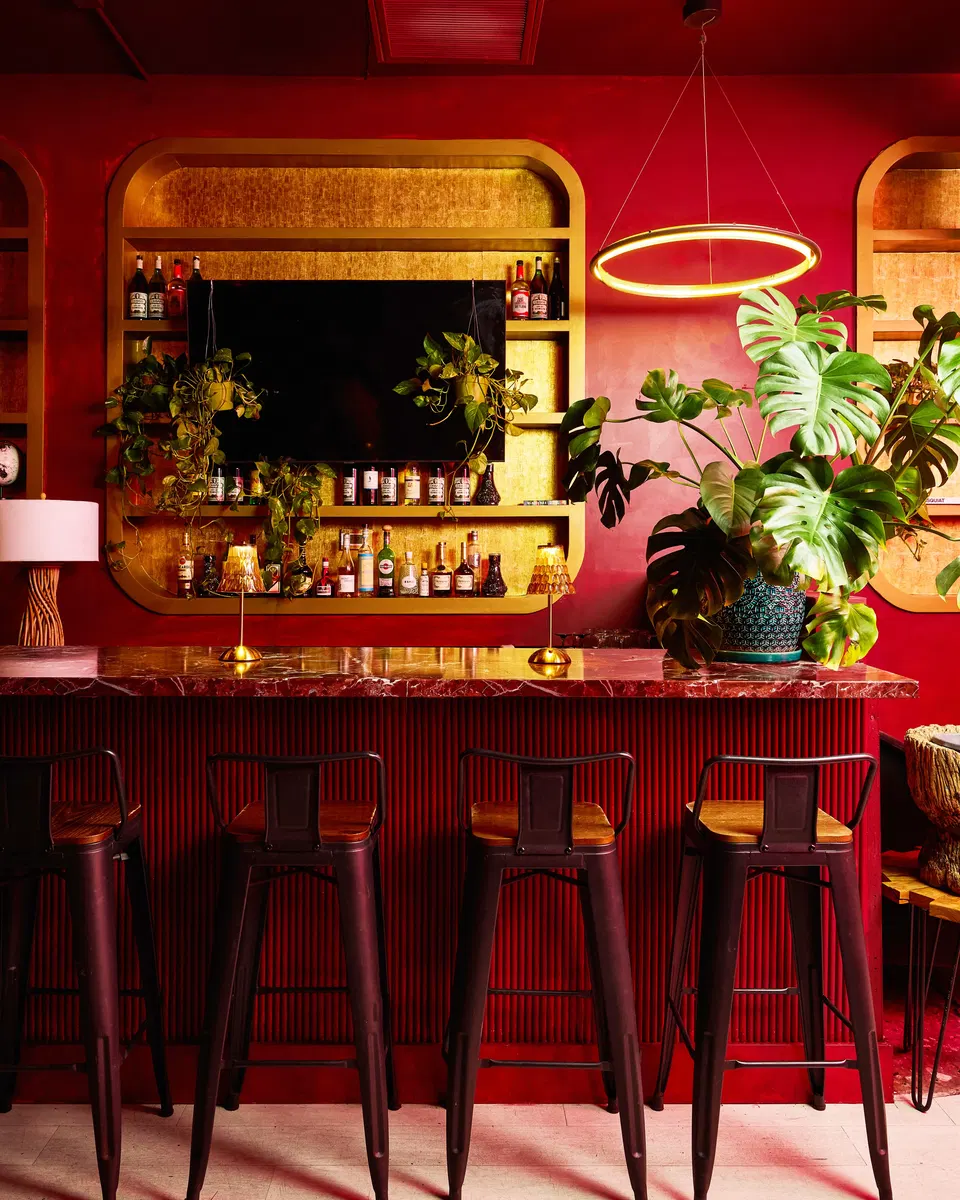
The menu connects family heritage with crowd-friendly dishes rather than turning fusion into a vague label. Start with jerk fried egg rolls or chen pi ji-style chicken wings, then decide how rich you want the table to get. Oxtail macaroni and cheese, traditional beef and vegetarian patties, coco bread, and an oxtail platter with caramelized plantains and rice and peas make this a bigger meal than the small room suggests.
The sharper order is on the edges: oysters fried with jerk seasoning, islander egg rolls filled with jerk chicken, vegetables, or oxtail, and larger dishes such as deep-fried whole escovitch snapper with Scotch bonnet pepper, citrus ginger branzino, curry fried rice, and chen pi ji wings that recall orange chicken. At 35 seats and $$$$, this is not a casual walk-in bet for a large group. Book it for two to four people who will share aggressively.
Details:
- Address: 1649 N Cahuenga Blvd, Los Angeles, California 90028
- Price: $$$$
Jacaranda (Los Angeles)
Jacaranda is the tasting-menu entry to watch most closely. Chef Daniel Patterson and Sarah Lewitinn opened the restaurant with a 10-course lunch and dinner tasting menu in a 30-seat room, and the menu focuses heavily on vegetables while aiming to source from California as much as possible.
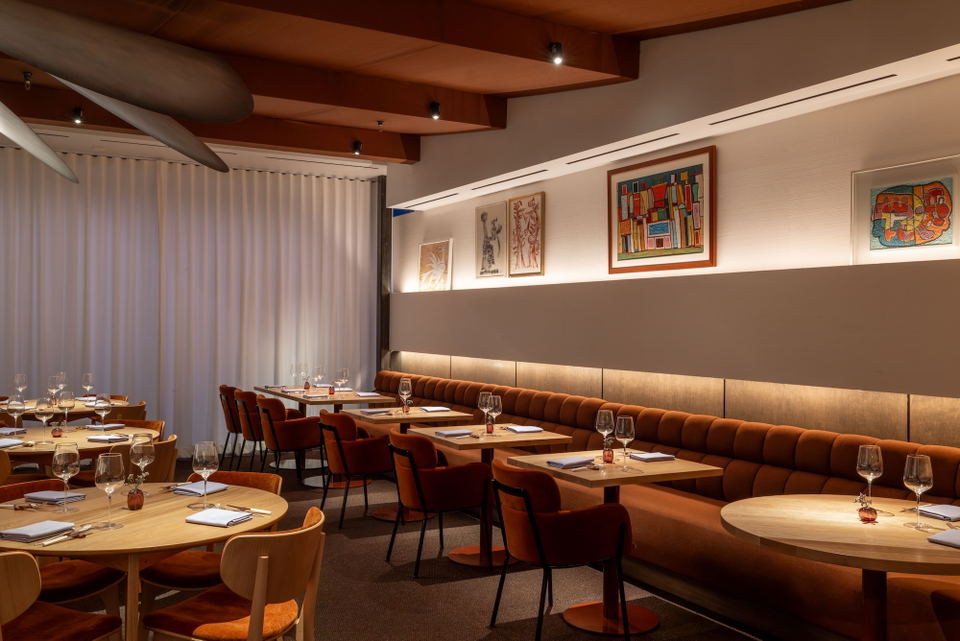
The format is the commitment. Ten courses, lunch and dinner, 30 seats. That is the scarcity signal in these openings, and it is enough to make Jacaranda a priority for diners who plan around tasting menus rather than drop into them. Patterson’s fine-dining background is part of the frame, but the more useful detail is the ingredient direction: artichoke flower, soft tofu with fresh seaweed, and Kauai prawns sit inside a menu that is not built around a luxury-protein checklist.
Dessert also has a named credential. Patterson teamed with Matt Tinder, his former Coi pastry chef, on the sweet side. Expect a fruit platter that includes ripe mulberries, a sugar-crusted raspberry, and a kumquat filled with apricot preserve. This is for diners who want a controlled sequence and are willing to give vegetables the center of the meal. If you need a loud room or a flexible à la carte order, look elsewhere. If you collect tasting-menu formats, add it to the near-term list.
Kouzeh (Los Angeles)
Persian breads and pastries are the gap you keep noticing in Los Angeles, and Kouzeh is the bakery to track. Pastry chef Sahar Shomali, a Spago alum, launched Kouzeh as a pop-up in 2018 to explore the lack of Persian breads and pastries in the city, and the permanent bakery gives that project a clearer address.
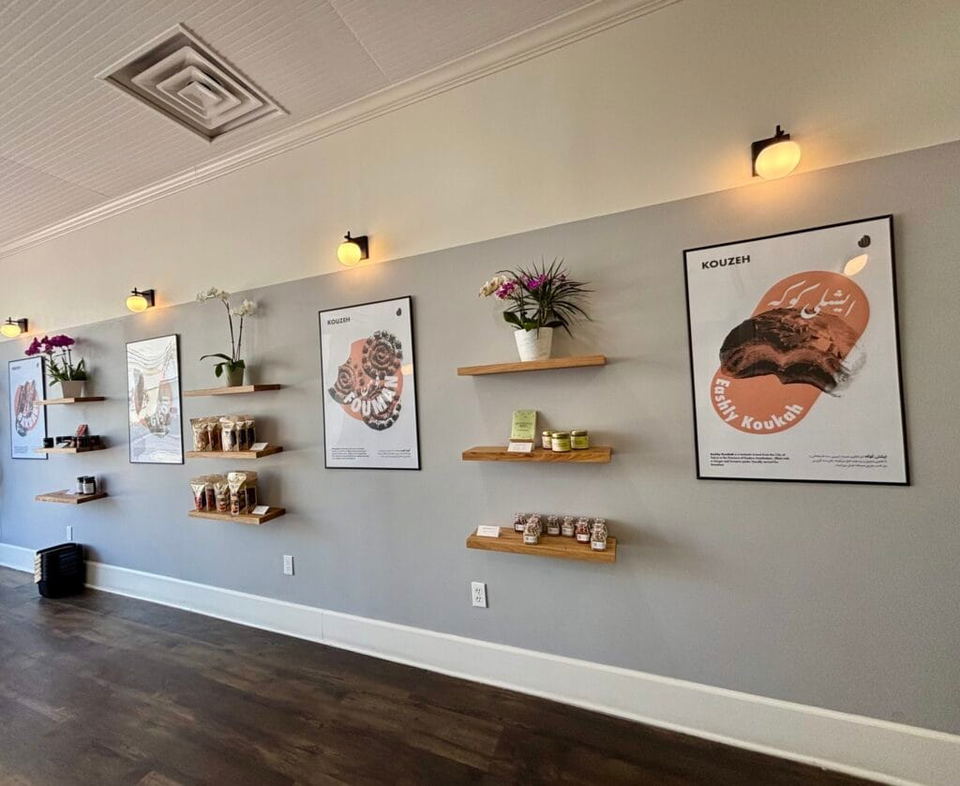
The reason to go is category, not a single viral order. Los Angeles has deep Persian food culture, but bakery counters focused on Persian breads and pastries have not had the same visibility as sushi bars, French pastry cases, or New York-style bagel shops. Kouzeh’s value is that it gives you a daytime stop built around that specific lane, led by a pastry chef with Spago on her résumé.
Treat it as a morning or early-afternoon visit, not a dinner plan. Because the confirmed hours close at 3pm and Tuesday is dark, this is the kind of stop that rewards planning before the rest of the day takes over. Go if you are building a pastry crawl across the city or want a Los Angeles restaurant openings pick that is not another full-service dining room.
Details:
- Price: $$
What’s Next
The current Southland openings list is useful because it does not point in one direction. Pasadena has a Japanese bakery and a Japan-based matcha flagship. Lincoln Heights has a pop-up turning permanent. Union Station has a brewery moving into the former Fred Harvey space. The Arts District has Sanjay Rawat’s modern Indian dinner room, Silver Lake has Cafe Stella back, Hollywood has a 35-seat Jamaican-Chinese restaurant, and Jacaranda is testing demand for a vegetable-forward 10-course menu.

The next thing to watch is whether these openings become repeat-visit staples or stay first-look destinations. For now, choose by format: Wa-Iro and Kouzeh for daytime pastry, Nana’s Green Tea for matcha, Everywhere for a group beer stop, Brick Lane and ABL Hollywood for dinner, Cafe Stella for a known Silver Lake mood, and Jacaranda when you want the tasting menu to be the night. This is the kind of intel Pearl members get first. Join Pearl, your table is waiting.
Frequently Asked Questions
Which Los Angeles restaurant openings are best for a Pasadena stop?
Wa-Iro is the better Pasadena stop for Japanese bakery items, coffee, matcha drinks, and Hokkaido-flour pastries. Nana’s Green Tea is the stronger choice when you want matcha, tea drinks, parfaits, soft serve, or casual savory dishes.
Which Los Angeles restaurant openings are easiest for a group meet-up?
Everywhere at Union Station is the easiest group meet-up because it has beer, slushies, seltzers, snacks, burgers, wraps, and fried chicken sandwiches. ABL Hollywood is more capacity-sensitive because the Jamaican-Chinese restaurant has only 35 seats.
When can you visit the Pasadena matcha flagship?
Nana’s Green Tea in Pasadena is open Tuesday through Thursday from 11am to 10pm, Friday from 11am to 11pm, Saturday from 10am to 11pm, and Sunday from 10am to 10pm. It is located at 45 N Raymond Ave, Pasadena, CA 91103.
How much do Nana’s Green Tea, Everywhere, and ABL Hollywood cost?
Nana’s Green Tea is listed at $, making it one of the lowest-cost stops. Everywhere is listed at $$, while ABL Hollywood is listed at $$$$.
What should you order first at the Hollywood Jamaican-Chinese restaurant?
Start with jerk fried egg rolls or chen pi ji-style chicken wings at ABL Hollywood. For a fuller meal, add oxtail macaroni and cheese, patties, coco bread, or the oxtail platter with caramelized plantains and rice and peas.