Kilchoan Estate by Dunton officially opened today as the brand's first European property. At £1,100 per night all-in for two guests, the estate delivers Dunton's wilderness-luxury formula to Scotland's Knoydart Peninsula, 13,000 acres between Loch Nevis and Loch Hourn, accessible only by boat or on foot. Worth booking if you want controlled-access remoteness with heritage architecture and hyper-local culinary programming. Skip if you need road access or prefer turndown service over self-guided wilderness immersion.
What Makes Kilchoan Estate by Dunton Worth Booking
Five restored stone and timber cottages now open, ranging from two to five bedrooms. Two additional cottages expected in early 2027. London-based Waldo Works handled the interiors, the same studio behind Dunton Hot Springs ' recent restoration in Colorado. The estate spans 13,000 acres on the Knoydart Peninsula, reached only by boat or foot. No road connection. That access constraint alone limits guest volume and preserves the isolation Dunton alumni expect.
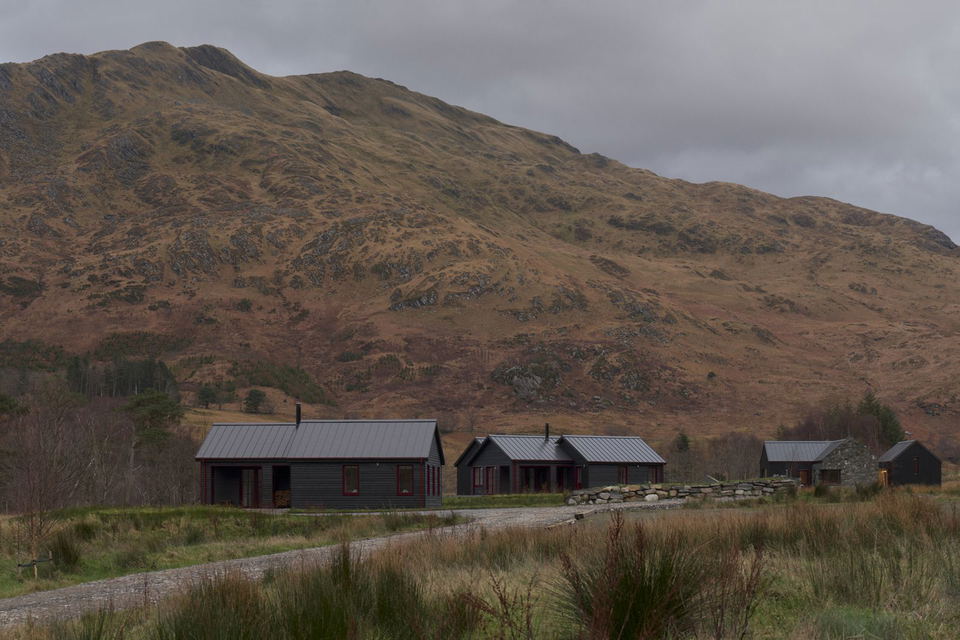
The property translates Dunton's Colorado playbook to Scotland: acquire a historic site with architectural integrity, restore without erasing its past, then layer in hospitality infrastructure that prioritizes place over polish. Katrin and Christoph Henkel acquired the estate and led the restoration. Kilchoan's ownership history traces to the 12th century, shaped by clan traditions and the Highland Clearances. The Henkels preserved that architectural character while preparing the estate for year-round guest access.
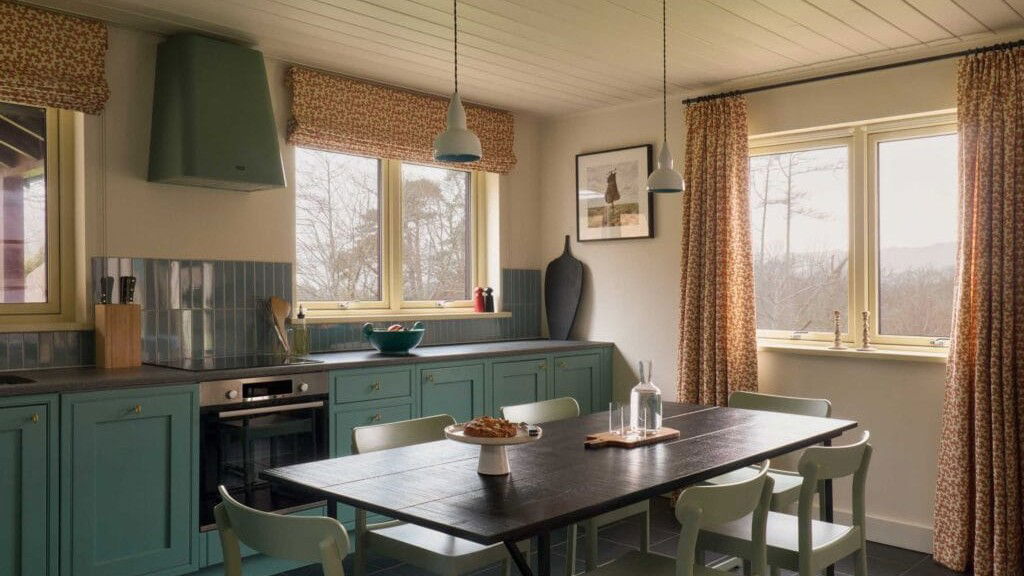
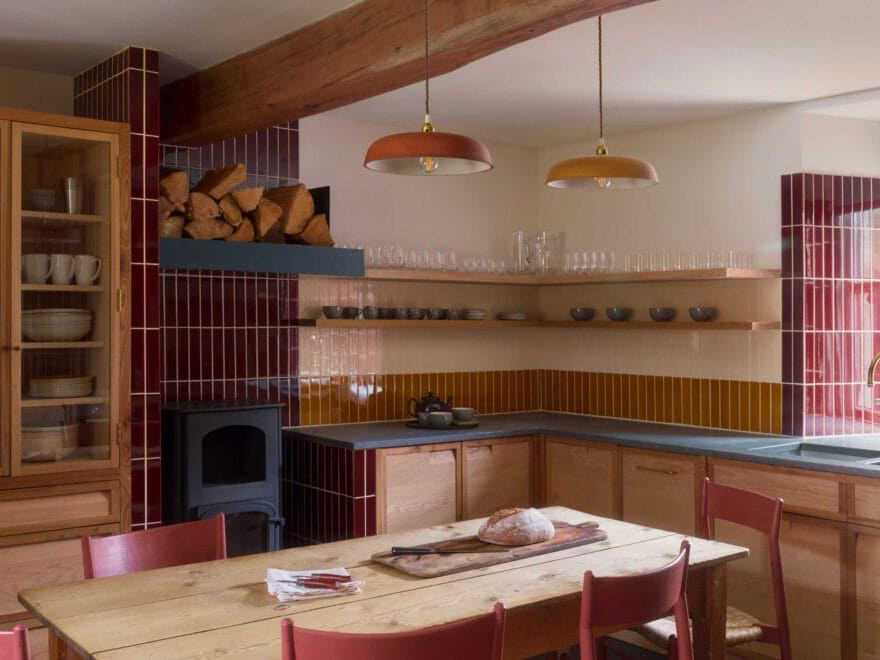
Interiors reflect Highland surroundings through local stone, pine, and slate. Textiles from Bute, Mourne Textiles, and the Isle Mill combine with bespoke Scottish furnishings and European pieces selected by Katrin Henkel. Each cottage carries artwork she personally chose. The design approach favors texture and regional color palettes over decorator showrooms, mountain grays, loch blues, coastal greens.
Beyond the cottages, the estate includes a newly opened spa with sauna and yoga studio, plus The Long House for communal dining. Activities center on the surrounding wilderness: hiking, cycling, kayaking, wild swimming, coastal boat trips, river and sea fishing. Wildlife sightings include red deer, golden eagles, otters, seals, and native marine life. Heritage walks cover the region's cultural and ecological history. After dark, some of Britain's darkest skies offer stargazing conditions rare in Western Europe.
The fossil fuel-free estate incorporates energy-efficient heating and cooling systems. Partnerships with local organizations, including the Knoydart Foundation, anchor conservation and community engagement. Infrastructure improvements respect the integrity of the historic buildings rather than imposing modern templates.
Five Restored Cottages on Scotland's Most Remote Peninsula
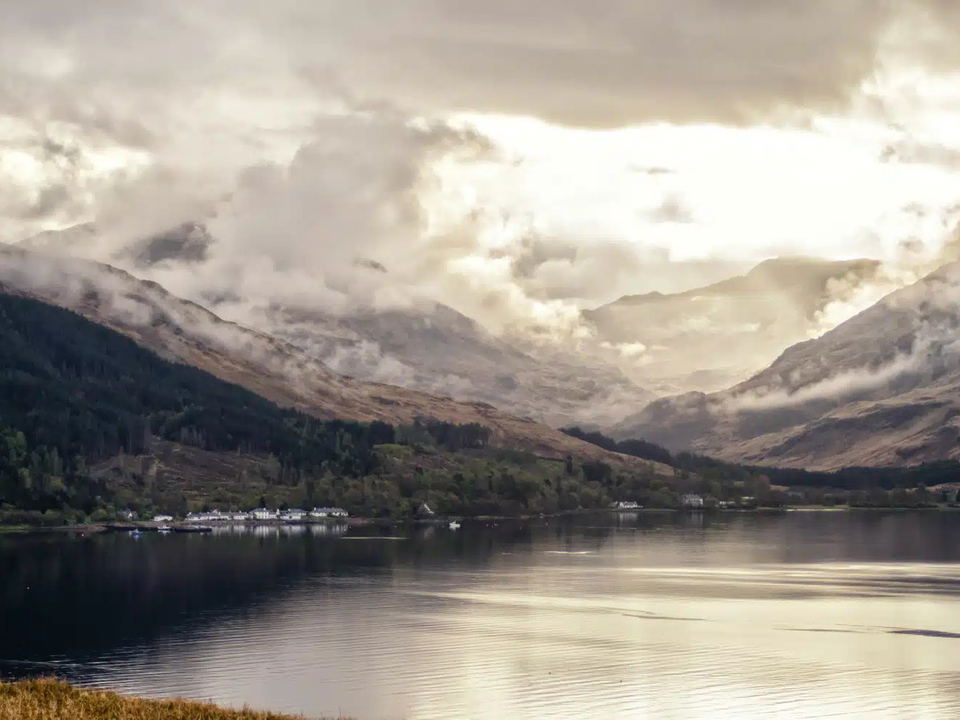
Knoydart Peninsula sits on Scotland's west coast, bordered by Loch Nevis to the north and Loch Hourn to the south. The peninsula has no road connection to the rest of Scotland. Guests arrive by boat from Mallaig or on foot via multi-day hiking routes. That isolation defines the experience, this is not a property you visit between Edinburgh meetings or as a stopover en route to Skye.
Dishes may include Kilchoan smoked salmon with juniper and crème fraîche, hand-dived scallops with Knoydart laverbread, grilled venison saddle with carrots and pickled walnut, and desserts showcasing native fruits and botanicals.1
Jamie Smart, Chef
The five cottages range from two to five bedrooms. Each cottage is a restored stone and timber structure, not a new-build designed to mimic heritage architecture. Waldo Works redesigned the interiors to balance period character with contemporary comfort. The studio previously handled Dunton Hot Springs ' restoration, so the design language carries continuity across the brand's portfolio.
Cottage interiors use local materials: Scottish stone for fireplaces and accent walls, pine for structural beams and furniture, slate for flooring and roofing details. Textiles come from British and Irish makers known for wool and linen work, Bute for upholstery, Mourne Textiles for throws and cushions, the Isle Mill for blankets. Bespoke Scottish furnishings anchor each room, supplemented by European pieces Katrin Henkel sourced personally. The artwork throughout reflects her eye for pieces that connect to the estate's landscape and history.
Two additional cottages are scheduled to open in early 2027, bringing total capacity to seven structures. Even at full build-out, the estate will accommodate fewer than 40 guests at a time across 13,000 acres. That guest-to-acreage ratio is the scarcity hook, Kilchoan Estate by Dunton offers space and solitude at a scale few European properties can match.
The Long House serves as the communal dining venue, echoing Dunton Hot Springs ' approach to shared meals as social anchors. Guests gather for breakfast and dinner, with picnic provisions available for daytime excursions. The spa includes a sauna and yoga studio, both designed for small-group use rather than resort-scale throughput.
The Culinary Program: Local Sourcing Meets Dunton's Hospitality DNA
Chef Jamie Smart leads the culinary program, appointed at opening. His ingredient-led philosophy centers on Highland produce and seafood from surrounding waters. Menus reflect seasonal harvests, foraged ingredients, and regional game. The sourcing radius stays tight, Knoydart Peninsula suppliers, west coast fisheries, and Highland farms within a day's transport.
Smart's menus include Kilchoan smoked salmon with juniper and crème fraîche, hand-dived scallops with Knoydart laverbread, grilled venison saddle with carrots and pickled walnut, and desserts showcasing native fruits and botanicals, according to the estate's opening announcement. The dishes prioritize technique that highlights ingredient quality rather than elaborate plating or molecular flourishes.
Meals are served in The Long House for communal dining, packed as gourmet picnics for hiking or kayaking excursions, or presented as private dining experiences in individual cottages. The format flexibility mirrors Dunton Hot Springs' approach, hospitality adapts to the guest's day rather than imposing a fixed dining schedule.
The all-inclusive rate covers meals, wines, spirits, and ferry transfers. That pricing structure removes the friction of ordering and tallying costs, a model Dunton has used successfully in Colorado. For guests accustomed to à la carte luxury hotels where every activity and meal carries a surcharge, the inclusive approach simplifies the experience and aligns incentives, the kitchen can focus on sourcing the best ingredients rather than engineering margin into each course.
Smart's culinary program connects to Scotland's broader food renaissance. The Highlands have seen a wave of chef-driven restaurants and small-scale producers over the past decade, anchored by names like Tom Kitchin in Edinburgh and Martin Wishart across multiple Scottish locations. Kilchoan Estate by Dunton enters that ecosystem as a destination kitchen rather than a neighborhood restaurant, but the sourcing philosophy and ingredient focus align with the region's culinary identity.
How to Book and What It Costs
Rates begin at £1,100 (approximately $1,500) per night for two guests. Additional guests cost £300 (approximately $410) per person per night. Rates are fully inclusive of meals, wines and spirits, and ferry transfers from Mallaig. That all-in pricing covers breakfast, lunch provisions, dinner, and beverages, no supplements for wine pairings or premium spirits.
Bookings open through duntondestinations.com/kilchoan-estate. The estate operates year-round, though seasonal weather affects activity availability. Summer months offer the longest daylight hours for hiking and kayaking. Autumn brings wildlife activity as red deer enter rutting season. Winter delivers dramatic coastal storms and the darkest skies for stargazing. Spring sees wildflower blooms and migratory bird arrivals.
The boat-only access means guests should plan arrival logistics carefully. Ferry schedules from Mallaig depend on tides and weather. The estate coordinates transfers as part of the inclusive rate, but flexibility around arrival and departure times is limited by marine conditions. Guests hiking in via overland routes should budget two to three days from the nearest road access point.
For context, £1,100 per night positions Kilchoan Estate by Dunton above Scotland's luxury hotel tier (Gleneagles, Balmoral, Cromlix) but below international brands with Scottish outposts. The all-inclusive structure makes direct comparisons difficult, a night at The Fife Arms in Braemar might run £600-£800 for the room alone, with meals and activities billed separately. Kilchoan's pricing reflects the access constraint, the small guest count, and the culinary program's sourcing intensity.
The estate's partnership with the Knoydart Foundation signals a commitment to the peninsula's conservation and community priorities. Knoydart is one of Scotland's last remaining wilderness areas, with a resident population under 100. The foundation manages land stewardship, affordable housing, and economic development. Dunton's involvement suggests the brand sees long-term value in aligning with local stakeholders rather than operating as an isolated luxury enclave.
Kilchoan Estate by Dunton's opening extends the brand's portfolio beyond Colorado for the first time. Dunton Hot Springs has built a reputation among travelers who prioritize place authenticity and architectural preservation over amenity maximalism. The Scottish property tests whether that formula translates to a different geography and cultural context. Early indicators, the Henkel family's hands-on restoration approach, the Waldo Works design continuity, the Chef Jamie Smart appointment, suggest Dunton is replicating the Colorado model rather than adapting it for European luxury conventions.
For readers tracking remote luxury properties in the UK, Kilchoan Estate by Dunton joins a small cohort: Lime Wood in the New Forest, Heckfield Place in Hampshire, and Gleneagles in Perthshire all offer countryside immersion with culinary programs, but none match Kilchoan's access constraint or acreage scale. The closest peer might be Strattons in Norfolk for heritage restoration and local sourcing, though Strattons operates as a boutique hotel rather than a wilderness estate.
The two additional cottages expected in early 2027 will expand capacity modestly without altering the estate's low-density character. Seven cottages across 13,000 acres still delivers the space and solitude that define Dunton's brand promise. The phased opening approach, five cottages now, two more in eight months, suggests the Henkels are prioritizing operational readiness over rapid scale-up.
Kilchoan Estate by Dunton's official opening today marks the brand's first move outside North America. The property delivers on Dunton's core value proposition: historic architecture restored with integrity, hyper-local culinary programming, and access to wilderness landscapes that reward the effort required to reach them.
At £1,100 per night all-in, the estate targets travelers who measure luxury by remoteness and authenticity rather than thread count and turndown chocolates. Worth booking if you want Scotland's last wilderness with hospitality infrastructure that respects rather than domesticates the setting.
Add it to your 2025 shortlist if you're planning a Highland itinerary and value controlled-access exclusivity over road-trip convenience.