
The Killingworth Castle
Wootton by Woodstock, Wootton
Bar in Wootton, United Kingdom
 Book with Pearl
Why go
The Killingworth Castle is a stronger pick for a meal-led pub occasion than for casual drinks, especially if food quality is the reason for going. Its Good Food Guide 2025 “Very Good” recognition gives it more credibility than a standard village pub, and easy booking makes it practical for dates, birthdays, or relaxed business meals near Wootton.
About The Killingworth Castle
In Wootton, The Killingworth Castle is a dining option with a recognised accolade: The Good Food Guide 2025 lists it as GFG Very Good. Its dress code is smart casual, so it is best approached as a considered meal rather than an ultra-casual stop. In practical terms, that means it suits plans where a little thought has gone into the setting and the tone of the occasion, while still avoiding the implication of anything more formal than smart casual.
Choose it for a smart-casual meal in Wootton
The main reasons to consider The Killingworth Castle are its Wootton location, its smart-casual dress code, and its Good Food Guide 2025, GFG Very Good recognition. Those are useful anchors because they position the venue clearly without overcomplicating the decision. If cuisine style, chef, signature dish, price point, menu format, drinks programme, or service style are important to your plans, check those details directly before booking. Treat it, therefore, as a recognised Wootton option where the appeal rests on a guide listing and a dress code that suggests a polished but accessible meal.
That makes it a sensible shortlist option for diners who want a recognised venue in Wootton. It may be especially useful when the priority is to find somewhere with a clear quality marker, rather than to build the whole decision around a particular dish, budget, or format. If the meal is part of a wider plan, place The Killingworth Castle alongside other Wootton dining options and confirm any practical details that matter before you go.
Worth prioritising when recognition matters
The clearest quality signal is the Good Food Guide 2025, GFG Very Good listing. That matters: it is a specific external recognition that can be stated plainly. Beyond that, avoid making the choice on the assumption of specific dishes, prices, seating, outdoor space, lunch service, or a particular drinks focus unless you confirm those details directly. This is less a drawback than a boundary for responsible planning; the venue can still be considered, but the decision should be based on what matters most to the occasion.
If the outing is food-led, keep The Killingworth Castle on the Wootton shortlist because the recognition is meaningful. It gives the venue a reason to be considered, while the smart-casual dress code helps set expectations for the tone of the visit. If the priority is a specific format, exact budget, outdoor seating, or a particular service time, compare nearby options first and confirm details before you go. That extra step is important for anyone whose plans depend on logistics rather than simply choosing a recognised place to eat in Wootton.
Planning details
- Location
- Glympton Rd, Wootton, Woodstock OX20 1EJ, United Kingdom
- Website
- thekillingworthcastle.com
- Phone
- +44 1993 811401
The take
The Take
The Vibe
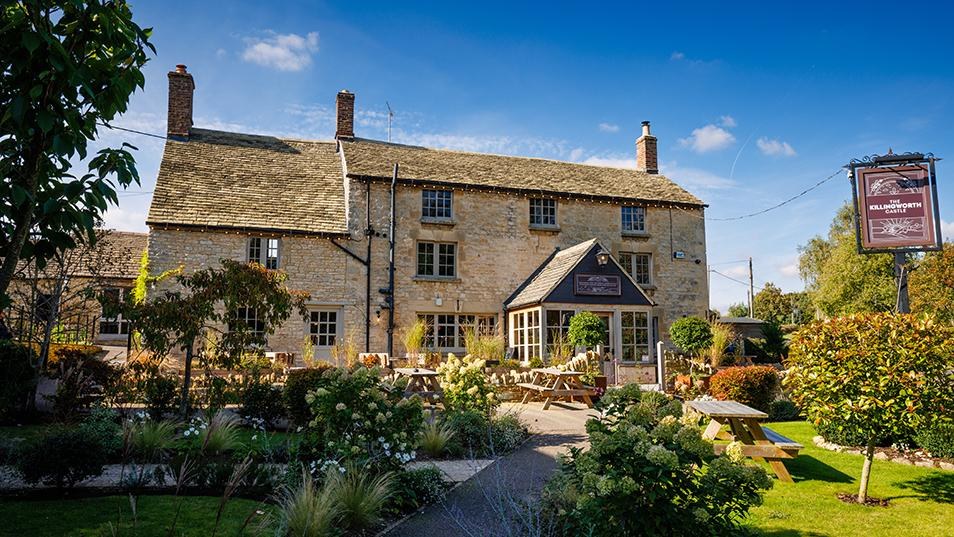
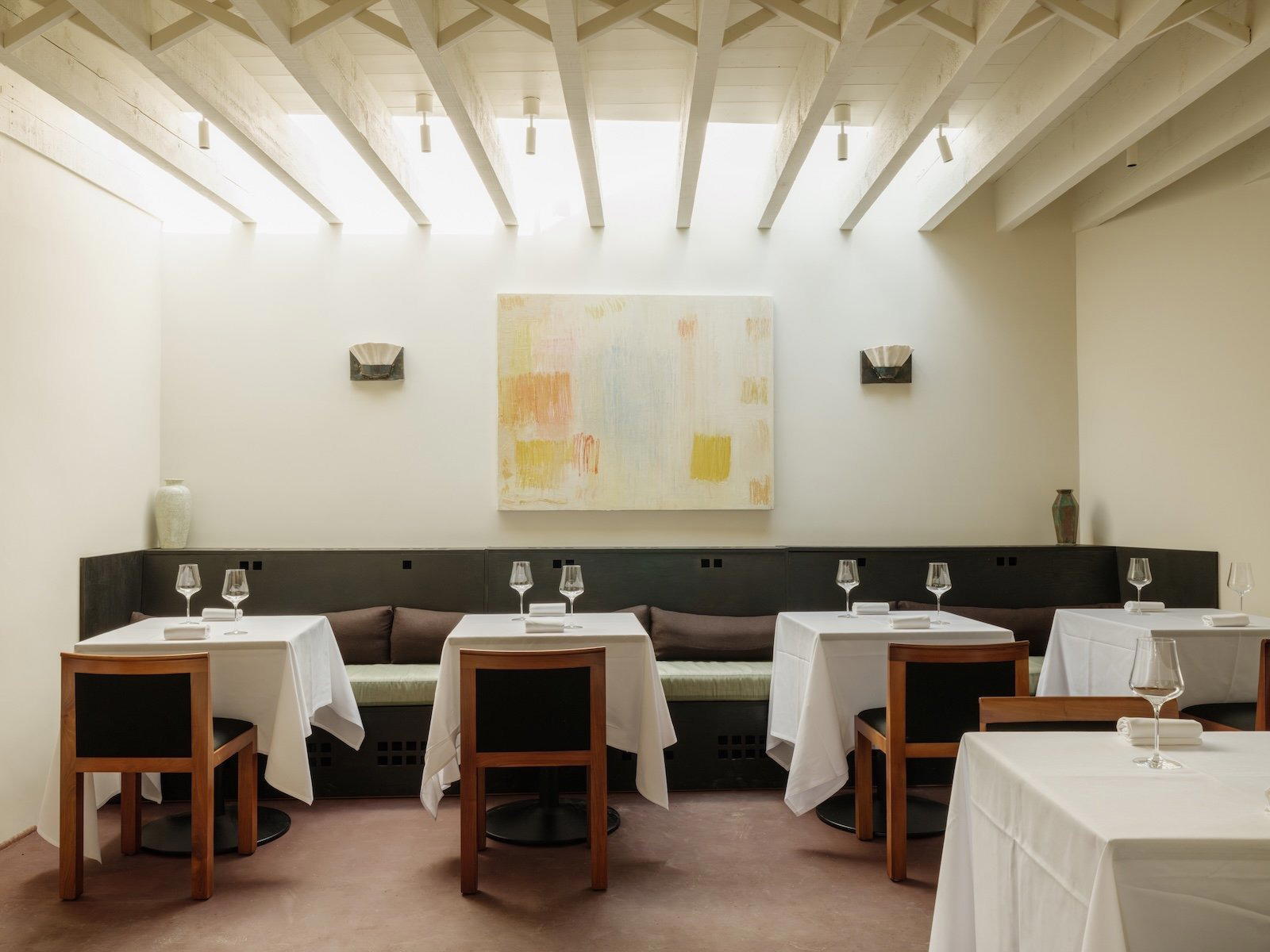
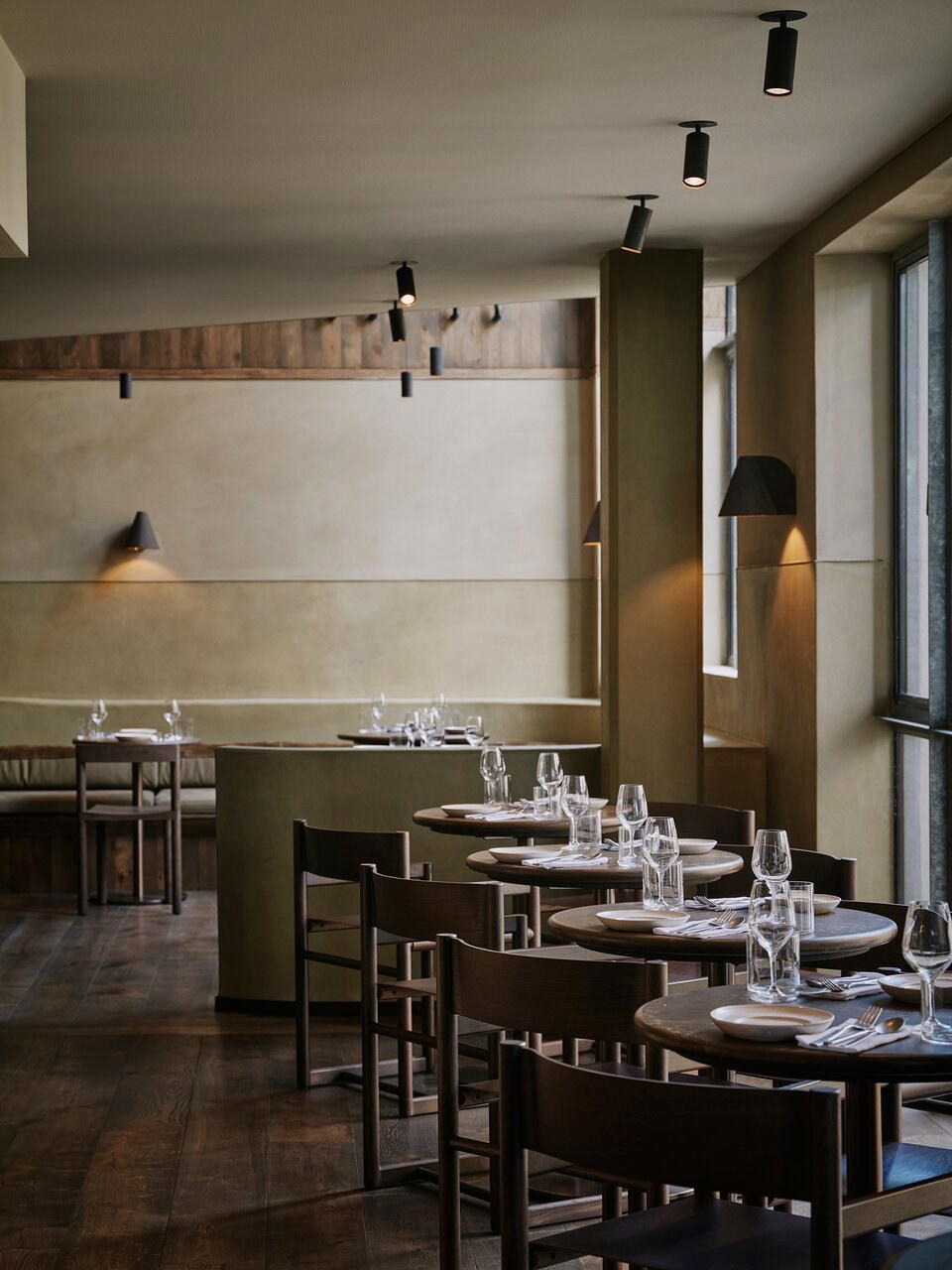
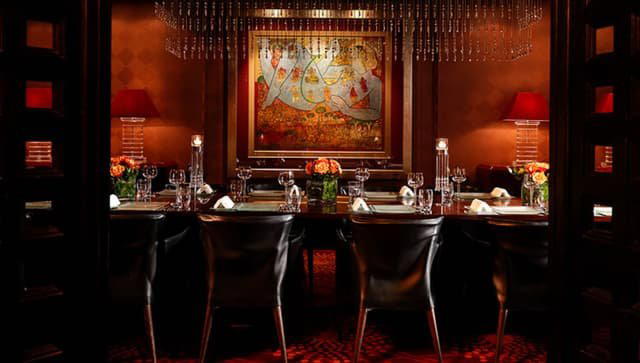
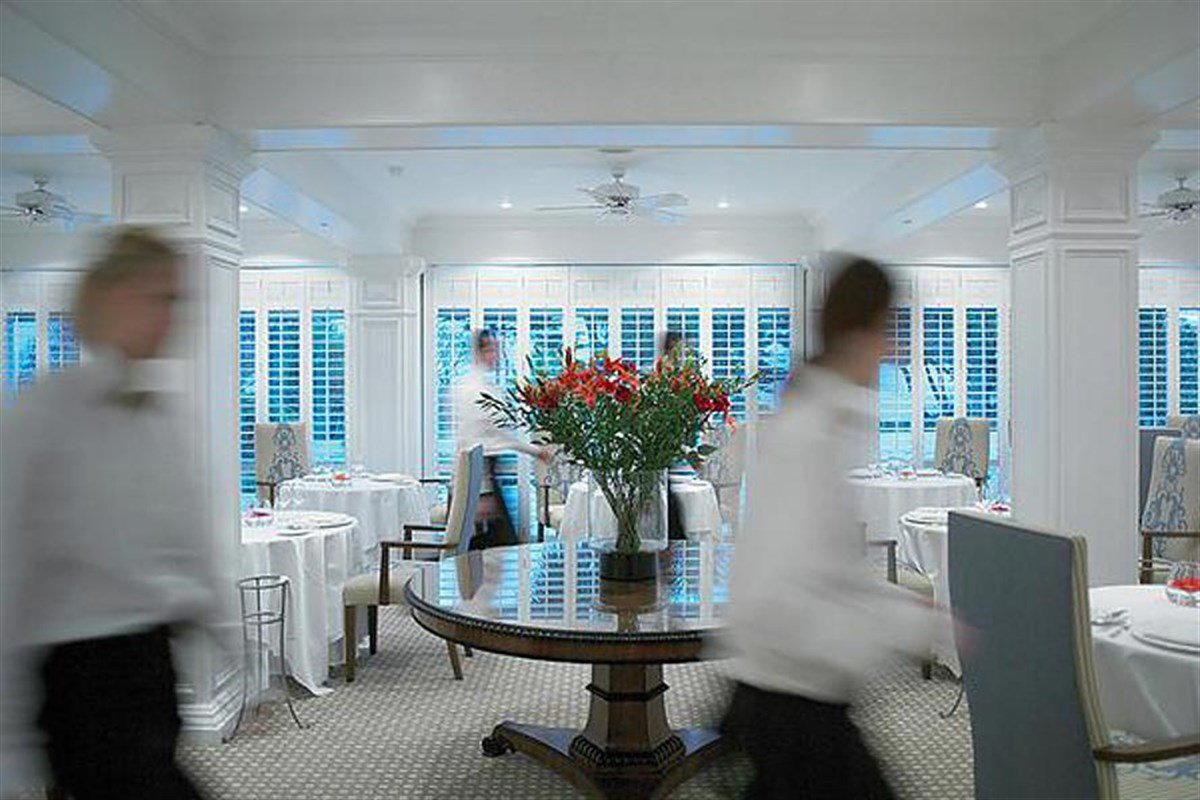
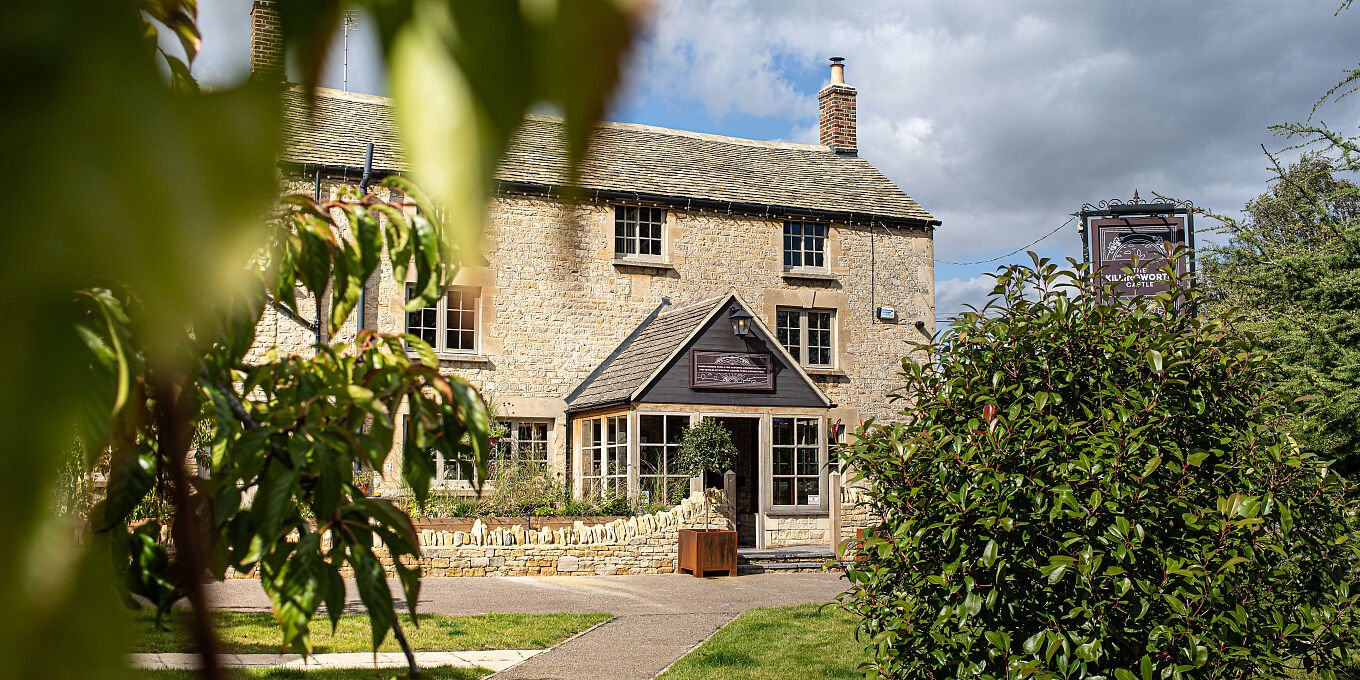
The Killingworth Castle presents a thoroughly Cotswold feel: stone walls, low proportions and flagstoned floors anchor the place in local history. The front bar remains a proper pub, with villagers nursing real ale and conversation at a low murmur, while a wood-burning stove lends warmth in winter. Through a 17th-century bar you reach a recently extended dining room where restraint in decor lets the architecture do the work. The overall impression is intimate and charming—a historic village inn where genuine local life and thoughtful cooking coexist without one crowding out the other.
Best For
This is primarily a dinner destination where serious, seasonal cooking meets a classic pub setting. It suits couples seeking a quietly atmospheric date night and locals dropping in for an after-work pint before or after a meal. The split personality—front bar for regulars and a separate dining room for the kitchen’s fuller-flavoured plates—also makes it a good pick for anyone who wants reliable, technically accomplished food without losing the informal pub comfort that defines the place.
Ordering Tips
Start in the front bar to soak up the pub atmosphere and sample one of the real ales before moving through to the dining room. The kitchen emphasizes seasonal, full-flavoured dishes executed with technical care, so look for preparations that showcase that precision; the menu even sends out classic bar-to-table bites (gougères filled with cheese are mentioned). Keep expectations on flavour combinations high—the cooking is confident rather than showy—so opt for dishes that highlight seasonality and the chef’s training pedigree.
Venue details
Ambiance
Rustic-sleek with exposed-stone walls, flagstoned floors, crackling wood-burning fires, and a warm, cosy atmosphere.
Tags
Vibe
Best For
Experience
Format
View
At the Bar
- Bar Category
- Pub
- Late Night
- Closes by Midnight
Know before you go
Know Before You Go
- Getting there
- Glympton Rd, Wootton, Woodstock OX20 1EJ, United Kingdom
Planning details
Location
Glympton Rd, Wootton, Woodstock OX20 1EJ, United Kingdom · Directions
Recognition and awards
Also consider
Where to look if you cannot get the table
Try The Bull Charlbury if you want a countryside pub feel with more of a day-out rhythm. Try The Nut Tree Inn if the meal itself is the main event and you are comfortable aiming for a more destination-style booking.
For broader bar research, compare Pearl's UK bar pages including 107 Wine Bar in London, 182 Queen Margaret Dr in Glasgow, 48 Trafalgar St in Brighton and Hove, 68 Richmond Rd in Bristol, ABC Club in Manchester, Angelica & Crafthouse in Leeds, and ¡BE! Club in San Sebastián.
Bar context
How it compares with nearby food pubs and bars
For a food-first pub meal, The Killingworth Castle is the safer choice over Living Room Bar if the occasion needs dinner to do the work rather than drinks and atmosphere. It also feels more purpose-built for a quiet celebration than The Duck on the Pond, where the name signals a more classic pub alternative.
The Bull Charlbury and The Lamb Inn are the cross-shops for readers who want an inn-style meal with a broader countryside outing around it. Choose The Killingworth Castle when the booking is mainly about the table; choose those if the stay, village setting, or longer day out matters as much as dinner.
The Nut Tree Inn is the comparison for diners who want a more overt destination meal. If ease matters, The Killingworth Castle has the advantage: booking difficulty is easy, which makes it more useful for short-notice occasions where quality still matters.
Explore Wootton
Around this place
Discover more on Pearl
Unlock the full The Killingworth Castle guide in Pearl, including awards, comparisons, FAQs, planning details, and nearby places.
Compare The Killingworth Castle
| Venue | Location | Awards |
|---|---|---|
| The Killingworth Castle | Wootton | The Good Food Guide 2025 |
| The Bull Charlbury | Charlbury | No published awards |
| Living Room Bar | North Leigh | No published awards |
| The Lamb Inn | Crawley | No published awards |
| The Duck on the Pond | South Newington | No published awards |
| The Nut Tree Inn | Murcott | No published awards |
How The Killingworth Castle Wootton compares with similar nearby venues.
FAQ
Frequently Asked Questions
Does The Killingworth Castle have happy hour deals?
Is The Killingworth Castle good for groups?
For groups, check capacity, table arrangements, and booking requirements directly. The Killingworth Castle is in Wootton, has a smart-casual dress code, and holds Good Food Guide 2025, GFG Very Good recognition.
Is The Killingworth Castle good for a date?
It may work for a date if you want a smart-casual Wootton venue with Good Food Guide 2025, GFG Very Good recognition. For a very specific atmosphere or seating style, confirm directly before booking.
Do I need a reservation at The Killingworth Castle?
Is the food good at The Killingworth Castle?
The clearest quality signal is its Good Food Guide 2025, GFG Very Good recognition. For specifics such as cuisine, dishes, chef, menu format, or price point, check directly with the venue.
Does The Killingworth Castle have outdoor seating?
What's the crowd like at The Killingworth Castle?
For the crowd profile or atmosphere, check directly or ask when booking. The Killingworth Castle is in Wootton, has a smart-casual dress code, and holds Good Food Guide 2025, GFG Very Good recognition.