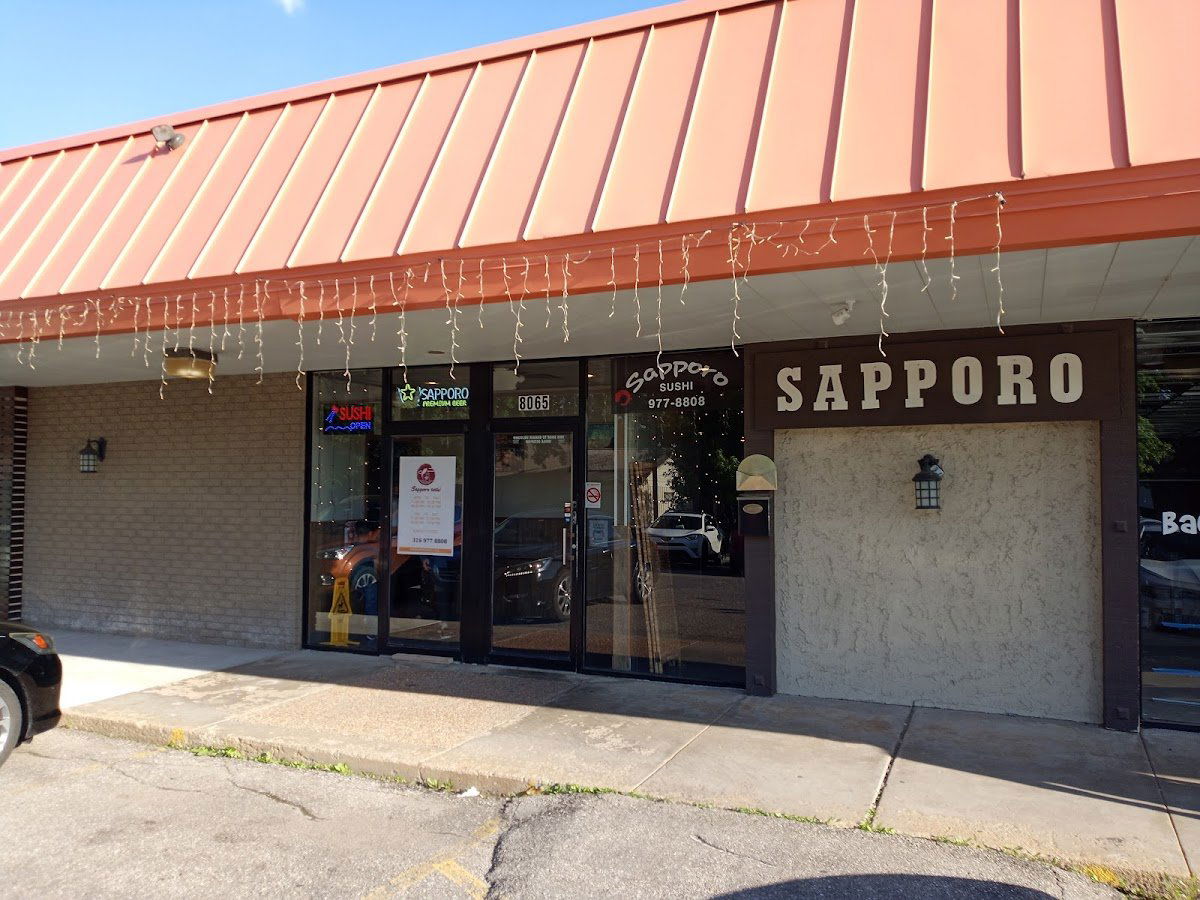
Sapporo Japanese Sushi Restaurant
East Wichita, Wichita
Bar in Wichita, United States
 Book with Pearl
Why go
Sapporo Japanese Sushi Restaurant is worth considering for an easy sushi-centered meal in east Wichita, especially for dates, casual celebrations, or mixed groups that want a low-pressure dinner. It is less compelling for cocktail-focused nights or diners looking for a venue with documented awards, chef detail, or named specialties.
About Sapporo Japanese Sushi Restaurant
For a casual meal in Wichita, Sapporo Japanese Sushi Restaurant is a sensible pick when the group wants a direct restaurant option without turning the night into a high-stakes plan. The practical appeal is straightforward: the venue is in Wichita, the dress code is casual, and the posted schedule includes midday and evening hours Monday through Friday, continuous Saturday hours, and a Sunday closure.
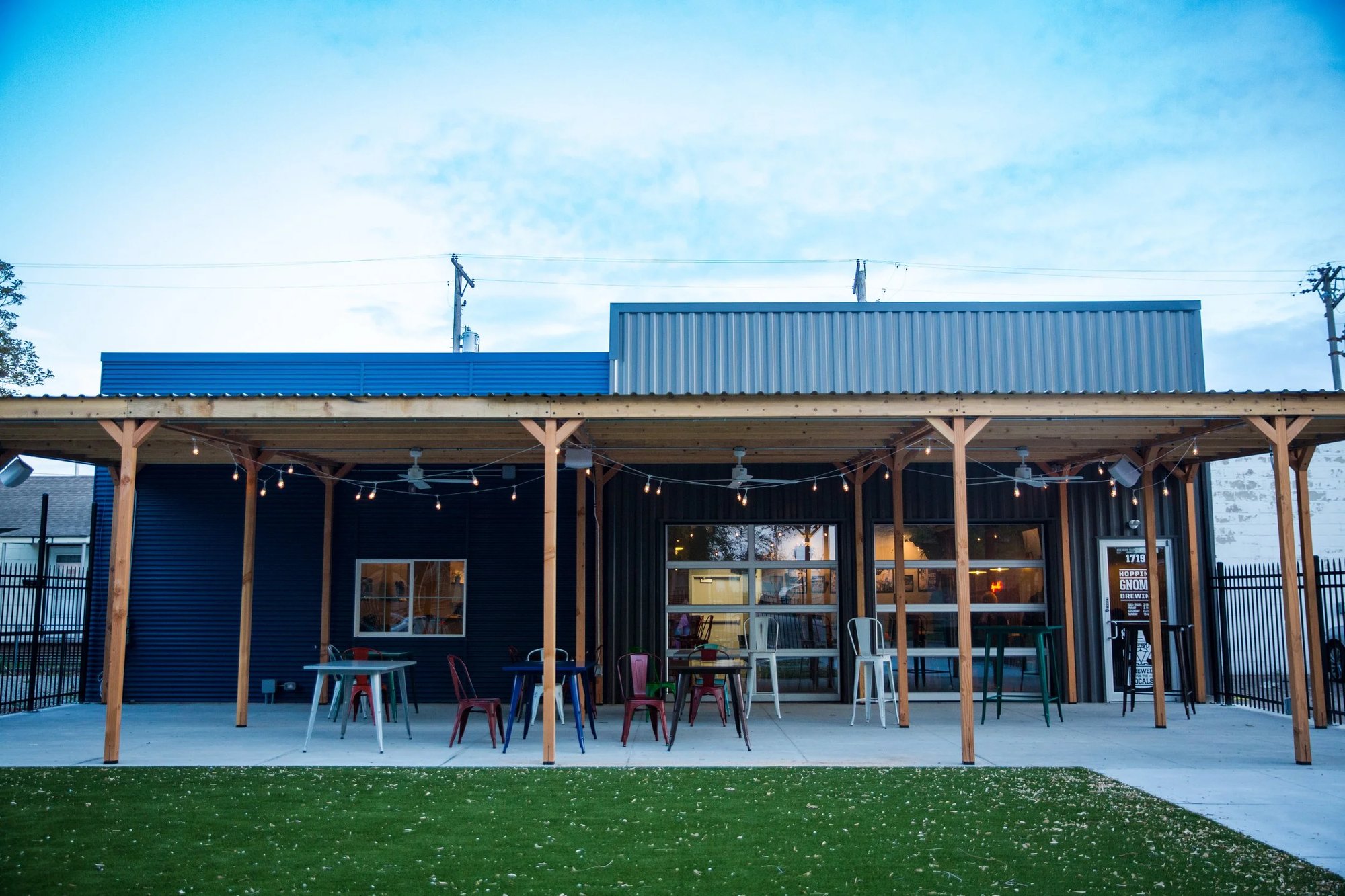
Choose it for basic logistics rather than accolades, chef pedigree, a published specialty list, or detailed service expectations. If the decision depends on a specific menu, beverage program, or service format, confirm those details directly before you go. Readers comparing the plan with other Wichita outings can also look at Central Standard Brewing or Hopping Gnome Brewing Company.
Choose it for a simple casual meal, not a statement night
This is a better fit for diners who want an easy Wichita restaurant plan than for anyone chasing a highly documented destination experience. Instead of framing it as an awards-driven, chef-led, or signature-dish destination, set the expectation around a direct, casual meal. That can still be useful: sometimes the right call is the place with clear hours and a low-pressure dress code.
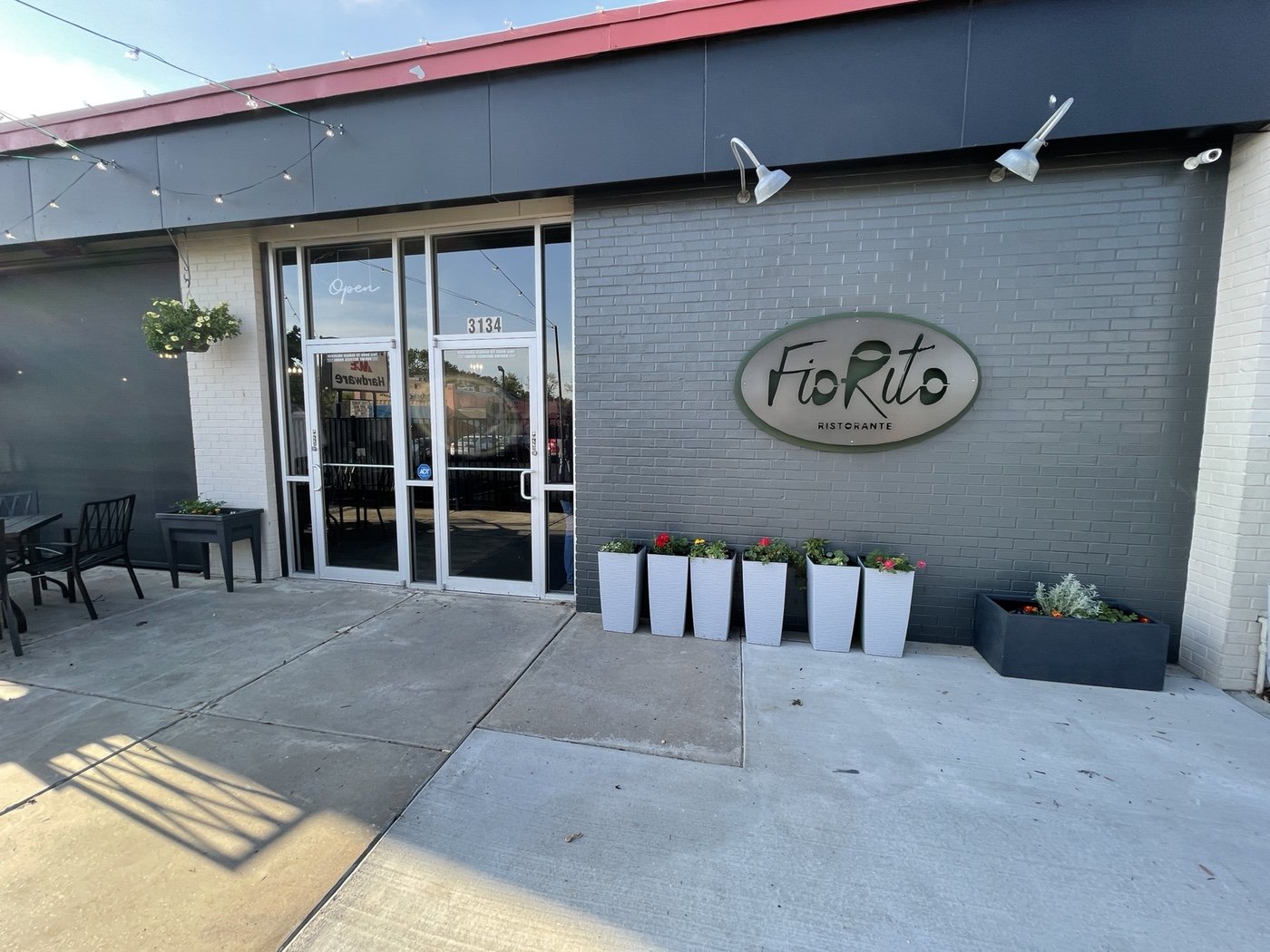
For a different Wichita dining plan, The Belmont is one comparison to consider. FioRito Ristorante or Piatto Neapolitan Pizzeria may also make sense depending on the kind of outing you want. Sapporo Japanese Sushi Restaurant is the practical choice when its Wichita location, casual dress code, and posted hours fit the plan.
Who should skip it
Skip this if the night depends on a beverage program, published recognition, a specific menu format, or a particular service style. The essentials for Sapporo Japanese Sushi Restaurant are straightforward: Wichita location, casual dress, and posted hours. Use the Wichita bars guide if drinks are the main event, or compare other Wichita dining options for a broader shortlist.
Quick read: consider it for an easy casual meal in Wichita; compare other Wichita options if the night depends on drinks, specific dishes, or a more defined dining-room experience.
Planning details
- Location
- 8065 E Peachtree Ln, Wichita, KS 67207
- Website
- sapporoks.com
- Phone
- +1 316 977 8808
The take
The Take
The Vibe
Sapporo Japanese Sushi Restaurant reads as a focused, counter-forward sushi spot that treats small details as the point of the experience. The copy emphasizes technique — rice temperature, vinegar balance, cut angle and timing — and that discipline shapes the room’s tone. It presents as an intimate, craft-driven place where the chef’s craft matters more than decor, and where the counter is the natural stage. In Wichita’s east side market this kind of exacting sushi presence feels purposefully modest and quietly serious rather than flashy.
Best For
This is best for diners who care about sushi as a technical craft and who want to evaluate a mid‑continent interpretation of traditional nigiri and maki. Locals curious about serious Japanese technique will find it worth a visit, especially those who prefer a calmer, counter-centered meal where attention to rice and fish is the focus. It suits solo diners and small pairs who want a deliberate dinner experience rather than a loud, multi-course spectacle.
Ordering Tips
Pay attention to the fundamentals the text highlights: temperature of the rice, vinegar balance, the cut and resting time of each piece. If you can, take a seat at the counter so you can observe the rhythm between chef and rice — the description makes clear that timing matters. Ask the staff about how long pieces rest before being served and request chef recommendations or nigiri selections that showcase technique; those details are the point of this place.
Venue details
Ambiance
Down-to-earth sushi restaurant with friendly service in a quiet neighborhood.
Tags
Vibe
Best For
Experience
Format
At the Bar
- Late Night
- Closes by 10pm
Know before you go
Know Before You Go
- Getting there
- 8065 E Peachtree Ln, Wichita, KS 67207
Planning details
Location
Also consider
Also Consider
- The Belmont, Notable alternative
- FioRito Ristorante, Notable alternative
- Hopping Gnome Brewing Company, Notable alternative
- Piatto Neapolitan Pizzeria, Notable alternative
- Central Standard Brewing, Notable alternative
Bar context
How it compares in Wichita
Pick Sapporo Japanese Sushi Restaurant when the group specifically wants sushi and an easy dinner plan. The Belmont is the better choice for a more polished night out with stronger ambiance cues, while Sapporo is more practical when cuisine preference matters more than the room.
For Italian, FioRito Ristorante and Piatto Neapolitan Pizzeria are cleaner cross-shops: choose FioRito for a fuller restaurant feel and Piatto when pizza is the easier crowd-pleaser. Sapporo is the better fit only if sushi is the point of the night.
If drinks are driving the decision, go elsewhere. Hopping Gnome Brewing Company and Central Standard Brewing make more sense for beer-led groups, looser pacing, and a less dinner-dependent evening.
Explore Wichita
Around this place
Discover more on Pearl
Unlock the full Sapporo Japanese Sushi Restaurant guide in Pearl, including awards, comparisons, FAQs, planning details, and nearby places.
Compare Sapporo Japanese Sushi Restaurant
| Venue | Location | Awards |
|---|---|---|
| Sapporo Japanese Sushi Restaurant | Wichita | No published awards |
| The Belmont | Wichita | No published awards |
| FioRito Ristorante | Wichita | No published awards |
| Hopping Gnome Brewing Company | Wichita | No published awards |
| Piatto Neapolitan Pizzeria | Wichita | No published awards |
| Central Standard Brewing | Wichita | No published awards |
How Sapporo Japanese Sushi Restaurant Wichita: Hours & Dress Code compares with similar nearby venues.
FAQ
Frequently Asked Questions
What's the crowd like at Sapporo Japanese Sushi Restaurant?
For planning purposes, anchor expectations around the casual dress code and straightforward restaurant setup. Sapporo Japanese Sushi Restaurant is in Wichita, keeps posted midday and evening hours on weekdays, has Saturday hours from noon to 10 PM, and is closed Sunday. If you are comparing Wichita options, Hopping Gnome Brewing Company is another venue to consider.
Is the food good at Sapporo Japanese Sushi Restaurant?
Approach it as a practical casual option in Wichita rather than a recognition-driven pick. For a different kind of sit-down meal, FioRito Ristorante is another Wichita option to compare.
Is Sapporo Japanese Sushi Restaurant good for a date?
It can work for a low-drama casual date if the posted hours fit your plan. The Wichita location, casual dress code, and evening hours make it workable for an easy weeknight plan, especially before the 9:30 PM weekday closing time. If you want to compare another Wichita venue, The Belmont is worth considering.