
Bar in Washington DC, United States
Moon Rabbit by Kevin Tien
100Pearl PointsDinner-first pick
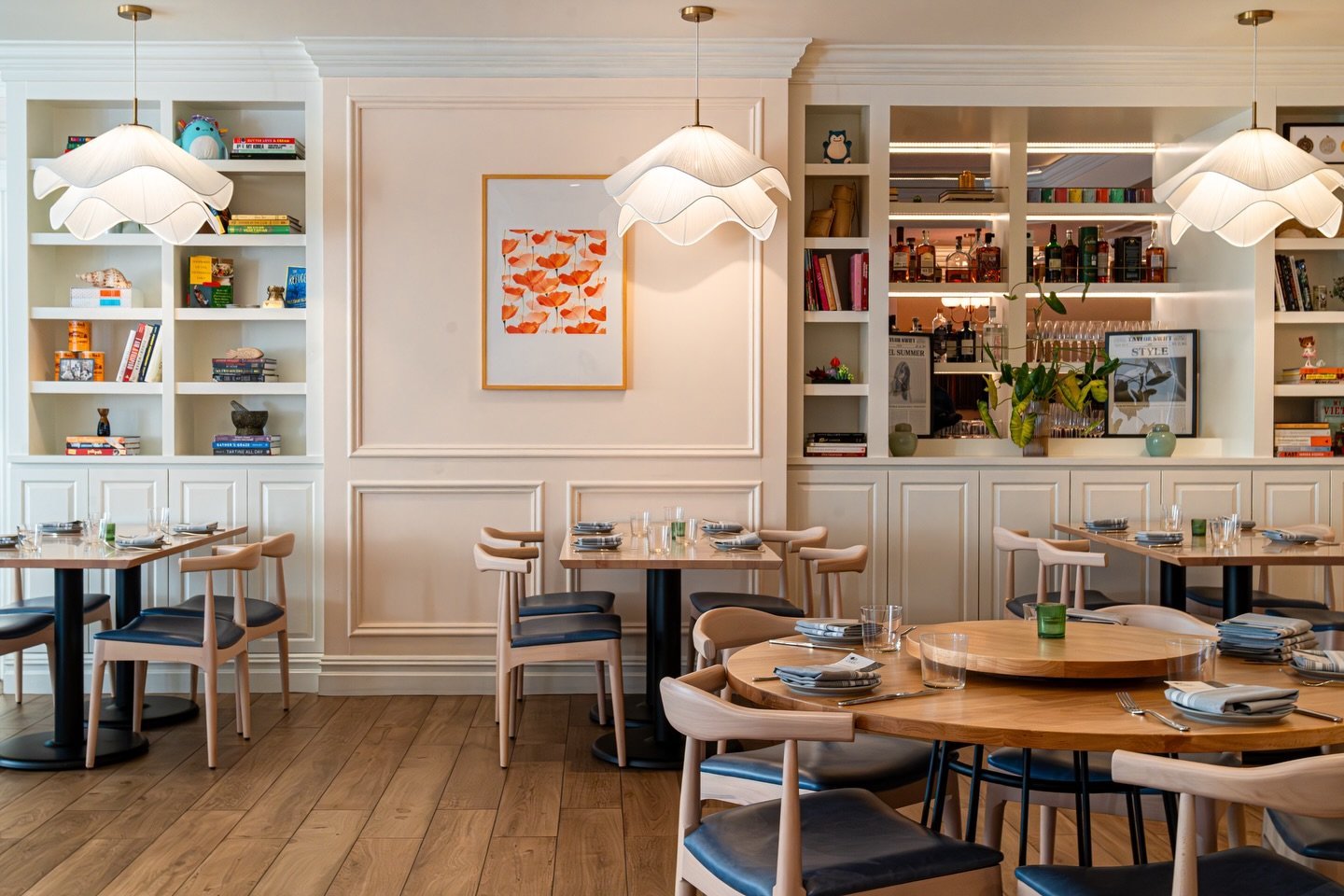
About Moon Rabbit by Kevin Tien
Book Moon Rabbit by Kevin Tien when dinner needs to anchor a downtown Washington, D.C. group plan. It is strongest for parties of four or more who want a central sit-down meal before cocktails, hotels, or events nearby; choose a bar instead if the night is mostly about drinks.
Is Moon Rabbit by Kevin Tien worth planning for an evening visit in Washington, D.C.? It can be, if the plan needs a confirmed dinner-time stop rather than a loosely defined night out. The verified public details are limited, so the safest way to use this guide is to focus on what is confirmed: the venue is in Washington, D.C.; its listed hours are Monday through Saturday evenings, it is closed Sunday, and the dress code is business casual.
The smart use case is an evening-centered plan where Moon Rabbit by Kevin Tien is the anchor. For someone who has already been once, the reason to return should not be built around unverified claims about signature dishes, awards, formats, or prices; it is better to treat Moon Rabbit by Kevin Tien as the confirmed dinner-time stop and plan the rest of the night separately.
Use it as the evening anchor, not the whole night
For planning purposes, the main verified advantage is the evening schedule. Moon Rabbit by Kevin Tien is open Monday through Saturday from 5–9:30 PM and closed Sunday, which makes it a dinner-time option based on the available hours. The dress code is business casual, so guests should plan around that standard.
The tradeoff is that the verified details are lean, so do not build the plan around a promised tasting format, named signature dish, published per-person spend, lunch service, outdoor seating, or beverage program. Keep the plan brief and clear: Moon Rabbit by Kevin Tien first, then decide whether the group wants another stop afterward. For broader planning, use our full Washington, D.C. restaurants guide, our full Washington, D.C. bars guide, our full Washington, D.C. hotels guide, our full Washington, D.C. wineries guide, and our full Washington, D.C. experiences guide to build the rest of the evening.
Who should choose this over a bar-led plan
Pick Moon Rabbit by Kevin Tien when the group wants a dinner-time stop to be the reason everyone shows up. If the point is a shorter or more flexible outing, compare it with other Washington, D.C. options such as Barmini, Silver Lyan, Pubkey, Summit at Conrad, or The Bar at Café Riggs, depending on the kind of night you want.
That makes Moon Rabbit by Kevin Tien a better fit for an evening-centered plan than for someone trying to confirm a specific menu, price point, or service format from this guide alone. For a date or a group outing, the confirmed evening hours and business-casual dress code are the most useful planning details; for anything more specific, check the venue's official channels before going.
Frequently Asked Questions
Is Moon Rabbit by Kevin Tien good for groups?
It can be a practical choice if the group wants an evening stop to anchor the night in Washington, D.C. The verified details do not confirm a specific group policy, room setup, or seating format, so groups should check the venue's official channels before making plans.
What's the best time to go to Moon Rabbit by Kevin Tien?
Go during its confirmed evening hours: Monday through Saturday from 5–9:30 PM. It is closed Sunday. If you are planning with others, choose a time that fits an evening plan rather than a lunch or late-night plan.
Does Moon Rabbit by Kevin Tien have outdoor seating?
Outdoor seating is not confirmed in the verified information. If outside seating is a must, check the venue's official channels for the latest details before making plans.
Is the food good at Moon Rabbit by Kevin Tien?
This guide can confirm that Moon Rabbit by Kevin Tien is an evening option in Washington, D.C. but it does not verify specific dishes, cuisine details, awards, or menu formats. If your decision depends on current offerings, check the venue's official channels before going.
Is Moon Rabbit by Kevin Tien good for a date?
It can work for a date if the plan is a business-casual evening in Washington, D.C. The confirmed service window is 5–9:30 PM Monday through Saturday, with the venue closed Sunday.
Is Moon Rabbit by Kevin Tien open late?
The verified hours end at 9:30 PM Monday through Saturday, and the venue is closed Sunday. For a later plan, compare it with other Washington, D.C. options and confirm current hours directly.
Does Moon Rabbit by Kevin Tien have happy hour deals?
Happy hour details are not confirmed in the verified information. Do not plan around deals unless the venue confirms them through its official channels.
Location
927 F St NW, Washington, DC 20004
Washington DC, United States
Compare Moon Rabbit by Kevin Tien
| Venue | Cuisine | Booking Difficulty |
|---|---|---|
| Moon Rabbit by Kevin Tien | Easy | |
| Silver Lyan | Unknown | |
| The Bar at Café Riggs | Unknown | |
| Barmini | Unknown | |
| Pubkey | Bar / pub (bitcoin-backed) | Unknown |
| Summit at Conrad | Unknown |
A quick look at how Moon Rabbit by Kevin Tien compares on price and recognition.
Also Consider
- Silver Lyan, Notable alternative
- The Bar at Café Riggs, Notable alternative
- Barmini, Notable alternative
- Pubkey, Bar / pub (bitcoin-backed), Bar / pub (bitcoin-backed)
- Summit at Conrad, Notable alternative
How it compares with nearby D.C. options
Moon Rabbit by Kevin Tien is the better choice when the plan needs a restaurant reservation first and drinks second. Silver Lyan, The Bar at Café Riggs, and Barmini make more sense when cocktails are the main event, especially for smaller groups that do not want to commit to a full dinner.
For ambiance, the bar set gives different versions of a night out: Silver Lyan and The Bar at Café Riggs suit hotel-bar energy, Barmini is the more cocktail-focused splurge, and Pubkey is the casual outlier with a bitcoin-backed pub identity. Summit at Conrad is the stronger cross-shop if the group wants a hotel setting rather than a restaurant table.
Value depends on the job of the booking. For a group dinner, choose the restaurant. For a pre- or post-dinner stop, cross-shop Silver Lyan or The Bar at Café Riggs. For a drinks-first night where food is secondary, Barmini, Pubkey, or Summit at Conrad will usually be the cleaner decision.
Explore Washington DC
Save or rate Moon Rabbit by Kevin Tien on Pearl
Keep this venue in your Pearl passport, rate it after you visit, and track it alongside every other place you collect.