Doyle
Dupont Circle, Washington DC
Bar in Washington DC, United States
 Book with Pearl
The Read
Neighborhood Bar Seriousness
Why go
Doyle is a practical Dupont Circle bar choice when the goal is an easy drink in a central room, not a high-stakes cocktail pilgrimage. Go for a flexible meet-up, a casual repeat visit, or a low-pressure date; cross-shop Quill for a more polished hotel-bar mood or The Sheppard for a more cocktail-led night.
About Doyle
Doyle in Washington, D.C. offers practical planning details based on its published hours and smart casual dress code. Details regarding cuisine, chef, awards, price tier, menu format, reservation policy, seating, or specific service features are not available, so the safest plan is to confirm current details directly before building a night around it.
A Washington, D.C. venue with limited planning details
Doyle is best described by its key features: it is in Washington, D.C., it lists smart casual dress, and it keeps evening-friendly hours across the week. Published hours are Monday 2 PM–12 AM, Tuesday 4 PM–12 AM, Wednesday 2 PM–12 AM, Thursday 2 PM–12 AM, Friday 2 PM–1 AM, Saturday 1 PM–1 AM, and Sunday 1 PM–12 AM.
Specific food, drink, pricing, awards, and service-style details are not available, so avoid treating Doyle as a food-first or accolade-driven recommendation. Use the hours and dress code as the planning anchors, then check the venue's official channels for the latest operational details before you go.
Who should choose it, and who should cross-shop
Doyle is a Washington, D.C. option with smart casual dress. Cross-shop Quill, The Sheppard, Press Club, Fireclay Bar and Lounge, DC Comedy Loft, or Bier Baron Tavern if you are comparing other nearby options for the same outing.
For broader planning, use Our full Washington, D.C. bars guide, then branch into Our full Washington, D.C. restaurants guide, Our full Washington, D.C. hotels guide, Our full Washington, D.C. wineries guide, and Our full Washington, D.C. experiences guide if the night needs dinner, a stay, or a larger itinerary.
Located inside
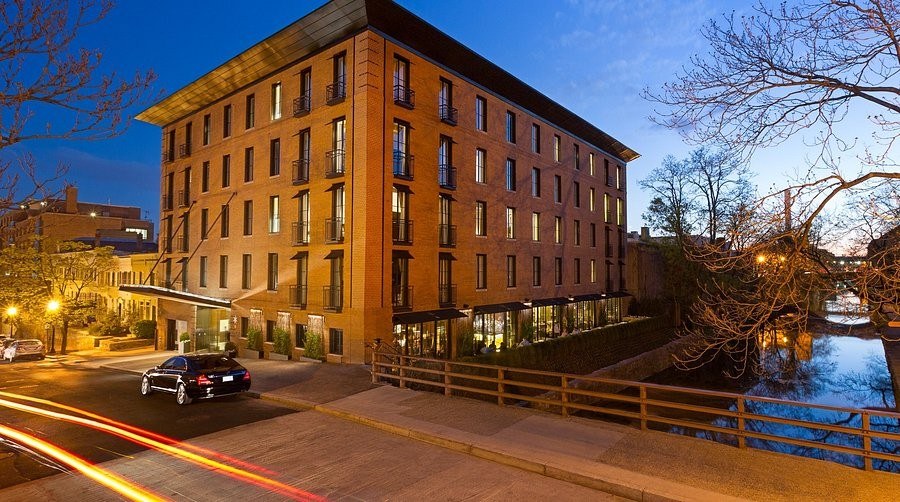
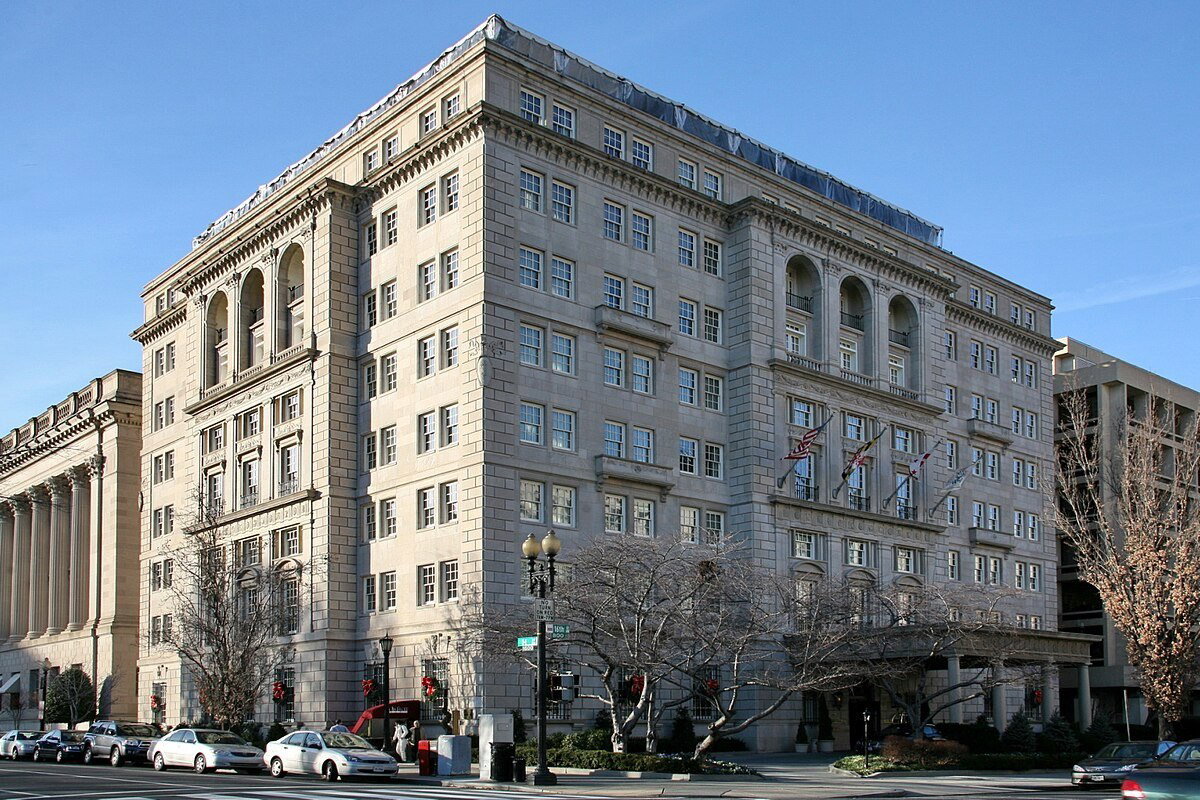
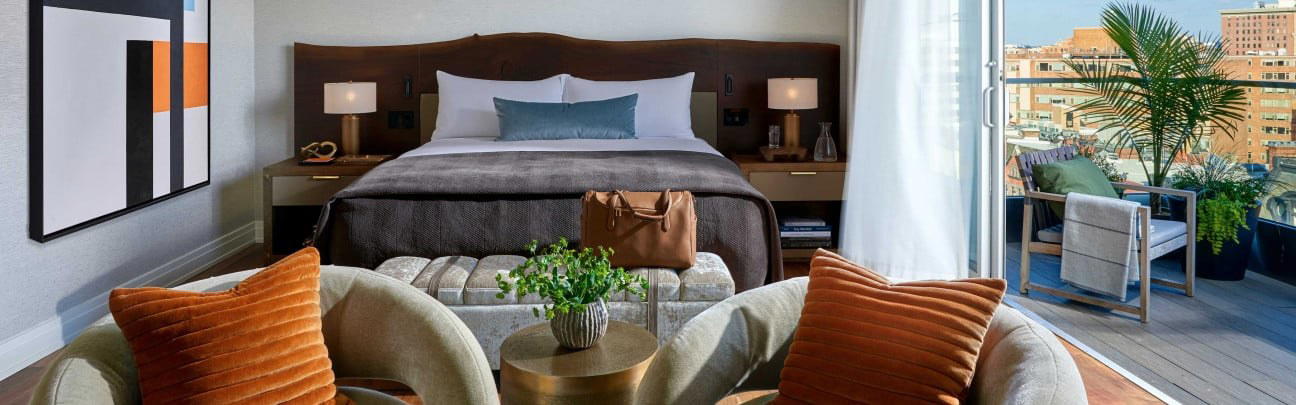 HotelThe Dupont Circle HotelFull hotel guide
Planning details
- Location
- 1500 New Hampshire Ave NW, Washington, DC 20036
- Website
- doyle.bar
- Phone
- +1 202 483 6000
The take
The Take
The Vibe
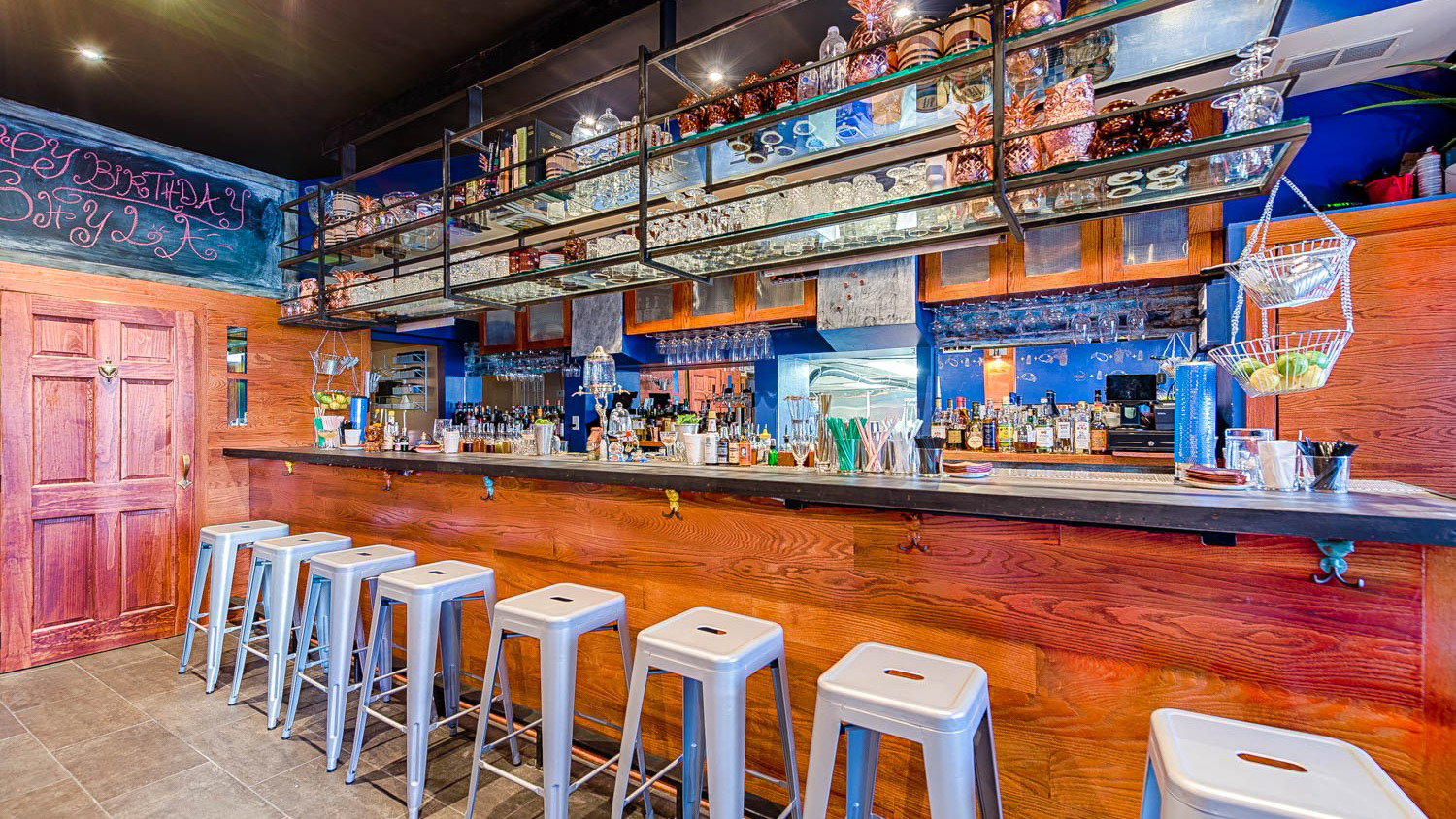
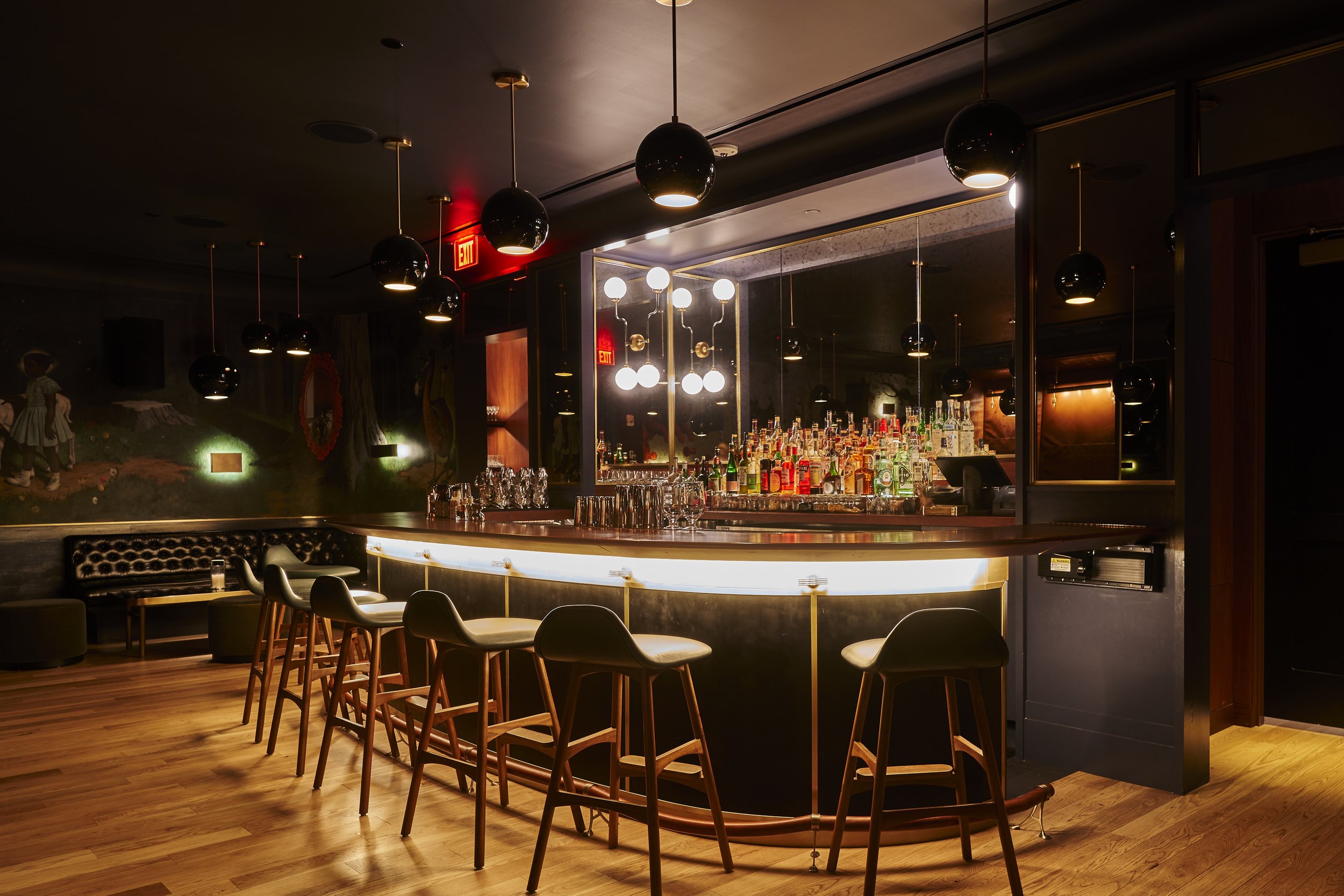
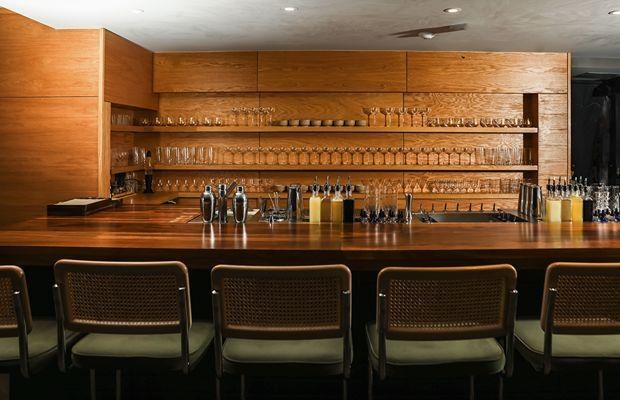
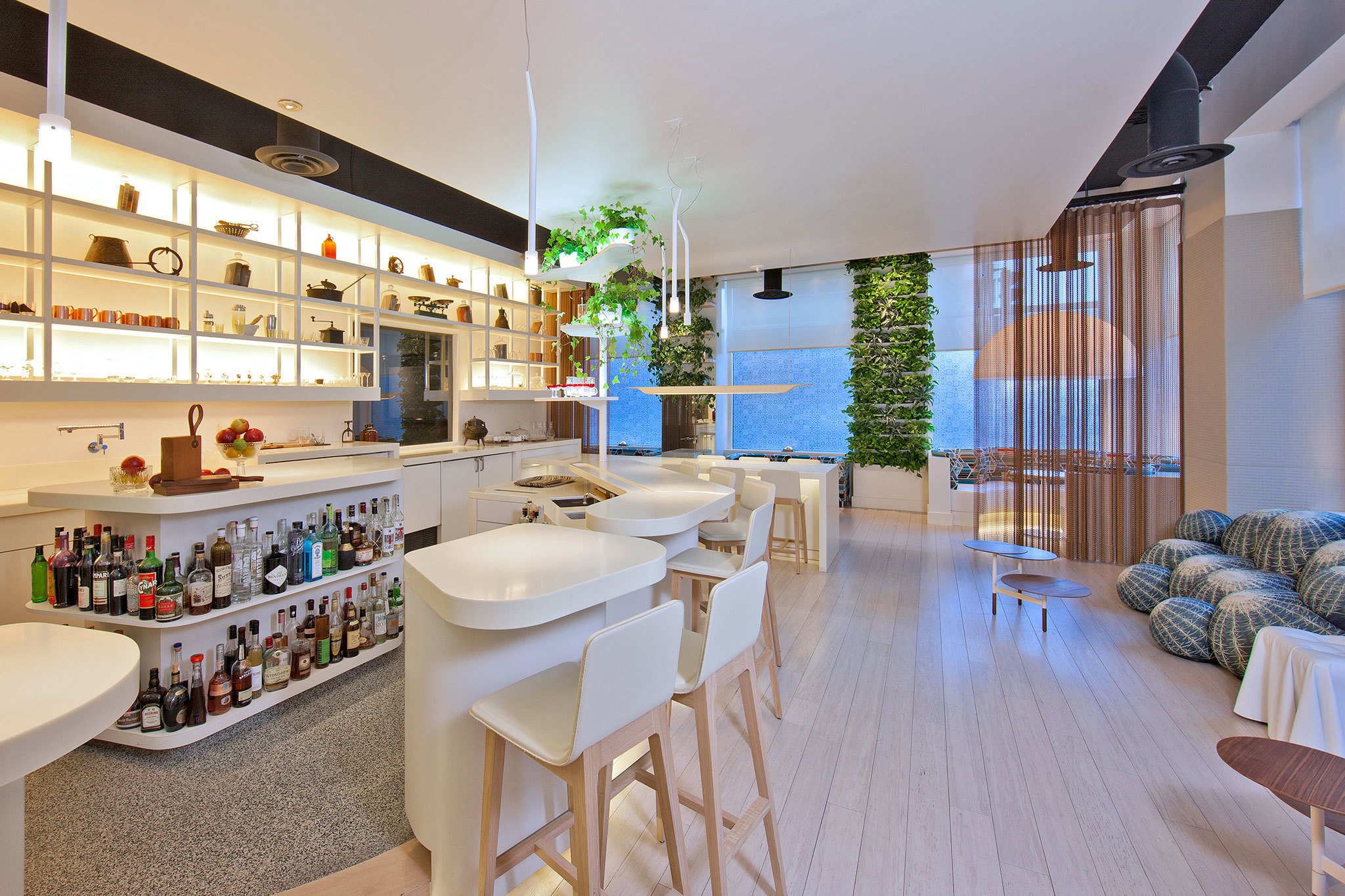
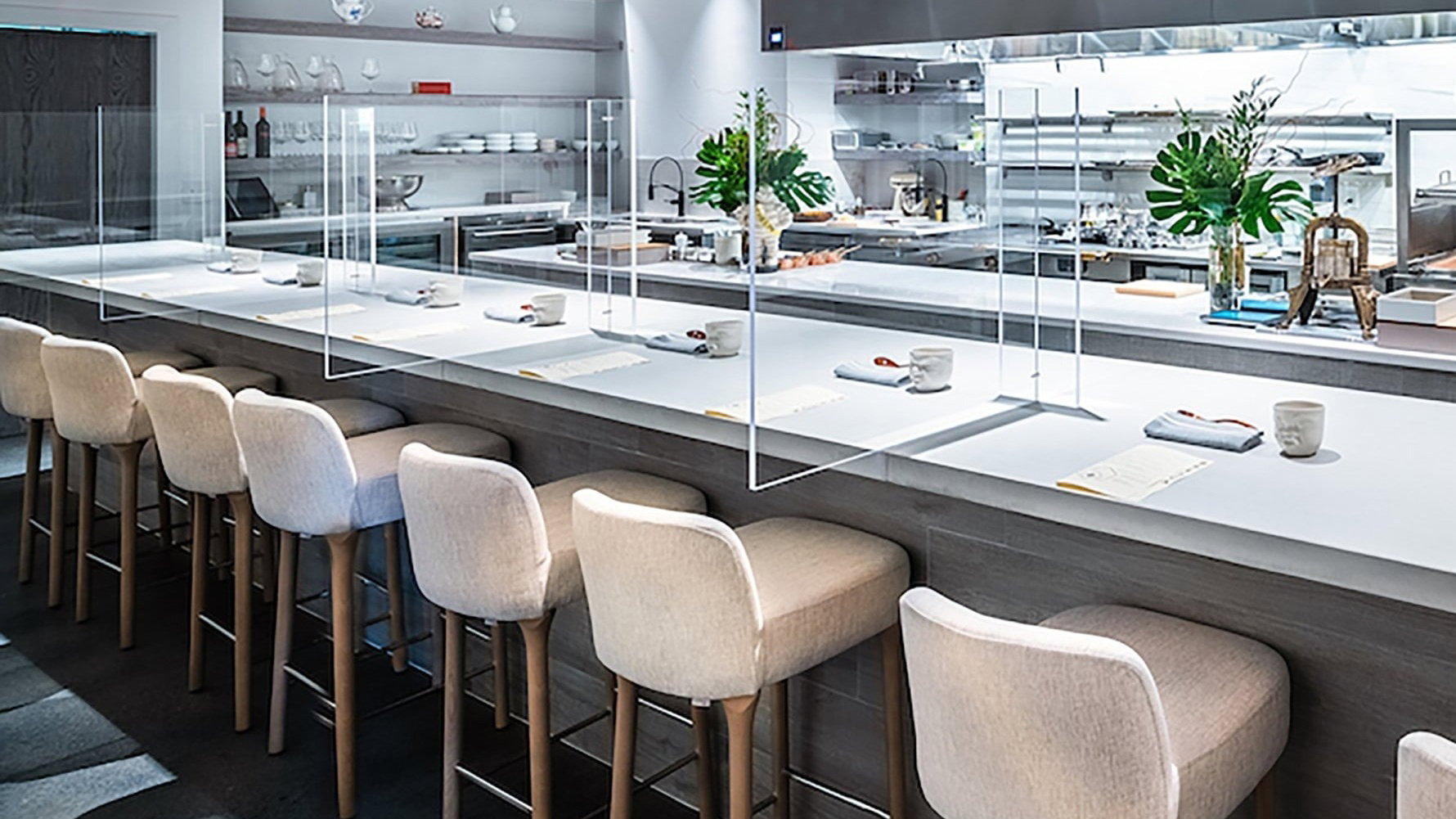
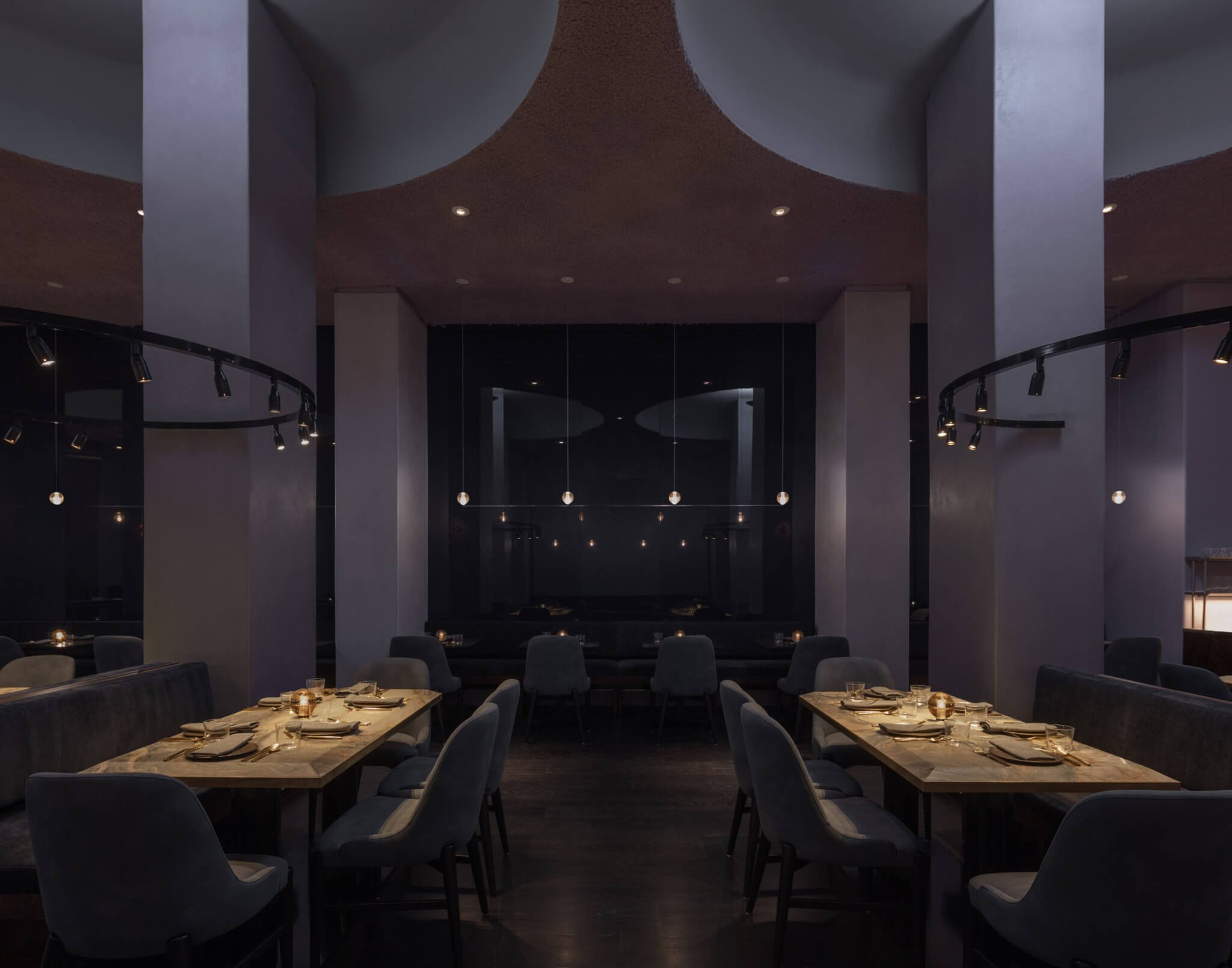
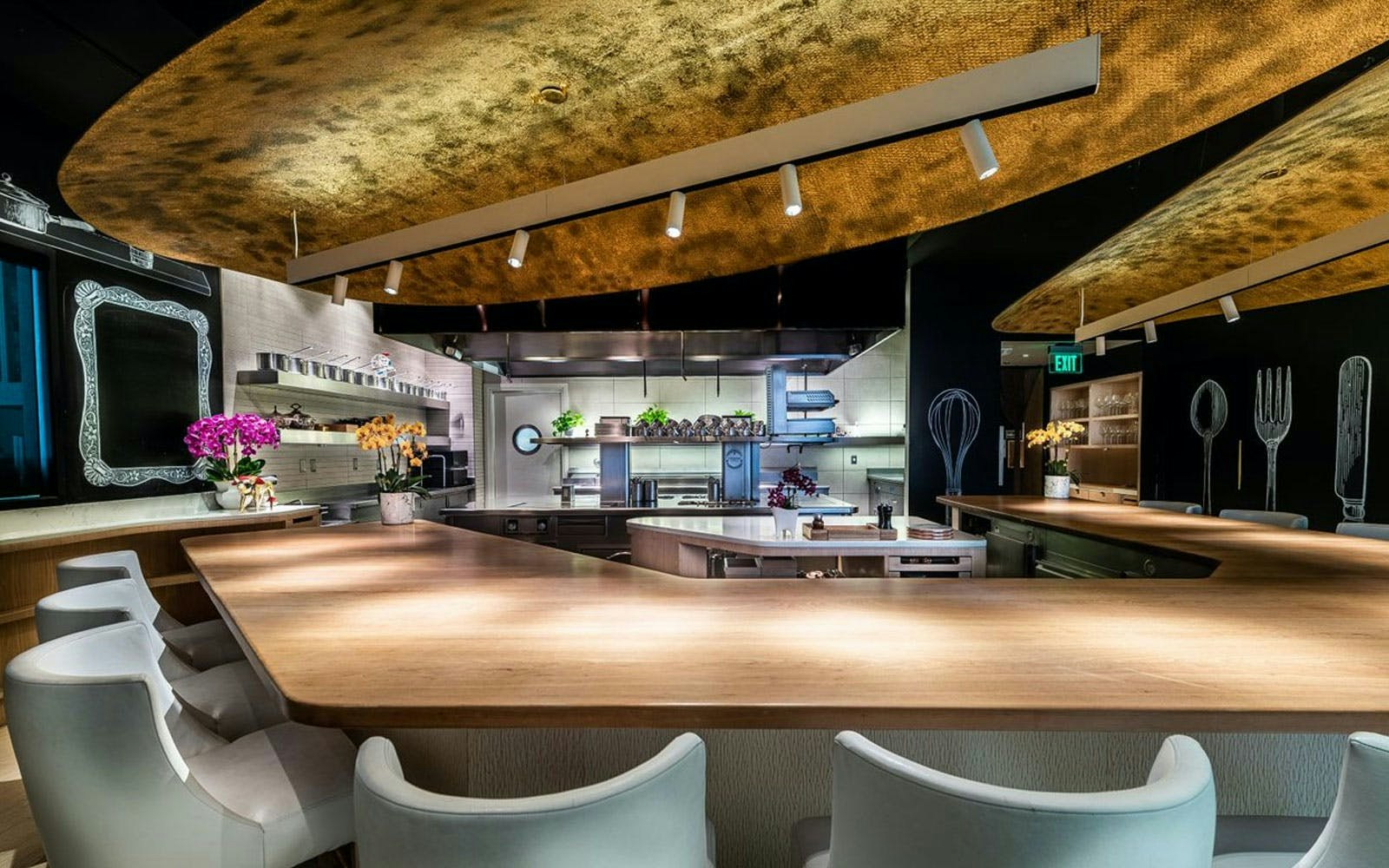
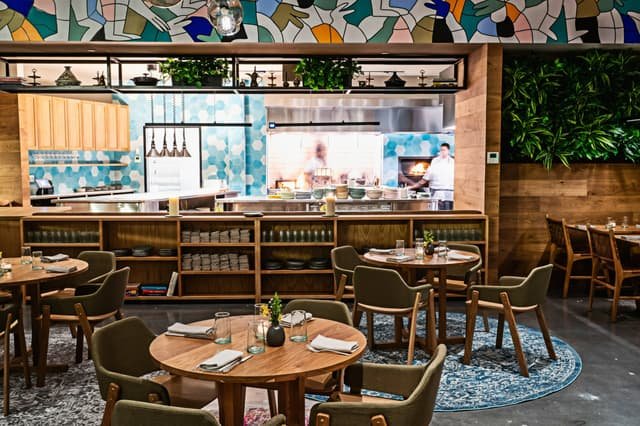
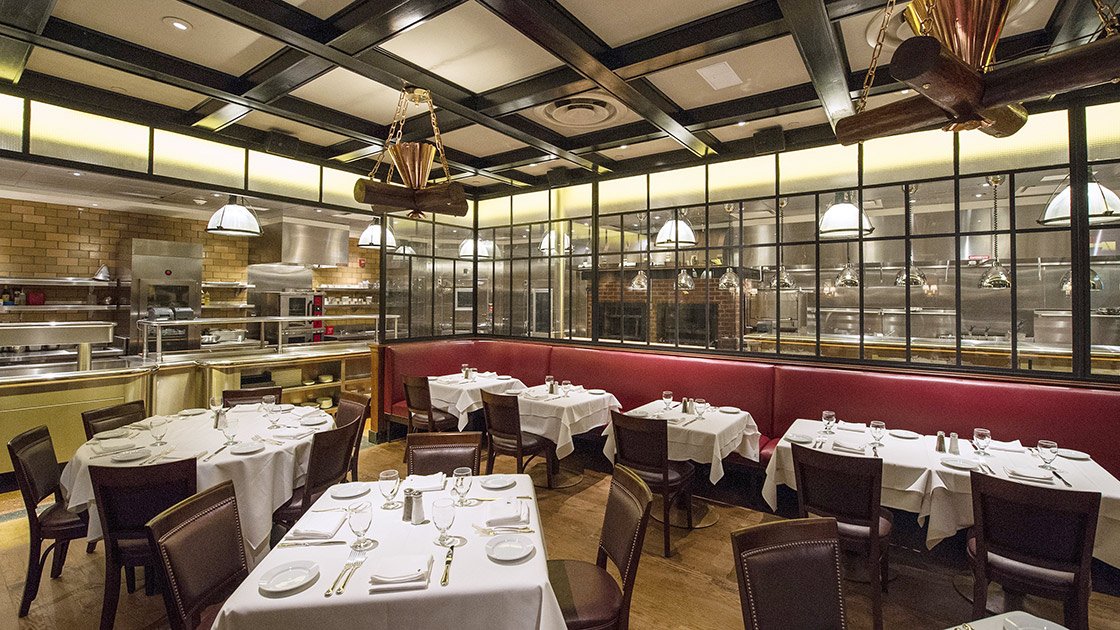
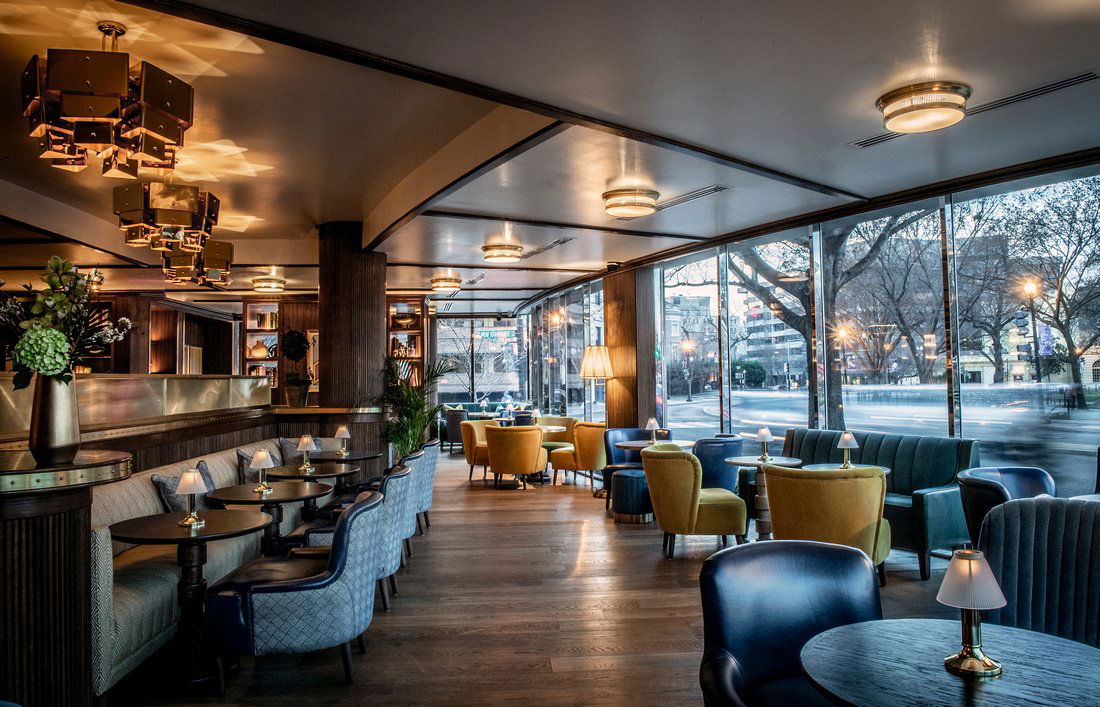
Doyle reads like a true neighborhood bar: unshowy, invitation-focused and built for conversation. The room avoids theatrical entry rituals and instead prioritizes places to sit and speak, so the atmosphere feels relaxed and intimate rather than performative. Rather than chasing destination theatrics, the bar aligns with Dupont Circle’s pedestrian, residential rhythm: welcoming regulars from nearby row houses, embassies and offices. The result is a classic, charming corner spot where the design serves function and sociability, and where the emphasis is on steady local life rather than spectacle.
Best For
This is a place to stop by after work, linger for a focused conversation, or keep the night going with neighbors and colleagues. Doyle’s strengths are its localness and walkable location at the edge of Dupont Circle: it rewards repeat visits and the kind of casual familiarity that develops in residential drinking spots. The bar reads the neighborhood correctly: it’s best for people who want an unfussy, conversational setting with a steady crowd rather than a tourist-driven, destination experience.
Ordering Tips
Expect an unfussy, neighborhood-oriented beverage program rather than research-driven tasting menus. There’s no velvet rope or theatrical entry; service and the room aim to facilitate conversation. Come during early evening for after-work crowds or later for a steady local scene, and anticipate a straightforward, convivial ordering experience that favors regulars and purposeful foot traffic over spectacle.
Venue details
Ambiance
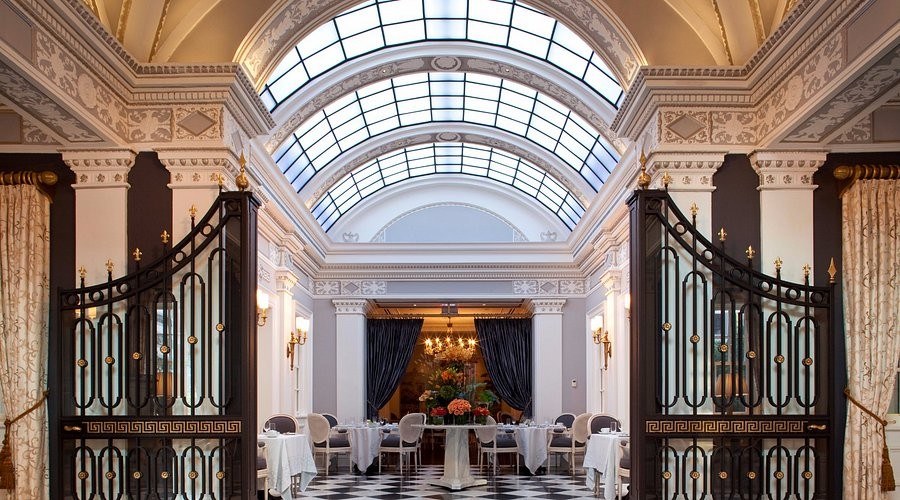
Warm glow with mid-century glamour, cozy fireplace, and sophisticated lounge atmosphere.
Tags
Vibe
Best For
Experience
Format
View
At the Bar
- Bar Category
- Lounge
- Late Night
- Open Until 2am
- Music
- Live Music From Park
- Live Music
- Yes
- Spirits Focus
- Whiskey, Rum, Gin, Vodka
Know before you go
Know Before You Go
- Getting there
- 1500 New Hampshire Ave NW, Washington, DC 20036
Planning details
Location
Also consider
Also Consider
- Press Club, Notable alternative
- The Sheppard, Notable alternative
- DC Comedy Loft and Bier Baron Tavern, Notable alternative
- Fireclay Bar and Lounge, Notable alternative
- Quill, Notable alternative
Bar context
How Doyle compares in Washington, D.C.
Doyle is the easier, lower-commitment choice in this set. Pick it when the group needs a central Dupont Circle bar plan with less pressure around booking and less ceremony around the night. Quill is the better call for a polished hotel-bar experience, while The Sheppard is the stronger cross-shop when cocktails are the main reason for going out.
DC Comedy Loft and Bier Baron Tavern makes more sense when entertainment is part of the plan, not just drinks. Fireclay Bar and Lounge is the comparison to consider if the priority is a lounge setting rather than a neighborhood bar stop. For value, Doyle wins when convenience and flexibility matter more than a highly designed drinking experience.
If the night has to impress, start with Quill or The Sheppard. If the night has to be easy, social, and forgiving for timing, Doyle is the safer pick.
Explore Washington DC
Around this place
Discover more on Pearl
Unlock the full Doyle guide in Pearl, including awards, comparisons, FAQs, planning details, and nearby places.
Compare Doyle
| Venue | Location | Awards |
|---|---|---|
| Doyle | Washington, D.C. | No published awards |
| Press Club | Washington, D.C. | No published awards |
| The Sheppard | Washington, D.C. | No published awards |
| DC Comedy Loft and Bier Baron Tavern | Washington, D.C. | No published awards |
| Fireclay Bar and Lounge | Washington, D.C. | No published awards |
| Quill | Washington, D.C. | No published awards |
How Doyle Washington, D.C. compares with similar nearby venues.
FAQ
Frequently Asked Questions
Does Doyle have outdoor seating?
Information on outdoor seating is not available, so do not count on it when planning. If outdoor seating is important, confirm directly with Doyle before you go.
Is the food good at Doyle?
A cuisine type, chef, menu format, and food-specific details are not available, so it is not recommended as a food-first destination.
Is Doyle good for a date?
Doyle may work for a date if its Washington, D.C. location and smart casual dress code fit your plan.