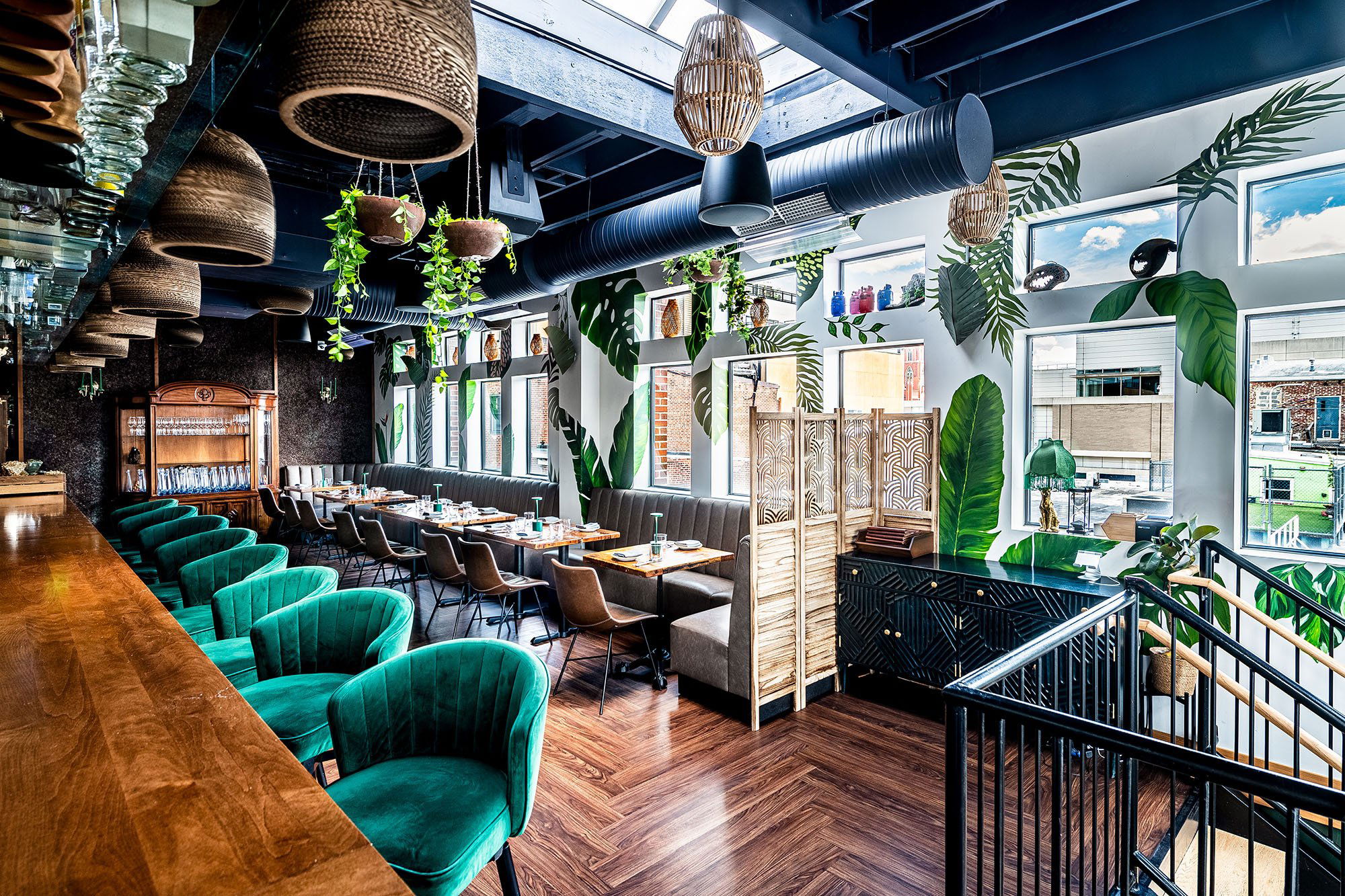



Amazonia (2nd Floor) | Causa (1st Floor)
Shaw, Washington DC
Bar in Washington DC, United States
 Book with Pearl
Why go
A good date-night choice in Shaw if drinks matter more than a bargain read. The two-floor Amazonia and Causa setup gives a first visit enough structure for cocktails plus food, 2026 Tales Spirited Awards Top 10 nominee recognition makes it a more serious bar pick than a casual fallback.
About Amazonia (2nd Floor) | Causa (1st Floor)
For a planned evening in Washington, D.C., Amazonia (2nd Floor) | Causa (1st Floor) is best approached through its listed hours, smart-casual dress code, 2026 Tales Spirited Awards Top 10 Nominee recognition.
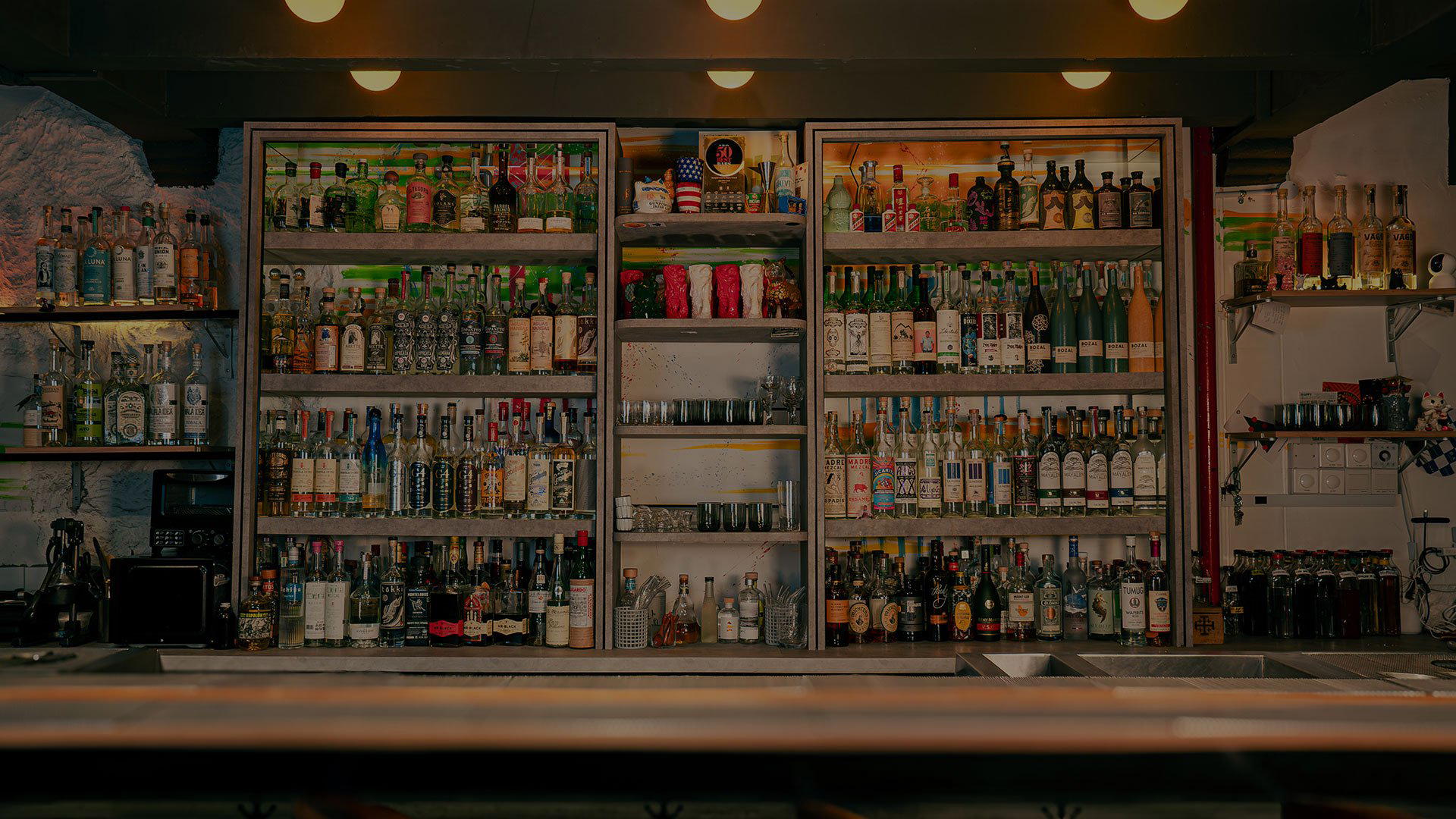
A standout signal is recognition from the 2026 Tales Spirited Awards: Amazonia (2nd Floor) | Causa (1st Floor) is listed as a Top 10 Nominee for Best U.S. Restaurant Bar and for World's Best Spirits Selection. That makes it a relevant Washington, D.C. option when those bar-related accolades matter to the plan.
Plan around the basics
The listed hours support evening and later use: service begins at 5 PM Monday through Thursday, 4 PM Friday, 3 PM Saturday and Sunday, with closing listed at 11 PM Sunday through Tuesday and midnight Wednesday through Saturday.
For specifics on pricing, seating, reservations, food format, or service style, check the venue's official channels before going. For planning, focus on the listed hours, smart-casual dress code, award recognition rather than assuming a specific dining format. If you want another Washington, D.C. option to compare, consider All-Purpose Shaw.
Use timing as the main planning tool
Timing is the most practical detail to use when planning. Earlier listed opening times on Friday, Saturday, Sunday may be useful if you want more schedule flexibility.
Compared with other Washington, D.C. options, this stands out for clear bar-related recognition. Allegory, Eighteenth Street Lounge, WILD DAYS, All-Purpose Shaw, Family Ethiopian Restaurant may also be worth comparing depending on the kind of outing you are planning.
Use this as a Washington, D.C. candidate when the hours, smart-casual dress code, 2026 Tales Spirited Awards Top 10 Nominee recognition fit the plan. For broader planning, scan Our full Washington, D.C. bars guide, then cross-check other Washington, D.C. dining and experience guides as needed.
Travelers comparing picks outside D.C. can also browse other city guides, but this page is focused on Amazonia (2nd Floor) | Causa (1st Floor) in Washington, D.C.
Planning details
- Location
- 920 Blagden Alley NW 2nd Floor, Washington, DC 20001
- Reservations
- Book on OpenTable
- Website
- causadc.com
- Phone
- +1 202 629 3942
The take
The Take
The Vibe
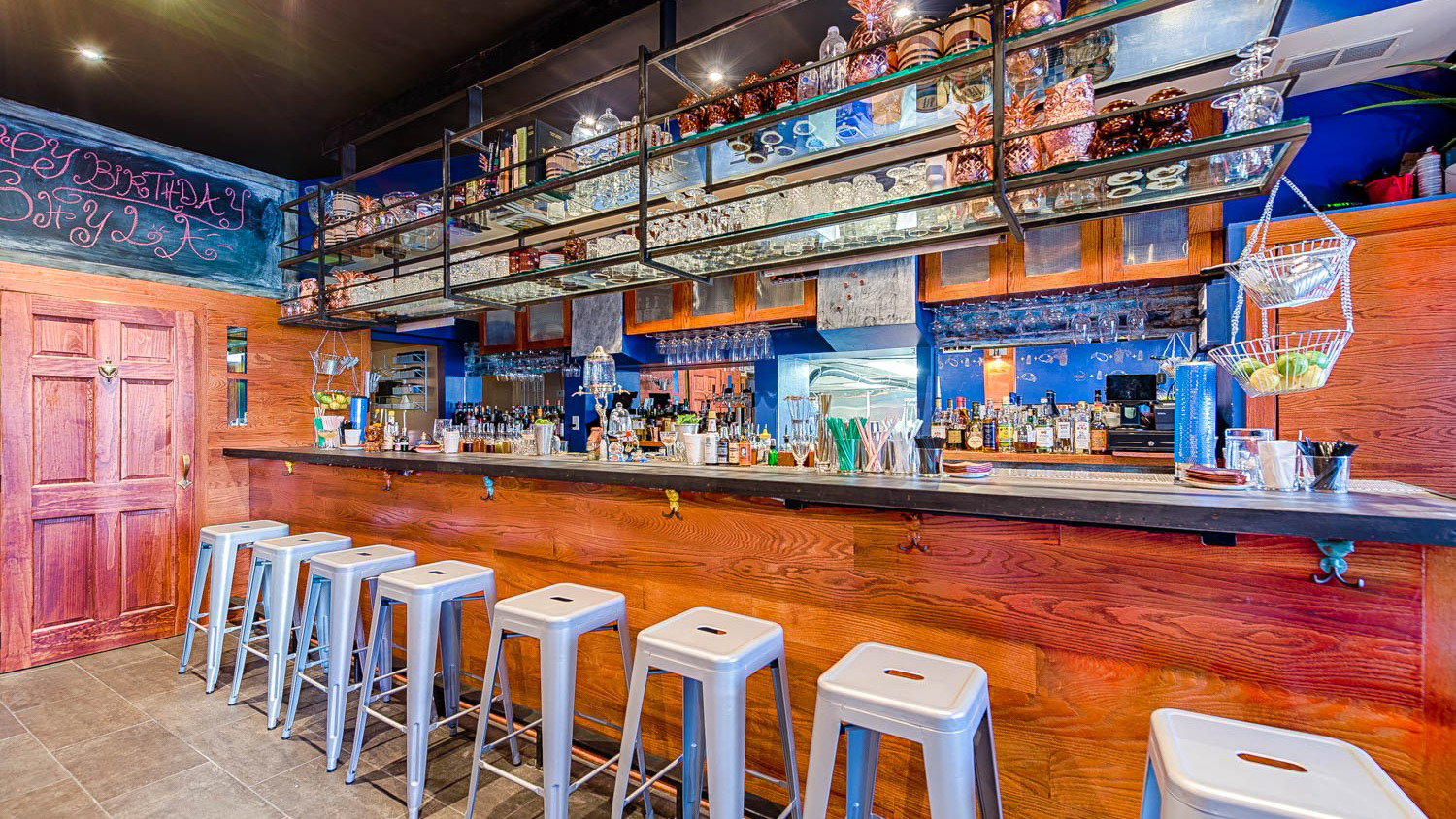
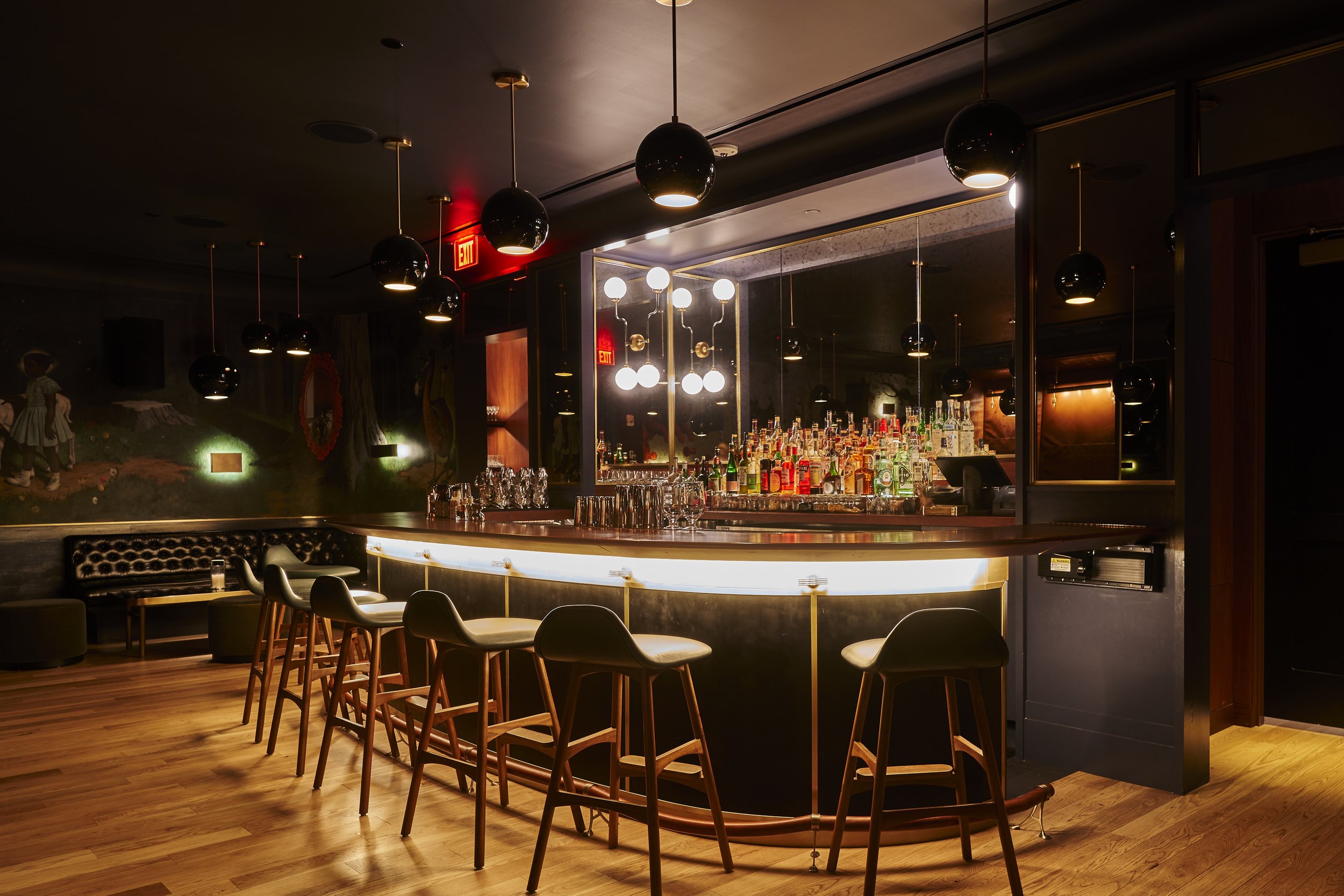
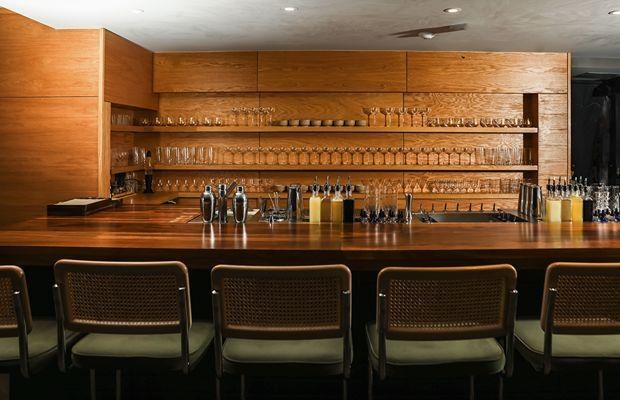
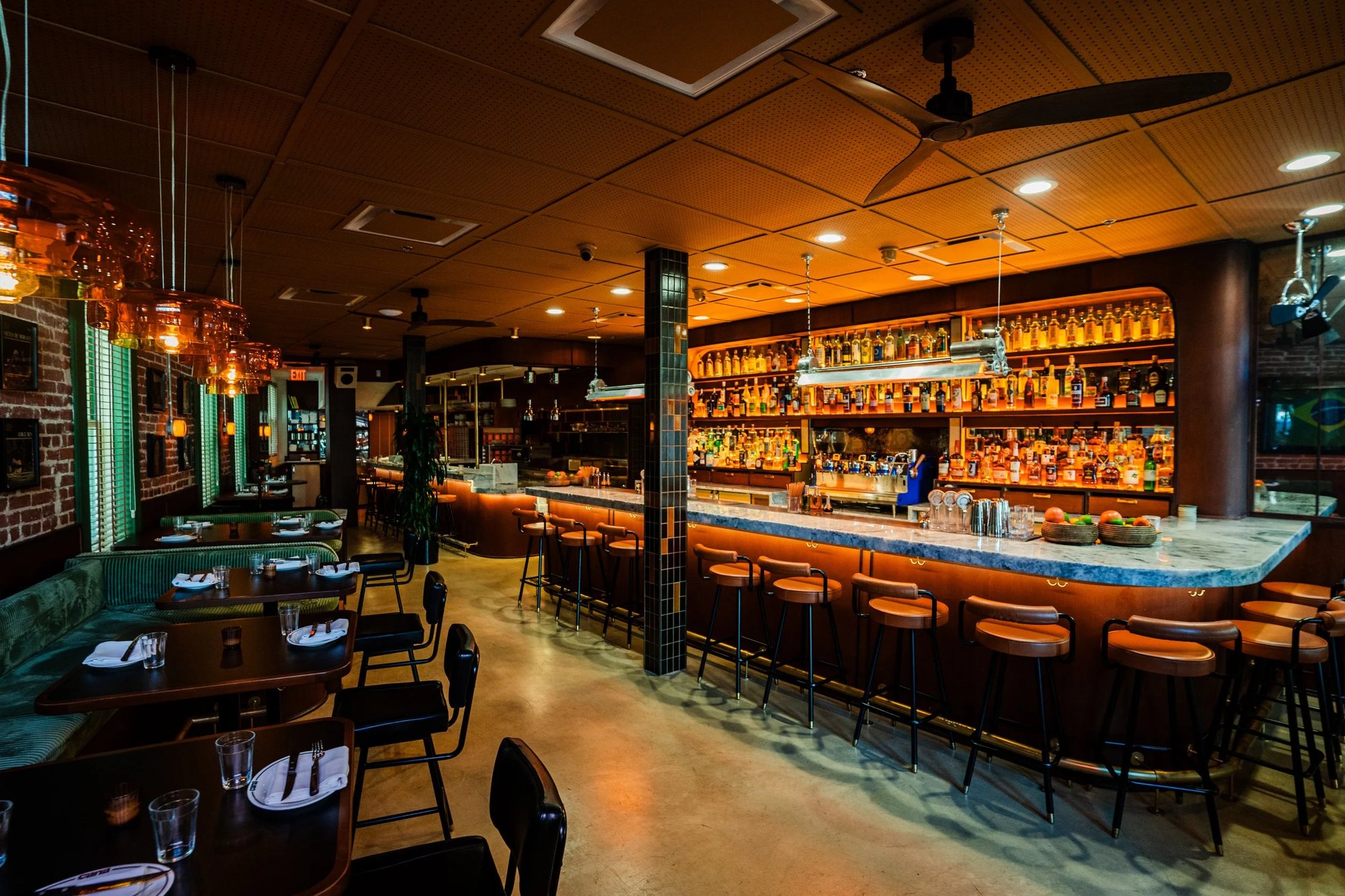
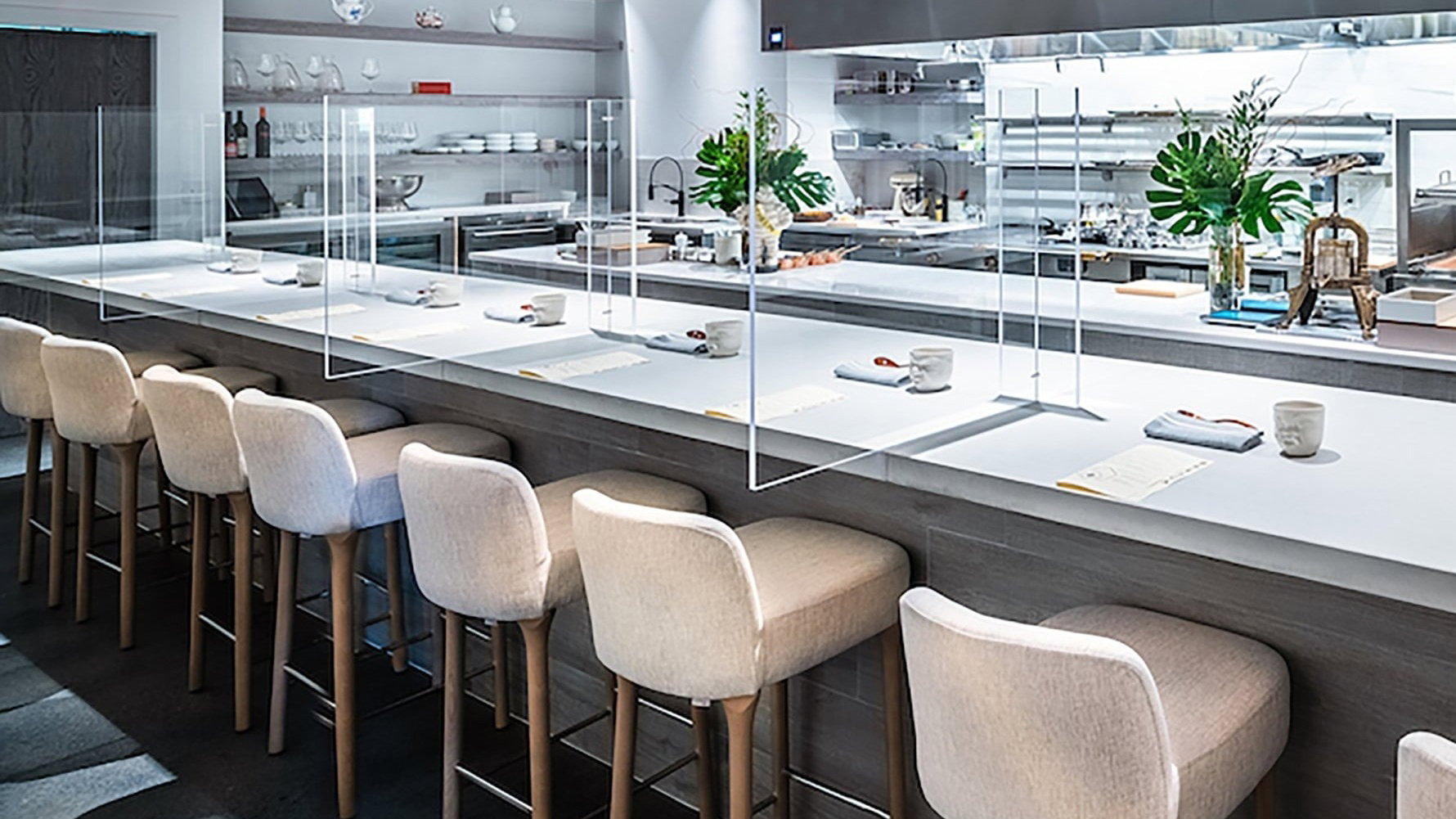
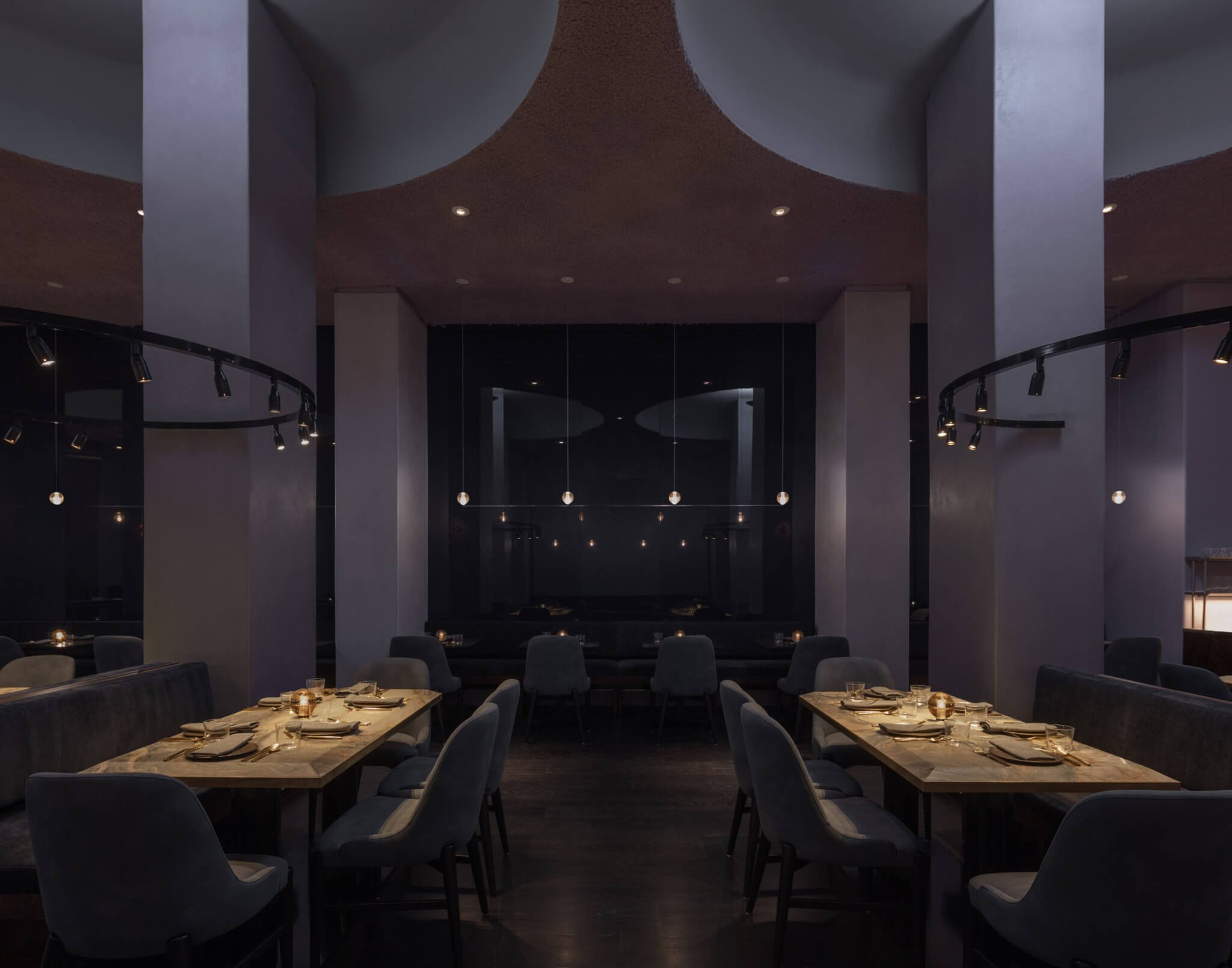
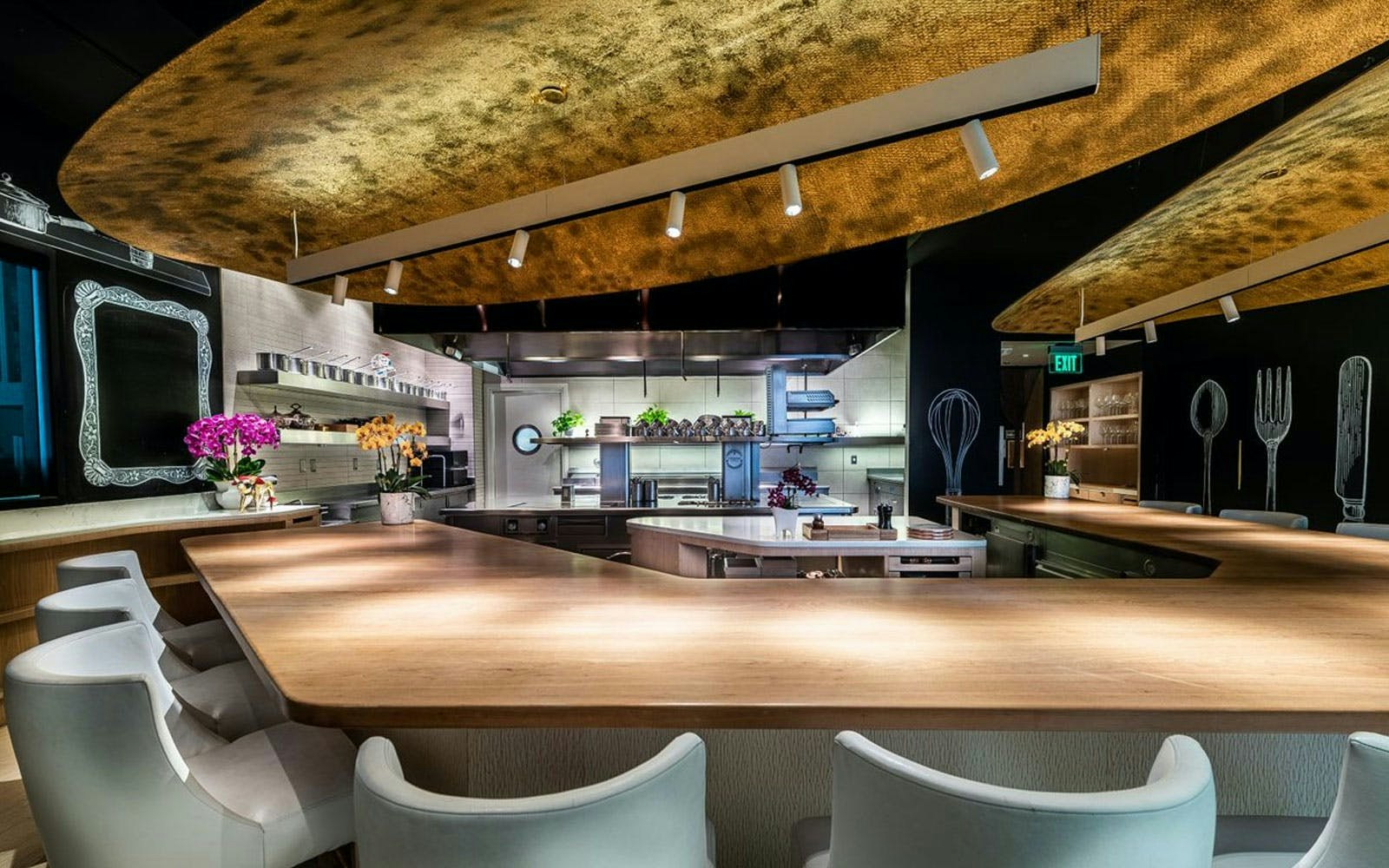
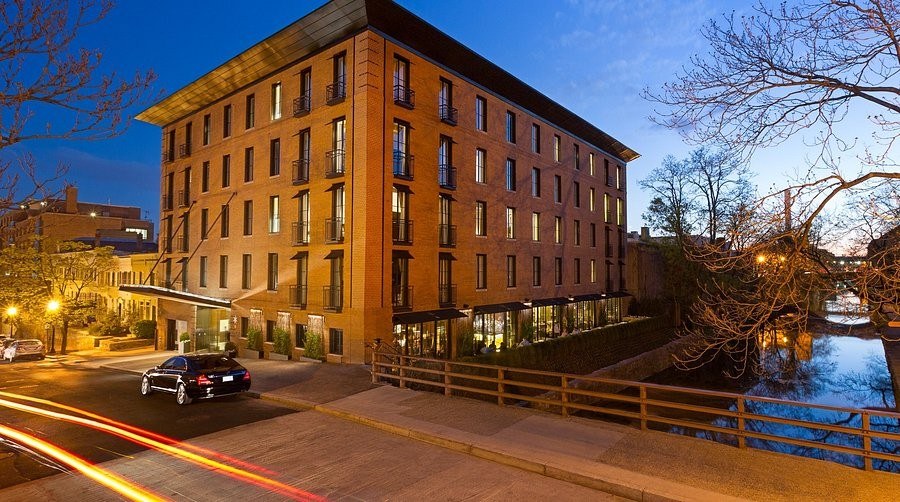
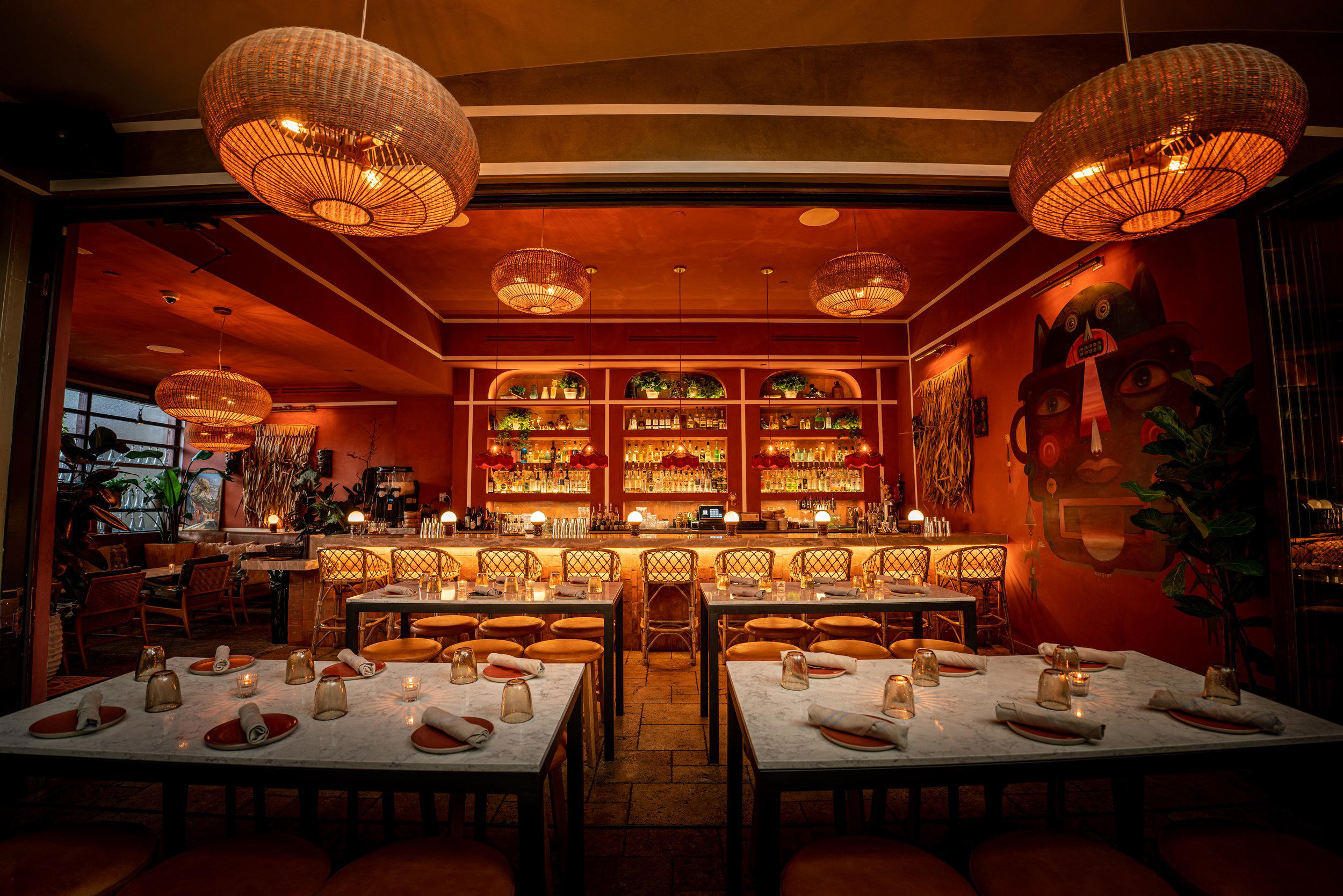
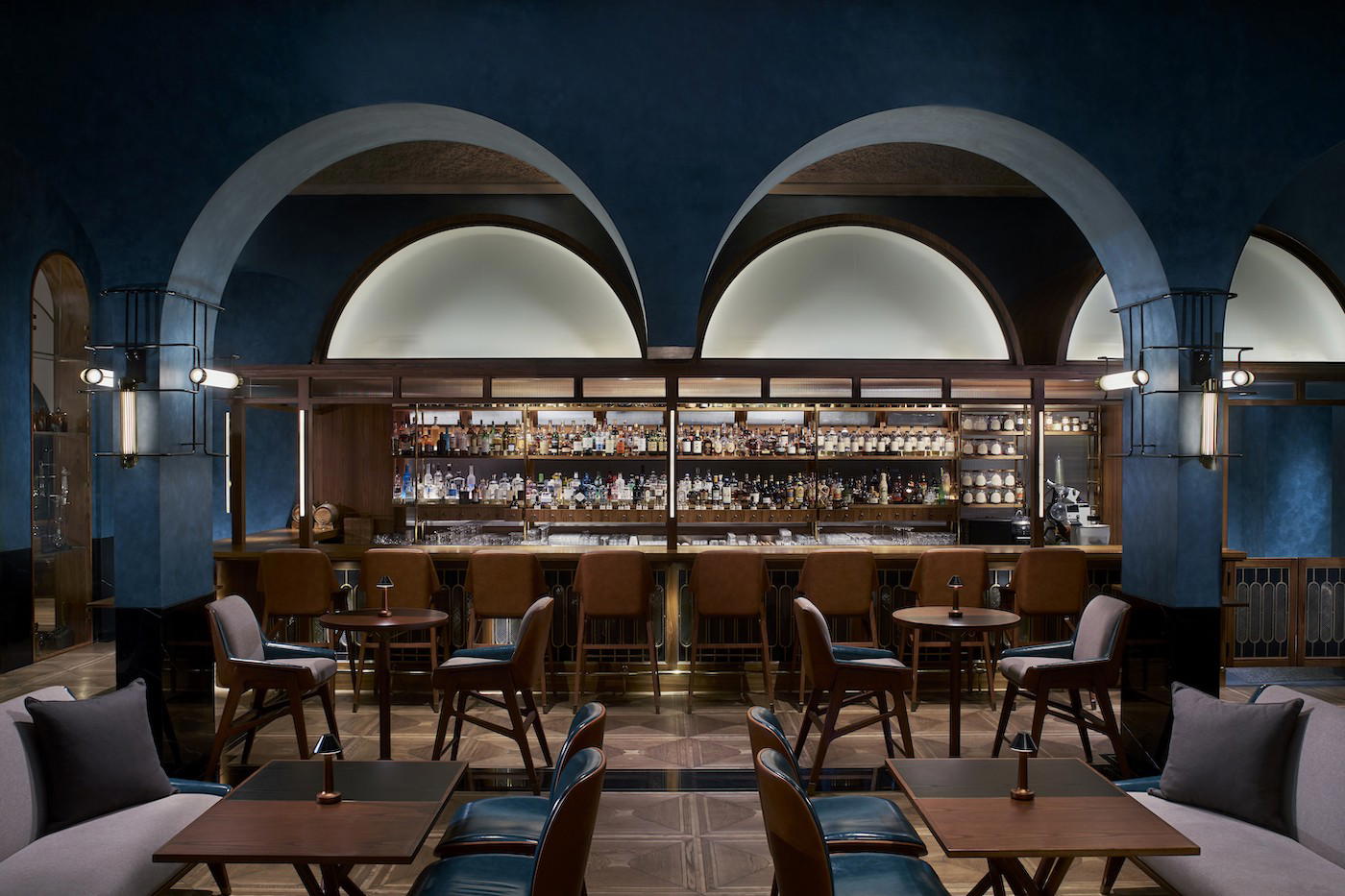
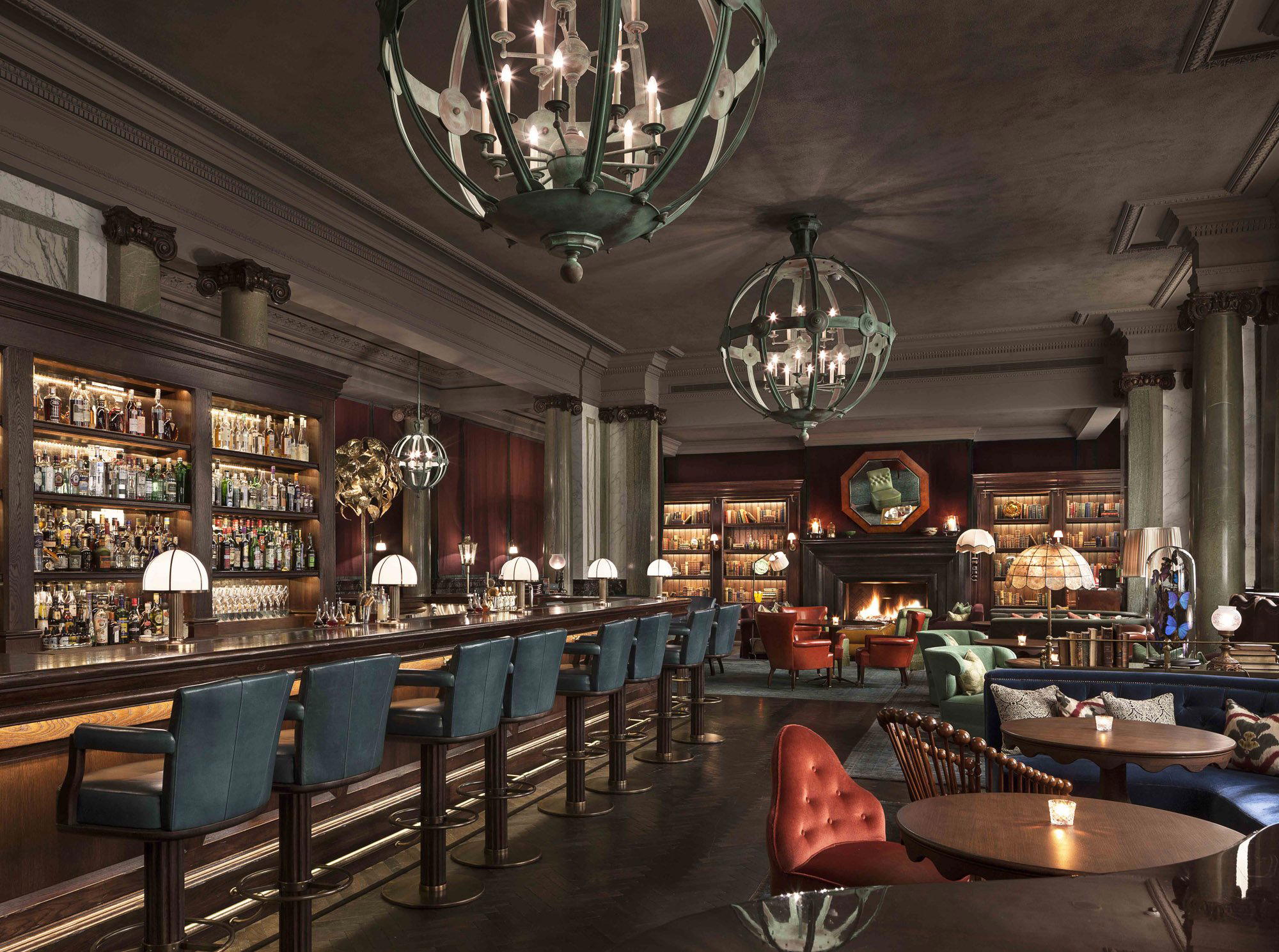
This stacked address on Blagden Alley reads like an intentional split personality: a brick-lined, narrow alley gives the ground floor a lively, drop-in energy, while an upstairs ascent leads to a more deliberate, contained experience. The architecture enforces separation — guests choose a register before they arrive — so the two floors feel like distinct destinations under one roof. The alley approach and compact footprint lend a charming, somewhat tucked-away quality, while the second-floor removal from street level creates intimacy and a quieter, more considered atmosphere that contrasts with the busier scene below.
Best For
The building’s vertical logic makes it useful for different kinds of evenings: the ground-floor concept is well suited to casual hangouts and after-work drop-ins, where easy entry and quick exits match the alley’s ambient energy. The second-floor concept appeals to guests seeking a more deliberate outing — a step up from the street that signals intention and privacy. Together they serve a range of nighttime plans, from spontaneous drinks on a busy D.C. evening to more focused, intimate reservations upstairs, allowing groups and couples to pick the level of activity they want.
Venue details
Ambiance
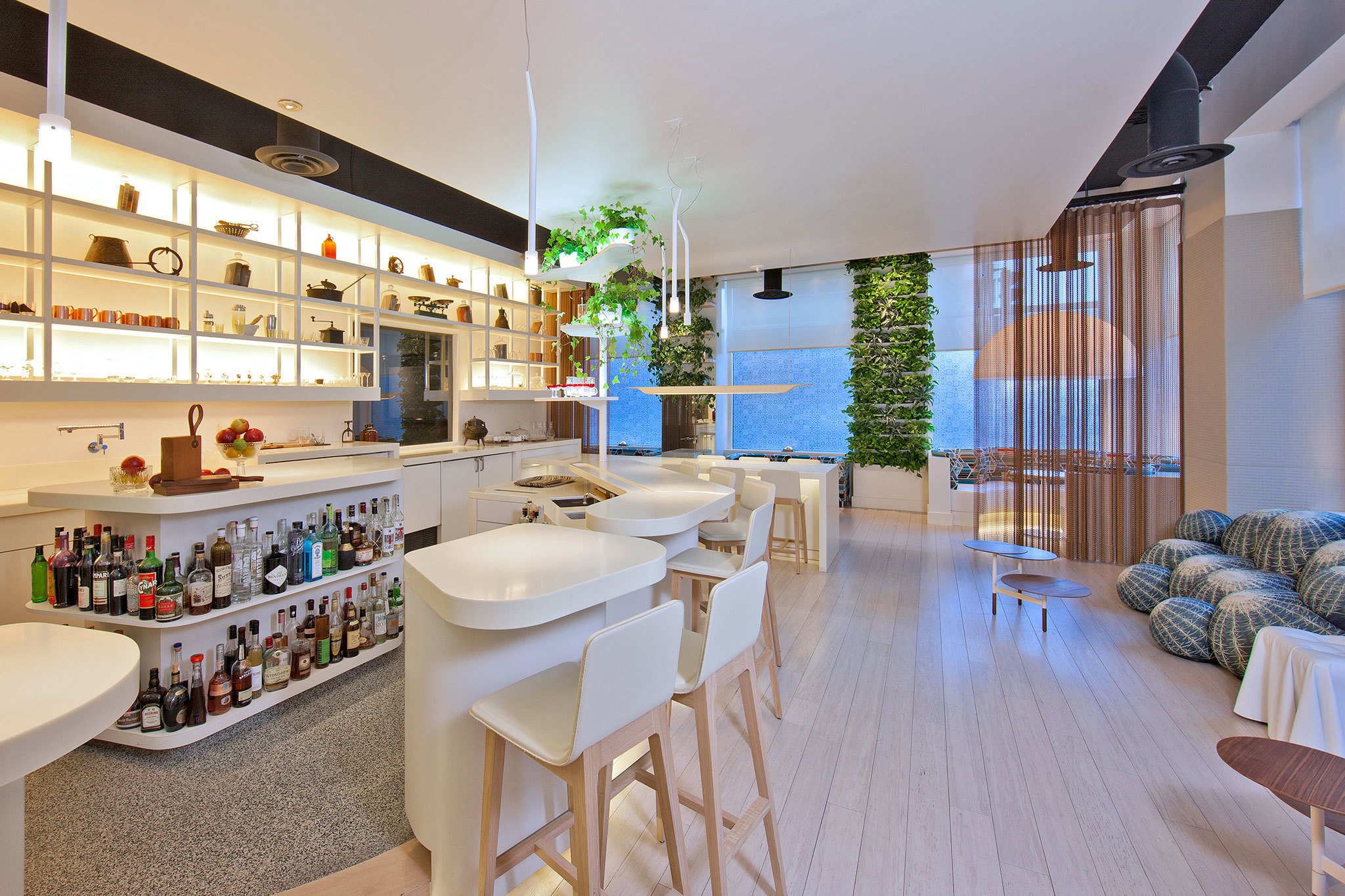
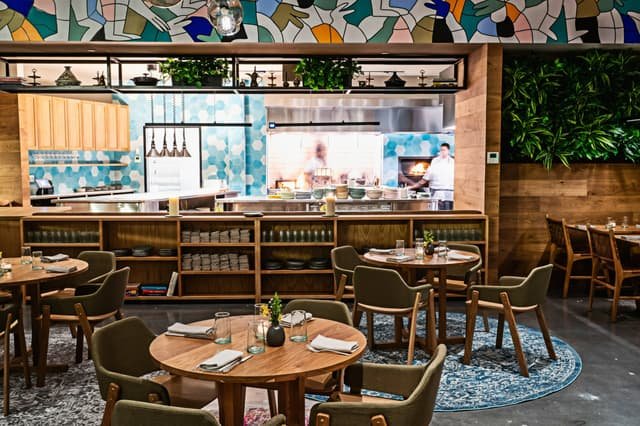
Vibrant and lush with greenery, murals, sun-soaked views, and a buzzing indoor/outdoor lounge atmosphere.
Tags
Vibe
Best For
Experience
Format
View
At the Bar
- Bar Category
- Cocktail Bar
- Late Night
- Closes by Midnight
- Music
- Disco
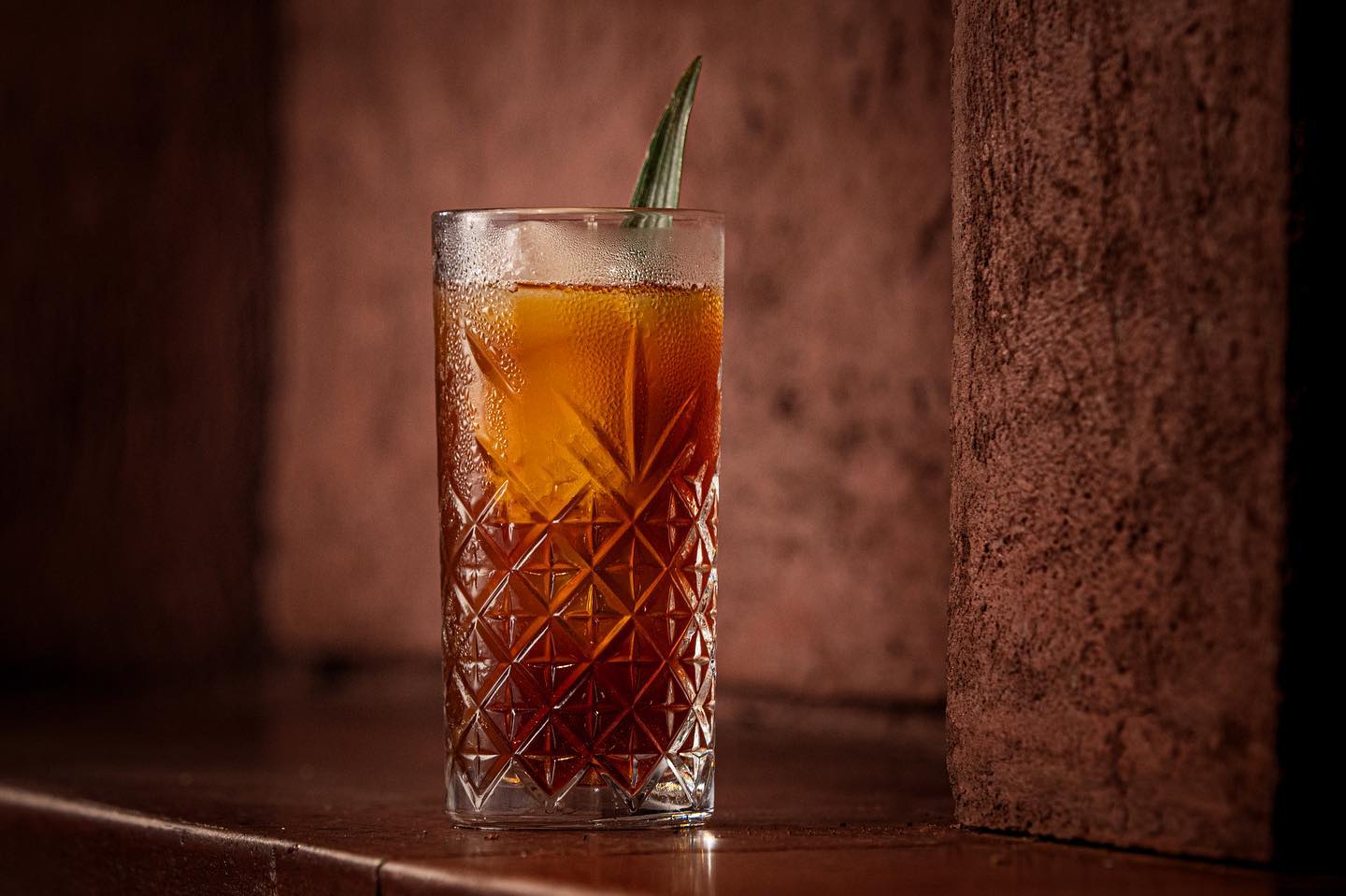
Signature Pours
- Otorongo Ciego
- Y Tónicas
Planning details
Location
920 Blagden Alley NW 2nd Floor, Washington, DC 20001 · Directions
Recognition and awards



Also consider
If this is not the right fit
Book Allegory instead if the goal is a more destination-style cocktail night. Choose All-Purpose Shaw if the date needs to feel lower-pressure and more dinner-first.
Bar context
How it compares in Washington, D.C.
Choose Amazonia and Causa when the night needs a serious drinks anchor with date-night polish. Its 2026 Tales Spirited Awards Top 10 nominee recognition gives it a stronger bar-program signal than All-Purpose Shaw, which reads better for a casual dinner-first plan, Family Ethiopian Restaurant, which is the better call when the meal is the main reason to go.
Eighteenth Street Lounge is the better cross-shop for a classic D.C. lounge mood, while Allegory makes more sense if the priority is a cocktail bar with a stronger destination-bar feel. Amazonia and Causa is easier to justify for a first date because the two-floor format gives the evening more flexibility without committing to a full tasting-menu style night.
WILD DAYS is the stronger choice when energy and a bigger night out matter more than conversation. For value, All-Purpose Shaw is the safer pick because the format is easier to predict. For drinks-led quality and a more deliberate two-person plan, Amazonia and Causa is the better booking.
Explore Washington DC
Around this place
Discover more on Pearl
Unlock the full Amazonia (2nd Floor) | Causa (1st Floor) guide in Pearl, including awards, comparisons, FAQs, planning details, and nearby places.
Compare Amazonia (2nd Floor) | Causa (1st Floor)
| Venue | Location | Awards |
|---|---|---|
| Amazonia (2nd Floor) | Causa (1st Floor) | Washington, D.C. | Tales Spirited Awards 2026 - Best U.S. Restaurant Bar - Best U.S. Restaurant Bar (Top 10 Nominee)2026 OAD Casual in North America RecommendedTales Spirited Awards 2026 - World’s Best Spirits Selection - World’s Best Spirits Selection (Top 10 Nominee)RAMMYS 2026 Winners - Cocktail Program of the Year |
| Eighteenth Street Lounge | Washington, D.C. | No published awards |
| All-Purpose Shaw | Washington, D.C. | No published awards |
| Family Ethiopian Restaurant | Washington, D.C. | No published awards |
| Allegory | Washington, D.C. | 2026 North America's 50 Best Bars · #572026 Pinnacle GuideTales Spirited Awards 2026 - World’s Best Cocktail Menu presented by Australian Bitters Co. - World’s Best Cocktail Menu presented by Australian Bitters Co. (Top Four Finalist)Tales Spirited Awards 2026 - World’s Best Cocktail Menu presented by Australian Bitters Co. - World’s Best Cocktail Menu presented by Australian Bitters Co. (Top 10 Nominee)2025 North America's 50 Best Bars · #45Top 500 Bars 2025 · #1422024 North America's 50 Best Bars · #242023 World's 50 North America's Best Bars · #45Pearl Recommended Bars |
| WILD DAYS | Washington, D.C. | No published awards |




How Amazonia (2nd Floor) compares with similar nearby venues.
FAQ
Frequently Asked Questions
Is Amazonia (2nd Floor) | Causa (1st Floor) good for a date?
It can be a candidate for a planned two-person night in Washington, D.C. if the smart-casual dress code and evening-to-late-night hours fit the occasion. The venue also has 2026 Tales Spirited Awards Top 10 Nominee recognition for Best U.S. Restaurant Bar and World's Best Spirits Selection. Allegory is another Washington, D.C. option to compare.
What's the best time to go to Amazonia (2nd Floor) | Causa (1st Floor)?
Use the listed hours to choose the timing that fits your plan. Listed hours are Monday and Tuesday 5–11 PM; Wednesday and Thursday 5 PM–12 AM; Friday 4 PM–12 AM; Saturday 3 PM–12 AM; and Sunday 3–11 PM.