
Mielżyński na Czerskiej
Sielce, Warsaw
Bar in Warsaw, Poland
 Book with Pearl
Why go
Compared with Warsaw's cocktail-led and hotel-bar options, Mielżyński na Czerskiej is the stronger pick when wine is the point of the night. Star Wine List recognition gives it credibility, but the value depends on bottle choices rather than a fixed menu price. Best for dates, client drinks, and small celebrations.
About Mielżyński na Czerskiej
Mielżyński na Czerskiej is a Warsaw venue with Star Wine List recognition in 2026 and opening hours from 12 PM daily. Consider it when you want a smart-casual Warsaw option and the wine recognition is relevant to your plans, and check directly for cuisine, chef-led format, price level, menu structure, or service style before booking.
The schedule runs Monday through Saturday from 12–11 PM. Sunday is shorter, from 12–6 PM. For readers comparing broader Warsaw plans, start with our full Warsaw restaurants guide and cross-check current details directly with the venue before booking.
Choose it when wine recognition matters
The clearest reason to keep Mielżyński na Czerskiej on a shortlist is its Star Wine List recognition in 2026. That is a useful signal for guests who care about wine credentials; for practical details such as cuisine, chef, signature dishes, price range, seating layout, or reservation policy, check directly with the venue.
Dress code is listed as smart casual, so it is best approached as a polished Warsaw stop rather than a place to treat casually without checking expectations. If you are choosing between this and other Warsaw dining options, compare opening hours, dress code, and any current information the venue publishes directly.
The value depends on your plan, not a set menu
For fixed price, tasting menu, lunch offer, happy hour, or group package details, handle the value question practically: confirm the current offer with the venue and decide whether it fits the kind of visit you want.
For comparison, Grono Mokotowska, Nobu Bar, Rausz, Sakebar, and Łaskawość Tytusa may also be worth considering depending on your plans. Mielżyński na Czerskiej is best characterized by its Warsaw location, smart-casual dress code, listed hours, and Star Wine List recognition.
Quick read: consider Mielżyński na Czerskiej for a smart-casual Warsaw plan where Star Wine List recognition matters; check directly for menu, pricing, reservations, and current service details.
Planning details
- Location
- Czerska 12, 00-732 Warszawa, Poland
- Website
- mielzynski.pl
- Phone
- +48 501 173 513
The take
The Take
The Vibe
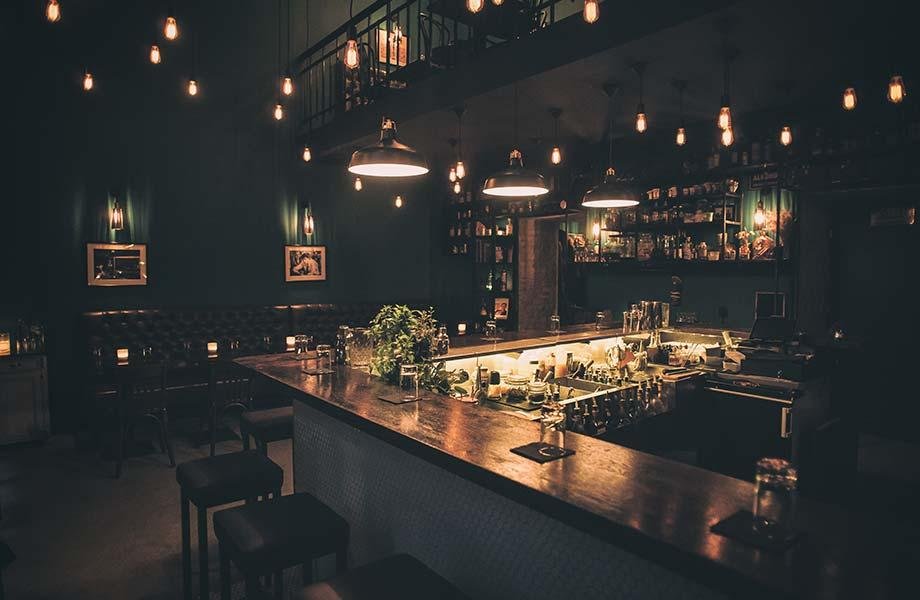
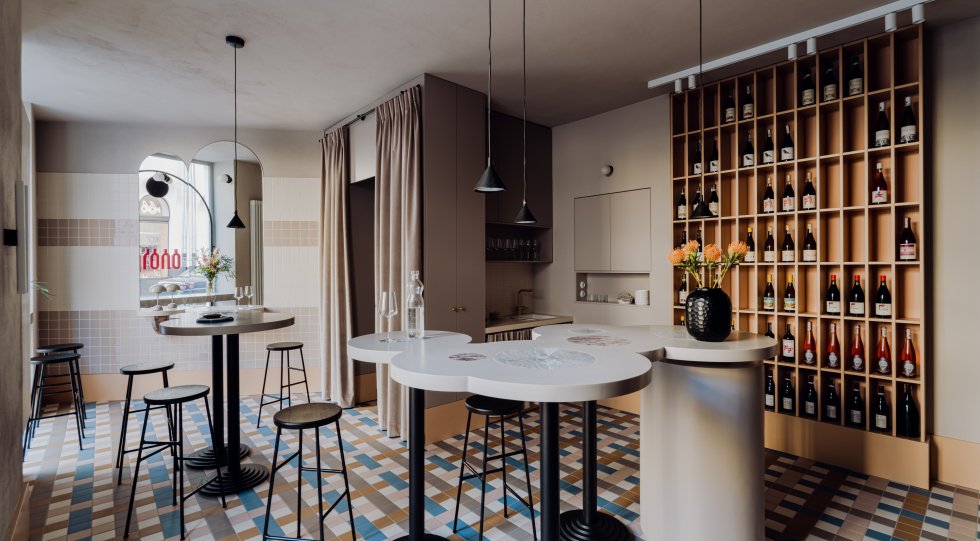
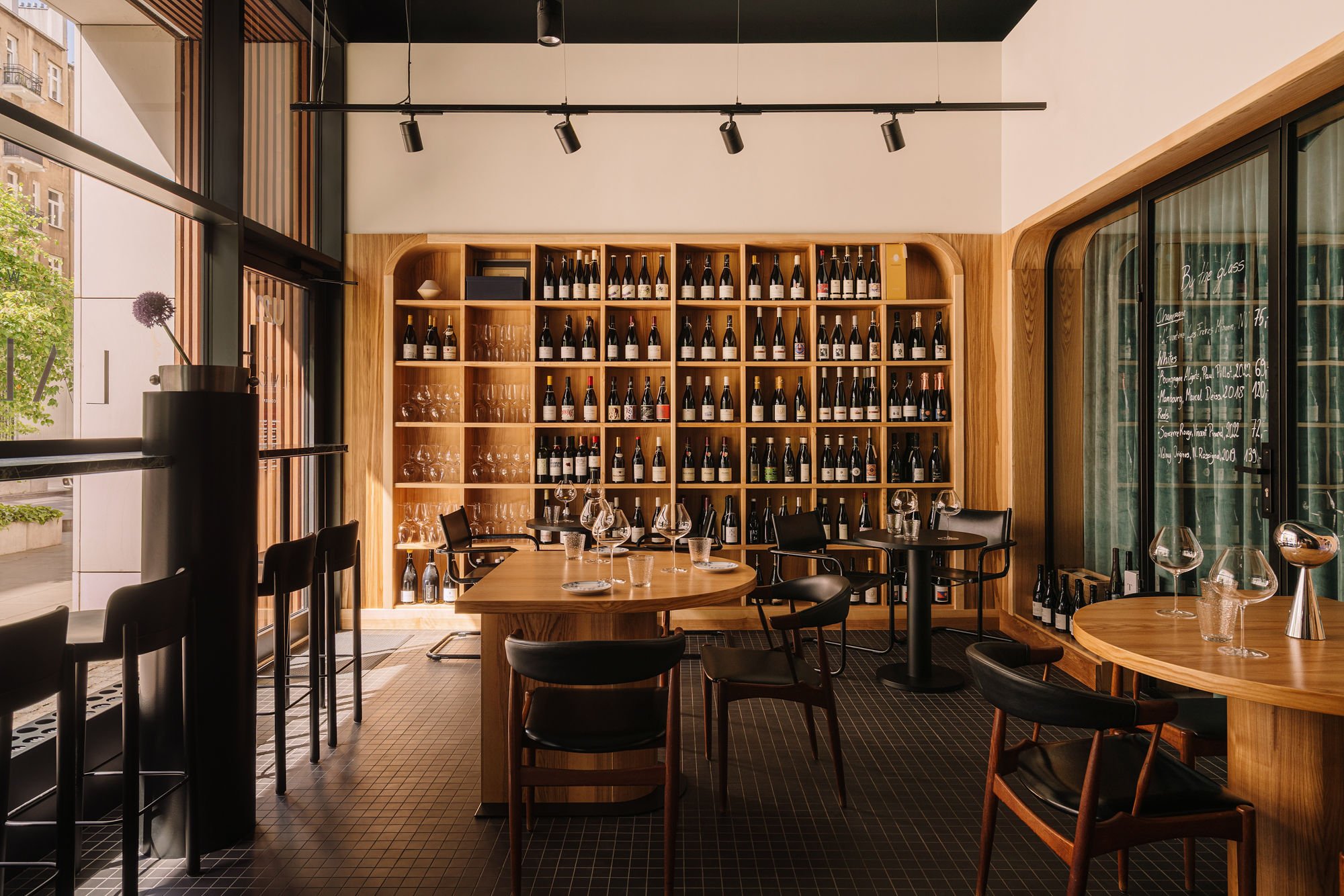
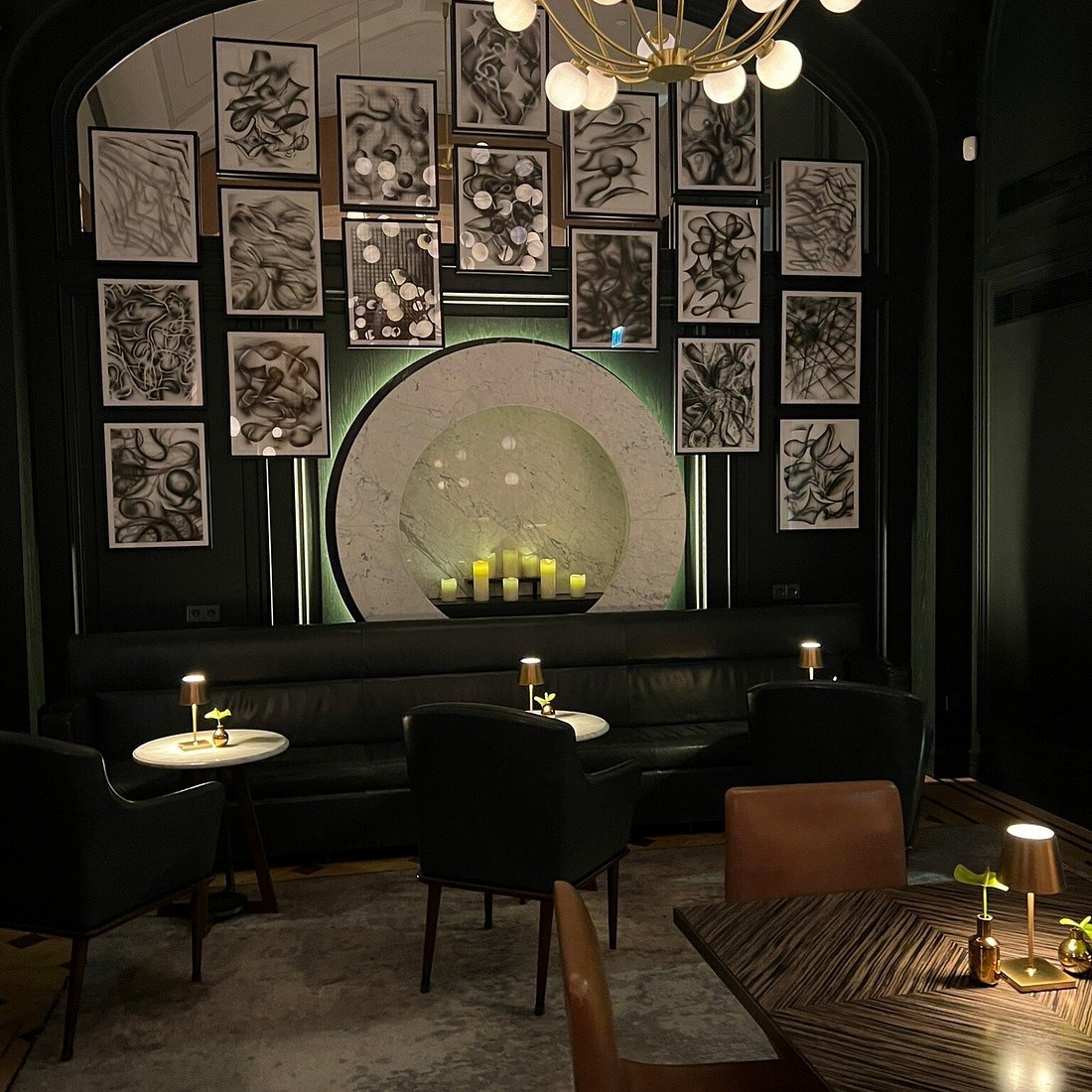
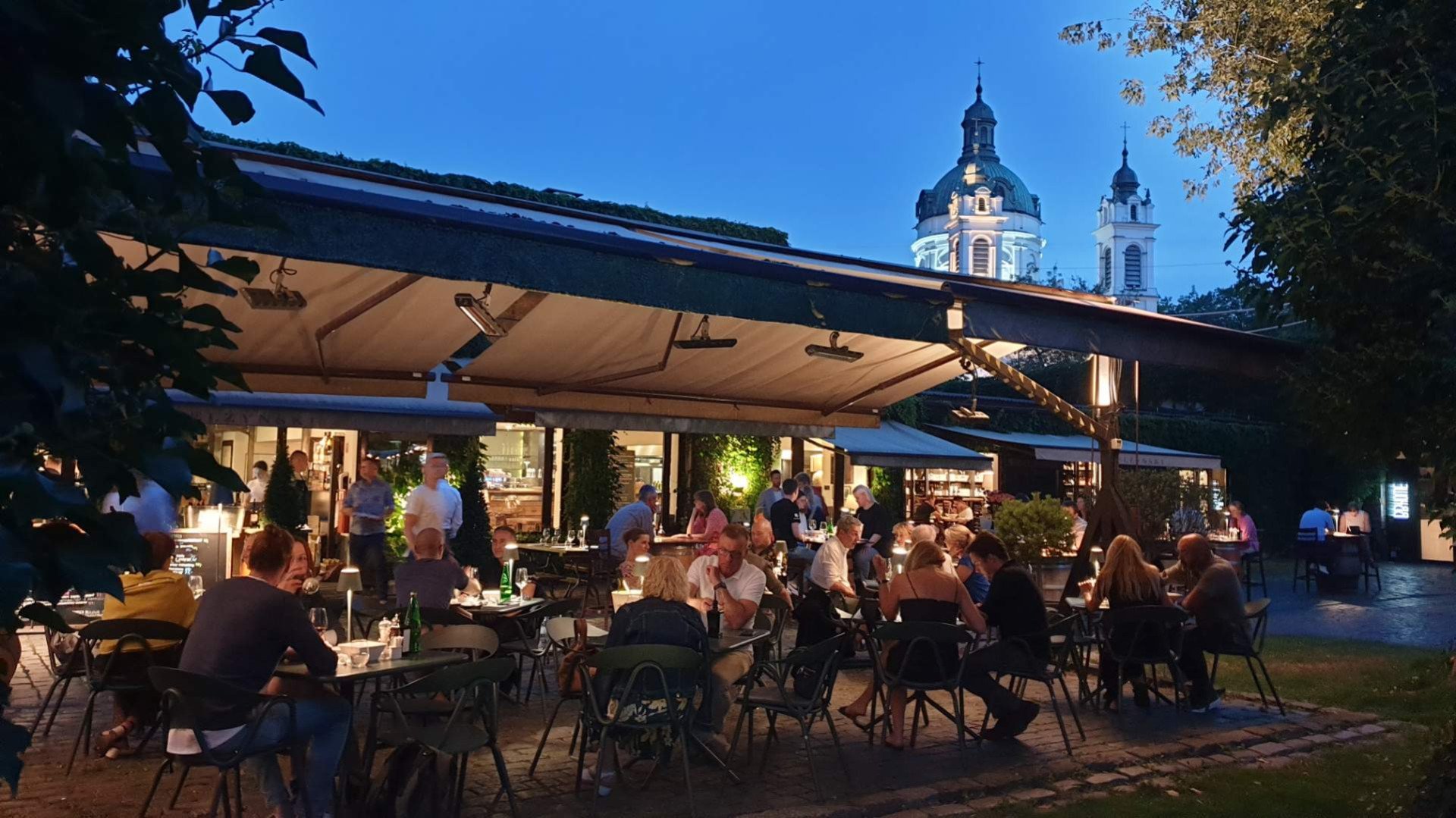
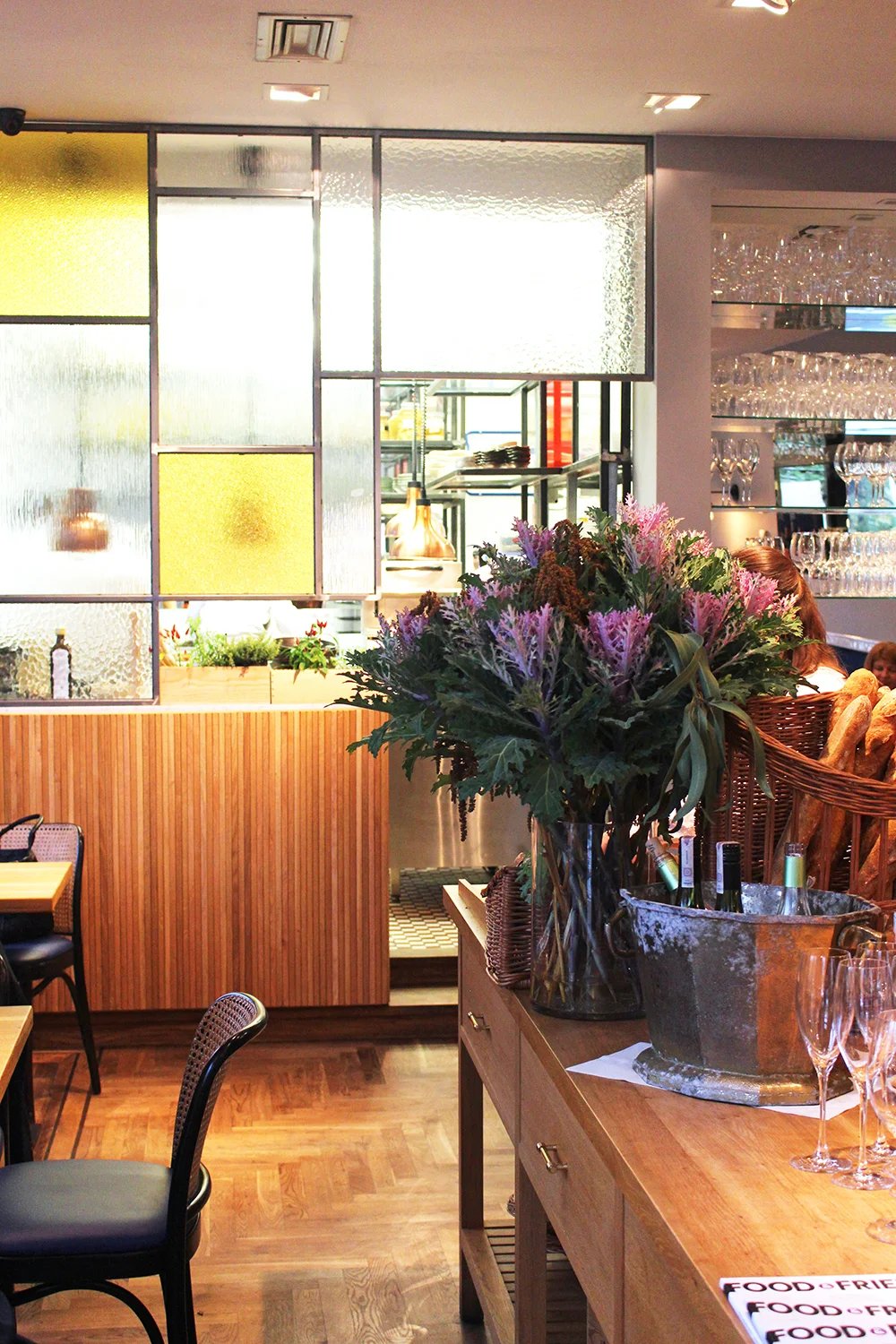
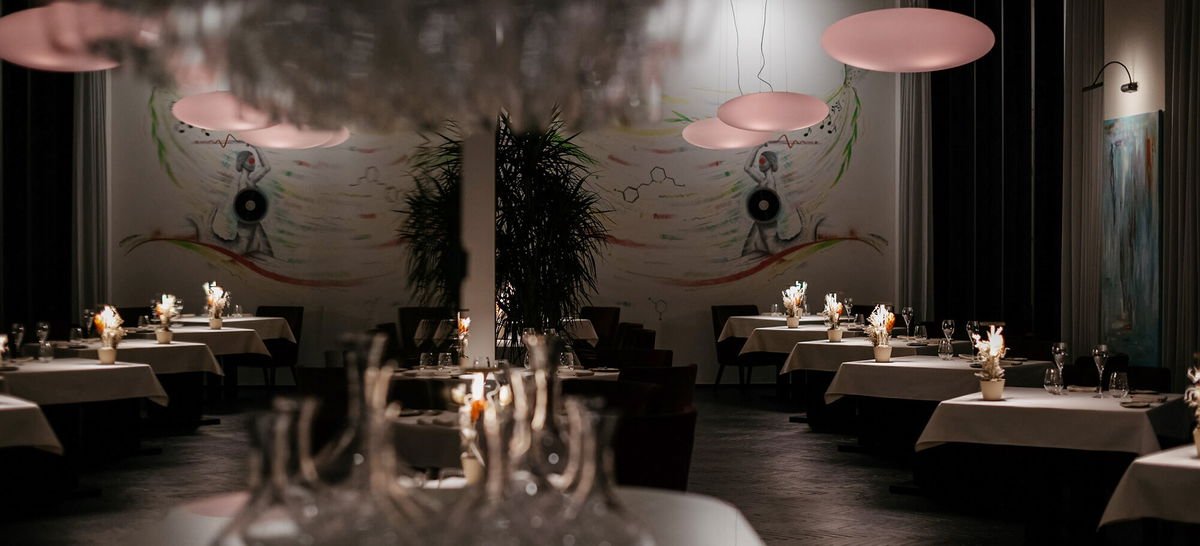
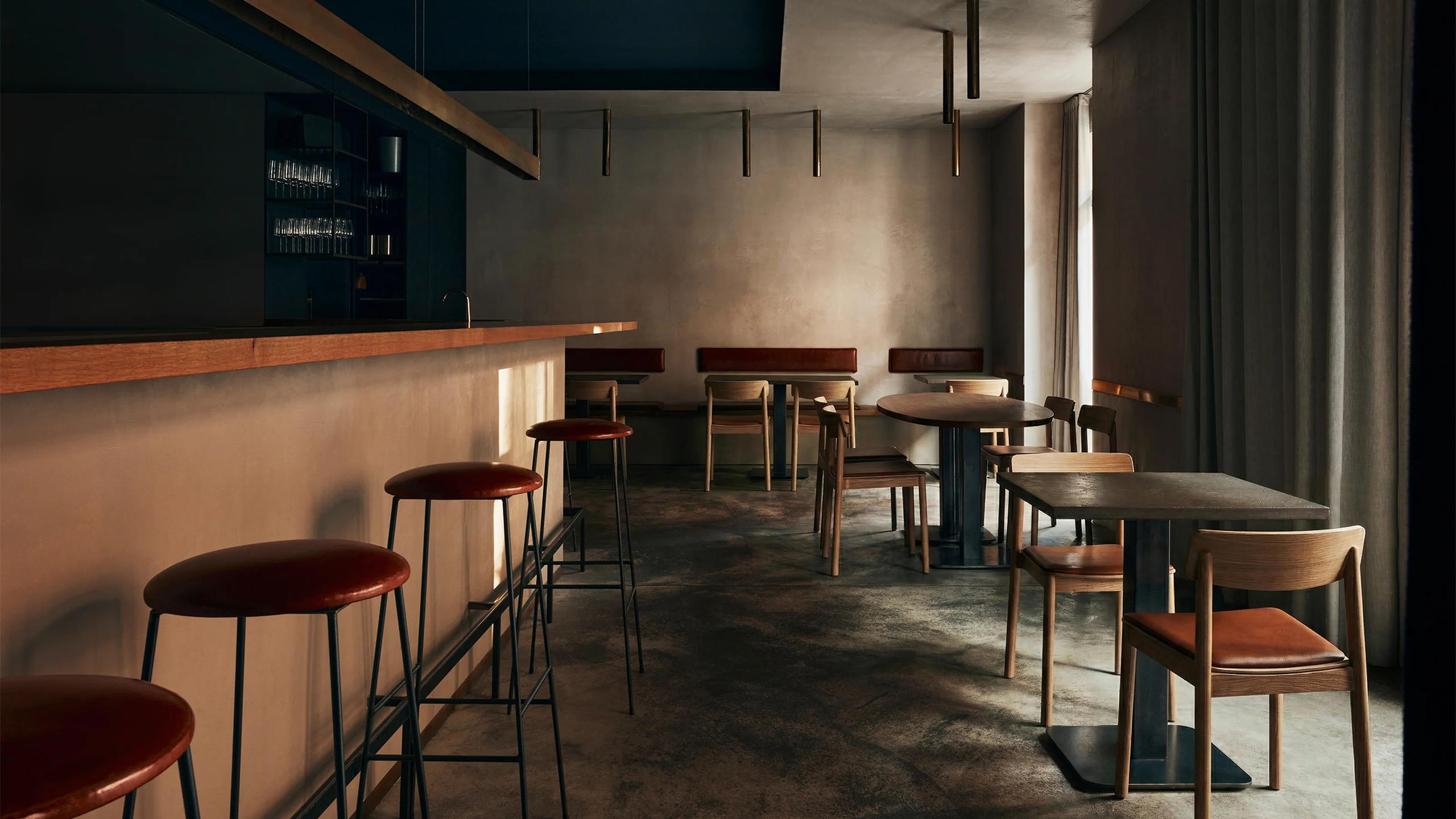
Mielżyński na Czerskiej presents as a quiet, intimate wine bar tucked into Mokotów's residential streets. The room is compact — roughly fifteen tables — and the open kitchen is visible from most seats, which keeps the space feeling immediate and unpretentious. This is a venue built around a coherent approach to wine and food: sourcing from long-standing relationships with growers and aligning the kitchen to those selections. Regulars, rather than passersby, populate the room, which gives the place a low-key, considered atmosphere ideal for focused tasting and relaxed conversation.
Best For
This is a spot for small, focused evenings rather than boisterous nights out. It suits date nights, after-work glasses with a friend, and quiet group outings where the point is to taste and talk about wine. Given the bar’s sourcing-first approach, it also works well for anyone interested in learning about producers and styles — whether you come solo or with one or two companions, you’ll find an attentive environment geared toward tasting and thoughtful pairings rather than loud socializing.
Ordering Tips
Treat the list as the main event: the wine selection reflects direct relationships with growers, so ask staff about producers and the philosophy behind bottles you’re curious about. Because the kitchen is arranged to echo the wine program, request pairing suggestions — the team is likely to offer small dishes or preparations that highlight a wine’s character. If you want to sample broadly, ask about available glass pours for a range of styles rather than committing to a full bottle; staff guidance is particularly useful here given the bar’s curated, producer-driven focus.
Venue details
Ambiance
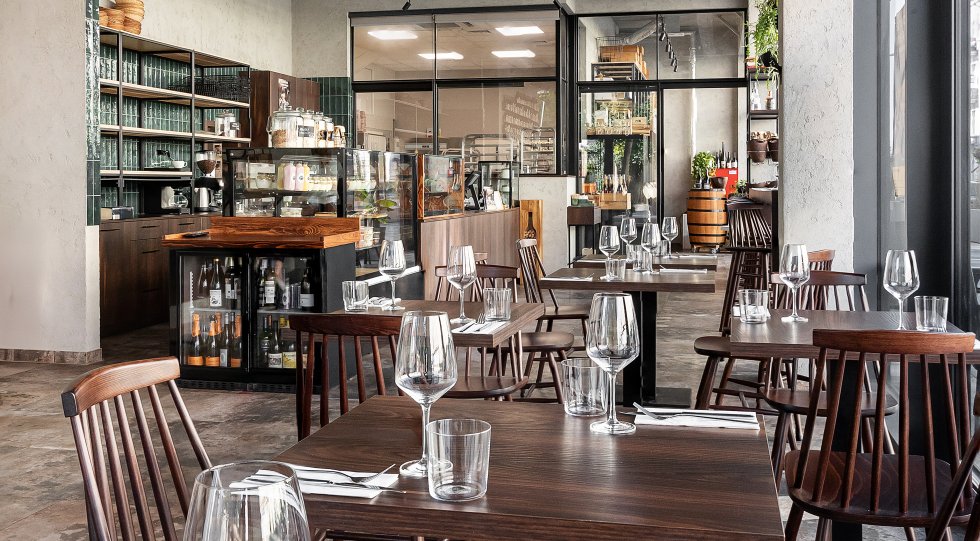
Vibrant, modern warehouse atmosphere with open kitchen, wine shelves, and a dynamic, stylish feel.
Tags
Vibe
Best For
Experience
Format
At the Bar
- Bar Category
- Wine Bar
- Late Night
- Closes by Midnight
Know before you go
Know Before You Go
- Getting there
- Czerska 12, 00-732 Warszawa, Poland
Planning details
Location
Recognition and awards

Also consider
Where to go if this is not the fit
Choose Grono Mokotowska if the group wants a more casual Warsaw bar plan. Choose Nobu Bar if the occasion calls for a sleeker, hotel-style setting.
Bar context
How it compares in Warsaw
Mielżyński na Czerskiej is the wine-led choice in this set: book it when the round is meant to revolve around the bottle rather than cocktails, sake, or a hotel-bar setting. Grono Mokotowska is the easier cross-shop if the group wants a more casual bar decision, while Nobu Bar makes more sense when the point is a polished hotel-adjacent night.
For value, Mielżyński na Czerskiej is strongest for two to four people who will share deliberately. Rausz and Łaskawość Tytusa are better alternatives if the table wants a looser bar crawl feel, while Sakebar is the cleaner pick when Japanese drinks are the draw rather than wine.
Booking difficulty is the practical separator: this is the safer option when the plan needs to come together without a high-friction reservation. For a special occasion, choose Mielżyński na Czerskiej for bottle depth, Nobu Bar for a sleeker room, and Grono Mokotowska for a less formal Warsaw night.
Explore Warsaw
Around this place
Discover more on Pearl
Unlock the full Mielżyński na Czerskiej guide in Pearl, including awards, comparisons, FAQs, planning details, and nearby places.
Compare Mielżyński na Czerskiej
| Venue | Location | Awards |
|---|---|---|
| Mielżyński na Czerskiej | Warsaw | Star Wine Lists 2026 |
| Grono Mokotowska | Warsaw | No published awards |
| Rausz | Warsaw | No published awards |
| Łaskawość Tytusa | Warsaw | No published awards |
| Nobu Bar | Warsaw | No published awards |
| Sakebar | Warsaw | No published awards |
How Mielżyński na Czerskiej Warsaw compares with similar nearby venues.
FAQ
Frequently Asked Questions
What's the crowd like at Mielżyński na Czerskiej?
Plan around a smart-casual Warsaw setting with Star Wine List recognition in 2026.
Is Mielżyński na Czerskiej open late?
It is listed as open until 11 PM Monday through Saturday. Sunday hours are shorter, from 12–6 PM.
Is Mielżyński na Czerskiej good for a date?
The venue may suit a date if a smart-casual Warsaw setting and Star Wine List recognition fit your plans. For atmosphere, noise level, seating, and menu details, check directly before booking.
Do I need a reservation at Mielżyński na Czerskiej?
Contact Mielżyński na Czerskiej directly before visiting, especially for busier evening plans or if you are comparing it with Łaskawość Tytusa, Sakebar, or other options.