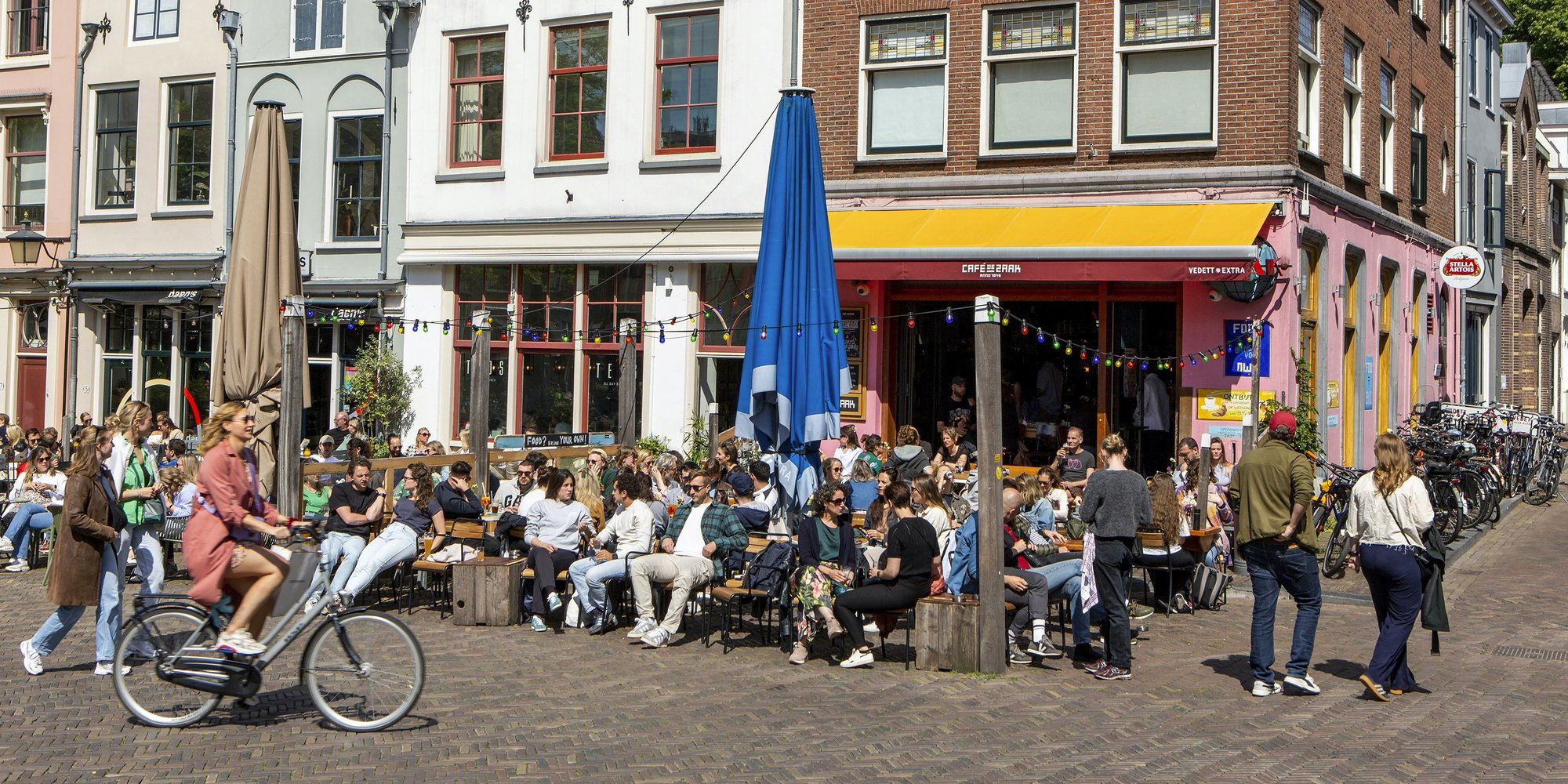
Café de Zaak
Neude Janskerkhof en Domplein, Utrecht
Bar in Utrecht, Netherlands
 Book with Pearl
The Read
Price
$10–20per person
Why go
Café de Zaak is worth using as an easy Utrecht city-centre stop rather than a destination cocktail booking. The draw is flexibility: long daily hours, a central address, and a casual format that suits meet-ups, late drinks, or a low-pressure date. Skip it if the priority is a documented cocktail program or special-occasion dining.
About Café de Zaak
On a return visit to Utrecht, the useful question is whether an easy café with long opening hours is the smarter stop between plans. Café de Zaak fits that role: a casual Utrecht option, rather than a specialist venue. Go when convenience and timing matter more than a researched menu.
Its strongest appeal is timing. The café opens from morning into the early hours all week: Mon-Wed 8 AM-1 AM, Thu-Fri 8 AM-2 AM, Sat 9 AM-2 AM, and Sun 10 AM-1 AM. That makes it practical for a casual stop, a loose meet-up, or a late visit when you want to keep the plan simple.
Choose it for flexibility, not program depth
The planning angle should stay simple: it does not offer a specialist cocktail list, named bartender, menu detail, or awards signal to justify treating this as a specialist booking. That does not make it a bad choice; it just sets the expectation. If you want to compare it with another named option, look at Florin Utrecht, then use our full Utrecht bars guide for a wider shortlist.
For explorers building a full Utrecht day, this works better as a flexible stop than as the anchor. Pair the café with a restaurant plan from our full Utrecht restaurants guide, or keep it as a low-friction stop before moving on to other Utrecht plans.
Who should pick this over a more planned night out
Pick Café de Zaak for an easy meet-up, a casual date where the agenda can stay loose, or a late stop when a formal plan feels like too much structure. Skip it if the decision hinges on a specific food program, a named cocktail menu, or a special-occasion setup. In that case, compare other options rather than forcing this café to do a job it has not clearly claimed.
The decision is direct: use it when timing and a casual dress code are the value. For a more researched plan, compare it with other options in Utrecht or with venues such as Amelie, COCO, Ruby Emma Bar, and Vineria Nebbiolo, depending on what you want from the stop.
Planning details
- Location
- Korte Minrebroederstraat 9, 3512 GG Utrecht, Netherlands
- Website
- dezaak-utrecht.nl
- Phone
- +31 30 231 5310
The take
The Take
The Vibe
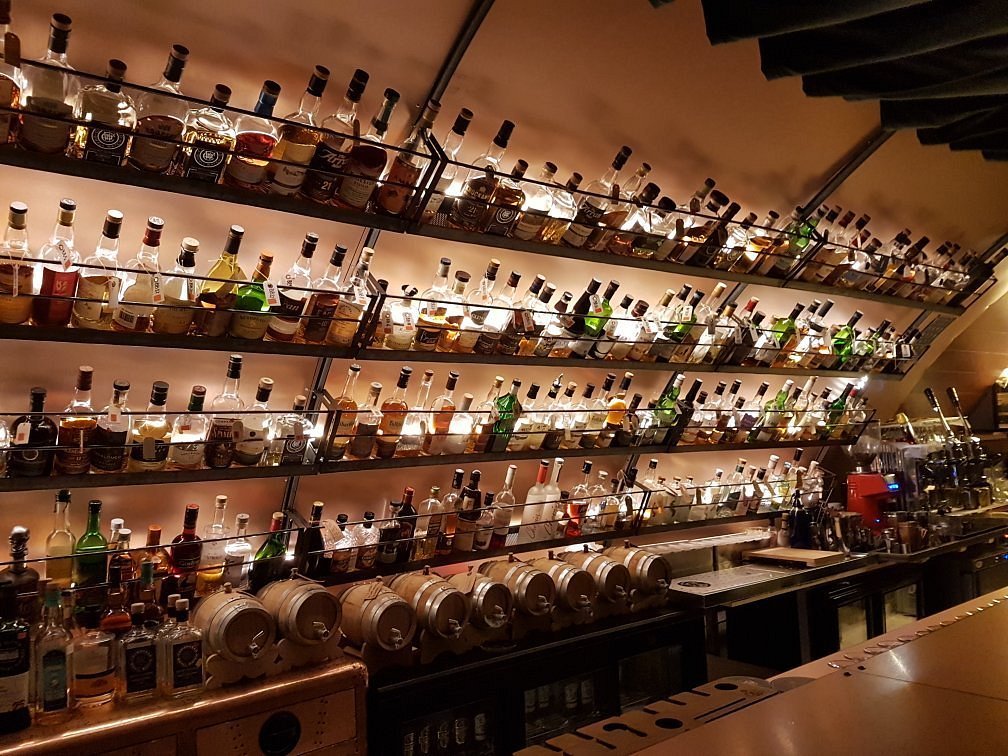
Café de Zaak reads as a focused, spirits-first neighborhood bar embedded in Utrecht’s dense, medieval inner ring. The copy positions it within a compact drinking circuit where ambition matters, and it emphasizes a curated back bar and technique-led cocktails rather than a distributor’s default selection. That editorial approach gives the place a contemporary, refined edge: it feels like part of the new generation of Dutch bars that balance local regulars with a serious interest in spirits and cocktail technique. The location’s steady foot traffic and student population keep the energy grounded and social.
Best For
This is a destination for people who come to drink deliberately—locals and visitors who appreciate a well-considered spirits program and bartending that foregrounds technique. The write-up highlights a year-round, regular crowd supported by nearby institutions and pedestrian traffic, so it suits after-work stops, committed cocktail drinkers, and anyone exploring Utrecht’s evolving bar scene. It’s less about loud nightlife theatrics and more about well-made drinks and a curated back bar that signals thoughtful stewardship of spirits.
Ordering Tips
Order with an eye toward the back bar: the description treats that shelving as an editorial statement, so ask bartenders about their standout spirits or technique-driven cocktails. Because the bar emphasizes careful curation and craft, request recommendations based on flavor or spirit preference rather than defaulting to familiar brands. If you’re curious about the program’s range, ask for a bartender’s choice or a signature cocktail that showcases their approach to technique and selection.
Venue details
Ambiance
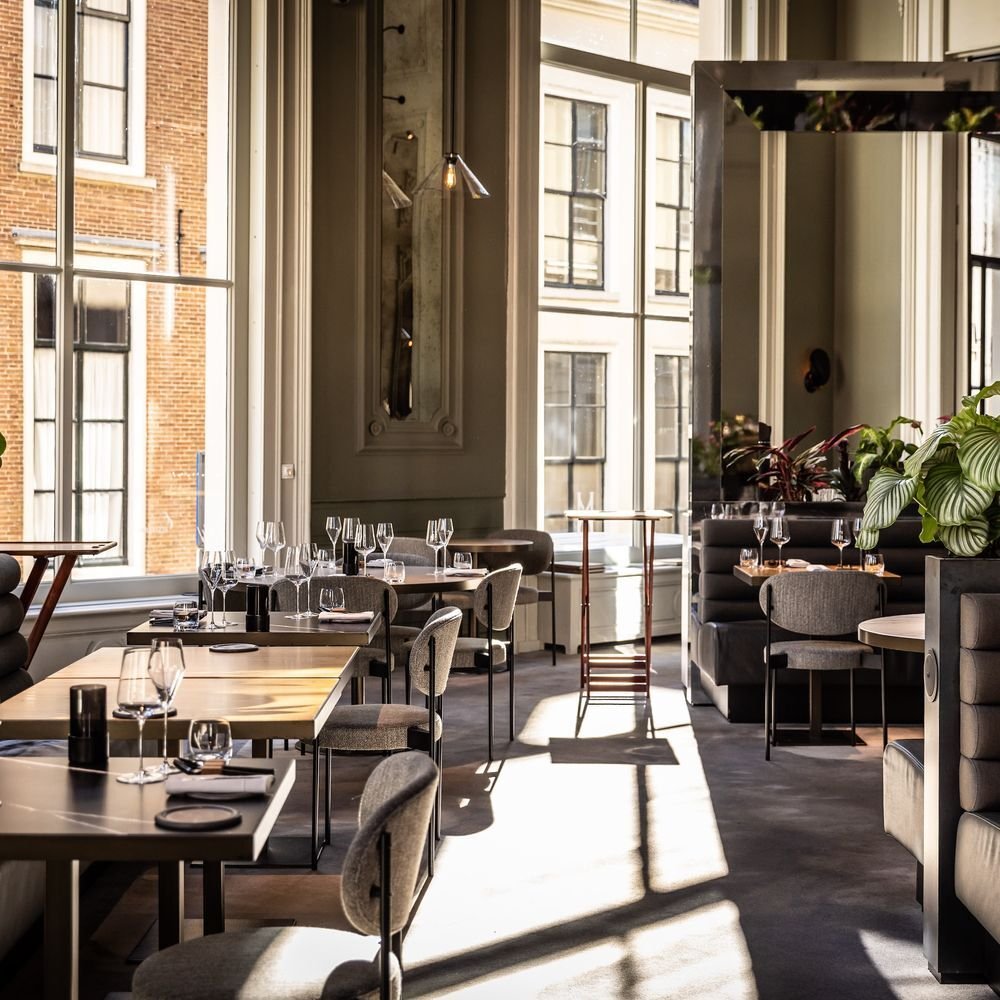
Warm, inviting, and relaxed atmosphere popular with locals, students, and tourists alike.
Tags
Vibe
Best For
Experience
Format
At the Bar
- Bar Category
- Pub
- Late Night
- Open Until 2am
Know before you go
Know Before You Go
- Getting there
- Korte Minrebroederstraat 9, 3512 GG Utrecht, Netherlands
Planning details
Location
Korte Minrebroederstraat 9, 3512 GG Utrecht, Netherlands · Directions
Also consider
Where to go if this is not the right fit
If Café de Zaak feels too casual for the plan, try Florin Utrecht first for another Utrecht option. If the brief is more wine-focused, Vineria Nebbiolo is the cleaner cross-shop.
For a more styled night out, compare Amelie, COCO, and Ruby Emma Bar before settling on a casual café format.
Bar context
How it compares in Utrecht
Café de Zaak is the practical pick when timing and location matter more than a clearly signposted drinks concept. Florin Utrecht is the closer cross-shop for readers who want another Utrecht bar option with a more deliberate night-out feel, while Café de Zaak makes more sense for an easy daytime-to-late-evening stop.
Vineria Nebbiolo and Amelie are better fits if the plan is built around wine or a more intentional drinks choice rather than convenience. Café de Zaak wins on ease, but not on documented beverage depth.
For a livelier, more bar-forward mood, compare COCO and Ruby Emma Bar. Choose Café de Zaak when the night needs to stay casual and low-commitment; choose those peers when ambience is the point of the booking.
Explore Utrecht
Around this place
Discover more on Pearl
Unlock the full Café de Zaak guide in Pearl, including awards, comparisons, FAQs, planning details, and nearby places.
Compare Café de Zaak
| Venue | Location | Awards |
|---|---|---|
| Café de Zaak | Utrecht | No published awards |
| Florin Utrecht | Utrecht | No published awards |
| Vineria Nebbiolo | Baarn | No published awards |
| Amelie | Amstelveen | No published awards |
| COCO | Gouda | No published awards |
| Ruby Emma Bar | Amsterdam | No published awards |
How Café de Zaak Utrecht compares with similar nearby venues.
FAQ
Frequently Asked Questions
What's the best time to go to Café de Zaak?
Go when you want a flexible, casual stop in Utrecht rather than a highly planned booking. If you want the latest window, Thu-Sat run until 2 AM, while Mon-Wed and Sun run until 1 AM.
Is Café de Zaak open late?
Yes. It stays open until 1 AM on Mon-Wed and Sun, and until 2 AM on Thu-Sat.
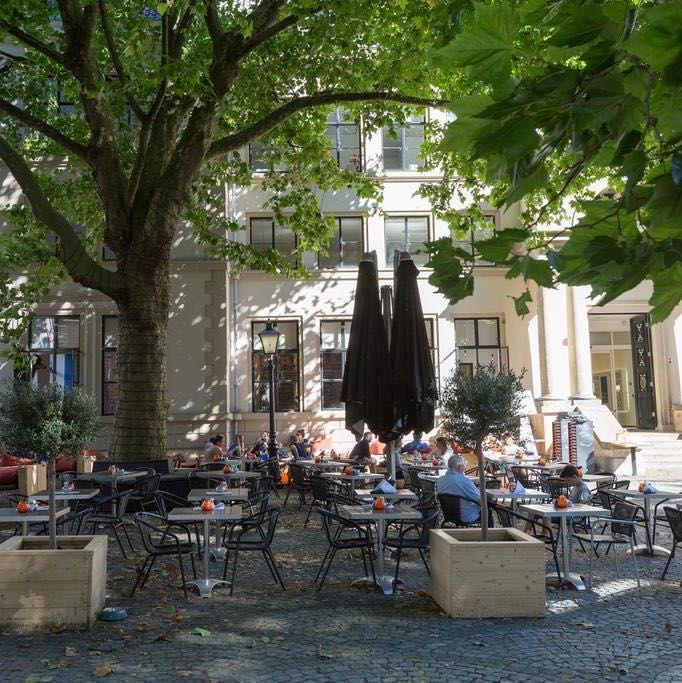
Does Café de Zaak have outdoor seating?
Outdoor seating information is not available. If that detail matters, compare your options, including Amelie or COCO, and check official channels for the latest information.
Is the food good at Café de Zaak?
Information about cuisine type, chef, or menu details is not available, so this is not the place to choose based on a food-led claim. Think of it as a casual stop in Utrecht rather than a specific dining destination.
Is Café de Zaak good for a date?
It can fit a casual date where you want flexibility and a late finish. It is not the pick if you specifically want a meal-centered or cocktail-led evening.