
Bar in Urban Honolulu, United States
Yanagi Sushi
100ptsKapiolani Corridor Sushi
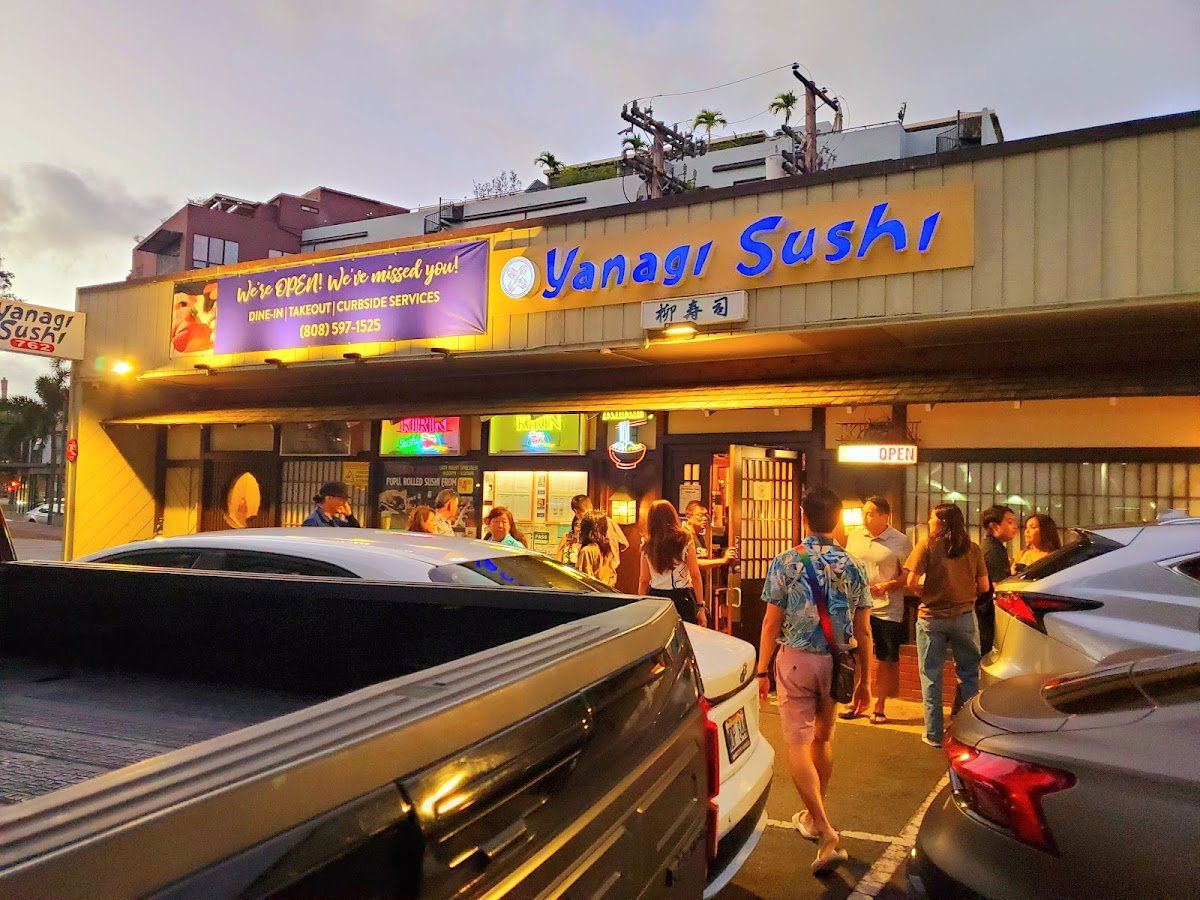
About Yanagi Sushi
Yanagi Sushi has anchored the Kapiolani corridor in Honolulu for decades, sitting squarely in the tier of Japanese restaurants that serve a local clientele rather than a tourist circuit. The room is spare, the pacing is deliberate, and the menu reads as a working document of Hawaiian-Japanese dining tradition rather than a showcase of technique. A reliable reference point for the city's sushi scene.
The Kapiolani Corridor and Where Yanagi Fits
Honolulu's Japanese restaurant culture operates on two distinct registers. There is the resort-facing sushi that lines Waikiki's hotel corridors, priced for visitors and styled accordingly, and then there is the older, denser layer of Japanese dining that runs through neighborhoods like Kapiolani, Moiliili, and the broader Ala Moana corridor. Yanagi Sushi, at 762 Kapiolani Blvd, belongs to the second register. The address places it away from the beachfront hotel strip, in the kind of commercial stretch where Honolulu residents actually eat. That positioning alone says something about the room's intended audience and, by extension, its character.
Hawaii's Japanese culinary history is long and layered. Japanese immigration to the islands dates to the plantation era of the late nineteenth century, and successive generations built a food culture that is neither straightforwardly Japanese nor simply American. The sushi that emerged from that history often reflects local preferences: a familiarity with rice-heavy preparations, a tolerance for fusion that predates the word, and a clientele that measures value in generosity rather than refinement. Yanagi operates within that tradition. It is not the place to benchmark against Tokyo omakase counters; it is the place to understand what Japanese dining looks like when it has been present in a city long enough to become part of the fabric.
Reading the Room: Front-of-House, Counter, and the Balance Between Them
In the category of neighborhood sushi restaurants, the dynamic between counter staff, kitchen, and floor service often tells you more about a place than any single dish. The leading examples in this tier, whether in Honolulu, Los Angeles, or Seattle, tend to run on a kind of institutional memory: servers who know regulars by order rather than name, sushi chefs who calibrate portions to the crowd, and a front-of-house rhythm that absorbs the difference between a party of two and a table of eight without visible strain. That coordination, when it works, is what keeps a room feeling steady rather than chaotic.
At venues like Yanagi, the collaborative structure between counter and table service is where longevity gets built. A restaurant that has held the same address on Kapiolani for an extended period is not doing so on novelty. It is doing so because the working relationship between the people in the room and the people behind the counter has become reliable enough to generate repeat visits. That kind of team consistency is harder to build than a high-concept menu, and in the context of Honolulu's competitive mid-range Japanese scene, it is a meaningful differentiator. For comparison, the way counter collaboration functions at dedicated cocktail venues like Bar Leather Apron in Honolulu or Kumiko in Chicago shows how team cohesion at the service level shapes the experience as much as the product itself.
The Honolulu Sushi Scene: Context and Competitors
Honolulu supports a wider range of Japanese dining formats than its tourist-market reputation might suggest. The city has omakase counters with serious ambitions, izakayas that run deep into the night, and a mid-tier sushi category that includes both reliable neighborhood standbys and newer entrants trying to split the difference between local affordability and imported technique. Yanagi occupies the neighborhood standby end of that spectrum, which puts it in a different competitive conversation than the city's premium Japanese addresses.
The relevant peer set for a Kapiolani-area sushi restaurant includes places like Imanas Tei Restaurant, which similarly draws from a local rather than tourist base, and Lucky Belly, which takes a different angle on the Japanese-Hawaiian conversation through ramen and izakaya formats. What distinguishes Yanagi within that set is its specific address and the kind of consistency that comes with institutional presence. The city's newer entrants tend to compete on concept; the older ones compete on dependability.
For visitors building an itinerary around Honolulu's food scene, the broader picture is worth understanding. The Waikiki strip offers accessible, if tourist-oriented, options at venues like Duke's Waikiki and Beachhouse at the Moana, both of which serve the beachfront dining function well. But for something more representative of how Honolulu actually eats, venues off the tourist circuit are where the texture of the city becomes legible. A fuller picture of where Yanagi sits in the local dining order is available through our full Urban Honolulu restaurants guide.
Drinking in Honolulu: The Broader Bar Context
Yanagi is a sushi restaurant, but any Honolulu visit worth building requires understanding the city's bar and drinks scene alongside its food. Honolulu has moved steadily toward a more considered cocktail culture, with venues like Bar Leather Apron positioning themselves in the same serious-technical tier as programs like Jewel of the South in New Orleans, Julep in Houston, Superbueno in New York City, or ABV in San Francisco. That shift toward craft-driven drinking has happened in parallel with the food scene's maturation, and the two reinforce each other. After a meal on the Kapiolani corridor, the city's cocktail venues offer a natural continuation. Options range from the technically focused Bar Leather Apron to more casual settings like 9th Ave Rock House or Andy's Sandwiches and Smoothies. For those tracking how hospitality programs develop team-driven identities across different formats, The Parlour in Frankfurt on the Main offers an instructive international comparison.
Planning a Visit
Yanagi Sushi sits at 762 Kapiolani Blvd in Honolulu, within reasonable distance of the Ala Moana shopping and dining corridor. The location is accessible by car and by city bus from most central Honolulu neighborhoods. Because current hours, phone contact, and booking details are not confirmed in available records, visitors should verify operating times directly before arrival. The Kapiolani corridor tends to fill during early and mid-evening service on weekdays, and weekend evenings draw a denser crowd. Walk-in availability varies; for a first visit without a confirmed reservation, arriving early in the service window reduces the likelihood of a wait.
Frequently Asked Questions
- What makes Yanagi Sushi worth visiting in Honolulu?
- Yanagi operates in the tier of Japanese restaurants that serves a local Honolulu clientele rather than a transient tourist one, which means the room reflects how the city actually eats. The Kapiolani Blvd address places it outside the Waikiki orbit, and its longevity in that location is itself a signal of sustained relevance in a competitive mid-range Japanese dining category. For visitors who want to understand Honolulu's Japanese food culture rather than its resort-facing version, venues like this are the reference points.
- Does Yanagi Sushi take walk-ins?
- Current booking policy and phone contact are not confirmed in available records. Given that it is a neighborhood sushi restaurant in a commercial corridor rather than a high-demand omakase counter, walk-ins are likely possible outside peak hours, but this should be verified directly. Arriving early in the service window is the standard approach for walk-in attempts at this category of restaurant in Honolulu.
- What kind of traveler is Yanagi Sushi a good fit for?
- If your interest is in how Hawaiian-Japanese dining tradition has developed outside the resort economy, Yanagi is a relevant stop. It suits travelers who are already familiar with the Waikiki hotel dining format and want a comparison point that reflects local rather than tourist preferences. The Kapiolani location also makes it a practical option for visitors staying near Ala Moana or the broader downtown corridor.
- What's the must-try cocktail at Yanagi Sushi?
- Yanagi is a sushi restaurant rather than a cocktail-focused venue, so the drinks program is likely oriented toward Japanese beer, sake, and standard spirits rather than a dedicated cocktail menu. Visitors looking for a serious cocktail alongside or after dinner would be better served by nearby options such as Bar Leather Apron in Honolulu, which operates a recognized technical program. Specific current drink offerings at Yanagi are not confirmed in available records.
- How does Yanagi Sushi fit into Honolulu's broader Japanese dining tradition?
- Hawaii's Japanese restaurant culture is one of the oldest in the United States, shaped by more than a century of Japanese immigration and a local palate that developed independently from both mainland American and contemporary Tokyo trends. Yanagi, as a long-standing address on the Kapiolani corridor, sits within that tradition rather than positioning against it. For diners who want to trace the Japanese-Hawaiian dining lineage rather than seek out the city's newer high-concept entrants, it represents an anchor point in the local scene.
Related editorial
- Best Fine Dining Restaurants in ParisFrom three-Michelin-star icons to the next generation of Parisian chefs pushing boundaries, these are the restaurants that define fine dining in the world's culinary capital.
- Best Luxury Hotels in RomeFrom rooftop terraces overlooking ancient ruins to Michelin-starred hotel dining, these are the luxury hotels that make Rome unforgettable.
- Best Cocktail Bars in KyotoFrom sleek lounges to hidden speakeasies, Kyoto's cocktail scene blends Japanese precision with global influence in ways you won't find anywhere else.
Save or rate Yanagi Sushi on Pearl
Keep this venue in your Pearl passport, rate it after you visit, and track it alongside every other place you collect.