
Bar in Urban Honolulu, United States
Mitsuwa Marketplace
100ptsJapanese Retail Food Hall
About Mitsuwa Marketplace
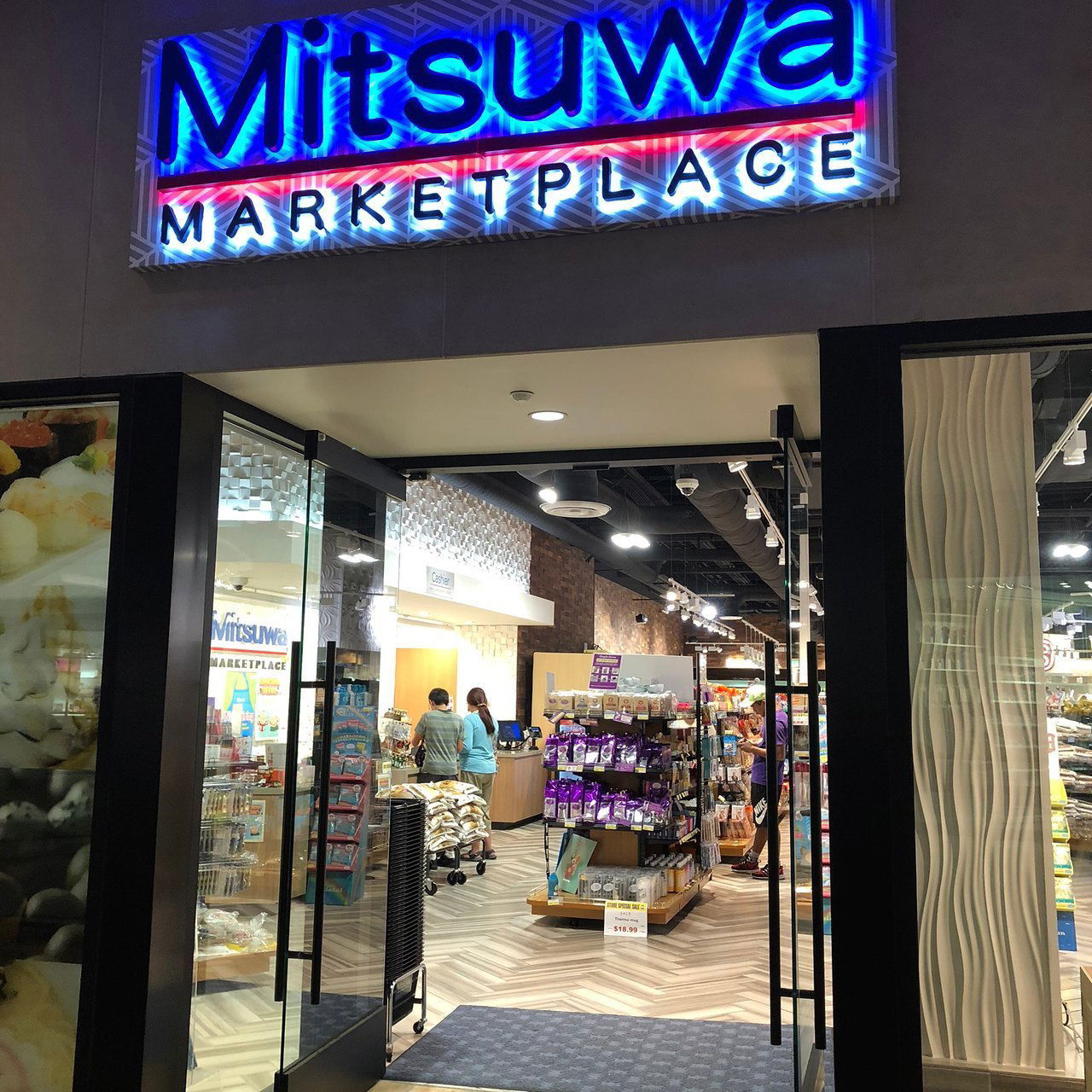
Mitsuwa Marketplace on Kalākaua Avenue brings the format of Japan's large-scale retail food halls to Waikīkī, housing multiple food vendors, Japanese grocery shelving, and imported goods under one roof. It occupies a distinct position in Honolulu's Japanese food scene — less intimate than the city's dedicated ramen counters and sushi bars, more comprehensive in its range of everyday Japanese pantry staples and ready-to-eat options.
A Japanese Food Hall in the Middle of Waikīkī
Walking into Mitsuwa Marketplace at 2330 Kalākaua Avenue, the shift is immediate. The ambient register drops from resort-strip energy to something closer to a covered market in suburban Tokyo: fluorescent overhead lighting, narrow grocery aisles, the low hum of refrigeration units running along the walls, and the specific, layered smell of a Japanese supermarket — dashi, packaged noodles, fresh produce, and the sweet edge of mochi. This is not a restaurant. It is a food hall and grocery hybrid, and understanding that distinction is the first thing a visitor needs to get right.
Honolulu's Japanese dining scene divides roughly into three tiers: the seated, chef-driven restaurants concentrated in areas like Mōʻiliʻili and downtown (places like Imanas Tei, which holds the more formal end of the izakaya tradition); the mid-level ramen and sushi shops spread across the broader metro; and the retail-food format, where Mitsuwa sits. The Mitsuwa chain, which operates locations across the US mainland in cities like Los Angeles, Chicago, and New Jersey, occupies a category of its own — Japanese supermarket plus food court, designed around the daily and the practical rather than the special occasion.
The Physical Container: How the Space Works
The design logic of a Mitsuwa Marketplace follows a model established across its US locations: grocery retail on one side, a food court or prepared-foods section on the other, with bakery cases and imported confectionery bridging the two. The Kalākaua Avenue location carries that template into a Waikīkī retail context, which means it shares a building with other tenants and operates on a footprint calibrated to urban commercial space rather than the sprawling suburban layouts of the mainland Mitsuwa stores.
The food court section functions as a collection of vendor stalls, each serving a specific category , ramen, udon, tonkatsu, or similar. Seating is communal and utilitarian: the kind of arrangement where you find your tray, pick a table, and focus on the food rather than the surroundings. There is no service team moving through the room, no wine list, no ambient music curated to set a mood. The physical container is honest about what it is, and that honesty is part of its appeal to a specific kind of visitor.
For travellers staying along Waikīkī who are used to paying resort premiums on every meal, the Mitsuwa format offers a counterpoint , a place where the logic is convenience and selection rather than experience design. The grocery shelves stocked with Japanese imports, from specific brands of instant noodles to refrigerated tofu varieties and prepared side dishes (okazu), give it a function that no seated restaurant in the neighbourhood replicates.
What Mitsuwa Represents in the Honolulu Context
Hawaii's Japanese-American population is among the largest in the US by percentage, and the state's food culture reflects generations of Japanese culinary influence , in the plate lunch tradition, in the prevalence of Japanese ingredients in local cooking, and in the concentration of Japanese restaurants relative to the overall dining market. Mitsuwa sits inside that history but comes at it from a different angle than locally rooted institutions. It is a national chain bringing a standardised retail format to a market that already has deep Japanese food knowledge.
That positioning creates both its strength and its limitation. The strength: access to imported Japanese products that even well-stocked local grocery stores do not consistently carry. The limitation: the food court component competes against standalone ramen shops and Japanese restaurants in Honolulu that are more focused in their execution. Lucky Belly in Chinatown, for instance, offers a different register entirely , a bar-forward, chef-driven bowl that reflects a specific culinary point of view. Mitsuwa's food vendors operate to a different brief, one of volume and accessibility.
For a more considered drinking experience alongside Honolulu's Japanese food scene, Bar Leather Apron in Honolulu represents the opposite end of the spectrum , a Japanese-influenced cocktail program with a level of craft that mirrors what serious whisky and technique-driven bars in cities like Chicago have developed. Kumiko in Chicago is a useful comparison point: both draw on Japanese aesthetic sensibility but apply it to a seated, curated format that Mitsuwa does not attempt to replicate.
Who This Works For, and When
The Mitsuwa model suits specific circumstances. If you are self-catering or have access to a kitchen , common in the condo-rental end of Waikīkī accommodation , the grocery section provides Japanese pantry staples at a quality level above what most US supermarkets reach. Imported Japanese condiments, particular brands of soy sauce, specific types of rice, refrigerated prepared foods for a quick meal: these are the actual draws for a resident or longer-stay visitor.
For a day-of lunch stop during Waikīkī activity, the food court offers faster turnaround than a seated restaurant. The tradeoff is a lower ceiling on the experience. The Waikīkī strip has options at every price point , from the beach-facing bar energy of Duke's Waikiki and the relaxed oceanfront setting of Beachhouse at the Moana to the counter-service health-forward format at Andy's Sandwiches and Smoothies. Mitsuwa's position in that range is the convenience tier, not the occasion tier.
Evening plans in the area could extend toward the more independent bar scene: 9th Ave Rock House holds a different energy entirely , live music and a local-bar orientation that contrasts with the resort-facing options along the main strip. Elsewhere in the US, bars like Jewel of the South in New Orleans, Julep in Houston, Superbueno in New York City, ABV in San Francisco, and The Parlour in Frankfurt each represent the kind of venue-specific craft that Mitsuwa, as a format, does not try to be. The comparison clarifies rather than diminishes: different tools for different purposes.
Planning a Visit
Mitsuwa Marketplace is located at 2330 Kalākaua Avenue, Suite 250, within walking distance of the main Waikīkī hotel corridor. As a retail and food-court operation, it functions without reservations and without a dress code. Arrival during mid-morning on a weekday typically means shorter queues at the food stalls; weekend afternoons, particularly during peak tourist season, tend to draw higher foot traffic. For comprehensive coverage of Honolulu's dining and drinking options across all categories, the full Urban Honolulu restaurants guide maps the wider scene.
Frequently Asked Questions
- What is the general vibe of Mitsuwa Marketplace?
- Mitsuwa operates as a Japanese supermarket and food court hybrid rather than a restaurant, which means the atmosphere is closer to a covered market than a dining room. The energy is practical and communal: fluorescent-lit grocery aisles, vendor stalls, and shared seating. It sits in a different register from Honolulu's seated Japanese restaurants and carries no resort pricing premium.
- What is the leading thing to order at Mitsuwa Marketplace?
- The food court section typically covers Japanese staples , ramen, udon, and tonkatsu formats are standard across Mitsuwa locations. Beyond the food court, the grocery shelves carrying imported Japanese products are a draw in their own right: refrigerated prepared dishes (okazu), specific condiment brands, and pantry items that most Honolulu supermarkets do not stock consistently.
- What is the standout thing about Mitsuwa Marketplace?
- In the Waikīkī context, the standout function is the combination of Japanese grocery retail and ready-to-eat food in one location. No seated restaurant on Kalākaua Avenue replicates that combination. For visitors on longer stays or those in self-catering accommodation, the imported grocery range is the primary draw rather than the food court itself.
- How hard is it to get into Mitsuwa Marketplace?
- No reservation is required. Mitsuwa operates as a walk-in retail and food-court venue. Weekday mornings are the quietest entry point; weekend afternoons during peak Waikīkī season see higher foot traffic at the food stalls.
- Does Mitsuwa Marketplace in Honolulu carry products specific to Japan that differ from mainland US Mitsuwa stores?
- While all US Mitsuwa locations focus on Japanese imports, Hawaii's proximity to Japan and the state's established Japanese-American food culture mean local demand patterns can shape what specific products appear on shelves. The Honolulu location serves both tourists and long-resident Japanese-American communities , a dual customer base that tends to sustain a broader range of regional Japanese grocery products than markets primarily serving curiosity shoppers. Availability of specific items varies by season and shipment timing.
Related editorial
- Best Fine Dining Restaurants in ParisFrom three-Michelin-star icons to the next generation of Parisian chefs pushing boundaries, these are the restaurants that define fine dining in the world's culinary capital.
- Best Luxury Hotels in RomeFrom rooftop terraces overlooking ancient ruins to Michelin-starred hotel dining, these are the luxury hotels that make Rome unforgettable.
- Best Cocktail Bars in KyotoFrom sleek lounges to hidden speakeasies, Kyoto's cocktail scene blends Japanese precision with global influence in ways you won't find anywhere else.
Save or rate Mitsuwa Marketplace on Pearl
Keep this venue in your Pearl passport, rate it after you visit, and track it alongside every other place you collect.