
Bar in Trottiscliffe, United Kingdom
Bowleys at The Plough
125Pearl PointsFood-First Pub

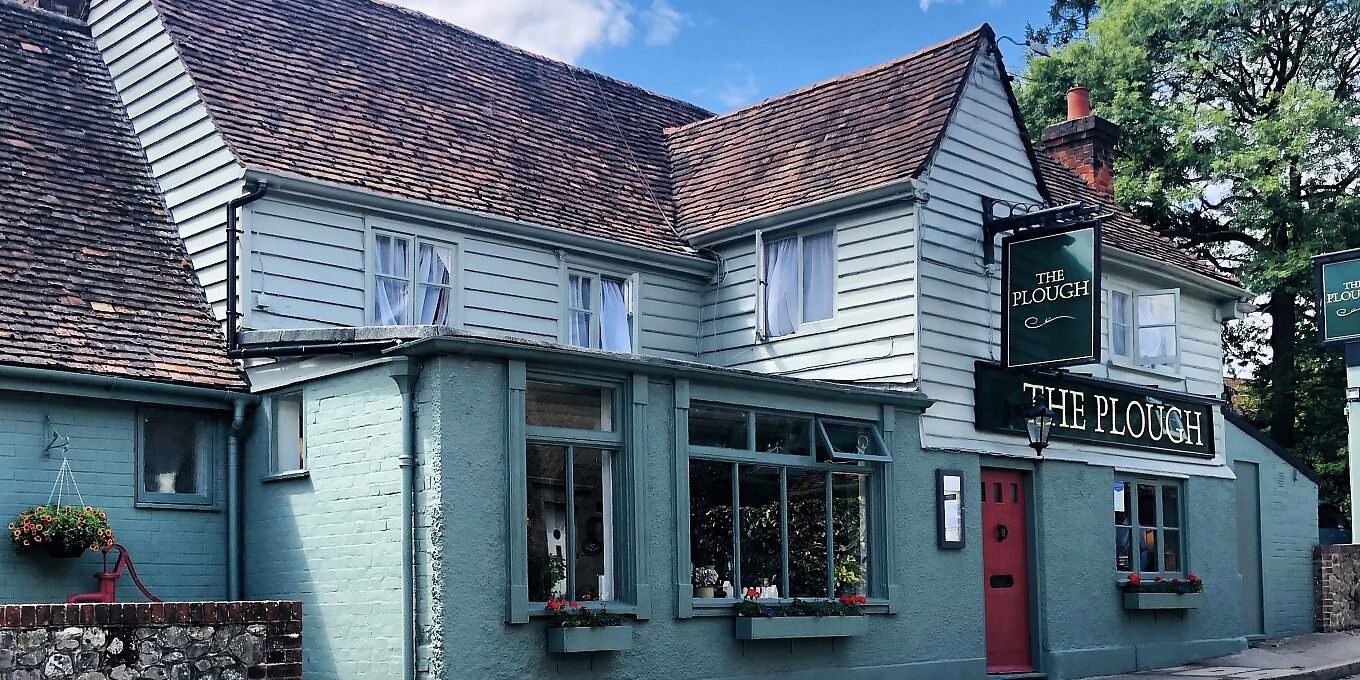
About Bowleys at The Plough
Book Bowleys at The Plough when you want a food-led pub meal in Trottiscliffe rather than a casual drinks stop. The Good Food Guide 2025 recognition is the main quality signal, and booking difficulty is easy, making it a practical choice for a planned lunch or dinner without heavy reservation stress.
For a visit to Trottiscliffe, the decision is less about novelty and more about whether Bowleys at The Plough fits the plan. The verified details are direct: it is in Trottiscliffe, follows a smart casual dress code, opens Wednesday to Sunday, and is closed Monday and Tuesday. The Good Food Guide 2025 recognition gives it a useful quality signal, but the bigger point is fit: choose it when you want a planned visit rather than an improvised stop.
Because the available verified information is limited, it is better not to over-spec the experience. There is no confirmed detail here on cuisine, dishes, prices, seating, booking difficulty, outdoor service, or takeaway and delivery. What can be said confidently is that Bowleys at The Plough is a Trottiscliffe venue with a confirmed Good Food Guide 2025 “Good” listing and published opening hours.
Go back for the confirmed quality signal, not invented detail
The useful expectation is a considered Trottiscliffe plan, supported by its Good Food Guide 2025 recognition. The cuisine type and named dishes are not verified, so they should not drive the decision. Instead, the case rests on the venue's recognised standing, location in Trottiscliffe, and the practical schedule: Wednesday to Saturday from 11 AM to 11 PM, and Sunday from 12 PM to 5 PM.
For couples or groups, the safest guidance is practical rather than speculative. Smart casual dress is the confirmed code, so plan accordingly. Larger parties should check directly with the venue before relying on availability, seating arrangements, or any special requirements, because those details are not part of the verified venue information.
The outdoor question is about what is confirmed
Confirmed outdoor seating is not part of the available venue detail, so do not choose Bowleys at The Plough solely for a terrace or garden brief. Choose it because it is a Trottiscliffe venue with a confirmed Good Food Guide 2025 listing and published hours. For any weather-dependent plan, check the venue's official channels before you go.
If you are building a wider local plan, start with our full Trottiscliffe restaurants guide, then compare other dining in Trottiscliffe generically. For other nearby or broader options, you may also want to compare the fit with venues such as Ancestrel Wines, Blythe Hill Tavern, Chequers Inn, Royal George, or The Brockley Barge - JD Wetherspoon, depending on the kind of outing you want.
Frequently Asked Questions
What's the crowd like at Bowleys at The Plough?
The specific crowd is not verified. The clearest confirmed signals are that Bowleys at The Plough is in Trottiscliffe, has a smart casual dress code, and is listed as Good in The Good Food Guide 2025.
Does Bowleys at The Plough have outdoor seating?
Outdoor seating is not confirmed in the verified venue details. Check the venue's official channels before planning around a terrace, garden, or other outdoor setup.
What's the best time to go to Bowleys at The Plough?
The confirmed hours are Wednesday to Saturday from 11 AM to 11 PM, Sunday from 12 PM to 5 PM, and closed Monday and Tuesday. Choose within those windows and check directly for any changes before travelling.
Is Bowleys at The Plough good for a date?
It can be a suitable choice if you want a smart casual Trottiscliffe venue with a confirmed Good Food Guide 2025 listing. Specific ambience, seating style, and menu details are not verified here, so check directly if those matter to the plan.
Is the food good at Bowleys at The Plough?
The clearest verified food-related signal is its Good Food Guide 2025 “Good” listing. Specific dishes, cuisine, menu format, and prices are not verified in the available venue details.
Is Bowleys at The Plough open late?
It is open until 11 PM from Wednesday to Saturday. It is closed Monday and Tuesday, and Sunday hours are 12 PM to 5 PM.
Is Bowleys at The Plough good for groups?
Group suitability is not confirmed in the verified details. If you are planning for a group, check directly with the venue for availability, seating, and any requirements.
Location
Taylors Ln, Trottiscliffe, West Malling ME19 5DR, United Kingdom
Trottiscliffe, United Kingdom
Compare Bowleys at The Plough
| Venue | Booking Difficulty |
|---|---|
| Bowleys at The Plough | Easy |
| Chequers Inn | Unknown |
| Blythe Hill Tavern | Unknown |
| Ancestrel Wines | Unknown |
| The Brockley Barge - JD Wetherspoon | Unknown |
| Royal George | Unknown |
Key differences to consider before you reserve.
Also Consider
- Chequers Inn, Notable alternative
- Blythe Hill Tavern, Notable alternative
- Ancestrel Wines, Notable alternative
- The Brockley Barge - JD Wetherspoon, Notable alternative
- Royal George, Notable alternative
How it compares with nearby pub and bar options
Bowleys at The Plough is the stronger choice when the meal is the point. Chequers Inn is the closer comparison for a traditional pub mood, but Bowleys has the clearer food-led signal because of its Good Food Guide 2025 recognition. Pick Bowleys for a planned lunch or dinner; pick Chequers Inn when the brief is a simpler pub stop.
Blythe Hill Tavern and Royal George make more sense for drink-led occasions where atmosphere matters more than a destination meal. Ancestrel Wines is the better cross-shop for wine-focused drinkers, while Bowleys is the safer pick for diners who want the structure of a full meal.
For pure value and ease, The Brockley Barge - JD Wetherspoon is the budget-minded alternative, but it is not competing on the same experience. Bowleys is the better booking when quality of meal and village setting justify spending more than a chain pub visit.
Recognized By

Explore Trottiscliffe
Save or rate Bowleys at The Plough on Pearl
Keep this venue in your Pearl passport, rate it after you visit, and track it alongside every other place you collect.