Sugo
Wallace Emerson, Toronto
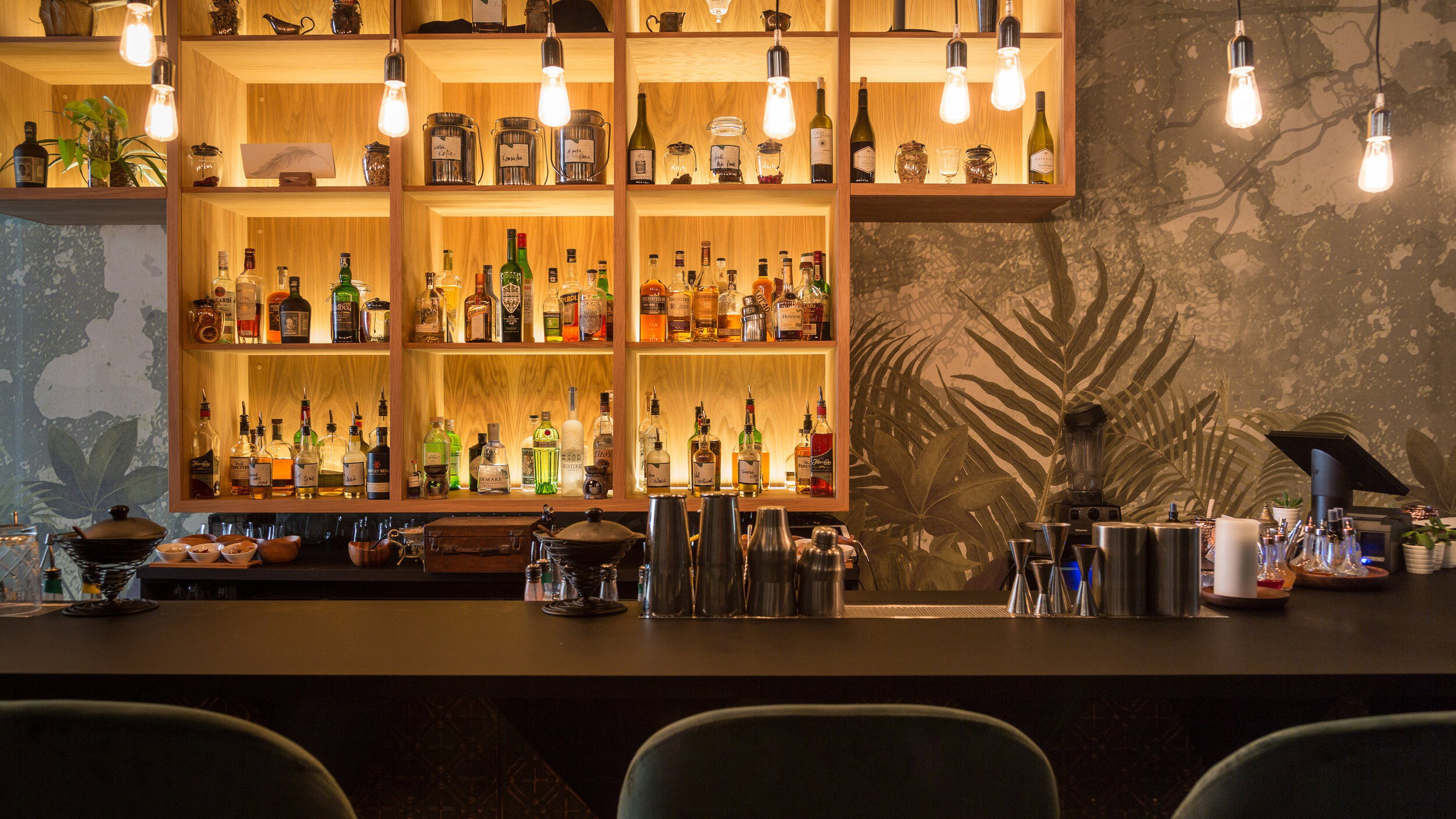
Bar in Toronto, Canada
 Book with Pearl
Why go
Sugo is worth considering for a casual Toronto dinner when the goal is an easy, social night rather than a formal special-occasion room. It is a stronger pick for relaxed dates and small groups than for diners choosing primarily around a by-the-glass wine program.
About Sugo
Sugo is a Toronto venue with a casual dress code and public hours from Tuesday through Sunday. Consider it when you want a casual Toronto stop and need to see whether its hours fit your day.
Sugo is open Tuesday through Sunday from 11:30 AM to 9 PM and closed on Monday. For broader planning around the city, use Our full Toronto bars guide if you are comparing bar options before or after a visit.
Good for a casual plan, with limited detail beyond hours
The practical verdict: Sugo is best treated as a casual Toronto option rather than a specialist-format venue or drinks-focused destination. For details such as wine list, beverage program, menu format, pricing, seating, or service style, check directly before making plans around them. If you are comparing other options from the same planning set, Bar Neon or Burdock Brewery & Music Hall may be useful names to consider.
Choose Sugo when the basics are enough for your plan: Toronto location, casual dress code, and service hours that run from late morning through 9 PM on the days it is open. For anything more specific, such as menu details, dietary accommodations, reservations, or takeout, check with the venue directly before relying on it.
Use it for an easy Toronto night, not a high-control occasion
For visitors building a full city plan, Sugo fits best as a casual Toronto consideration rather than a highly specified destination. Pair it with Our full Toronto restaurants guide for broader restaurant research, and keep any same-night plan flexible until you have checked the details that matter most to your group. The booking case is simple: Sugo is casual, in Toronto, closed Monday, and open Tuesday through Sunday from 11:30 AM to 9 PM.
Planning details
- Location
- 1281 Bloor St W, Toronto, ON M6H 1N7, Canada
- Website
- sugotoronto.com
- Phone
- +1 416 535 1717
The take
The Take
The Vibe
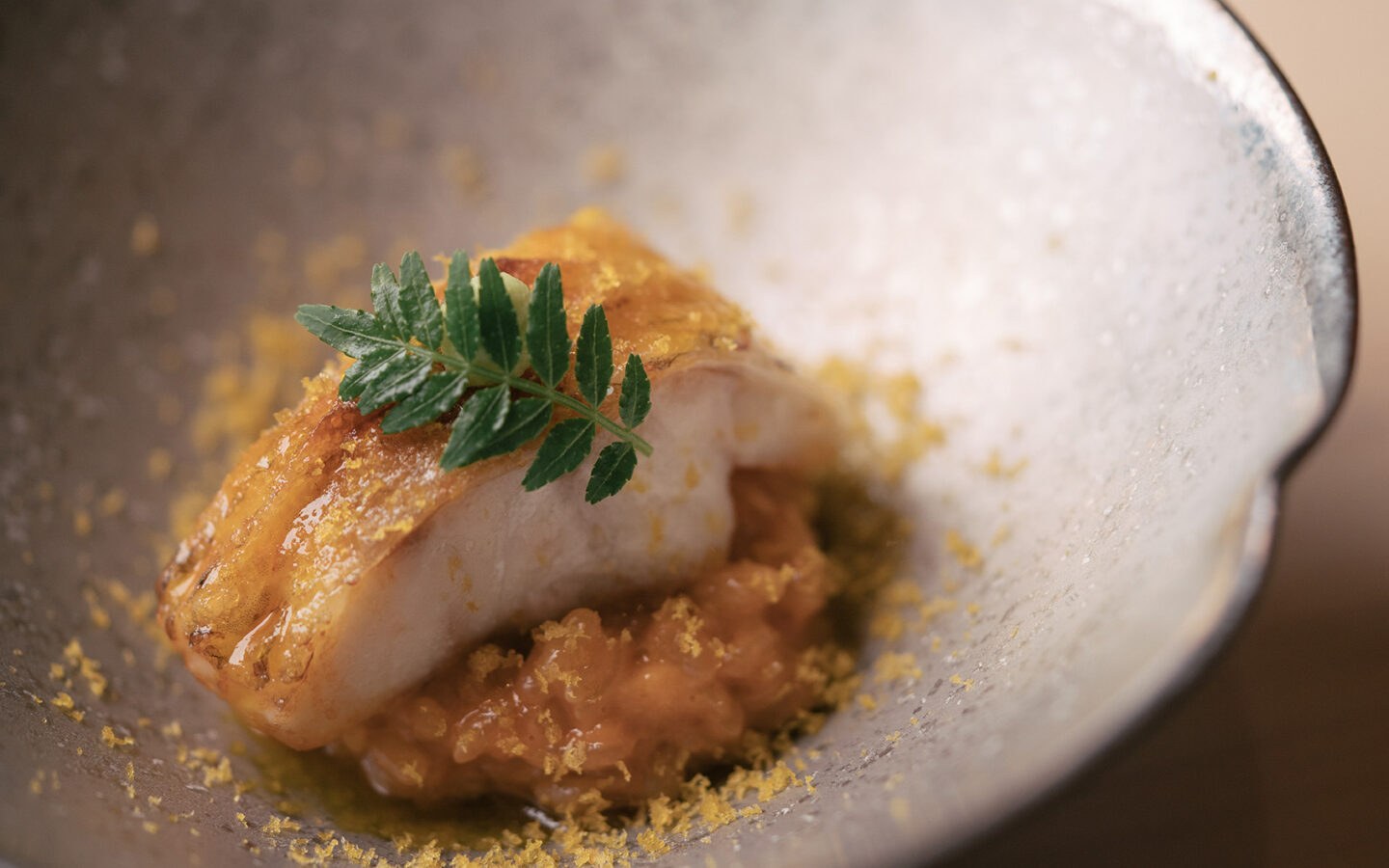
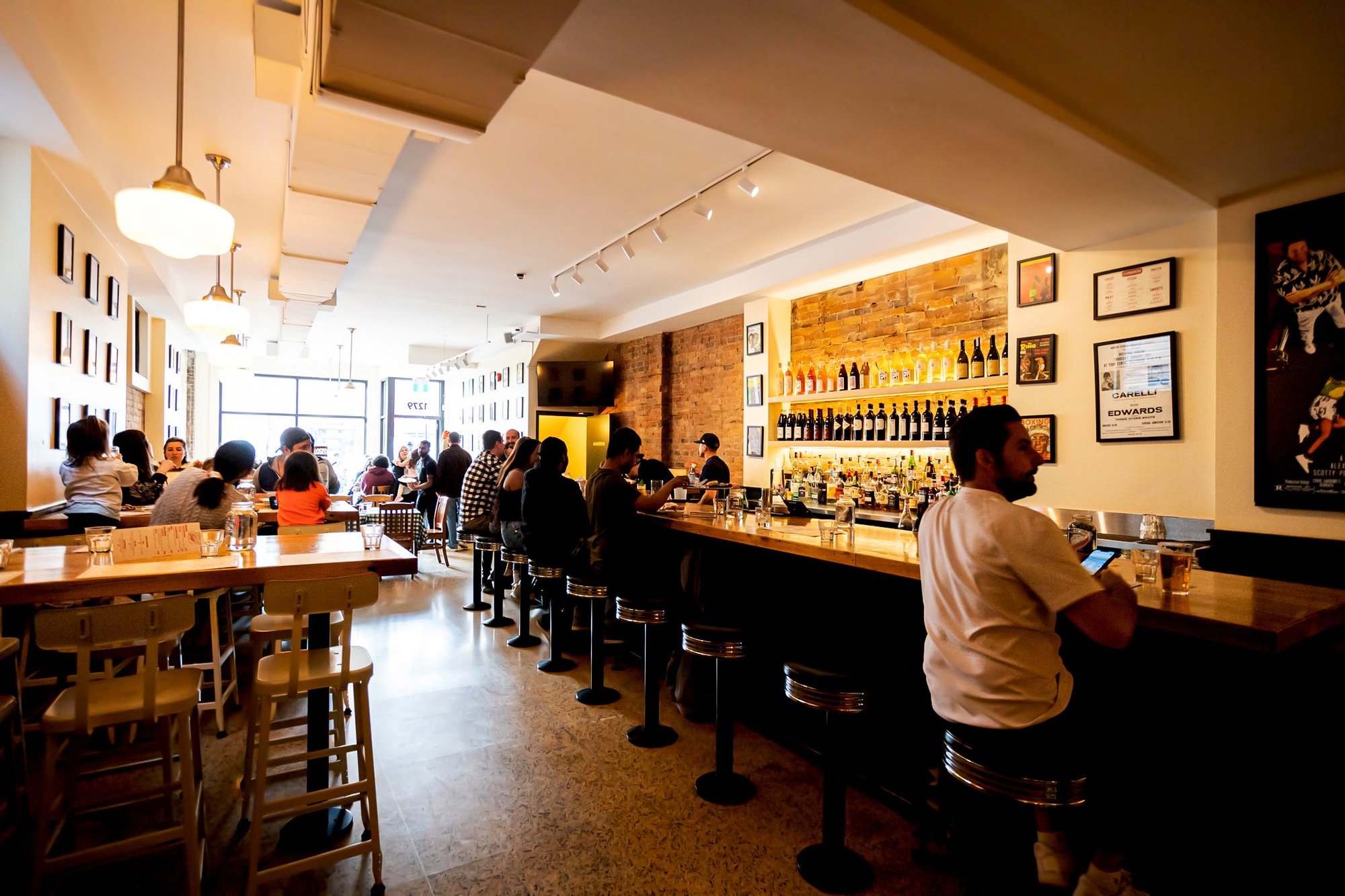
Sugo reads like a focused neighbourhood Italian that prizes ingredients over theatrics. The room intentionally occupies the middle ground between white-tablecloth formality and formulaic red-sauce familiarity: earnest, unpretentious and rooted in technique. The cooking puts the basics front and center — a sugo, a cacio e pepe — so the space feels rustic and relaxed rather than flashy. That commitment to quality produces a welcoming, local atmosphere where the menu’s seasonal shifts and deliberate sourcing are the main point of interest, and the overall impression is one of quietly confident, well-made comfort food.
Best For
This is a spot best experienced for an evening meal where ingredient-driven Italian cooking shines. The writing emphasizes seasonal rotations and restrained menu construction, so diners who appreciate produce-led dishes and classic pasta forms will get the most out of a visit. It suits small groups or couples looking for a sincere, neighborhood dinner rather than a formal tasting or late-night bar crawl. Because portions are described as generous and the menu flexes with availability, it’s a comfortable choice for lingering over plates and wine during a focused dinner.
Ordering Tips
Order with the menu’s seasonality in mind: ask what’s freshest and what reflects current produce-driven choices, since the kitchen signals deliberate sourcing and rotating dishes. Lean into the fundamentals mentioned — a slow-cooked sugo or a simple cacio e pepe — where quality of tomato, cheese and flour matter most. Portions are described as generous, so consider sharing a couple of plates or pastas rather than ordering many individual courses. If you want to experience the restaurant’s priorities, pick dishes that showcase single, high-quality ingredients rather than complex preparations.
Venue details
Ambiance
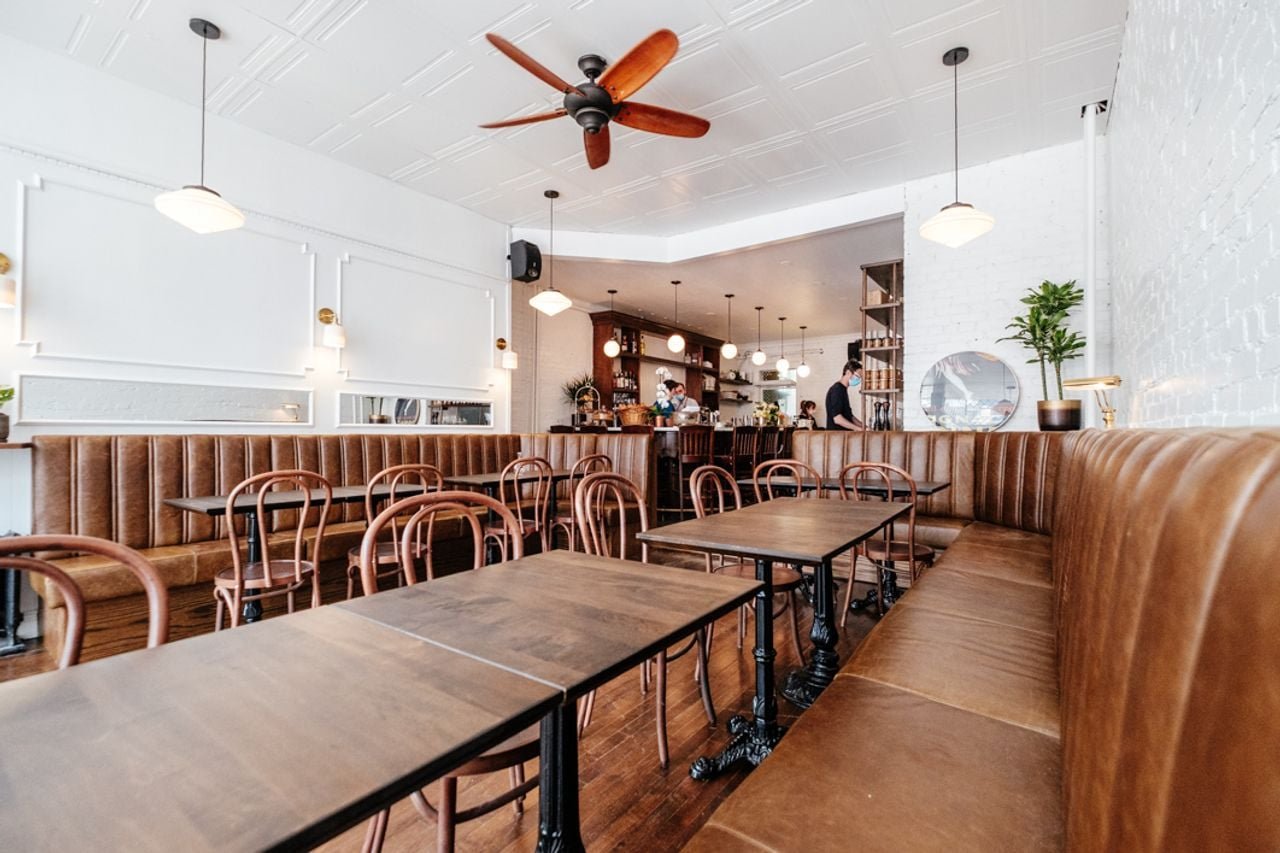
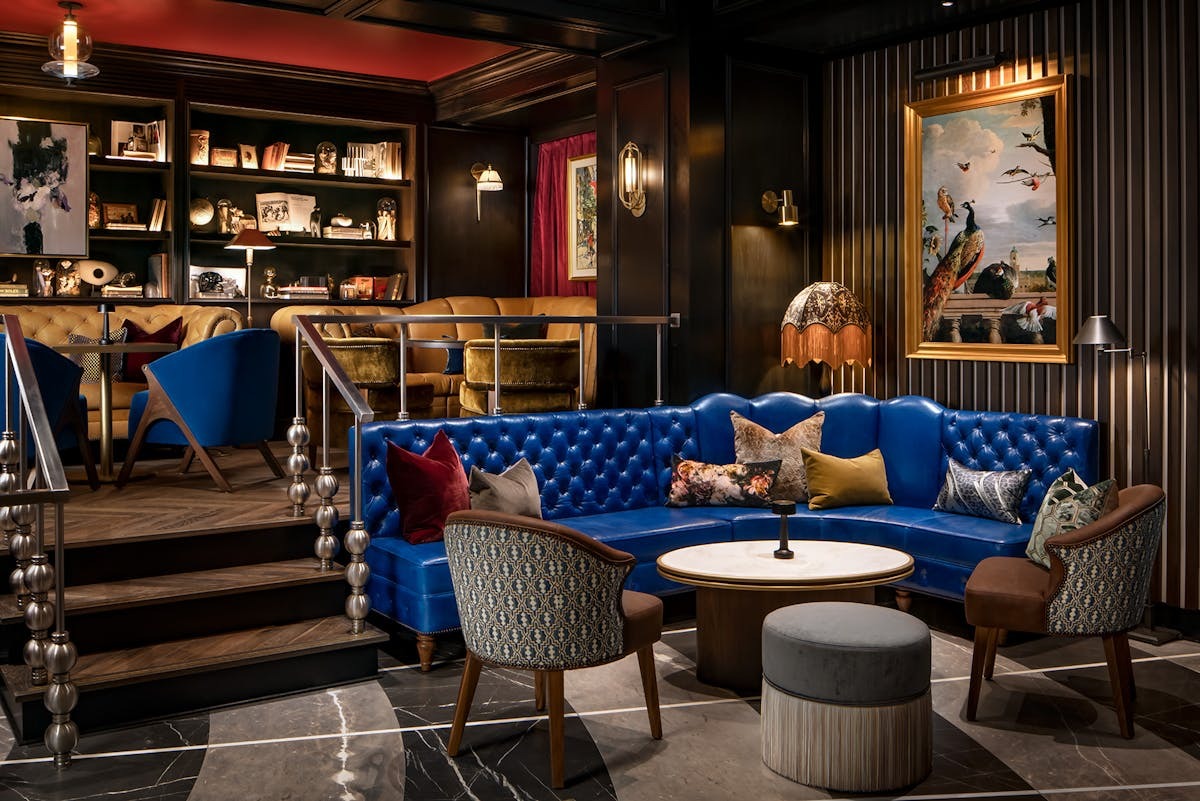
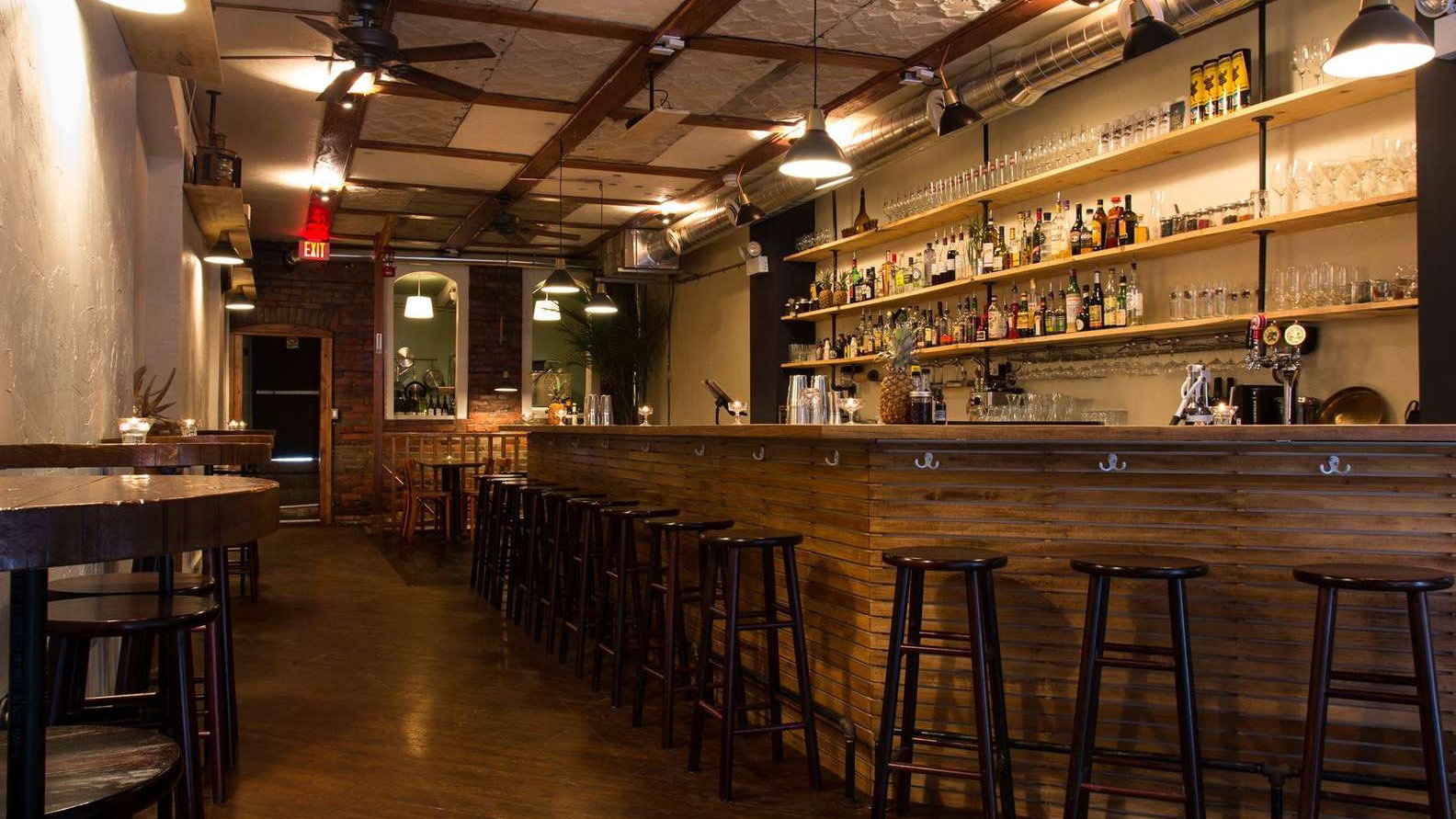
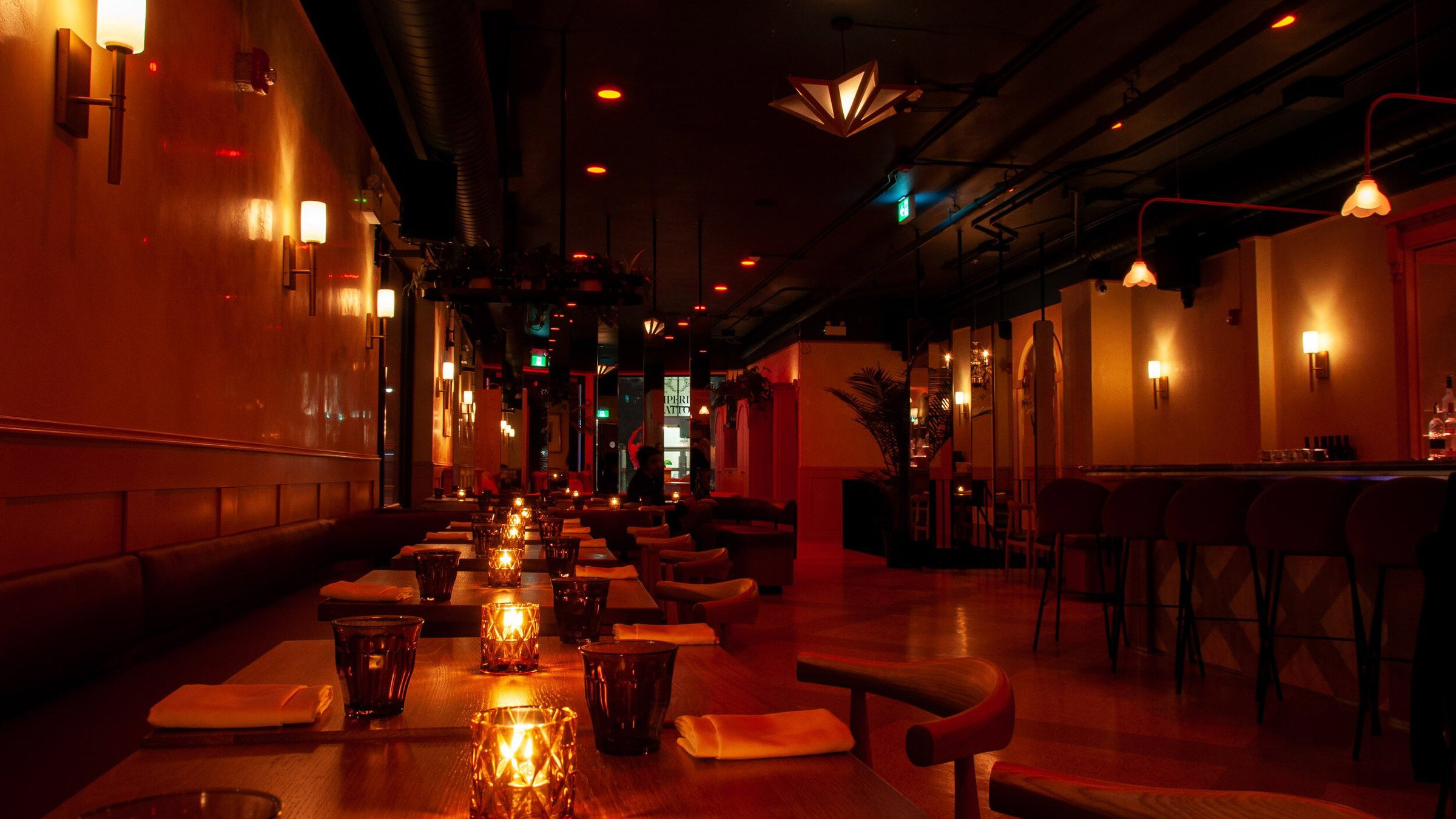
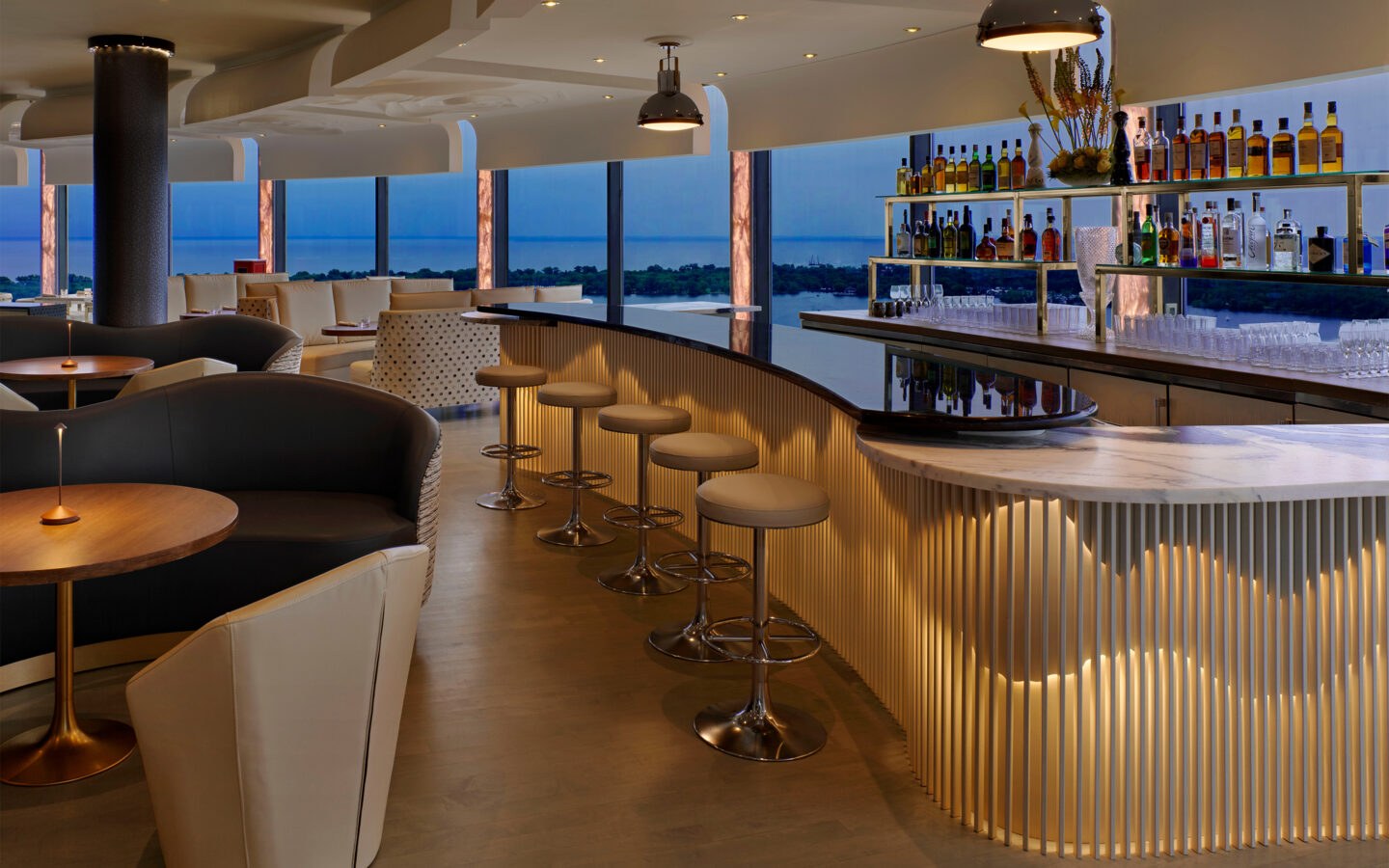
Red and white interior with great energy as a neighborhood joint.
Tags
Vibe
Best For
Experience
Format
At the Bar
- Bar Category
- Lounge
- Late Night
- Closes by Midnight
Know before you go
Know Before You Go
- Getting there
- 1281 Bloor St W, Toronto, ON M6H 1N7, Canada
Planning details
Location
Also consider
Also Consider
- Nuthouse, Notable alternative
- Bar Neon, Notable alternative
- The Three Speed, Notable alternative
- Burdock Brewery & Music Hall, Notable alternative
- Gloria Espresso Bar & Cafe, Notable alternative
Bar context
How Sugo compares in Toronto
Sugo is the better choice when the plan starts with dinner and the group wants a casual, easygoing room. Nuthouse, Bar Neon, and The Three Speed make more sense when drinks and bar atmosphere are the main reason to go out. For a celebration meal, Sugo feels more meal-focused; for a looser night with less commitment, the bar options are easier to pivot around.
For value, Sugo's advantage is simplicity: it works when the group wants one stop rather than dinner plus a separate bar plan. Burdock Brewery & Music Hall is the stronger cross-shop if beer, music, or a more event-driven night matters. Gloria Espresso Bar & Cafe is the lighter option if the occasion is more daytime, coffee-led, or low-stakes.
Booking difficulty is listed as easy for Sugo, which makes it a practical fallback when a higher-demand room is not worth the effort. Choose Bar Neon or The Three Speed if ambiance and drinks outrank dinner structure; choose Sugo if the group needs a straightforward meal with enough energy for a date or birthday.
Around this place
Discover more on Pearl
Unlock the full Sugo guide in Pearl, including awards, comparisons, FAQs, planning details, and nearby places.
Compare Sugo
| Venue | Location | Awards |
|---|---|---|
| Sugo | Toronto | No published awards |
| Nuthouse | Toronto | No published awards |
| Bar Neon | Toronto | No published awards |
| The Three Speed | Toronto | No published awards |
| Burdock Brewery & Music Hall | Toronto | No published awards |
| Gloria Espresso Bar & Cafe | Toronto | No published awards |
How Sugo Toronto compares with similar nearby venues.
FAQ
Frequently Asked Questions
Is Sugo open late?
Sugo is open Tuesday through Sunday from 11:30 AM to 9 PM and closed on Monday, so it is not a late-night option.
What's the best time to go to Sugo?
Use the hours to plan your visit: Sugo is open from 11:30 AM to 9 PM Tuesday through Sunday and closed on Monday. For specific timing, reservations, or availability, check directly with the venue.
What is Sugo known for?
Sugo is in Toronto, has a casual dress code, and is open Tuesday through Sunday from 11:30 AM to 9 PM.