
Bar in Toronto, Canada
KINKA IZAKAYA ANNEX
100ptsBloor West Izakaya Format
About KINKA IZAKAYA ANNEX
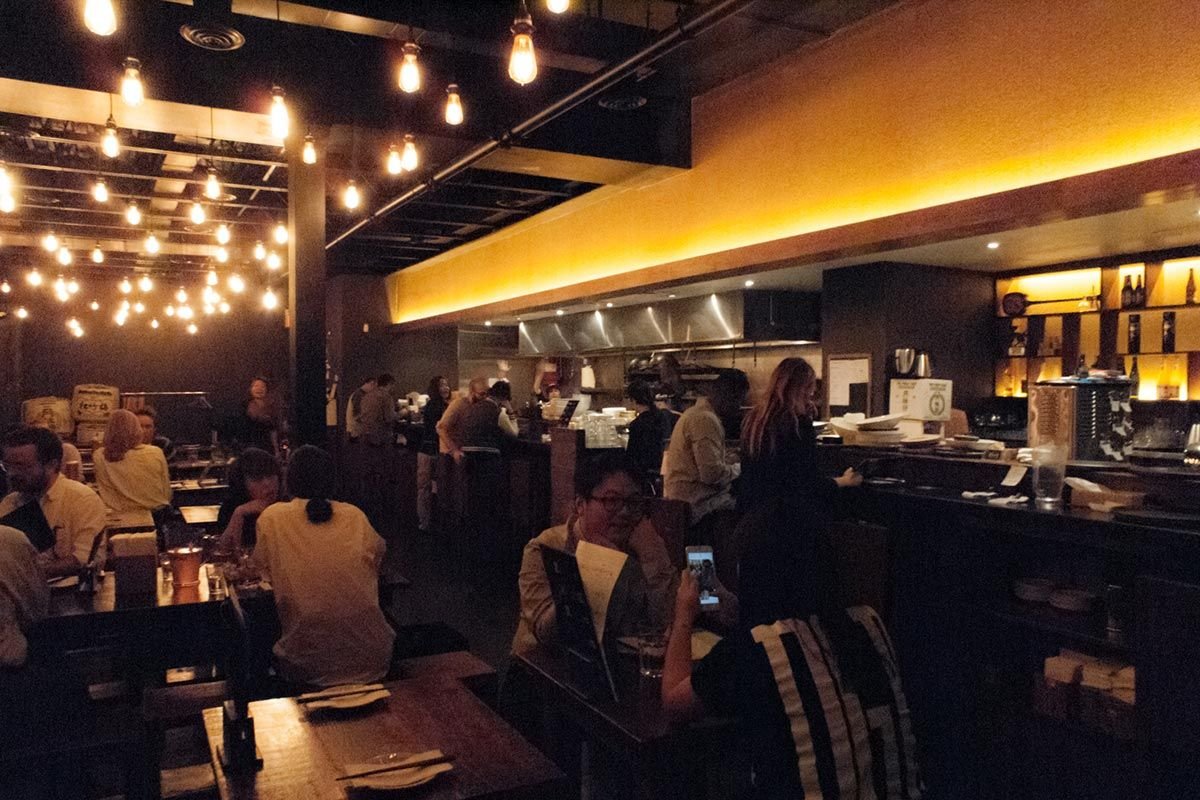
Kinka Izakaya Annex is the Bloor West outpost of Toronto's established Kinka group, bringing the izakaya format to one of the city's most active dining corridors. The mood shifts considerably between a quieter, more deliberate lunch service and an evening atmosphere that runs closer to the original Kinka's social energy. For the neighbourhood, it functions as a reliable entry point into Japanese pub culture without requiring a trip downtown.
Bloor West and the Izakaya Format in Toronto
Toronto's izakaya scene has matured considerably over the past decade, moving from novelty import to a format that the city has made genuinely its own. The Annex neighbourhood on Bloor Street West sits at an interesting crossroads in that story: it has the foot traffic and demographic mix to sustain the format across both lunch and late-evening service, something that not every Toronto neighbourhood can claim. Kinka Izakaya Annex, at 559 Bloor St W, occupies that position as the group's westward extension, placing Japanese pub-style dining in a corridor better known for its mix of student energy and long-established independents.
The izakaya model is worth understanding on its own terms before assessing how any specific venue handles it. In Japan, the format exists as social infrastructure: a place to decompress after work, to eat and drink in parallel rather than sequence, to stay for two hours or four without ceremony. Toronto's better izakayas have absorbed that logic fairly well, which means the experience at any given visit depends significantly on the time of day you choose to go.
Lunch vs. Evening: Two Different Propositions
The lunch-versus-dinner divide is more pronounced in izakayas than in most other formats, and Kinka Annex is a useful case study in that contrast. Daytime service at izakayas in this city tends to compress the menu toward set options and individual bowls, prioritising efficiency over the sprawling small-plate sharing format that defines evening service. The room itself reads differently in daylight: without the low-light, noise-layered atmosphere that comes with a full evening crowd, you're more aware of the space's bones, which in izakaya design often means exposed wood, communal-friendly seating configurations, and the kind of layout that rewards groups over solo diners.
Evening service is where the format asserts itself. The ordering rhythm shifts to multiple small plates arriving across the table at varying intervals, drinks cycling alongside food rather than bookending it, and a room temperature that climbs with the crowd. For the Annex location, which draws on the neighbourhood's concentration of academics, creative-industry workers, and long-term residents, the evening crowd tends to be mixed in a way that keeps the atmosphere from skewing too young or too formal. That balance is harder to engineer than it looks, and it's one of the reasons the izakaya format has found durable footing in this part of the city.
From a value standpoint, the lunch window is typically where izakayas offer their clearest price-to-portion equation. Evening ordering, by contrast, rewards those who know which small plates carry the table and which are fillers. For first-time visitors, the evening format benefits from a willingness to over-order slightly and share aggressively: the format is not designed for caution.
Where the Annex Location Sits in Toronto's Japanese Dining Picture
Toronto's Japanese restaurant concentration has historically been weighted toward the downtown core, particularly around Bay Street and the Dundas-Spadina corridor. The Kinka group's decision to extend into the Annex reflects a broader trend of mid-market Japanese dining spreading into residential neighbourhoods with established independent dining cultures. The Bloor West stretch between Bathurst and Spadina now holds enough dining density to function as a self-contained evening destination, which gives Kinka Annex competitive cover that a more isolated location would not have.
Within the izakaya subcategory specifically, the Kinka brand operates at a recognisable tier: accessible enough in price and format for regular visits, but with enough menu range to sustain interest beyond a first outing. That positioning places it in a different bracket from the higher-end omakase counters that have proliferated in Toronto's downtown, and also from the very casual ramen-and-gyoza spots that anchor the entry-level end. The izakaya middle tier is arguably the most competitive space in Toronto's Japanese dining market, which means execution consistency matters more than novelty.
For a wider view of where this fits into Toronto's broader eating and drinking options, our full Toronto restaurants guide maps the city's dining character neighbourhood by neighbourhood.
Drinking in the Izakaya Context
The drink program at izakayas deserves more attention than it typically gets from first-time visitors focused on food. The format is explicitly a drinking venue with food, not the reverse, which means the sake list, shochu selection, and Japanese whisky options are as much a part of the experience as any plate on the table. Toronto's izakaya bars have generally kept pace with the city's growing appetite for Japanese spirits, and the Annex location draws on that wider market shift.
For those comparing izakaya drinking to Toronto's dedicated cocktail bar scene, the contrast is instructive. Venues like Bar Raval, Bar Pompette, and Bar Mordecai operate within a different logic entirely, where the drink is the primary editorial statement. At an izakaya, the drink and the food share equal billing, which changes how you approach the menu. Civil Liberties represents another angle on Toronto's serious drinking culture, with a spirits-forward program that has more in common with izakaya philosophy than the cocktail-first venues do.
Across Canada, the range of serious drinking venues has widened considerably. Atwater Cocktail Club in Montreal, Botanist Bar in Vancouver, Humboldt Bar in Victoria, Missy's in Calgary, and Bearfoot Bistro in Whistler all reflect how regionall distinct Canada's bar culture has become. Even at the neighbourhood level, venues like Grecos in Kingston show that serious drinking programs are no longer confined to major urban centres. For comparison beyond Canada, Bar Leather Apron in Honolulu is one of the Pacific's more technically rigorous programs, and it shares with izakaya culture a commitment to Japanese spirits as the organisational backbone of the list.
Planning Your Visit
Kinka Izakaya Annex is located at 559 Bloor St W, a short walk west of Bathurst Station on the Bloor-Danforth line, which makes it direct to reach from most parts of the city without driving. The Annex stretch of Bloor is walkable and well-served by transit, and the surrounding blocks have enough independent bars and cafes to extend an evening in either direction. For evening visits, arriving closer to opening time gives you the leading chance at a comfortable table before the room fills; the izakaya format at this price tier doesn't typically require far-in-advance reservations, but weekends warrant more lead time. Lunch visits are generally walk-in friendly and offer a lower-pressure introduction to the menu before committing to the full evening format.
Frequently Asked Questions
What cocktail do people recommend at Kinka Izakaya Annex?
Kinka Izakaya Annex operates within the izakaya tradition, where sake, shochu, and Japanese highballs tend to define the drink program more than Western-style cocktails. The Japanese highball, typically whisky and soda served cold and precise, is the format most consistent with the venue's cuisine and the izakaya style. If you're approaching the drinks list from a cocktail background, the highball is the most natural entry point and the one with the strongest grounding in what izakayas do well.
What is the defining thing about Kinka Izakaya Annex?
The defining characteristic is its position as a mid-tier izakaya in a neighbourhood that otherwise lacks a strong anchor for Japanese pub-style dining. Toronto's izakaya options have historically clustered downtown, and the Annex location extends that format into a residential corridor with genuine evening demand. The Kinka group's established presence in the city gives the Annex location brand recognition that new independents in the same category don't carry, which translates to a degree of consistency that matters for repeat visitors.
Is Kinka Izakaya Annex suitable for solo dining, or is it better for groups?
The izakaya format is architecturally a group experience: small plates are designed for sharing across the table, and the rhythm of the meal works leading when multiple dishes arrive in rotation. Solo diners can absolutely eat here, but the value and variety improve considerably with two or more people. For a solo visit, the lunch service is more accommodating than evening, when the room's energy and the ordering format both tilt toward tables of three or four.
More bars in Toronto
- Bar NeonBar Neon sits on Bloor St W in Toronto's west end, a neighbourhood bar suited to casual evenings and small groups. Detailed menu and hours data is limited, so verify before making a special trip. For groups of four or more, check capacity ahead of time — nearby options like Bar Raval and Civil Liberties offer more confirmed space and documented menus.
- 111 Queen St E111 Queen St E sits on a busy stretch of downtown Toronto where convenience is the main draw. It pulls in a local, foot-traffic crowd rather than destination-driven diners. Easy to access and easy to book, but if you are planning a dedicated outing, Toronto's more focused bar and dining spots will reward the effort more.
- 156 ONEFIVESIX156 ONEFIVESIX on Queen Street West is an easy walk-in stop for a low-key drink in one of Toronto's most bar-dense neighbourhoods. Booking is simple and the atmosphere reads as mid-tempo and conversational. Food program details are unconfirmed — if the kitchen is a priority, Bar Pompette or Civil Liberties are safer choices nearby.
- 4th and 74th and 7 on College Street is an easy-to-book neighbourhood bar in Dovercourt Village, suited to a low-key date night in a walkable part of Toronto. Public data on the programme is limited, but the location is strong and the lack of crowds makes it a friction-free option. Best for regulars who know what they are returning for rather than first-timers seeking a mapped-out evening.
- After SevenAfter Seven sits on Stephanie Street in Toronto's Kensington-adjacent west end, with easy booking making it a low-friction option for a date night or spontaneous evening out. Venue details are limited, so confirm hours and format before committing. Check our full Toronto bars guide for alternatives if you want more certainty before you book.
Related editorial
- Best Fine Dining Restaurants in ParisFrom three-Michelin-star icons to the next generation of Parisian chefs pushing boundaries, these are the restaurants that define fine dining in the world's culinary capital.
- Best Luxury Hotels in RomeFrom rooftop terraces overlooking ancient ruins to Michelin-starred hotel dining, these are the luxury hotels that make Rome unforgettable.
- Best Cocktail Bars in KyotoFrom sleek lounges to hidden speakeasies, Kyoto's cocktail scene blends Japanese precision with global influence in ways you won't find anywhere else.
Save or rate KINKA IZAKAYA ANNEX on Pearl
Keep this venue in your Pearl passport, rate it after you visit, and track it alongside every other place you collect.