
COMPTON AVE
Little Portugal, Toronto
Bar in Toronto, Canada
 Book with Pearl
Why go
COMPTON AVE is better treated as an easy Dundas West late-night option than a high-stakes dinner booking. Go when flexibility matters and the group does not need a clearly published cuisine, price tier, or chef-led format before deciding.
About COMPTON AVE
COMPTON AVE is a Toronto venue with evening and late-night hours. It is closed Monday; opens at 6 PM Tuesday, Wednesday, and Sunday; opens at 5 PM Thursday through Saturday; and runs until 1 AM on Tuesday, Wednesday, and Sunday and until 2 AM on Thursday through Saturday. The dress code is smart casual.
Cuisine category, chef, menu format, price range, awards, seating capacity, or booking difficulty are not listed. The safest way to assess COMPTON AVE is practical rather than speculative. Choose it when the hours and smart-casual setting fit the plan, and avoid building expectations around unspecified details.
Use it for the late slot, not the planned splurge
The strongest planning detail is timing. COMPTON AVE is not listed for lunch; it operates in the evening and late night from Tuesday through Sunday. That makes it more useful for a night plan than for a midday meal.
For a first-timer, the advice is simple: confirm any details that matter before going, especially menu, price, reservation, accessibility, and dietary questions, because those specifics are not listed. For broader planning, use our full Toronto restaurants guide, our full Toronto bars guide, or our full Toronto experiences guide to build a tighter night in Toronto.
Who should pick it over a more defined restaurant
Pick COMPTON AVE when its schedule and smart-casual dress code match the evening you want. Be more cautious if the group needs a specific cuisine, price tier, seating setup, dietary accommodation, or formal dining format, because those details are not available. If those specifics matter, compare it with other Toronto options before committing.
Planning details
- Location
- 1282 Dundas St W, Toronto, ON M6J 1X7, Canada
- Reservations
- Book on OpenTable
- Website
- comptonave.com
- Phone
- +16473989667
The take
The Take
The Vibe
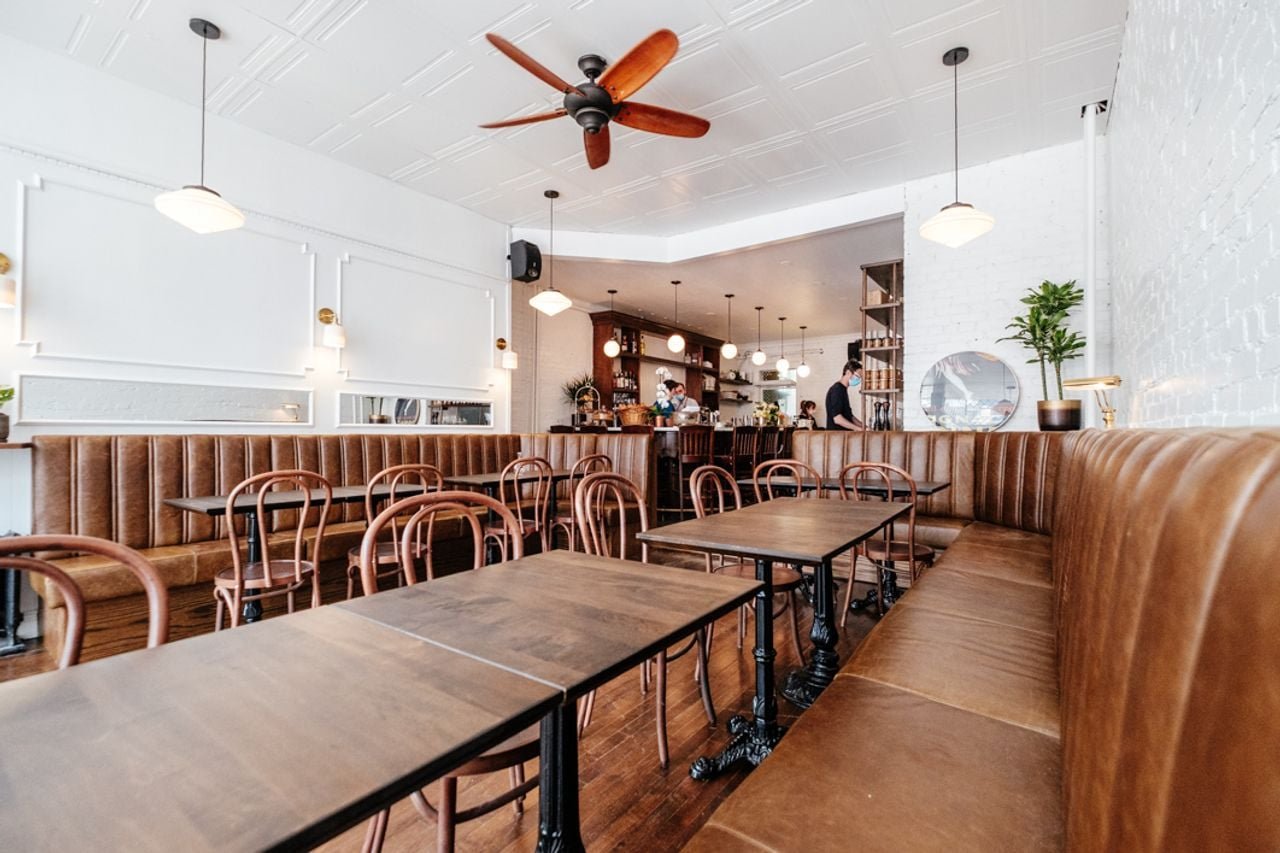
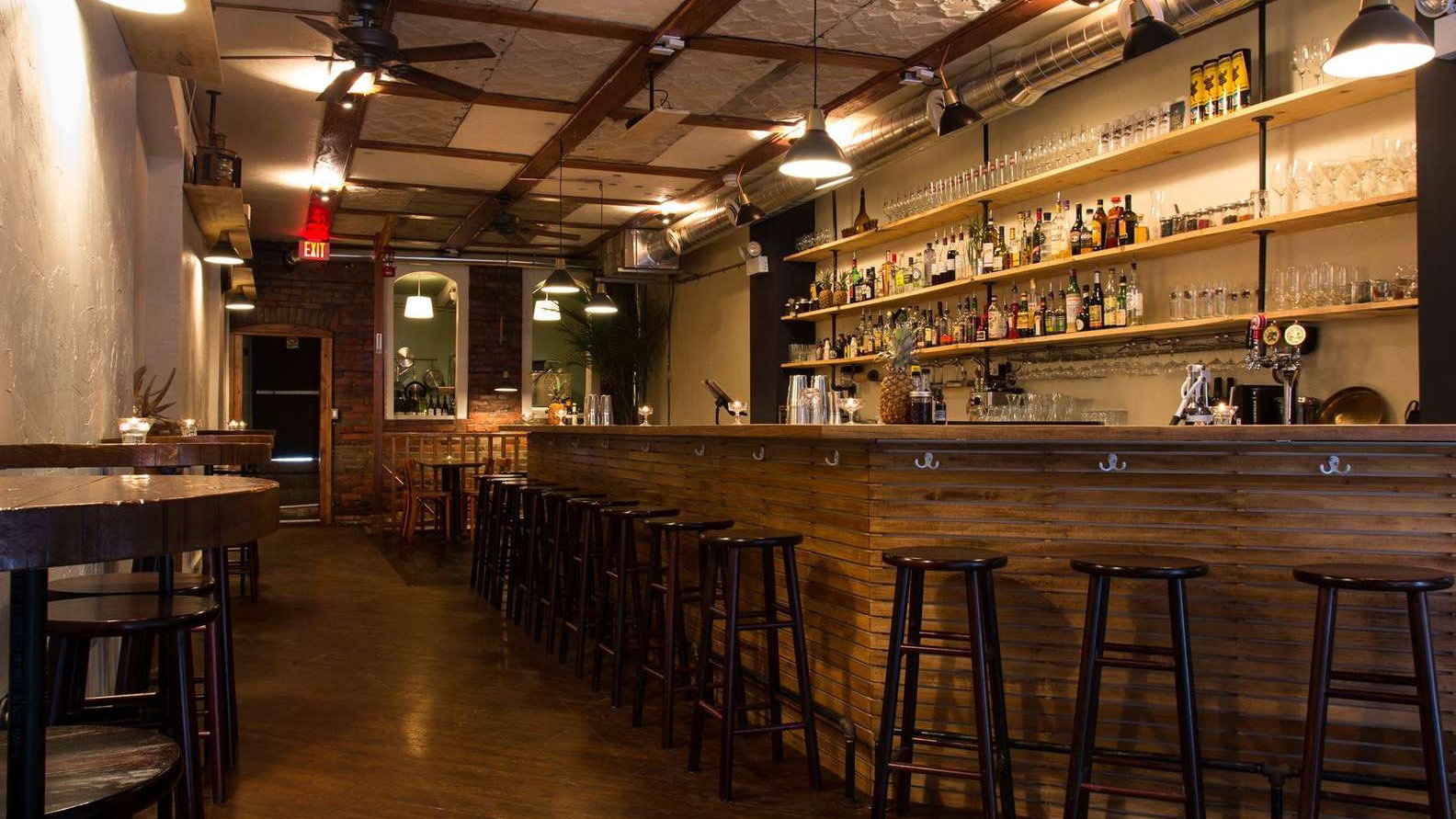
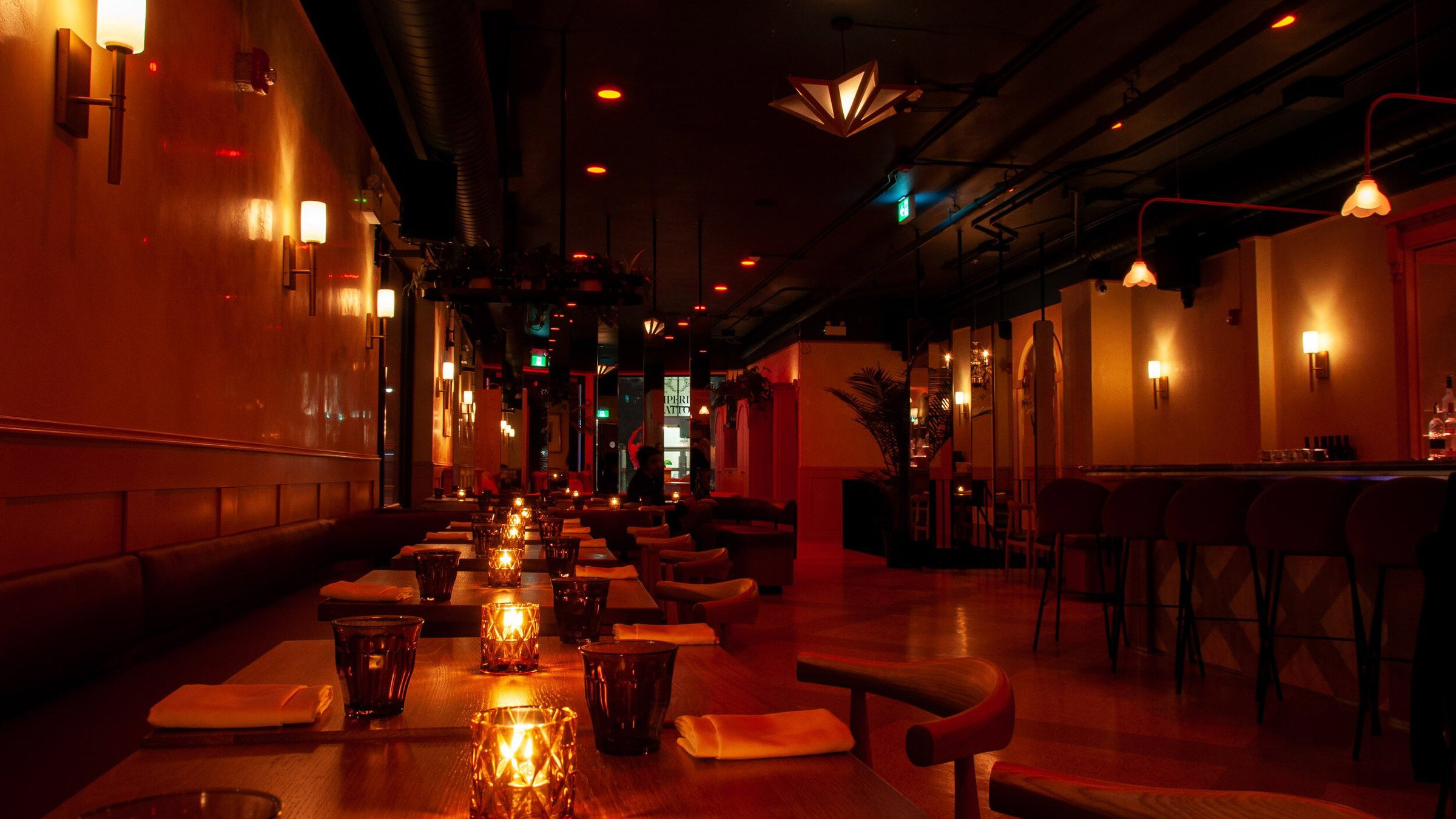
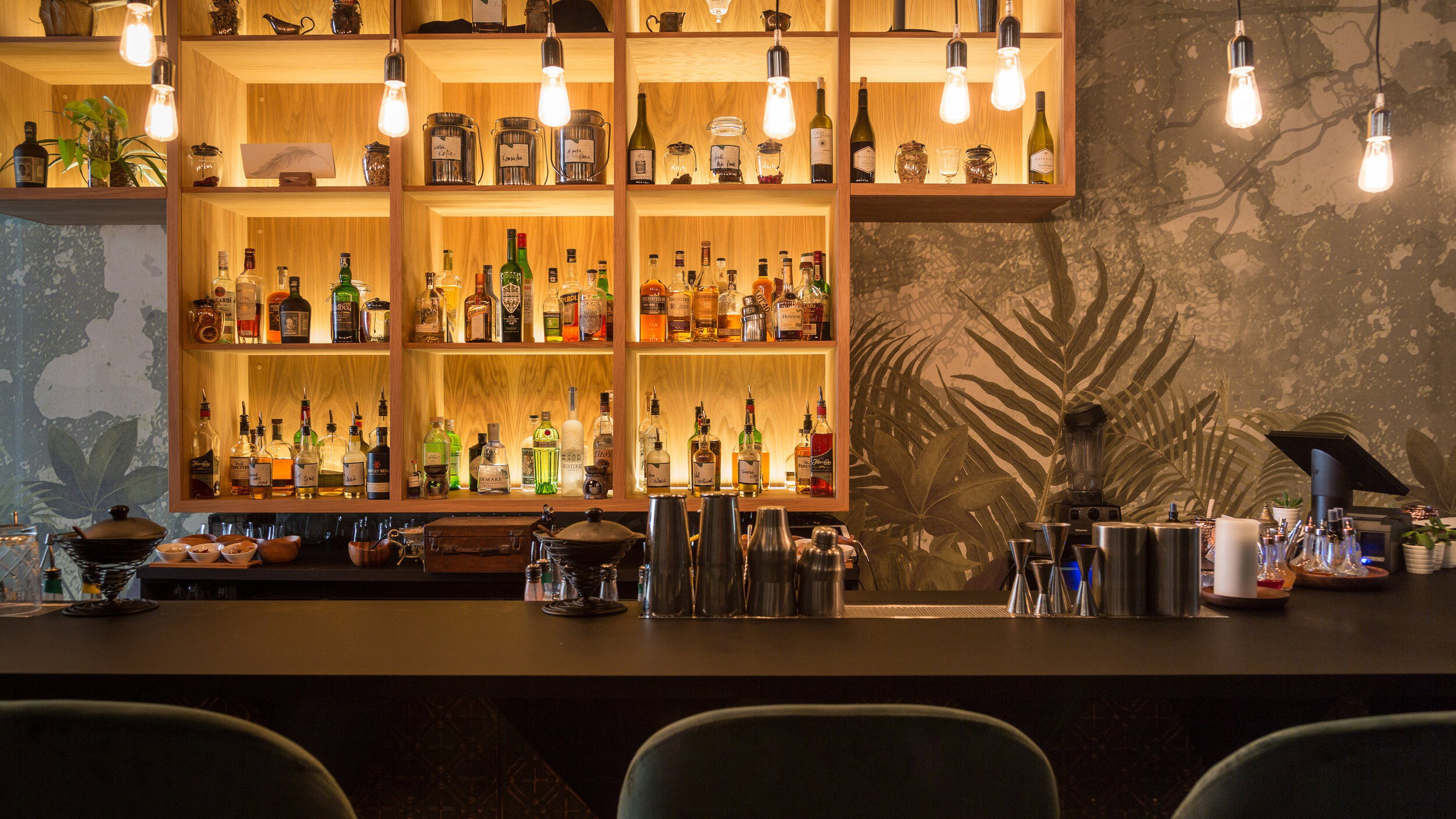
COMPTON AVE reads like a neighbourhood room rather than a crafted destination: low-profile, residential in scale and deliberately unflashy. The write-up emphasizes that it sits on a working Dundas West block that has quietly layered in independent restaurants; the result is a place that attracts locals and regulars who know where they are going. The balance between bar and kitchen gives the room a friendly, lived-in feel—not a showroom or a ceremonial tasting space but a small, quietly confident spot where the crowd looks like the neighbourhood rather than a reservation-driven import.
Best For
This is a comfortable pick for weekday evenings, after-work drinks and casual date nights with a neighbourhood bent. The description highlights an audience of locals and a scale that fits residential outings, so it works well for small groups of friends or a relaxed two-top. Because the bar program and kitchen share equal importance, the room suits both people who want a proper meal and those who stop by for drinks and small plates. It deliberately sits apart from Toronto's formal tasting-tier restaurants, making it a down-to-earth choice for approachable, well-executed British cooking.
Ordering Tips
Lean into the signature British plates that anchor the menu: the Fish and Chips, Bangers and Mash and the Yorkshire Beef Tartare are called out as highlights. Given the restaurant’s neighbourhood orientation and the way the bar program and kitchen are described as equal partners, expect solid classic preparations rather than formal tasting-menu flourishes—order a mix of hearty mains and a few bar-friendly items to share. Weeknights in particular reflect the local crowd mentioned in the piece, so plan for a convivial, unpretentious dining experience focused on straightforward, well-made dishes.
Venue details
Ambiance
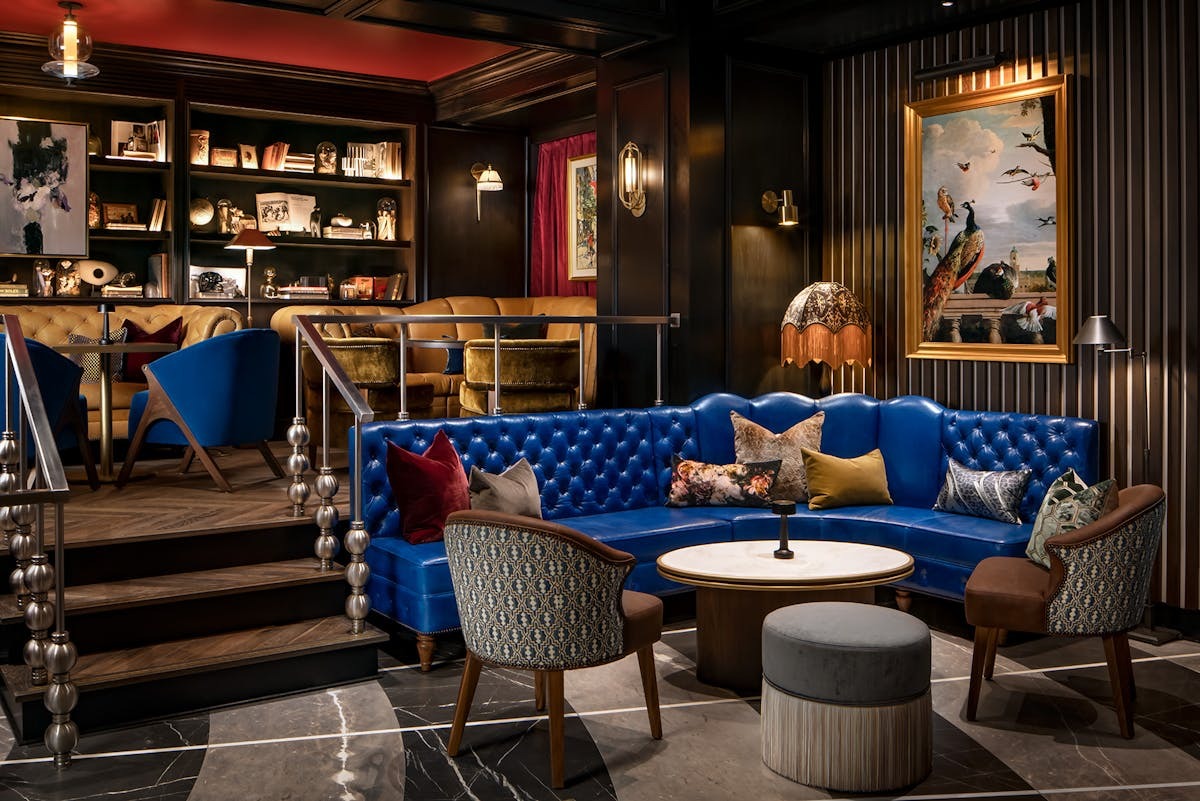
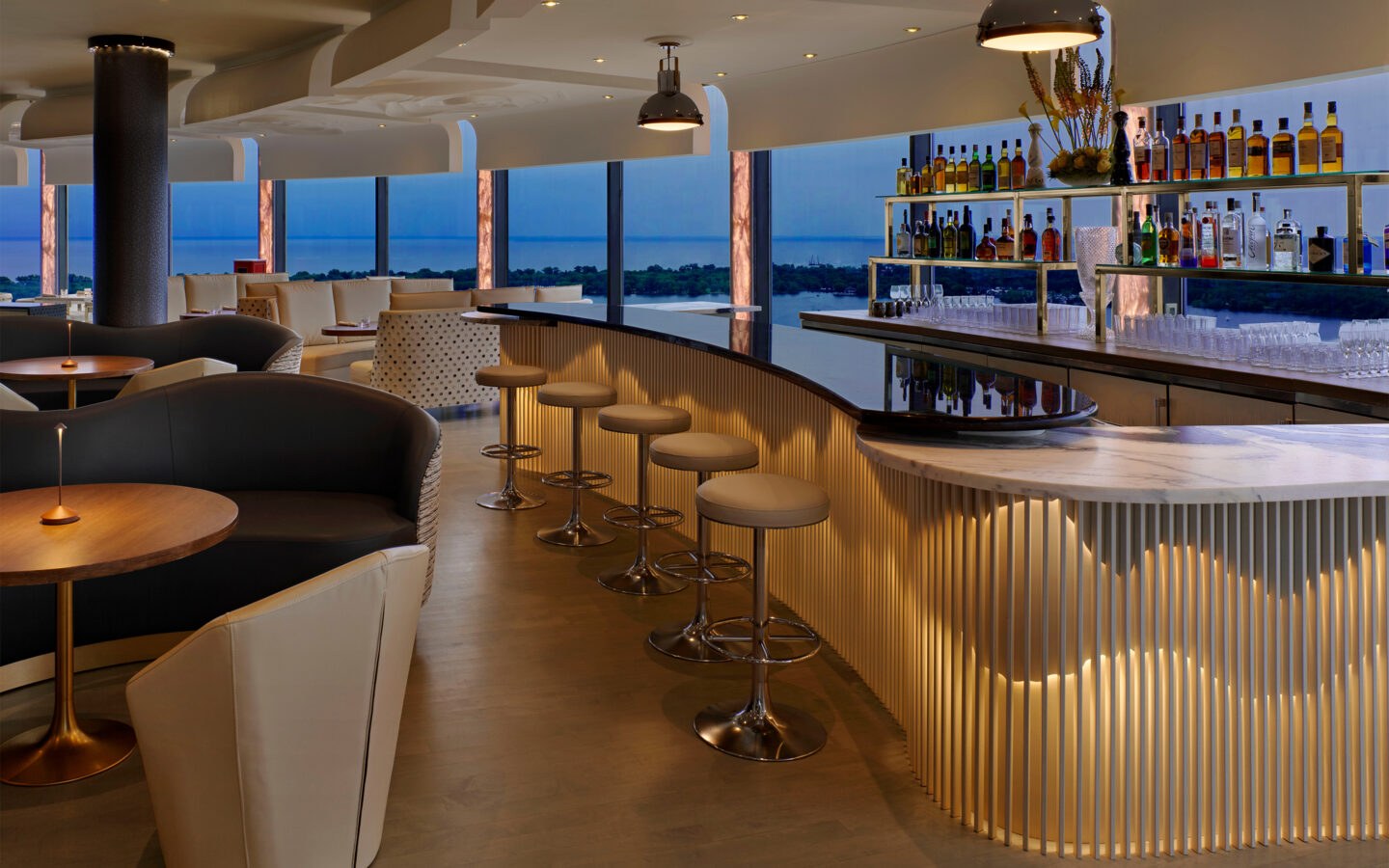
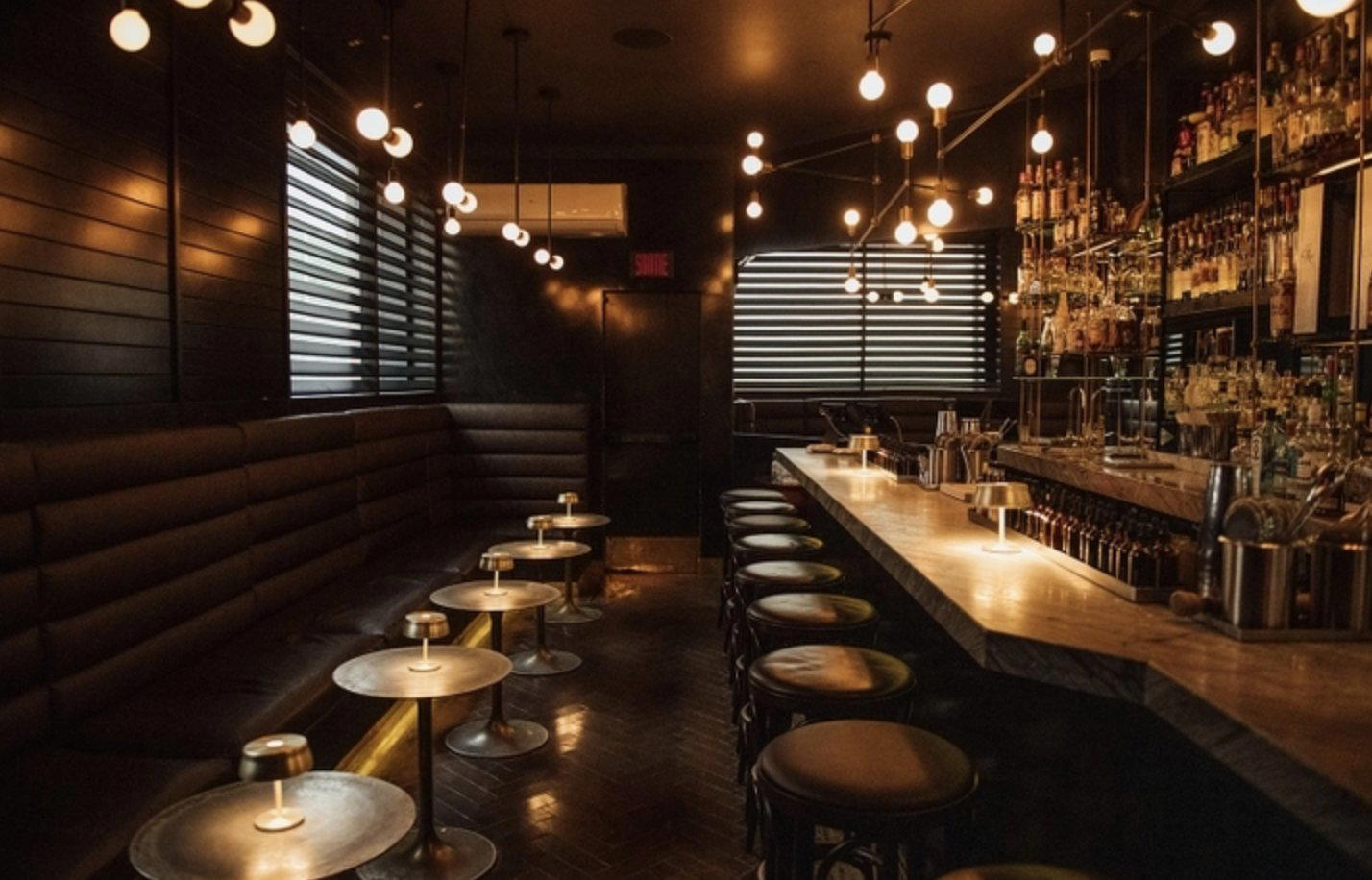
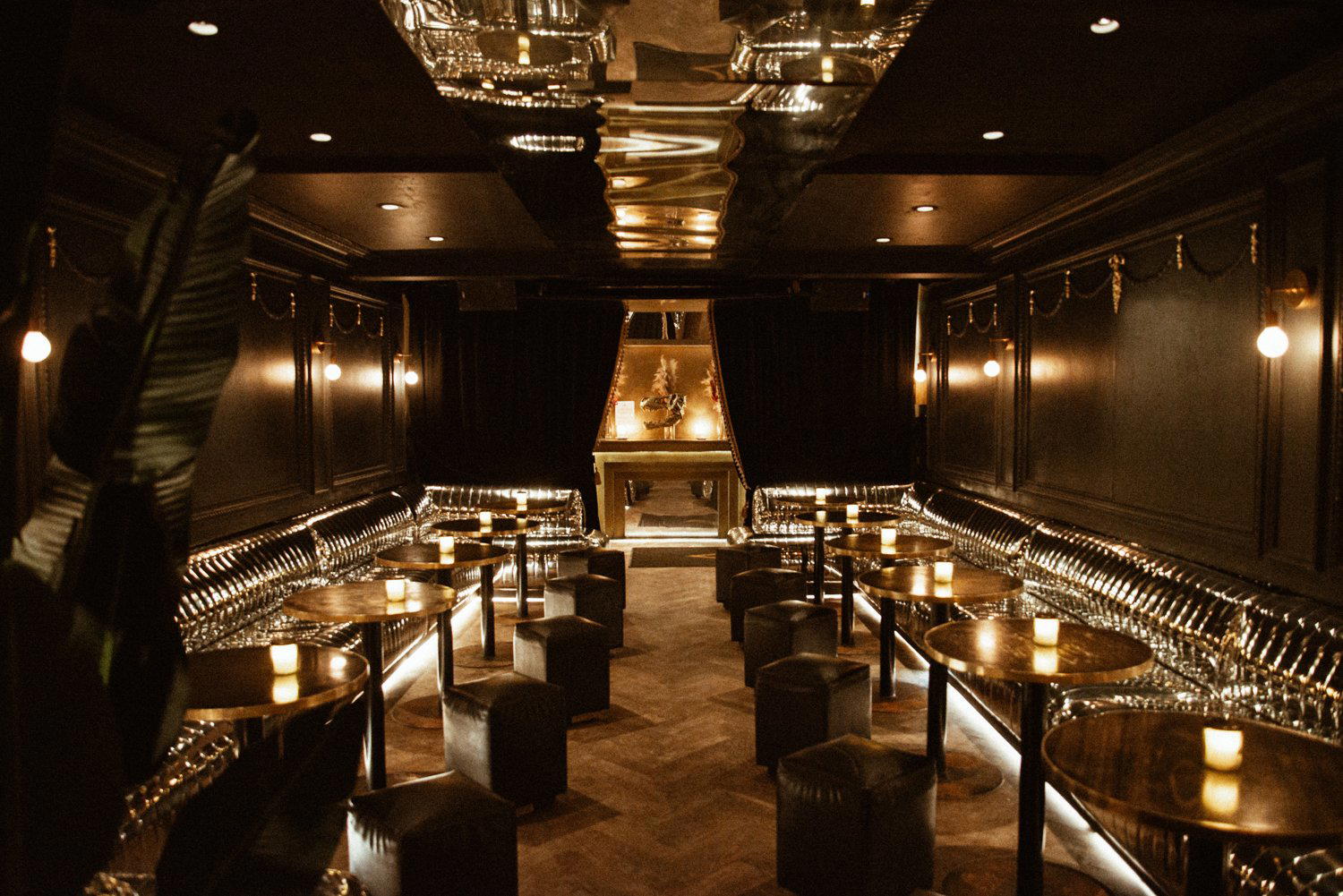
Stylish and cozy with lush leather-clad interiors hung with Victorian oil paintings, creating a sophisticated yet vibrant atmosphere.
Tags
Vibe
Best For
Experience
Accessibility
Know before you go
Know Before You Go
- Getting there
- 1282 Dundas St W, Toronto, ON M6J 1X7, Canada
Planning details
Location
1282 Dundas St W, Toronto, ON M6J 1X7, Canada · Directions
Recognition and awards

Also consider
Where to go if this does not fit
If the group needs a clearer cuisine and price tier, book Enoteca Sociale instead. If the night needs more atmosphere and less formality, cross-shop Hanmoto.
Bar context
How it compares on Dundas West and nearby Toronto picks
Choose COMPTON AVE when booking ease and a later-night plan matter more than a defined dinner format. Enoteca Sociale is the clearer choice for Italian at $$, especially when the group wants a known cuisine and a more conventional dinner plan. Gia sits higher at $$$ and makes more sense when the brief is a more polished Italian night rather than a flexible west-end stop.
Hanmoto is the stronger cross-shop for a livelier Toronto night where atmosphere is part of the draw, while Milou is better when the group wants a more classic neighborhood dining rhythm. Stefano's Diner is the better alternative if the plan calls for something more casual and diner-coded rather than bar-leaning.
Around this place
Discover more on Pearl
Unlock the full COMPTON AVE guide in Pearl, including awards, comparisons, FAQs, planning details, and nearby places.
Compare COMPTON AVE
| Venue | Location | Cuisine | Price | Awards |
|---|---|---|---|---|
| COMPTON AVE | Toronto | , | , | 2025 Canada's 50 Best Bars · #50 |
| Stefano's Diner | Toronto | , | , | No published awards |
| Enoteca Sociale | Toronto | Italian | $$ | Michelin Guide Toronto & Region 20262025 Michelin Bib Gourmand2024 Michelin Bib Gourmand |
| Hanmoto | Toronto | , | , | No published awards |
| Gia | Toronto | Italian | $$$ | Star Wine Lists 20262026 OAD Top Restaurants in Asia Recommended2025 Michelin 1 Star2025 La Liste Top Restaurants2025 The Best Chef One Knife2024 Michelin 1 Star |
| Milou | Toronto | , | , | No published awards |







How COMPTON AVE Toronto compares with similar nearby venues.
FAQ
Frequently Asked Questions
Does COMPTON AVE handle dietary restrictions?
Dietary accommodations are not specified, so ask COMPTON AVE directly before you go. If a serious restriction is involved, compare with another venue that can confirm its setup in advance, such as Enoteca Sociale.
Is COMPTON AVE good for solo dining?
Solo dining is not specifically mentioned, but the hours do support evening and late-night plans, with service starting at 5 PM or 6 PM depending on the night. If you are deciding between COMPTON AVE, Gia, or Enoteca Sociale, confirm the details that matter for your visit before choosing.
What should a first-timer know about COMPTON AVE?
COMPTON AVE is a Toronto evening and late-night option; it is not a lunch venue. It is closed Monday, open until 1 AM on Tuesday, Wednesday, and Sunday, and open until 2 AM on Thursday through Saturday. The dress code is smart casual.
What are alternatives to COMPTON AVE?
Other options to compare include Enoteca Sociale, Gia, Hanmoto, Milou, and Stefano's Diner. Choose based on the details each venue can confirm for your date, especially hours, reservations, menu, and group needs.
Is COMPTON AVE good for a special occasion?
That depends on what kind of occasion you are planning. Its hours support an evening or late-night smart-casual visit, but cuisine, price, seating, service format, or special-occasion handling are not specified. Confirm those details directly before making it the centerpiece of a milestone night.
Is lunch or dinner better at COMPTON AVE?
Dinner or late evening is the choice because COMPTON AVE opens at 5 PM or 6 PM and no lunch service is offered. If you want a midday meal, choose another Toronto venue and save COMPTON AVE for night plans.
How far ahead should I book COMPTON AVE?
Booking difficulty is not specified, so check directly with COMPTON AVE for reservation timing. The schedule runs Tuesday through Sunday, with later closing times on Thursday, Friday, and Saturday.