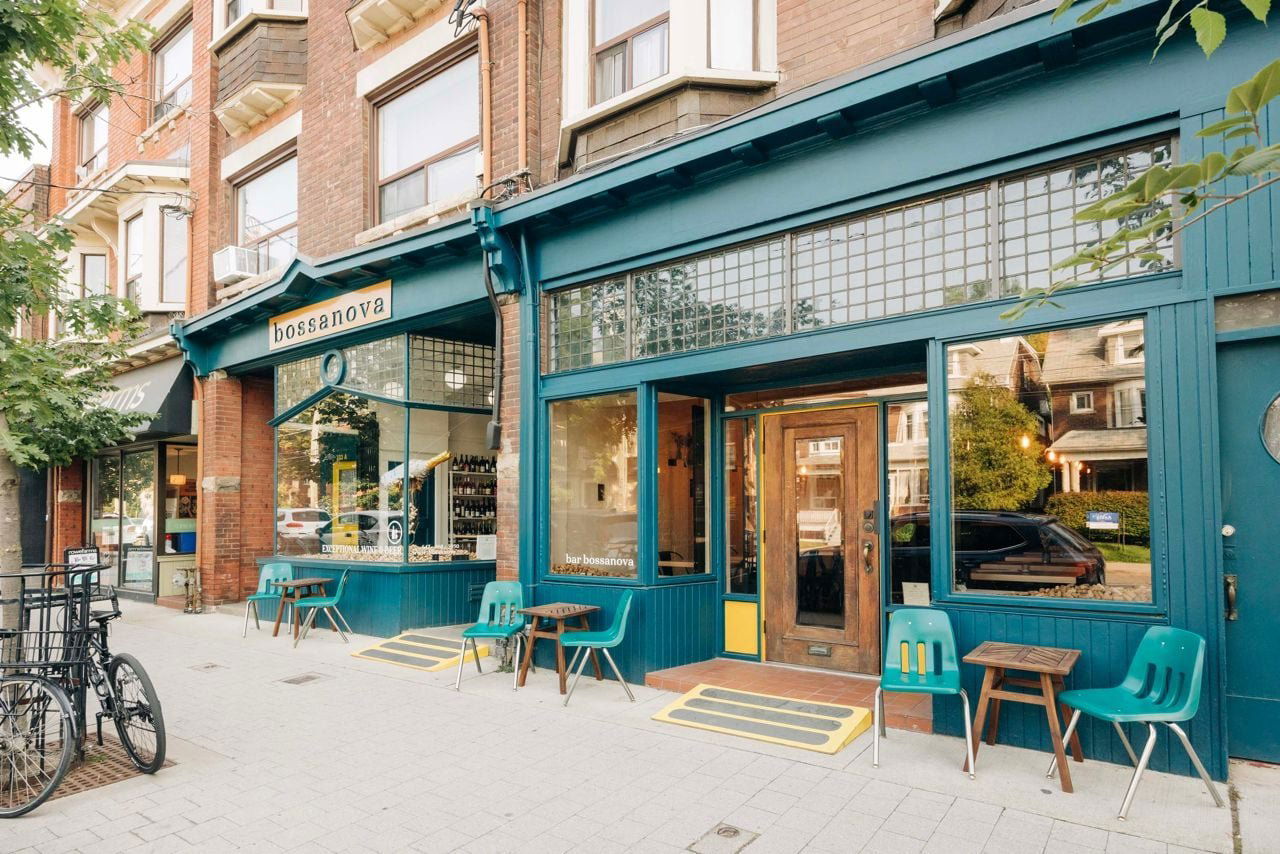

Bossanova
North Parkdale, Toronto
Bar in Toronto, Canada
 Book with Pearl
The Read
Price
$30–50per person
Why go
Bossanova is the Roncesvalles pick for a wine-first Toronto night, especially for smaller groups or a low-pressure date. The 2026 Star Wine List recognition gives it a stronger reason to choose than a generic neighbourhood bar, but food-led plans should compare Kaminari Ramen Bar or iSLAS instead.
About Bossanova
For a Toronto night out, Bossanova is best described as a casual venue in Toronto with limited weekly hours and Star Wine List recognition in 2026. That gives visitors a planning point, while the rest of the plan should stay practical and flexible.
Bossanova is closed Monday and Tuesday. It opens Wednesday and Thursday from 3–10 PM, Friday and Saturday from 1–11 PM, and Sunday from 1–8 PM. The dress code is casual, so the safest expectation is an unfussy Toronto stop rather than a formal occasion.
Pick it for a casual Toronto plan
Use Bossanova when the timing fits its posted hours and you want a casual dress code. Details on seating count, private rooms, menu format, price level, or service format are not available, so avoid building a plan around assumptions about large groups, special occasions, or a specific food offering.
If you are comparing other options, consider the kind of night you want rather than making assumptions about specific details. Kaminari Ramen Bar, iSLAS, Wallflower, Simpl Things, and Duggan's Brewery Parkdale may be useful comparison points, while Bossanova's Star Wine List recognition is the clearest distinguishing detail.
How to use it in a Toronto night out
Make Bossanova part of a Toronto plan that respects its opening window: Wednesday and Thursday from 3–10 PM, Friday and Saturday from 1–11 PM, and Sunday from 1–8 PM. For broader planning, Toronto coverage can help separate different kinds of itineraries: start with Our full Toronto bars guide, then branch to Our full Toronto restaurants guide, Our full Toronto hotels guide, Our full Toronto wineries guide, or Our full Toronto experiences guide.
For readers comparing venues, keep the comparison focused on Bossanova's details and use other Toronto options as broader planning references rather than direct substitutes.
Planning details
- Location
- 101 Roncesvalles Ave, Toronto, ON M6R 2K9, Canada
- Website
- bossanova.bar
- Phone
- +1 647-368-5950
The take
The Take
The Vibe
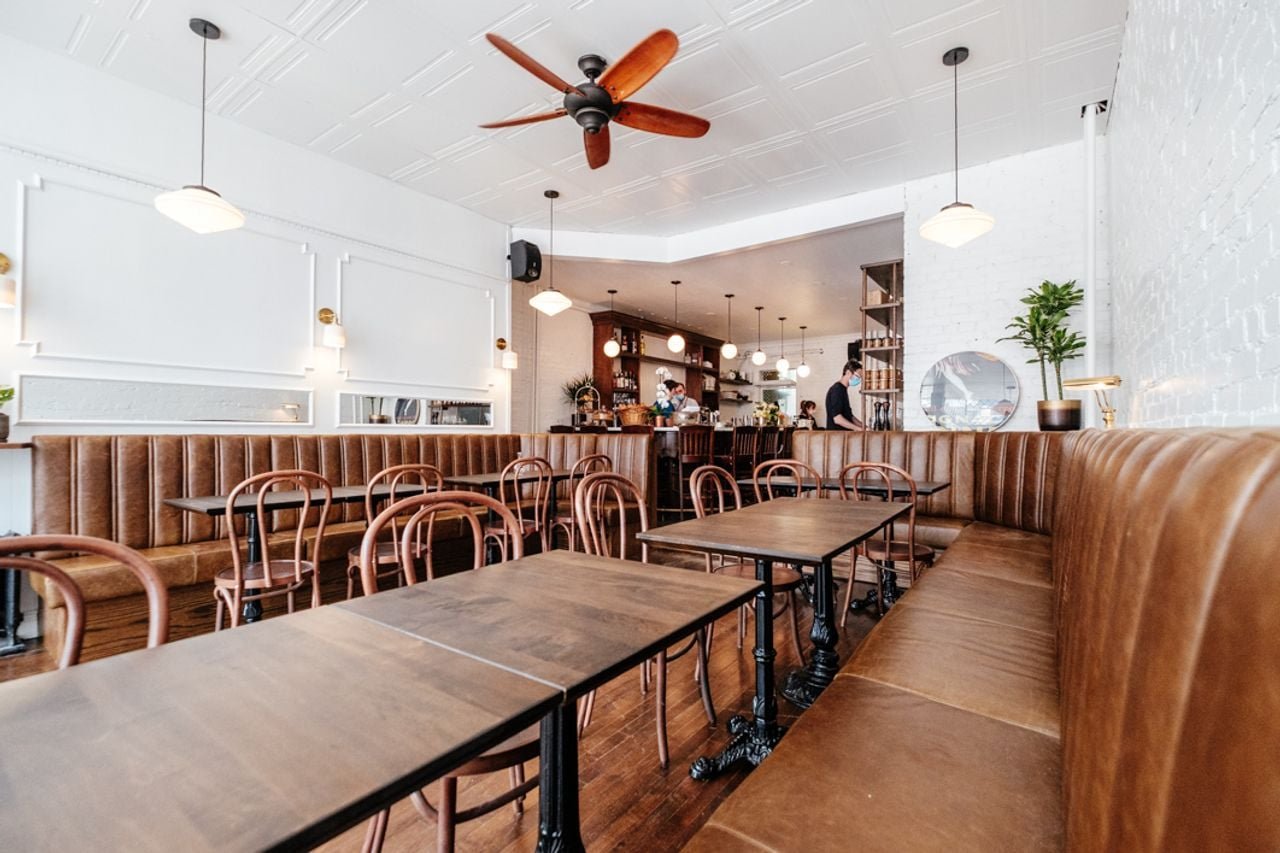
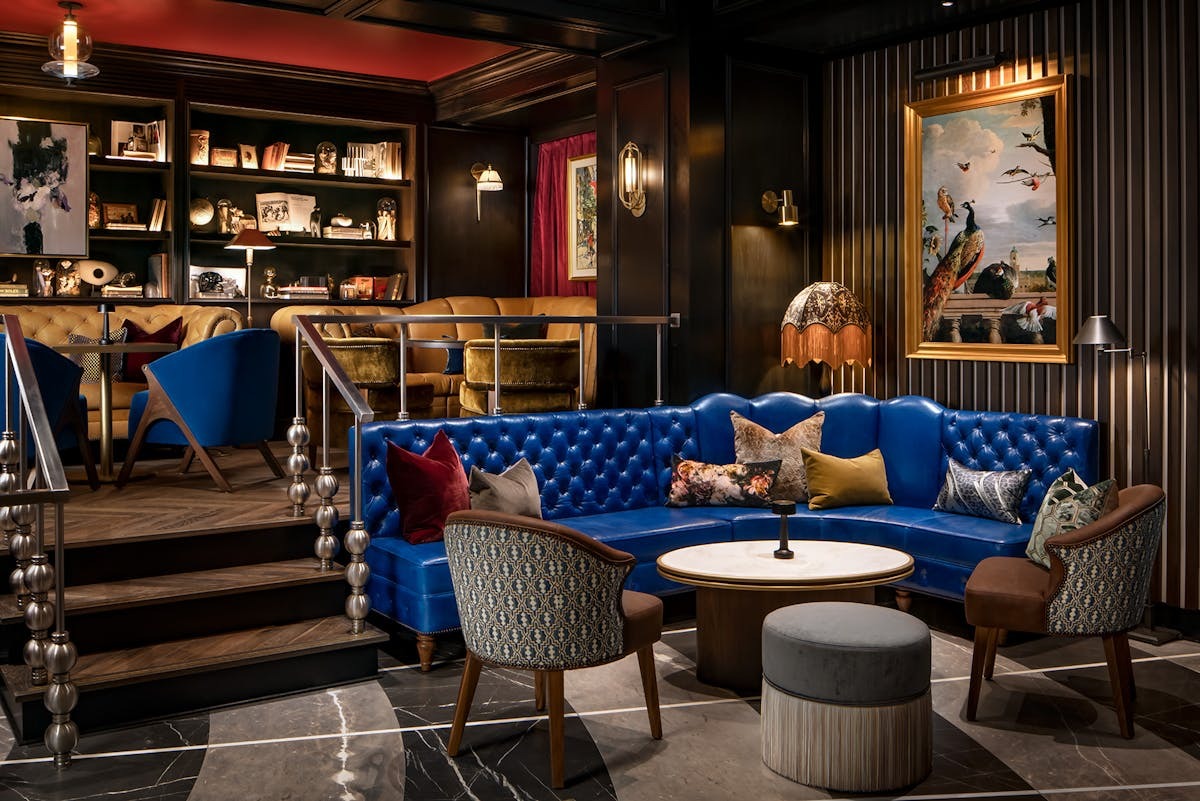
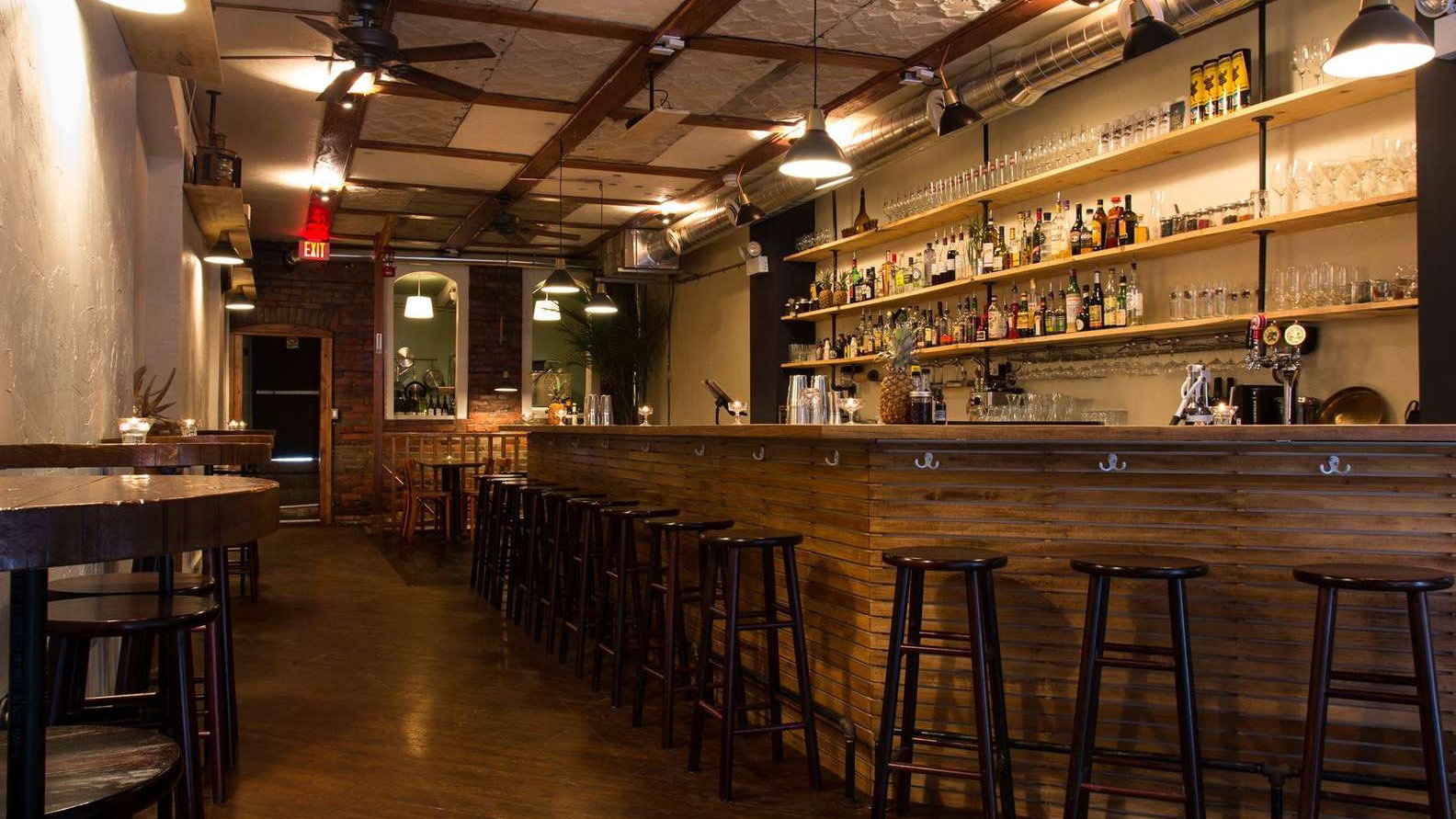
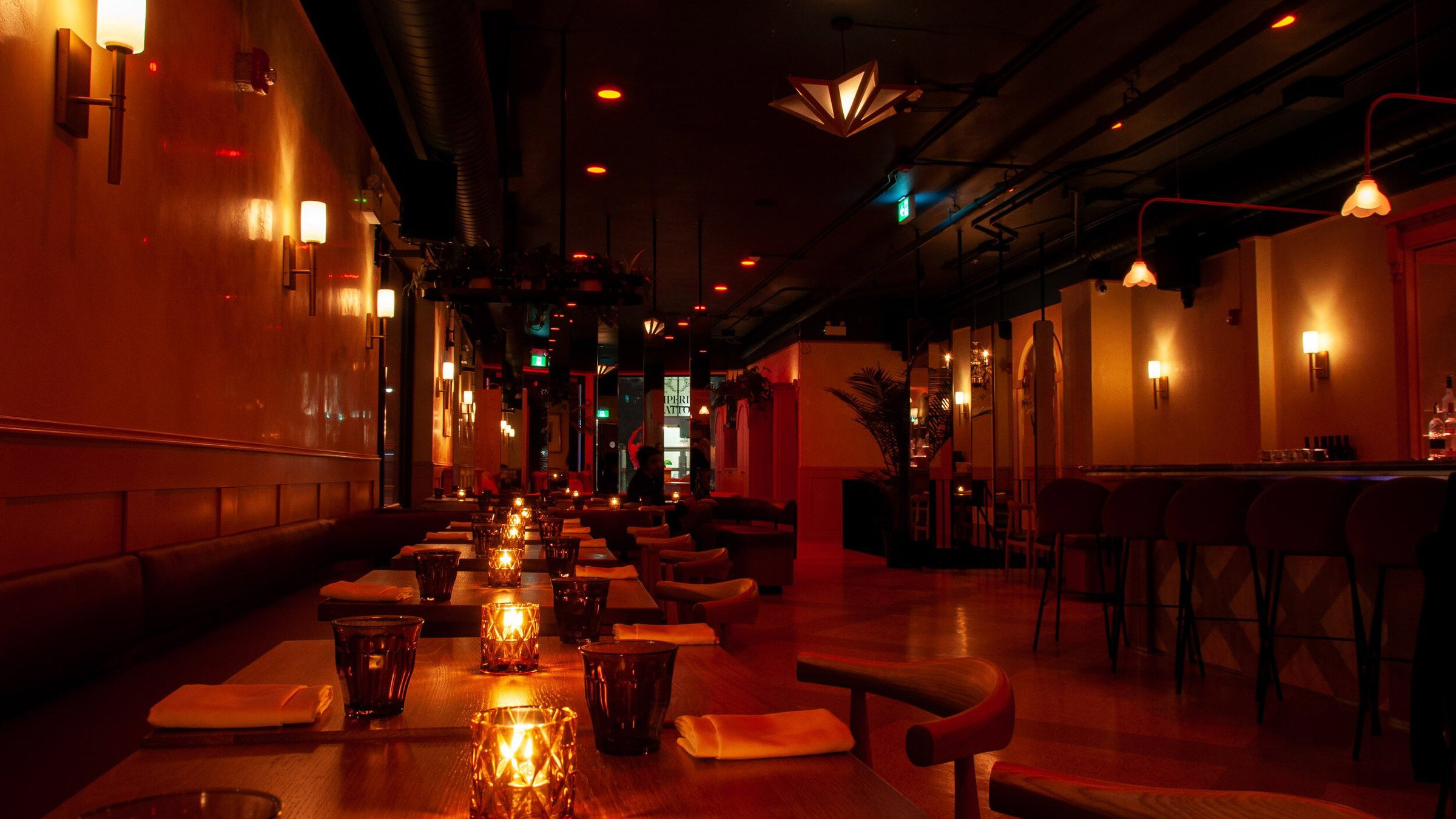
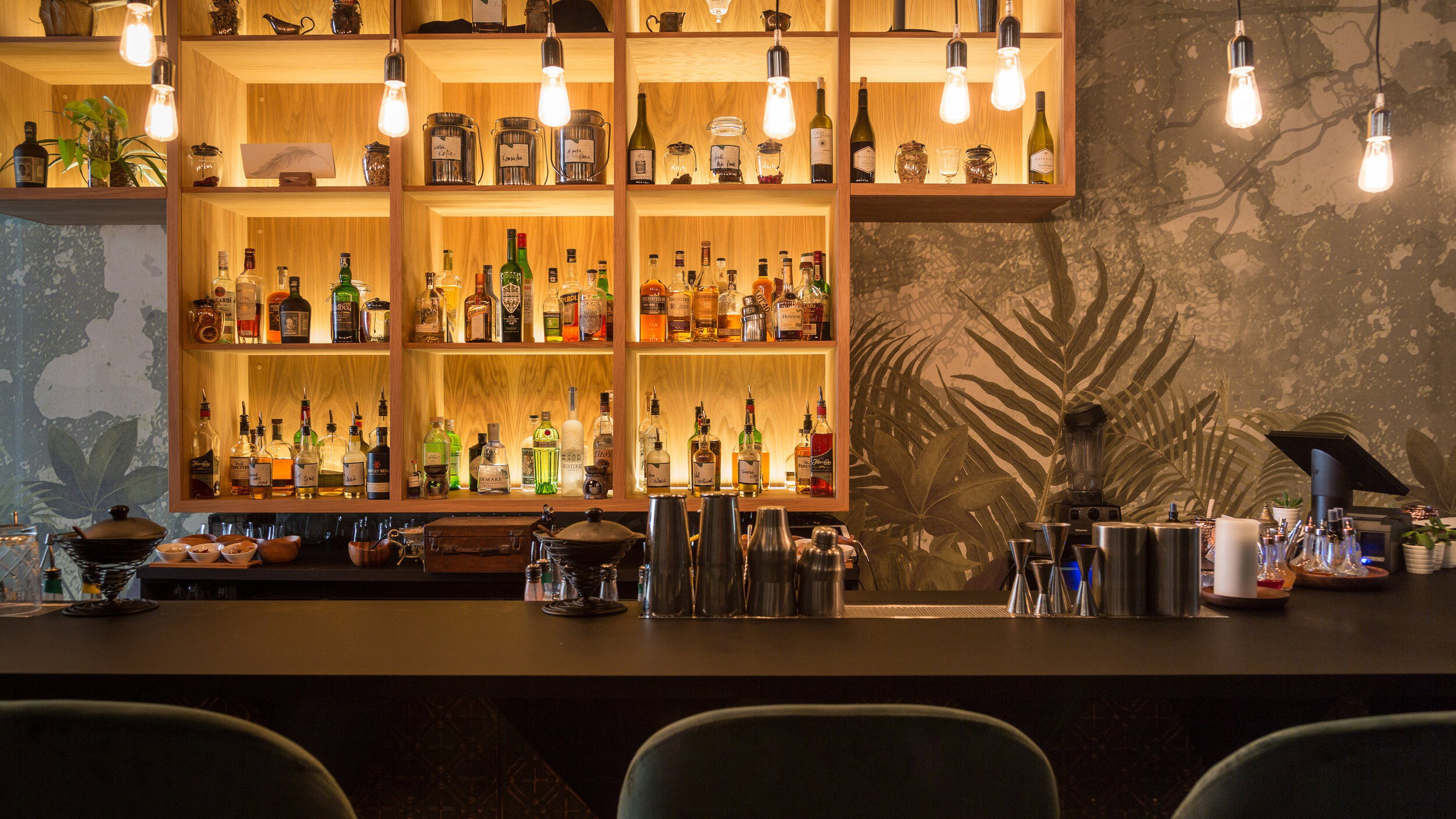
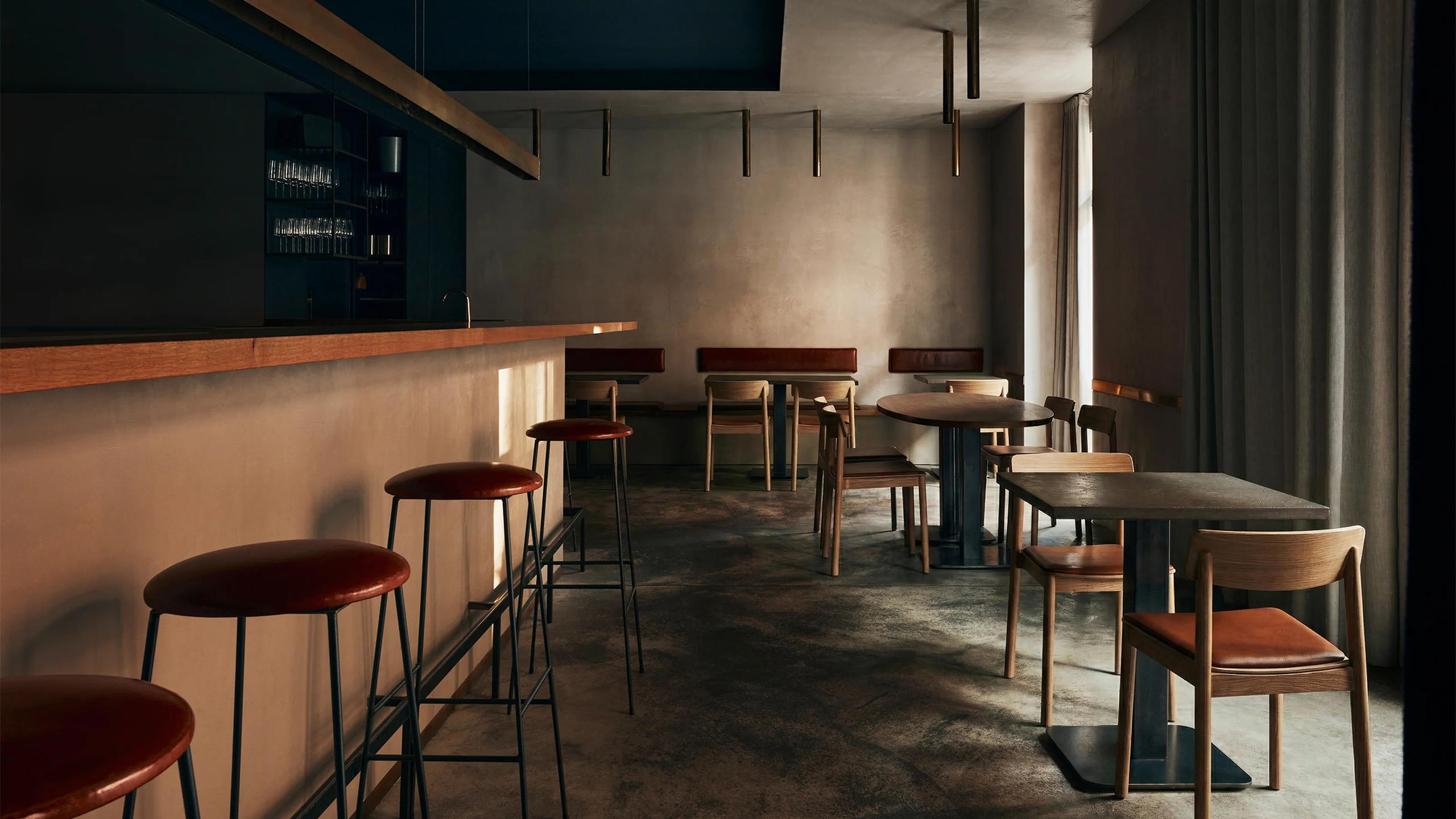
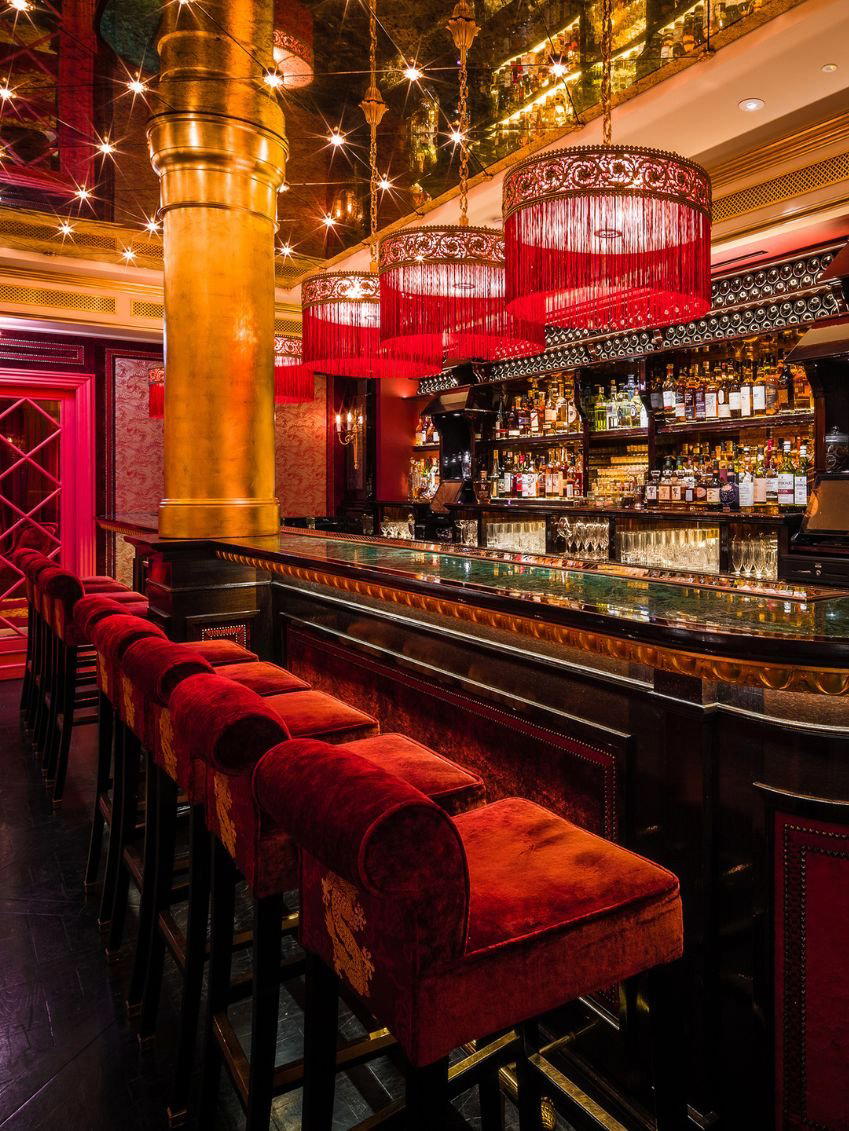
Bossanova reads like a neighbourhood merchant reworked into a drinking room: bottles line the walls and a small counter anchors the space, blurring the line between shop and bar. The piece emphasizes Roncesvalles’ steady, local pace and the venue’s low-intervention approach to wine, so the mood feels relaxed and cozy rather than performative. It prioritizes curation over spectacle, with the curatorial logic of a wine merchant shaping the atmosphere. Expect a compact, personable space where the focus is on thoughtful bottles and quiet, convivial pouring rather than loud service or theatrics.
Best For
This is a venue built for informal visits—after-work glasses, casual hangouts with neighbours, and small group outings. The hybrid model lets guests either grab a carefully chosen bottle to take home or stay for a single glass, so it suits both quick stops and lingering, low-key evenings. Its neighbourhood context and curated retail-bar format also make it a natural pick for locals who appreciate merchant-led selections and a relaxed setting rather than a full-service restaurant experience.
Ordering Tips
Bossanova operates as a bottle shop with bar service, so you can either buy bottles to-go or order a glass to drink in. The write-up underscores a merchant-driven curation, so ask staff for recommendations if you want to lean into the shop’s selection or explore the venue’s natural/low-intervention offerings. Treat it as a curated retail encounter as much as a bar visit: the same expertise that stocks the shelves informs what’s poured by the glass.
Venue details
Ambiance
Welcoming and knowledgeable environment with a focus on quality curation and customer education; intimate retail space with limited seating at adjacent bar.
Tags
Vibe
Best For
Experience
Format
At the Bar
- Bar Category
- Wine Bar
- Late Night
- Closes by Midnight
Know before you go
Know Before You Go
- Getting there
- 101 Roncesvalles Ave, Toronto, ON M6R 2K9, Canada
Planning details
Location
Recognition and awards

Also consider
Where to go if this is not the right fit
Try Simpl Things or Wallflower if the goal is a casual drink without making wine the whole point.
Pick Kaminari Ramen Bar or iSLAS (we moved to 890 Wilson Ave) when the night needs a clearer food anchor.
Bar context
How Bossanova compares in Toronto
Choose Bossanova when wine is the main reason for going out. Compared with Simpl Things and Wallflower, it has the clearer wine-bar signal thanks to Star Wine List recognition in 2026. Those two make more sense for a broader casual-bar plan where the room and general drinks matter as much as the list.
For food-first plans, Kaminari Ramen Bar and iSLAS (we moved to 890 Wilson Ave) are safer cross-shops because the decision starts with eating rather than opening a bottle. Bossanova is easier to justify when the group is small and the night is built around drinking well.
If the group is larger or wants beer over wine, Duggan's Brewery Parkdale is the more practical call. Bossanova is the tighter recommendation for a quieter west-end wine stop; Duggan's is the better fit for a looser Parkdale plan.
Around this place
Discover more on Pearl
Unlock the full Bossanova guide in Pearl, including awards, comparisons, FAQs, planning details, and nearby places.
Compare Bossanova
| Venue | Location | Awards |
|---|---|---|
| Bossanova | Toronto | Star Wine Lists 2026 |
| iSLAS (we moved to 890 Wilson Ave) | Toronto | No published awards |
| Simpl Things | Toronto | No published awards |
| Wallflower | Toronto | No published awards |
| Duggan's Brewery Parkdale | Toronto | No published awards |
| Kaminari Ramen Bar | Toronto | No published awards |
How Bossanova Toronto compares with similar nearby venues.
FAQ
Frequently Asked Questions
Do I need a reservation at Bossanova?
Reservation details are not available. Plan around the hours: Bossanova is closed Monday and Tuesday, open Wednesday and Thursday from 3–10 PM, Friday and Saturday from 1–11 PM, and Sunday from 1–8 PM.
Does Bossanova have outdoor seating?
Outdoor seating details are not available. Bossanova is in Toronto, has a casual dress code, and operates Wednesday through Sunday.
What's the crowd like at Bossanova?
Details about the crowd and atmosphere are not available beyond the casual dress code. Bossanova does have Star Wine List recognition in 2026, which may be useful for visitors comparing it with Duggan's Brewery Parkdale, Kaminari Ramen Bar, Wallflower, Simpl Things, or iSLAS.
Is Bossanova open late?
Bossanova is open until 11 PM on Friday and Saturday. It closes at 10 PM on Wednesday and Thursday, 8 PM on Sunday, and is closed Monday and Tuesday.
What's the best time to go to Bossanova?
The best time depends on your schedule. Choose Wednesday or Thursday from 3–10 PM, Friday or Saturday from 1–11 PM, or Sunday from 1–8 PM; Bossanova is closed Monday and Tuesday.