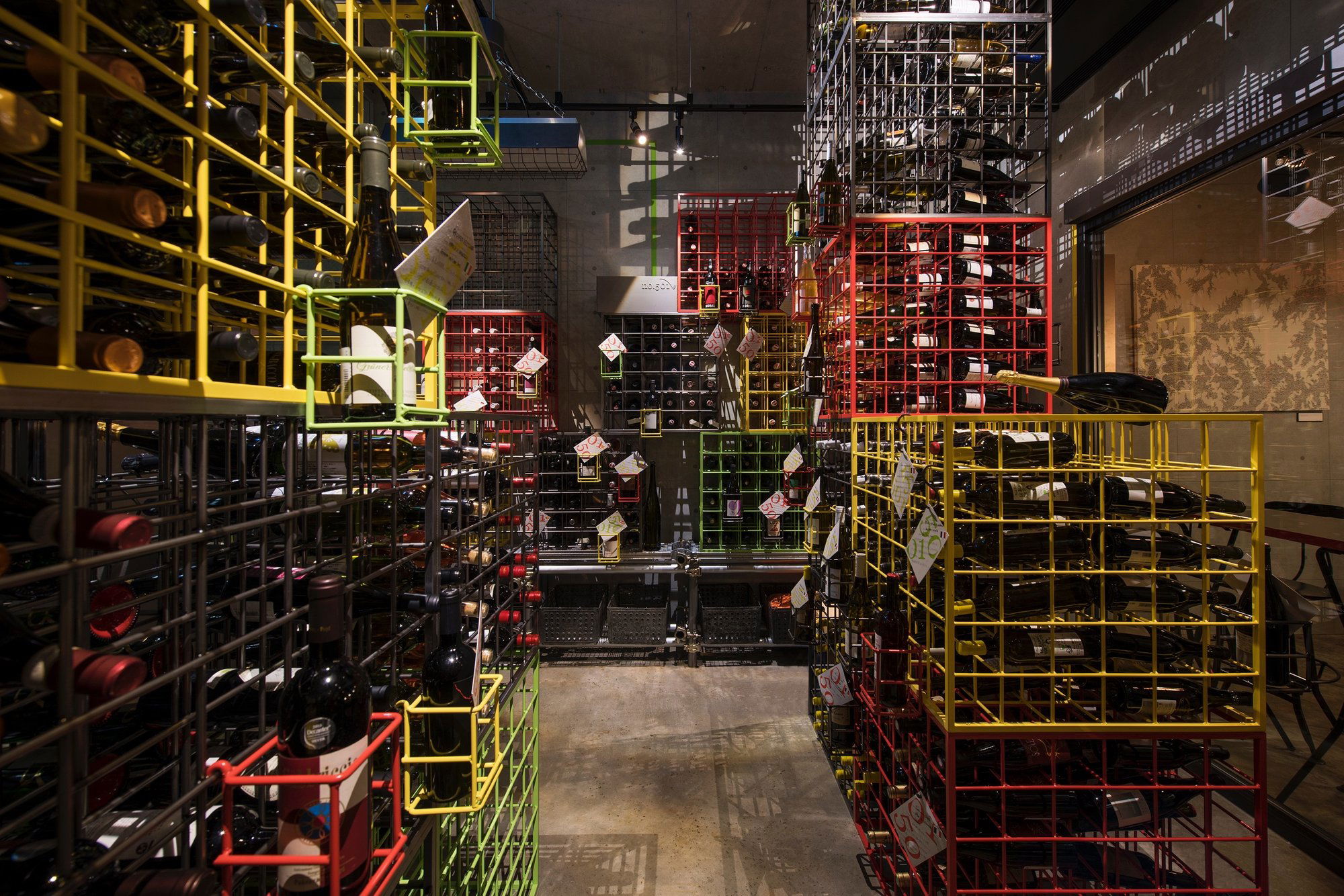

no.501
Shibuya, Tokyo
Bar in Tokyo, Japan
 Book with Pearl
The Read
Price
$50–100per person
Why go
A wine-first Jingumae stop with Star Wine List recognition in 2026, no.501 is a smart pick when the bottle list matters more than a named cocktail program. Booking difficulty is easy, so use it as a flexible Shibuya-area drinks anchor rather than a hard-to-secure occasion reservation.
About no.501
no.501 is a Tokyo venue with Star Wine List recognition in 2026. That makes it a strong option for planning: if you are comparing places for a glass or a wine-oriented stop, no.501 can sit on the shortlist alongside other Tokyo spots.
Use this as a practical Tokyo stop rather than a fully described restaurant plan. The details here are limited to hours, smart-casual dress code, and Star Wine List recognition, so food, pricing, reservations, and menu specifics should be confirmed directly before you build a full itinerary around it. It can still be useful alongside Pearl's Tokyo bars guide or paired with Tokyo restaurants before or after.
Choose it for confirmed wine recognition
The strongest case for no.501 is its Star Wine List recognition in 2026. That does not by itself confirm a specific bottle count, price range, by-the-glass format, or food program, but it is a relevant signal for guests who are prioritizing a wine-aware stop in Tokyo.
If your group needs a clearly documented cocktail concept, a published menu format, or detailed food information in advance, compare options carefully before committing. Other Tokyo options to consider include Baird Beer Harajuku Taproom, Bonobo, Café Kitsuné Aoyama, Cellar Door Aoyama, and The Top. no.501 makes the most sense when the Star Wine List signal and the posted hours fit your plan.
Easy logistics make it useful on a Tokyo route
The location is Tokyo, so keep planning at the city level unless you confirm the exact address directly. The posted schedule is broad: Monday through Thursday from 12 PM to 11 PM, Friday and Saturday from 12 PM to 12 AM, and Sunday from 12 PM to 10 PM.
Those hours make no.501 workable for midday, afternoon, evening, and later weekend plans, depending on the day. The dress code is smart casual, so it is sensible to dress neatly without assuming a formal occasion. For wider Tokyo planning, Tokyo hotels and other city guides can help connect the rest of the itinerary.
Who should pick something else
Skip it if the group needs cuisine details, published prices, a confirmed seating setup, allergy or dietary guidance, take-out or delivery information, or a specific service style before deciding. no.501 is best treated as a Tokyo venue with confirmed hours, smart-casual dress code, and Star Wine List recognition, then any finer details should be checked directly.
Planning details
- Location
- SEIZAN-GAIEN BLD, 1F, 2 Chome-5-4 Jingumae, Shibuya, Tokyo 150-0001, Japan
- Website
- no501.bottletokyo.com
- Phone
- +81 3-6721-0510
The take
The Take
The Vibe
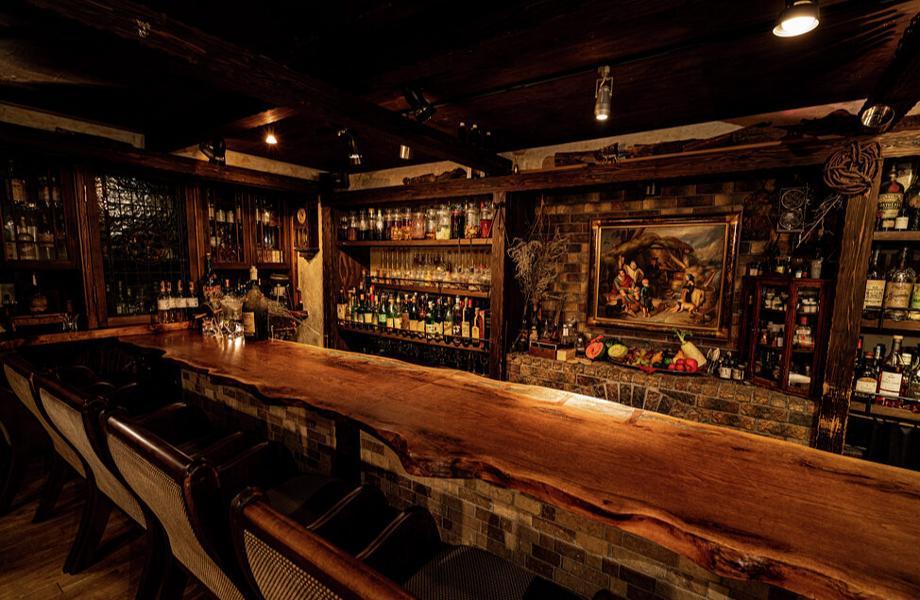
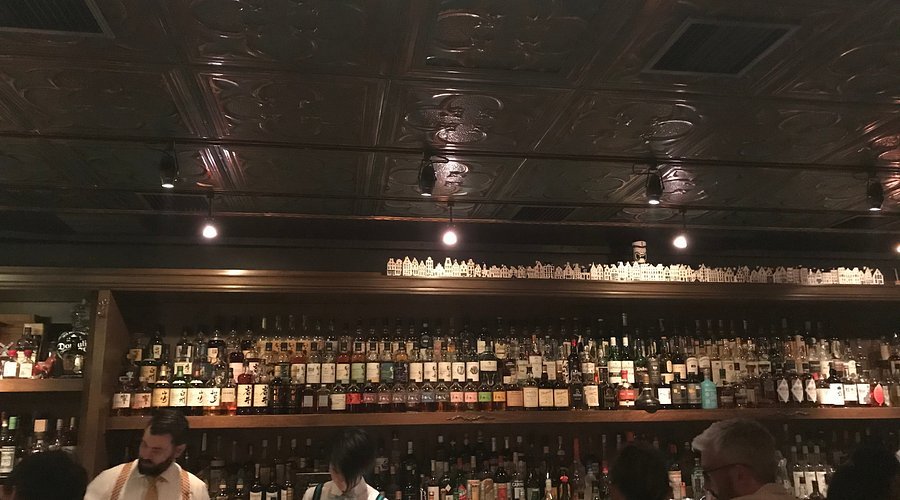
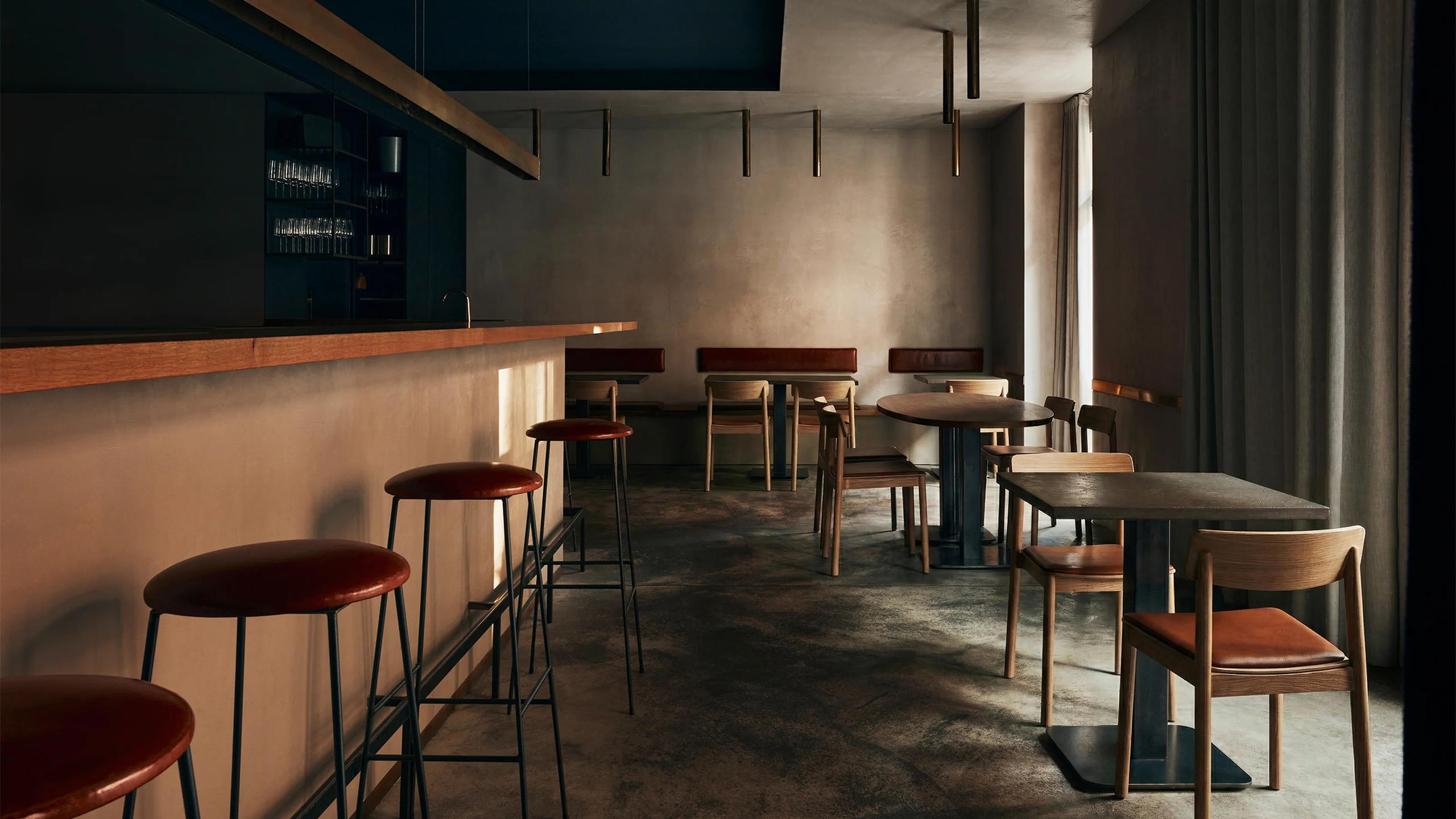
No.501 presents itself as a compact, secretive bar that favors discretion over display. It sits in a low-rise stretch of Gaienmae where serious, chef-driven places establish reputations quietly, and the entry is intentionally understated — so much so that first-time visitors often describe it as easy to walk past. Interiors lean small and compressed, creating an intimate, focused atmosphere that privileges craft and repeat local patronage over spectacle. Adjacent Michelin-level restaurants set a quietly refined tone, so the bar reads as an elegant, sophisticated hideaway for those in the know.
Best For
This spot works best for solitary, low-key visits and intimate evenings. The compact footprint and counter-style logic make it a natural fit for solo drinkers who want to engage with the bartender or for couples seeking a quiet date night away from tourist bustle. It also suits local casual hangouts where regulars and word-of-mouth carry the room. Because the neighborhood trades on reputation rather than signage, visitors who value focused, craft-driven drinking in an understated setting will get the most out of a visit.
Ordering Tips
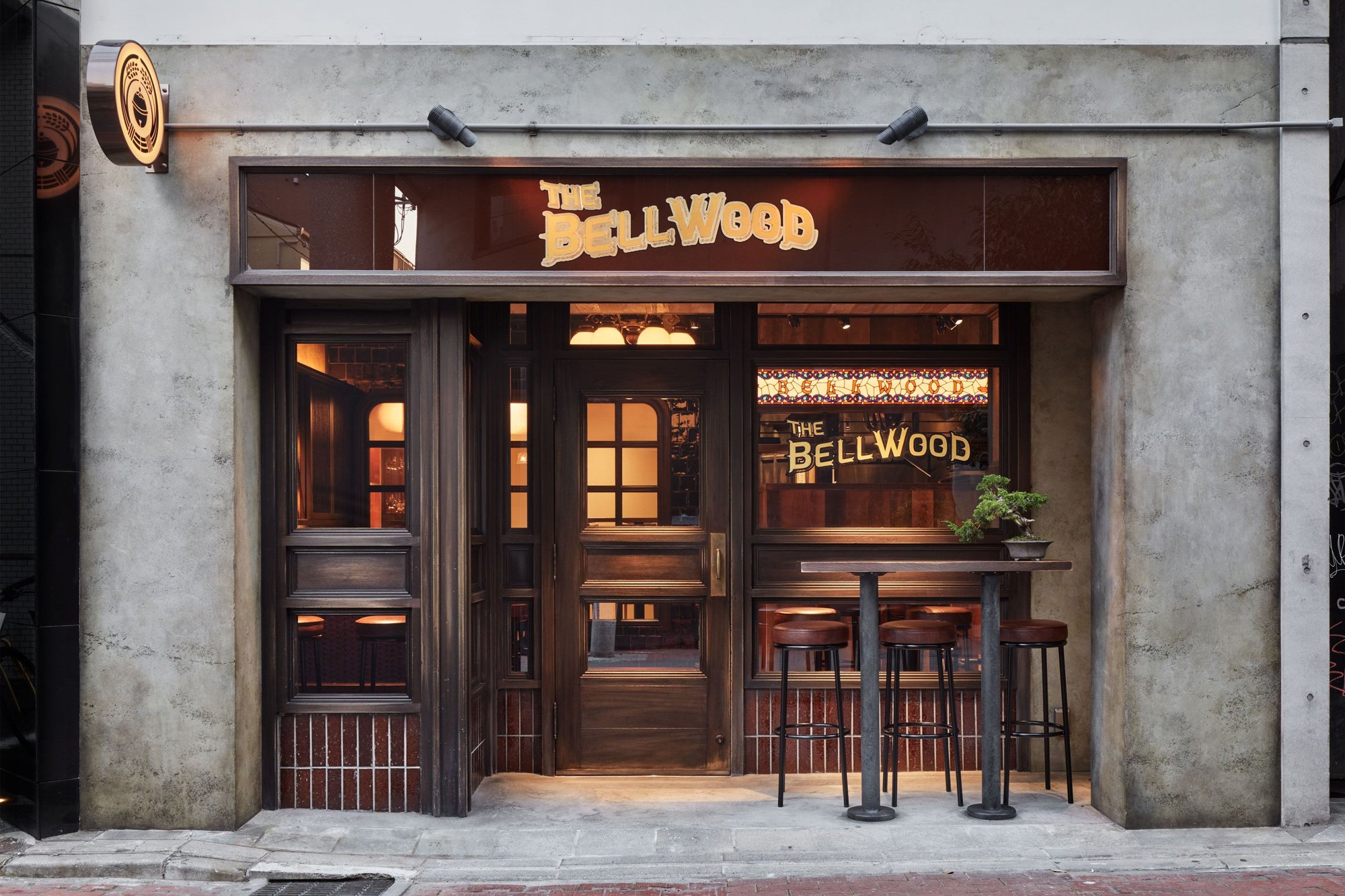
Expect an understated entrance and a very small interior; the door can be easy to miss, so note the SEIZAN-GAIEN Building address. The bar exists in a neighborhood that survives on repeat local customers and word-of-mouth rather than walk-ins, so plan accordingly: arrive early or check availability ahead of time if you can. Keep expectations simple — the place emphasizes a purposeful, quiet experience over spectacle — and be prepared to let the staff guide your choices rather than hunting for a menu-led experience.
Venue details
Ambiance
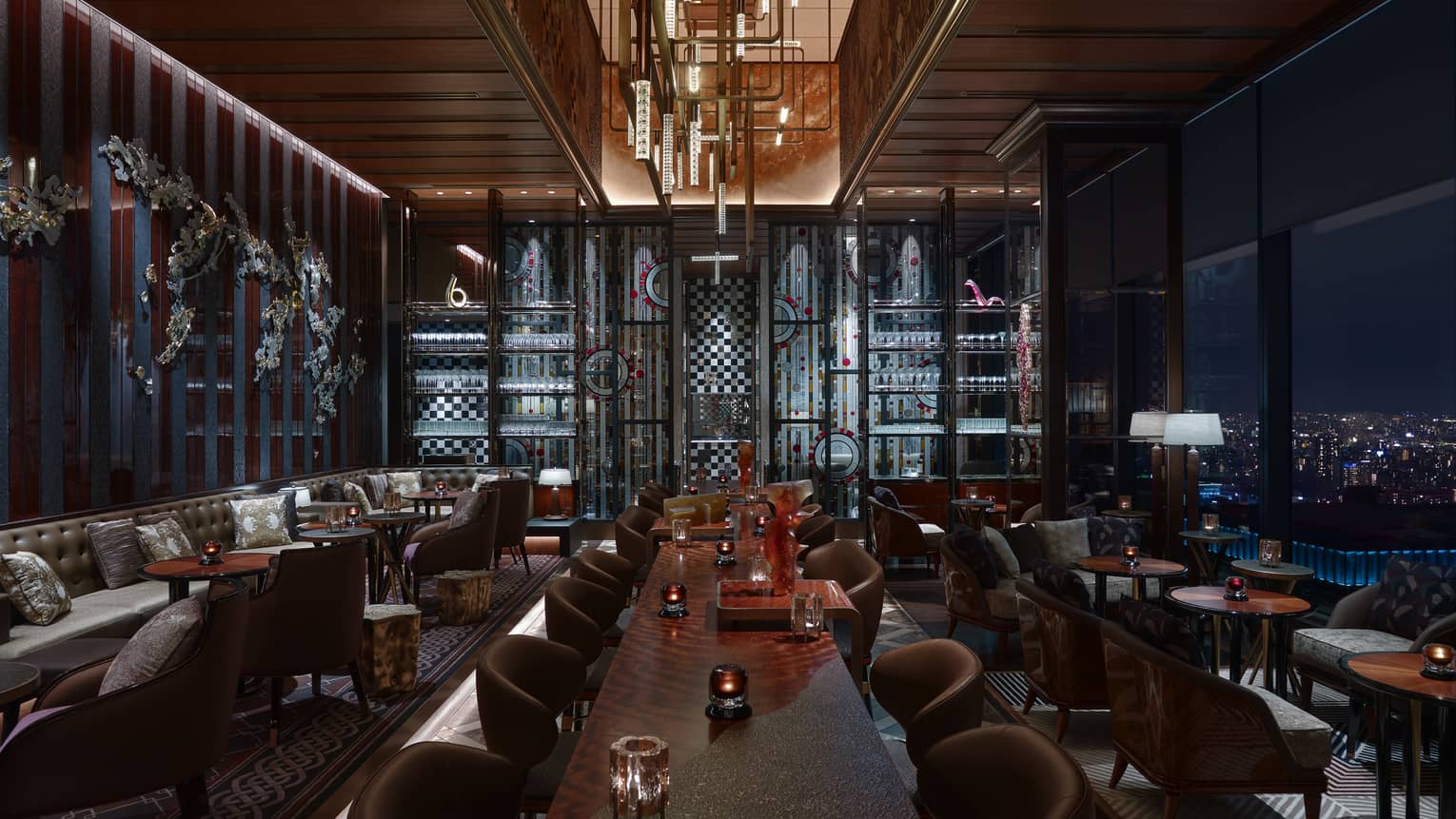
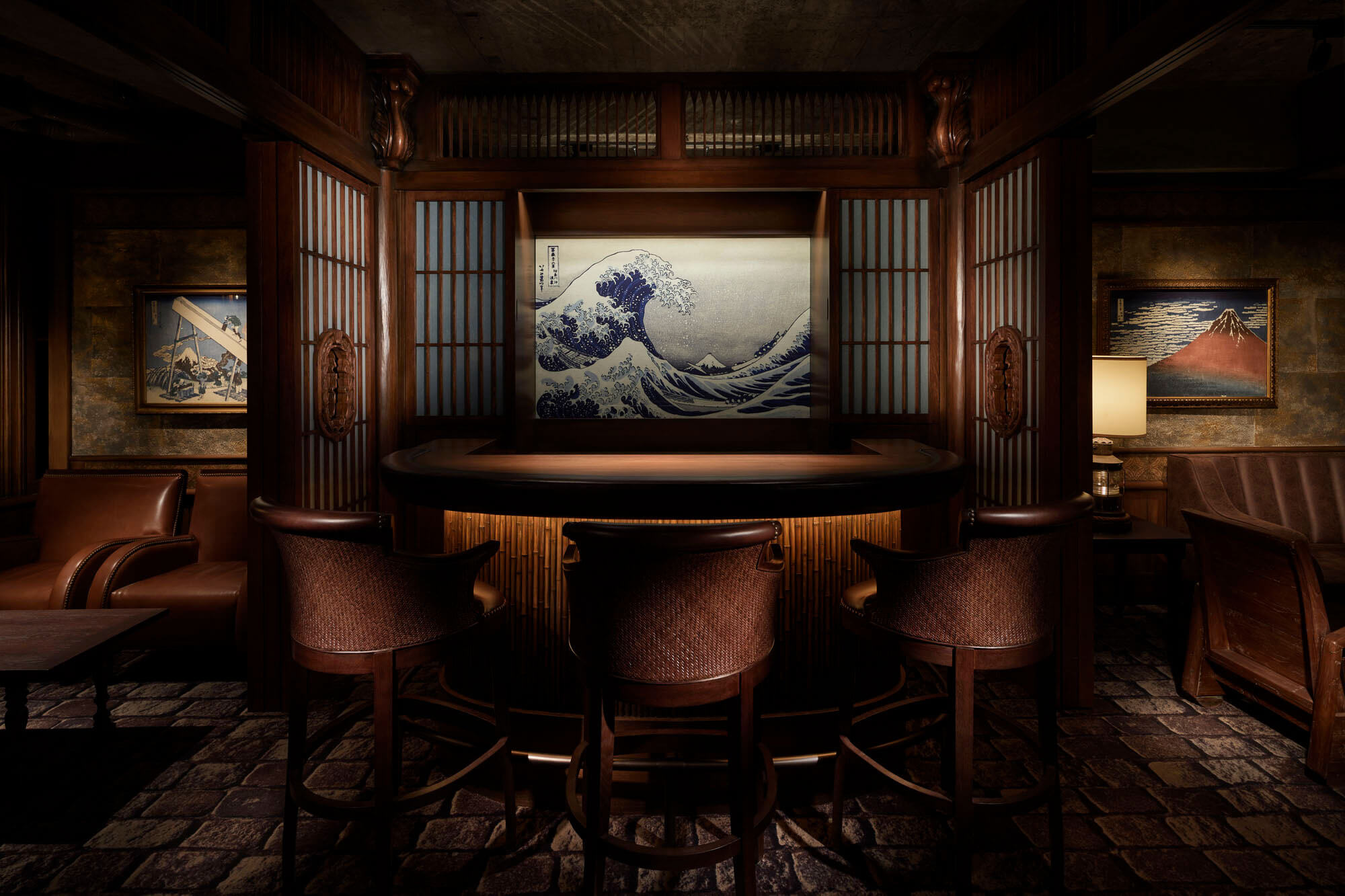
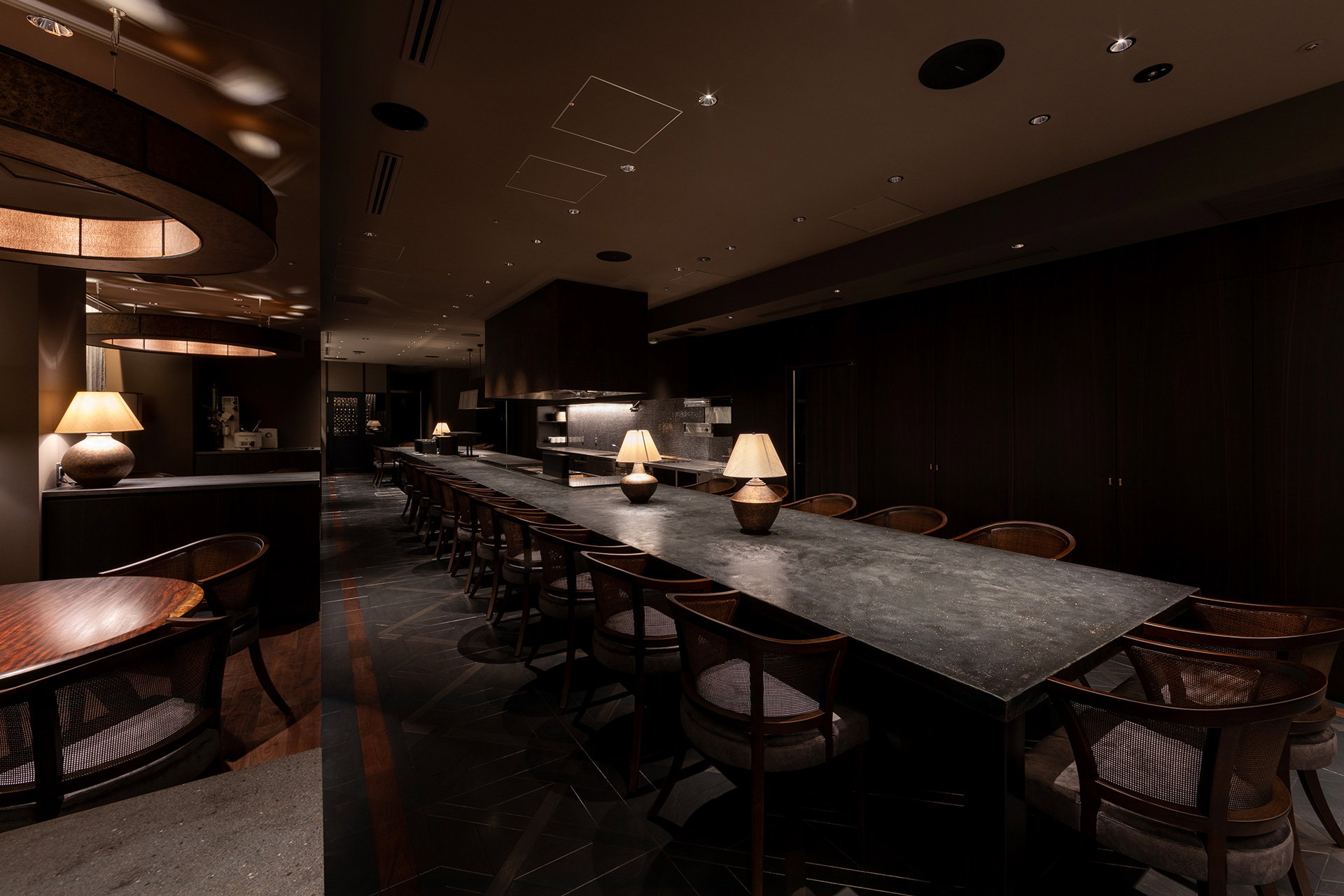
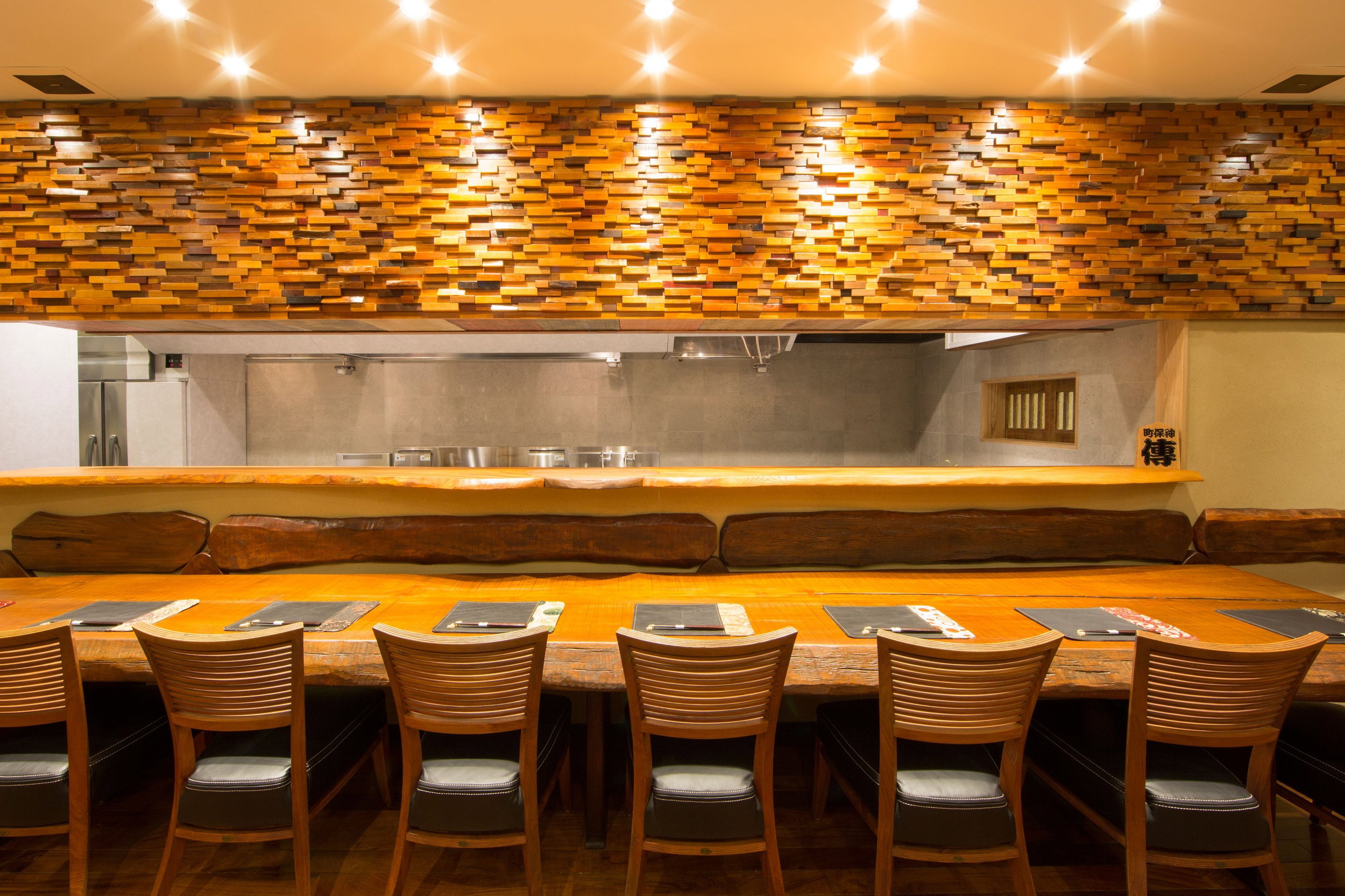
Stylish and relaxing artistic space with counter seating focused on wine tasting and intimate gatherings.
Tags
Vibe
Best For
Experience
Format
At the Bar
- Bar Category
- Wine Bar
- Late Night
- Closes by Midnight
Know before you go
Know Before You Go
- Getting there
- SEIZAN-GAIEN BLD, 1F, 2 Chome-5-4 Jingumae, Shibuya, Tokyo 150-0001, Japan
Planning details
Location
SEIZAN-GAIEN BLD, 1F, 2 Chome-5-4 Jingumae, Shibuya, Tokyo 150-0001, Japan · Directions
Recognition and awards

Also consider
If no.501 does not fit the plan, try Cellar Door Aoyama for the closest wine-minded alternative nearby.
For a more casual group stop, Baird Beer Harajuku Taproom is the easier recommendation when beer is the shared denominator.
Bar context
Against Bonobo and The Top. no.501 is the better pick for a wine-led stop where the list is the point of the visit. Choose Bonobo or The Top. when the room, bar energy, or broader cocktail mood matters more than wine selection.
Cellar Door Aoyama is the closest cross-shop for drinkers staying in a wine-focused lane. If the group wants a casual beer format instead, Baird Beer Harajuku Taproom is the cleaner choice. For a daytime café-style pause rather than a drinks-first plan, Café Kitsuné Aoyama fits better.
For booking ease, no.501 has an advantage: it works as a lower-friction addition to a Jingumae or Aoyama route. The tradeoff is specificity. Pick it for wine credibility; pick the peers when the occasion calls for clearer beer, café, or cocktail identity.
Explore Tokyo
Around this place
Discover more on Pearl
Unlock the full no.501 guide in Pearl, including awards, comparisons, FAQs, planning details, and nearby places.
Compare no.501
| Venue | Location | Awards |
|---|---|---|
| no.501 | Tokyo | Star Wine Lists 2026 |
| Bonobo | Tokyo | No published awards |
| The Top. | Tokyo | No published awards |
| Cellar Door Aoyama | Tokyo | No published awards |
| Baird Beer Harajuku Taproom | Tokyo | No published awards |
| Café Kitsuné Aoyama | Tokyo | No published awards |
How no.501 Tokyo compares with similar nearby venues.
FAQ
Frequently Asked Questions
Does no.501 have outdoor seating?
Outdoor seating is not listed. Plan based on the confirmed Tokyo location, posted hours, smart-casual dress code, and Star Wine List recognition, and check directly with the venue for seating details.
What's the crowd like at no.501?
The crowd profile is not listed. The confirmed planning signal is that no.501 in Tokyo has Star Wine List recognition in 2026, so it may be relevant for guests considering a wine-oriented stop.
Is no.501 open late?
It is open later on Friday and Saturday, when service runs until 12 AM. Monday through Thursday it is open from 12 PM to 11 PM, and Sunday runs from 12 PM to 10 PM.
What's the best time to go to no.501?
Choose the time that fits the posted schedule: 12 PM to 11 PM Monday through Thursday, 12 PM to 12 AM Friday and Saturday, and 12 PM to 10 PM Sunday. Specific crowd patterns are not listed.