
Bar in Tokyo, Japan
Nihon Saisei Sakaba
100ptsShinjuku Izakaya Ritual
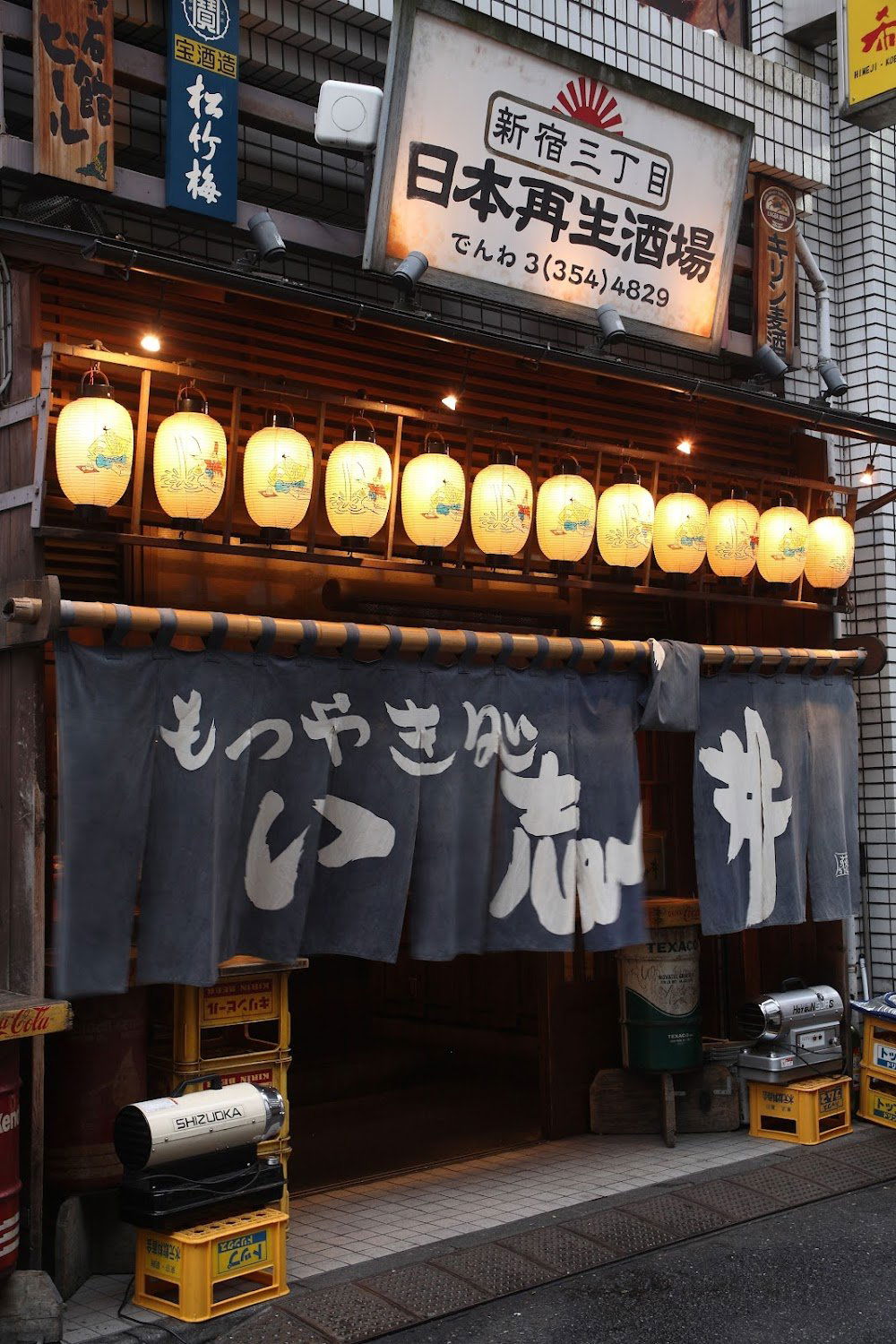
About Nihon Saisei Sakaba
A Shinjuku izakaya operating out of a ground-floor space on 3 Chome in Shinjuku City, Nihon Saisei Sakaba sits within a neighbourhood that has long defined Tokyo's after-dark drinking culture. The venue draws those seeking the rhythm and ritual of a traditional Japanese drinking establishment, where the order of rounds, the pacing of small plates, and the logic of the menu follow conventions older than the building itself.
Shinjuku After Dark: The Izakaya as Ritual
There is a particular grammar to drinking in Tokyo that visitors from outside Japan often misread on first encounter. The izakaya is not simply a bar, nor is it a restaurant with a liquor licence. It occupies a third category: a place where the meal and the drink are inseparable, where rounds of beer or sake arrive before any food decision is made, and where the evening's logic is structured by the rhythm of small plates shared across the table rather than individual courses consumed in sequence. Nihon Saisei Sakaba, located on the ground floor of the Marukan Building on 3 Chome in Shinjuku, operates inside that tradition.
Shinjuku is one of the few Tokyo neighbourhoods where almost every tier of the city's drinking culture coexists within walking distance. The dense warren of Golden Gai's micro-bars sits minutes from the neon-lit yakitori alleys of Omoide Yokocho, and both sit within reach of the area's more formal standing bars and izakaya. Against that backdrop, a venue like Nihon Saisei Sakaba is read by locals as part of a recognisable category: the neighbourhood izakaya that anchors a specific block, draws a repeating clientele, and measures its success in the depth of familiarity rather than the frequency of press coverage.
The Ritual of Arrival and the First Round
In a traditional izakaya, the sequence of the evening is understood before anyone sits down. The first drink arrives quickly, often before menus are fully consulted. This is not inattention to the diner but rather its opposite: the assumption that the guest is thirsty from travel or the commute, and that the food conversation can wait a minute. The Japanese concept of otoshi, the small amuse-style dish that arrives automatically with the first drink as a kind of cover charge in edible form, signals that the kitchen is already engaged even if no order has been placed.
This pacing, unhurried in pace but deliberate in sequence, distinguishes a well-run izakaya from a casual drinking room. The evening at a venue like Nihon Saisei Sakaba is structured not by a tasting menu or a waiter's suggestions but by the table's own progression through the drinks list and small plates, with each round prompting the next food decision. Highballs, draft beer, and sake by the carafe are the registers of izakaya drinking; the food, whether grilled skewers, cold tofu, or pickled vegetables, exists to support and extend the drinking rather than compete with it.
Shinjuku's Position in Tokyo's Bar and Izakaya Circuit
Tokyo's drinking geography is more stratified than it first appears. Ginza and Marunouchi support the city's most technically rigorous cocktail bars, including venues with international recognition such as Bar High Five and Bar Orchard Ginza. Further west, Shinjuku's bar culture skews toward volume and atmosphere: the area handles enormous foot traffic on weekday evenings and draws both salarymen ending their work week and younger crowds moving between venues.
Venues like Bar Benfiddich, also in Shinjuku, represent the neighbourhood's capacity to support craft-driven operations alongside its more populist drinking rooms. The two formats coexist without displacing each other because they serve different moments in the same evening: the izakaya absorbs the first two hours of noise and hunger, and the specialist bar handles what comes after. Nihon Saisei Sakaba's position in this geography, a street-level space on a Shinjuku side street, places it in the first category, among the venues that function as the foundation of a night out rather than its culminating point.
For those building a broader picture of Japan's bar culture beyond Tokyo, the same dynamic of specialist craft versus neighbourhood anchor plays out in other cities. Bar Nayuta in Osaka, Bee's Knees in Kyoto, and Lamp Bar in Nara each illustrate how regional drinking culture inflects the same basic category. EP Club's full Tokyo restaurants and bars guide maps this further across the capital.
What the Izakaya Format Demands of the Guest
The izakaya rewards guests who understand its conventions and tolerates those who don't, but the experience shifts considerably depending on which camp you're in. Ordering everything at once is a minor breach of the format's internal logic; the point is to order incrementally, letting the evening find its own pace. Sitting for a fixed duration and then leaving is technically acceptable but misses what the format is designed to produce: an extended, loosely structured social evening where the distinction between the fifth and sixth drink, and between the third and fourth plate of food, is deliberately blurred.
Japanese is the working language of most neighbourhood izakaya, and Nihon Saisei Sakaba's Shinjuku address puts it squarely in that category. Picture menus or staff with conversational English are not guaranteed, which is less an obstacle than a calibration point: this is a venue that operates for its local clientele and extends hospitality to visitors on that basis, not the reverse.
For travellers who want the izakaya experience in a more navigable format, Bar Libre in Tokyo offers a different point of access, as do English-friendly operations elsewhere in the country. Internationally minded venues such as anchovy butter in Osaka, Kyoto Tower Sando in Kyoto, and Yakoboku in Kumamoto illustrate how the eating-and-drinking-together format has adapted across regions and price points. Even Bar Leather Apron in Honolulu reflects how Japanese drinking customs have travelled and been reinterpreted outside Japan entirely.
Planning Your Visit
Nihon Saisei Sakaba is located at 3 Chome-7-3, Shinjuku, Shinjuku City, on the ground floor of the Marukan Building. Shinjuku Station, one of the world's busiest rail interchanges, puts the venue within a short walk of multiple train and subway lines. The neighbourhood is most active from early evening through late night, and the izakaya format is suited to arriving hungry and leaving at your own pace rather than adhering to a fixed reservation window. No contact details or booking information are currently listed; walk-in is the default mode for most izakaya of this type, though availability on busy Friday and Saturday evenings in Shinjuku should be factored into any plan. Dress is informal, consistent with the neighbourhood's after-work culture.
Frequently Asked Questions
- What drink is Nihon Saisei Sakaba famous for?
- As an izakaya in Shinjuku, Nihon Saisei Sakaba operates within a format where beer, sake, and whisky highballs form the core of the drinks offering. The highball, a simple mix of Japanese whisky and soda served over ice, has become the defining drink of the izakaya circuit across Tokyo, and Shinjuku venues are among its most consistent proponents. Specific drink signatures are not confirmed in available data.
- What is the standout thing about Nihon Saisei Sakaba?
- Its position in Shinjuku, one of Tokyo's densest and most active drinking districts, places it within an area where neighbourhood izakaya culture is at its most concentrated. The venue represents the format at ground level: street-accessible, locally oriented, and structured around the extended, food-supported drinking session that defines the izakaya tradition rather than the craft-cocktail or fine-dining registers found elsewhere in the city.
- Can I walk in to Nihon Saisei Sakaba?
- Walk-in is standard practice for neighbourhood izakaya of this type in Tokyo, and no advance booking system is confirmed in available data. Shinjuku evenings, particularly Thursday through Saturday, see high foot traffic across the district, so arriving earlier in the evening improves the likelihood of securing a table without a wait. No phone number or website is currently listed for reservations.
- Is Nihon Saisei Sakaba suited to solo diners?
- The izakaya format in Japan has a long tradition of accommodating solo guests, particularly at counter or bar seating, and Shinjuku's drinking venues see a steady stream of solo salarymen stopping in after work. While specific seating configurations at Nihon Saisei Sakaba are not confirmed, solo dining at a neighbourhood izakaya in this district is culturally normal and logistically common rather than unusual.
More bars in Tokyo
- 8bit Cafe8bit Cafe in Shinjuku is Tokyo's retro gaming bar — a fun, low-pressure stop that works best as an early-evening warm-up rather than a serious cocktail destination. Walk-ins are easy and the crowd is casual and young. Go for the atmosphere, not the bar program, and plan to move on to somewhere like Bar Benfiddich for the serious drinking.
- A10A10 is a basement bar in Ebisu West, Shibuya — a neighbourhood that signals a drinks-serious crowd over a nightlife-first one. Booking difficulty is low, making it accessible for first-timers, but confirm capacity and hours directly before visiting. Best suited to small groups of two to four looking for a considered, low-noise drinking environment in one of Tokyo's more relaxed upscale pockets.
- Ahiru StoreAhiru Store is a relaxed neighbourhood wine bar in Tomigaya, Shibuya, suited to unhurried evenings and easy to book when busier Tokyo bars are full. The atmosphere stays calm and conversational, making it a practical choice for explorers who want a quieter, more residential side of Tokyo's drinking scene rather than a polished Ginza experience.
Related editorial
- Best Fine Dining Restaurants in ParisFrom three-Michelin-star icons to the next generation of Parisian chefs pushing boundaries, these are the restaurants that define fine dining in the world's culinary capital.
- Best Luxury Hotels in RomeFrom rooftop terraces overlooking ancient ruins to Michelin-starred hotel dining, these are the luxury hotels that make Rome unforgettable.
- Best Cocktail Bars in KyotoFrom sleek lounges to hidden speakeasies, Kyoto's cocktail scene blends Japanese precision with global influence in ways you won't find anywhere else.
Save or rate Nihon Saisei Sakaba on Pearl
Keep this venue in your Pearl passport, rate it after you visit, and track it alongside every other place you collect.