
La Nuit Blanche
Chūō, Tokyo
Bar in Tokyo, Japan
 Book with Pearl
Why go
Book La Nuit Blanche when the night calls for a serious wine-led Ginza bar rather than another cocktail showcase. Star Wine List recognition gives it a credible reason to be on the shortlist, and easy booking makes it useful for flexible plans, but the basement address needs clearer directions than a casual map pin.
About La Nuit Blanche
La Nuit Blanche is a Tokyo venue with late evening hours and Star Wine List recognition for 2026. It offers a smart-casual Tokyo night, though details on its menu, format, or service style are limited.
The schedule makes it useful for evening and late-night planning: La Nuit Blanche opens at 6 PM and runs until 2 AM Monday through Saturday, with Sunday closed. A specific address, seating style, menu format, prices, and reservation process are not available, so confirm any operational needs directly before you go.
Choose it for its wine recognition
Star Wine List recognition for 2026 makes La Nuit Blanche a wine-relevant Tokyo choice rather than a generic listing. Details of the drinks program, menu, or service style are not available, so avoid building the night around assumptions.
If the group is comparing different Tokyo options, Bar Orchard Ginza and Tender Bar are other names to consider. La Nuit Blanche offers a Tokyo location, smart-casual dress code, late hours from Monday through Saturday, Sunday closure, and Star Wine List recognition for 2026.
Confirm practical details before going
A street address, seat count, booking policy, menu format, price range, dietary information, take-out or delivery detail, or lunch service are not available. Treat it as an evening-only plan unless the venue confirms otherwise.
For a casual comparison within the broader Tokyo landscape, Serpent, Folklore, Ginza Tsuboyaki-imo, Bar Orchard Ginza, and Tender Bar sit in different lanes. La Nuit Blanche is a choice when its late hours, smart-casual dress, Tokyo setting, and Star Wine List 2026 recognition match the night you are planning.
Use it as one stop within a Tokyo evening plan rather than the whole itinerary. Broader city guides are useful if the night needs a backup: Our full Tokyo bars guide, Our full Tokyo restaurants guide, Our full Tokyo hotels guide, Our full Tokyo wineries guide, and Our full Tokyo experiences guide.
Planning details
- Location
- Japan, 〒104-0061 Tokyo, Chuo City, Ginza, 7 Chome−2−8 TOKEN building, B101 地下1階 です。ピンの指し示す位置に店はありますがグーグルマップのナビゲーションを使うと間違った場所に誘導しますので使わないでください。
- Website
- la-nuit-blanche.therestaurant.jp
- Phone
- +81 3-6909-9561
The take
The Take
The Vibe
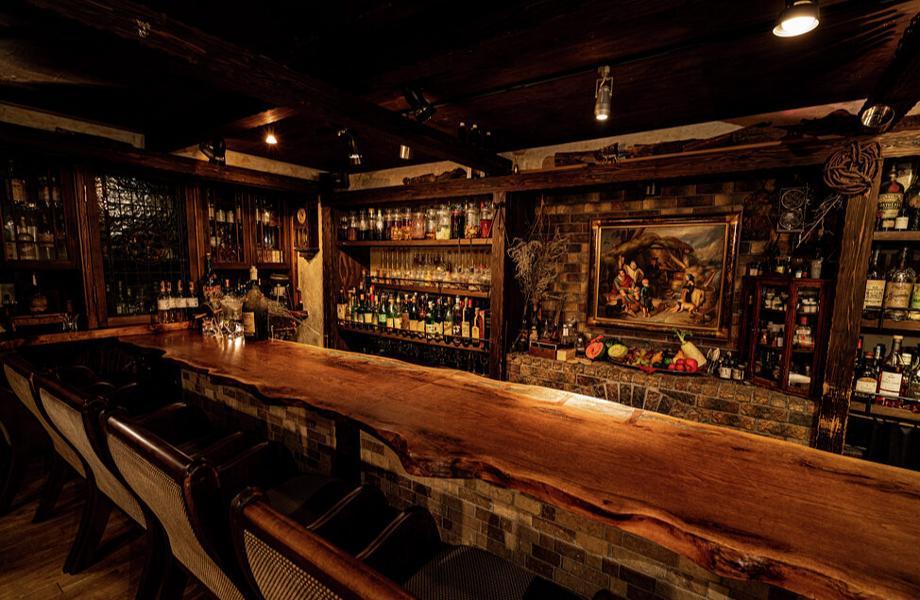
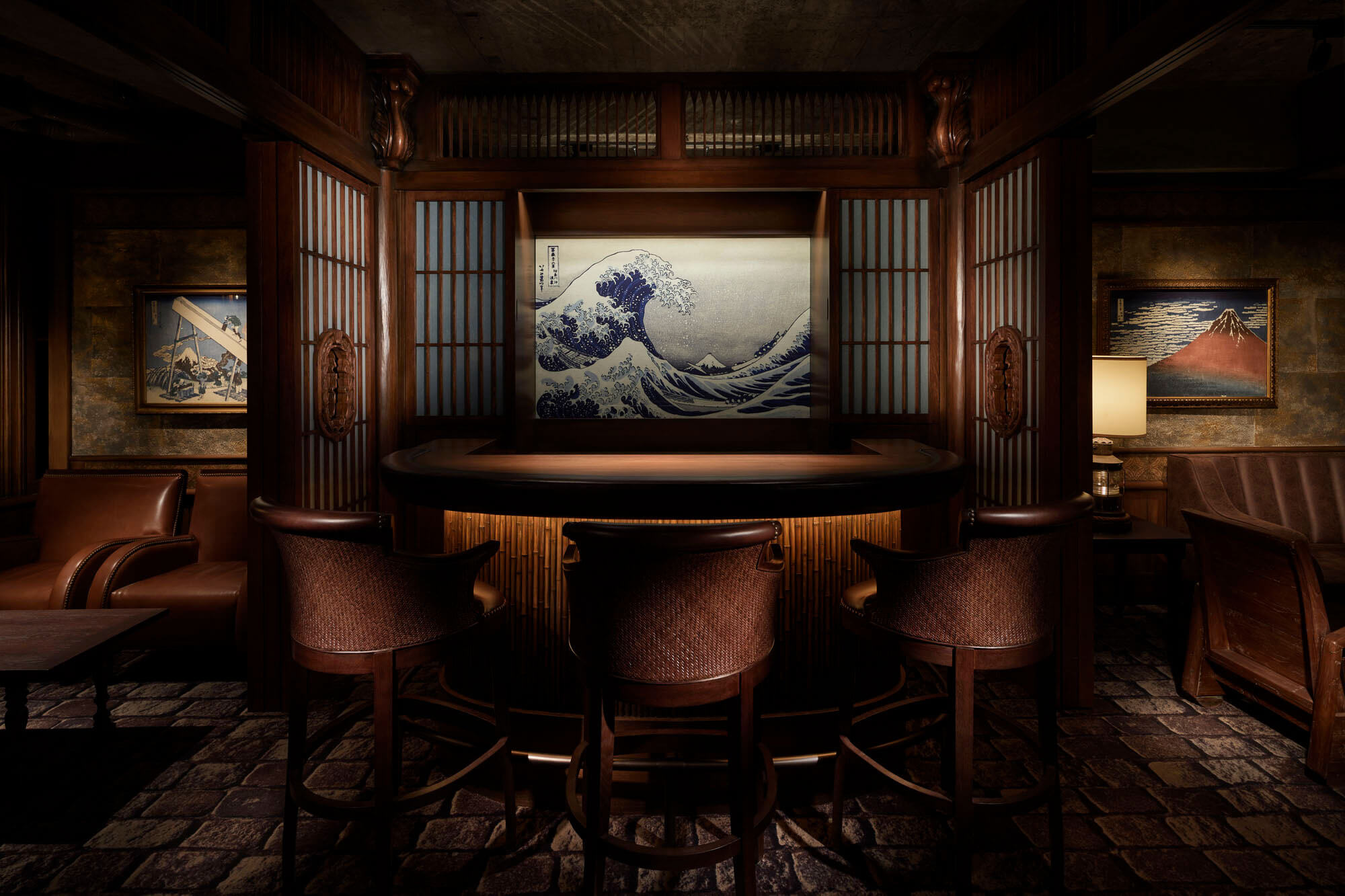
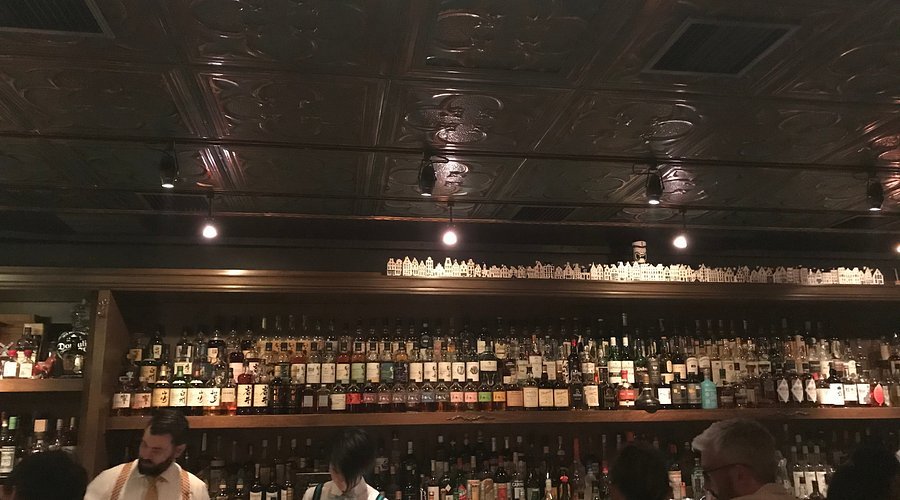
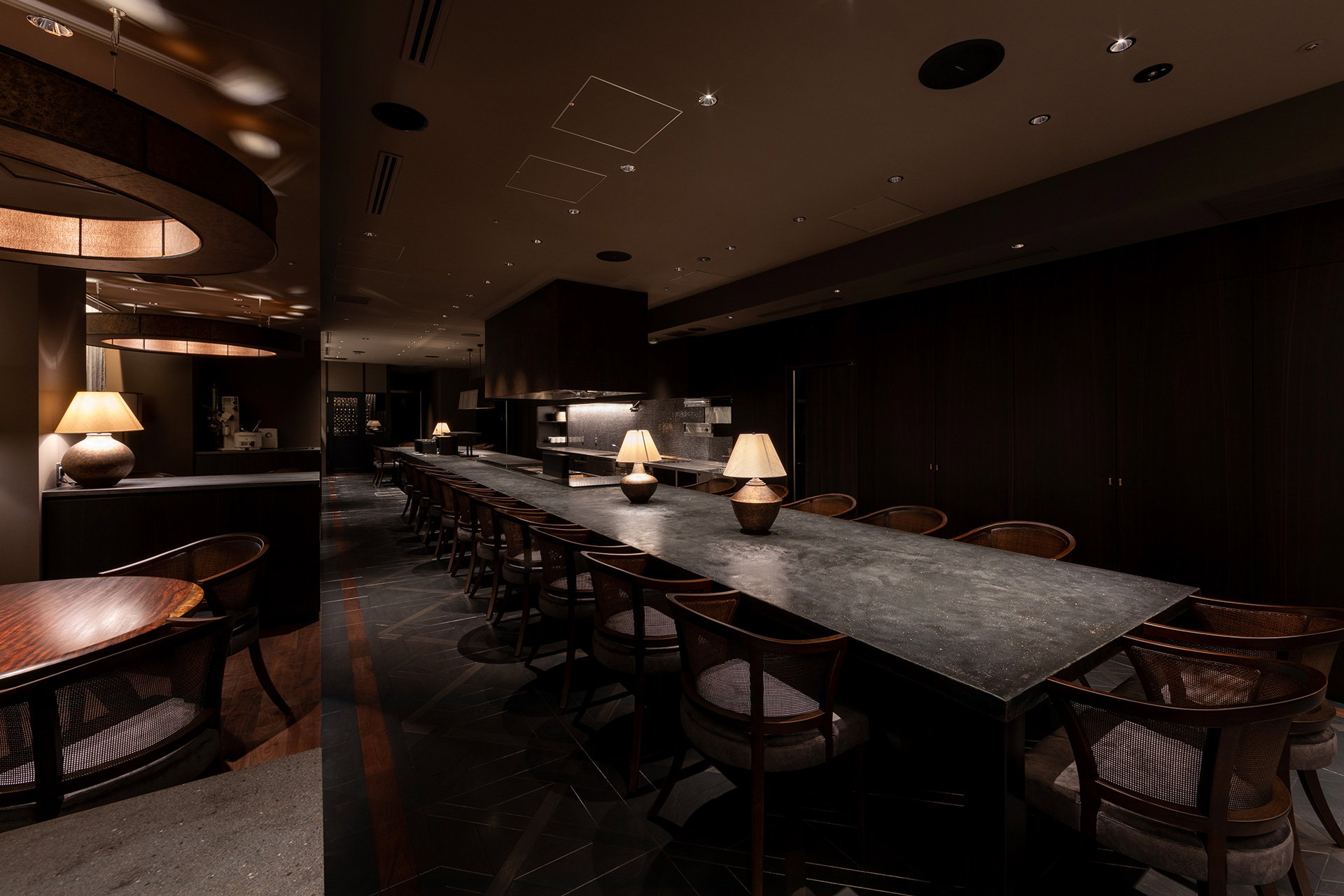
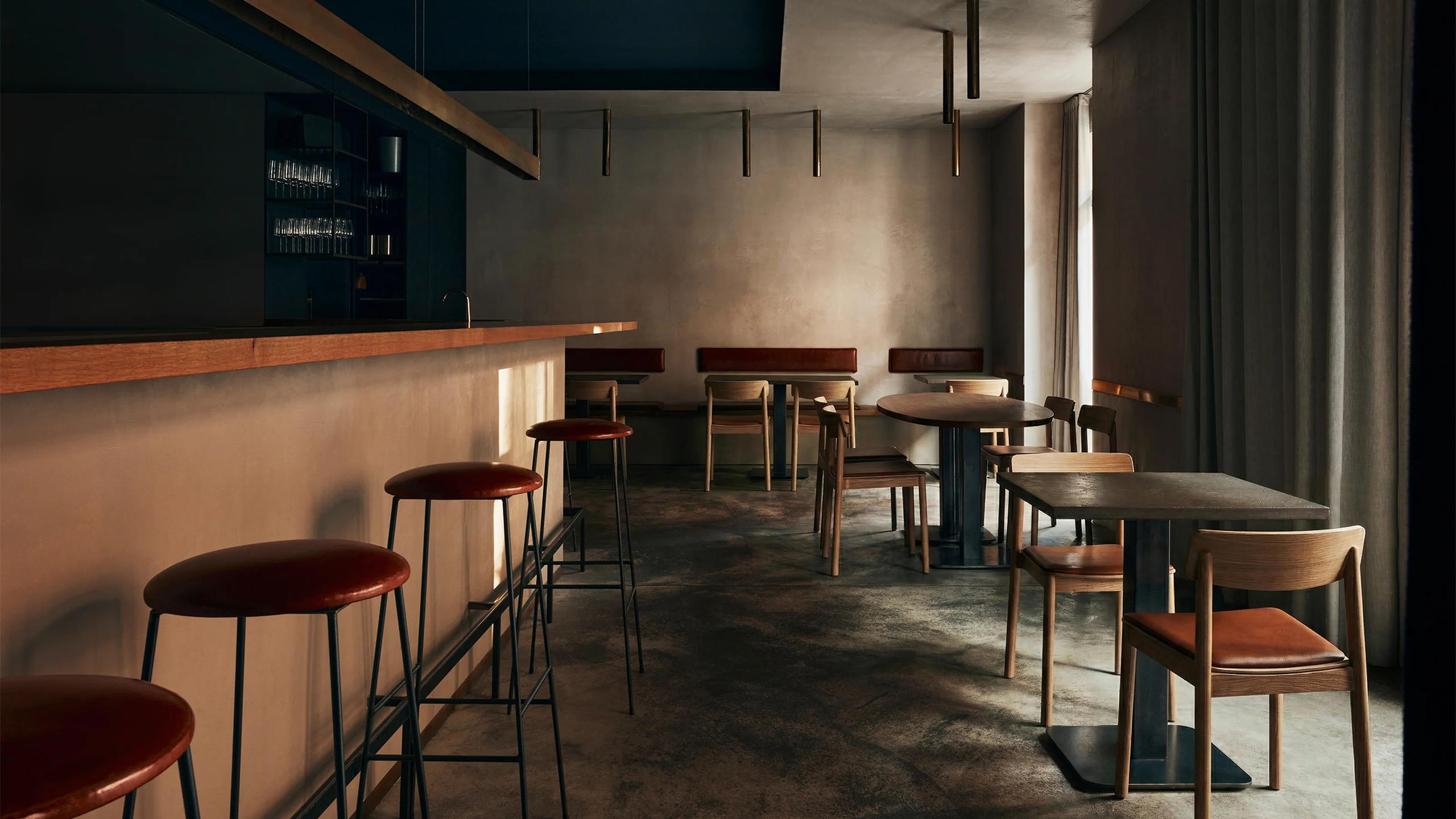
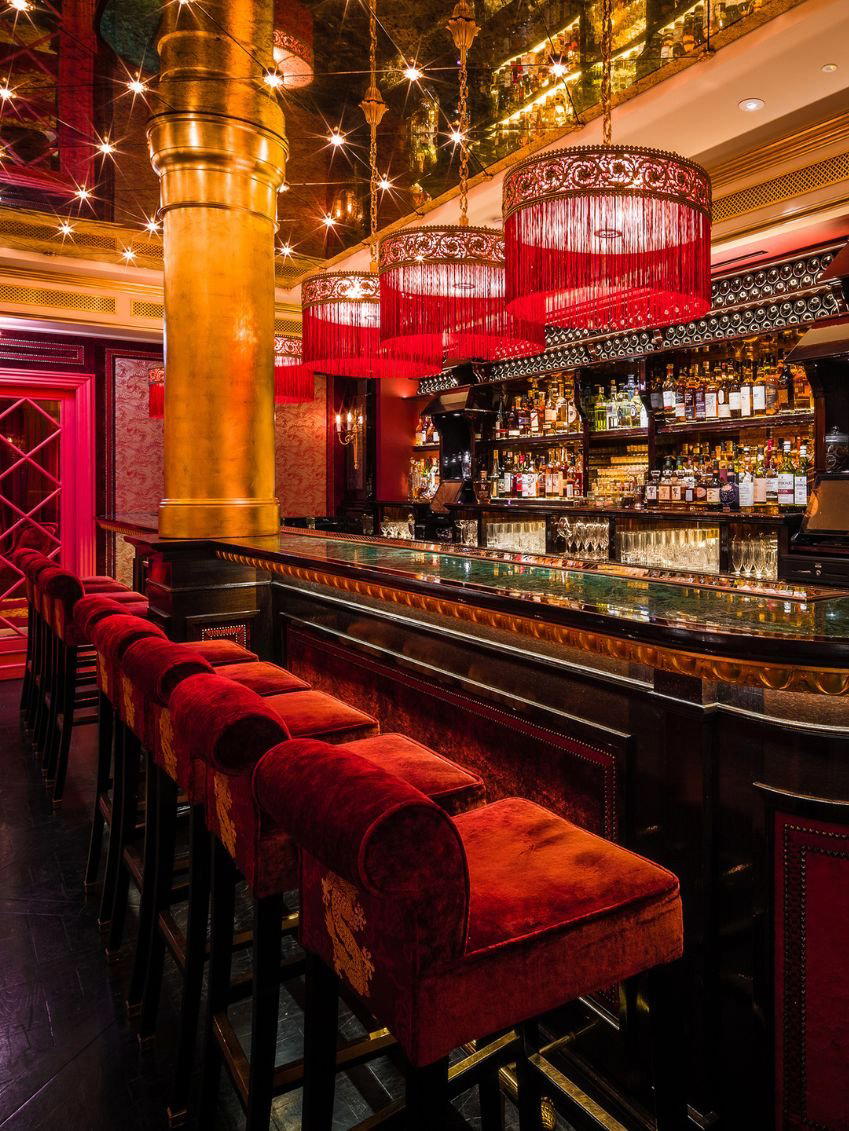
La Nuit Blanche sits beneath Ginza’s glossy surface and cultivates an intentionally hushed, tightly curated atmosphere. The descent into basement B101 signals a shift from retail spectacle to a small, disciplined drinking room where conversation matters and anonymity is scarce. It reads as part of Tokyo’s older tradition of tucked-away bars: low-capacity, attentive service and a focus on relationship over spectacle. The bar centers wine instead of technique-driven cocktails, so the mood is more reflective and classic than theatrical. Patrons encounter a refined, discreet environment where the quiet is by design and the experience feels purposefully intimate.
Best For
This place suits low-key, attentive evenings: date nights, small celebrations and deliberate after-dinner drinking where wine discovery is the point. With only eighteen seats, La Nuit Blanche rewards repeat visits and one-on-one conversation rather than rowdy groups. It’s a choice spot for couples and pairs who value privacy and expert recommendations, and for wine-minded guests who prefer a curated selection over an exhaustive list. Because the space is compact and the service is personal, larger groups or noisy gatherings aren’t a good fit; the bar is built for slow, considered evenings.
Ordering Tips
La Nuit Blanche presents wine as its primary language, and the selection is curated rather than comprehensive. Expect knowledgeable service and a relationship-driven bar dynamic—lean on the barman for guidance rather than arriving with a hard agenda. Ask for recommendations that match your mood or a short story about the bottle; small capacity means the team is set up to guide choices. Since the venue is not a cocktail den, prioritize by-the-bottle or by-the-glass wine exploration and treat the visit as a tasting-focused, conversational experience rather than a high-volume drinking session.
Venue details
Ambiance
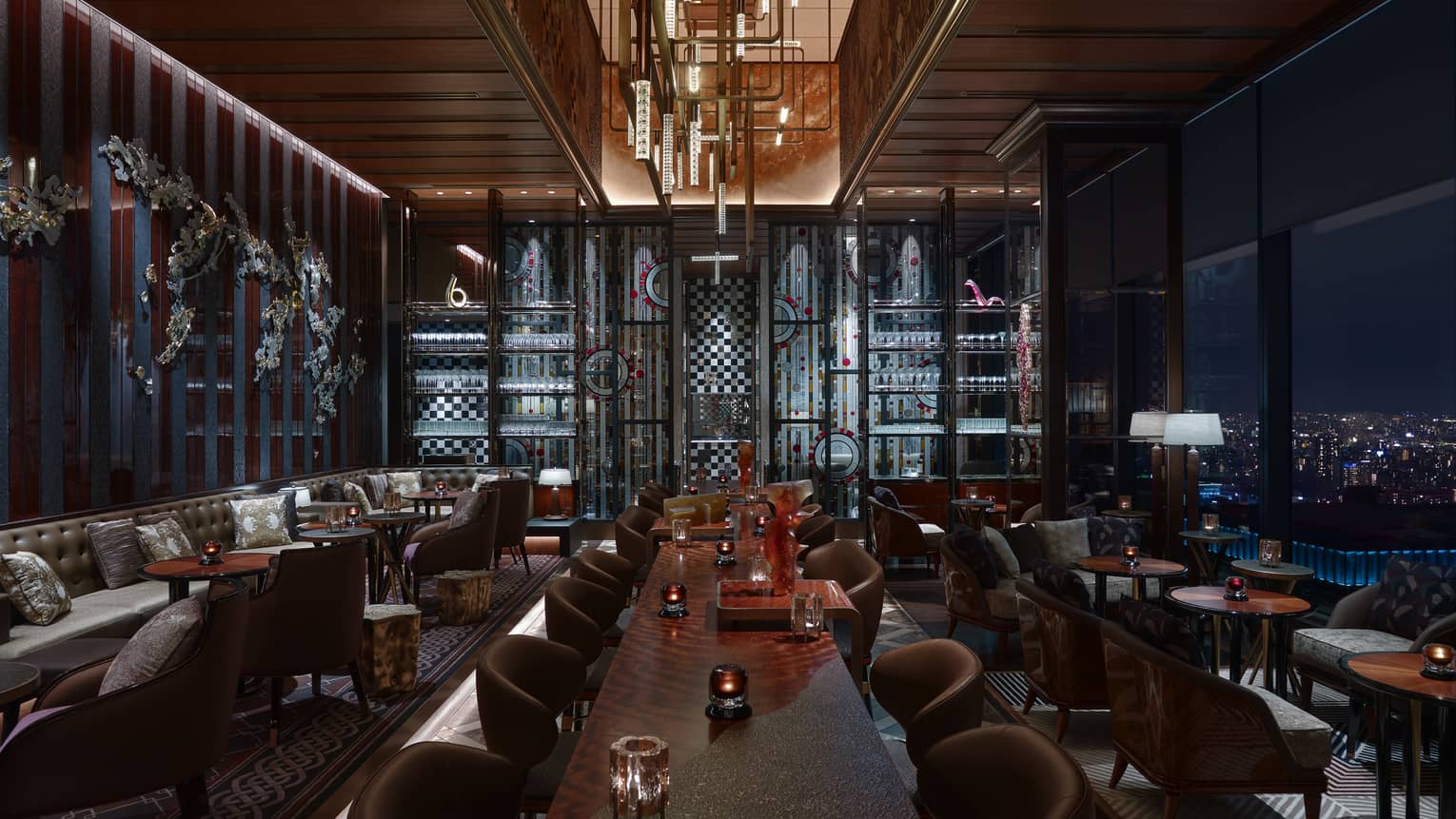
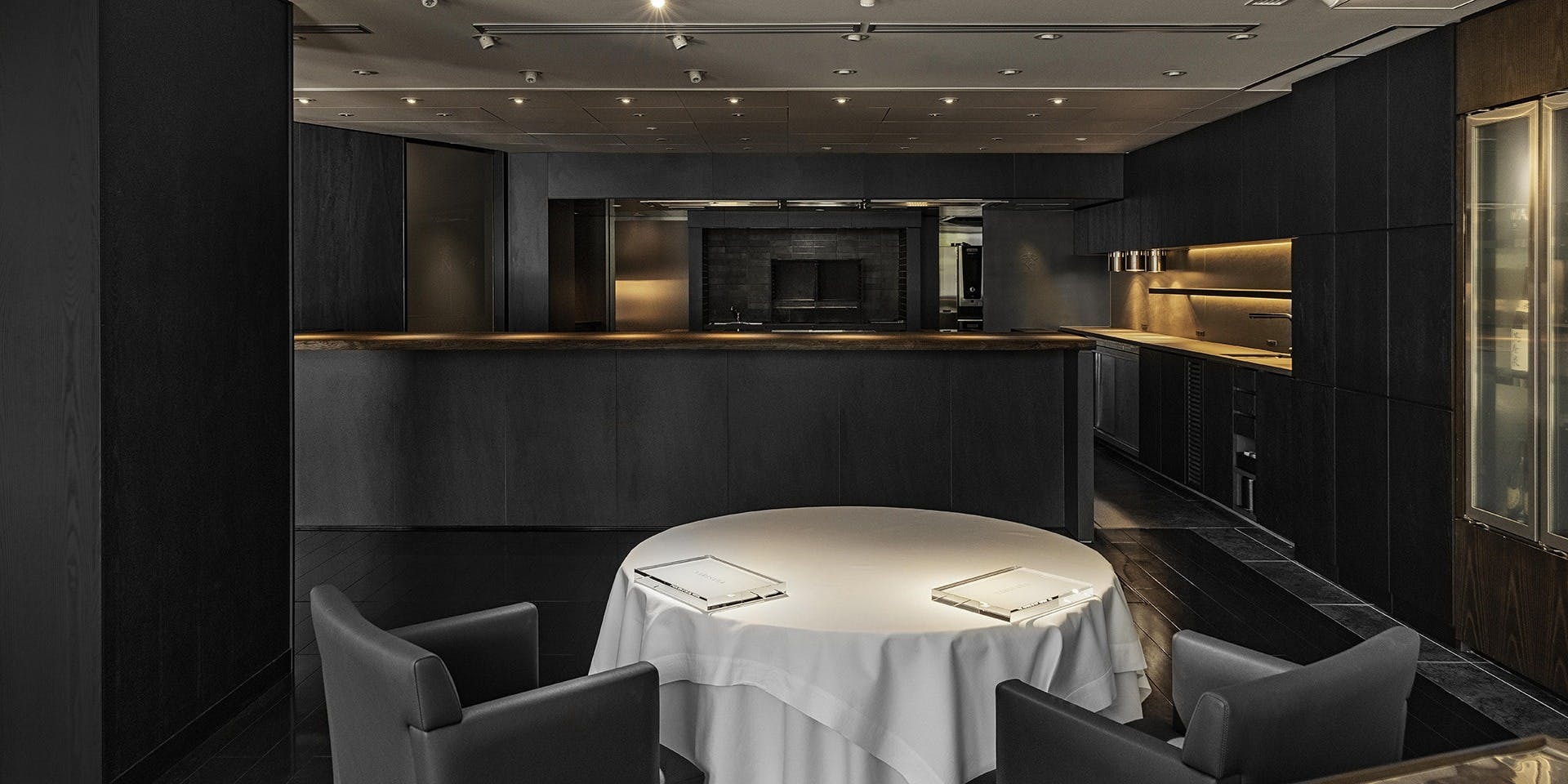
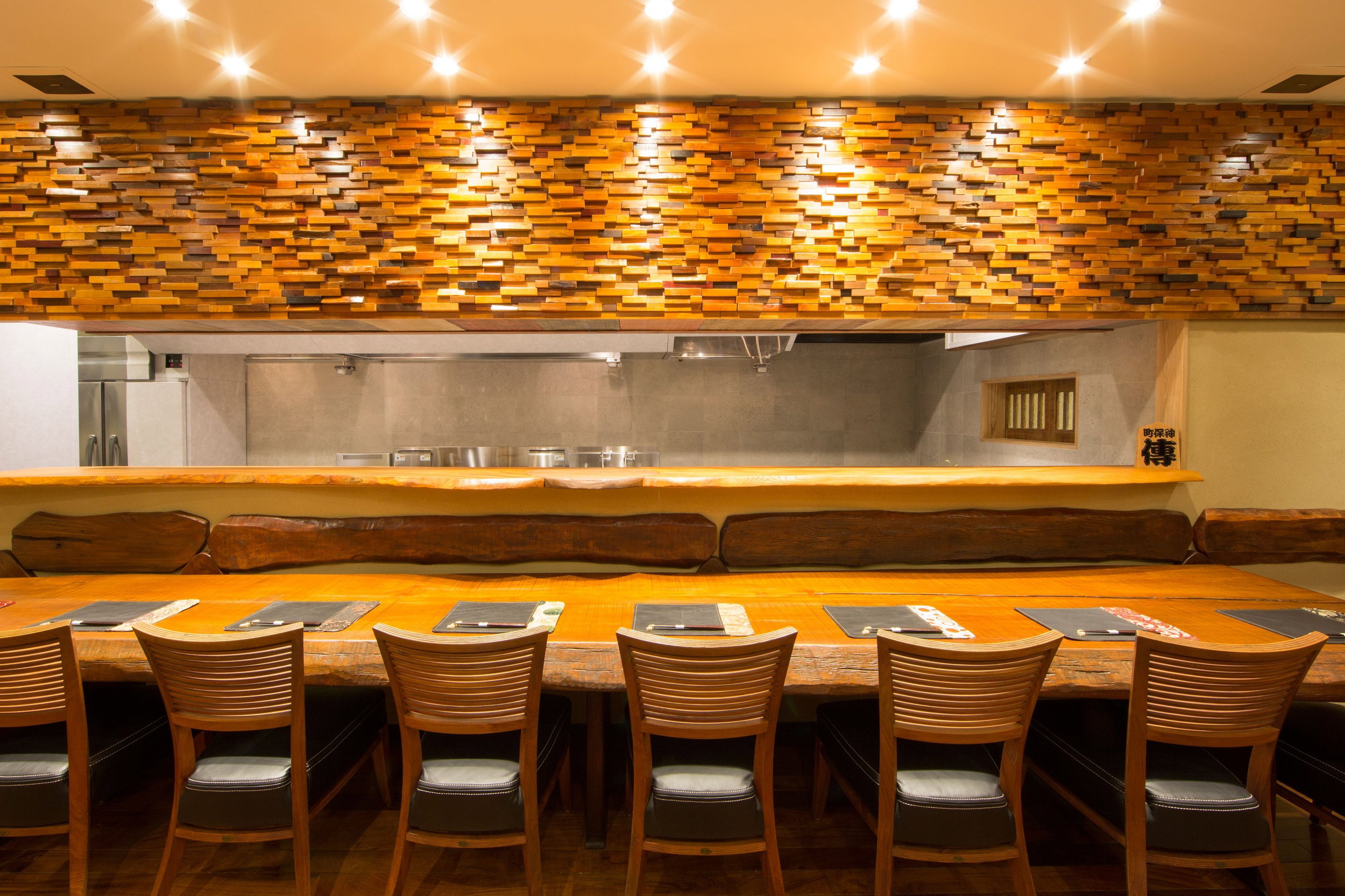
Cozy and relaxing with stylish, intimate underground space isolated from Ginza's bustle, featuring counter seating and private rooms.
Tags
Vibe
Best For
Experience
Format
At the Bar
- Bar Category
- Wine Bar
- Late Night
- Open Until 2am
Know before you go
Know Before You Go
- Getting there
- Japan, 〒104-0061 Tokyo, Chuo City, Ginza, 7 Chome−2−8 TOKEN building, B101 地下1階 です。ピンの指し示す位置に店はありますがグーグルマップのナビゲーションを使うと間違った場所に誘導しますので使わないでください。
Planning details
Location
Japan, 〒104-0061 Tokyo, Chuo City, Ginza, 7 Chome−2−8 TOKEN building, B101 地下1階 です。ピンの指し示す位置に店はありますがグーグルマップのナビゲーションを使うと間違った場所に誘導しますので使わないでください。 · Directions
Recognition and awards

Also consider
Where to go if this does not fit the night
If wine is not the priority, cross-shop Tender Bar for a classic Tokyo bar experience or Bar Orchard Ginza for a more cocktail-driven Ginza plan.
Bar context
How it compares in Ginza and wider Tokyo
La Nuit Blanche is the wine-focused pick in this set. Choose it over Bar Orchard Ginza if the group wants bottles and conversation rather than fruit-led cocktail performance. Pick Bar Orchard Ginza instead when the night needs more show and a clearer cocktail identity.
Tender Bar is the better call for classic Japanese bartending; La Nuit Blanche makes more sense when wine is the reason to go. Folklore and Serpent are the comparison set for readers building a bar crawl, but this address has the strongest case when the second stop needs to be calmer and less cocktail-dependent.
Ginza Tsuboyaki-imo is the wildcard rather than a like-for-like substitute. Use it when the night wants a more casual specialty stop; use La Nuit Blanche when the plan needs a proper wine-bar anchor with easier booking.
Explore Tokyo
Around this place
Discover more on Pearl
Unlock the full La Nuit Blanche guide in Pearl, including awards, comparisons, FAQs, planning details, and nearby places.
Compare La Nuit Blanche
| Venue | Location | Awards |
|---|---|---|
| La Nuit Blanche | Tokyo | Star Wine Lists 2026 |
| Folklore | Tokyo | 2024 Asia's 50 Best Bars · #74 |
| Serpent | Tokyo | No published awards |
| Tender Bar | Tokyo | Pearl Recommended Bars |
| Bar Orchard Ginza | Tokyo | 2026 Food & Wine Top 10 Global Bars · #22020 World's 50 Asia's Best Bars · #412019 World's 50 Asia's Best Bars · #282018 World's 50 Asia's Best Bars · #372017 World's 50 Asia's Best Bars · #252016 World's 50 Asia's Best Bars · #37Pearl Recommended Bars |
| Ginza Tsuboyaki-imo | Tokyo | No published awards |



How La Nuit Blanche Tokyo compares with similar nearby venues.
FAQ
Frequently Asked Questions
Does La Nuit Blanche have happy hour deals?
Happy hour information for La Nuit Blanche is not available. It offers a Tokyo location, smart-casual dress code, hours from 6 PM–2 AM Monday through Saturday, Sunday closure, and Star Wine List recognition for 2026.
What's the best time to go to La Nuit Blanche?
La Nuit Blanche is an evening and late-night option: it is open from 6 PM to 2 AM Monday through Saturday and closed on Sunday. Lunch service is not available.
Is La Nuit Blanche open late?
Yes. La Nuit Blanche is open until 2 AM Monday through Saturday and is closed on Sunday.