
Cellar Door Aoyama
Minato, Tokyo
Bar in Tokyo, Japan
 Book with Pearl
The Read
Price
$100–150per person
Why go
Book Cellar Door Aoyama when the plan is a wine-led drink in Minamiaoyama, not a high-energy cocktail night or a food-first reservation. The 2026 Star Wine List recognition gives it a clear reason to pick it over a generic bar, and the easy booking profile makes it useful for short-notice Aoyama plans.
About Cellar Door Aoyama
Cellar Door Aoyama is a Tokyo venue with a simple set of planning details: it is closed on Monday, open Tuesday through Sunday from 11 AM to 10 PM, and lists a smart casual dress code. It also has Star Wine List recognition for 2026. Beyond those points, specific details such as cuisine, pricing, seating, menu format, and service style are not available, so plans should stay flexible.
Use the confirmed information as the basis for deciding whether it fits your visit. The 11 AM to 10 PM schedule makes it possible to consider Cellar Door Aoyama during the day or evening from Tuesday through Sunday, while Monday is not an option. The Star Wine List recognition is the clearest public signal available, but other details should be checked directly with the venue before making a more specific plan.
Tokyo planning notes for Cellar Door Aoyama
For someone comparing options in Tokyo, Cellar Door Aoyama is best evaluated on the details that are actually confirmed: hours, dress code, and Star Wine List recognition. If the plan needs a different kind of stop, other names to consider include no.501, THESE, Café Kitsuné Aoyama, Bonobo, and The Top. Cellar Door Aoyama makes the most sense when its schedule and smart casual tone fit the occasion.
Because price, menu, cuisine, seating count, and booking difficulty are not available here, it should not be treated as a fully documented dining or group-planning choice from this page alone. If those details matter, confirm them with the venue before building the rest of the itinerary around it.
Plan the visit around confirmed basics
The practical play is to plan around the hours: closed Monday, open 11 AM to 10 PM Tuesday through Sunday. For broader Tokyo planning, use our full Tokyo bars guide, then compare other listed options such as The Top, Bonobo, no.501, THESE, and Café Kitsuné Aoyama.
If the visit expands beyond this stop, split the planning by category: our full Tokyo restaurants guide, our full Tokyo hotels guide, our full Tokyo wineries guide, and our full Tokyo experiences guide. For anything involving food, pricing, seating, or reservations at Cellar Door Aoyama, check the venue directly because those specifics are not available here.
Planning details
- Location
- Japan, 〒107-0062 Tokyo, Minato City, Minamiaoyama, 2 Chome−27−18 パサージュ青山 2F
- Reservations
- Book on TableCheck
- Website
- cellardoorfinewine.jp
- Phone
- +81 3-6804-5200
The take
The Take
The Vibe
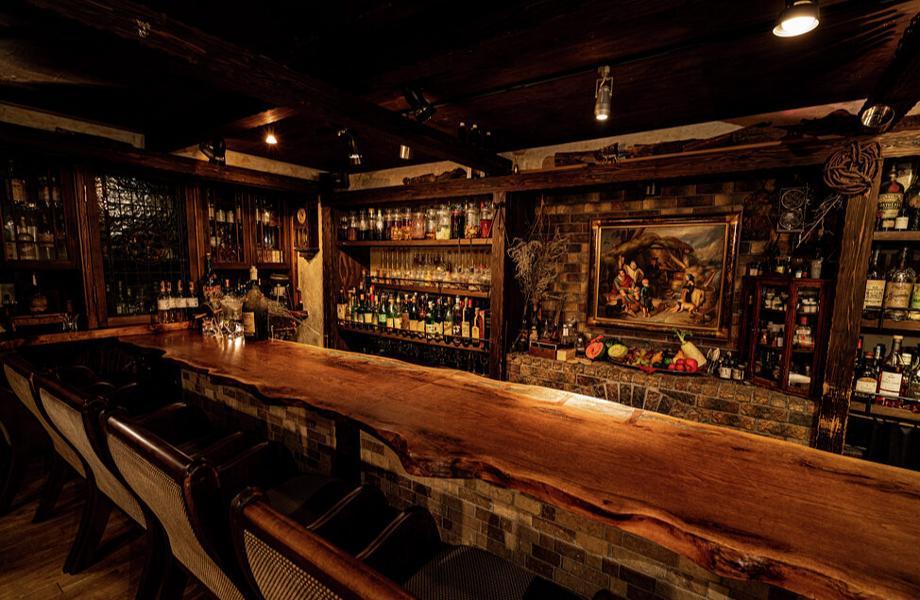
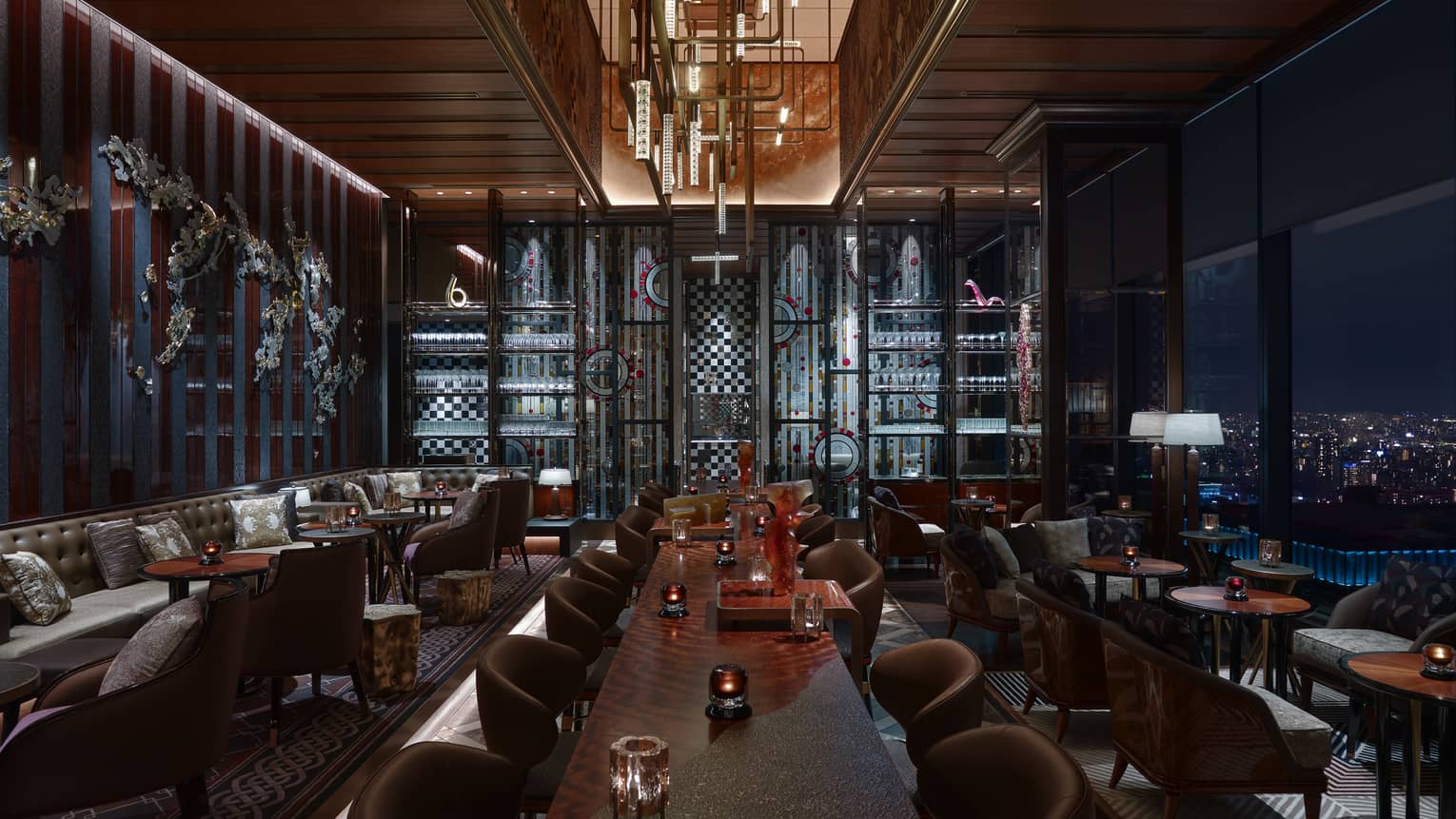
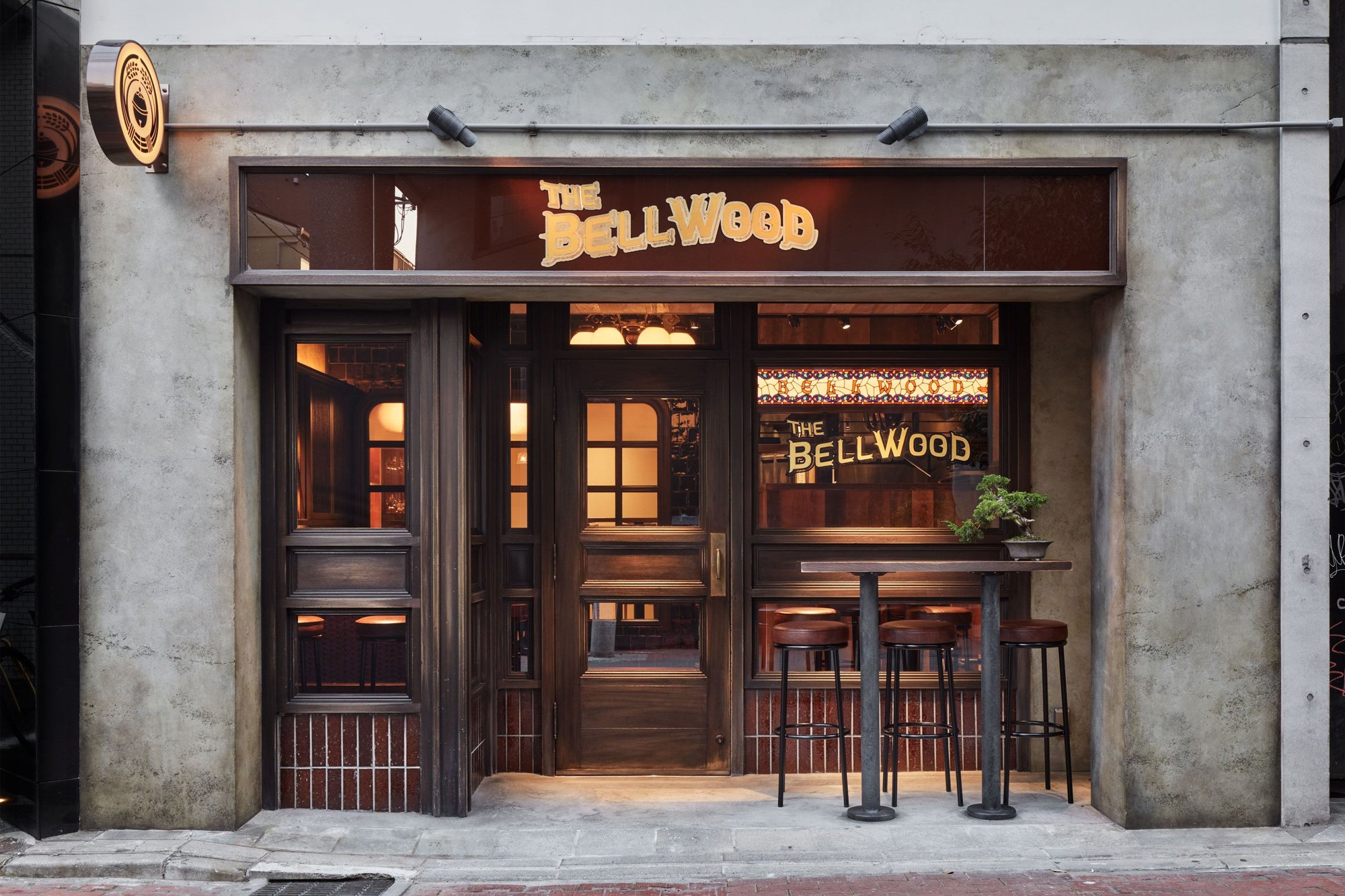
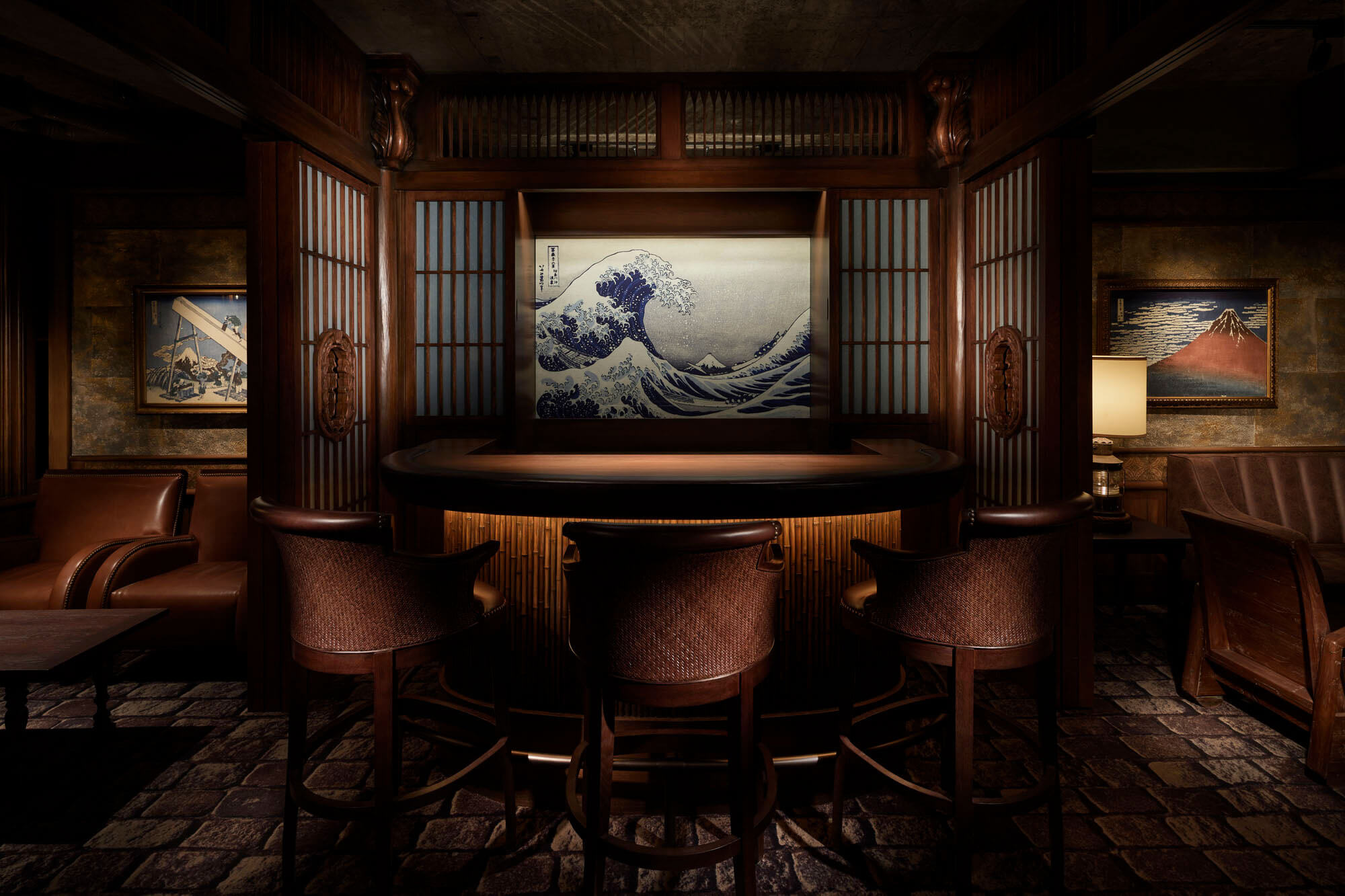
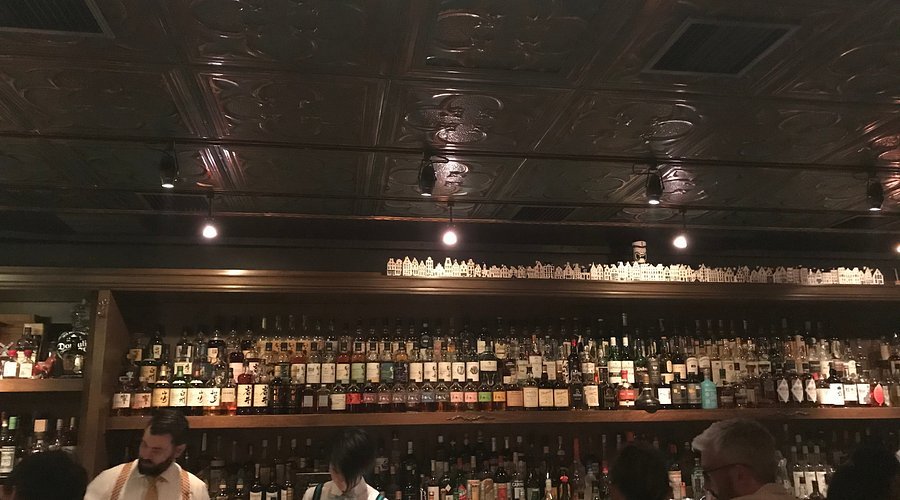
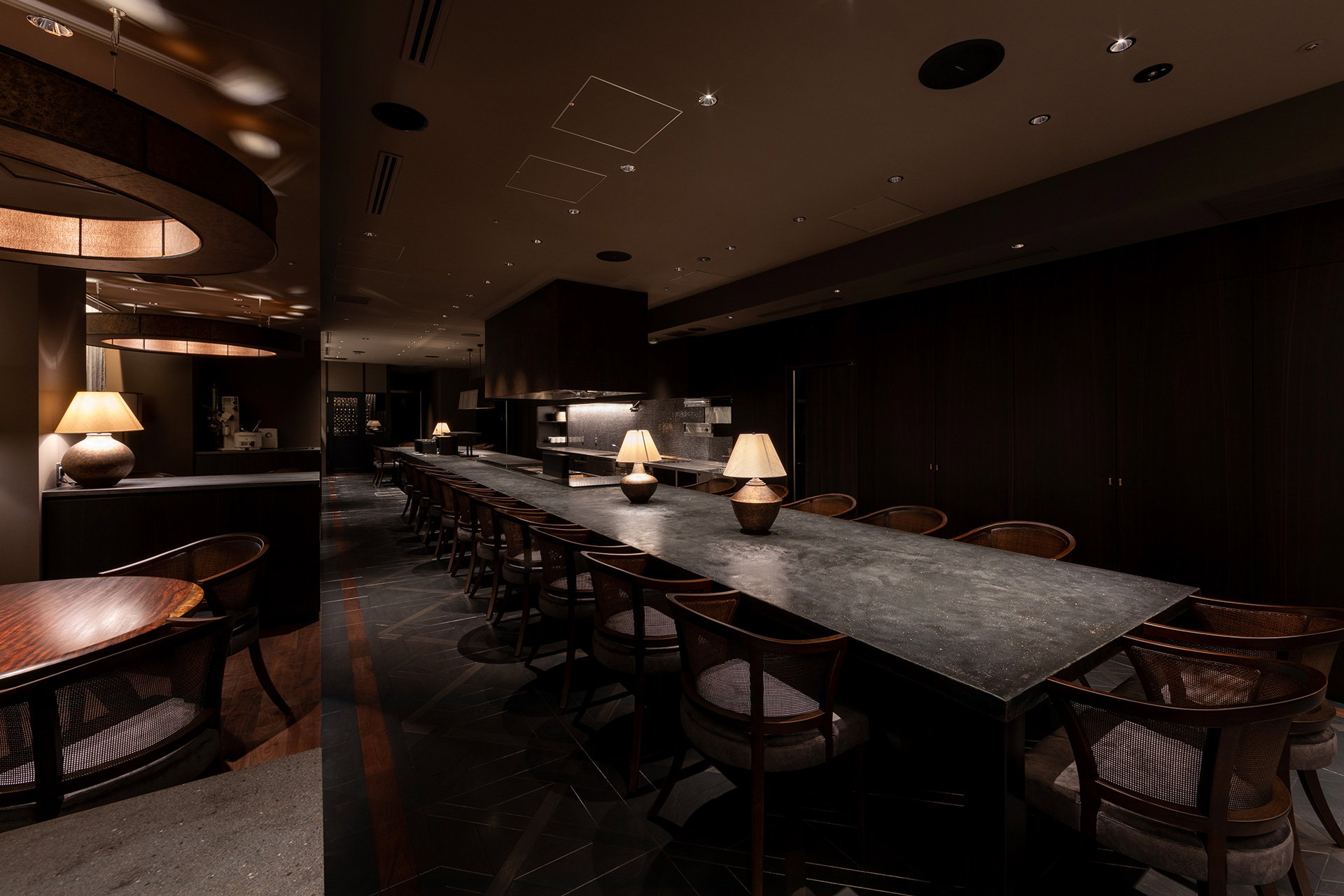
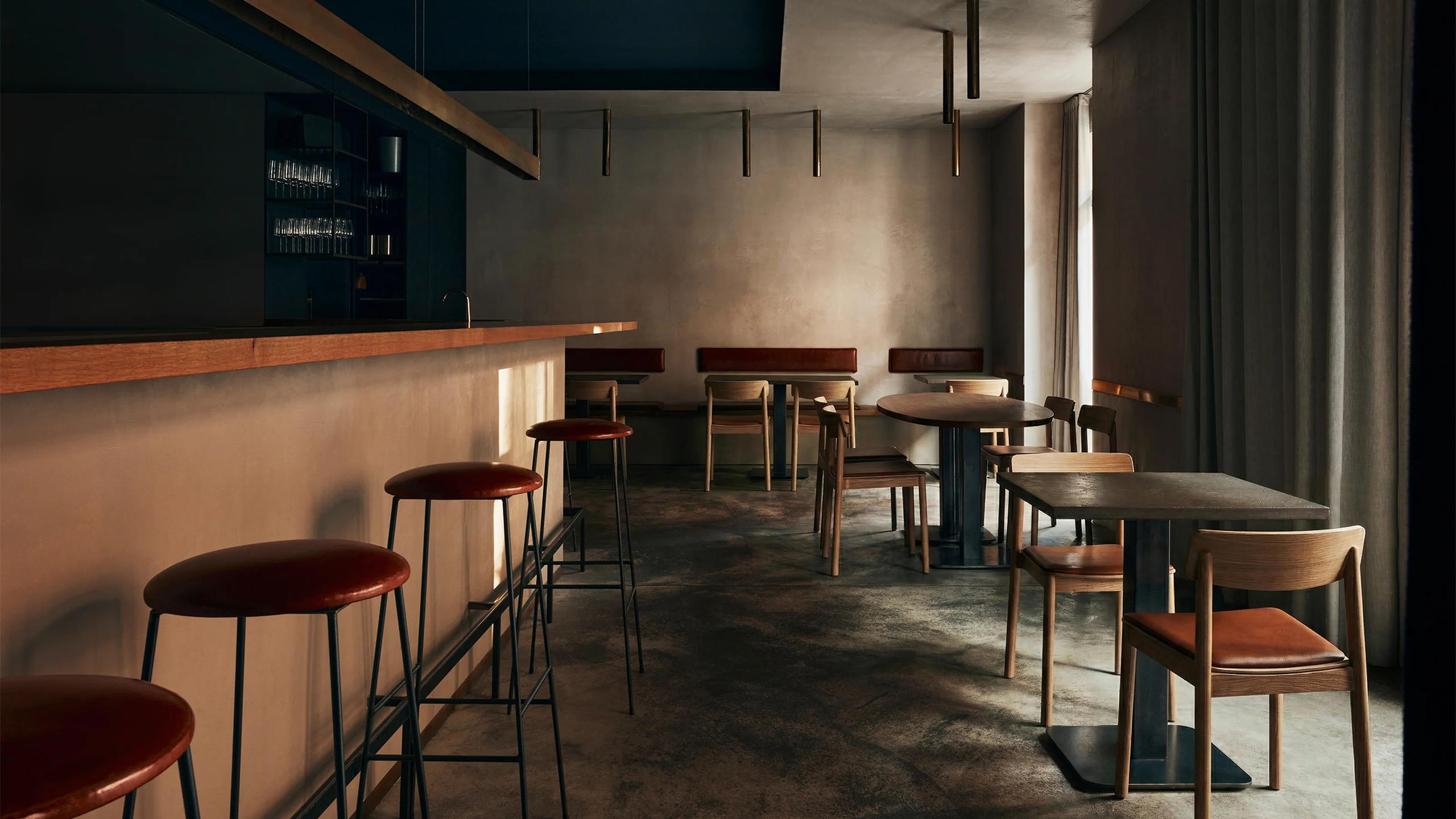
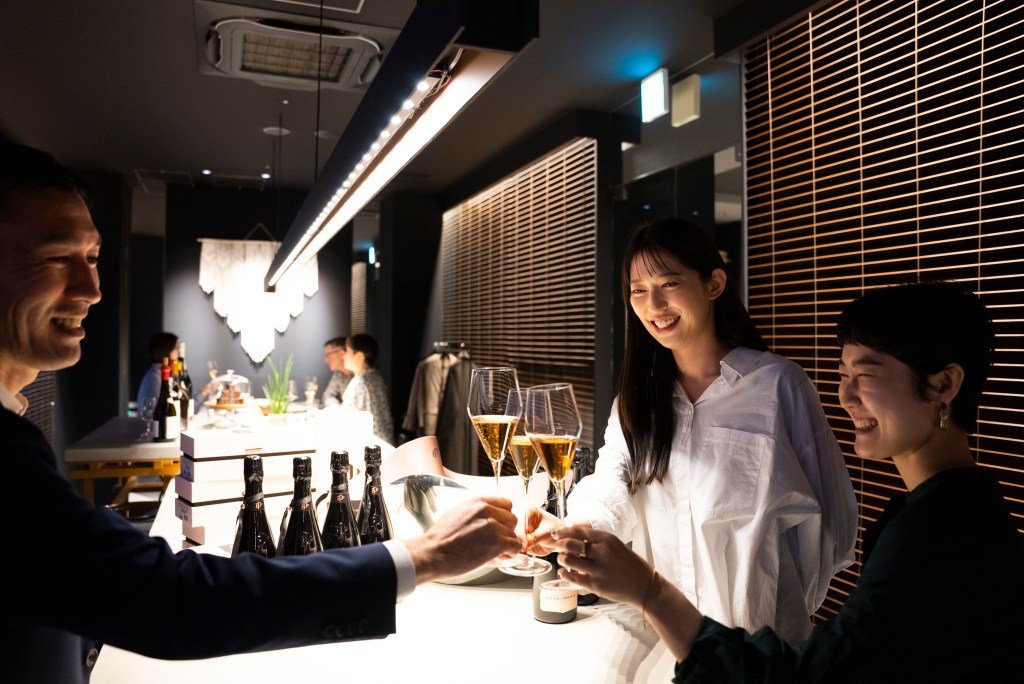
Cellar Door Aoyama occupies a discreet second-floor room in Minami-Aoyama, leaning into Tokyo’s tradition of vertical, quietly curated drinking spaces. The bar’s name and the attention paid to presentation signal a classic, considered sensibility: everything reads as intentionally framed. The write-up stresses removal from street traffic and a clientele used to seeking out rooms that reward the effort—so the mood skews calm and refined rather than boisterous. With a focus on wine curation and an emphasis on aesthetic register, the bar presents as a quietly charming, romantic spot for those who appreciate measured, well-styled interiors.
Best For
This is a venue built around deliberate encounters with wine and atmosphere, making it a natural pick for date nights and special occasions. The Star Wine List award underscores a depth and coherence to the wine program that appeals to people who treat a night out as an occasion. Guests who enjoy slow, focused evenings—where the list and presentation matter as much as company—get the most from the experience. The room’s upstairs, tucked-away placement in Aoyama also suits anyone looking to escape street-level bustle for a more private, composed evening.
Ordering Tips
Let the award-winning wine list guide your choices: the Star Wine List recognition highlights careful curation rather than sheer volume. Approach the selection with an openness to exploration and prioritize coherence—choose wines that fit the list’s editorial logic. Because the bar is framed as a destination for considered drinking, plan to linger and treat bottles or selections as part of the evening’s centerpiece. If you want to lean into the venue’s strengths, arrive prepared to spend time with the list and to follow its thematic through-lines rather than rushing a quick drink.
Venue details
Ambiance
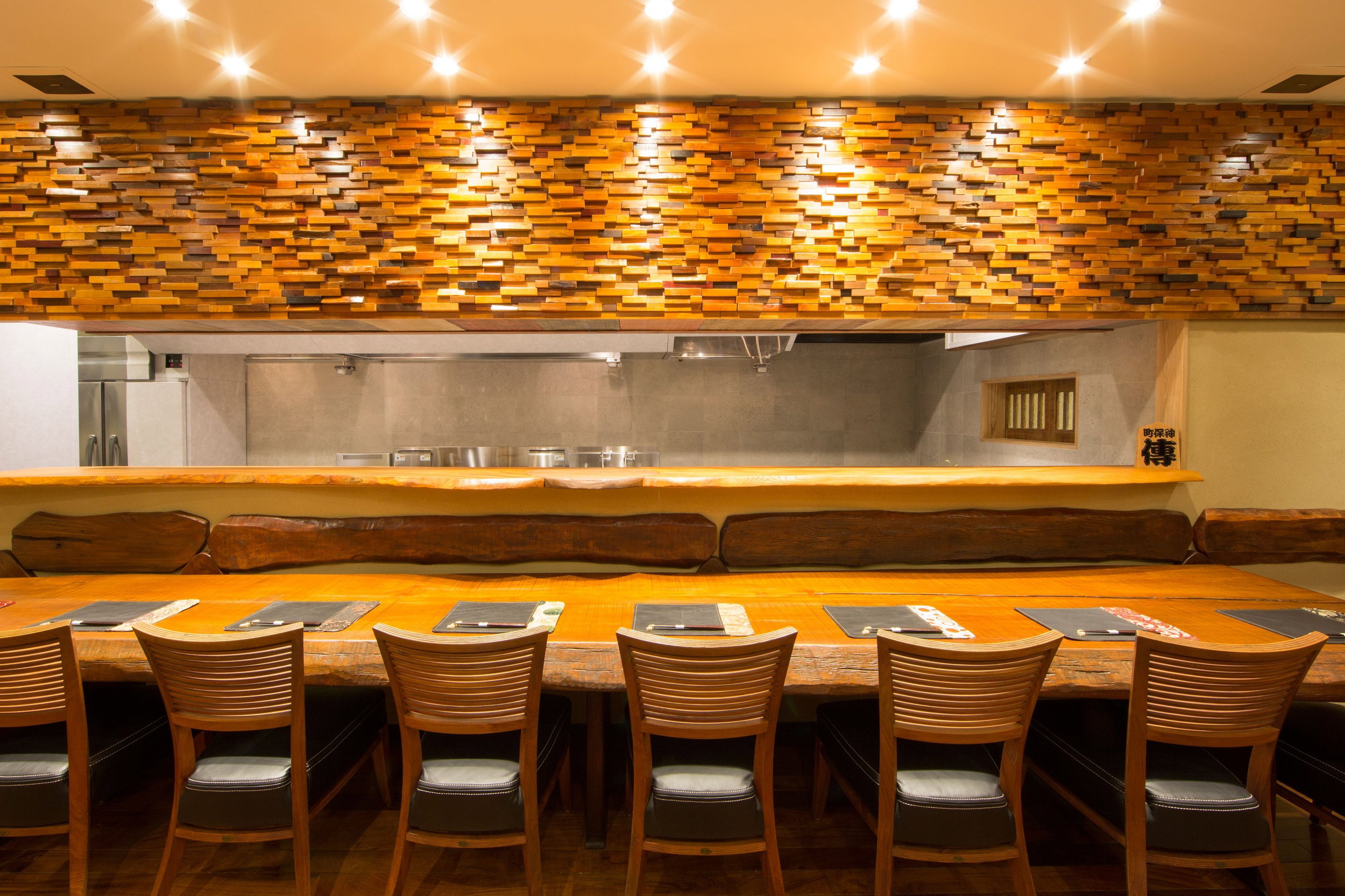
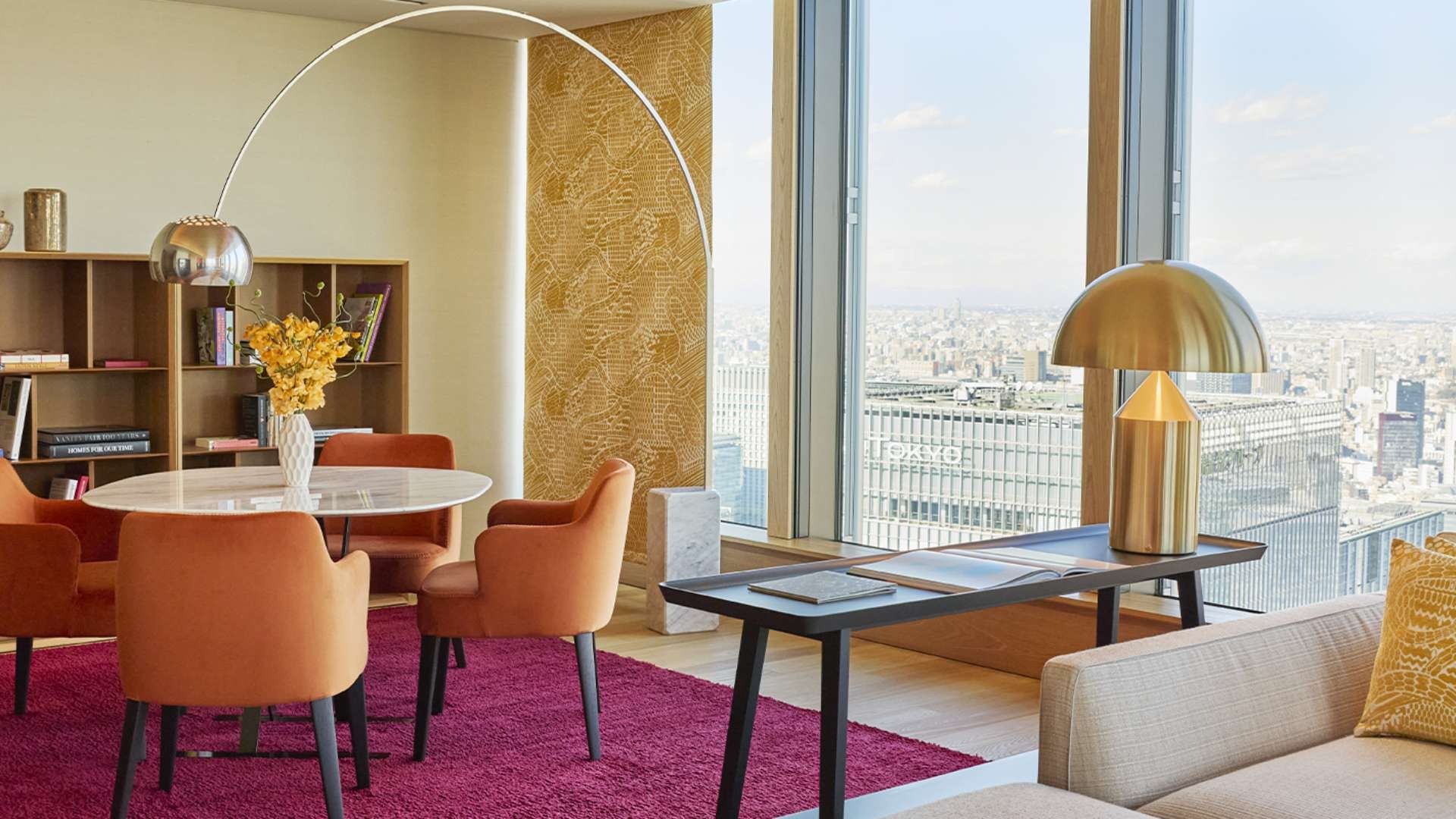
Stylish, relaxing space with counter seating in a beautiful hideout interior.
Tags
Vibe
Best For
Experience
Format
At the Bar
- Bar Category
- Wine Bar
- Late Night
- Closes by Midnight
Know before you go
Know Before You Go
- Getting there
- Japan, 〒107-0062 Tokyo, Minato City, Minamiaoyama, 2 Chome−27−18 パサージュ青山 2F
Planning details
Location
Japan, 〒107-0062 Tokyo, Minato City, Minamiaoyama, 2 Chome−27−18 パサージュ青山 2F · Directions
Recognition and awards

Also consider
Where to go if this is not the right fit
If the group wants a more casual Aoyama stop, choose Café Kitsuné Aoyama. If the plan needs a stronger bar identity, compare no.501 and THESE before committing.
Bar context
How it compares in Tokyo
Choose Cellar Door Aoyama over Café Kitsuné Aoyama when wine is the point rather than a casual café-style meet-up. Café Kitsuné Aoyama is the easier daytime fallback; this is the stronger choice for a more intentional drink in the same broad Aoyama orbit.
Against no.501, THESE, and Bonobo, the decision is format-led. Pick the wine-focused option when the round should feel measured and conversational. Pick the others when the group wants more bar energy, cocktails, or a less wine-specific plan.
The Top. is the better comparison if the night needs a bigger sense of occasion. Cellar Door Aoyama is the easier, lower-commitment Aoyama pick: useful for a date, a second stop, or a short-notice plan where booking friction should stay low.
Explore Tokyo
Around this place
Discover more on Pearl
Unlock the full Cellar Door Aoyama guide in Pearl, including awards, comparisons, FAQs, planning details, and nearby places.
Compare Cellar Door Aoyama
| Venue | Location | Awards |
|---|---|---|
| Cellar Door Aoyama | Tokyo | Star Wine Lists 2026 |
| The Top. | Tokyo | No published awards |
| no.501 | Tokyo | No published awards |
| Café Kitsuné Aoyama | Tokyo | No published awards |
| Bonobo | Tokyo | No published awards |
| THESE | Tokyo | No published awards |
How Cellar Door Aoyama Tokyo compares with similar nearby venues.
FAQ
Frequently Asked Questions
Is Cellar Door Aoyama good for a date?
It may work if the basics fit your plan: Tokyo location, smart casual dress code, Tuesday-to-Sunday hours from 11 AM to 10 PM, and Star Wine List recognition in 2026. Specifics such as seating style, atmosphere, pricing, and menu should be checked directly if those details matter.
What's the crowd like at Cellar Door Aoyama?
The crowd is not specified. What is confirmed is that Cellar Door Aoyama is closed Monday and open from 11 AM to 10 PM Tuesday through Sunday, with a smart casual dress code.
Do I need a reservation at Cellar Door Aoyama?
Reservation requirements are not specified. The confirmed schedule is 11 AM to 10 PM Tuesday through Sunday, with Monday closed, so check directly with Cellar Door Aoyama before visiting if timing is important.
Is the food good at Cellar Door Aoyama?
Food details are not specified. Cuisine type, chef, menu format, and pricing are not part of the confirmed record, so consult the venue directly for current food information.