
Vino Underground
Tbilisi
Bar in Tbilisi, Georgia
 Book with Pearl
Why go
Book Vino Underground if the plan is a late-evening Georgian wine stop in central Tbilisi, not a full dinner or discount-driven bar crawl. Star Wine List recognition gives it a credible wine reason to go, while easy booking makes it useful when plans are loose.
About Vino Underground
Vino Underground is a Tbilisi venue with evening hours and Star Wine List (2026) recognition. It has a casual dress code and opens in the evening, with Monday starting later than the rest of the week. Plan around the confirmed hours rather than assuming a specific dining or bar setup.
For planning, the clearest reason to keep Vino Underground on the shortlist is its Star Wine List (2026) recognition. If you are comparing it with other options, consider the mood and timing you want, then cross-shop Eary, Talani, or Chinari Bar & Lounge before committing.
A practical evening option in Tbilisi
The practical appeal is timing. Vino Underground is open Monday from 8–11 PM and Tuesday through Sunday from 4–11 PM, so it works as an evening stop rather than a lunch or early-afternoon plan. Because seating details are not available, check directly before building a tight schedule around it.
Do not choose it based on assumptions about a full dinner plan, outdoor seating, happy hour, or a specific menu. The grounded use case is simpler: a casual Tbilisi venue with evening hours and Star Wine List (2026) recognition. For broader city planning, compare details across other Tbilisi dining and nightlife options before deciding on the rest of the night.
How to decide if it is the right plan
Pick Vino Underground if the combination of Tbilisi location, casual dress code, evening hours, and Star Wine List (2026) recognition fits your plan. If you want a different mood or a broader night out, compare it with Eary, Talani, or Chinari Bar & Lounge.
Skip it if your group needs details such as confirmed outdoor seating, a posted happy hour, a published price range, or a food-forward reservation. Choose it if the brief is direct: a casual Tbilisi stop with evening opening times and external recognition.
Planning details
- Location
- MRR2+9GQ, 15 Galaktion Tabidze St, Tbilisi, Georgia
- Website
- facebook.com/VinoUnderground
- Phone
- +995 599 08 09 84
The take
The Take
The Vibe
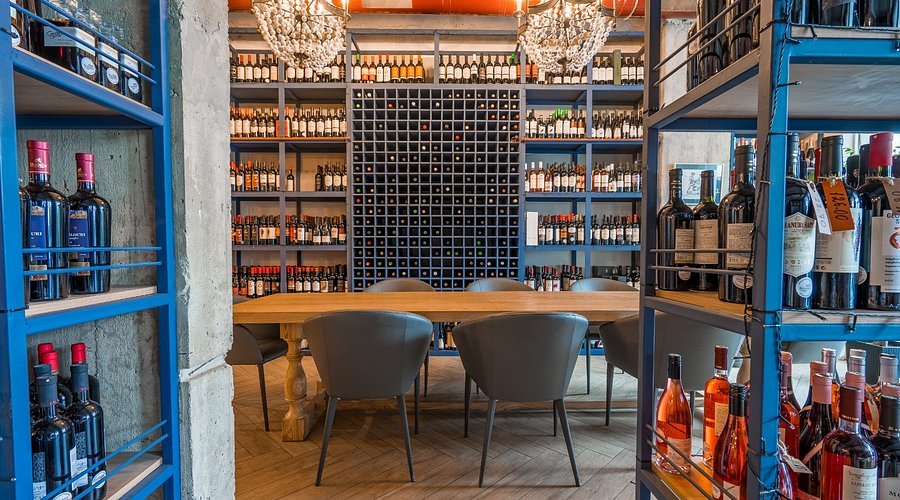
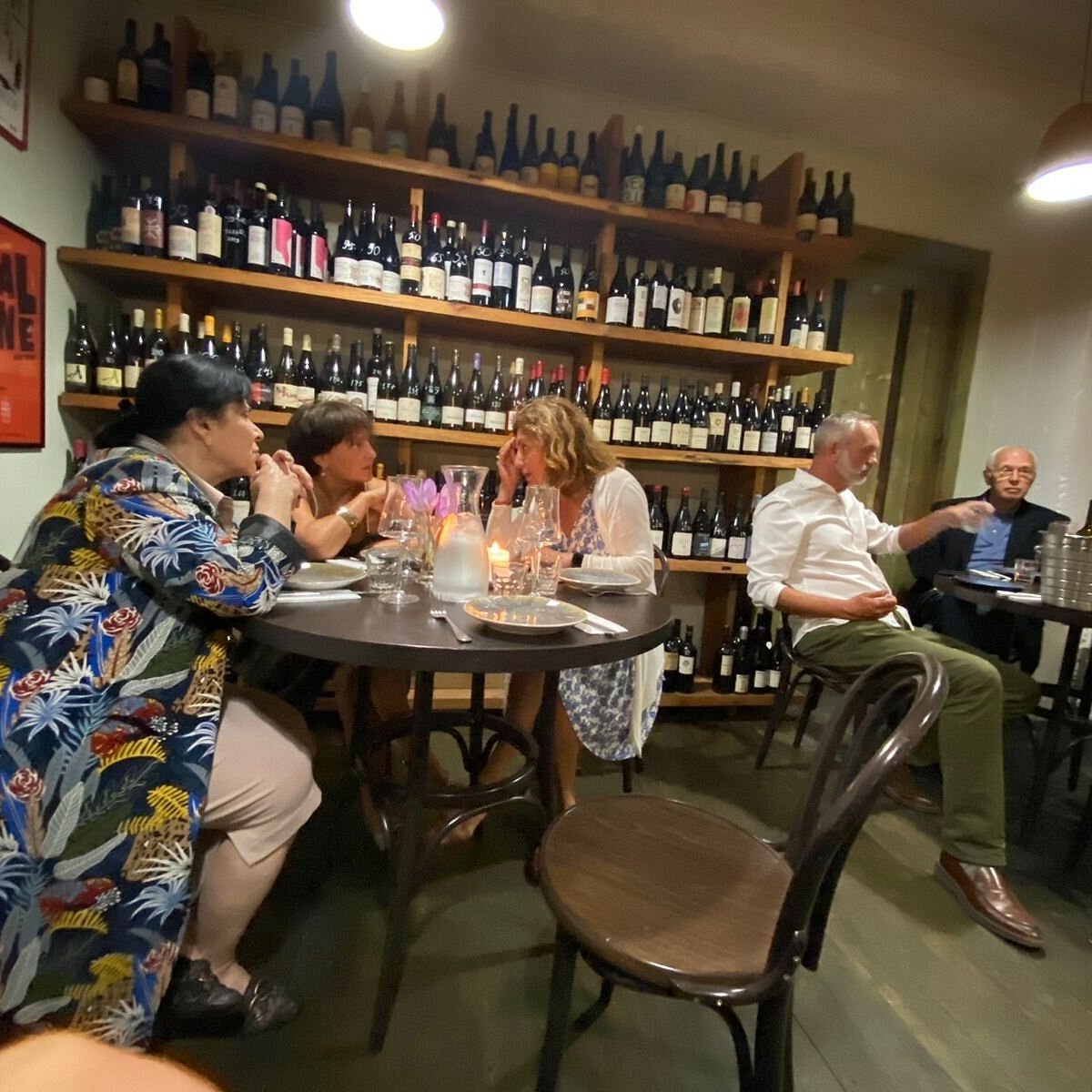
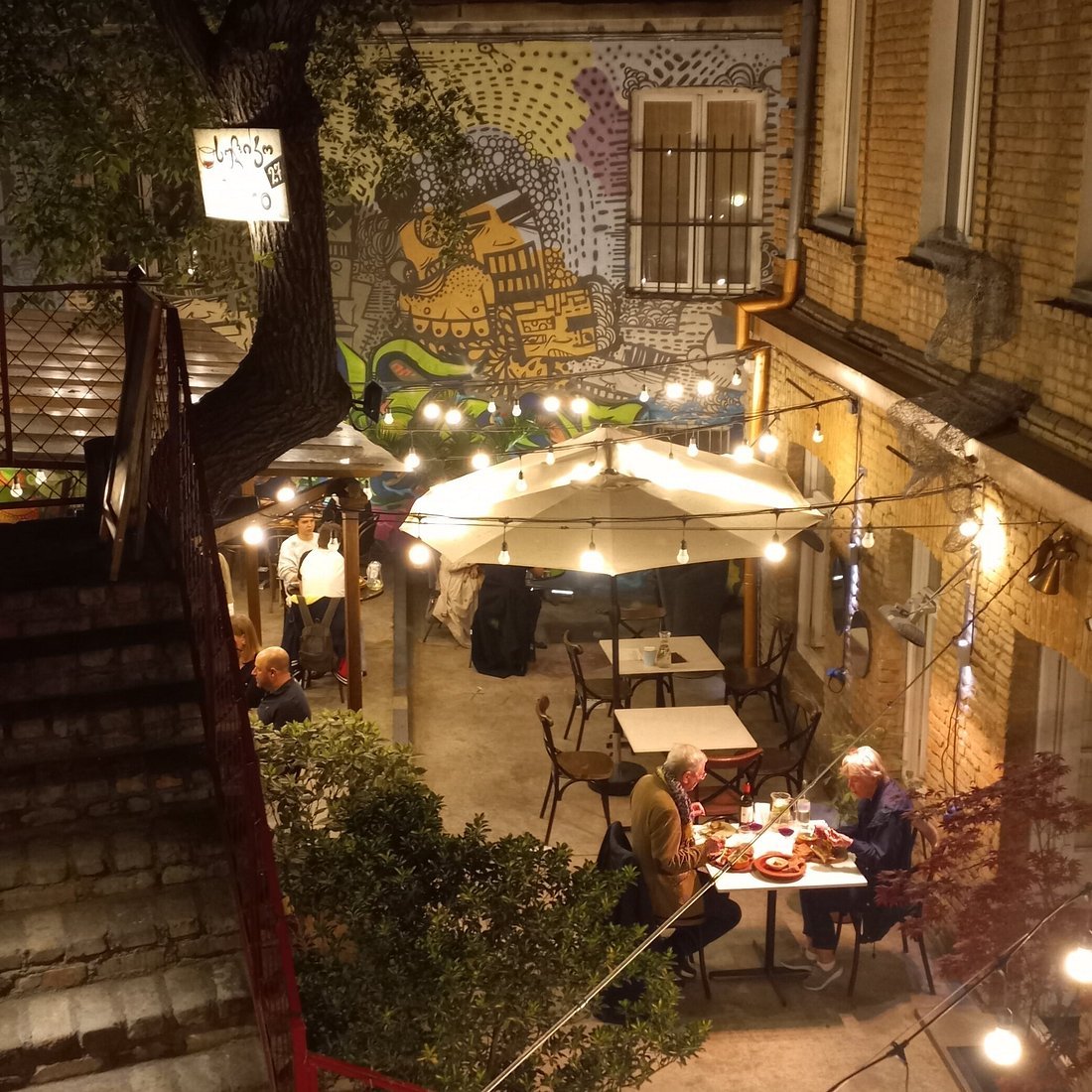
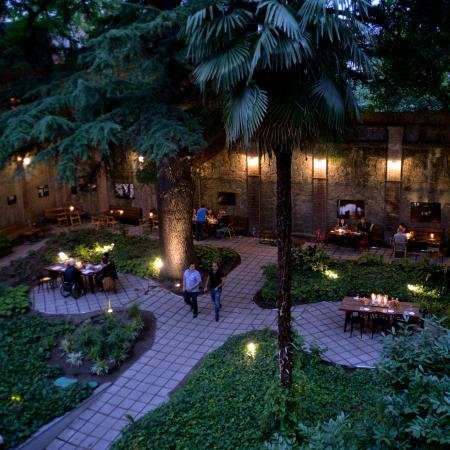
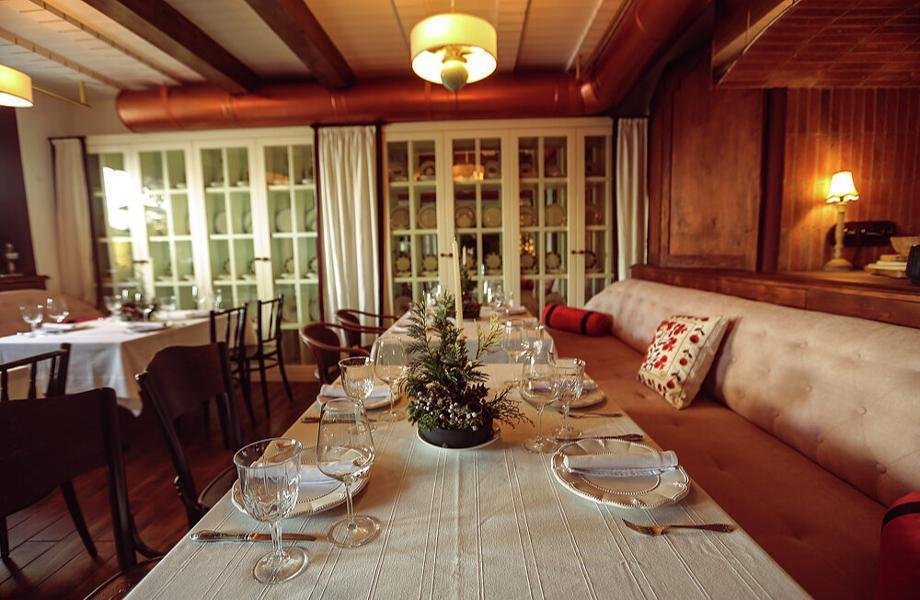
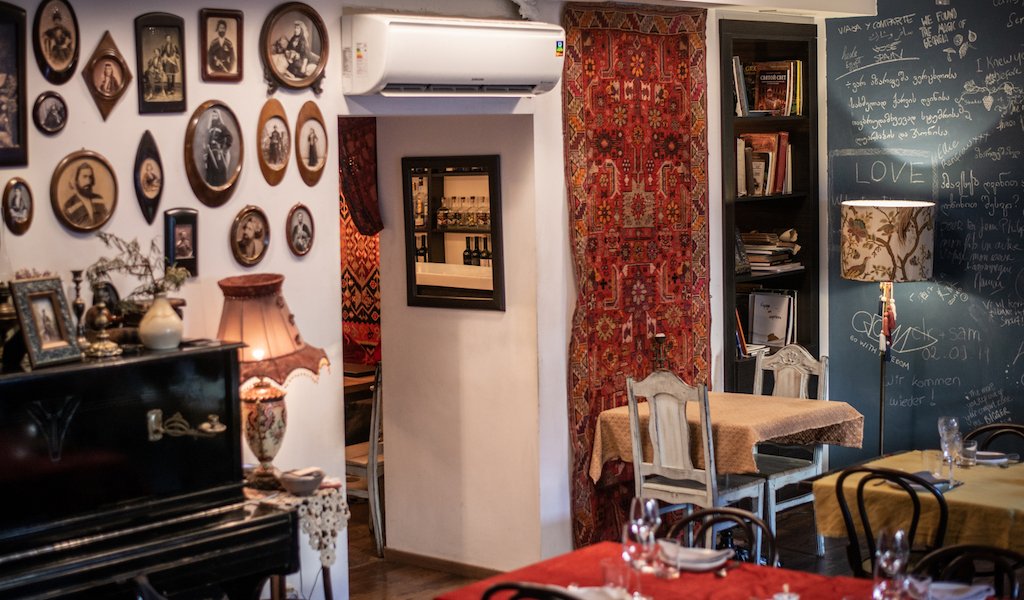
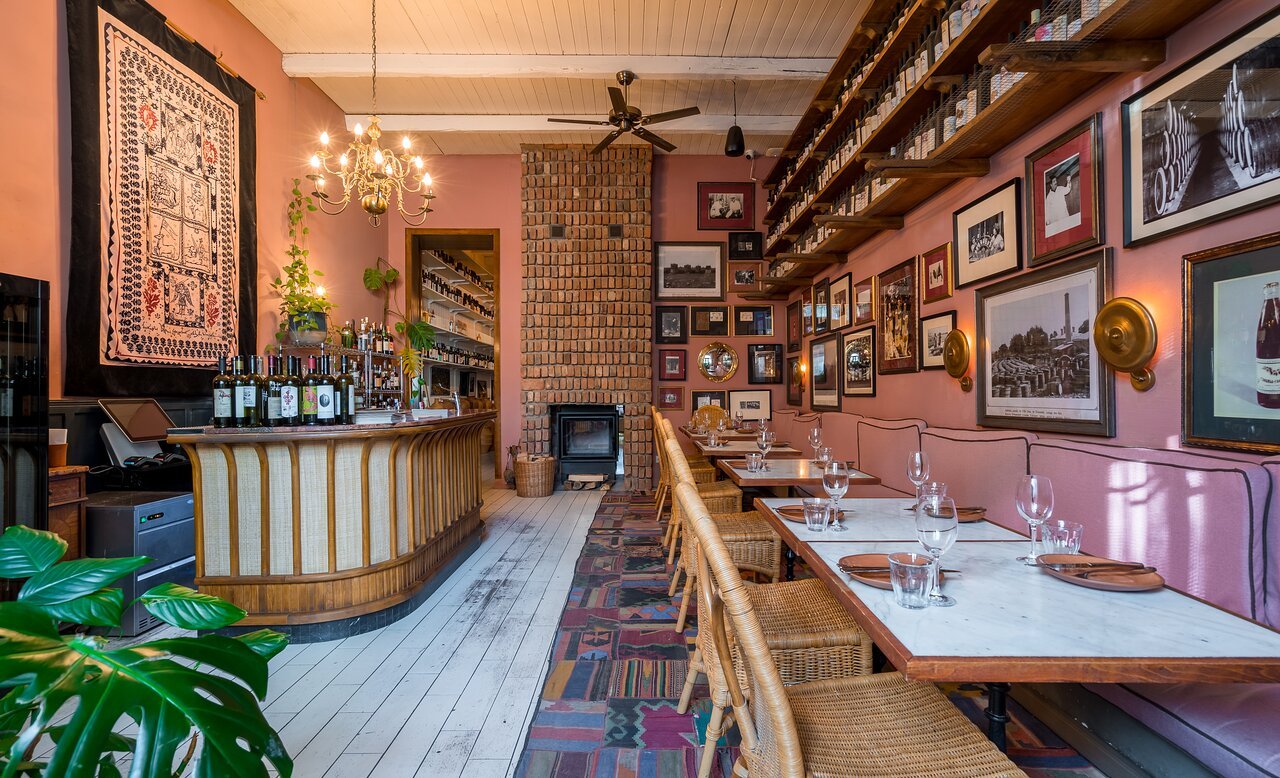
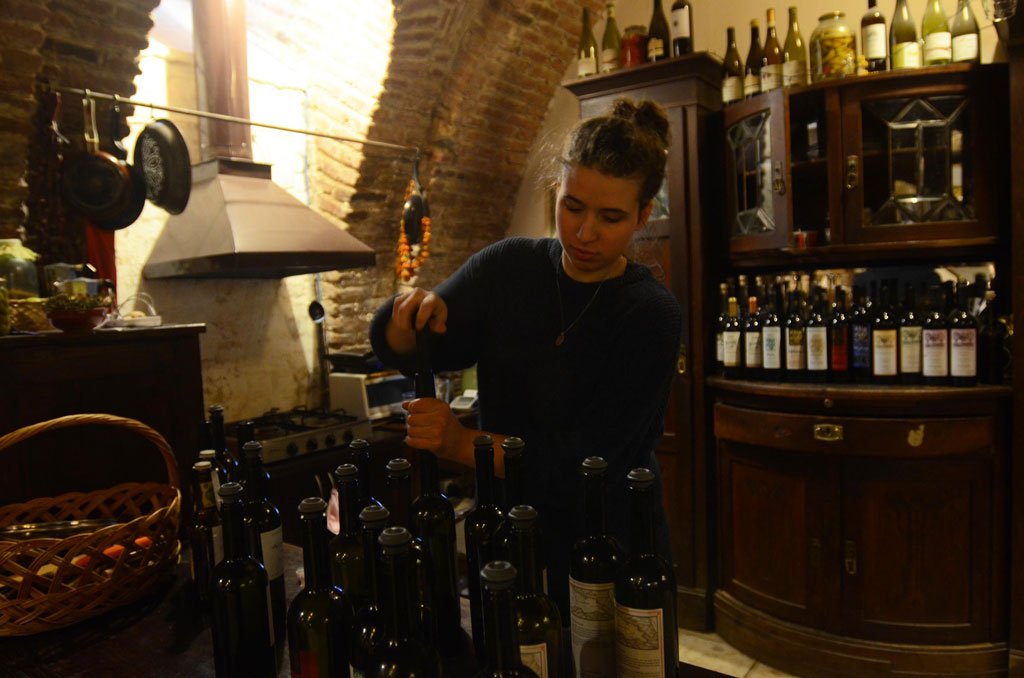
Vino Underground occupies a subterranean brick room with a low ceiling and warm light, creating a quietly enveloping atmosphere. The space is unhurried and designed for conversation, the kind of intimate bar where you linger over a second glass. Its character is anchored by a collective of artisan winemakers who treat the room as an extension of their craft; the ownership model gives the bar a purposeful, hands-on energy that feels both rooted in local tradition and quietly defiant of trends. Overall it reads as a charming, tucked-away place for thoughtful drinking rather than a scene-driven hotspot.
Best For
This is a go-to for low-key date nights and casual catch-ups where conversation matters more than spectacle. The subterranean, intimate setting suits pairs and small groups who want to savor bottles and talk through them; it’s not pitched as a loud, late-night club. Because the bar is run by winemakers themselves, it’s also well suited to visitors curious about Georgian natural wine traditions and anyone who enjoys tasting with the person behind the bottle. Expect a focused, wine-first evening rather than a full dinner service.
Ordering Tips
Ask the staff — and when present, the winemakers — to talk you through bottles: the owners often pour and can explain their decisions. Look for wines made in qvevri and skin-contact styles; the description emphasizes natural winemaking as a local continuity rather than a borrowed trend. Treat visits as an opportunity to sample producer-led bottlings and to follow a tasting conversation rather than ordering by familiarity or brand alone.
Venue details
Ambiance
Cozy brick-lined underground cellar with vaulted ceilings, varying from intimate and relaxed to lively on busy nights.
Tags
Vibe
Best For
Experience
Format
At the Bar
- Bar Category
- Wine Bar
- Late Night
- Closes by Midnight
- Music
- Live Rock and Punk
- Live Music
- Yes
Know before you go
Know Before You Go
- Getting there
- MRR2+9GQ, 15 Galaktion Tabidze St, Tbilisi, Georgia
Planning details
Location
MRR2+9GQ, 15 Galaktion Tabidze St, Tbilisi, Georgia · Directions
Recognition and awards

Also consider
Also Consider
- Eary, Notable alternative
- Talani, Notable alternative
- Chinari Bar & Lounge, Notable alternative
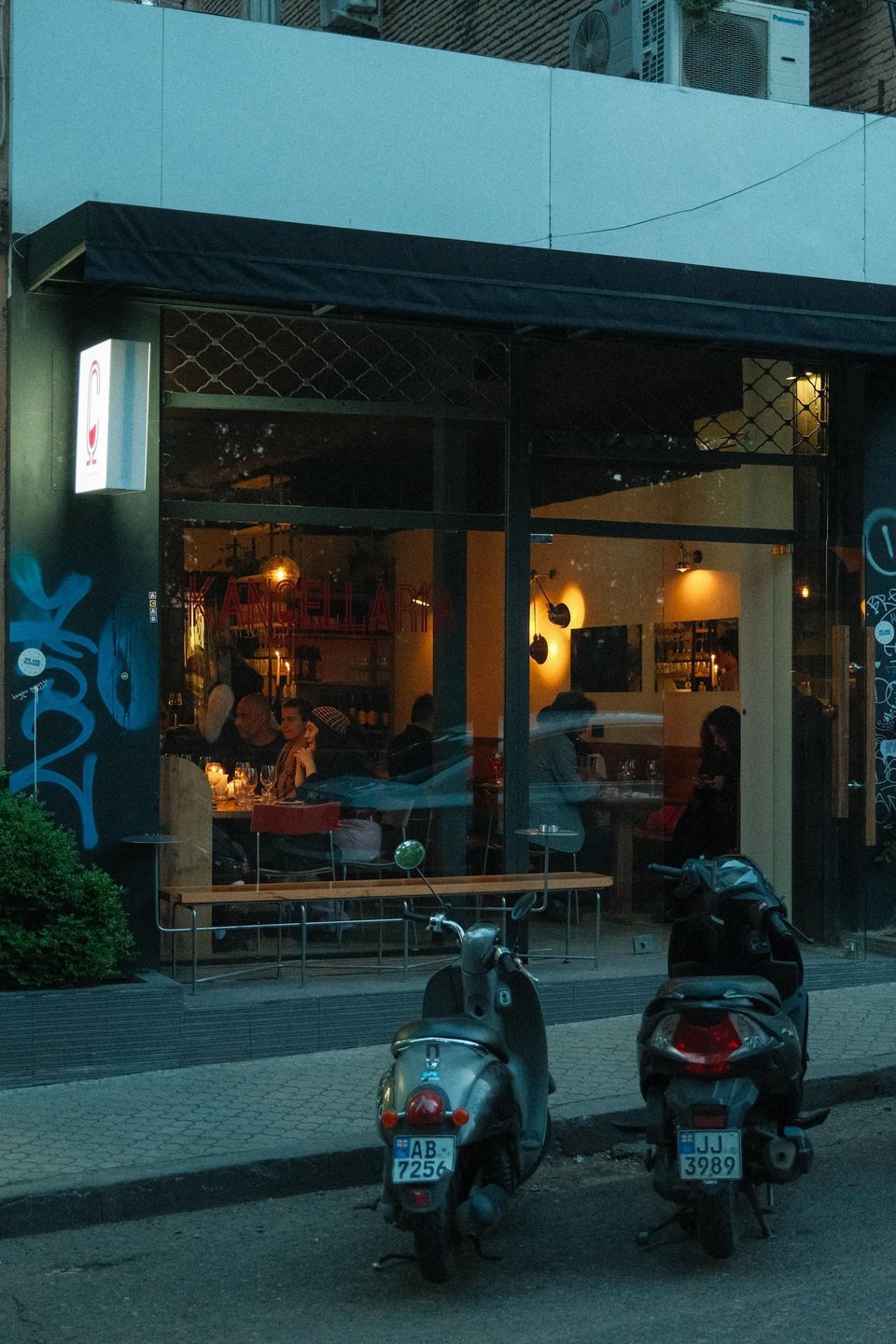
- Kancellaria, Notable alternative
- Poliphonia, Notable alternative
Bar context
How it compares in Tbilisi
Choose Vino Underground when the night is centered on wine and the booking needs to stay low-friction. Against Eary and Talani, it is the clearer pick for readers who care more about a recognized wine program than a broader bar mood.
Chinari Bar & Lounge is the better cross-shop if the group wants lounge energy or a more conventional late-night setting. Kancellaria and Poliphonia are worth comparing when ambiance is the deciding factor, but Vino Underground has the cleaner value case for a focused Georgian wine session.
For easy-booking practicality, Vino Underground is the safer recommendation. For a splurge-coded or scene-led night, compare the room feel at Chinari Bar & Lounge first; for wine-specific intent, start here.
Around this place
Discover more on Pearl
Unlock the full Vino Underground guide in Pearl, including awards, comparisons, FAQs, planning details, and nearby places.
Compare Vino Underground
| Venue | Location | Awards |
|---|---|---|
| Vino Underground | Tbilisi | Star Wine Lists 2026 |
| Eary | Tbilisi | No published awards |
| Talani | Tbilisi | No published awards |
| Chinari Bar & Lounge | Tbilisi | No published awards |
| Kancellaria | Tbilisi | No published awards |
| Poliphonia | Tbilisi | No published awards |
How Vino Underground Tbilisi compares with similar nearby venues.
FAQ
Frequently Asked Questions
Does Vino Underground have outdoor seating?
Outdoor seating is not listed. The confirmed details are that Vino Underground is in Tbilisi, has a casual dress code, keeps evening hours, and has Star Wine List (2026) recognition.
Is Vino Underground good for a date?
It may work for an evening plan if the hours suit you. Vino Underground is open 4–11 PM Tuesday through Sunday and 8–11 PM on Monday, with a casual dress code.
What's the crowd like at Vino Underground?
The crowd is not described. What is confirmed is the schedule: 4–11 PM Tuesday through Sunday and 8–11 PM on Monday.
Does Vino Underground have happy hour deals?
Is the food good at Vino Underground?
Do I need a reservation at Vino Underground?
A reservation policy is not listed. Use the confirmed hours for planning: Monday 8–11 PM and Tuesday through Sunday 4–11 PM.