
Bar Qvevri
New Taipei, Taipei
Bar in Taipei, Taiwan
 Book with Pearl
Why go
Choose Bar Qvevri when the plan is a slower Tamsui wine night rather than a central Taipei cocktail crawl. Star Wine List recognition in 2026 gives it a clear wine signal, but the strongest fit is a date or small group that values conversation and a more deliberate pace.
About Bar Qvevri
Taipei has many places for a night out, so the first decision with Bar Qvevri is simple: choose it when its schedule and casual dress code fit the plan. It is open from 5 PM to 12 AM on Monday and Thursday through Sunday, and it is closed on Tuesday and Wednesday.
Bar Qvevri received Star Wine List recognition in 2026. If you are comparing options across the city, use Pearl's Taipei bars guide.
Pick it when the hours fit the night
Bar Qvevri is easiest to plan around on Monday or from Thursday through Sunday, when the listed hours are 5 PM to 12 AM. It is not a Tuesday or Wednesday option.
For a wider dinner plan, check Pearl's Taipei restaurants guide or compare another Taipei option such as Graft Wine and Food.
Useful for a Taipei night with a clear schedule
The location is Taipei, so keep the planning at city level rather than relying on a specific neighborhood description. If convenience near a hotel is important, Pearl's Taipei hotels guide can help anchor the rest of the evening.
Star Wine List recognition in 2026 gives Bar Qvevri a credible wine-related signal, but it should not be treated as a guarantee about the exact menu, bottle list, service style, or food offering. Book or visit for the confirmed basics: Taipei location, casual dress code, and evening hours on open days. For other Taipei nightlife comparisons, consider Club Boys Saloon, LOBBY LOUNGE "PLATFORM", Le Wine Bar by Burgundy Cave, MUD Bar, or Graft Wine and Food.
Planning details
- Location
- 251, Taiwan, New Taipei City, Tamsui District, 後洲路一段56號之 1 號
- Website
- instagram.com/vinovino561?igsh=cDM1bnVlcjlrYm9j
- Phone
- +886 2 2805 8763
The take
The Take
The Vibe
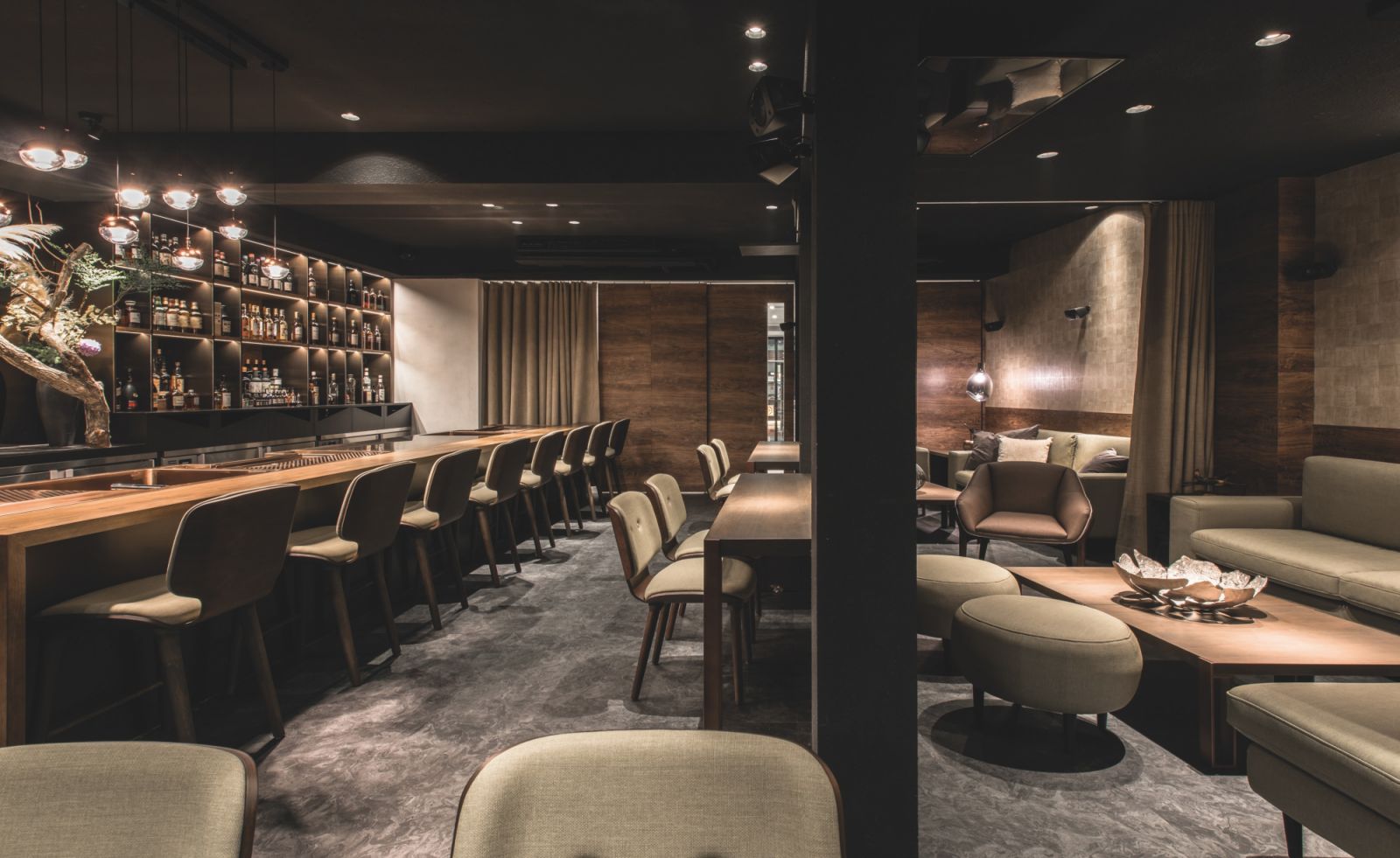
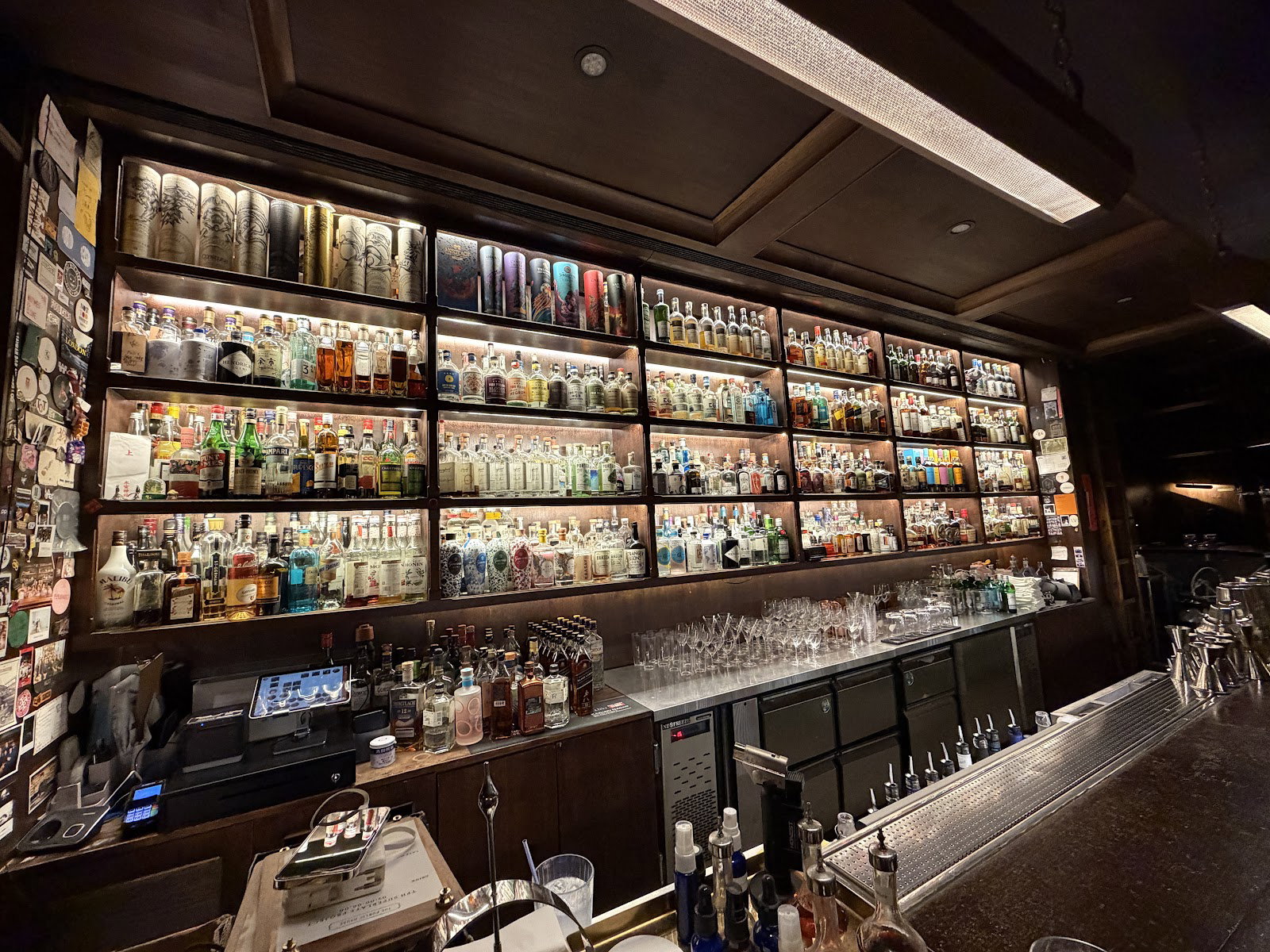
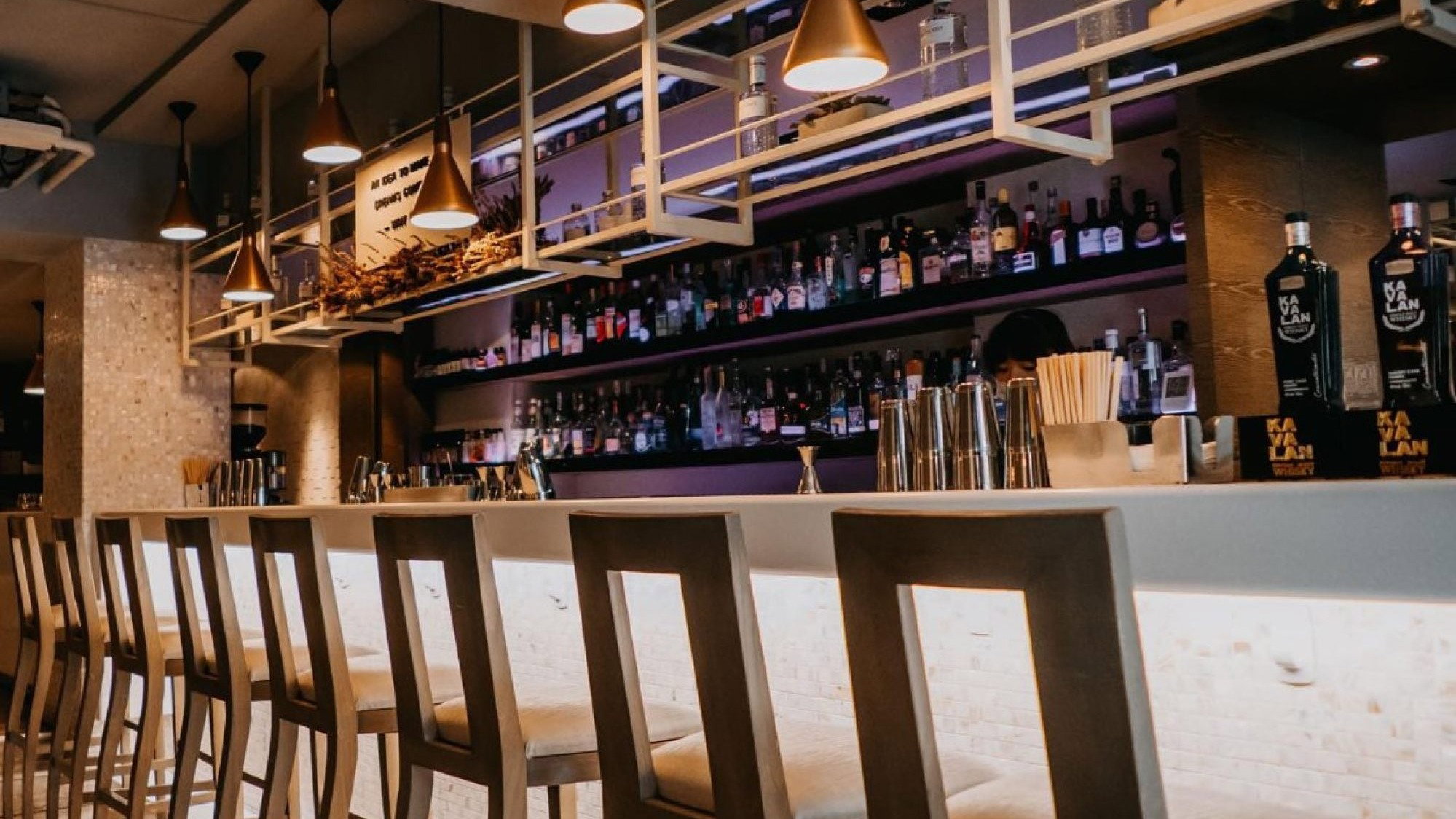
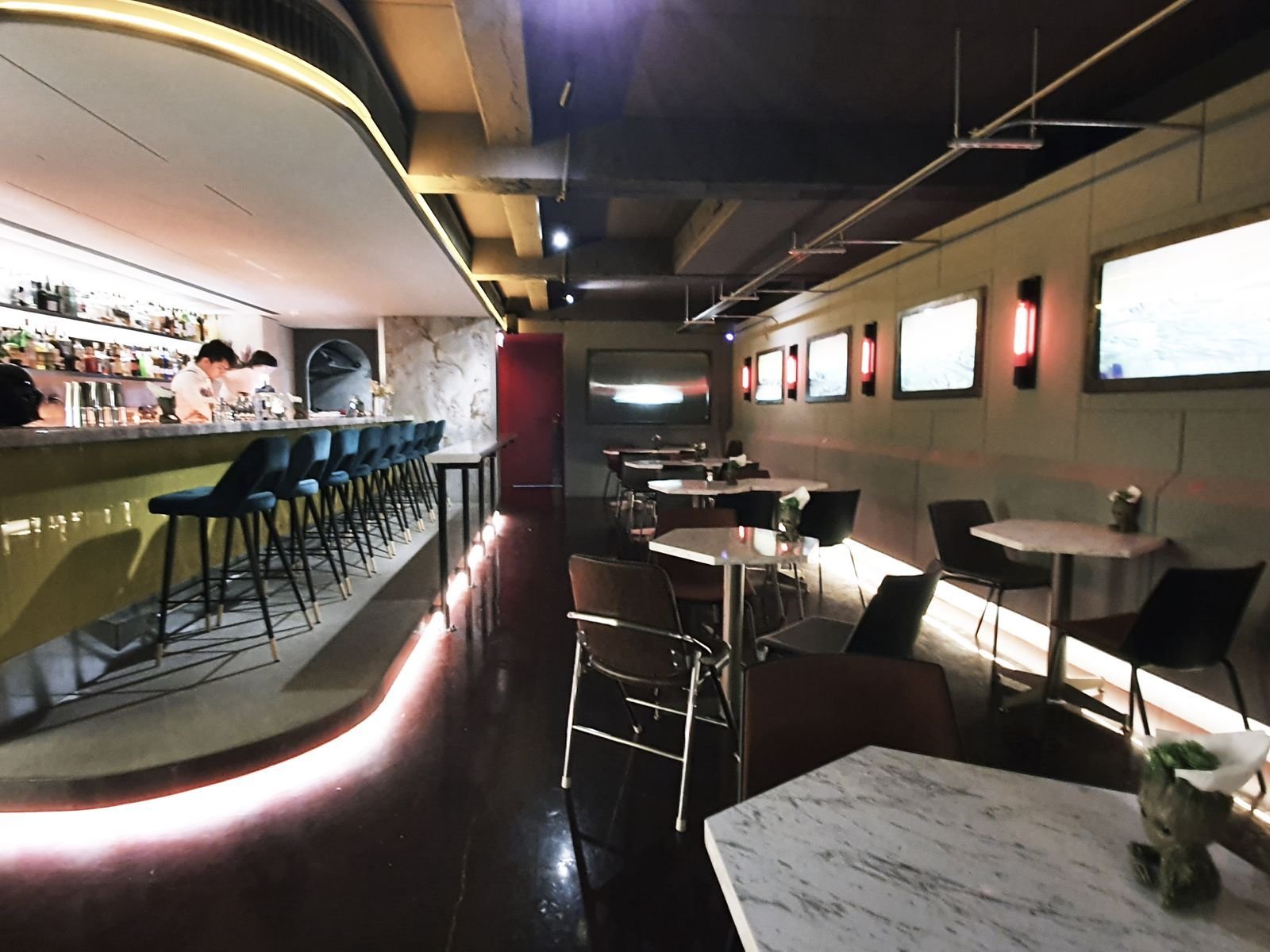
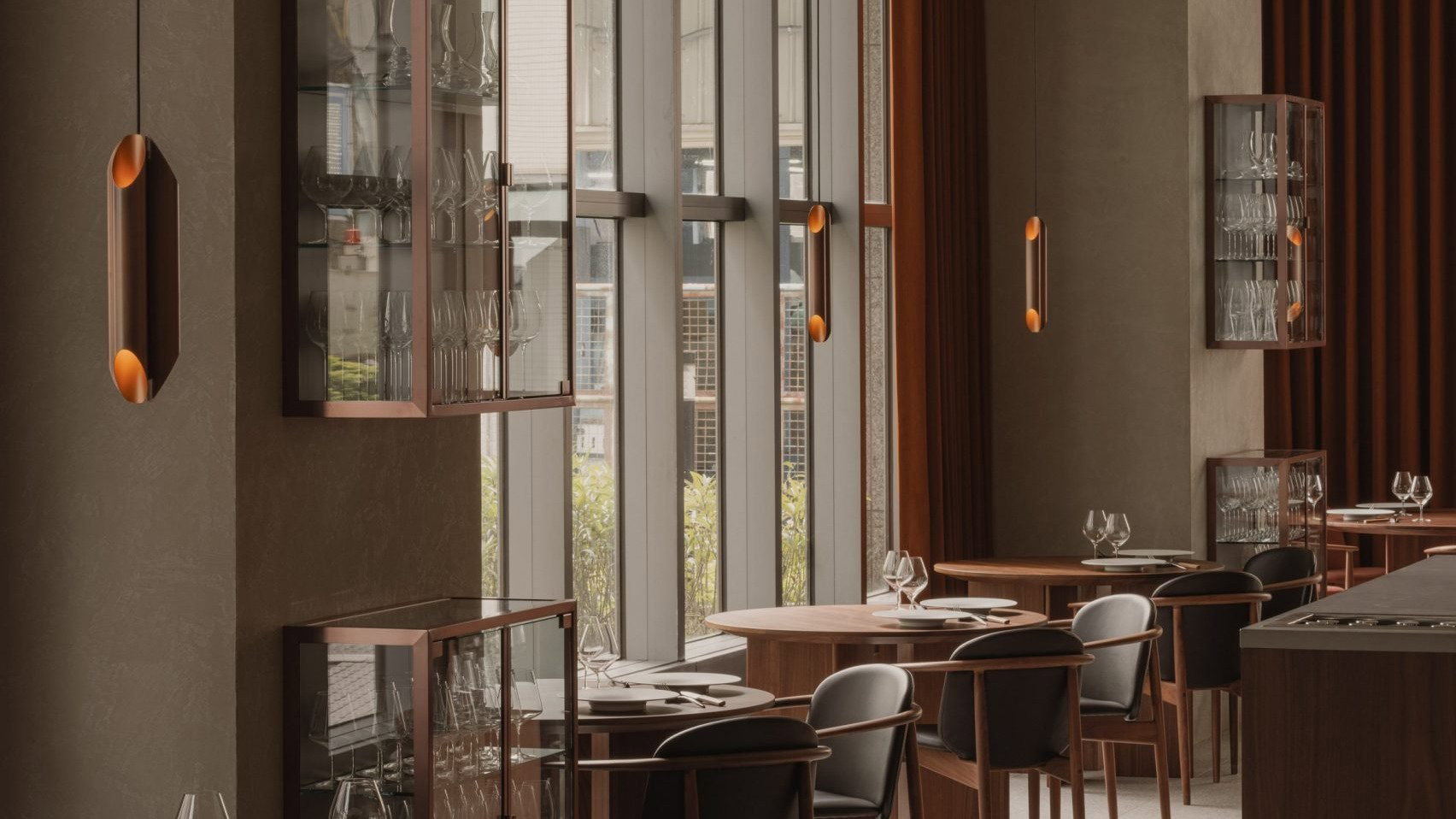
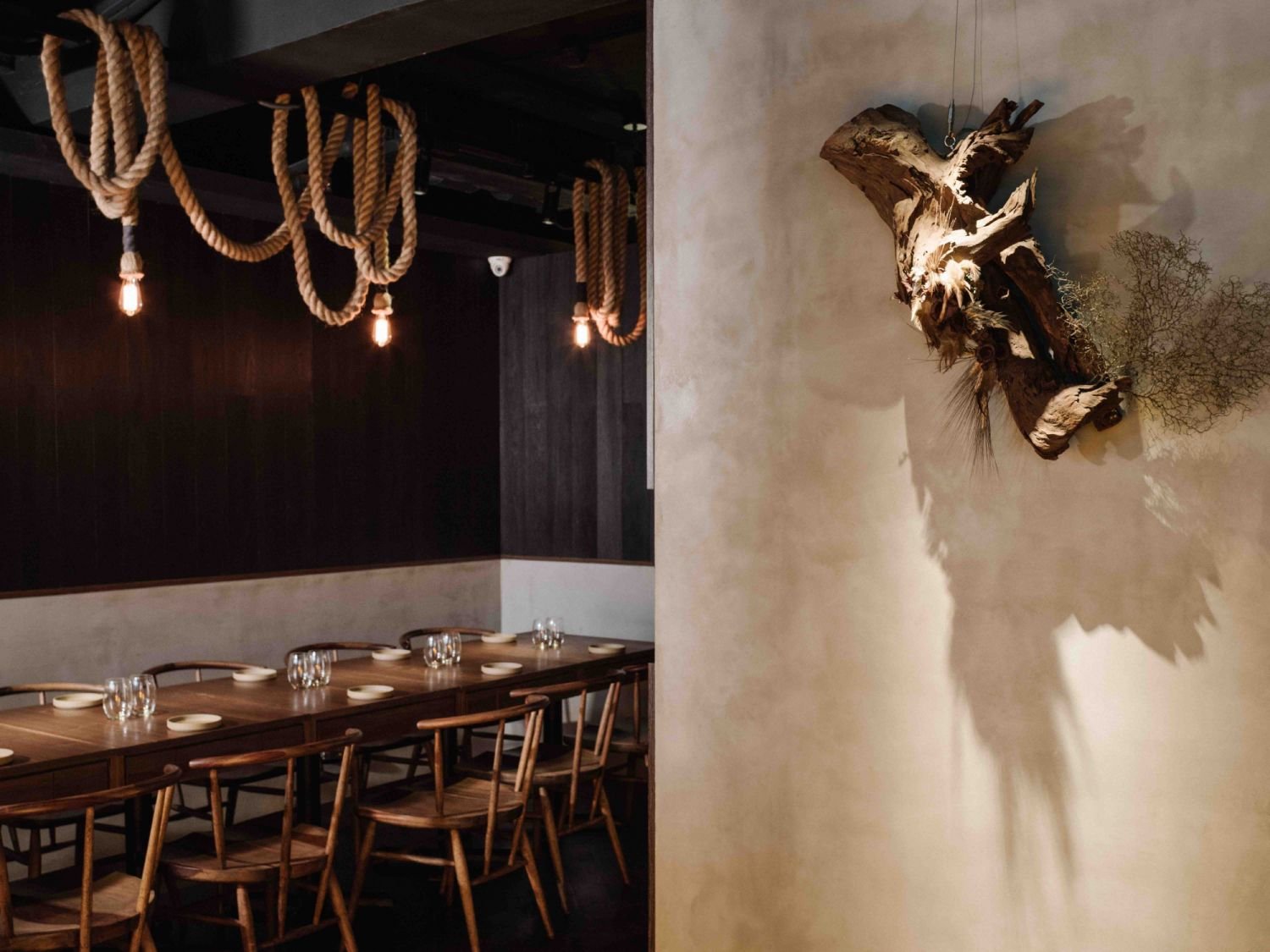
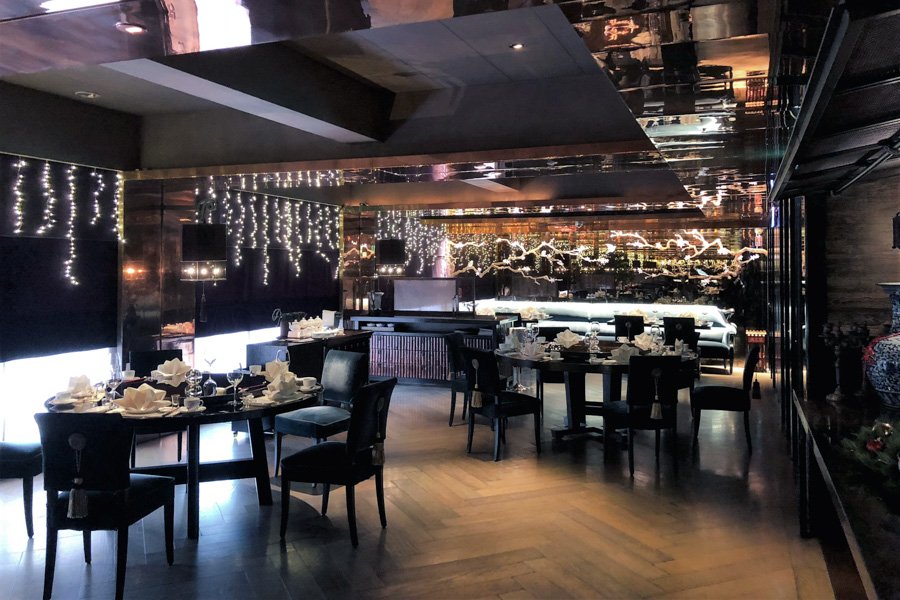
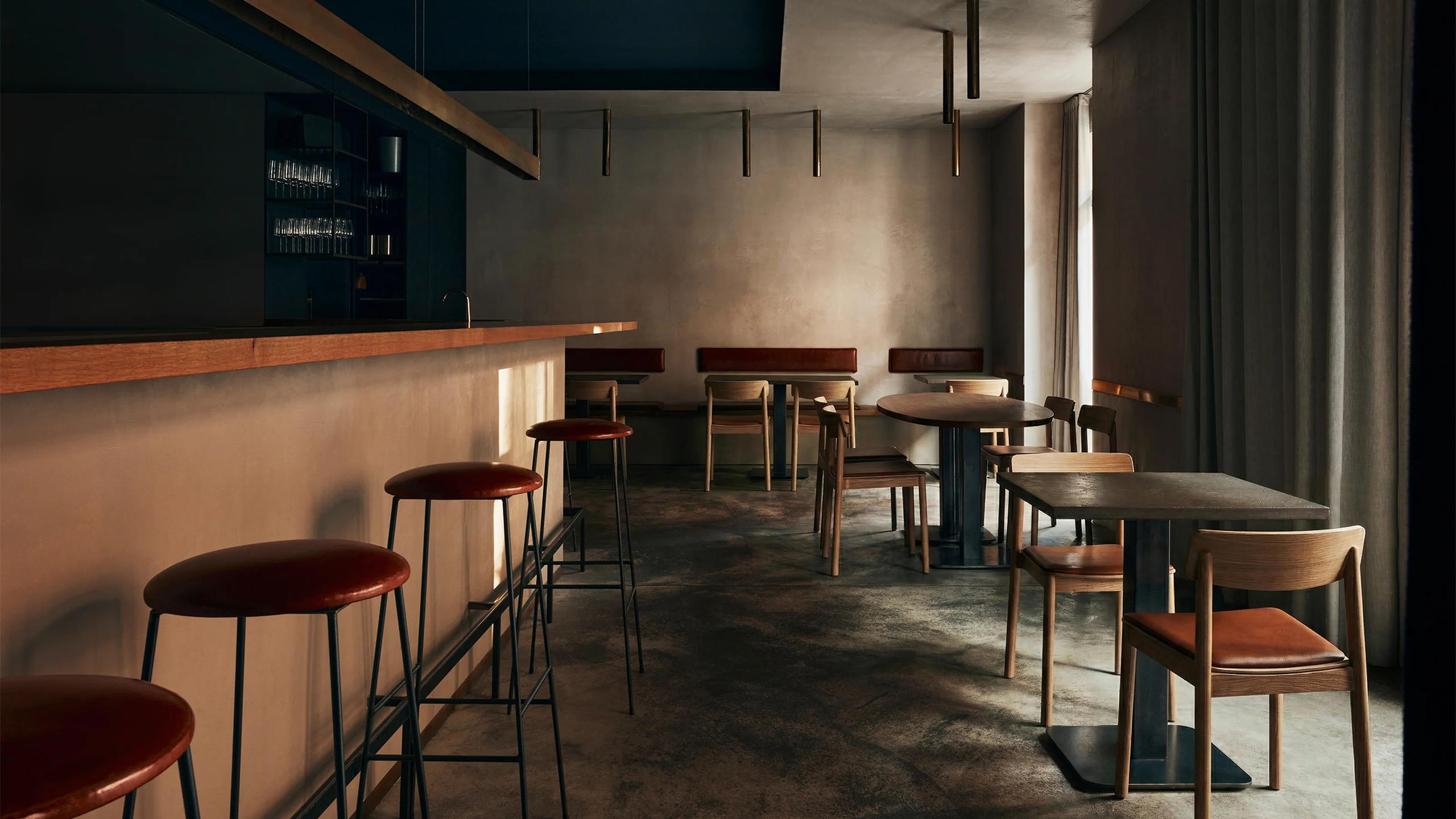
Bar Qvevri trades the downtown bustle for a Tamsui perch where sea air and estuary light shape the experience. The bar foregrounds a slow, weather-aware approach to drinking: wines that respond to season and place rather than trends or scores. That focus on minimal-intervention, qvevri-influenced wines gives the room an internationally minded, quietly sophisticated edge, while the outdoor-adjacent setting keeps things unhurried and relaxed. The result is a contemplative spot that feels both locally rooted and connected to a larger natural-wine conversation, making calm evenings and close conversation the natural rhythm here.
Best For
This is a destination for people who prioritize wine story and terroir. It suits couples seeking a low-key date night and small groups of friends who want to linger over bottles, as well as anyone curious about natural and qvevri-fermented wines. Because the program emphasizes production method and seasonal expression, visits work best when you plan to take your time — afternoons that drift into evening or breezy nights when the estuary air is part of the experience. It also rewards repeat visits as you learn the bar’s curations and rotating imports.
Ordering Tips
Ask the staff about the qvevri-focused and natural-wine selections and describe what you like — the bar’s strength is sourcing wines defined by production method and provenance rather than label prestige. Request recommendations for bottles or by-the-glass pours that suit the day’s weather and your palate, and consider a guided tasting approach if it’s available; the conversation around producers and techniques is central to the experience. If the weather’s pleasant, request outdoor-adjacent seating to pair the wines with the estuary’s air and ambience.
Venue details
Ambiance
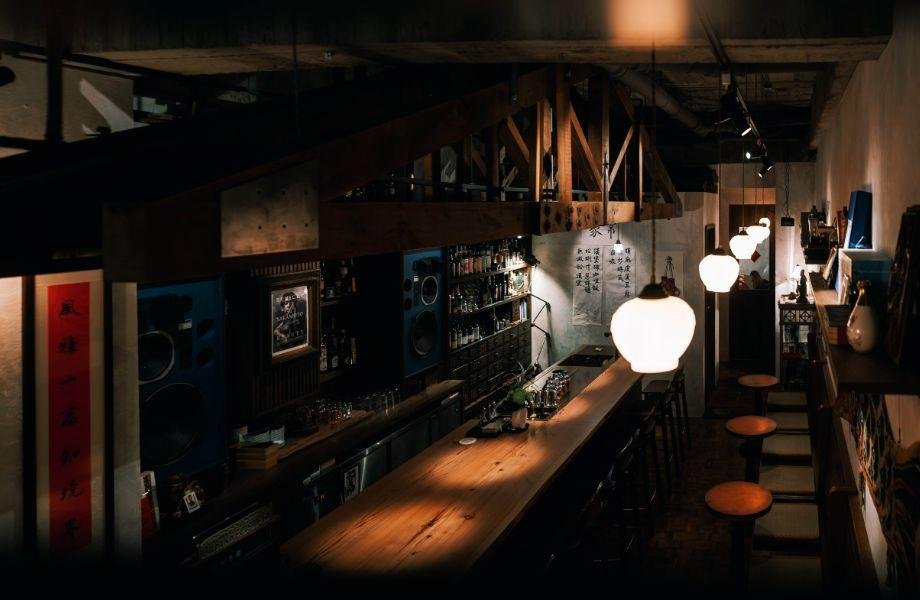
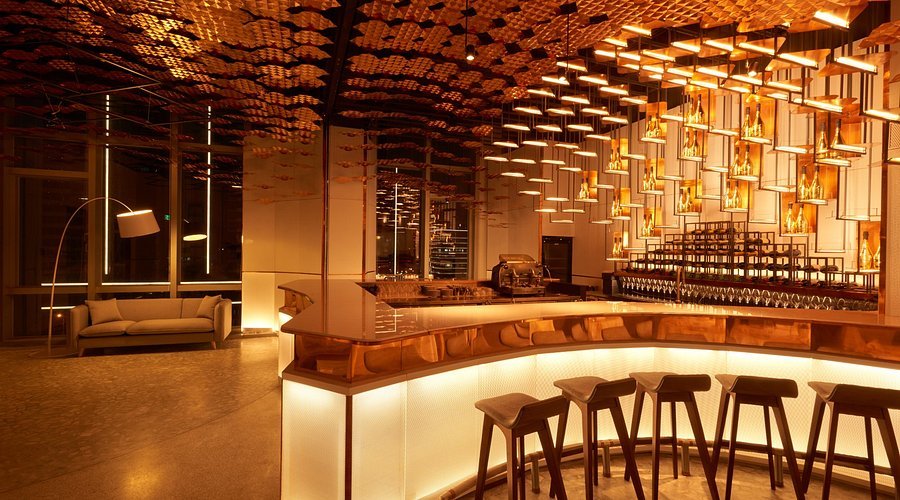
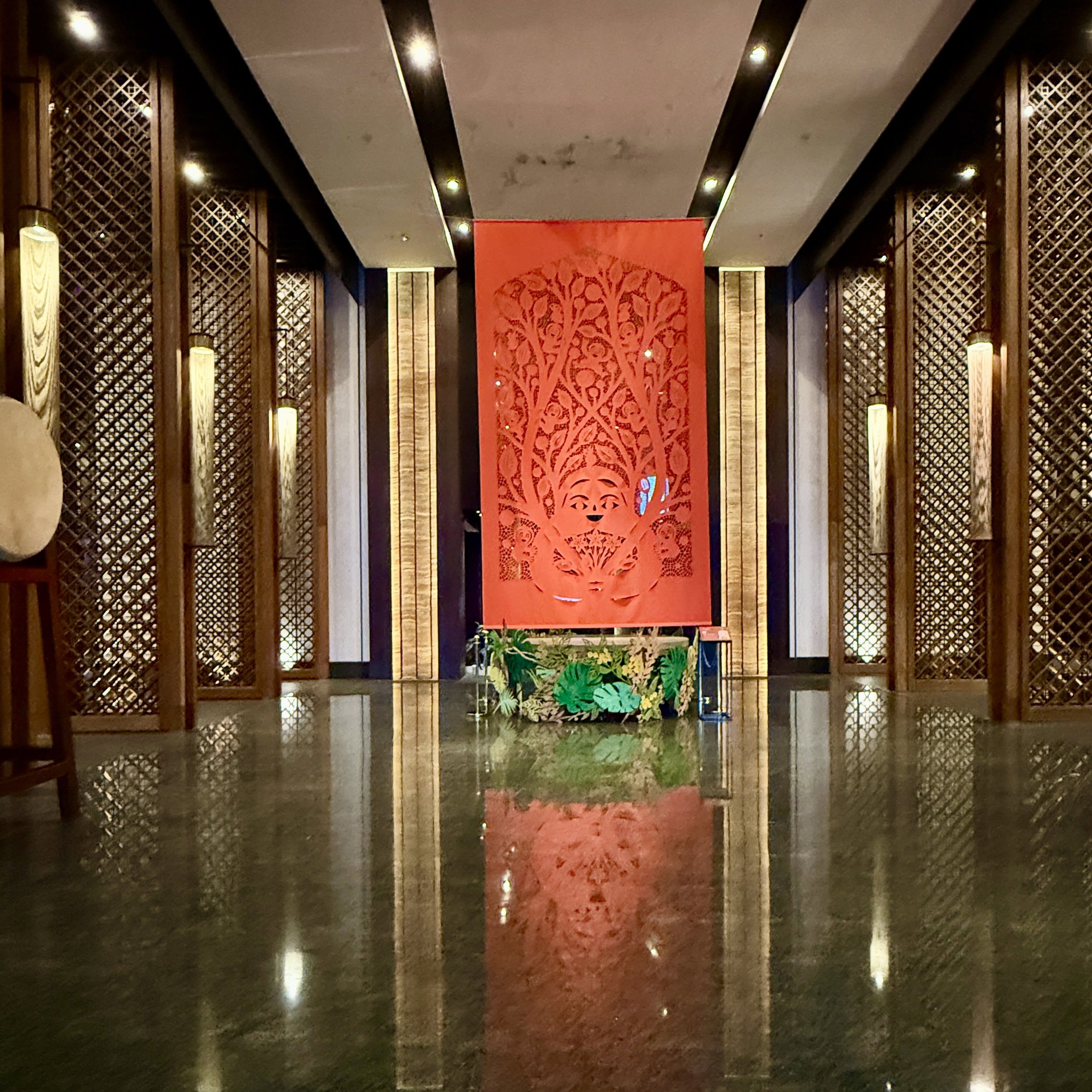
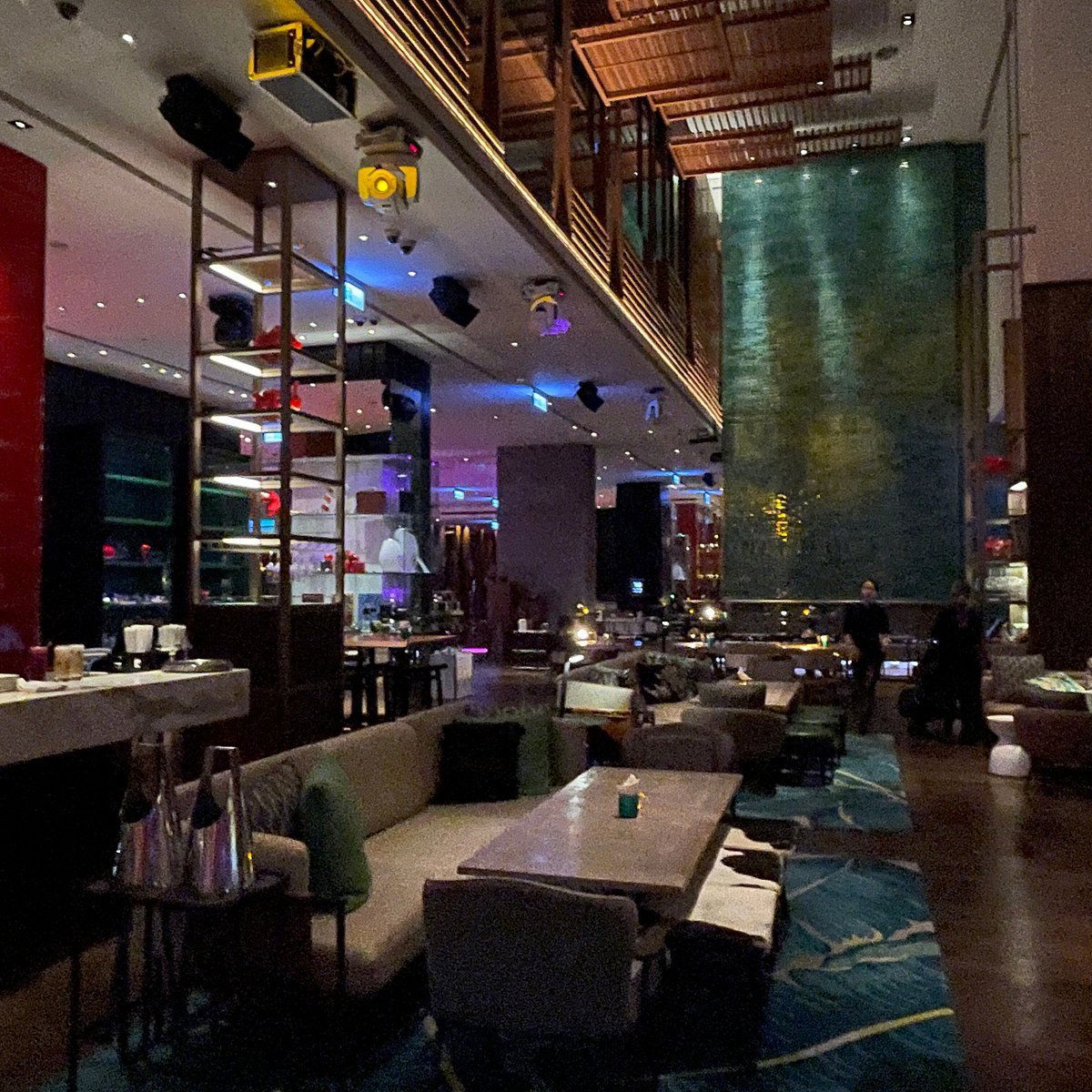
Cozy and magical atmosphere.
Tags
Vibe
Best For
Format
At the Bar
- Bar Category
- Wine Bar
Know before you go
Know Before You Go
- Getting there
- 251, Taiwan, New Taipei City, Tamsui District, 後洲路一段56號之 1 號
Planning details
Location
251, Taiwan, New Taipei City, Tamsui District, 後洲路一段56號之 1 號 · Directions
Recognition and awards

Also consider
Also Consider
- Le Wine Bar by Burgundy Cave, Notable alternative
- MUD Bar, Notable alternative
- Club Boys Saloon, Notable alternative
- Graft Wine and Food, Notable alternative
- LOBBY LOUNGE "PLATFORM", Notable alternative
Bar context
How Bar Qvevri compares in Taipei
Choose Bar Qvevri over MUD Bar or Club Boys Saloon when the priority is a calmer wine-led evening rather than a central nightlife room. It is the easier recommendation for a date or a two-person catch-up if Tamsui is already convenient; it is a weaker choice for groups trying to keep the night concentrated downtown.
Le Wine Bar by Burgundy Cave and Graft Wine and Food are the more obvious cross-shops for wine drinkers. Pick Le Wine Bar by Burgundy Cave when Burgundy is the focus, Graft Wine and Food when food is a bigger part of the plan, and Bar Qvevri when the draw is a more specific wine-bar mood outside the central circuit.
LOBBY LOUNGE "PLATFORM" is the safer choice for a polished hotel-lounge setting, especially if convenience and predictable service matter more than wine identity. Bar Qvevri is the more interesting pick for guests who have already done the hotel-bar option and want a quieter, more intentional bottle-focused night.
Explore Taipei
Around this place
Discover more on Pearl
Unlock the full Bar Qvevri guide in Pearl, including awards, comparisons, FAQs, planning details, and nearby places.
Compare Bar Qvevri
| Venue | Location | Awards |
|---|---|---|
| Bar Qvevri | Taipei | Star Wine Lists 2026 |
| Le Wine Bar by Burgundy Cave | Taipei | No published awards |
| MUD Bar | Taipei | No published awards |
| Club Boys Saloon | Taipei | 2017 World's 50 Asia's Best Bars · #49 |
| Graft Wine and Food | Taipei | No published awards |
| LOBBY LOUNGE "PLATFORM" | Taipei | No published awards |

How Bar Qvevri Taipei compares with similar nearby venues.
FAQ
Frequently Asked Questions
Is Bar Qvevri good for a date?
It can be a reasonable Taipei option if the evening hours and casual dress code suit the plan.
Do I need a reservation at Bar Qvevri?
If you need a specific evening slot, check the venue's current channels before going.
Does Bar Qvevri have outdoor seating?
Check the venue's current channels for the latest details.
Is Bar Qvevri open late?
Bar Qvevri is listed as open from 5 PM to 12 AM on Monday and Thursday through Sunday. It is closed on Tuesday and Wednesday.
Is the food good at Bar Qvevri?
Bar Qvevri has Star Wine List recognition in 2026. The confirmed information is its Taipei location, casual dress code, evening hours on open days, and that recognition.
Does Bar Qvevri have happy hour deals?
Check the venue's current channels before planning around any promotion.