Perennial Artisan Ales
Patch, St Louis
Bar in St Louis, United States
 Book with Pearl
Why go
Perennial Artisan Ales is worth choosing when beer is the main reason for the stop and the group does not need a full dining plan. It is an easy South City pick for a casual round, especially earlier in the evening or on Sunday, but less useful for diners who need confirmed food details, cocktails, or a large-group setup.
About Perennial Artisan Ales
When planning a visit to Perennial Artisan Ales in St Louis, the dress code is casual. It is closed on Monday, open Tuesday through Thursday from 4–10 PM, Friday and Saturday from 12–11 PM, and Sunday from 12–6 PM. For specific details such as food, pricing, seating, reservations, and special services, check current venue channels before building a night around anything more specific.
Perennial Artisan Ales is a casual St Louis stop, with its hours being the clearest planning information. It may fit a low-pressure outing, but visitors who need a full meal plan, a confirmed group setup, or specific service details should confirm those separately before committing.
Book it for a casual St Louis stop, not an assumption-heavy plan
This is easiest to plan when the group is flexible. Information on a food program, price range, seating capacity, reservation setup, or private-event format is not available, so do not rely on those details without checking directly. The casual dress code makes it easy to fit into an informal evening, but the rest of the experience should not be over-specified without current details.
Timing matters. Tuesday through Thursday are evening-only, from 4–10 PM. Friday and Saturday have the broadest hours, from 12–11 PM. Sunday is shorter, from 12–6 PM, and Monday is closed. These hours are the clearest planning constraint.
Where it fits in a St Louis night
Use this as a targeted St Louis option when the listed hours work for your schedule. It can make sense for a casual stop, while groups that need confirmed seating arrangements, food details, or a specific event setup should have a backup plan or check directly before going.
If the plan is a citywide shortlist, use Our full St Louis bars guide alongside Our full St Louis restaurants guide, Our full St Louis hotels guide, Our full St Louis wineries guide, and Our full St Louis experiences guide. For other casual options to compare, consider 9 Mile Garden, Blackthorn Pub and Pizza, Civil Life Brewing Co. Smoking Barrels BBQ, or The Stellar Hog, depending on what kind of outing you are planning.
Planning details
- Location
- 8125 Michigan Ave, St. Louis, MO 63111
- Website
- perennialbeer.com
The take
The Take
The Vibe
Perennial Artisan Ales reads like a destination for committed beer drinkers rather than passersby. Situated well outside St. Louis’s main bar corridors, the brewery cultivates an intentional atmosphere rooted in slow production and careful technique. The writing emphasizes small-batch, extended fermentation and barrel work—approaches that reward patience and curiosity. That focus creates a sense of discovery: guests arrive having chosen the place for its specific program, and the space feels less like a tourist stop and more like a purposeful stopover for people who appreciate complex, cellar-driven ales.
Best For
Perennial is best for craft-beer enthusiasts and anyone interested in barrel-aged and mixed‑fermentation brews who don’t mind making a deliberate trip. The brewery’s production-focused model and emphasis on extended fermentation mean its releases skew toward small batches and seasonal variation, so it appeals to people who enjoy tasting nuance and tracking barrel programs over time. It’s a good pick for intentional outings—whether a solo pilgrimage to sample rare pours or a group outing organized around shared interest in artisan ales.
Ordering Tips
Expect a program built around barrel-aged and mixed‑fermentation beers and order with that in mind: ask staff about which barrels or vintages are represented in current pours and about seasonal or limited releases. Because the operation prioritizes small-batch production and extended timelines, offerings can change and quantities may be limited, so check availability before you go. The narrative encourages curiosity—talk to the servers or bartenders to learn how different barrels and fermentation approaches shape each beer.
Venue details
Ambiance
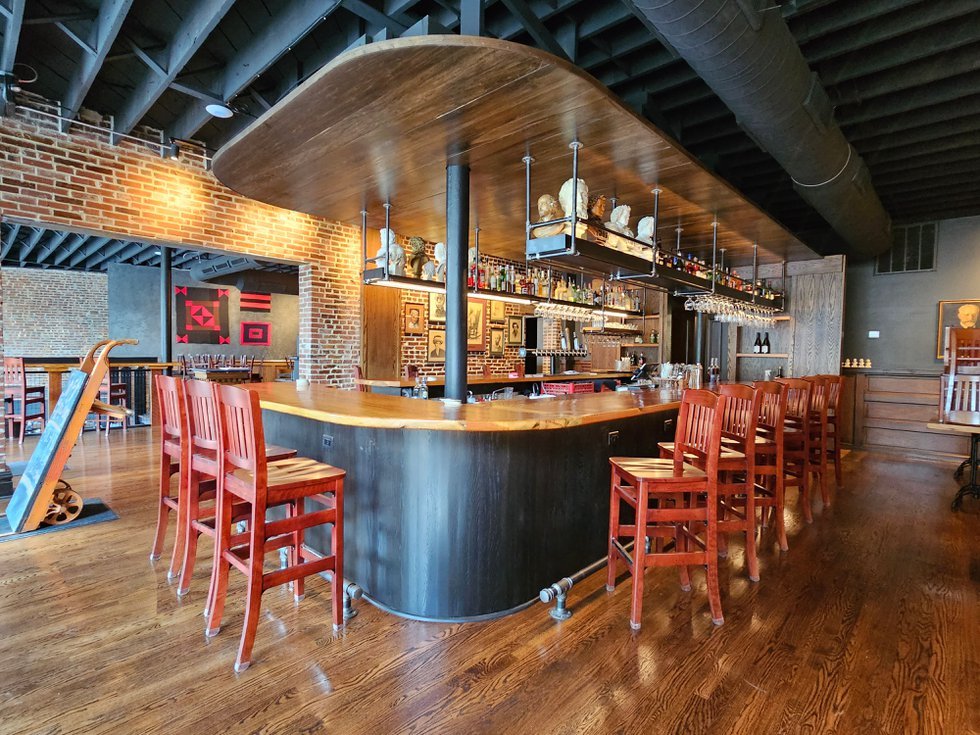
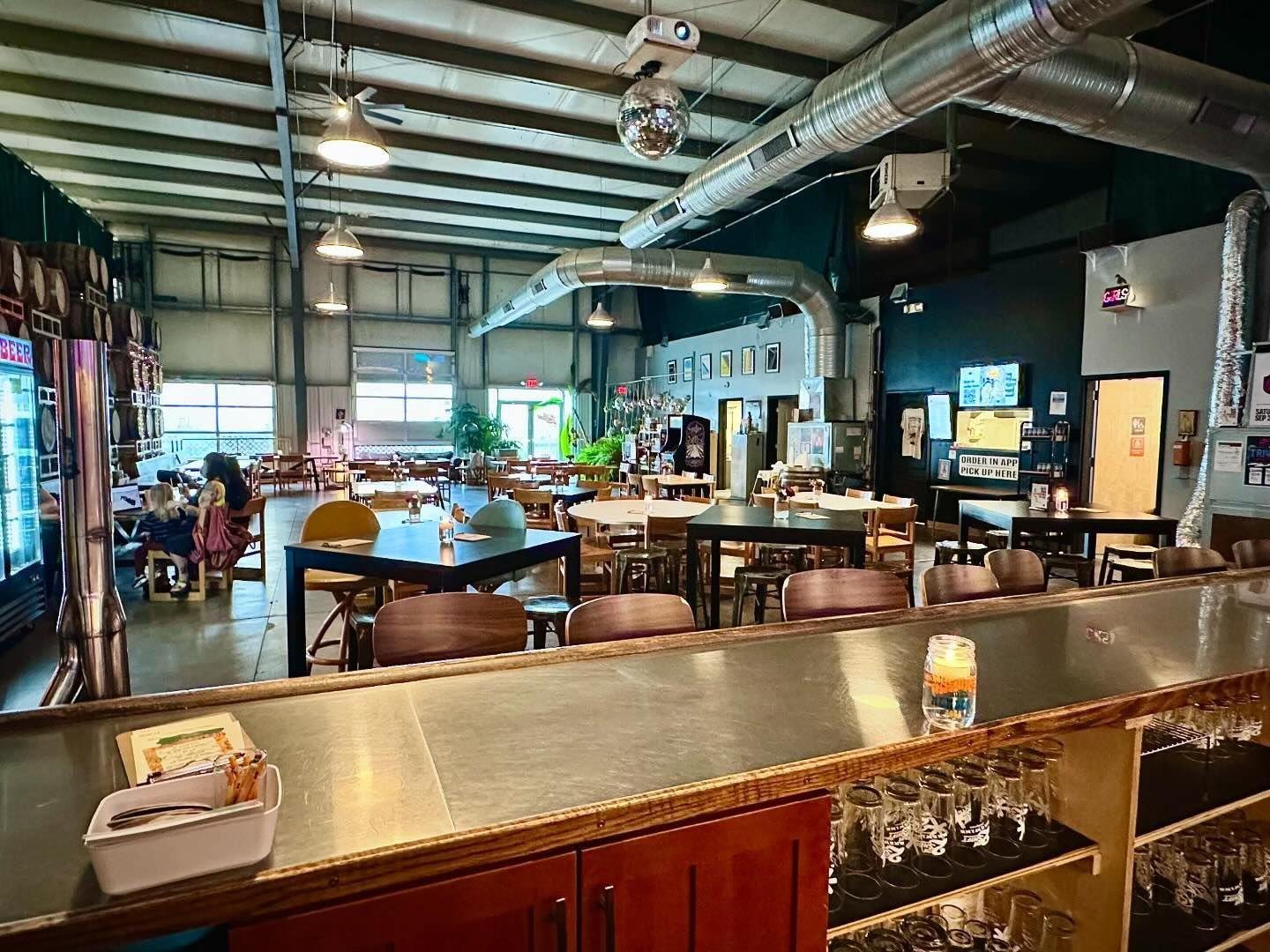
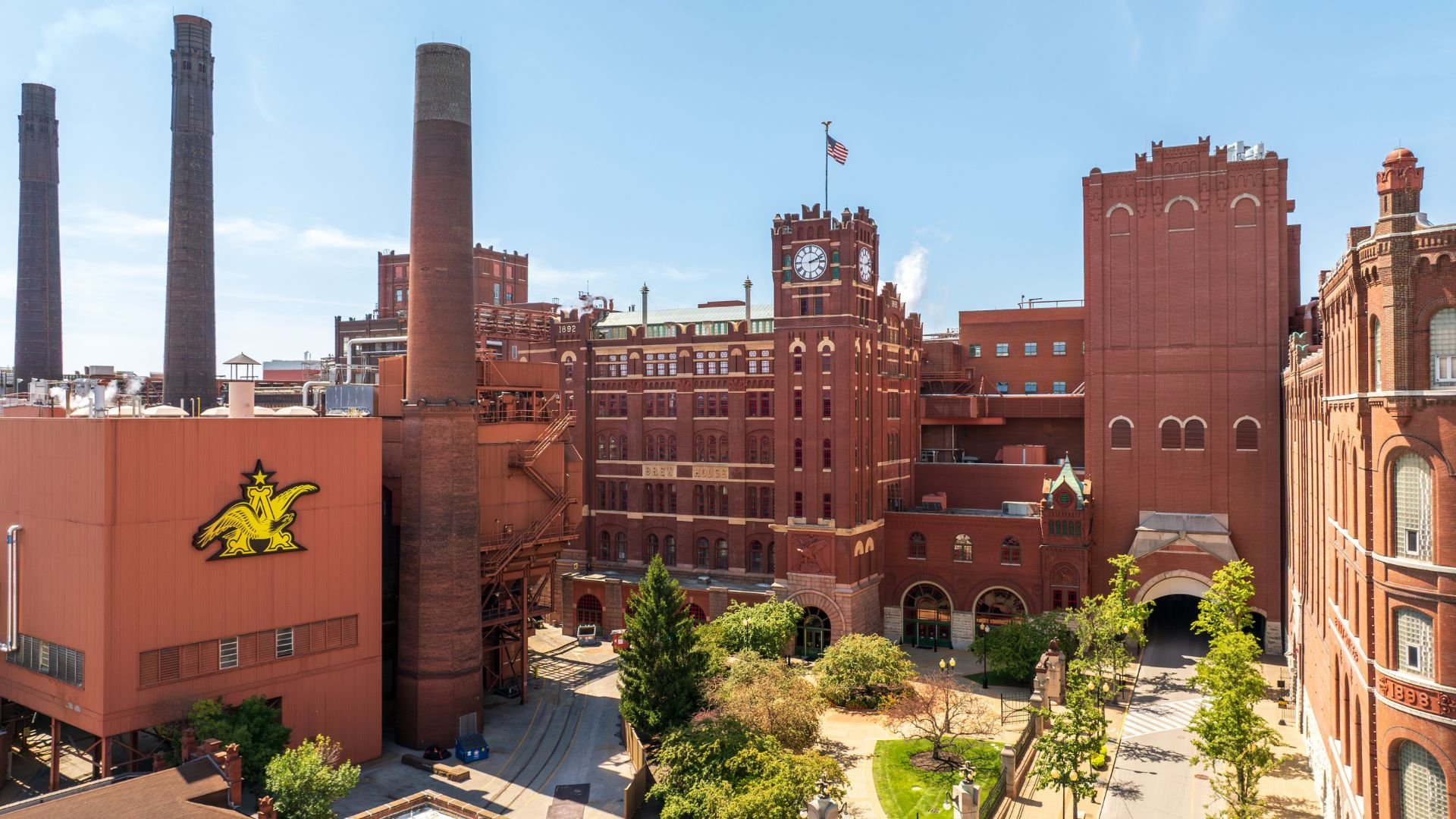
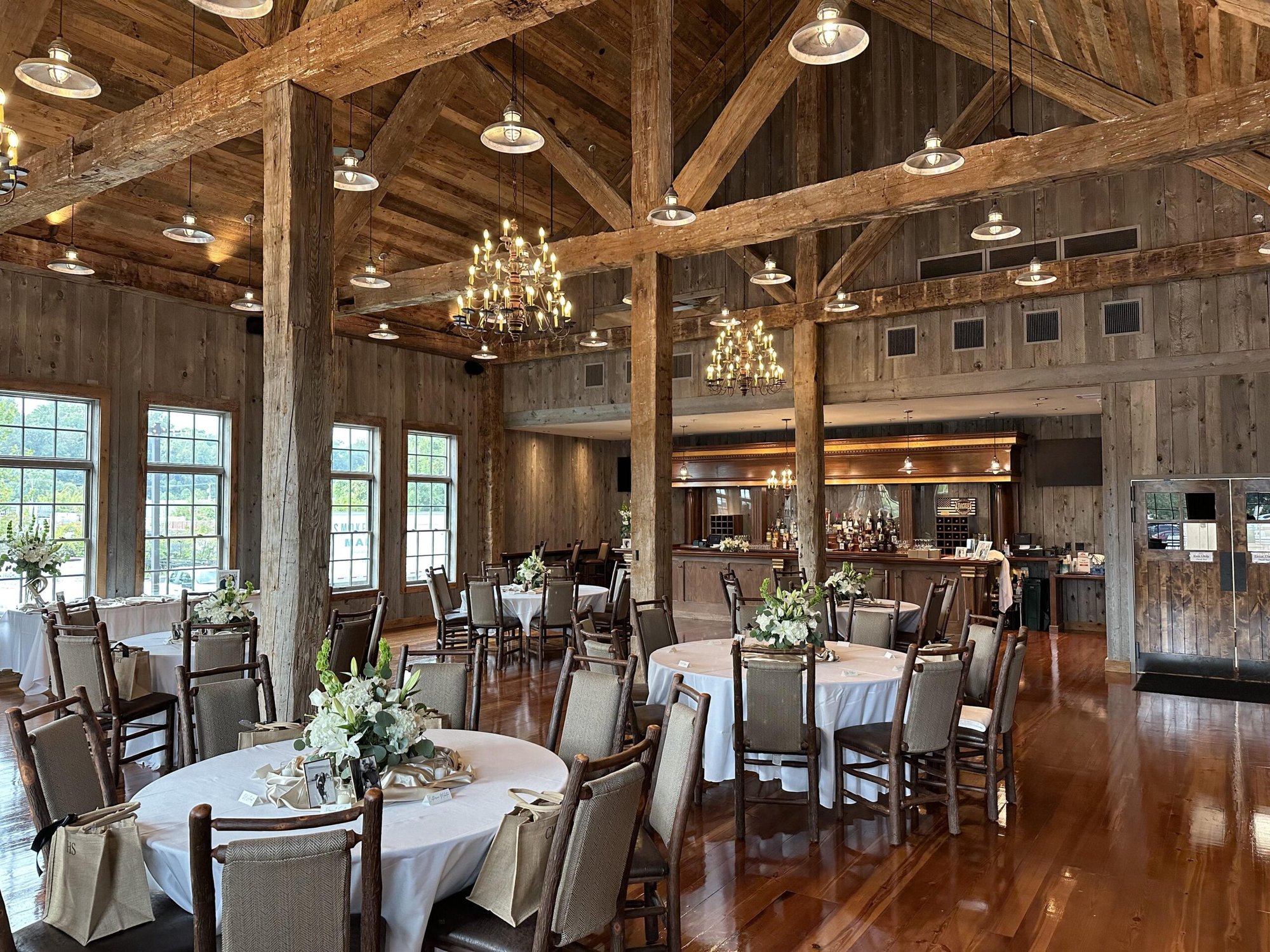
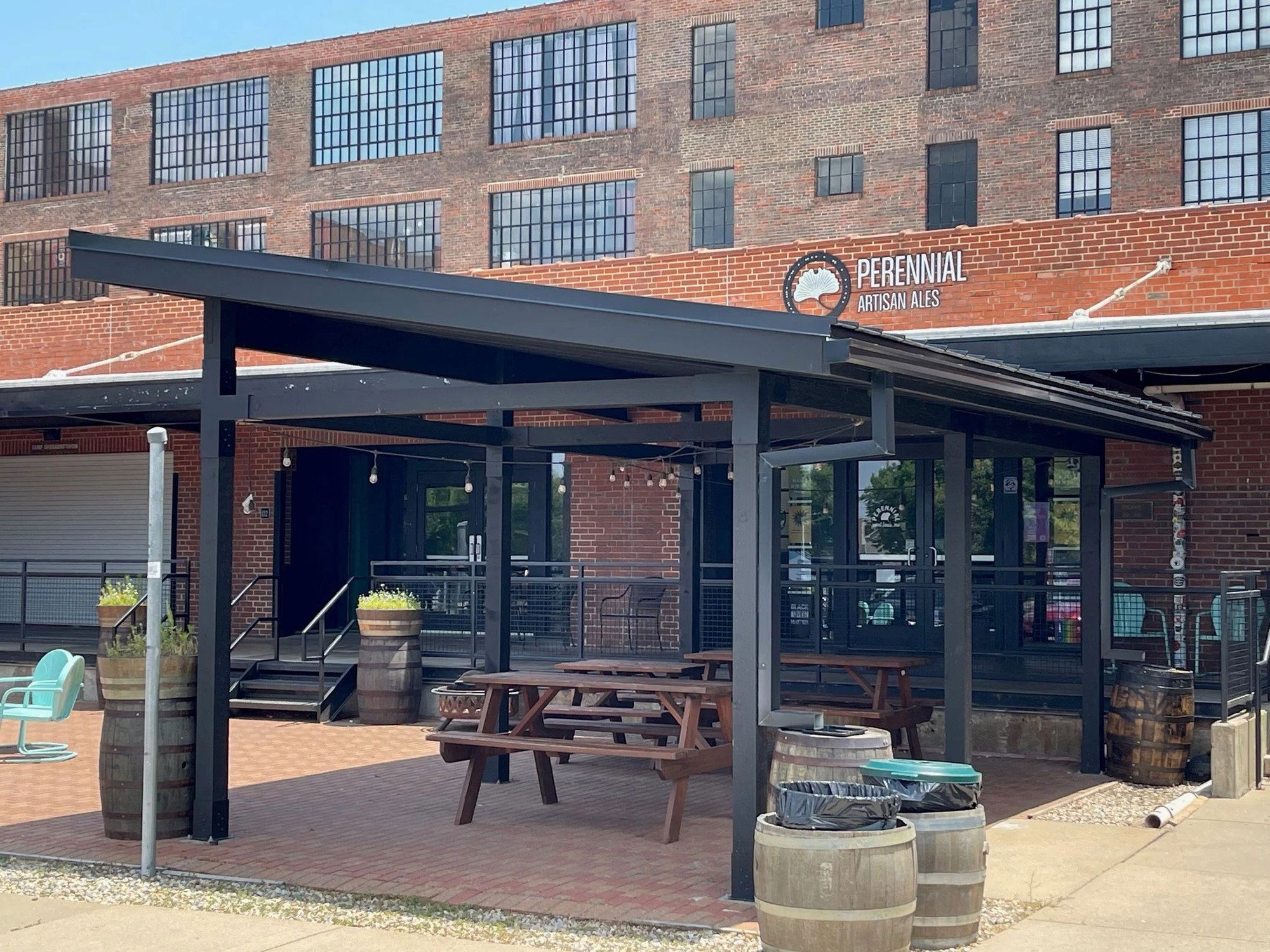
Cozy and inviting atmosphere in a rustic historic industrial space with a welcoming tasting room and patio.
Tags
Vibe
Best For
Experience
Format
At the Bar
- Bar Category
- Beer Bar
- Late Night
- Closes by Midnight
Know before you go
Know Before You Go
- Getting there
- 8125 Michigan Ave, St. Louis, MO 63111
Planning details
Location
8125 Michigan Ave, St. Louis, MO 63111 · Directions
Also consider
Where to go if this is not the fit
Try Civil Life Brewing Co. if the group still wants a brewery-style stop in St Louis. Pick Blackthorn Pub and Pizza if the better value is a casual food-and-drink night rather than a beer-led visit.
Bar context
How it compares for a St Louis round
Choose Perennial Artisan Ales when the night is built around beer and a low-friction taproom stop. Civil Life Brewing Co. is the closest beer-first comparison, and it is the cleaner cross-shop if the group wants another brewery-style option in St Louis rather than barbecue or pizza. Neither comparison requires treating the night like a formal booking.
If food has to carry the value, The Stellar Hog and Smoking Barrels BBQ are safer alternatives because the occasion is meal-led rather than beer-led. Blackthorn Pub and Pizza is the better fit for a casual group that wants a pub-and-pizza format instead of a taproom decision.
9 Mile Garden is the better choice when variety and outdoor-style flexibility matter more than a focused beer stop, especially for mixed groups. Perennial is the more specific pick; the others are easier to justify when the group's preferences are split.
Explore St Louis
Around this place
Discover more on Pearl
Unlock the full Perennial Artisan Ales guide in Pearl, including awards, comparisons, FAQs, planning details, and nearby places.
Compare Perennial Artisan Ales
| Venue | Location | Awards |
|---|---|---|
| Perennial Artisan Ales | St Louis | No published awards |
| The Stellar Hog | St Louis | No published awards |
| Smoking Barrels BBQ | St Louis | No published awards |
| 9 Mile Garden | Affton | No published awards |
| Civil Life Brewing Co. | St Louis | No published awards |
| Blackthorn Pub and Pizza | St Louis | No published awards |
How Perennial Artisan Ales St Louis compares with similar nearby venues.
FAQ
Frequently Asked Questions
What's the best time to go to Perennial Artisan Ales?
Friday or Saturday offers the broadest window, from 12–11 PM. Tuesday through Thursday run 4–10 PM, Sunday runs 12–6 PM, and Monday is closed.
What's the crowd like at Perennial Artisan Ales?
The dress code is casual, but a specific crowd profile is not available. Plan for an informal St Louis visit and check current venue channels if atmosphere is important to your plans.
Is the food good at Perennial Artisan Ales?
A specific food program or cuisine is not available, so do not plan around a food-first visit without checking directly. If food is the priority, compare current details for other St Louis dining options before deciding.
Is Perennial Artisan Ales good for a date?
It can work for a casual, low-pressure date if the hours fit your schedule. For a longer outing with more planning details, compare options such as Blackthorn Pub and Pizza and check current details before deciding.
Is Perennial Artisan Ales good for groups?
It may work for a casual group stop, but seating capacity, private-event setup, and group policies are not available. For a larger casual outing, 9 Mile Garden is another option to compare, and direct confirmation is recommended.
Does Perennial Artisan Ales have outdoor seating?
Outdoor seating is not available, so do not plan around it without checking directly. If outdoor space is the deciding factor, compare current details for other St Louis options before going.