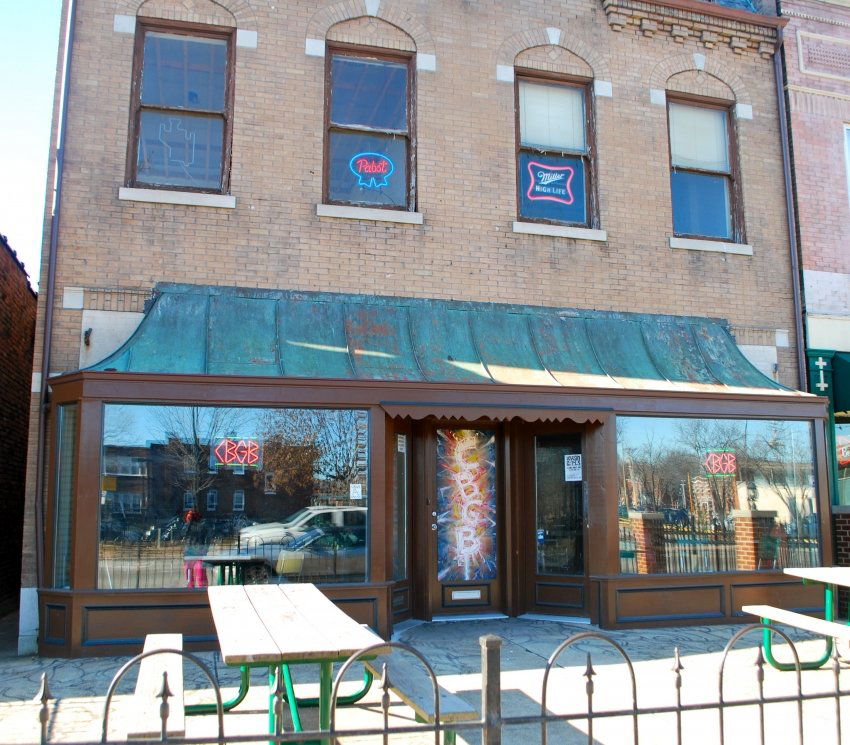
CBGB
Tower Grove East, St Louis
Bar in St Louis, United States
 Book with Pearl
Why go
CBGB is worth considering for a casual South Grand night when late hours and easygoing energy matter more than a documented cocktail program. Choose it as a flexible after-dinner or late-night stop; cross-shop The Whiskey Ring for a stronger drinks-first brief or Blackthorn Pub and Pizza when food is part of the plan.
About CBGB
Should you go to CBGB in St Louis? Yes, if the goal is a casual late-night stop. CBGB is in St Louis, has a casual dress code, and is open daily from 5 PM to 1:30 AM.
That makes it useful when timing matters more than a detailed venue brief. Plan around the basics rather than an assumed format, and check directly for the current food menu, drinks program, seating setup, reservation policy, or service style.
Late-night St Louis option
Go in with the right expectation. The strongest reason to consider CBGB is its daily evening-to-late-night schedule. For a named bartender, signature drink, formal cocktail structure, patio, food specialty, or any particular menu format, check directly before planning around it.
That matters for decision-making. If the group wants to compare other options, The Whiskey Ring, Blackthorn Pub and Pizza, Civil Life Brewing Co. Little Fox, and New Society are natural names to consider alongside CBGB. CBGB is easiest to justify when the plan is casual and late, and when you are comfortable checking any menu, seating, or reservation details directly before going.
How to use it in a St Louis night out
Use this as a flexible St Louis stop rather than building the whole itinerary around details that may change. For broader trip planning, use the full St Louis bars guide, plus the city guides for restaurants, hotels, wineries, and experiences.
Bottom line: think of CBGB as a casual St Louis late-night option with daily hours from 5 PM to 1:30 AM, and check menu, seating, or service details directly if they matter.
Planning details
- Location
- 3163 S Grand Blvd, St. Louis, MO 63118
- Website
- facebook.com/CBGB-152351778121790
The take
The Take
The Vibe
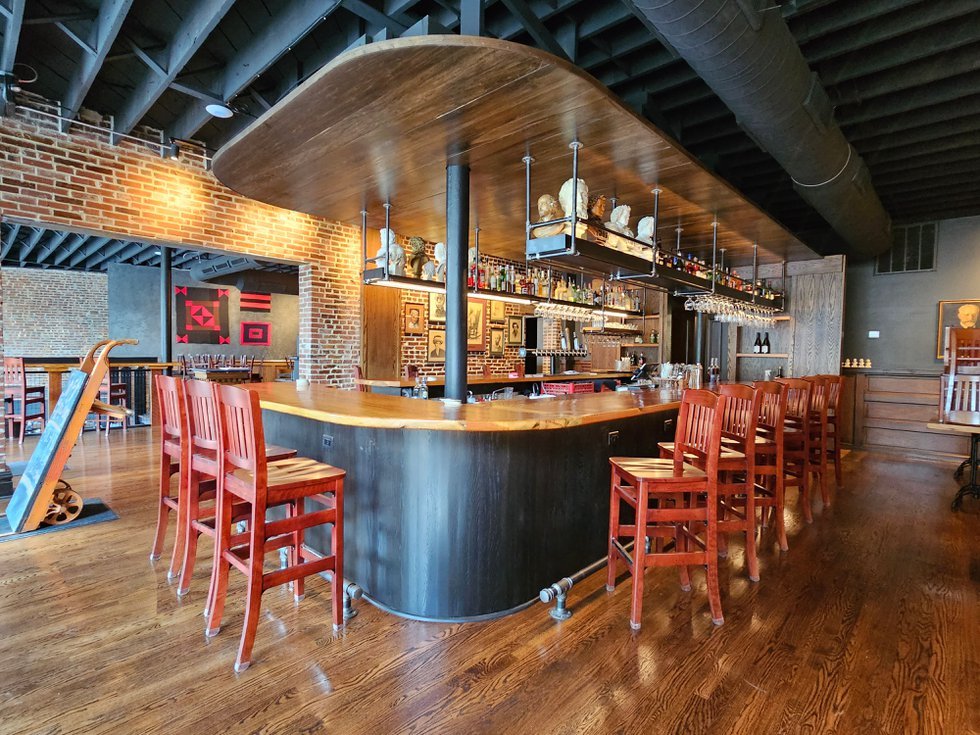
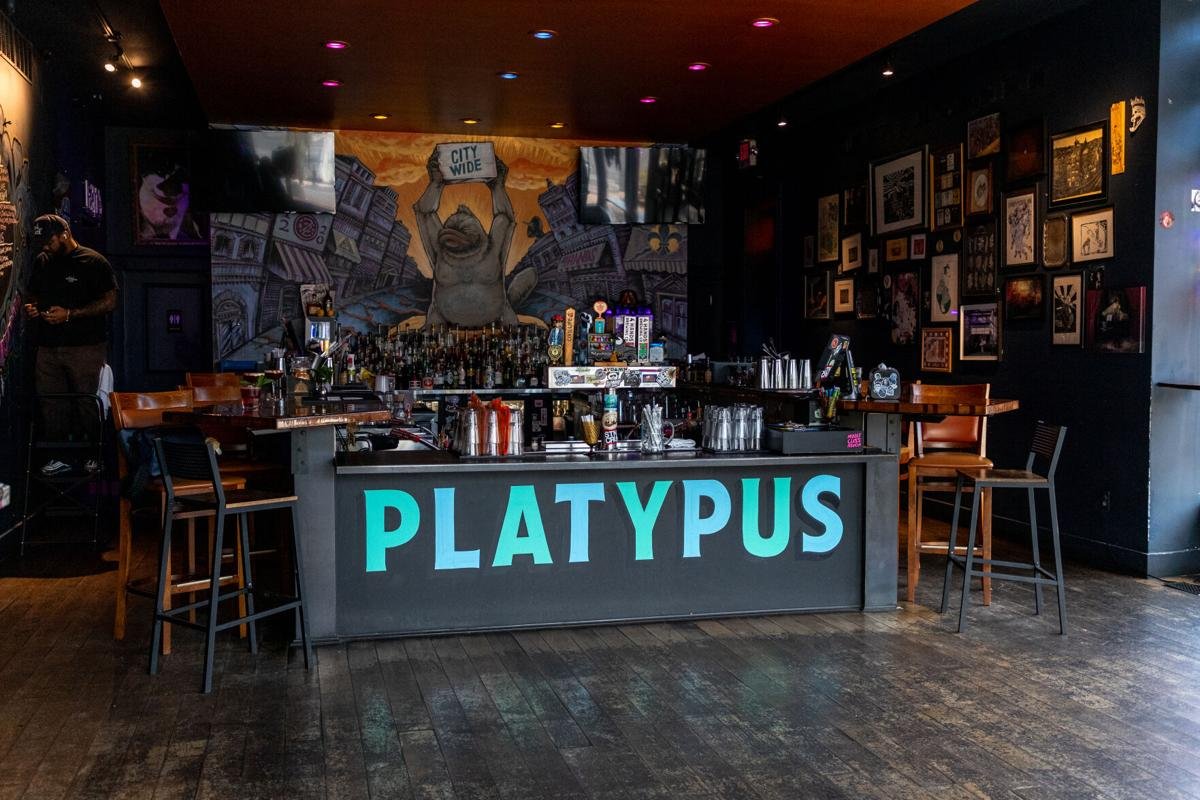
CBGB reads like a neighborhood staple rather than a curated destination. It sits on South Grand amid Ethiopian restaurants, Vietnamese noodle shops and local coffee counters, and the copy emphasizes operator-owned, community-facing hospitality. The bar is embedded in an independent scene sustained by organic foot traffic and regulars who keep it honest; that gives the place a relaxed, casual charm rather than a polished cocktail-club affect. The writing also flags sustainability and local brewing infrastructure as part of the bar’s identity, so the vibe is civic-minded and lived-in—familiar to locals and welcoming to newcomers willing to lean into the neighborhood rhythm.
Best For
CBGB is best for neighborhood occasions: late-night drinks, after-work stops and casual meetups with friends. The profile emphasizes that the corridor’s traffic is local and organic, so the bar is particularly good for regulars, solo visitors and small groups who want an authentic, community-rooted night out rather than a tourist-oriented scene. It doesn’t read as a spot for formal business dinners or destination celebrations; instead, it suits people who value independent operators, a lively neighborhood energy and straightforward, unpretentious service.
Ordering Tips
The description foregrounds local sourcing and St. Louis’s brewing infrastructure, so a smart move is to ask the bartender about local beers and rotation taps—operators like 2nd Shift Brewing are mentioned as part of the city’s brewing ecosystem. The profile also highlights a broader sustainability conversation around spirits and supply chains, so bartenders are likely to be able to speak to where bottles are sourced. Keep orders simple and conversational: ask what’s local or sustainably produced if you want to align your choices with the bar’s neighborhood-minded ethos.
Venue details
Ambiance
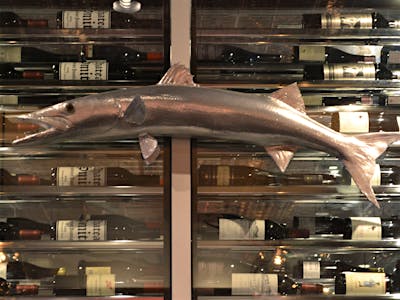
Edgy, low-lit atmosphere with punkish vibes and friendly, hospitable service.
Tags
Vibe
Best For
Experience
Format
At the Bar
- Bar Category
- Dive Bar
- Late Night
- Open Until 2am
- Music
- Punk and Alternative
- Live Music
- Yes
Signature Pours
gin_bucket
Know before you go
Know Before You Go
- Getting there
- 3163 S Grand Blvd, St. Louis, MO 63118
Planning details
Location
3163 S Grand Blvd, St. Louis, MO 63118 · Directions
Also consider
Also Consider
- New Society, Notable alternative
- Blackthorn Pub and Pizza, Notable alternative
- The Whiskey Ring, Notable alternative
- Little Fox, Notable alternative
- Civil Life Brewing Co., Notable alternative
Bar context
How CBGB compares in St Louis
CBGB is the easier, lower-commitment choice in this group: it makes sense when the night needs a casual South Grand stop with late hours rather than a tightly planned drinks experience. The Whiskey Ring is the better pick for a drinks-first outing, while Blackthorn Pub and Pizza is more useful when food and a bar setting need to sit together.
For atmosphere, Little Fox reads as the stronger choice for a more composed night, especially if the plan starts around dinner. Civil Life Brewing Co. is the clearer cross-shop for beer-focused groups. New Society is the one to compare when the group wants something that feels more intentional than a simple late-night bar stop.
Value depends on what the group needs: CBGB wins on flexibility and ease, The Whiskey Ring wins for a stronger bar-specific reason to go, Blackthorn Pub and Pizza wins when pizza is part of the decision, and Civil Life Brewing Co. wins for a brewery-led night. If booking friction is the concern, CBGB is the safest casual fallback in this set.
Explore St Louis
Around this place
Discover more on Pearl
Unlock the full CBGB guide in Pearl, including awards, comparisons, FAQs, planning details, and nearby places.
Compare CBGB
| Venue | Location | Awards |
|---|---|---|
| CBGB | St Louis | No published awards |
| New Society | St Louis | No published awards |
| Blackthorn Pub and Pizza | St Louis | No published awards |
| The Whiskey Ring | St Louis | No published awards |
| Little Fox | St Louis | No published awards |
| Civil Life Brewing Co. | St Louis | No published awards |
How CBGB St Louis compares with similar nearby venues.
FAQ
Frequently Asked Questions
Is CBGB good for groups?
CBGB may work for casual groups that want a St Louis stop with late daily hours. If group seating, private areas, or reservation policies matter, confirm directly before going.
What's the best time to go to CBGB?
CBGB is open from 5 PM to 1:30 AM every day. It is best planned as an evening or late-night St Louis stop rather than a lunch option.
Do I need a reservation at CBGB?
If you need a guaranteed plan, contact CBGB directly before going. The key planning details are the casual dress code and daily 5 PM to 1:30 AM hours.