

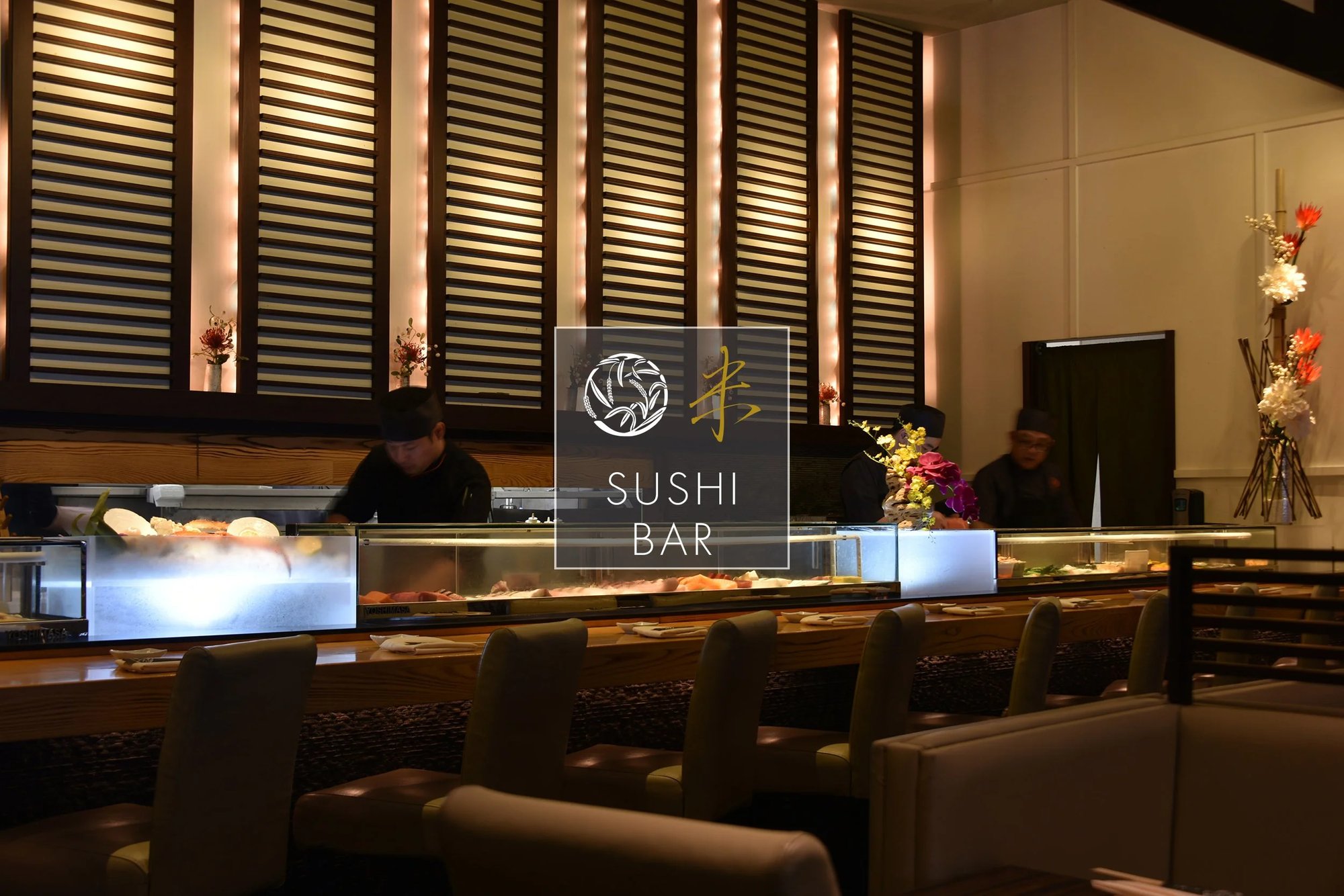
Kome Sushi
Parkville, Sioux
Bar in Sioux, United States
 Book with Pearl
The Read
Price
$10–20per person
Why go
Kome Sushi is a practical pick when sushi is the plan and an easy booking matters more than a big bar scene. It suits casual meals around Parkville better than destination dining, especially if the group wants a low-pressure option without building the night around cocktails or awards.
About Kome Sushi
Kome Sushi is a Sioux venue with a casual dress code. The schedule is Monday closed; Tuesday through Thursday 11 AM–9:30 PM; Friday and Saturday 11 AM–10 PM; and Sunday 11 AM–9:30 PM.
Use this as a practical planning note rather than a full review. If you are comparing Kome Sushi with other options, keep the decision grounded in its Sioux location, operating hours, and casual dress code.
Choose it when the hours fit your plan
Kome Sushi is closed on Monday and open from late morning into the evening Tuesday through Sunday. Friday and Saturday have the latest closing time, at 10 PM. Tuesday, Wednesday, Thursday, and Sunday close at 9:30 PM.
For comparison, The Ship or Thou Mayest - River Quay may be worth checking as separate options.
Better for casual planning than assumption-heavy decisions
The dress code is casual, which makes Kome Sushi easy to consider for a relaxed outing. For outdoor seating, private dining, takeout, delivery, allergy accommodations, group capacity, or a specific service style, check directly before you go.
If Kome Sushi does not fit your timing, you can compare it with other named options such as Trezo Mare Restaurant & Lounge, Hawg Jaw Que & Brew, or Taste of Brazil Restaurant & Bar. The safest approach is to check current details directly before making a final plan.
Planning details
- Location
- 10925 MO-45, Parkville, MO 64152
- Reservations
- Book on the venue's website
- Website
- komesushikc.com
- Phone
- +1 816 587 8882
The take
The Take
The Vibe
Kome Sushi reads like a practical, no-frills suburban sushi spot rather than an urban destination. The writing emphasizes function over form: a restaurant planted on a MO-45 commercial strip, surrounded by parking lots and chain signage, that nevertheless provides a dedicated Japanese option where few exist. It doesn’t aim for minimalist design gestures or gastronomic theater; instead it occupies a market-accurate middle ground: approachable, workmanlike and focused on delivering sushi in a context defined by accessibility. That pragmatic stance yields a straightforward, unpretentious vibe suited to everyday dining in Parkville.
Best For
Kome is best for locals and suburban diners who want a legitimate sushi option without traveling into the city. It is a primary representative of Japanese dining in its ZIP code, so it suits residents who prefer something beyond the strip-mall defaults. It works well for casual weeknight meals, small-group dinners and anyone seeking solid sushi in a convenient Parkville location.
Venue details
Ambiance
Casual neighborhood setting with a focus on quality sushi preparation.
Tags
Best For
Experience
Format
At the Bar
- Bar Category
- Sake Bar
- Spirits Focus
- Sake
Know before you go
Know Before You Go
- Getting there
- 10925 MO-45, Parkville, MO 64152
Planning details
Location
10925 MO-45, Parkville, MO 64152 · Directions
Also consider
Where to go if Kome Sushi is not the right fit
Pick The Ship if the night is more about drinks and atmosphere than sushi. Choose Trezo Mare Restaurant & Lounge if the group wants a more polished restaurant-lounge setting.
Bar context
How Kome Sushi compares in Sioux
Kome Sushi is the easiest recommendation when the brief is simple: sushi, low friction, and a meal that does not need a major reservation plan. Trezo Mare Restaurant & Lounge is the better fit for a more polished lounge-style outing, while Hawg Jaw Que & Brew makes more sense when the group wants barbecue, beer, and a more casual comfort-food lane.
For drinks-first plans, Kome Sushi is not the strongest choice on the comparison set because no verified cocktail depth is attached. The Ship and Thou Mayest - River Quay are cleaner cross-shops when ambiance and bar energy matter more than the meal category. If the group wants a restaurant-bar with a different food identity, Taste of Brazil Restaurant & Bar is the more obvious alternative.
Value depends on the occasion: Kome Sushi is the sensible pick for a casual sushi craving, not the splurge choice. Trezo Mare is better for a dressed-up meal, The Ship for a bar-led night, Thou Mayest for coffeehouse-meets-social energy, Hawg Jaw for barbecue, and Taste of Brazil for a livelier group meal.
Explore Sioux
Around this place
Discover more on Pearl
Unlock the full Kome Sushi guide in Pearl, including awards, comparisons, FAQs, planning details, and nearby places.
Compare Kome Sushi
| Venue | Location | Awards |
|---|---|---|
| Kome Sushi | Sioux | No published awards |
| Trezo Mare Restaurant & Lounge | Kansas City | No published awards |
| Hawg Jaw Que & Brew | North Kansas City | No published awards |
| The Ship | Kansas City | No published awards |
| Thou Mayest - River Quay | Kansas City | No published awards |
| Taste of Brazil Restaurant & Bar | Kansas City | No published awards |
How Kome Sushi Sioux: Hours and Dress Code compares with similar nearby venues.
FAQ
Frequently Asked Questions
What's the best time to go to Kome Sushi?
Use the hours to plan: Kome Sushi is closed Monday, open Tuesday through Thursday from 11 AM–9:30 PM, open Friday and Saturday from 11 AM–10 PM, and open Sunday from 11 AM–9:30 PM. The best time depends on your schedule, so confirm any time-sensitive plans directly.
Is Kome Sushi good for a date?
The dress code is casual, so Kome Sushi can fit a relaxed plan.
Is Kome Sushi open late?
Kome Sushi is open until 9:30 PM Tuesday through Thursday and Sunday, and until 10 PM on Friday and Saturday. It is closed Monday.