Pasticceria Nannini Conca D'Oro
Centro Storico, Siena
Bar in Siena, Italy
 Book with Pearl
The Read
Price
$10–20per person
Why go
A practical central Siena pastry-café stop, better for a quick two-person break than a full date-night plan. Choose it for convenience on Via Banchi di Sopra and easy all-week hours; pick Cacio E Pere, Caffè Le Logge, or Key Largo Bar if the evening needs more of a bar atmosphere.
About Pasticceria Nannini Conca D'Oro
Pasticceria Nannini Conca D'Oro offers a simple Siena stop with clearly listed daily hours. It is in Siena, the dress code is casual, and it is open every day from 7:30 AM to 9 PM.
That makes it a flexible option to keep in mind while planning time in the city. Without specific details on chef, menu, awards, pricing, seating, or service format, it is best not to build expectations around a particular culinary program or special-occasion format.
A casual Siena stop with daily hours
First-timers should frame the visit around convenience and timing. Pasticceria Nannini Conca D'Oro has the same listed schedule every day of the week, from 7:30 AM to 9 PM, which gives it a broad window for a casual stop in Siena.
If the goal is to compare it with other venues, consider the overall plan rather than assuming a specific menu or drinks focus. Cacio E Pere, Caffè Le Logge, and Key Largo Bar may be useful names to compare while deciding what kind of stop fits your day.
Practical Basics
It's a practical choice when you need the essentials: a Siena location, casual dress, and daily 7:30 AM to 9 PM hours. For readers building a broader itinerary, pair this kind of stop with the full Siena restaurants guide, the full Siena bars guide, or the full Siena hotels guide rather than treating it as the whole plan.
Planning details
- Location
- Via Banchi di Sopra, 24, 53100 Siena SI, Italy
- Website
- caffetterienannini.com
- Phone
- +39 0577 236009
The take
The Take
The Vibe
Pasticceria Nannini Conca D'Oro sits squarely on Via Banchi di Sopra, the spine of Siena's social life, and it leans into that civic role. The shop balances steady morning routines, locals at the counter with newspapers, against the deliberate stops of visitors, producing a warm, charming bustle rather than tourist spectacle. Its identity is rooted in Sienese confectionery tradition: panforte, ricciarelli and other rural ingredients shape both flavor and reputation. The result is a lively neighborhood institution that feels part bakery, part café and wholly embedded in the rhythms of the city.
Best For
This is a place to come alone with a paper at first light or to pause midafternoon for coffee and a slice of a traditional sweet. Locals use it as a daily habit, while visitors treat it as a deliberate stop to sample regional specialties. The storefront life means it works well for after‑work passeggiata crowds and casual meetups; it is not staged for formal dining. If you want a true taste of Siena’s confectionery legacy against the backdrop of the city’s evening promenade, this pasticceria fits the bill.
Ordering Tips
Lean into the Sienese classics the pasticceria foregrounds: panforte, ricciarelli, cavallucci and copate are singled out as expressions of local ingredient logic. Mornings are counter moments, arrive early if you want the newspaper routine and front‑of‑house interaction, and midday brings coffee and slices for a slower pause. Because the shop is a civic institution rather than a tourist showcase, expect products that emphasize traditional sourcing and texture rather than decorative novelty; order with that regional context in mind.
Venue details
Ambiance
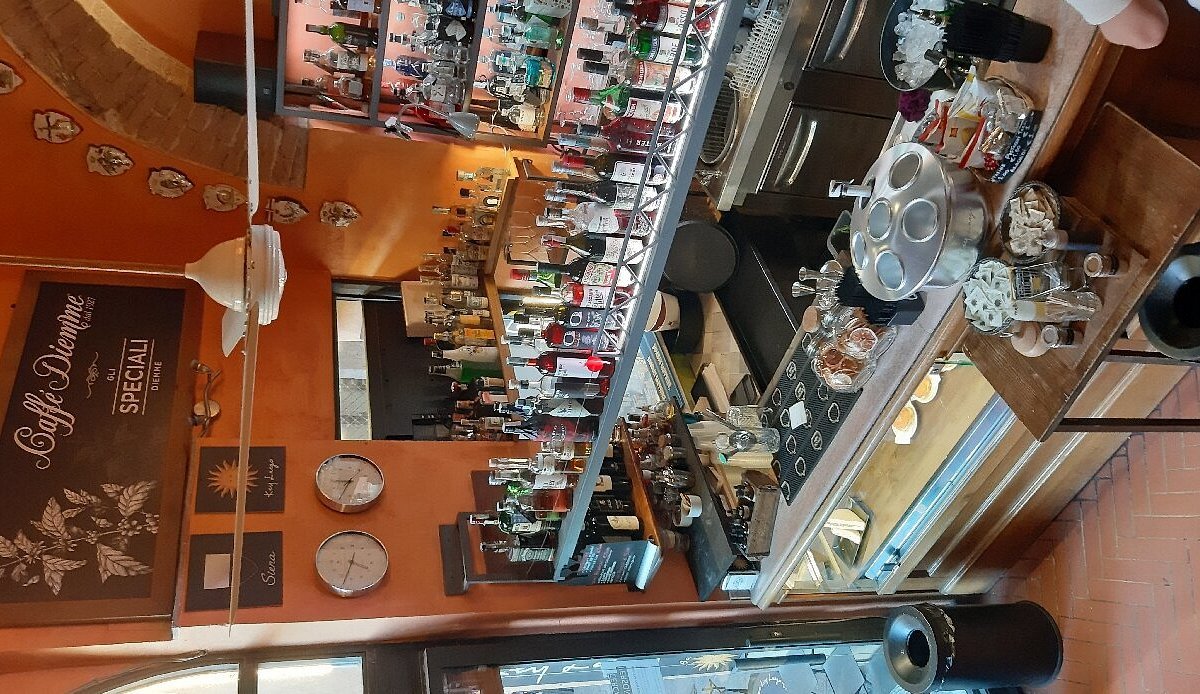
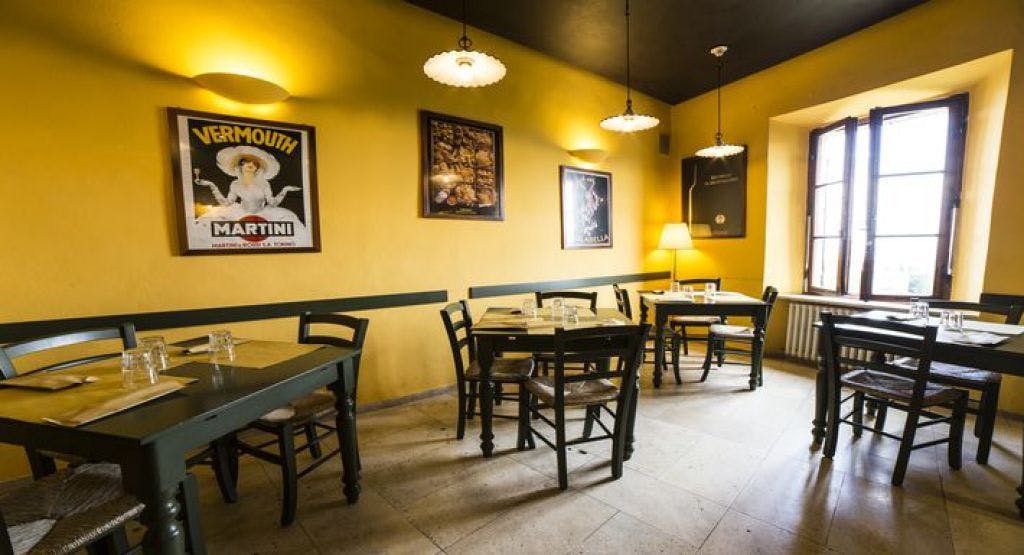
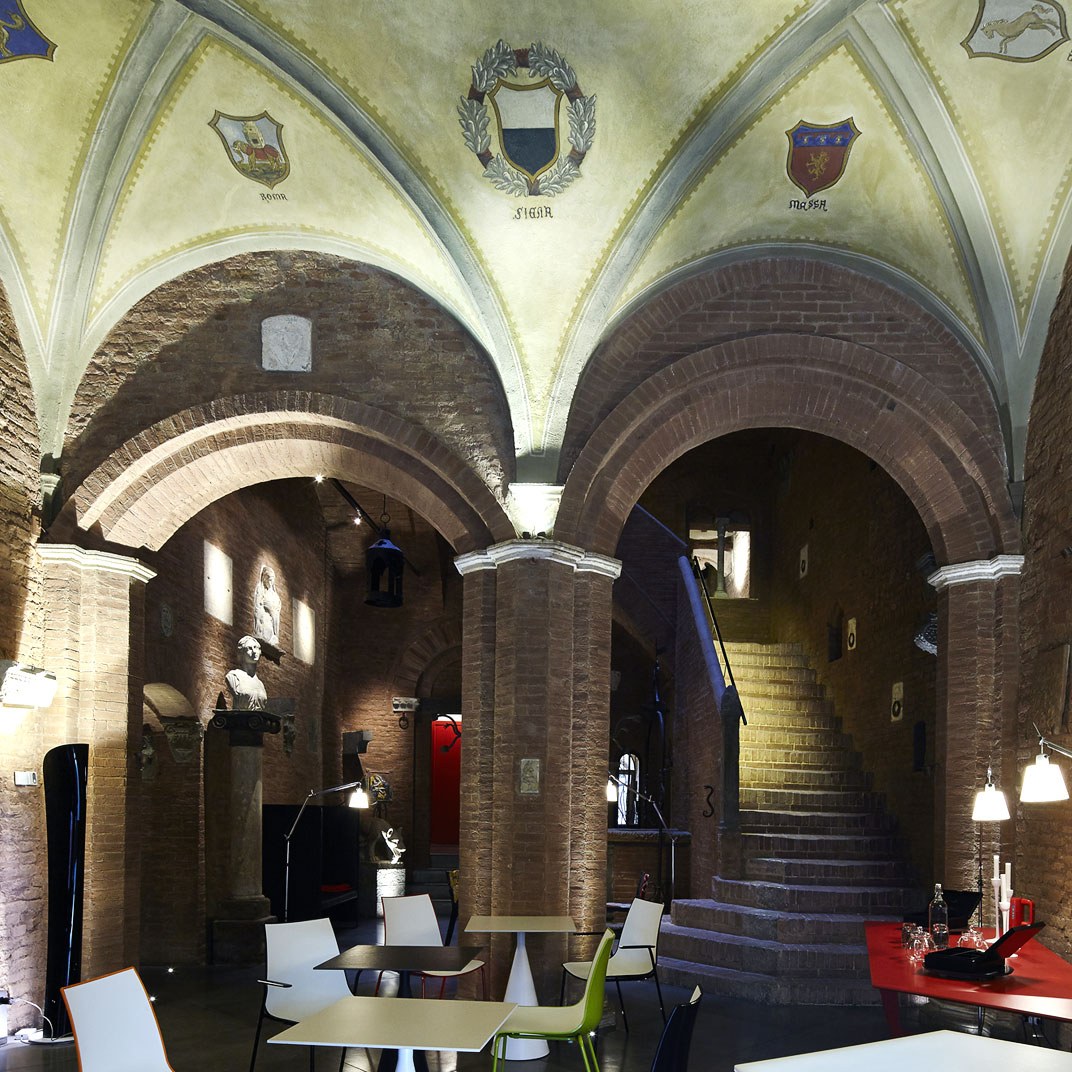
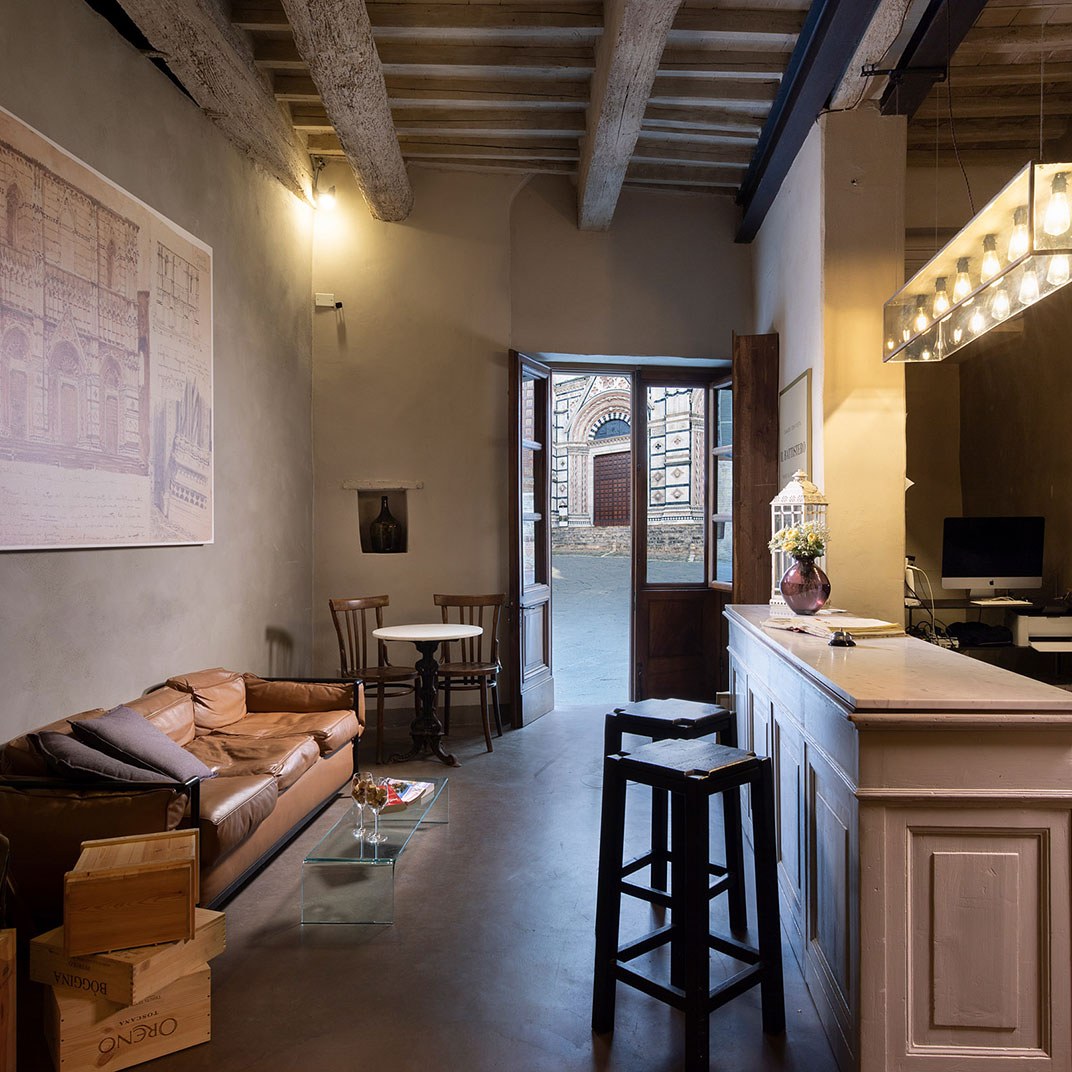
Cozy and clean historic cafe atmosphere with attractive windows.
Tags
Vibe
Best For
Experience
Format
Accessibility
At the Bar
- Late Night
- Closes by Midnight
- Music
- Tasteful
Know before you go
Know Before You Go
- Getting there
- Via Banchi di Sopra, 24, 53100 Siena SI, Italy
Planning details
Location
Also consider
Where to go if this is not the right fit
If the plan is drinks rather than pastry and coffee, cross-shop Cacio E Pere or Key Largo Bar. If the evening needs more food-and-wine weight, Salefino Vino&Cucina is the more relevant backup.
Bar context
How it compares in Siena
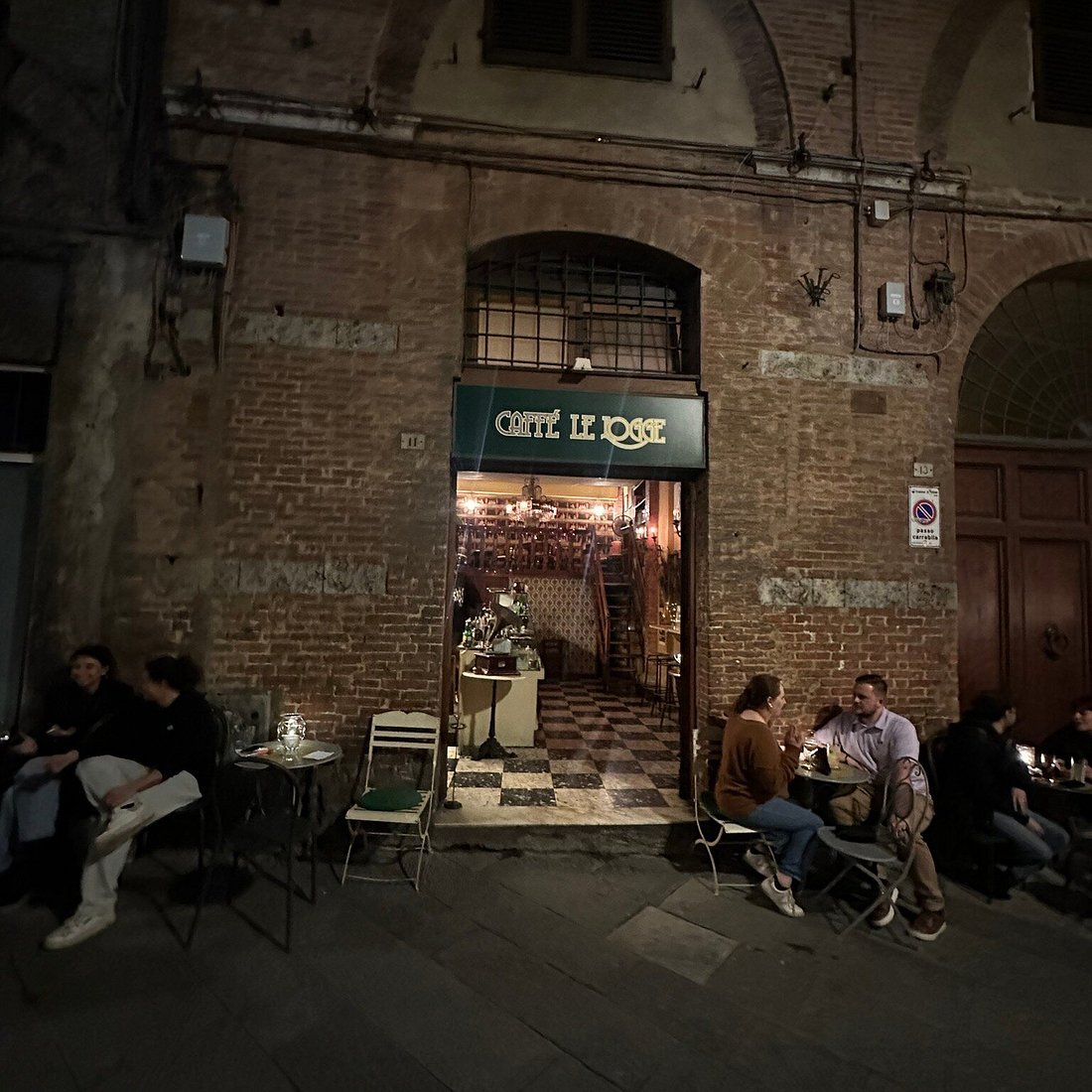
Pasticceria Nannini Conca D'Oro is the easiest choice when location and a short stop matter more than a full bar experience. Compared with Key Largo Bar, Cacio E Pere, and Caffè Le Logge, it reads more like a central pastry-café break than a place to structure the evening around.
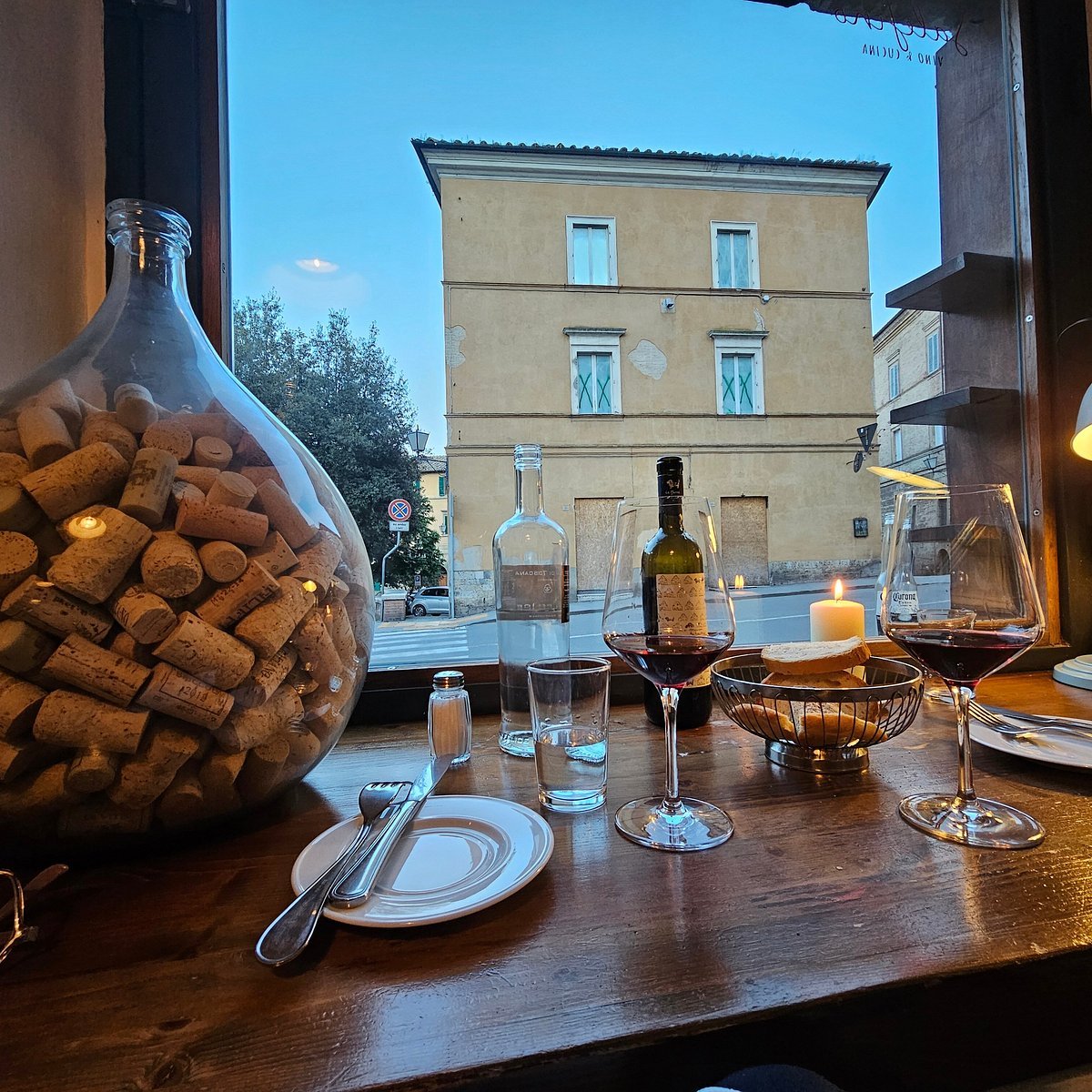
For a casual date, choose this for daytime coffee, a quick sweet, or a low-commitment pause between plans. Choose Cacio E Pere or bella vista social pub if the priority is a more social drinks setting, and look at Salefino Vino&Cucina if food and wine need to do more of the work.
Booking difficulty is the key advantage here: this is the lower-friction option in the set. The tradeoff is ambition. If the night needs ambiance and a longer arc, the peers are safer; if the plan needs a reliable central stop without ceremony, this is the practical call.
Around this place
Discover more on Pearl
Unlock the full Pasticceria Nannini Conca D'Oro guide in Pearl, including awards, comparisons, FAQs, planning details, and nearby places.
Compare Pasticceria Nannini Conca D'Oro
| Venue | Location | Awards |
|---|---|---|
| Pasticceria Nannini Conca D'Oro | Siena | No published awards |
| Key Largo Bar | Siena | No published awards |
| Cacio E Pere | Siena | No published awards |
| Caffè Le Logge | Siena | No published awards |
| bella vista social pub | Siena | No published awards |
| Salefino Vino&Cucina | Siena | No published awards |
How Pasticceria Nannini Conca D'Oro Siena compares with similar nearby venues.
FAQ
Frequently Asked Questions
Does Pasticceria Nannini Conca D'Oro have happy hour deals?
Happy hour deals are not listed for Pasticceria Nannini Conca D'Oro. It is in Siena, has a casual dress code, and is open daily from 7:30 AM to 9 PM.
Is Pasticceria Nannini Conca D'Oro open late?
It is open until 9 PM every day in Siena. The listed schedule is 7:30 AM to 9 PM Monday through Sunday.
Is the food good at Pasticceria Nannini Conca D'Oro?
Menu, dishes, prices, ratings, or awards are not available, so there is not enough detail to judge the food specifically. The safest basis for planning is its Siena location, casual dress code, and daily 7:30 AM to 9 PM hours.
Is Pasticceria Nannini Conca D'Oro good for a date?
It can work for a casual, low-pressure plan if the hours and Siena location fit your itinerary. For a date that depends on a specific atmosphere, menu, or drinks program, check current details first or compare with another option such as Caffè Le Logge.
What's the crowd like at Pasticceria Nannini Conca D'Oro?
A specific crowd or scene is not described. Plan based on the basics: Pasticceria Nannini Conca D'Oro is in Siena, has a casual dress code, and is open daily from 7:30 AM to 9 PM.