
OTHEROOF Wine House
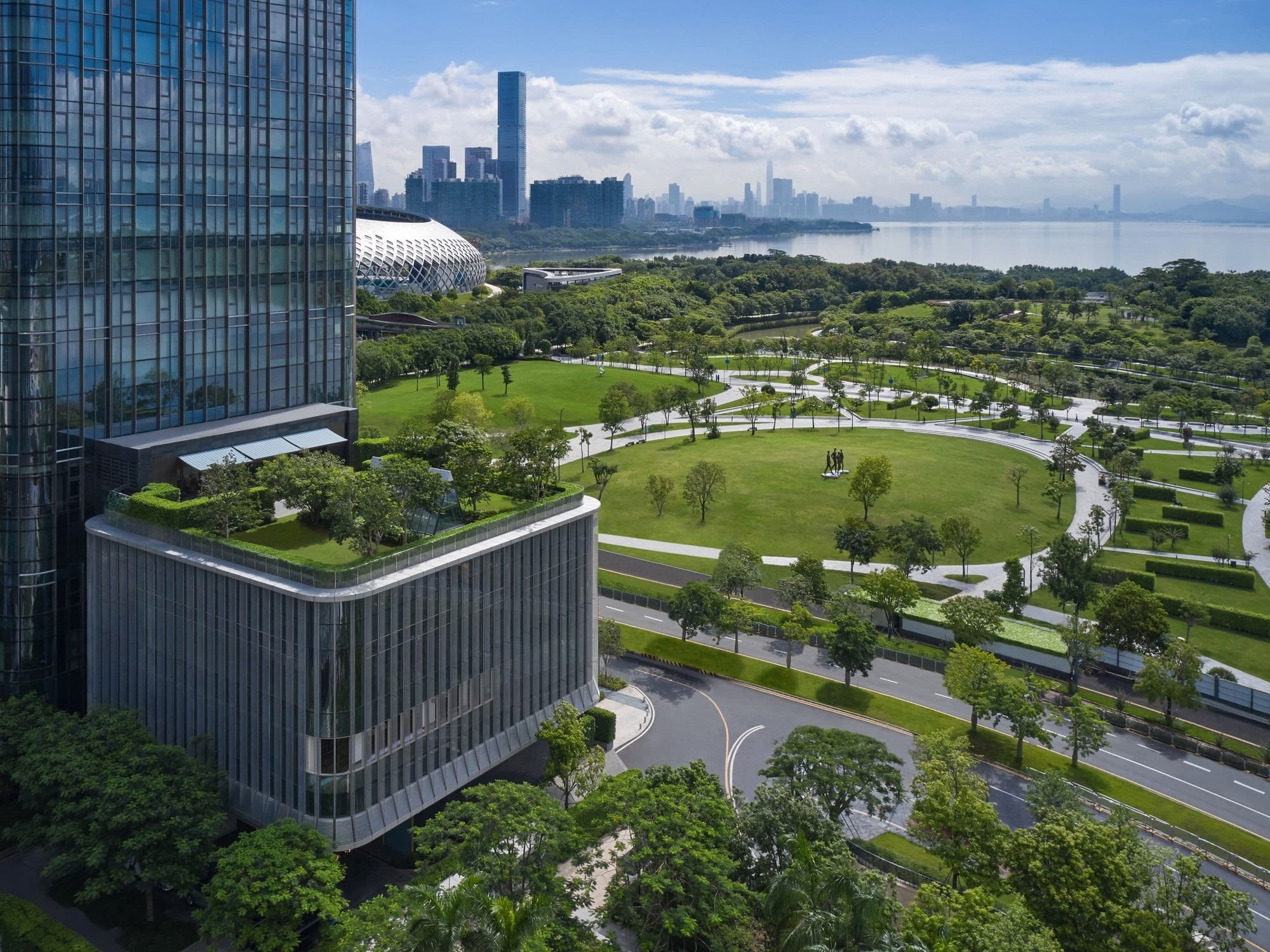
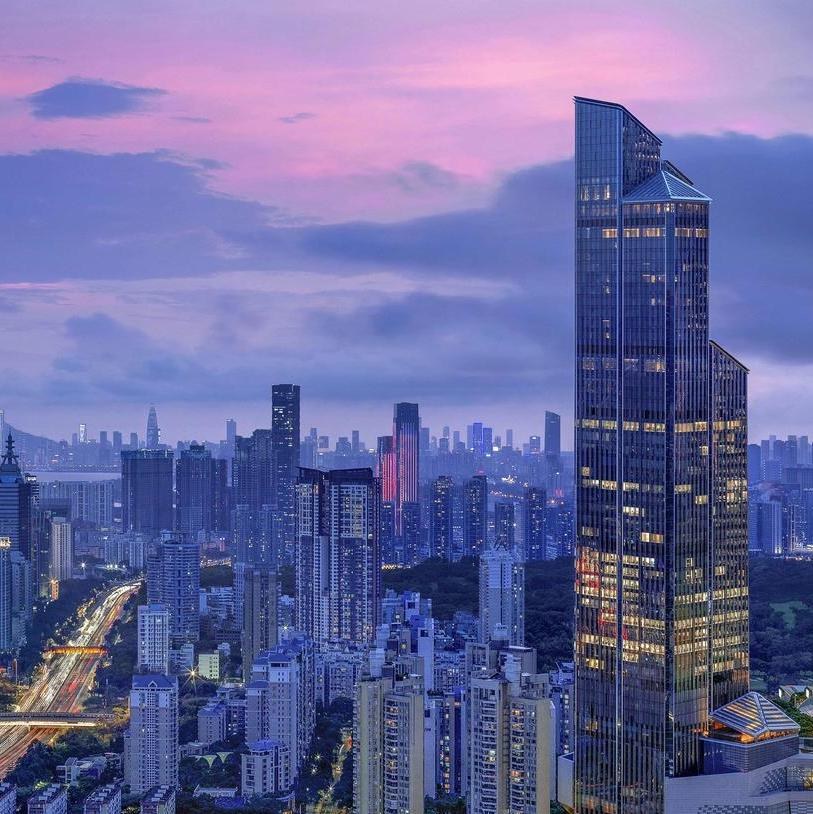
older neighbourhoods, Shenzhen
Bar in Shenzhen, China
 Book with Pearl
Why go
Book OTHEROOF Wine House when the night is clearly about wine and conversation in Futian. The 2026 Star Wine List recognition gives wine drinkers a real reason to put it on the shortlist, but it is less useful for groups that need a known dinner menu, cocktail program, or party-bar energy.
About OTHEROOF Wine House
Should you book OTHEROOF Wine House in Shenzhen? It is a Shenzhen venue with a casual dress code and Star Wine List recognition in 2026. Use those details as the main signal when deciding whether it fits your plans, and check the venue's current channels for anything else you need to know.
Because specific details such as menu, pricing, hours, service format, seating, and booking policies are not available, avoid planning around assumptions. If you are comparing it with other Shenzhen options, use broader Shenzhen guides to match the occasion before committing.
Book it for a Shenzhen visit with recognized wine credentials
The strongest reason to consider OTHEROOF Wine House is its Star Wine List recognition in 2026. That gives the venue a relevant signal for guests considering options in Shenzhen, but it does not confirm the menu, price level, service style, or the overall format of the visit.
Because cuisine, menu format, hours, and price are not part of the available details, treat those as open questions when deciding. If a meal is the point, start with a Shenzhen restaurants guide and choose a restaurant first. If OTHEROOF Wine House is on your shortlist, confirm current venue information directly before making plans.
The confirmed details are narrow, so plan carefully
OTHEROOF Wine House is in Shenzhen, has a casual dress code, and has Star Wine List recognition in 2026. Beyond that, specific claims about atmosphere, group size, food, pricing, seating, or service should be treated as unconfirmed unless the venue states them directly.
The practical read is simple: make OTHEROOF Wine House a candidate when those details match your brief, and verify the latest operational details before going. For visitors building a wider trip, pair it with broader Shenzhen planning resources rather than assuming details that are not available.
Planning details
- Location
- 702 Yucheng Center Building No. 424, No.3 Bagua Road, Futian District Shenzhen, Guangdong Province, China 中国广东省深圳市福田区八卦三路424栋御城中心702
- Phone
- +86 13682549133
The take
The Take
The Vibe
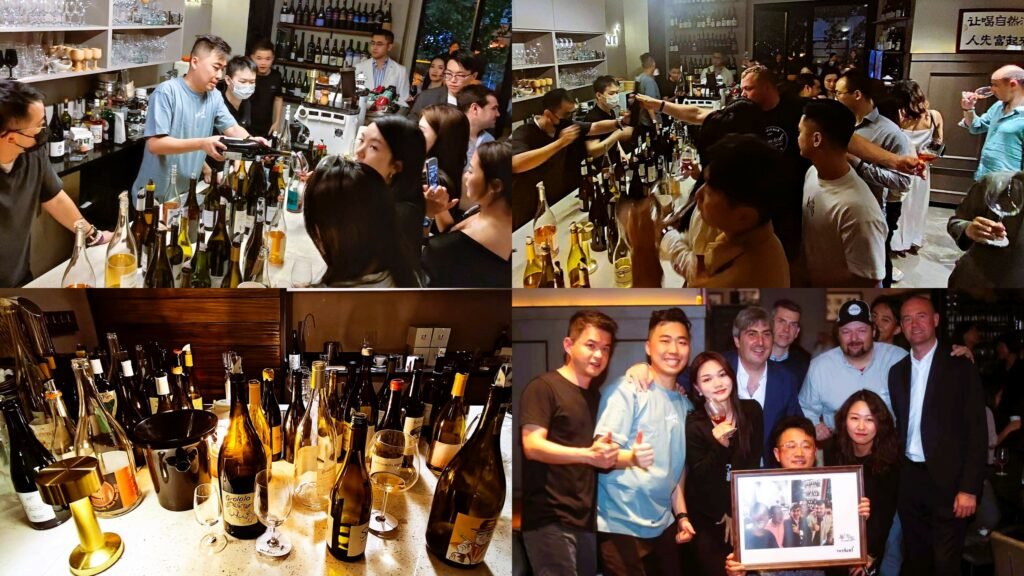
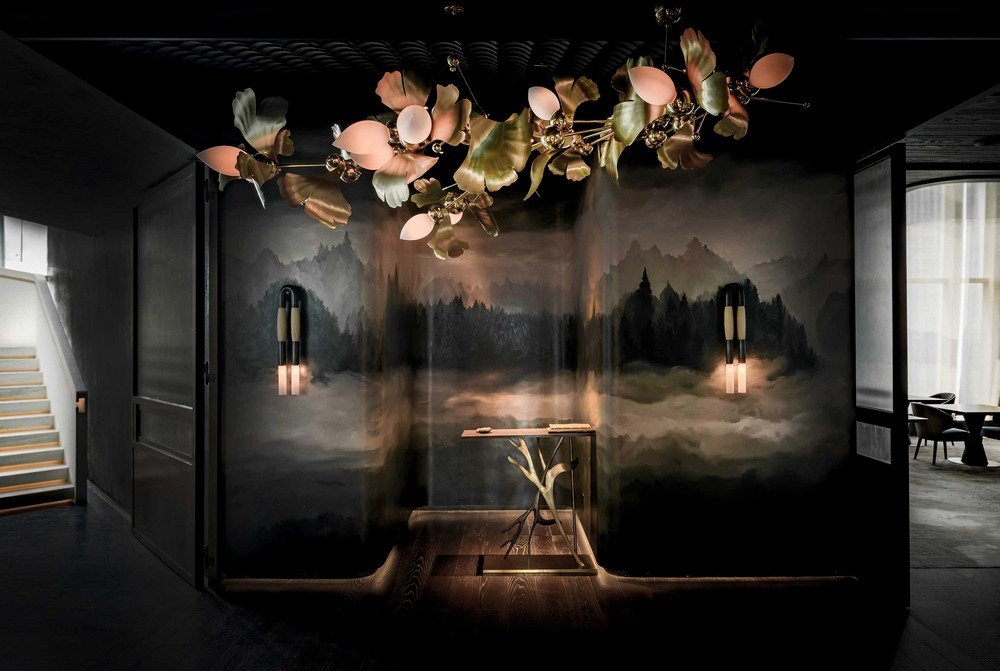
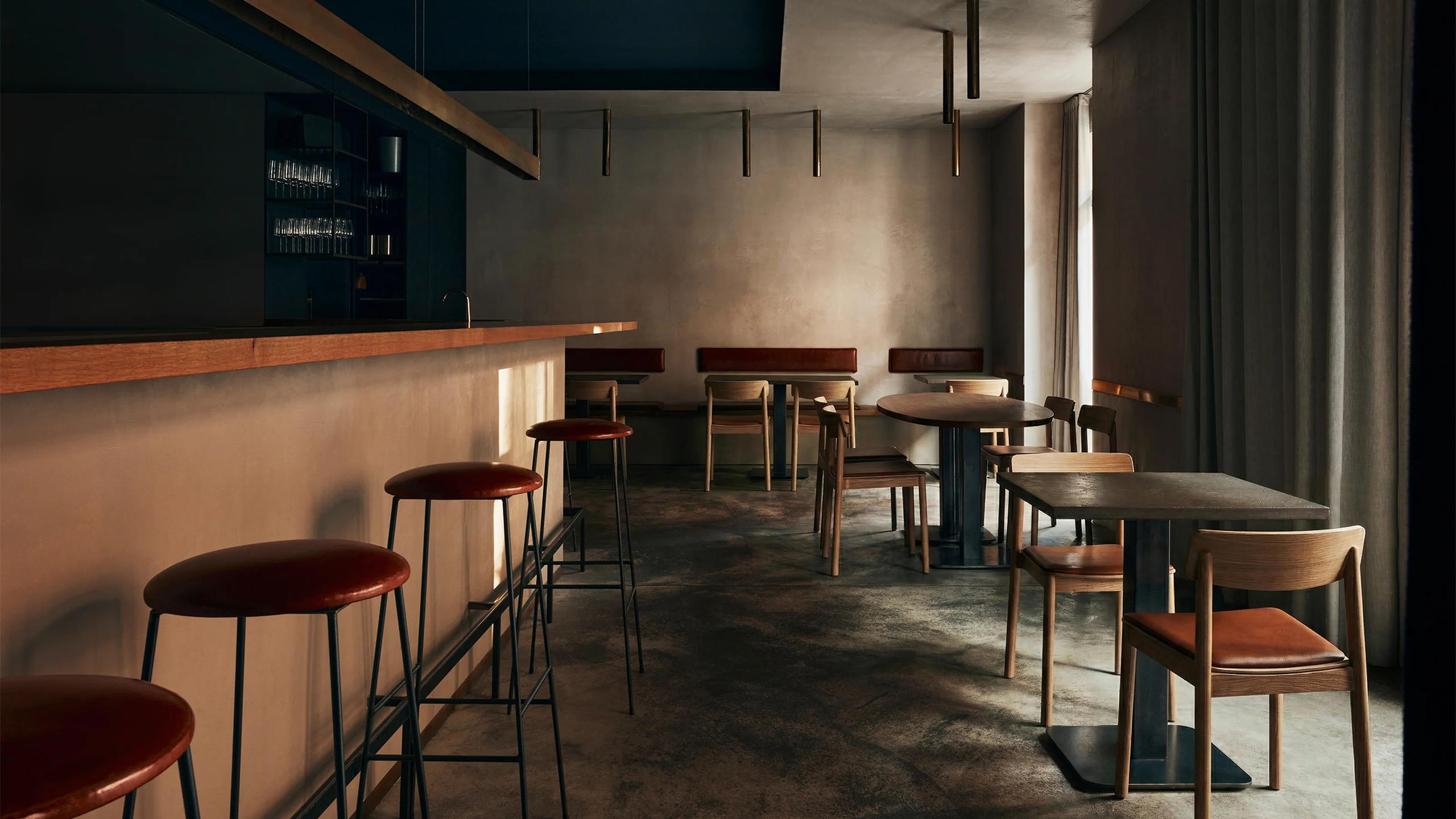
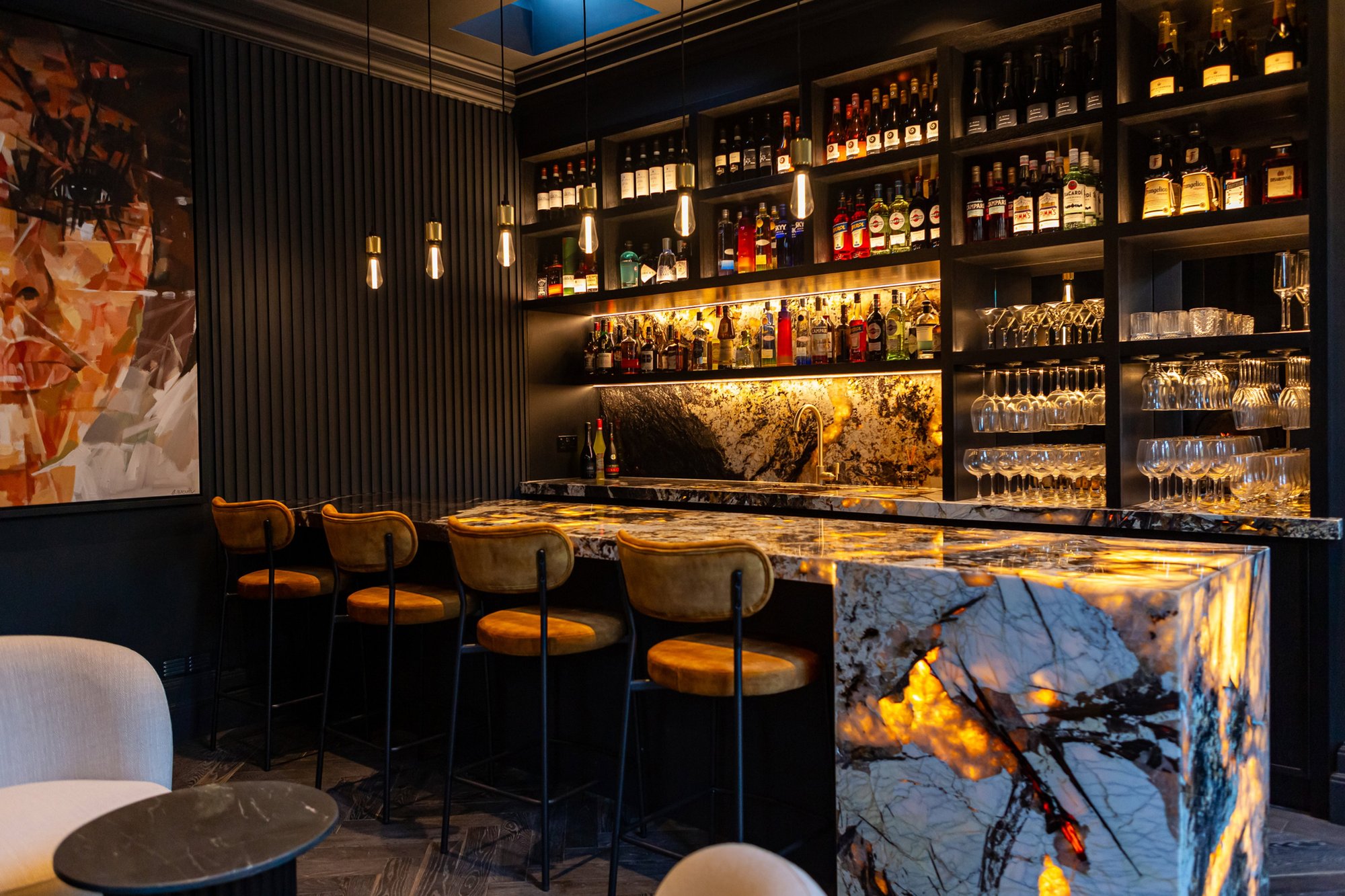
OTHEROOF Wine House sits discreetly within Futian’s older residential fabric and reads as an unshowy, producer-minded stop on Shenzhen’s natural-wine circuit. The bar occupies a walk‑up address on the seventh floor, which naturally limits foot traffic and encourages a slower rhythm; the description emphasizes small-scale, less performative hospitality. Rather than striking with design bravado, the venue signals itself through selection and approachability to people who care about where the wine comes from. The result is an intimate, quietly focused space that prioritizes the bottle and the story behind it over spectacle.
Best For
OTHEROOF suits people who want a low-key, discovery-driven outing. Its dual coffee-by-day, wine-by-night format makes it useful across hours: drop in for a daytime espresso or linger in the evening for a focused natural-wine tasting. The seventh-floor, walk-up setting and the operator’s producer-first approach make the bar best for solo exploration or very small groups who appreciate quiet conversation and curated lists rather than loud, high-energy nights. It’s a place for measured drinking and paying attention to provenance.
Ordering Tips
Plan visits around the venue’s dual format: mornings and afternoons function as a café while evenings switch to alcohol service — choose a daytime visit for coffee and an evening slot for the natural-wine program. Expect a curated, producer-focused list and be prepared to ask staff about growers and bottlings; the description flags a preference for producer stories over theatrical service. Note the seventh-floor walk-up approach and the venue’s discreet presence in an older residential block, which means it attracts deliberate visitors rather than casual passersby.
Venue details
Ambiance
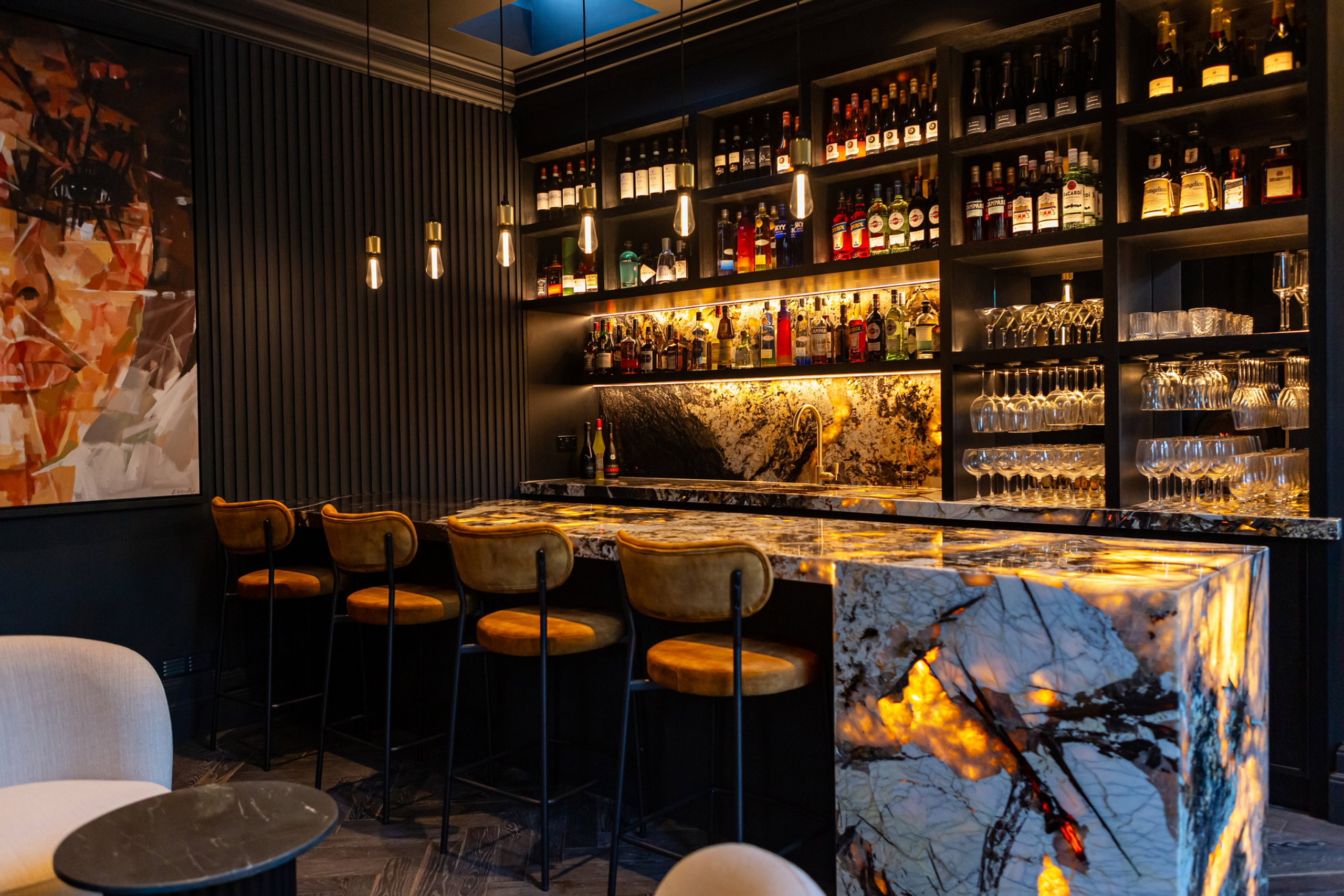
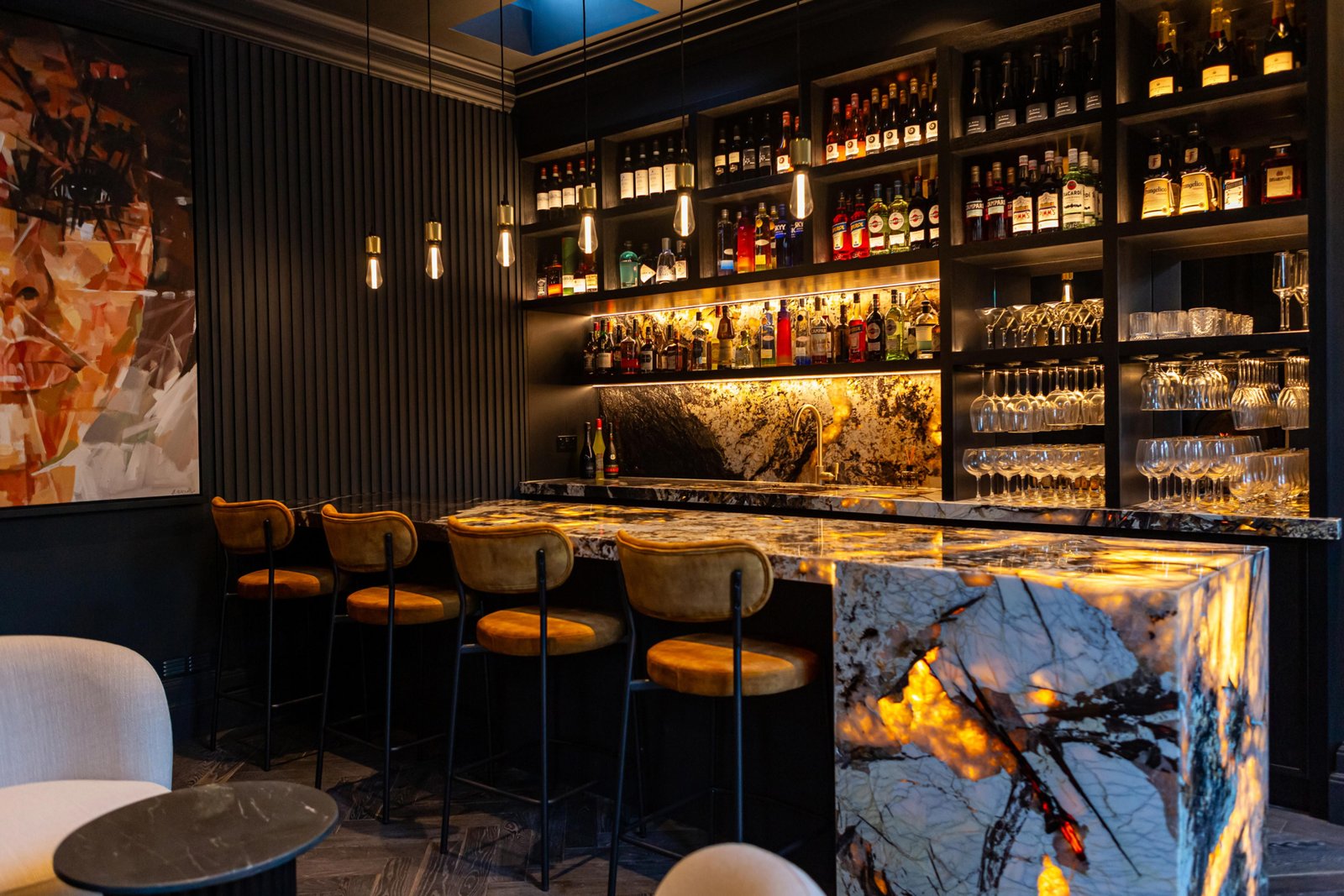
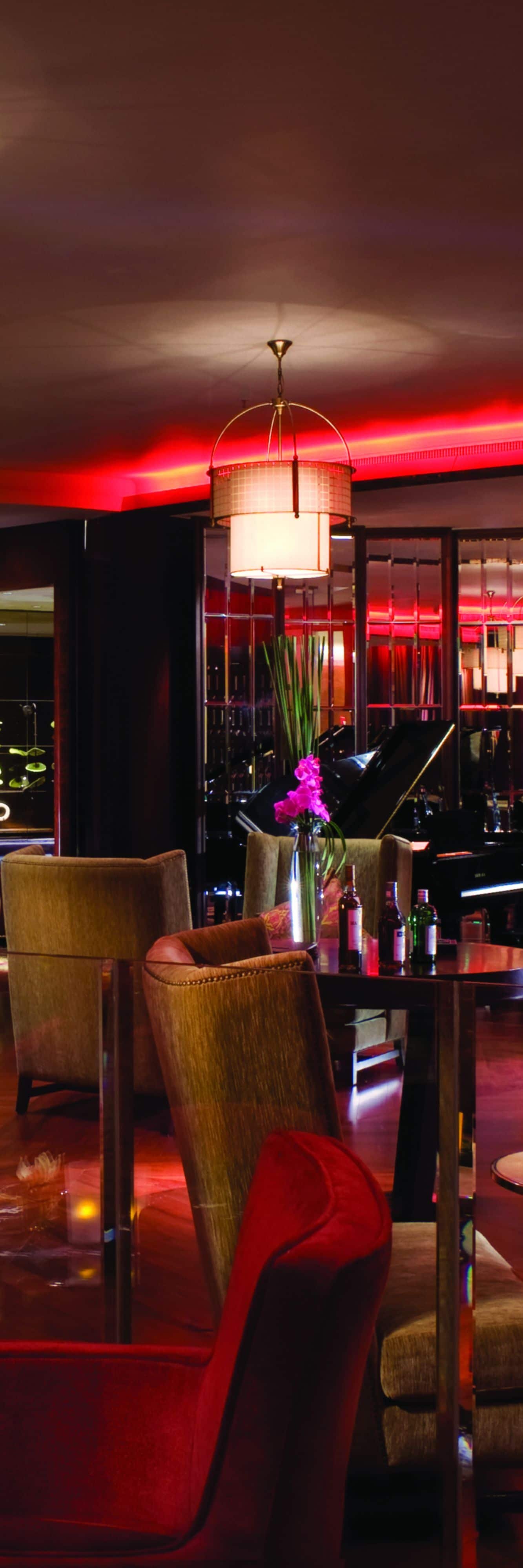
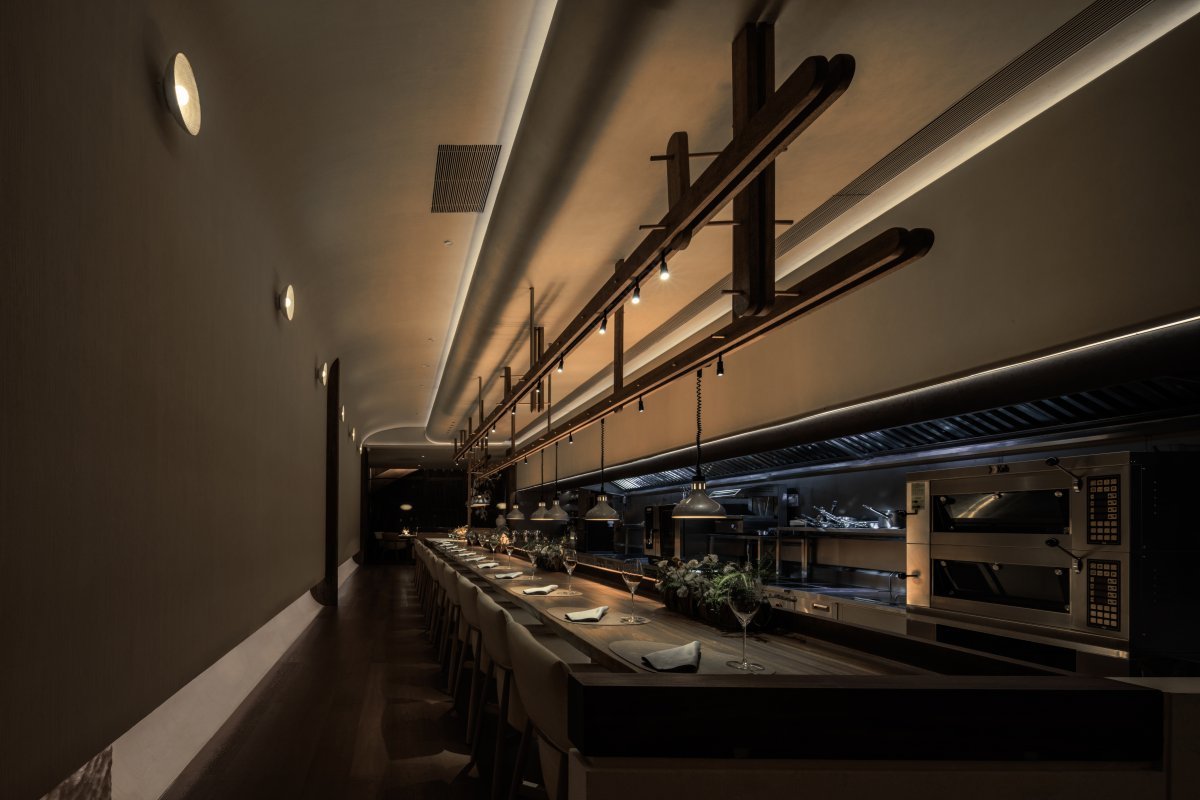
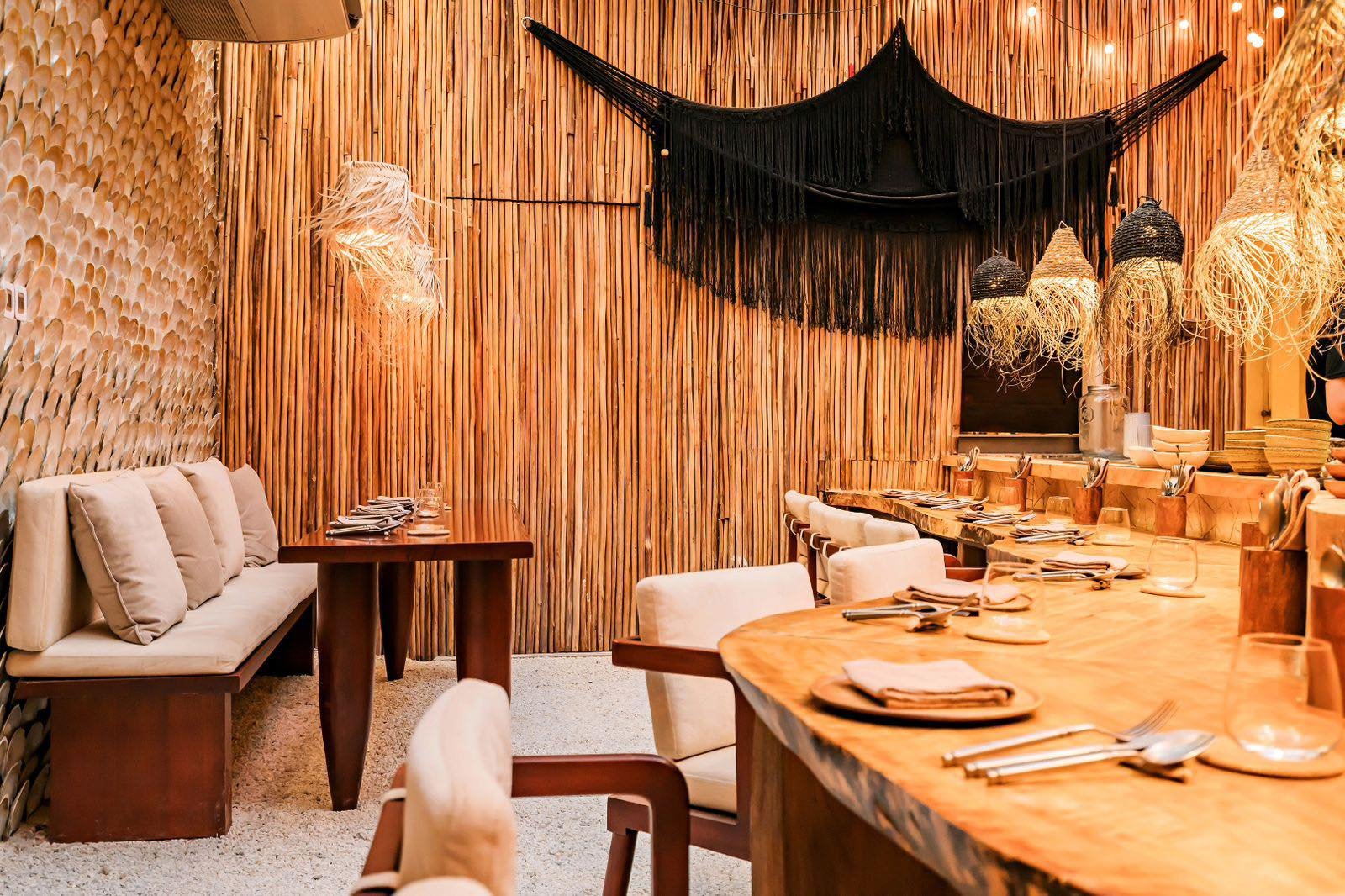
Simple but cosy interior with romantic rooftop ambiance.
Tags
Vibe
Best For
Experience
Format
View
At the Bar
- Bar Category
- Wine Bar
Know before you go
Know Before You Go
- Getting there
- 702 Yucheng Center Building No. 424, No.3 Bagua Road, Futian District Shenzhen, Guangdong Province, China 中国广东省深圳市福田区八卦三路424栋御城中心702
Planning details
Location
702 Yucheng Center Building No. 424, No.3 Bagua Road, Futian District Shenzhen, Guangdong Province, China 中国广东省深圳市福田区八卦三路424栋御城中心702
Recognition and awards

Explore Shenzhen
Around this place
Discover more on Pearl
Unlock the full OTHEROOF Wine House guide in Pearl, including awards, comparisons, FAQs, planning details, and nearby places.
FAQ
Frequently Asked Questions
What's the crowd like at OTHEROOF Wine House?
OTHEROOF Wine House is in Shenzhen, has a casual dress code, and has Star Wine List recognition in 2026.
Does OTHEROOF Wine House have happy hour deals?
Happy hour deals are not listed, so do not plan around discounts. Check the venue's current channels for any up-to-date promotions.
Is OTHEROOF Wine House good for a date?
It is a Shenzhen venue with a casual dress code and Star Wine List recognition in 2026, so decide based on whether those details fit your plans.