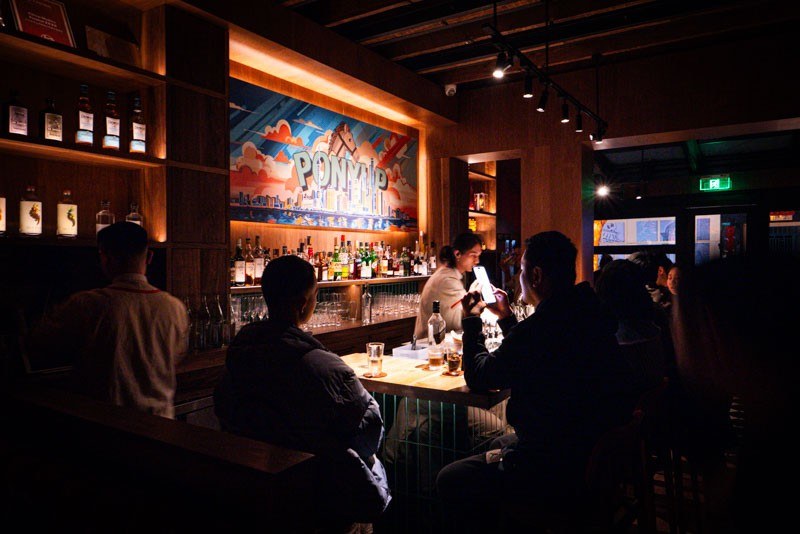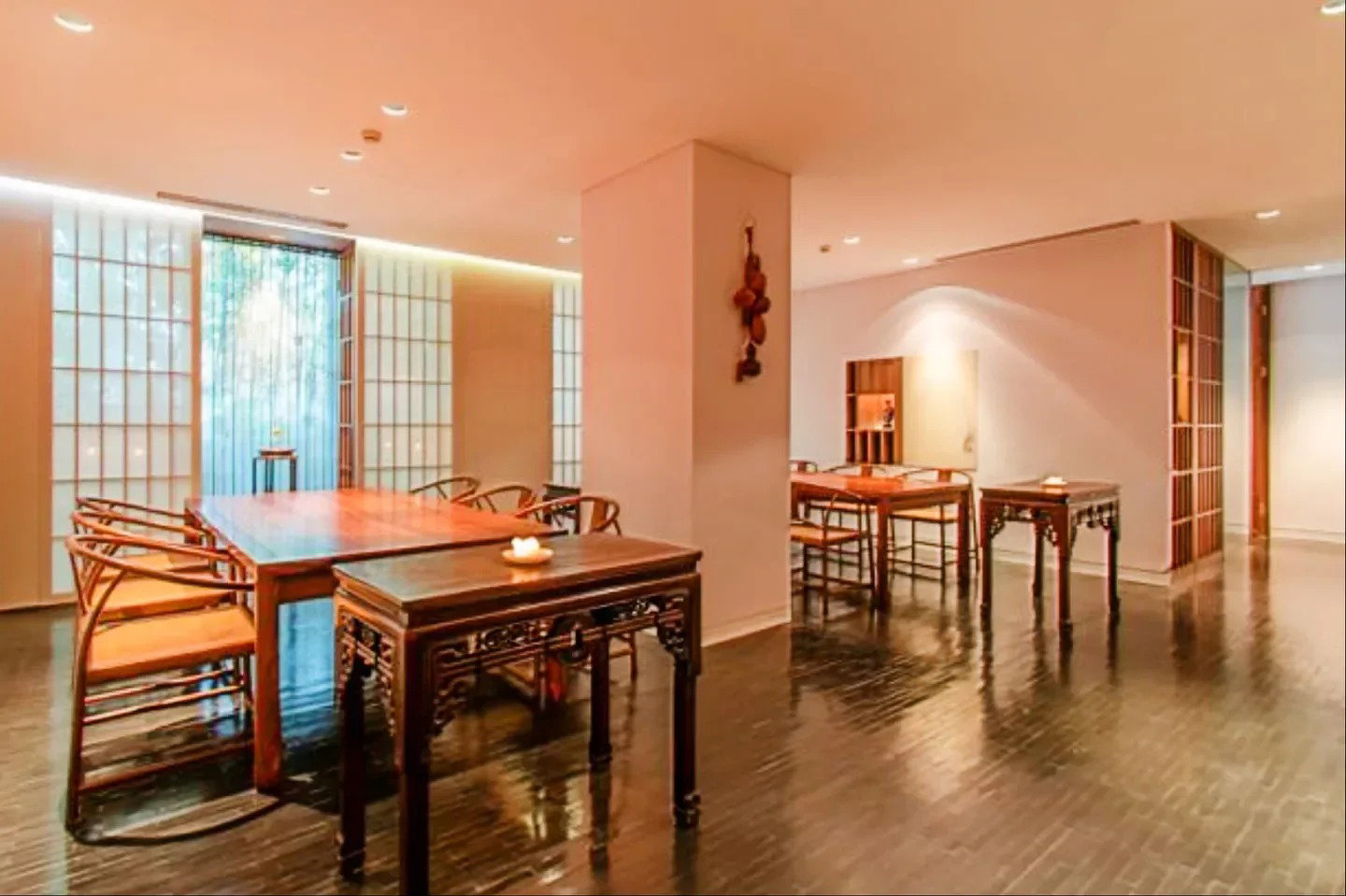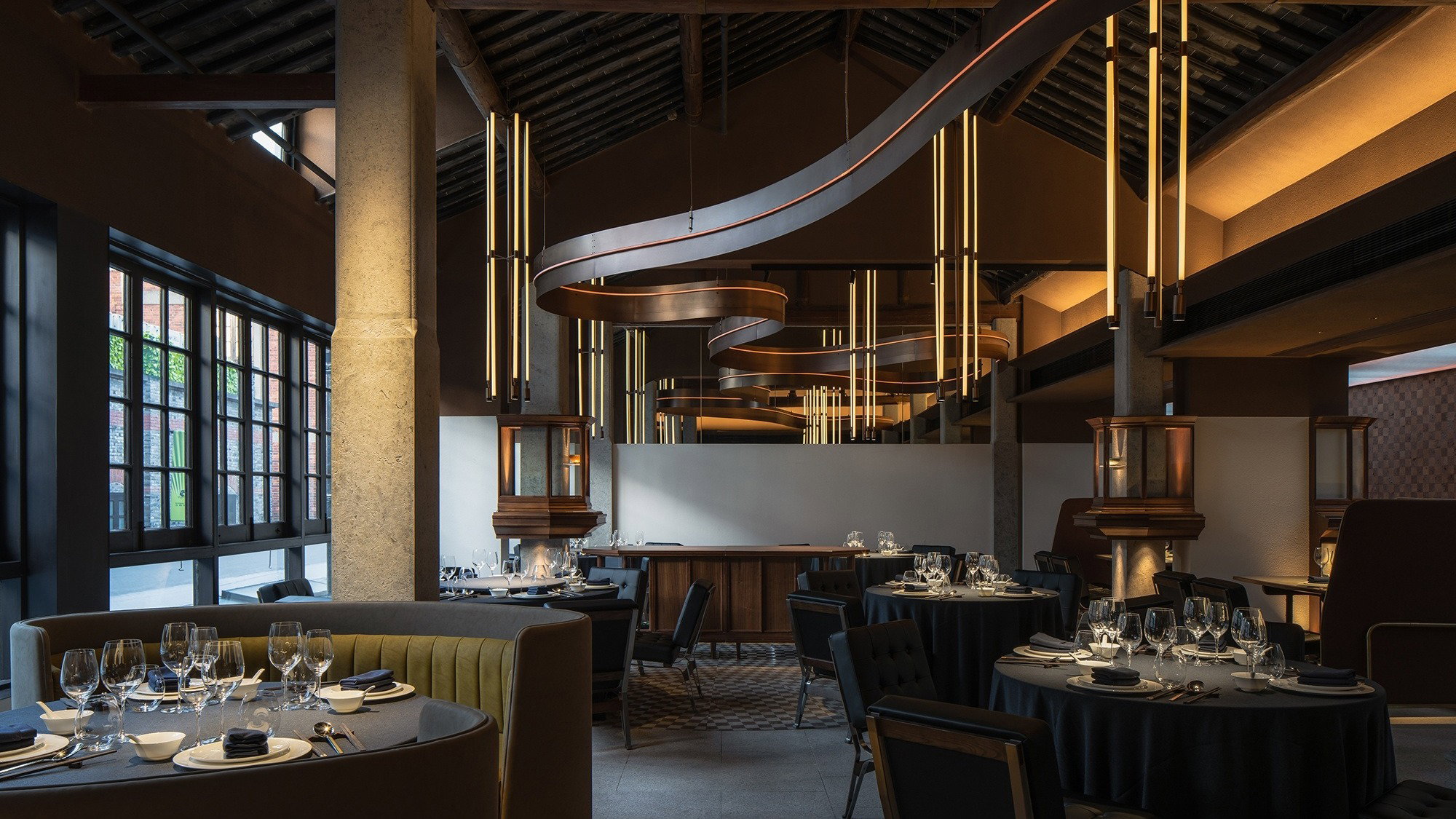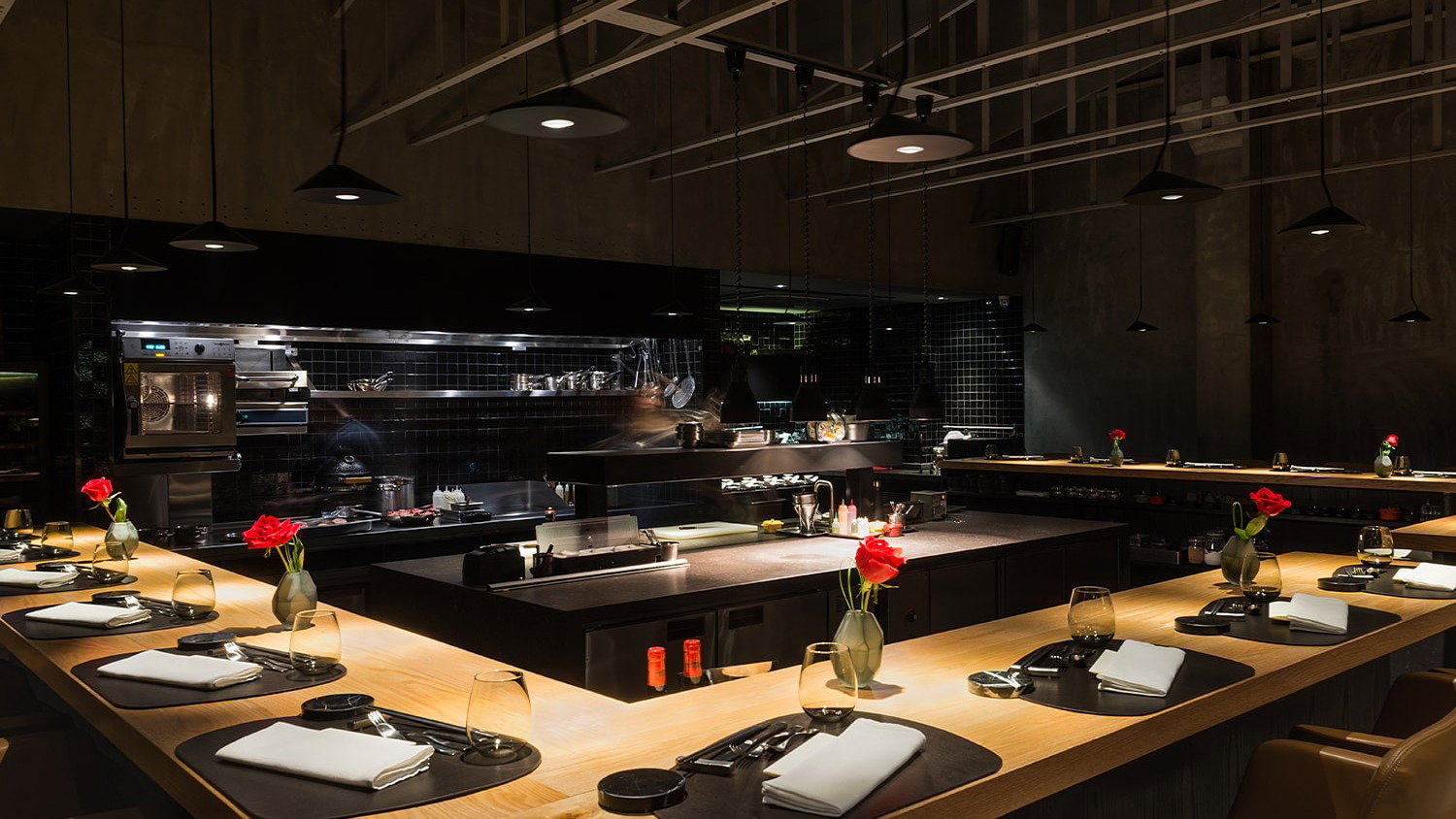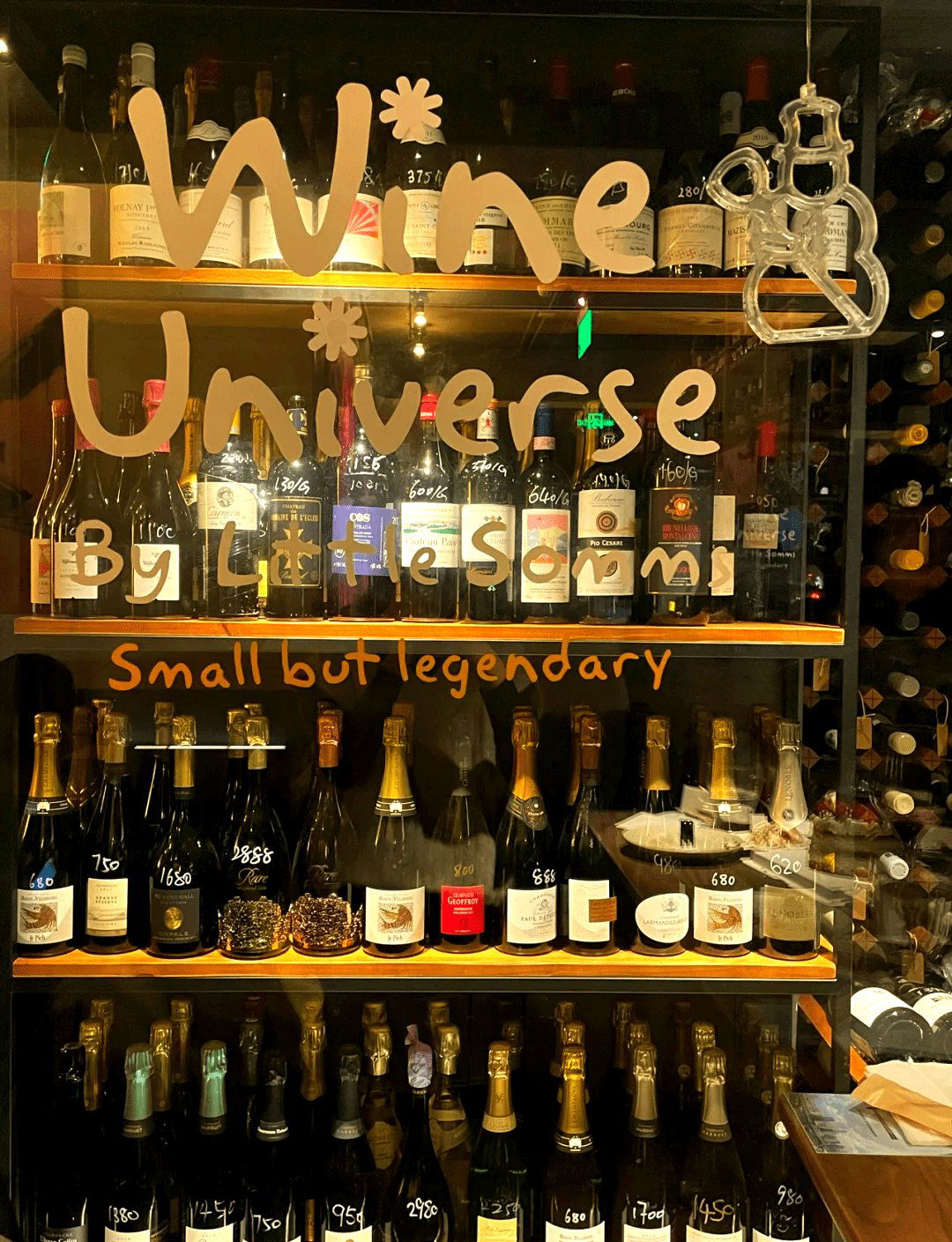

Bar in Shanghai, China
Wine Universe by Little Somm
100ptsSommelier-Led Wine Education

About Wine Universe by Little Somm
Wine Universe by Little Somm occupies a distinct tier in Shanghai's wine bar scene, launched by two credentialed sommeliers to push wine culture beyond the usual glass-and-charcuterie formula. The format pairs serious list-building with a food programme designed to work with the wine, not around it. For Shanghai's growing cohort of wine-literate drinkers, it reads as a reference address.
Where Shanghai's Wine Bar Scene Has Been Heading
Shanghai's bar culture has spent the better part of a decade sorting itself into tiers. The cocktail segment settled into a recognisable hierarchy, with venues like Coa (Shanghai) and Epic anchoring the serious end, and the wine bar category has followed a similar arc. Early iterations leaned on imported shelf prestige and casual seating. What followed, in the smarter rooms, was a turn toward sommelier-driven programming: curated lists with genuine depth, staff who can argue a case for an unfashionable region, and food built to work with the glass rather than merely accompany it. Wine Universe by Little Somm lands inside that second wave, co-founded by sommeliers Jasper Sun and Sol Yang with a declared intent to make wine culture more accessible without stripping out its complexity.
That sommelier-led origin matters not as biography but as category signal. In cities where wine bar quality correlates closely with the credentials behind the list, a venue launched by two working sommeliers starts with different assumptions than one opened by a hospitality group chasing a format trend. The competitive peer set here is not the hotel wine bar or the imported-bottle shop with tables. It sits closer to the specialist, programme-first operations that have emerged in Shanghai's more wine-focused neighbourhoods over the past several years.
The Room and What You Walk Into
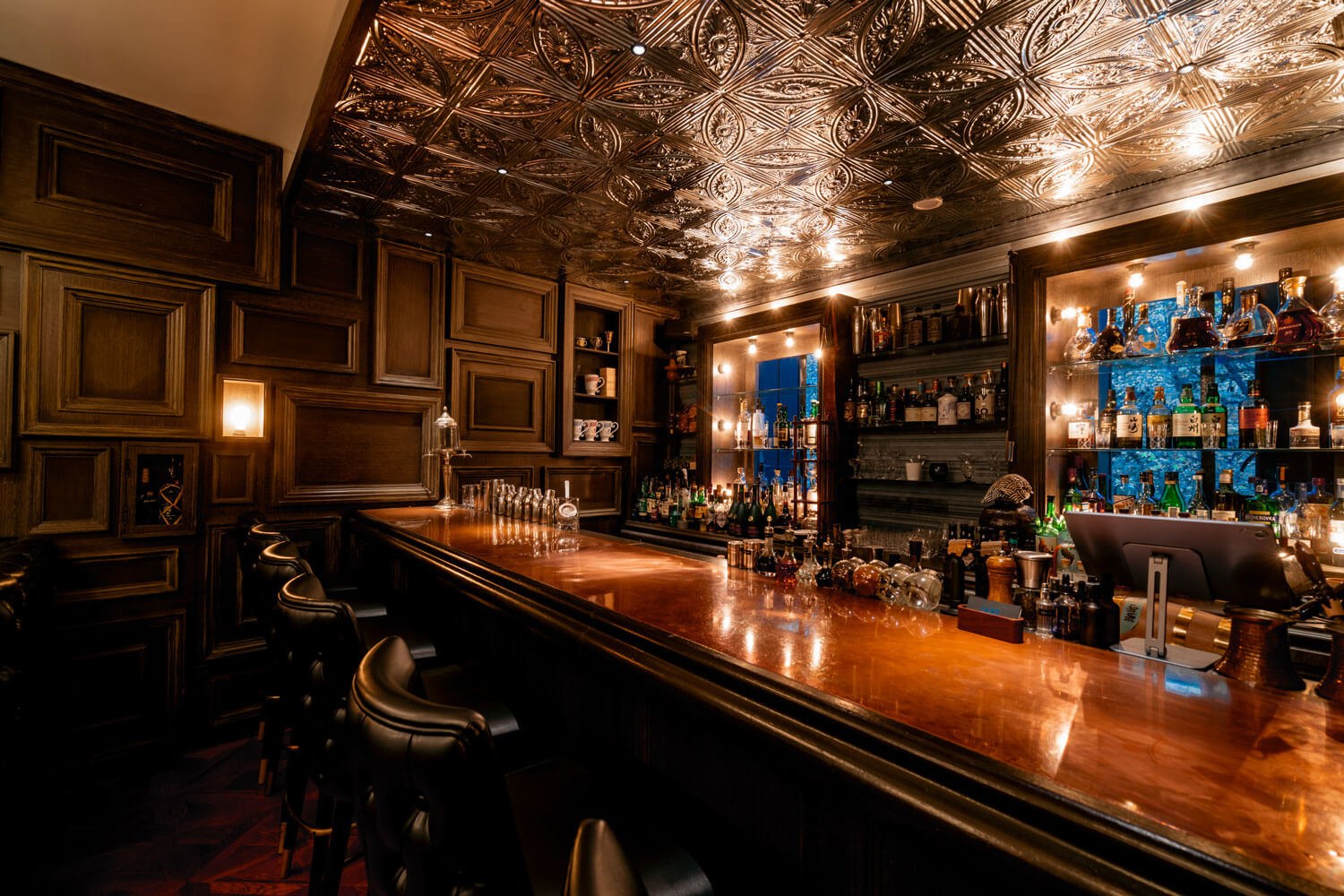
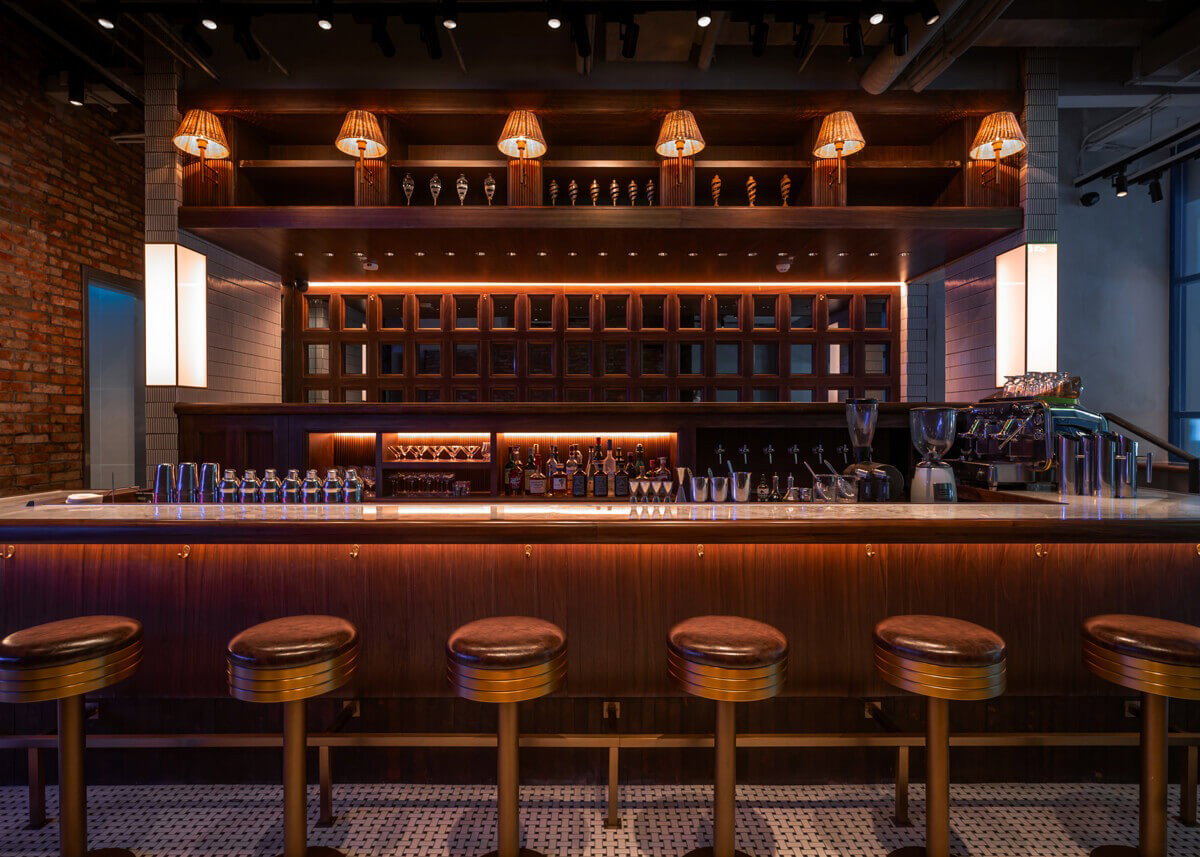
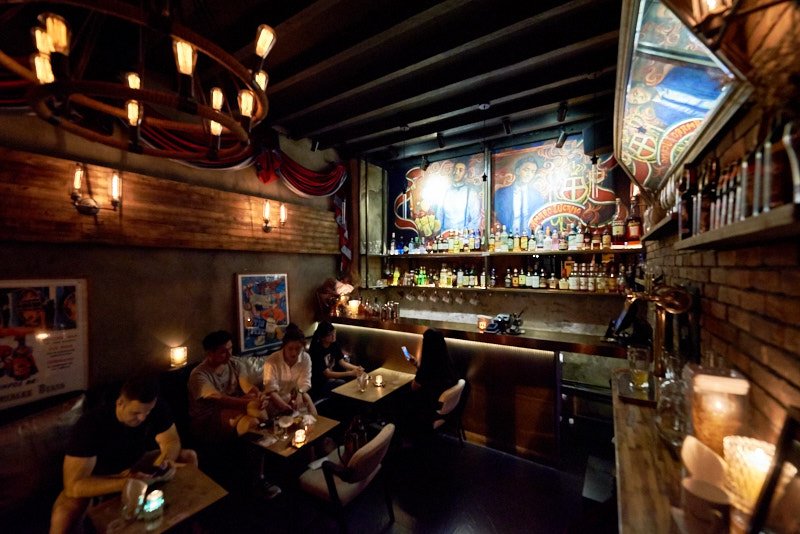
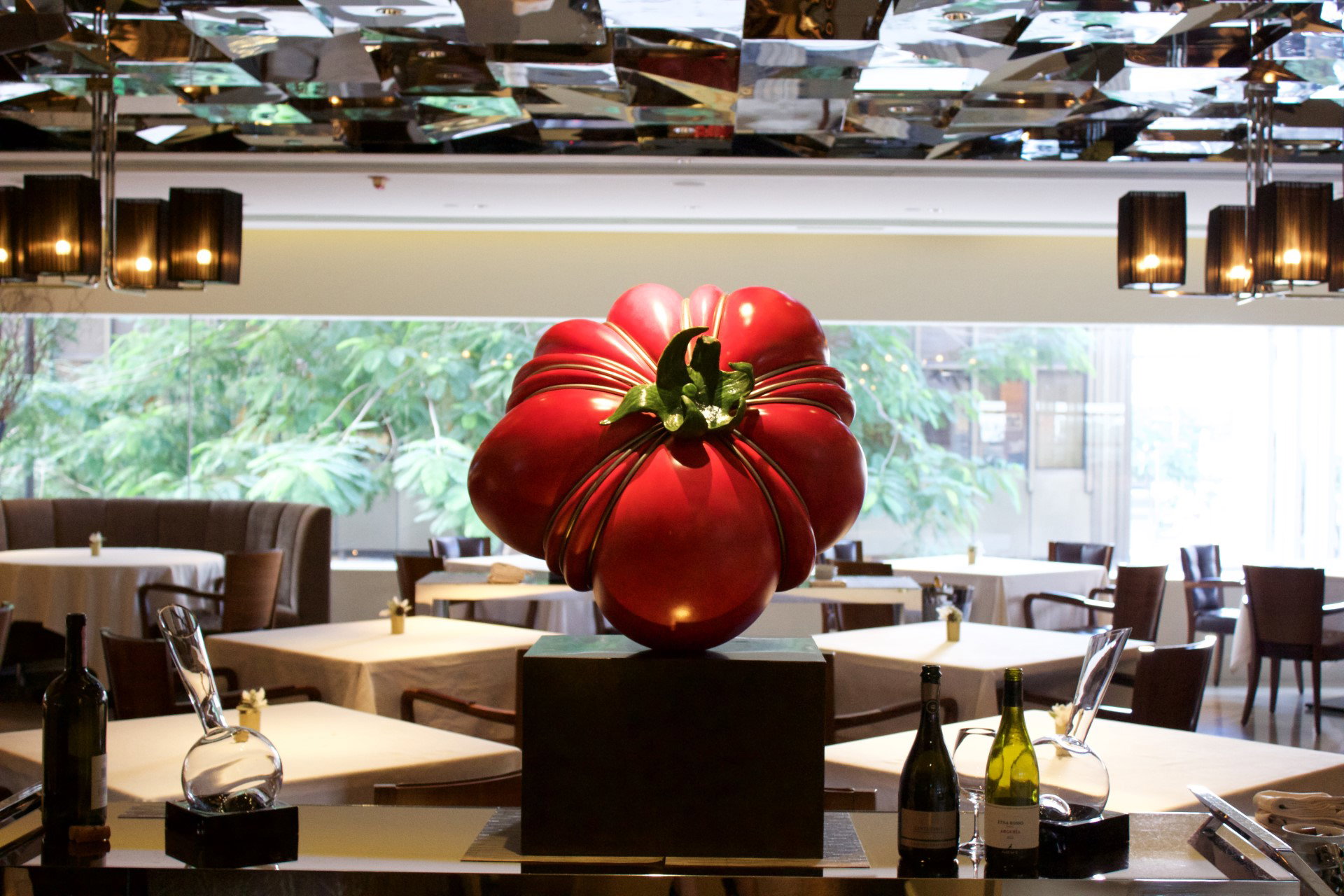
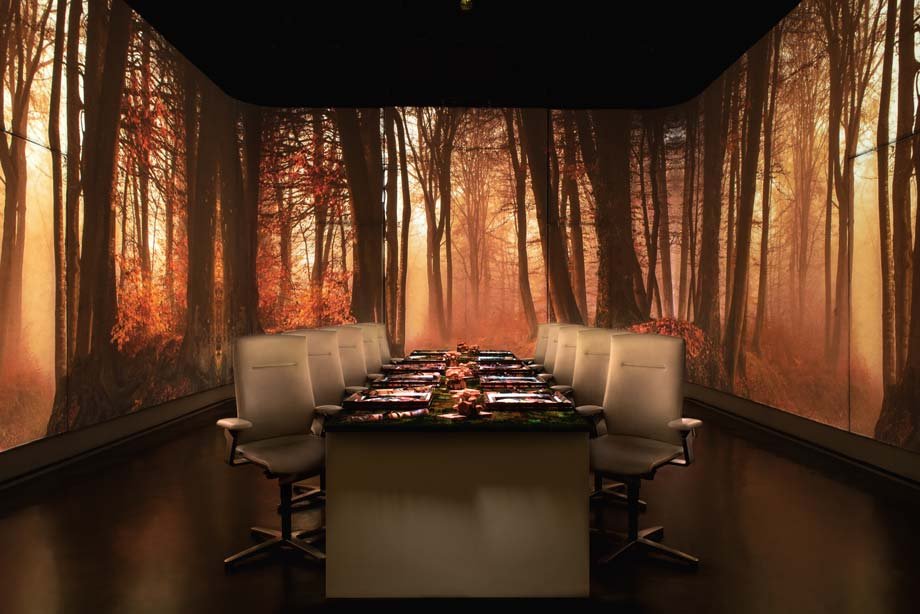
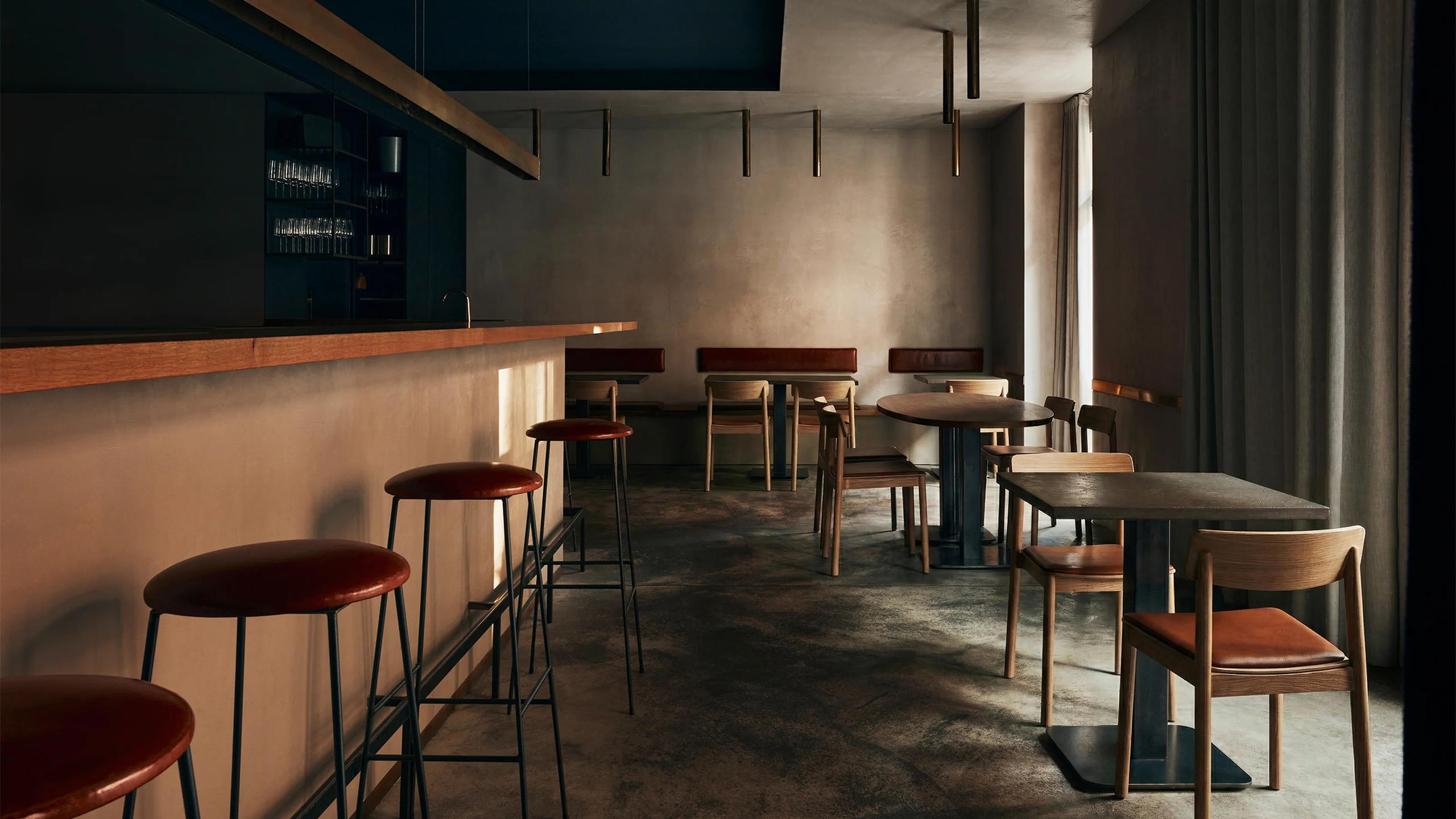
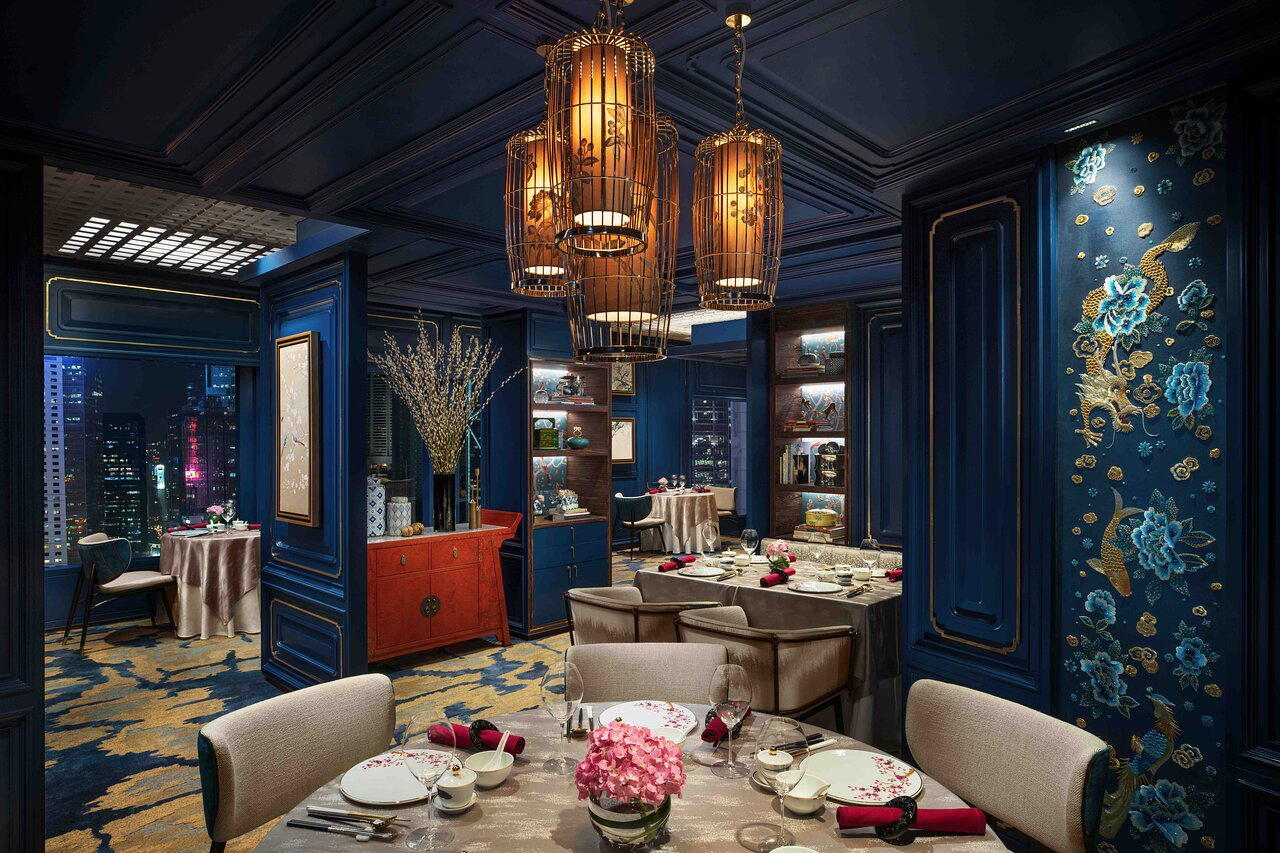
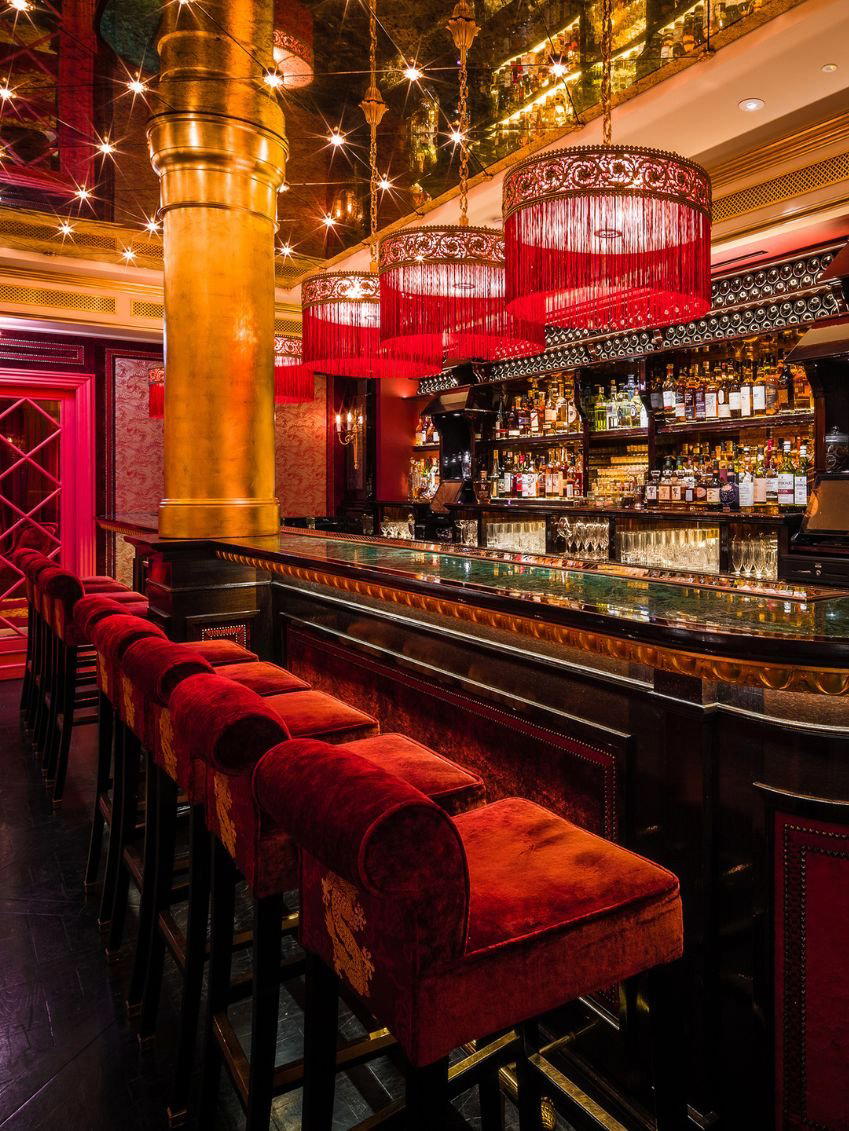
The physical experience of a well-run wine bar in Shanghai tends to announce itself through restraint. The rooms that have earned sustained attention, whether in the Former French Concession or along the denser commercial strips, are typically compact, warm, and oriented around the counter or the display rather than around ambient spectacle. Wine Universe by Little Somm fits that template. The environment is weighted toward the wine itself, with a format that foregrounds the list and the people presenting it rather than theatrical design. Arriving on a weekday evening, the room settles into a steady rhythm of glasses being poured and choices being discussed, which is exactly the operational register a sommelier-led concept needs to land correctly.
That atmosphere is not accidental in Shanghai's current moment. The city's wine-drinking audience has matured considerably. A room that would have read as intimidatingly specialist five years ago now reads as pitched correctly for a segment that wants information, not theatre. Wine Universe by Little Somm has positioned itself at that intersection, which is why it draws the attention it does from the city's wine community.
The Pairing Logic: Food as a Working Part of the Programme
The editorial angle on any serious wine bar in 2024 comes down to the same question: is the food programme doing real work, or is it covering a regulatory requirement and keeping people at the table long enough to order another bottle? In the better venues across China's tier-one cities, from Hope & Sesame in Guangzhou to Janes & Hooch in Beijing, the food side has become a genuine differentiator. The pairing conversation, once the exclusive territory of formal tasting-menu restaurants, has migrated into bar formats where it can be had with less ceremony and lower commitment.
At Wine Universe by Little Somm, the food programme is structured to function as a pairing engine rather than a standalone kitchen output. Dishes are framed relative to the list, which means the selection logic starts with what opens up a glass rather than what satisfies a hunger. This is the harder format to execute because it requires consistent alignment between the front-of-house wine knowledge and the kitchen's output. When it works, and the sommelier-founded model gives it a structural advantage here, the result is a type of hospitality that is difficult to replicate in larger or more diffuse venues. You are eating to drink better, or drinking to eat better, and the distinction stops mattering about halfway through the first pairing.
Specific dishes are not detailed in current public records, and any attempt to enumerate them would move beyond what is verifiable. What is consistent across the venue's reception is that the food side is treated as integral rather than incidental, which separates it from the majority of Shanghai's wine-focused rooms where the kitchen exists as an afterthought to a well-stocked cellar.
Shanghai's Wine Bar Moment and Where This Sits
Across China's major cities, the wine bar format is in an interesting transitional phase. In Shenzhen, Obsidian Bar has developed its own version of programme-first hospitality. In Changsha, CMYK signals how secondary cities are developing their own specialist bar culture. Even in Macau, The Ritz-Carlton Bar & Lounge operates within a format logic shaped by the same regional shift toward more considered drinks programming. And beyond China, venues like Bar Leather Apron in Honolulu demonstrate how sommelier and bartender credentials translate directly into venue identity at the international level.
Shanghai's advantage is density. The city runs a concentrated bar circuit that includes Constellation, Pony Up, and a tier of serious cocktail and spirits operations that keep the standard of drinks hospitality high across the board. Wine Universe by Little Somm operates in a specific lane within that ecosystem, focused on the glass rather than the shaker, but benefiting from the general expectation that credentialed venues in this city take their programmes seriously. For a full picture of where it sits within Shanghai's broader offer, the EP Club Shanghai guide maps the relevant addresses across categories.
Seasonal timing matters here. Shanghai's autumn and early winter months, running from October through December, represent the period when wine culture in the city is most active. The cooler temperatures align with heavier pours, the import cycle brings new releases through the trade, and the social calendar tilts toward indoor evenings. Visiting during this window means the list is likely to be at its most considered and the room at its most engaged. Spring is the secondary peak. Summer is slower, which has its own advantages for anyone who prefers a quieter counter and longer conversations with the sommeliers.
Planning a Visit
Address and booking specifics are not confirmed in current records and should be verified through the venue directly or through current listings before visiting. What is consistent in the venue's reception is that demand runs ahead of casual availability, particularly on weekend evenings. Shanghai's better specialist bars rarely hold tables for long past a predictable hour, and this one sits in a segment where the regulars book rather than walk. Checking in advance is the practical approach, and mid-week visits tend to offer more access to the staff's time, which matters when the format is built around conversation about what is in the glass.
Frequently Asked Questions
What should I expect atmosphere-wise at Wine Universe by Little Somm?
The room operates in a register consistent with sommelier-led wine bars in Shanghai: relatively intimate, focused on the wine and the people discussing it, without the ambient noise or crowd dynamics of a larger venue. The founders' background in service shapes the interaction style, which tends toward knowledgeable and unhurried rather than fashionably minimal. It is a room for people who want to talk about what they are drinking, and the staff is equipped to match that.
What should I try at Wine Universe by Little Somm?
The format is built around pairing, so the approach that works leading is to engage with the sommelier's recommendation rather than arriving with a fixed selection in mind. The food and wine are conceived together, so ordering reactively, letting the glass inform the plate or the plate inform the glass, is the logic the programme is designed to support. Specific dishes and current list highlights should be confirmed at the venue, as the offer evolves with the cellar.
What should I know about Wine Universe by Little Somm before I go?
It sits in Shanghai's specialist tier of wine-focused venues, co-founded by two credentialed sommeliers who built the concept around education and access rather than exclusivity. The city's wine-literate audience has placed it at the active end of current conversation about where to drink seriously in Shanghai. Price positioning and current hours are leading confirmed directly, as neither is verifiable from public records at time of writing.
Do they take walk-ins at Wine Universe by Little Somm?
Walk-in availability is not confirmed from current records, but the venue's standing in Shanghai's specialist bar circuit suggests that weekend evenings in particular run close to capacity. The safest approach is to check through current booking channels before arriving. Mid-week visits carry less risk of finding the room full, and as noted above, carry the additional benefit of more direct access to the team's time and knowledge.
Recognized By
Similar venues by awards
Related editorial
- Best Fine Dining Restaurants in ParisFrom three-Michelin-star icons to the next generation of Parisian chefs pushing boundaries, these are the restaurants that define fine dining in the world's culinary capital.
- Best Luxury Hotels in RomeFrom rooftop terraces overlooking ancient ruins to Michelin-starred hotel dining, these are the luxury hotels that make Rome unforgettable.
- Best Cocktail Bars in KyotoFrom sleek lounges to hidden speakeasies, Kyoto's cocktail scene blends Japanese precision with global influence in ways you won't find anywhere else.
Save or rate Wine Universe by Little Somm on Pearl
Keep this venue in your Pearl passport, rate it after you visit, and track it alongside every other place you collect.