
Epicerie Caviste 62 Lebec
Xinhua Lu, Shanghai
Bar in Shanghai, China
 Book with Pearl
The Read
Price
$20–30per person
Why go
A wine-led Changning address with Star Wine List recognition for 2026, Epicerie Caviste 62 Lebec is a better fit for dates, small celebrations, and focused wine drinkers than for large mixed groups. Choose it when the bottle list is the reason for going; choose a hotel lounge or cocktail bar if the group needs broader seating, food, or drinks flexibility.
About Epicerie Caviste 62 Lebec
For Shanghai readers considering Epicerie Caviste 62 Lebec, the key facts are straightforward: the venue is in Shanghai, the dress code is casual, and it has Star Wine List recognition for 2026. That makes it a relevant listing for guests researching wine-recognized venues in the city.
Use those details carefully. The Star Wine List marker is a useful signal, but it should not be stretched into assumptions about the full experience. If your plan depends on food, group capacity, timing, or a particular style of service, confirm those details directly before building the evening around it. For alternatives to compare in the same planning set, look at Club InterContinental, Leaves & Vines Lobby Lounge, Pompette Salon, Rolling Bar, or Cacti Bar.
A Shanghai venue for casual wine-focused planning
Epicerie Caviste 62 Lebec is a Shanghai option with casual dress and Star Wine List recognition in 2026.
That does not make it a bad choice; it simply means the decision should be made with care. It may suit guests who are specifically comparing wine-recognized venues, while other Shanghai dining and bar options may be more appropriate if the occasion requires a set meal format, known seating arrangements, or a broader hospitality setup.
How to place it in a Shanghai plan
For a casual visit or a broader outing, the safest approach is to check key details before arrival rather than treating Epicerie Caviste 62 Lebec as an all-evening plan. For visitors building a broader Shanghai itinerary, pair this research with our full Shanghai bars guide, our full Shanghai restaurants guide, and our full Shanghai hotels guide.
If this venue is not the right fit, the broader map is more useful than forcing it. Compare it with Cacti Bar, Club InterContinental, Leaves & Vines Lobby Lounge, Pompette Salon, or Rolling Bar, and use the Shanghai guides above for wider planning.
Planning details
- Location
- No 62 Xinhua Road, Changning Distrcit 新华路62号(永辉生活旁)
- Phone
- +86 131 6646 2642
The take
The Take
The Vibe
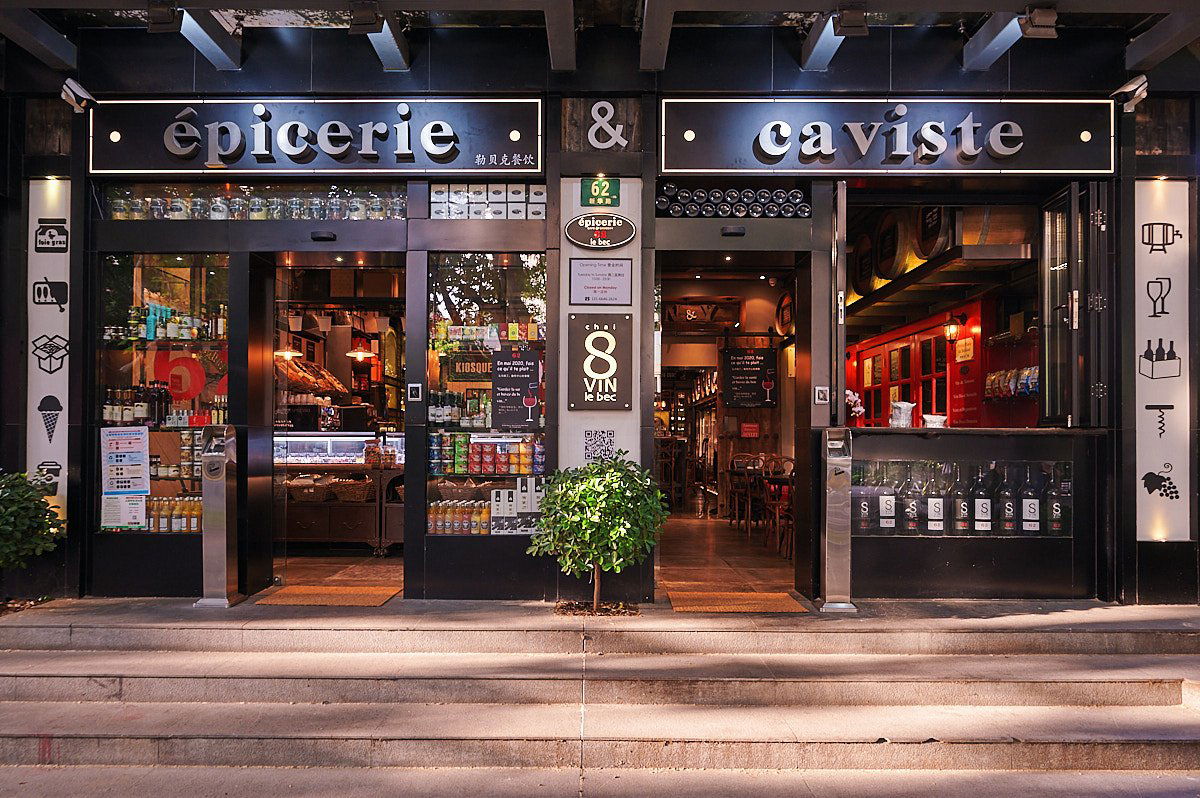
Epicerie Caviste 62 Lebec reads like a small piece of provincial France dropped onto Xinhua Road. The red-and-black storefront punctuates a leafy, slow-moving lane and the counter visible from the pavement signals a hybrid deli–wine shop–café that favors daily rituals over spectacle. The interior’s counter format and the visual references to traditional épiceries give the place a classic, quietly charming character. Everything in the description emphasizes a measured pace and modesty: this is a neighbourhood stop that feels as if it has arrived complete, rather than been built as a trendy destination for the city’s weekend crowds.
Best For
This is a neighbourhood provisioning spot built for everyday use: pick-me-up mornings, light brunches and slow Sunday afternoons. The copy specifically flags Tuesday mornings and quiet weekend afternoons as natural times to visit, so it’s ideal for solo errands, casual coffee-and-pastry breaks, or a low-key meet-up rather than a formal night out. Because the format sits between deli counter, café and wine shop, visits tend to be short and practical rather than full-course affairs—perfect for locals and anyone looking for a relaxed, unfussy option on Xinhua Road.
Ordering Tips
The counter is the centrepiece—expect laminated pastries and fruit tarts on display—so start with the baked goods the text highlights. The épicerie-caviste format also suggests a selection of deli items and wines for takeaway, making it a convenient provisioning stop for breakfast or a casual brunch at home. The description emphasizes the visible counter and neighbourhood use, so anticipate counter service and takeaway-friendly portions rather than a plated multi-course meal. If you want a gentle, authentic taste of the place, choose a tart or pastry and pair it with something from the shop’s wine or deli selection.
Venue details
Ambiance
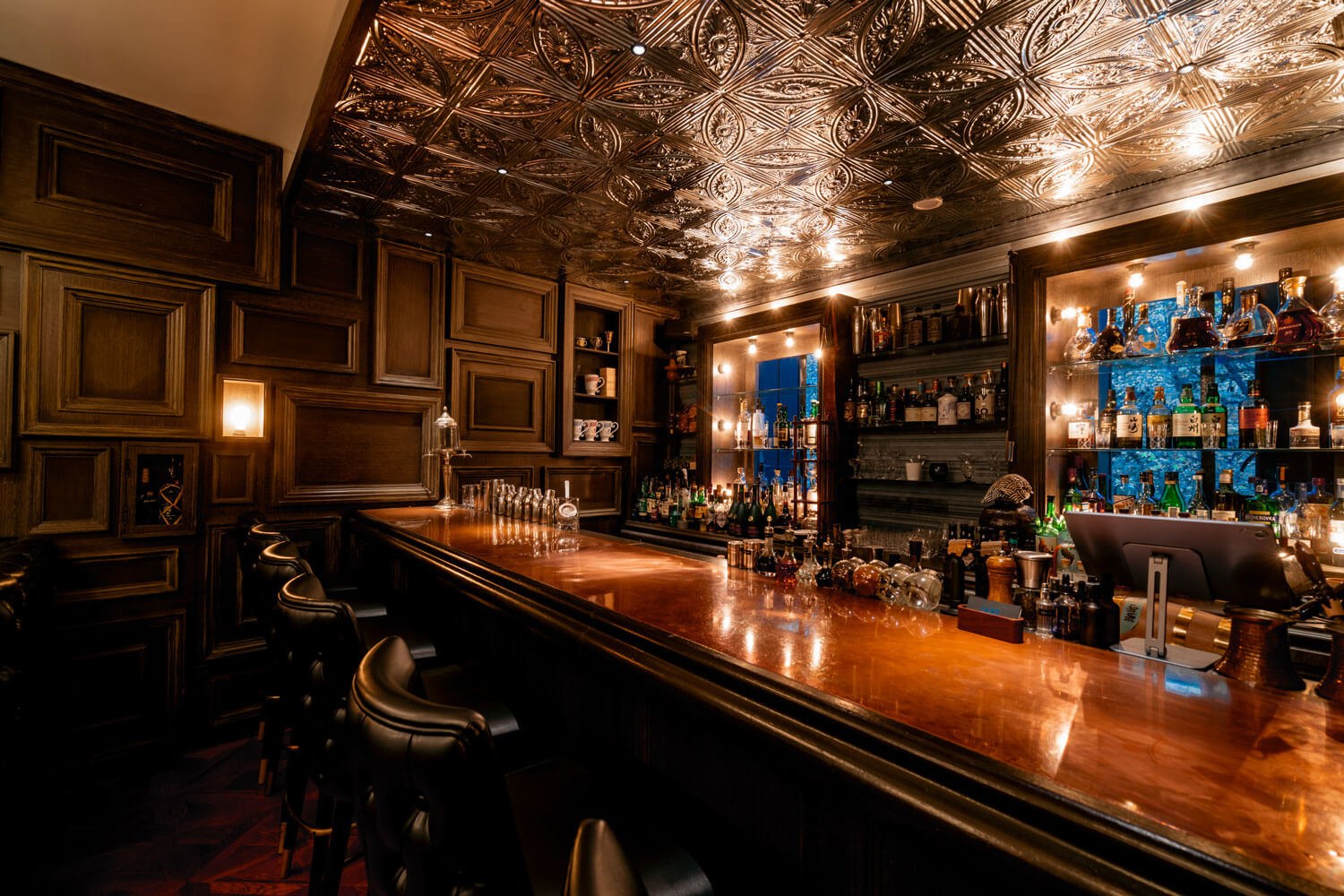
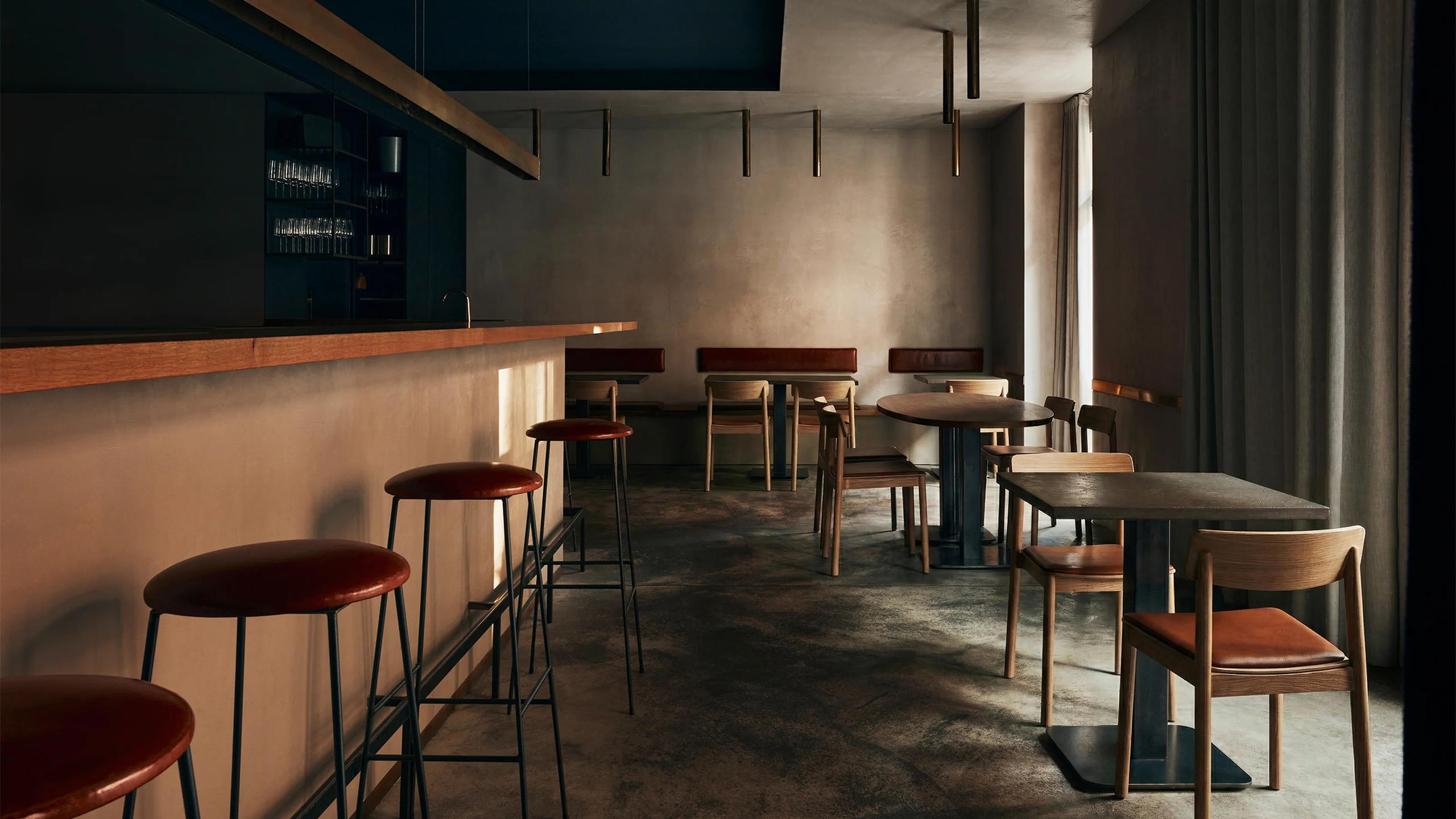
Good atmosphere with a recreated cellar feel, casual European dining vibe between a supermarket and fitness center.
Tags
Vibe
Best For
Experience
Format
At the Bar
- Bar Category
- Wine Bar
Know before you go
Know Before You Go
- Getting there
- No 62 Xinhua Road, Changning Distrcit 新华路62号(永辉生活旁)
Planning details
Location
No 62 Xinhua Road, Changning Distrcit 新华路62号(永辉生活旁) · Directions
Recognition and awards

Also consider
Also Consider
- Cacti Bar, Notable alternative
- Club InterContinental, Notable alternative
- Leaves & Vines Lobby Lounge, Notable alternative
- Rolling Bar, Notable alternative
- Pompette Salon, Notable alternative
Bar context
How it compares in Shanghai
Epicerie Caviste 62 Lebec is the wine-focused pick in this set, while Cacti Bar and Rolling Bar read as better choices when the night is bar-led rather than bottle-led. Choose the caviste for a smaller group that wants to talk through wine; choose Rolling Bar if the group wants a more conventional drinks stop with less commitment to wine as the theme.
For business drinks or a polished celebration, Club InterContinental and Leaves & Vines Lobby Lounge are safer for guests who expect hotel-lounge comfort and predictable pacing. Epicerie Caviste 62 Lebec is more specific and likely more rewarding for wine people, but less flexible for mixed groups unless everyone is aligned on the format.
Pompette Salon is the practical cross-shop if the occasion needs a softer social setting while staying drinks-focused. If the priority is wine credibility, start with Epicerie Caviste 62 Lebec; if the priority is broad group comfort, move toward the lounges.
Explore Shanghai
Around this place
Discover more on Pearl
Unlock the full Epicerie Caviste 62 Lebec guide in Pearl, including awards, comparisons, FAQs, planning details, and nearby places.
Compare Epicerie Caviste 62 Lebec
| Venue | Location | Awards |
|---|---|---|
| Epicerie Caviste 62 Lebec | Shanghai | Star Wine Lists 2026 |
| Cacti Bar | Miaoli | No published awards |
| Club InterContinental | Taichung | No published awards |
| Leaves & Vines Lobby Lounge | Taichung | No published awards |
| Rolling Bar | Taichung | No published awards |
| Pompette Salon | Taichung | No published awards |
How Epicerie Caviste 62 Lebec Shanghai compares with similar nearby venues.
FAQ
Frequently Asked Questions
What's the crowd like at Epicerie Caviste 62 Lebec?
Plan around the essentials: Epicerie Caviste 62 Lebec is in Shanghai, has a casual dress code, and has Star Wine List recognition for 2026. For a specific crowd profile, check with the venue directly.
Is Epicerie Caviste 62 Lebec good for groups?
Group suitability depends on seating, capacity, and service format. If your plans depend on those details, confirm directly before choosing it for a group visit.
Is Epicerie Caviste 62 Lebec good for a date?
It may be worth considering for a casual Shanghai outing, especially if Star Wine List recognition is relevant to your planning. Confirm practical details such as hours and seating before making it the center of the evening.
Is the food good at Epicerie Caviste 62 Lebec?
Does Epicerie Caviste 62 Lebec have outdoor seating?
If outdoor seating matters for your visit, check with the venue before you go.
Does Epicerie Caviste 62 Lebec have happy hour deals?
For happy-hour deals, plan based on current venue details or contact the venue for current offers.