

Gong-Gan
가회동, Seoul
Bar in Seoul, South Korea
 Book with Pearl
The Read
Neighbourhood-Rooted Craft
Why go
Gong Gan is the Seoul bar to prioritise for a focused two-person night in Anguk, especially if recognition matters and the evening is already centered around Jongno. It is less useful as a group fallback or dinner substitute, so plan drinks here and keep a nearby alternative ready.
About Gong-Gan
Gong Gan is a Seoul venue with 2025 bar recognition: Top 500 Bars Best Bars #458 and World's 50 Best Asia's Best Bars #63. The dress code is smart casual, so plan the evening with a polished but not overly formal approach.
For a date or small evening plan, the strongest grounded case is simple: Gong Gan is in Seoul, has 2025 bar recognition, and lists smart casual as the dress code. That makes it a credible choice when you want a recognised bar stop without overstating the details.
If this is a return visit or part of a broader Seoul itinerary, compare it on confirmed facts rather than assumptions. Choose Gong Gan for its name recognition and smart-casual setting; choose another venue if you need details about food, seating, private rooms, or a specific service format.
Use it as a focused Seoul stop, not an all-night plan
Because details like menu format, food offer, and seating style are not specified, do not count on Gong Gan to solve dinner. Pair it with a separate restaurant plan from our full Seoul restaurants guide, or turn the evening into a wider city plan using our full Seoul hotels guide, our full Seoul bars guide, our full Seoul wineries guide, and our full Seoul experiences guide.
For another Seoul bar option, start with 15 Samcheong-ro 9-gil. You can also compare Gong Gan with Bar Cham, Cham in Season, Cobbler, and Ida when planning a broader Seoul night.
Quick reference: Gong Gan is a Seoul venue with smart casual dress code and 2025 bar recognition. Check current booking and service details directly before you go.
Planning details
- Location
- 66-4 Yulgok-ro 3-gil, Anguk-dong, Jongno District, Seoul
- Website
- guilhotinabar.com.br
- Phone
- +82 2-723-3664
The take
The Take
The Vibe
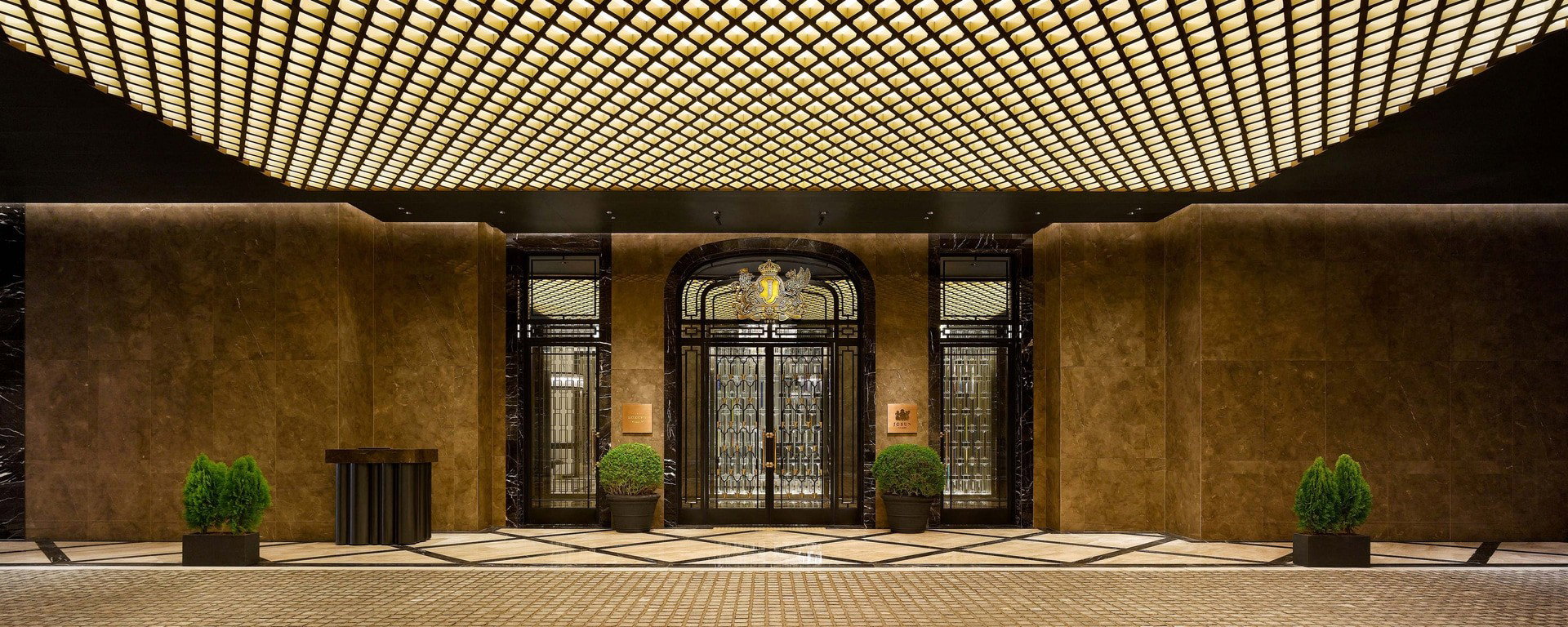
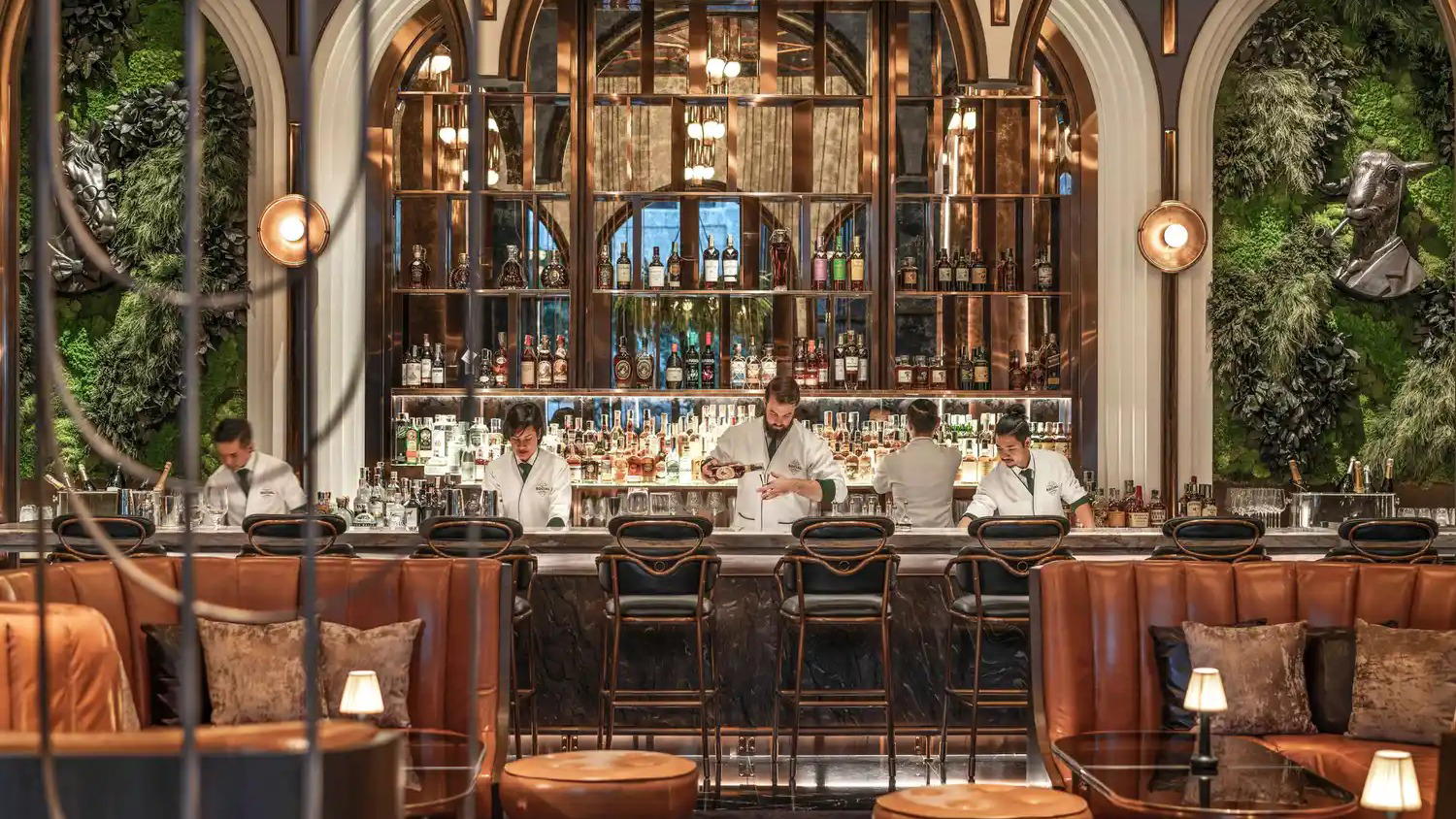
Gong Gan reads like a bar in conversation with its place. It deliberately situates itself in Anguk-dong’s hanok-lined streets and leans on that historic context to inform its architecture and approach. The program is quietly assertive: rather than borrowing wholesale from global cocktail trends, it foregrounds fermented ingredients, native botanicals and seasonal Korean produce, which gives the bar a sophisticated, classic bent. That thoughtful sourcing and the bar’s rapid rise on regional rankings signal a serious, carefully maintained craft—an intimate, historic spot that prizes cultural specificity over flash.
Best For
Gong Gan suits intimate evenings and considered outings where the neighborhood and craft matter. Its focus on Korean identity in cocktails and its placement within Jongno’s older streets make it a strong choice for date nights and special-occasion visits, as well as quieter, focused conversations with friends. The bar’s international recognition suggests consistency across visits, so it works for guests who want a reliably refined cocktail experience rather than a loud, late-night scene. Visitors should expect a paced, attentive environment that rewards tasting and discovery.
Ordering Tips
Order with the bar’s Korean-first philosophy in mind: ask for cocktails that highlight fermented ingredients, native botanicals or seasonal produce from specific Korean regions. Because the program is presented as a coherent argument about Korean cocktails, let the bartender guide you toward signature serves or seasonal compositions rather than defaulting to classic Western-only recipes. Given the emphasis on consistency and seasonality, expect the menu to shift and consider asking what’s new or regionally sourced on the night of your visit.
Venue details
Ambiance
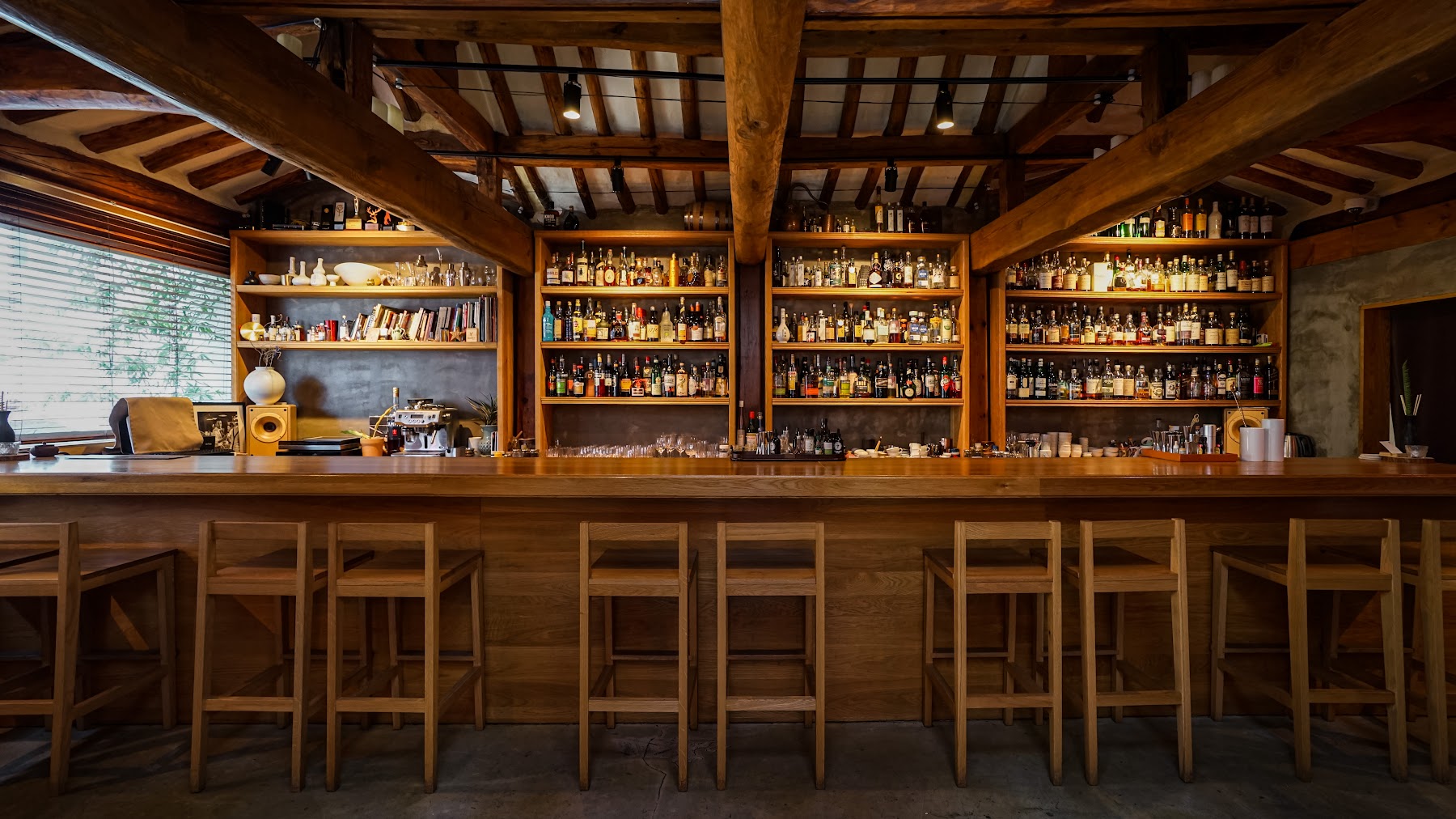
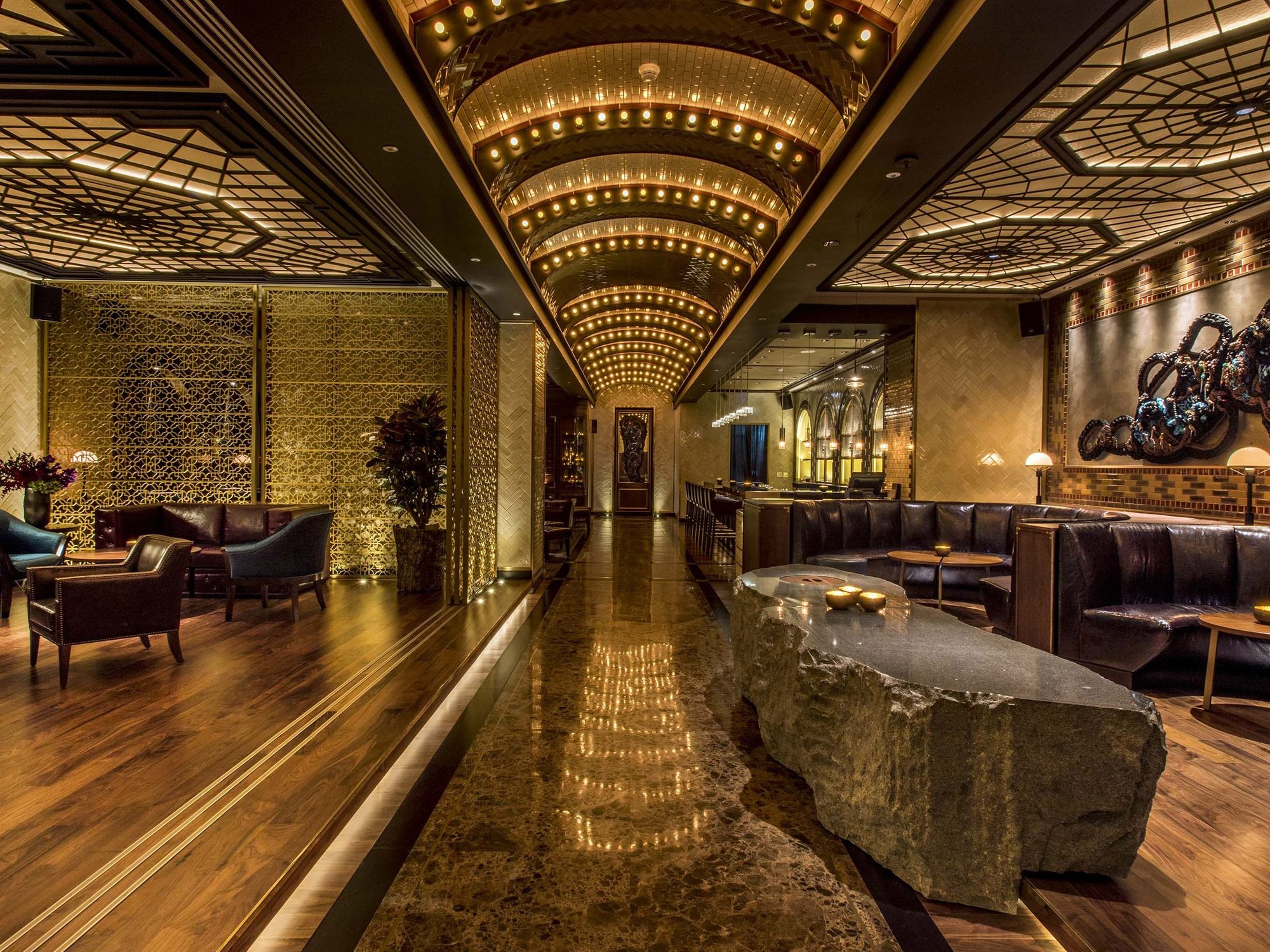
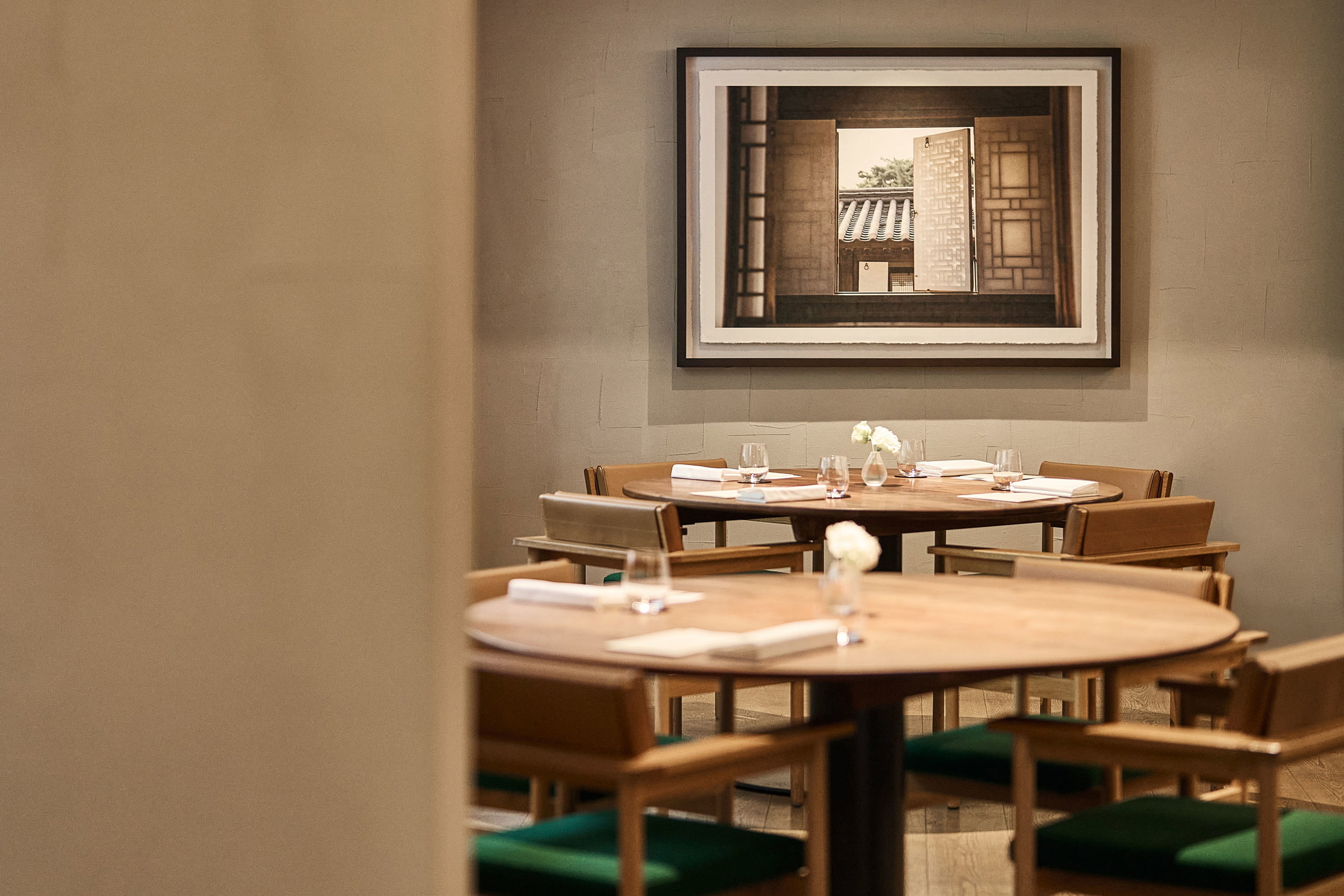
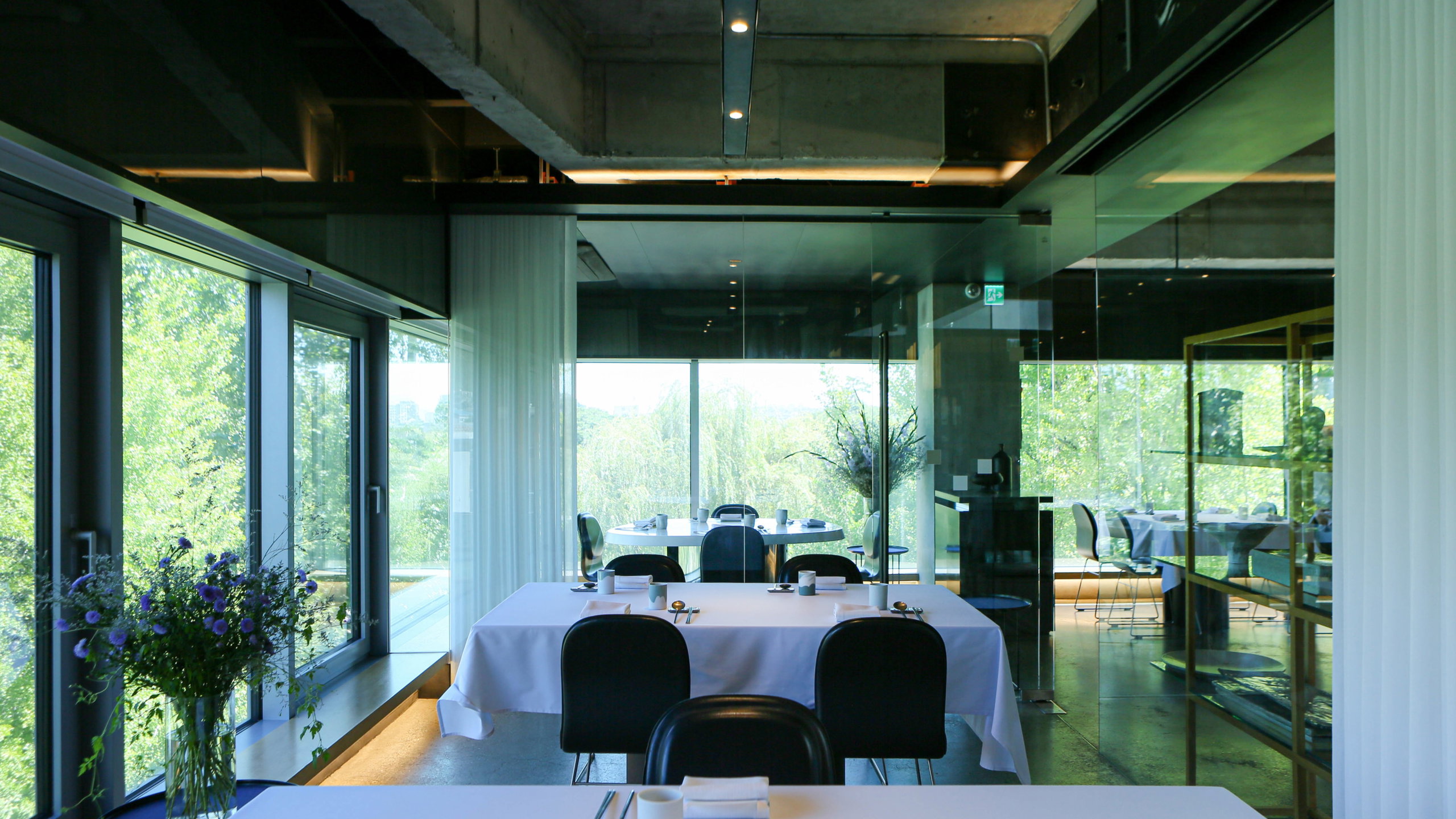
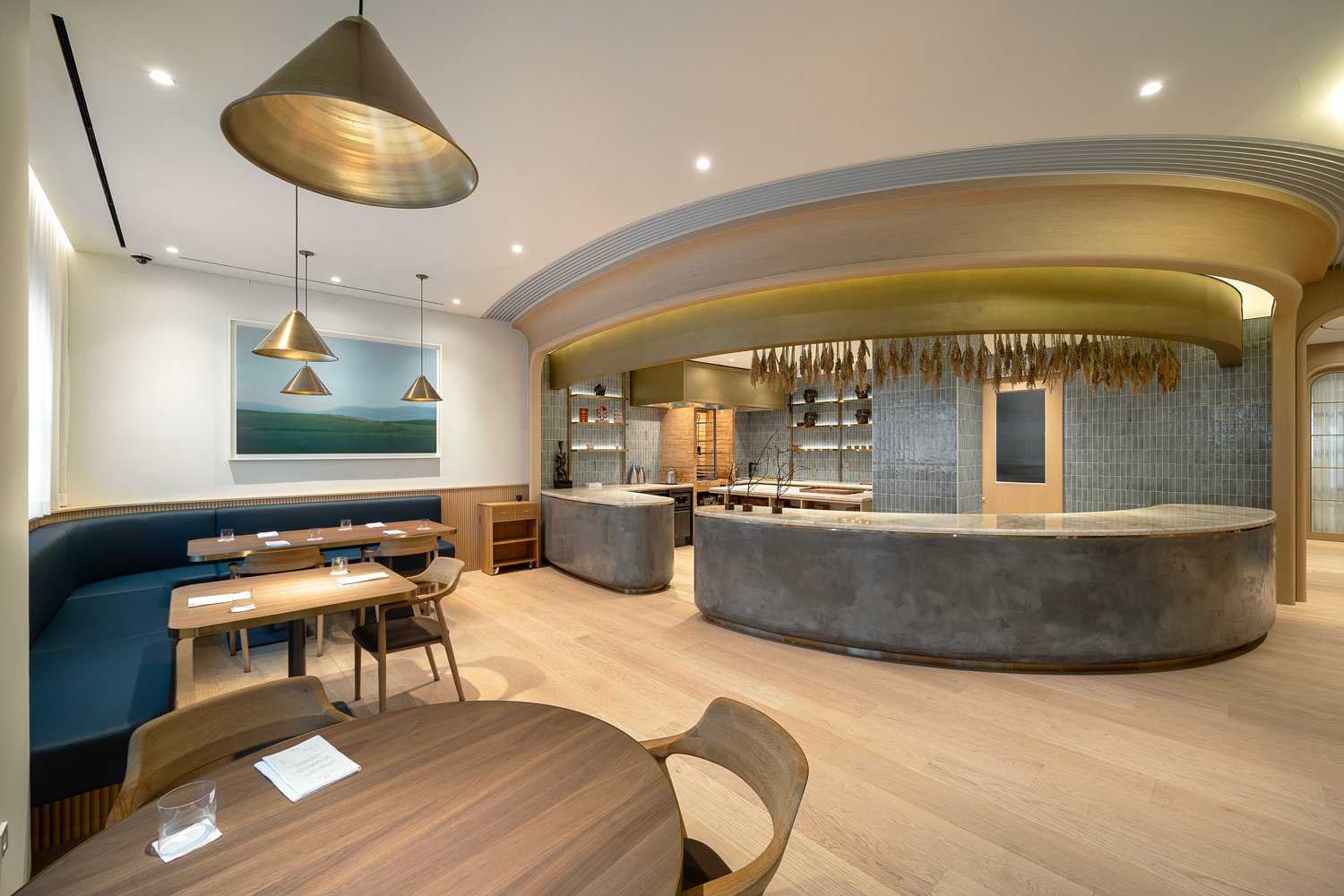
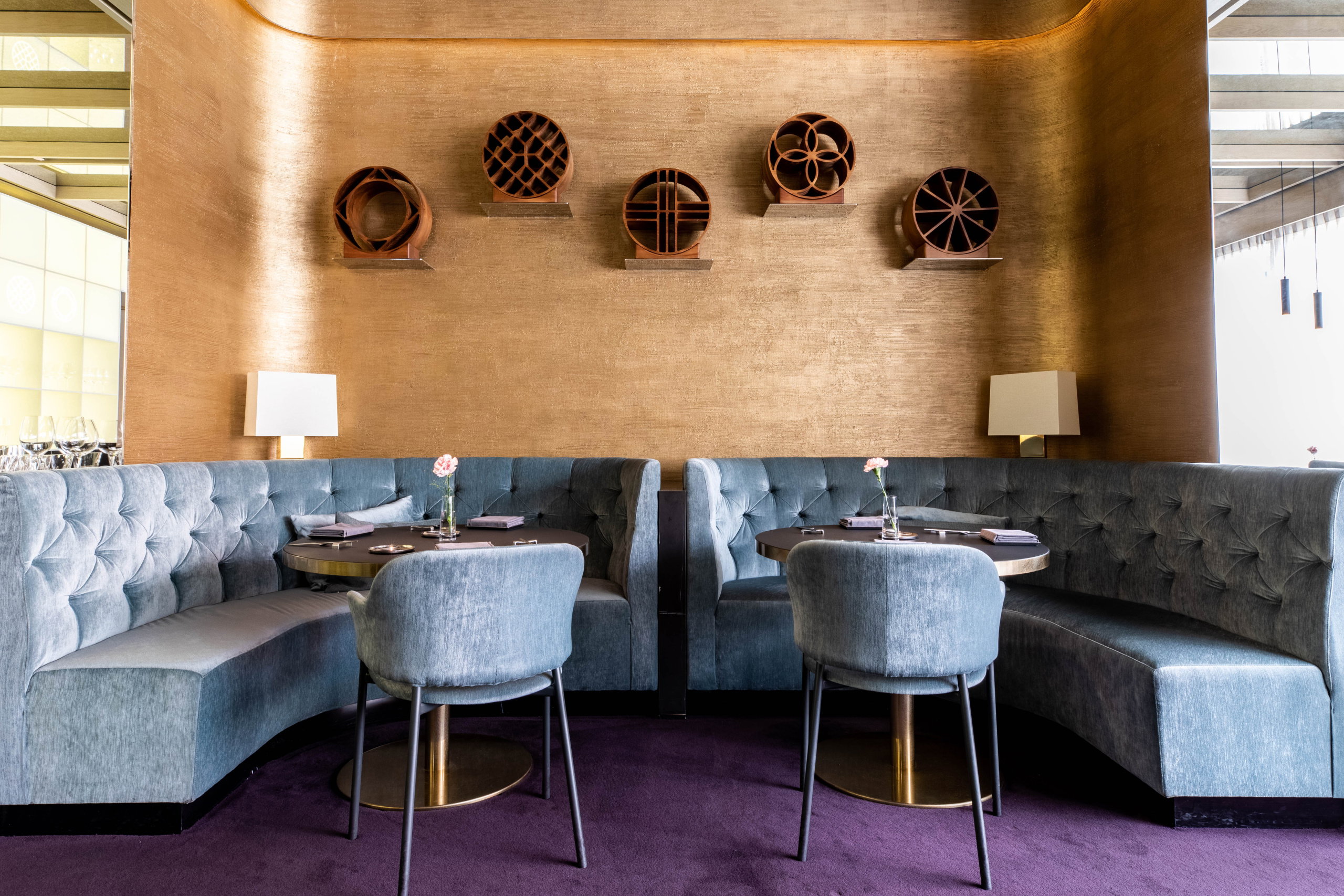
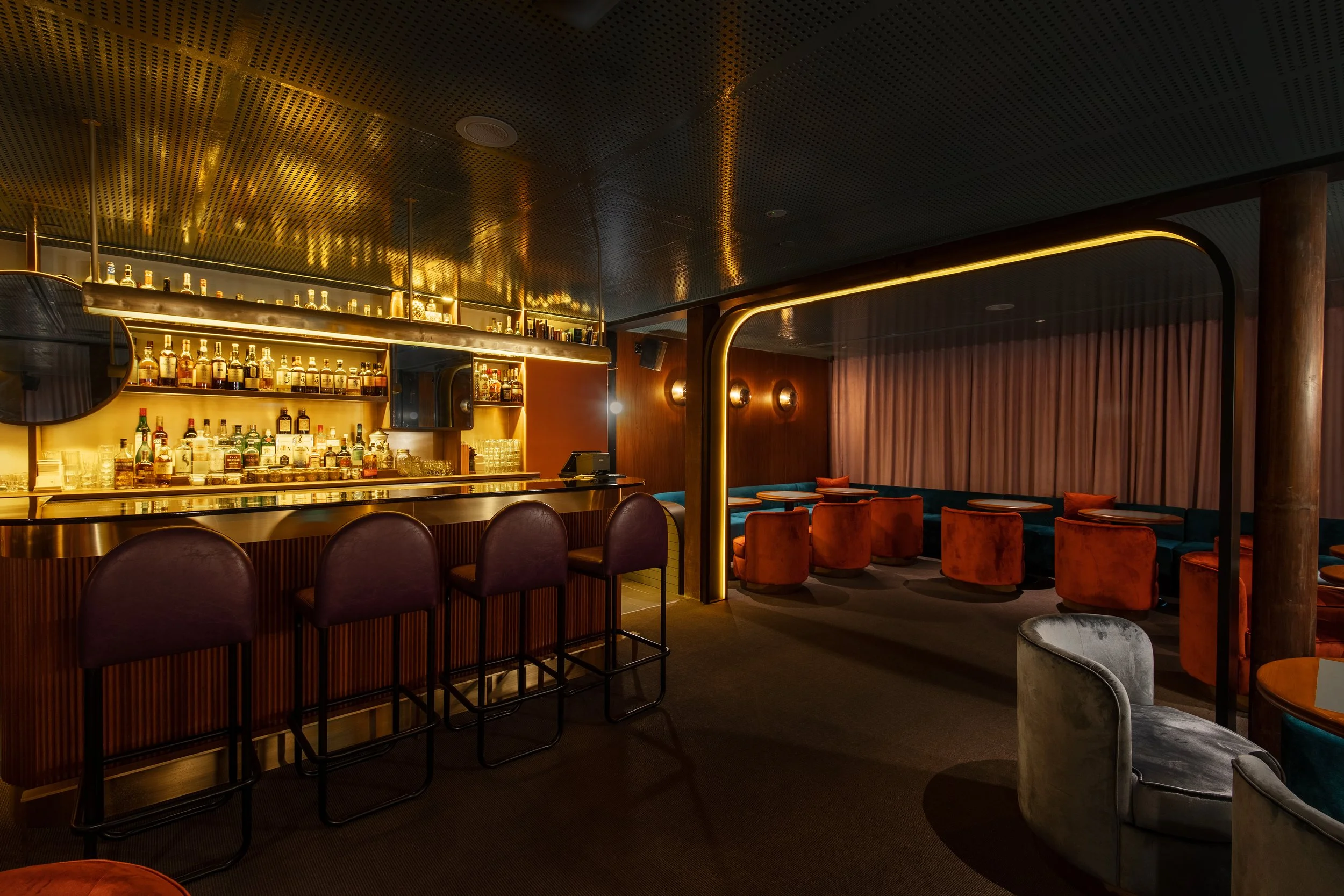
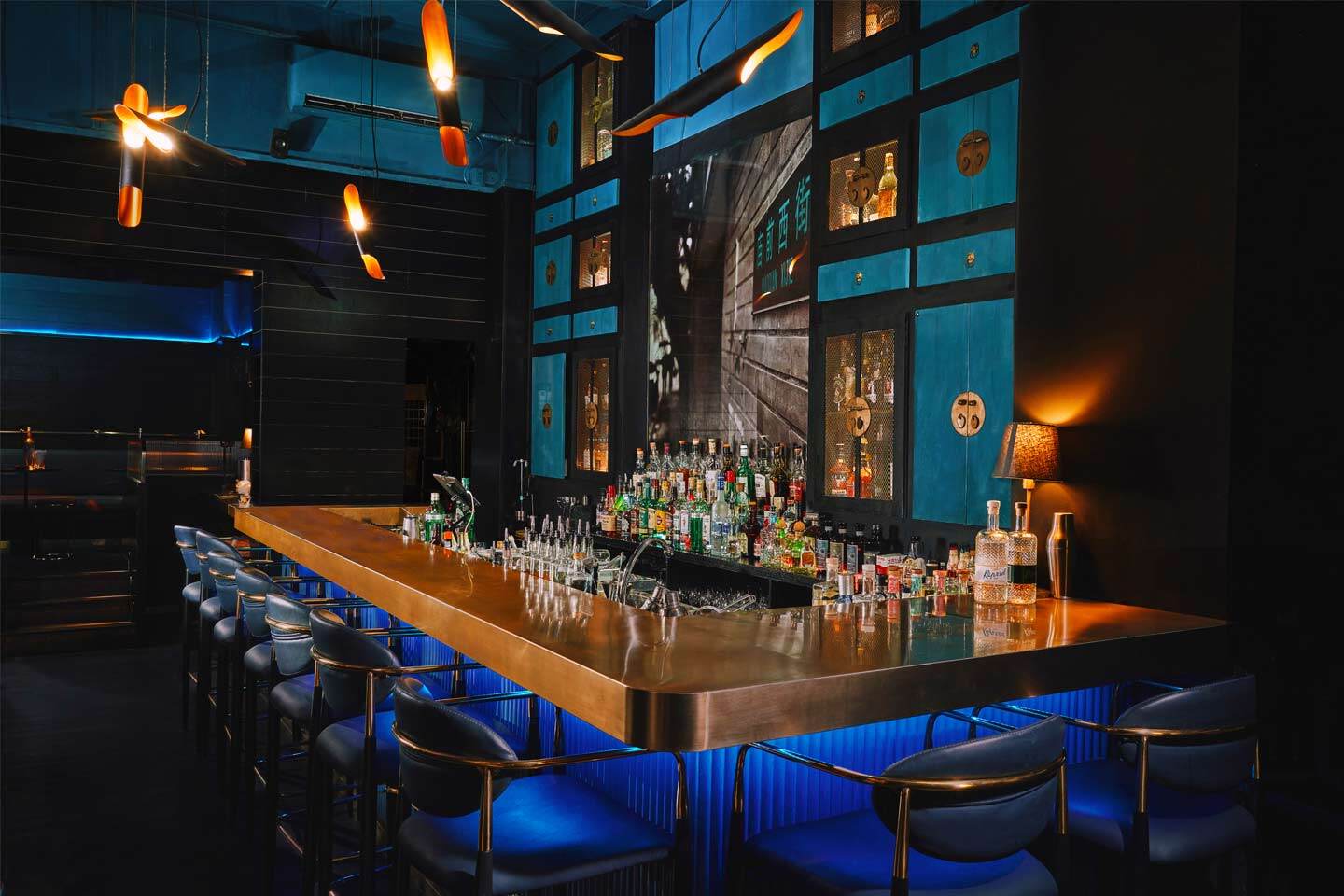
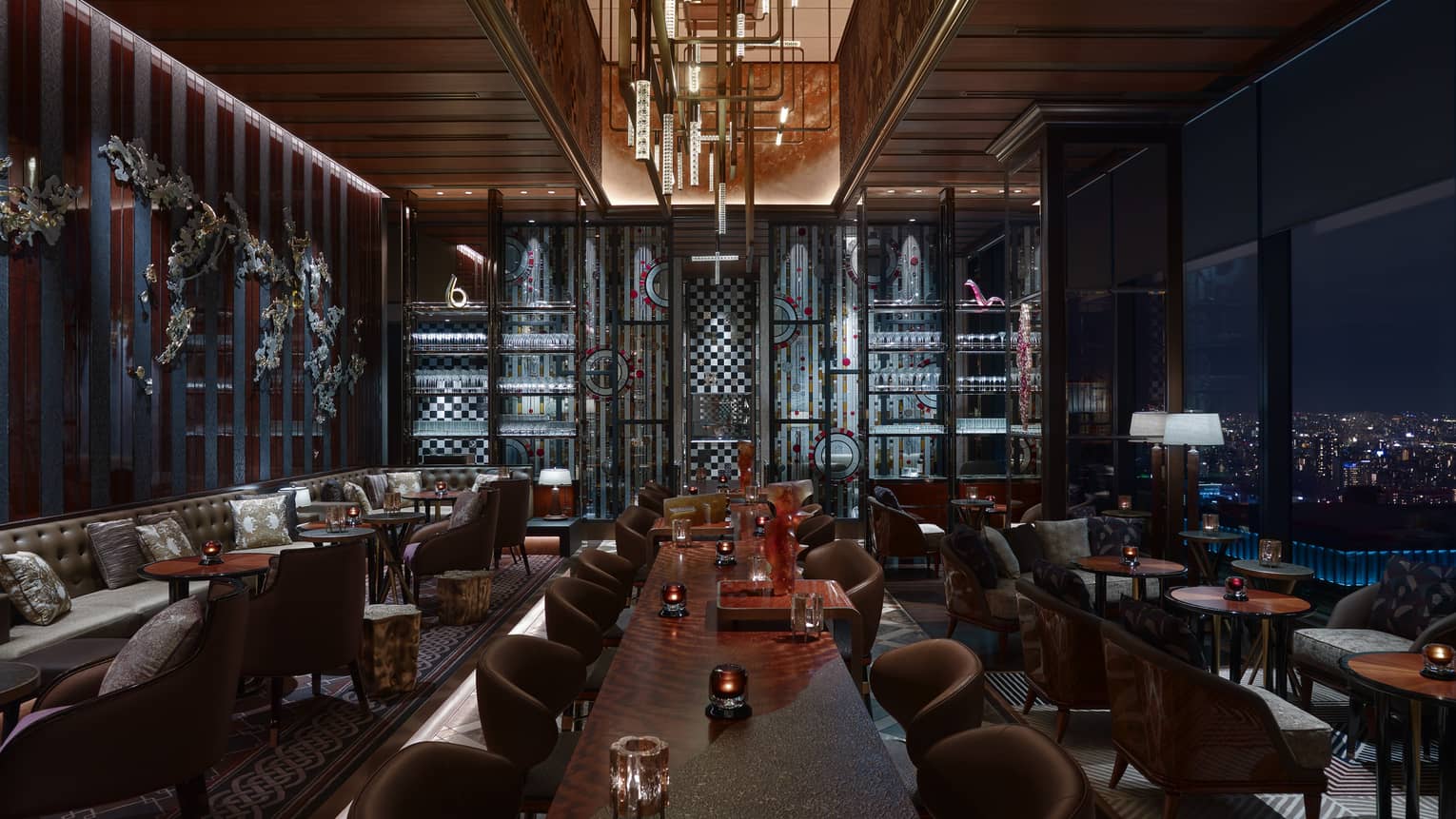
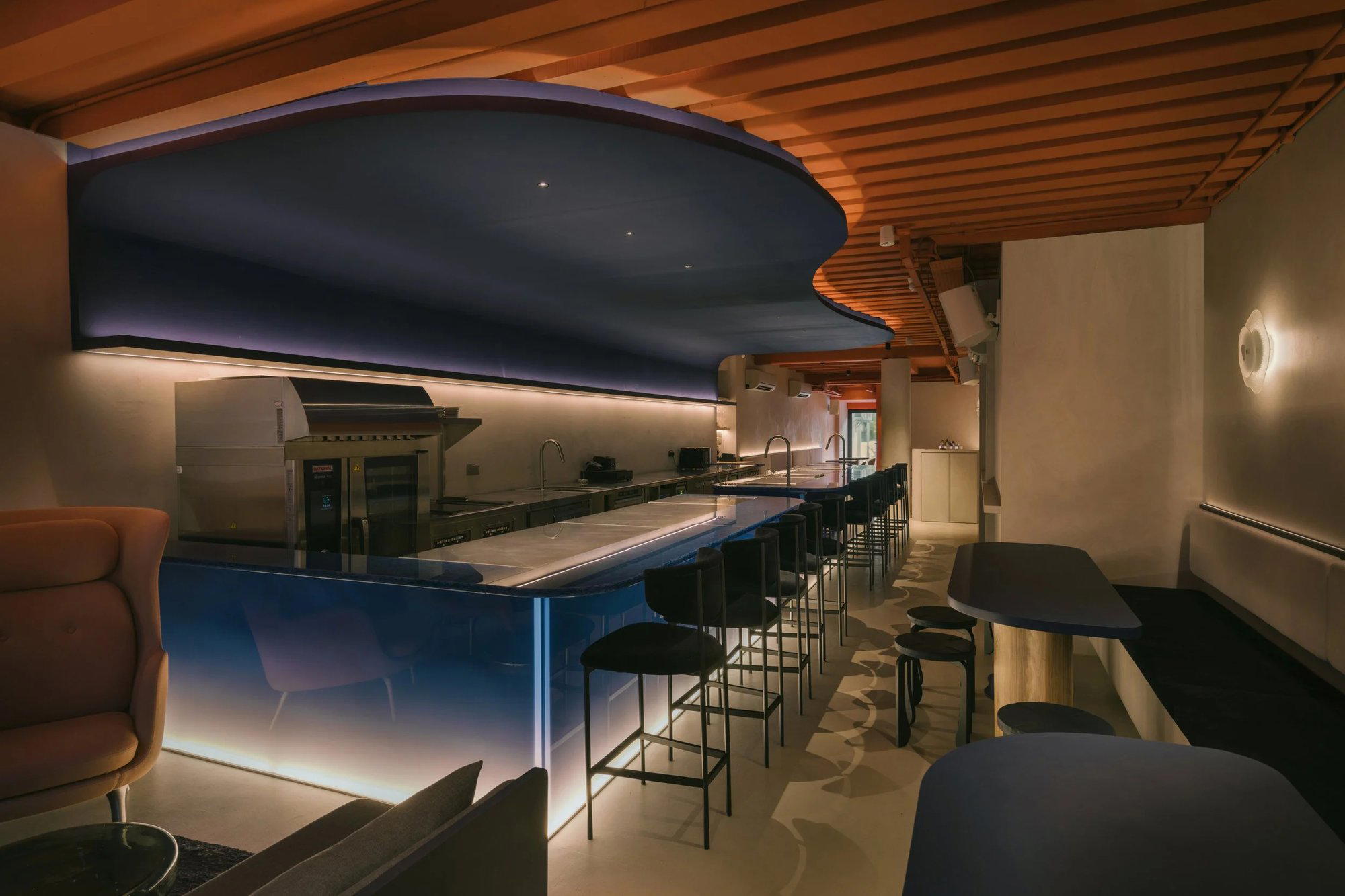
Serene and inviting hanok atmosphere with light-filled central courtyard, light wood interiors, cozy lighting, and jazz music creating a calming, premium feel.
Tags
Vibe
Best For
Experience
Format
View
At the Bar
- Bar Category
- Cocktail Bar
- Late Night
- Open Until 2am
- Music
- Jazz
Signature Pours
- Azalea
- Tarrak-Juk
- Si-Jang
- Leto
- Courtyard
Know before you go
Know Before You Go
- Getting there
- 66-4 Yulgok-ro 3-gil, Anguk-dong, Jongno District, Seoul
Planning details
Location
66-4 Yulgok-ro 3-gil, Anguk-dong, Jongno District, Seoul · Directions

Also consider
Also Consider
- Cham in Season, Notable alternative
- Ida, Notable alternative
- 15 Samcheong-ro 9-gil, Notable alternative
- Cobbler, Notable alternative
- Bar Cham, Notable alternative
Bar context
How Gong Gan compares in Seoul
Choose Gong Gan when the brief is a date-friendly, recognised Seoul cocktail stop in Anguk. Against Cham in Season and Ida, it is the pick when central Jongno location and award-backed confidence matter more than chasing an easier reservation or a more flexible group plan.
If the night needs a backup in the same general Seoul bar category, 15 Samcheong-ro 9-gil is the first cross-shop because it keeps the plan anchored near Samcheong and Anguk. Cobbler and Bar Cham are better comparisons for readers weighing ambiance and cocktail reputation across Seoul rather than staying tightly tied to Jongno.
For value, the deciding factor is not a listed price tier here; it is how much certainty the night needs. Gong Gan is worth the effort for a two-person evening where the bar is the point. For larger groups or a looser schedule, start with 15 Samcheong-ro 9-gil, Cobbler, or Bar Cham before locking the night around a harder-to-secure table.
Explore Seoul
Around this place
Discover more on Pearl
Unlock the full Gong-Gan guide in Pearl, including awards, comparisons, FAQs, planning details, and nearby places.
Compare Gong-Gan
| Venue | Location | Awards |
|---|---|---|
| Gong Gan | Seoul | No published awards |
| Cham in Season | Seoul | No published awards |
| Ida | Seoul | No published awards |
| 15 Samcheong-ro 9-gil | Seoul | No published awards |
| Cobbler | Seoul | No published awards |
| Bar Cham | Seoul | No published awards |
How Gong Gan Seoul compares with similar nearby venues.
FAQ
Frequently Asked Questions
Does Gong Gan have outdoor seating?
What's the crowd like at Gong Gan?
The specific crowd profile isn't listed. The confirmed details are that Gong Gan is in Seoul, has a smart casual dress code, and received 2025 recognition from Top 500 Bars Best Bars and World's 50 Best Asia's Best Bars.
Is Gong Gan good for groups?
Is the food good at Gong Gan?
A specific food offering isn't listed. If food is important to the evening, check Gong Gan's official channels for current details and consider making a separate dining plan in Seoul.
Is Gong Gan good for a date?
It can be a sensible Seoul date option if you want a smart-casual venue with 2025 bar recognition. For details such as reservations, seating, menu, and timing, confirm directly with the venue before you go.