Cham in Season
효자동, Seoul
Bar in Seoul, South Korea
 Book with Pearl
The Read
Harvest-Driven Cocktails
Price
$10–20per person
Why go
Cham in Season is a practical Jongno pick for a late Seoul drink when ease matters more than awards or a named culinary program. Treat it as a flexible nightcap or casual date option, not the anchor booking of the evening; compare Cobbler or Bar Cham if you want a more cocktail-focused destination.
About Cham in Season
Is Cham in Season worth considering in Seoul right now? It operates as an evening and late-night venue, opening at 7 PM Tuesday through Sunday, running until 2 AM Tuesday through Saturday, closing at 1 AM on Sunday, and closed Monday. Dress is smart casual.
The safest way to plan around Cham in Season is to treat it as a Seoul evening stop rather than to assume a specific cuisine, menu format, chef, price point, or awards profile. If those details matter for your night, confirm them directly with the venue before you go.
Choose it for a late Seoul night, not a trophy booking
Cham in Season is easiest to understand from its operating details: evening opening hours, late closing times on most operating nights, and a smart-casual dress code. Information is not available to describe it as a destination meal, a particular drink program, or a specific service style.
If you are comparing Seoul venues by mood and timing, you may also want to look at Cobbler or Bar Cham. For Cham in Season itself, the practical question is whether its 7 PM start and late hours fit your plans.
Plan the night around Seoul, then slot this in
This is best planned with its schedule in mind: Tuesday through Saturday from 7 PM to 2 AM, Sunday from 7 PM to 1 AM, and closed Monday. For broader planning, use Our full Seoul restaurants guide, Our full Seoul hotels guide, Our full Seoul bars guide, Our full Seoul wineries guide, and Our full Seoul experiences guide. If the trip extends beyond Seoul, compare the overall timing and planning needs with other venues generically rather than assuming Cham in Season has a published format beyond its stated operating hours.
Planning details
- Location
- 4f, 133-10 Sajik-ro, Jongno District, Seoul, South Korea
- Website
- instagram.com/chaminseason
- Phone
- +82 2 730 4750
The take
The Take
The Vibe
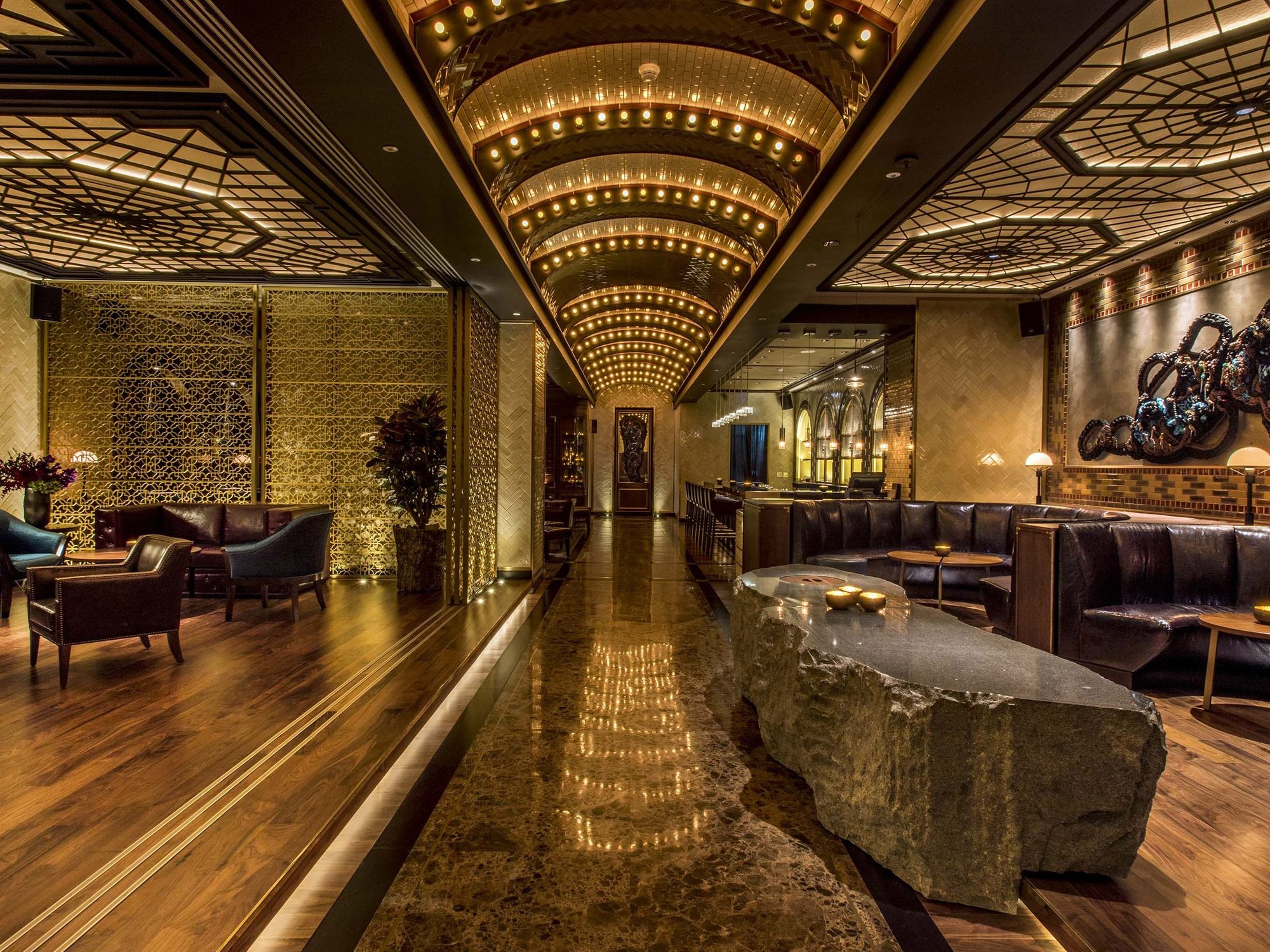
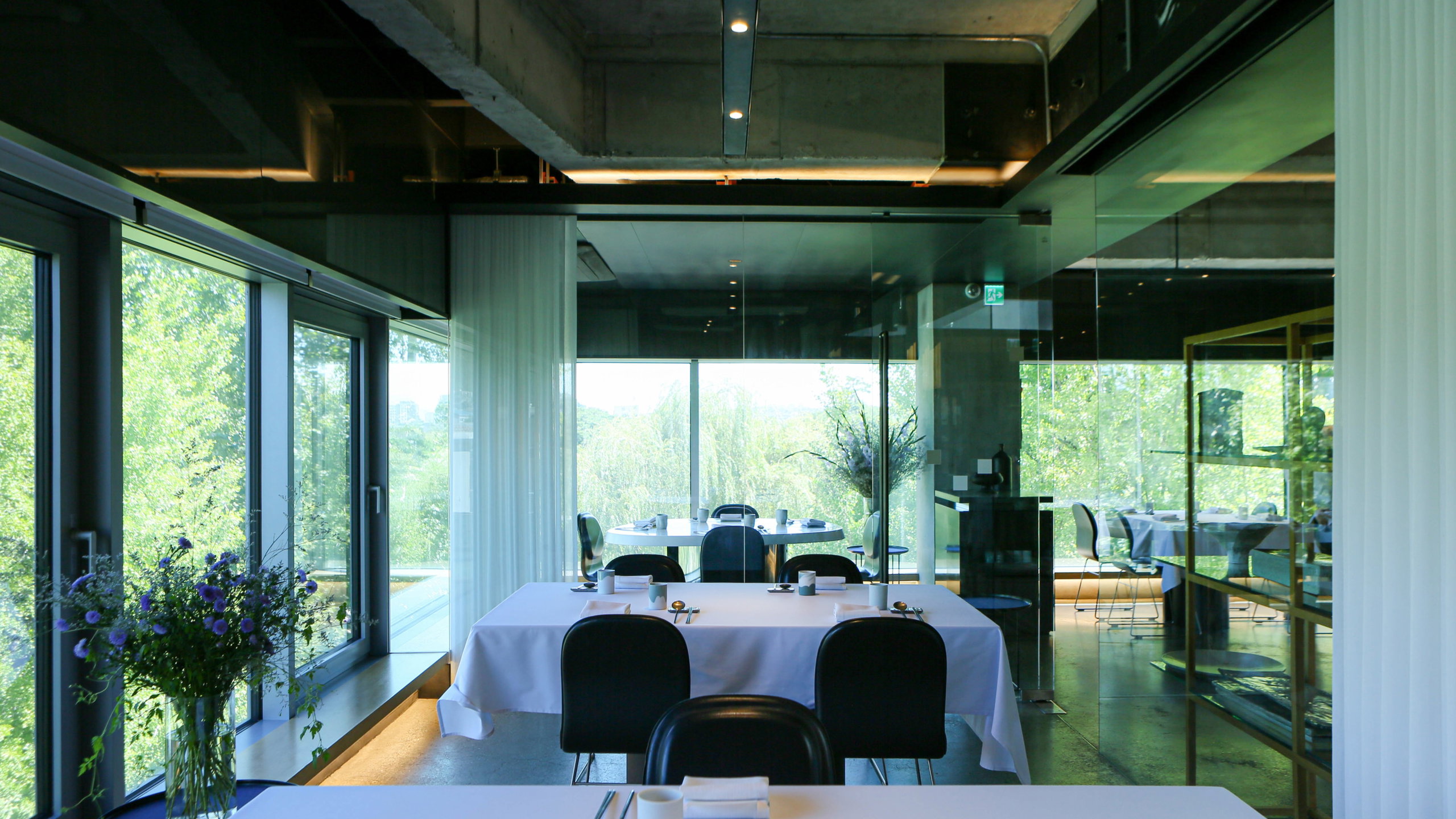
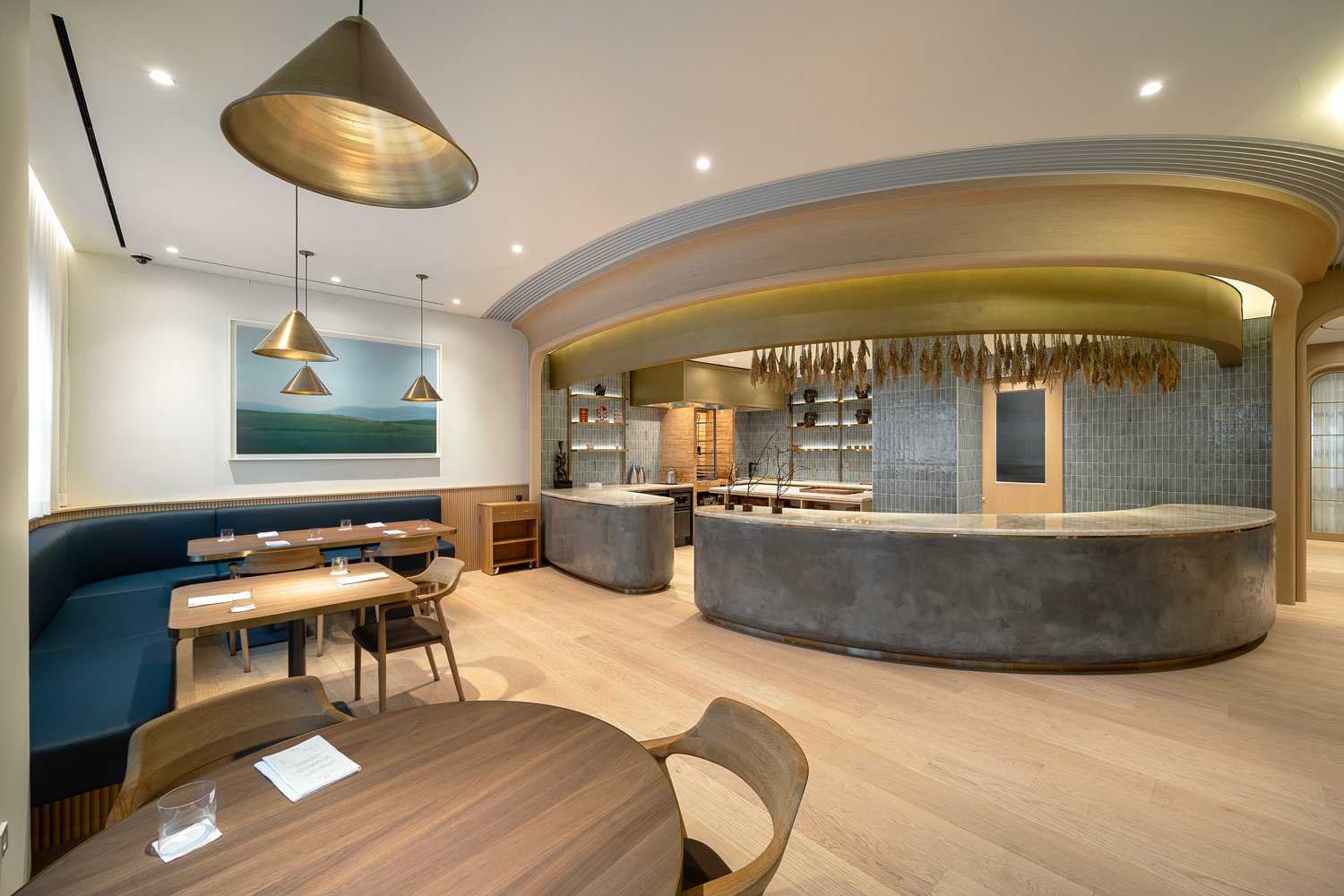
Cham in Season occupies a deliberate fourth-floor perch in Jongno, and the address immediately signals its temperament: restrained, refined and quietly serious. The bar leans into the district's historical density and evening calm, trading entrance theatrics for craft and concentration. Interiors read as a focused cocktail room rather than a nightlife spectacle; the result is a composed, sophisticated atmosphere where conversation and the contents of the glass come first. Seasonality is woven into the identity, reinforcing a thoughtful, editorial approach that feels both local and quietly elevated.
Best For
This is a place for intentional evening drinking — ideal for a measured date night, a special-occasion toast or a solo visit when you want to concentrate on cocktails. Located on an upper floor away from street bustle, it naturally filters casual foot traffic and attracts guests who come with purpose. The bar's focus on in-season ingredients and a 'serious bar program' makes it better suited to quieter, contemplative gatherings than rowdy group nights; book expectations around small parties and an attentive, cocktail-forward service rhythm.
Ordering Tips
Cham in Season centers its drinks on Korea's seasonal larder, so ask the bartender about what’s freshest or foraged that week. The description highlights early-spring herbs and mountain greens and summer's fermentation window, so expect the menu to pivot with the agricultural calendar rather than rely on stable modifiers. Let staff explain ingredient provenance and seasonal technique; a server-led recommendation is the clearest way to encounter the bar's argument about timing and flavor. Avoid assuming standard, imported cocktails — this program prioritizes native seasonality.
Venue details
Ambiance
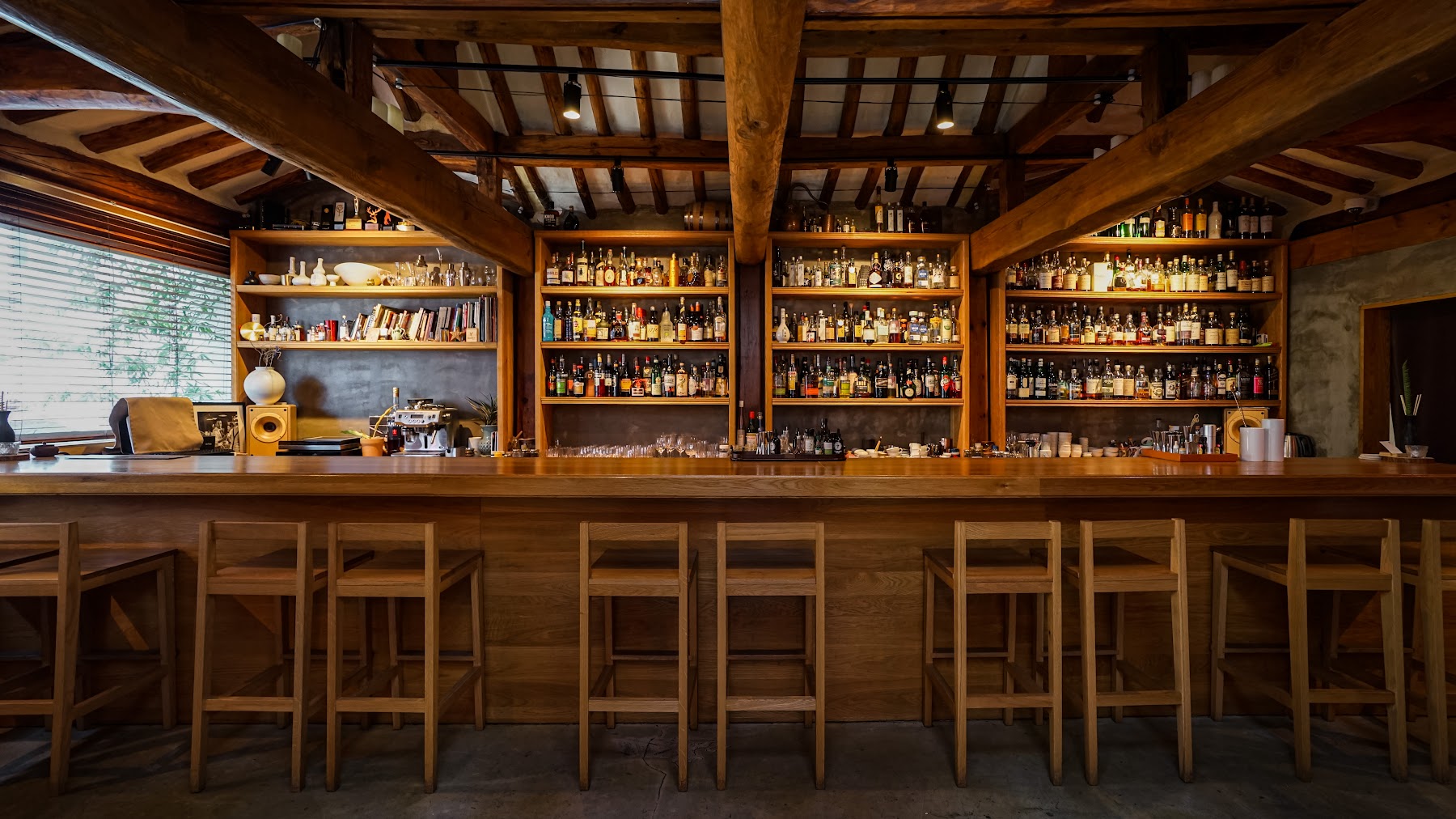
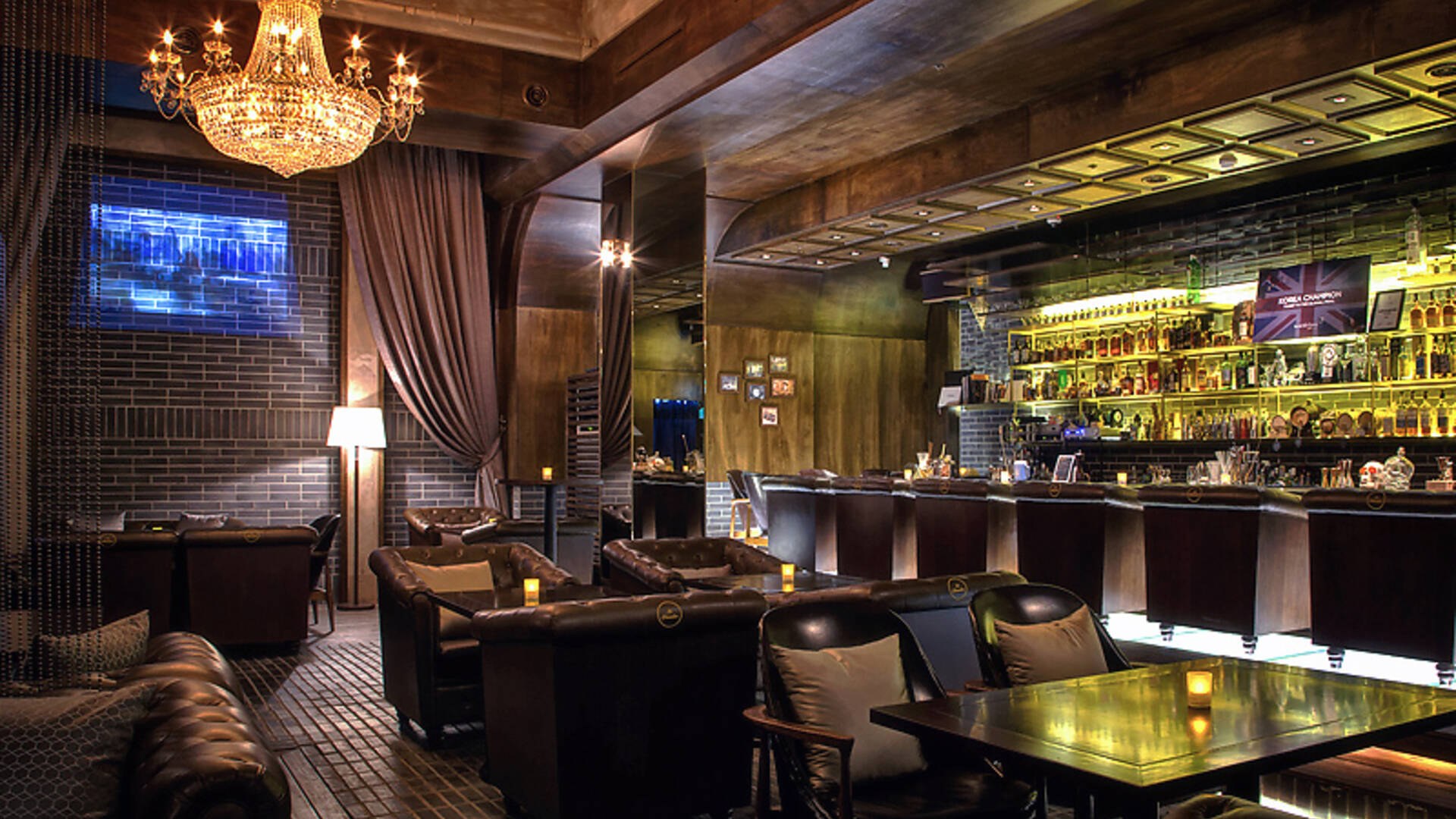
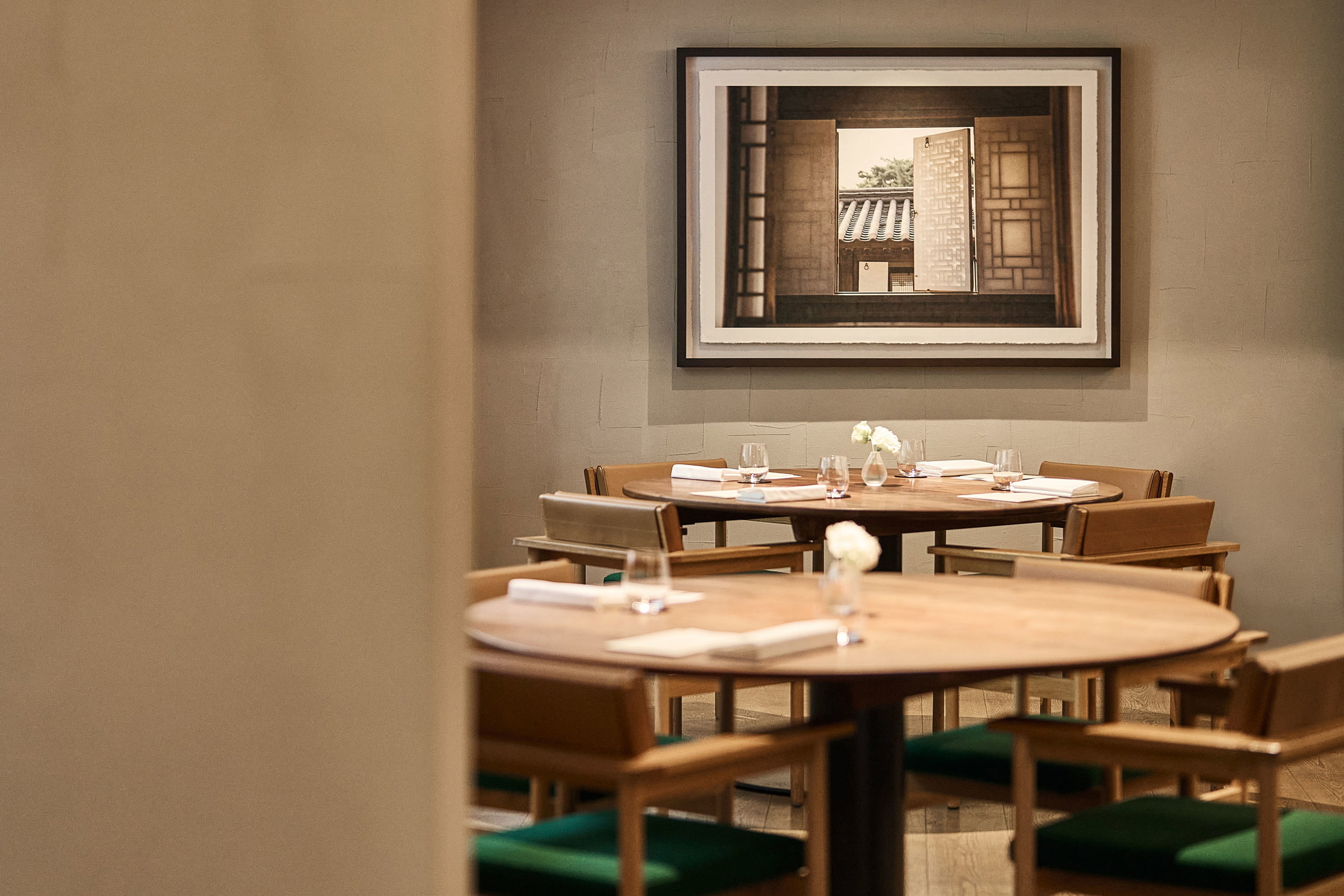
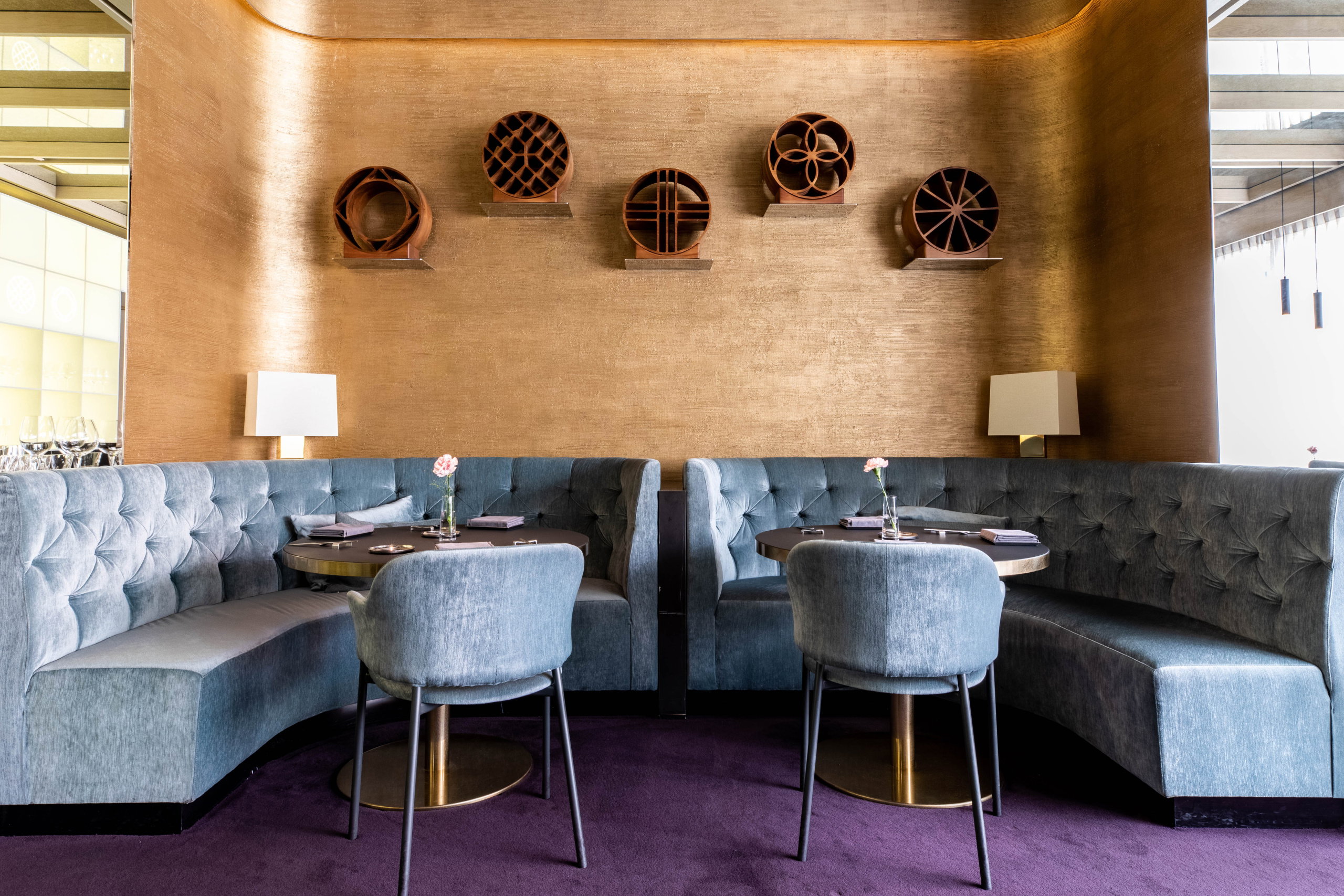
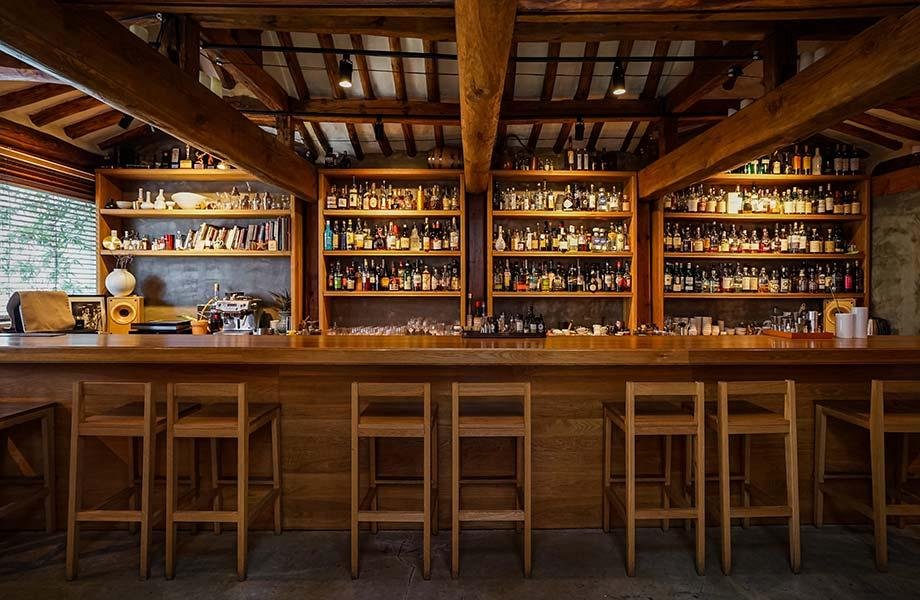
Softly lit intimate space with heavy oak wood, exposed rafters, and traditional clay walls meeting modern restraint; feels like a hushed temple dedicated to Korean ingredients.
Tags
Vibe
Best For
Experience
Format
At the Bar
- Bar Category
- Cocktail Bar
- Late Night
- Open Until 2am
- Spirits Focus
- Soju, Makgeolli, Yakju
Signature Pours
- fruit-flavored soju cocktails
- seasonal fruit cocktails
Know before you go
Know Before You Go
- Getting there
- 4f, 133-10 Sajik-ro, Jongno District, Seoul, South Korea
Planning details
Location
4f, 133-10 Sajik-ro, Jongno District, Seoul, South Korea · Directions
Also consider
Also Consider
- Cobbler, Notable alternative
- Bar Cham, Notable alternative
- Pomme, Notable alternative
- Maru, Notable alternative
- Charles H, Notable alternative
Bar context
How Cham in Season Compares
Choose Cham in Season when ease and location matter more than ceremony. Against Cobbler and Bar Cham, it reads as the lower-friction Jongno option: better for a flexible nightcap, less convincing as the main reason to cross town.
Pomme and Maru are stronger cross-shops if the group wants a more deliberate bar choice and is willing to plan around the room. Cham in Season is the easier recommendation for value-seekers who want to avoid overcommitting before seeing how the night develops.
Charles H is the comparison for a more polished hotel-bar style experience. Pick Charles H for a dressed-up evening; pick Cham in Season for a casual late stop in central Seoul where booking difficulty is not the main obstacle.
Explore Seoul
Around this place
Discover more on Pearl
Unlock the full Cham in Season guide in Pearl, including awards, comparisons, FAQs, planning details, and nearby places.
Compare Cham in Season
| Venue | Location | Awards |
|---|---|---|
| Cham in Season | Seoul | No published awards |
| Cobbler | Seoul | No published awards |
| Bar Cham | Seoul | No published awards |
| Pomme | Seoul | No published awards |
| Maru | Seoul | No published awards |
| Charles H | Seoul | No published awards |
How Cham in Season Seoul compares with similar nearby venues.
FAQ
Frequently Asked Questions
What's the crowd like at Cham in Season?
Information about the crowd is not available. Cham in Season operates in the evening and late night: 7 PM to 2 AM Tuesday through Saturday, 7 PM to 1 AM Sunday, and closed Monday.
Is Cham in Season open late?
Yes. Cham in Season is open from 7 PM to 2 AM Tuesday through Saturday, and from 7 PM to 1 AM on Sunday. It is closed on Monday.
Is Cham in Season good for groups?
Details regarding seating, room size, or group policies are not available. If you are planning for a group, confirm directly with the venue before booking or visiting.
Is Cham in Season good for a date?
It can be considered for an evening or late-night Seoul plan, but its details do not describe the atmosphere or seating style. The dress code is smart casual.
What's the best time to go to Cham in Season?
Use its hours as your guide: Tuesday through Saturday from 7 PM to 2 AM, and Sunday from 7 PM to 1 AM. Monday is closed.