White Horse Tavern
Seattle Waterfront, Seattle
Bar in Seattle, United States
 Book with Pearl
Why go
White Horse Tavern is worth considering as a late Pike Place-area drinks stop, especially for a date or small group that wants flexibility over a structured meal. It is less convincing for a larger celebration where food, pricing, and seating certainty matter more.
About White Horse Tavern
For White Horse Tavern in Seattle, it is a casual venue open from 5 PM to 2 AM Monday through Saturday and closed Sunday. That makes it easier to consider for an evening or late-night stop than for a plan that depends on food, pricing, reservations, seating, or a specific service format.
A better late stop than a structured group meal
The practical draw is the schedule. White Horse Tavern opens at 5 PM and runs until 2 AM Monday through Saturday, with Sunday closed. The dress code is casual, so the safest expectation is a low-key Seattle tavern visit rather than a formal dining-room plan.
For groups, keep expectations tight. Cuisine, menu format, chef, awards trail, published price tier, seating capacity, or reservation setup are not confirmed. If your night depends on those specifics, confirm directly before building the evening around it.
Use it as a Seattle late-night option, not the whole plan
The strongest case is flexibility. White Horse Tavern can make sense when you want a casual Seattle stop during its evening and late-night hours. It is not the best choice for food-first planning, because it does not establish a specific dining program. For broader planning, start with Our full Seattle restaurants guide, then use Our full Seattle bars guide for additional bar options.
If you want to compare the decision with other Seattle options, consider White Horse Tavern alongside Cloudburst Brewing, Radiator Whiskey, Seattle Waterfront, Zig Zag Cafe, or rachel's ginger beer - pike place. For broader trip planning, pair the bar search with Our full Seattle hotels guide.
Planning details
- Location
- 1908 Post Alley, Seattle, WA 98101
- Website
- whitehorsetavernseattle.com
- Phone
- +1 206 441 7767
The take
The Take
The Vibe
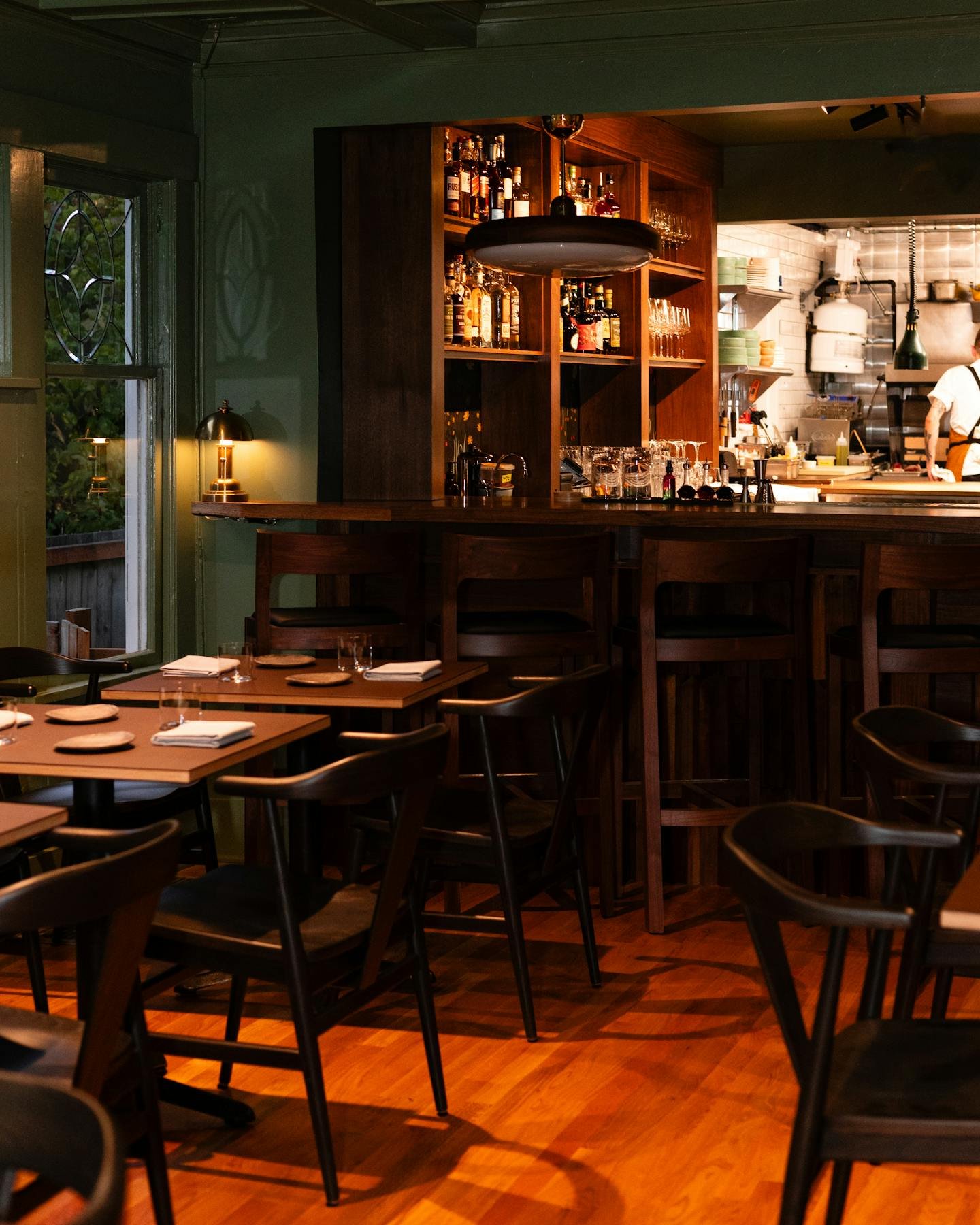
White Horse Tavern sits quietly in Post Alley, back from the tourist bustle of Pike Place Market, and it reads like a true neighbourhood bar. The copy frames the place as part of a quieter register of Seattle drinking: low-key, anchored by regulars and shaped by a stedfast commitment to provenance rather than performance. It feels unhurried and sober-minded rather than showy, the kind of tavern where bar conversations are conversational rather than amplified and where the surrounding market culture quietly informs what arrives in the glass.
Best For
This tavern is best for local, low-key nights out: after-work drinks, casual meetups, or solitary stops to unwind. The description emphasizes regulars and a neighbourhood orientation, so it works well for people who want calm, familiar service and a focus on ingredient-driven drinks without theatrics. It’s not pitched as a destination for large parties or late-night revelry; instead it rewards steady, unhurried visits and small groups who appreciate provenance and a measured pace.
Ordering Tips
Expect straightforward, well-sourced drinks rather than technically elaborate cocktails. The write-up stresses Pike Place provenance and a bar tradition rooted in place, so lean into classic preparations or seasonal, ingredient-led offerings that highlight regional producers. Embrace the unhurried pace: order deliberately, ask the bartender about local spirits and small producers, and plan for a measured, conversation-friendly drink rather than a rotating list of theatrical cocktails.
Venue details
Ambiance
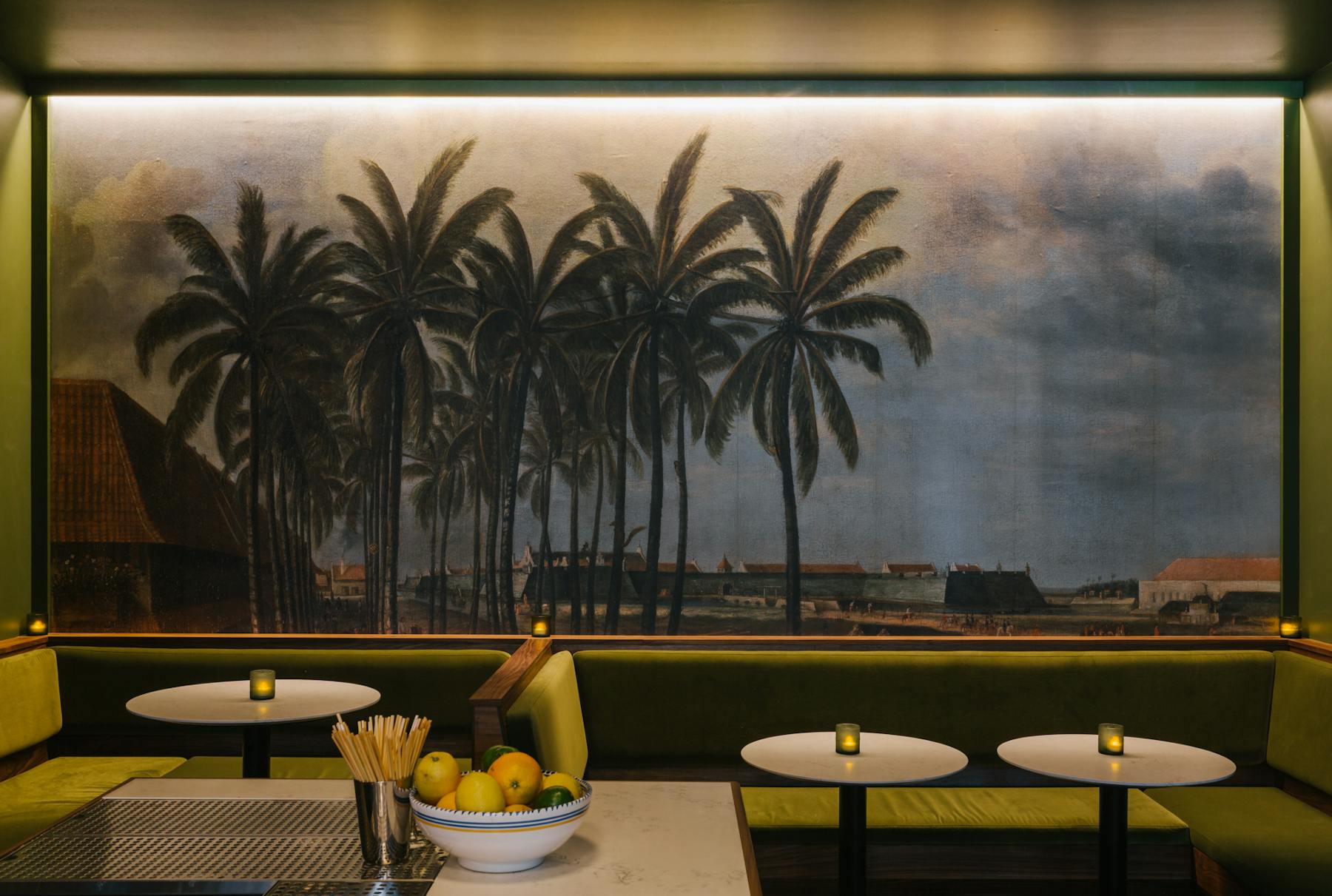
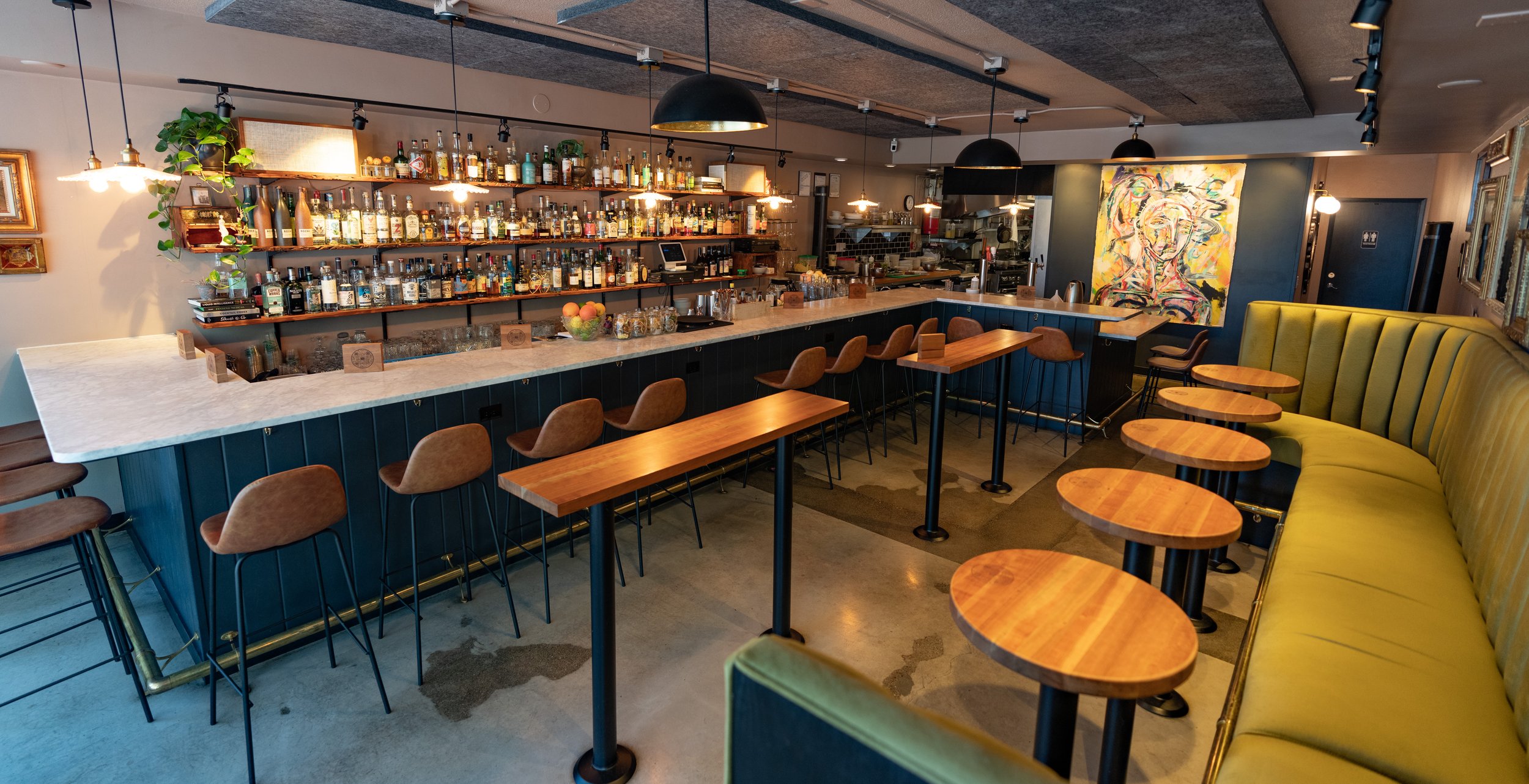
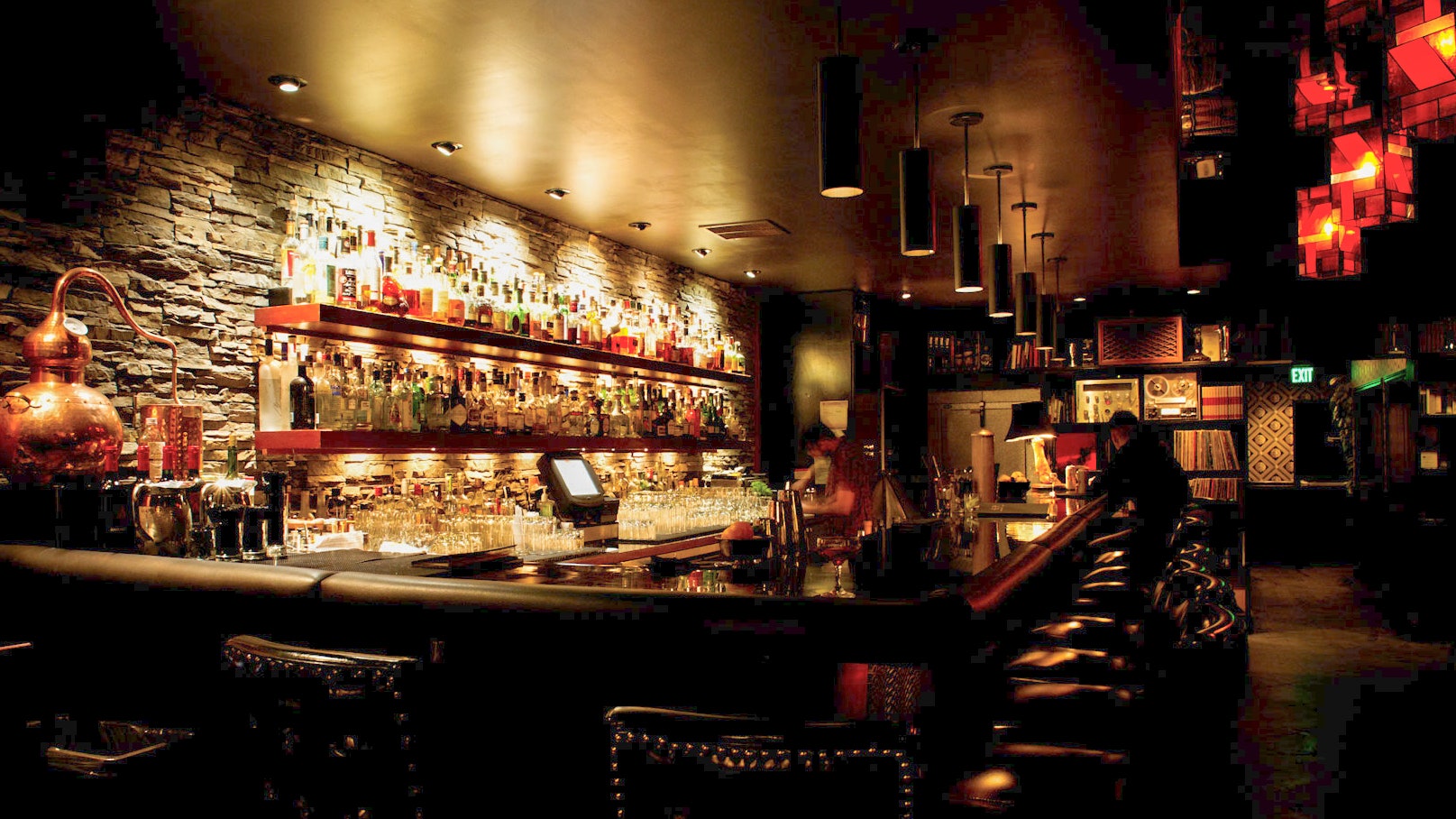
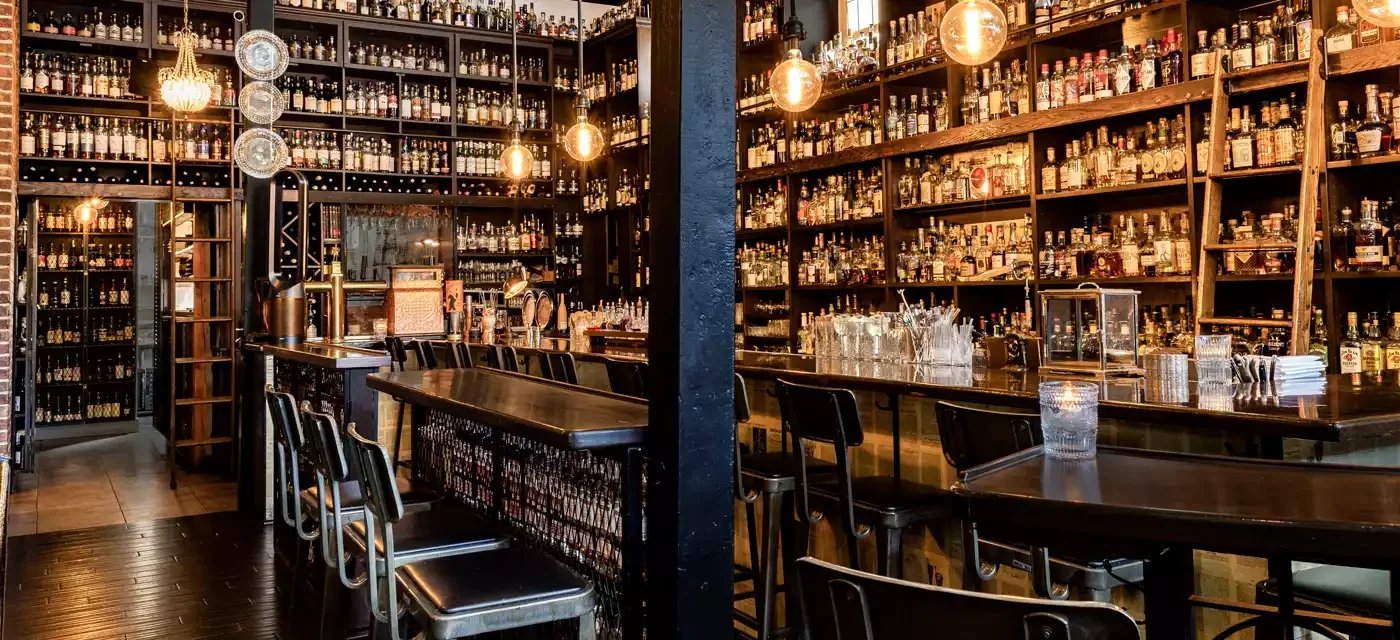
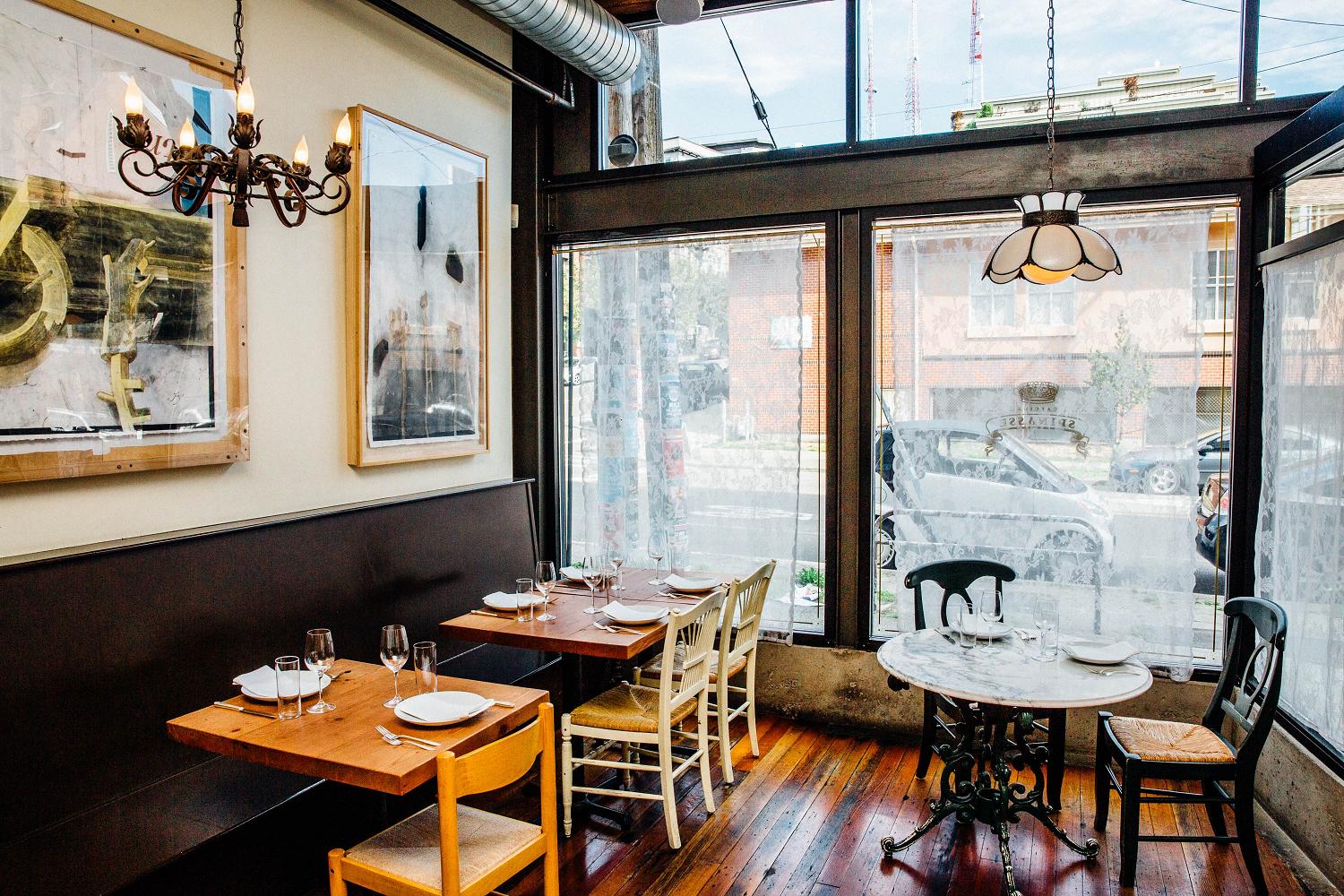
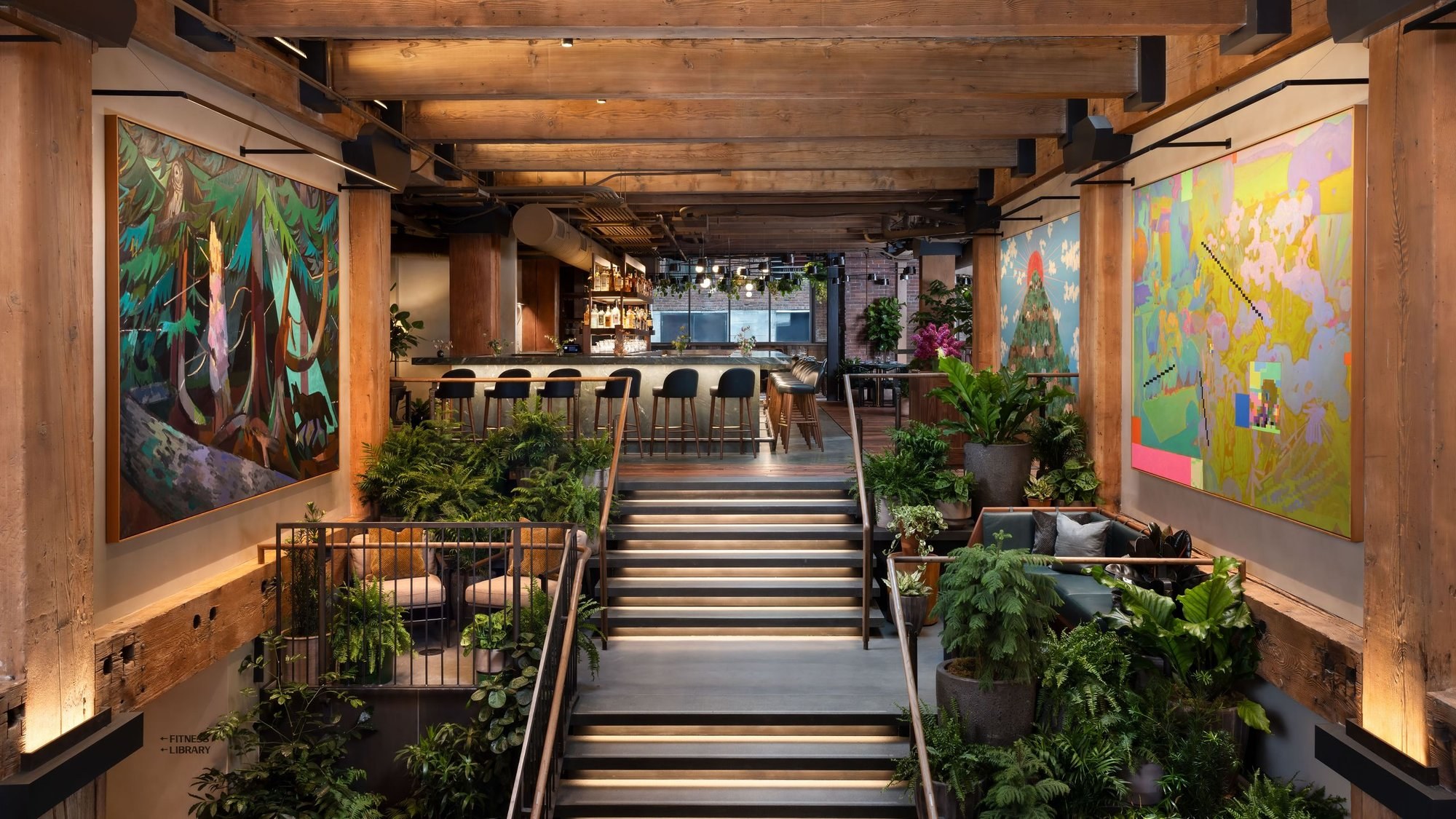
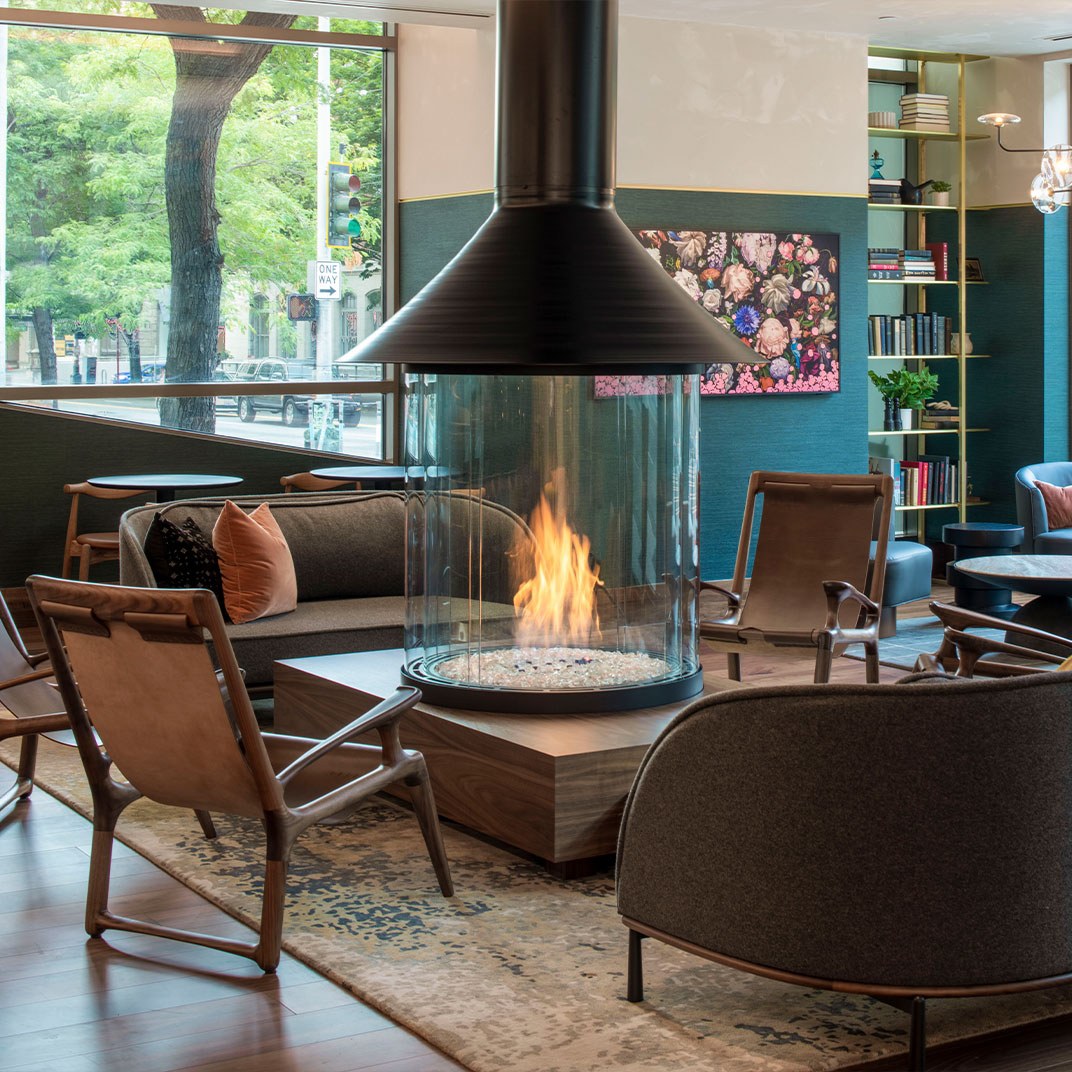
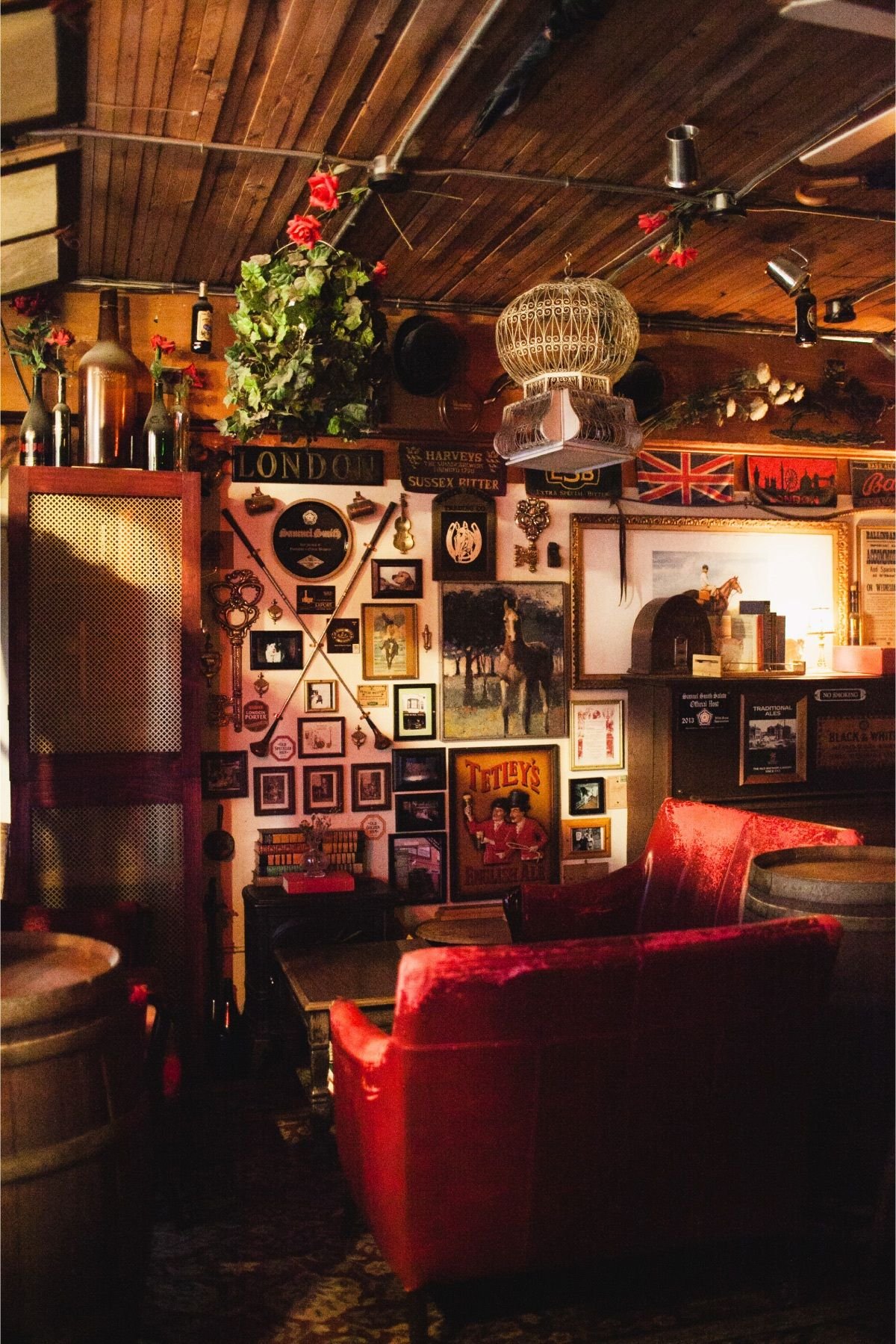
Dim lighting creates an intimate setting with vintage decor and cozy atmosphere ideal for relaxed conversation.
Tags
Vibe
Best For
Experience
Format
At the Bar
- Bar Category
- Pub
- Late Night
- Open Until 2am
- Music
- Acoustic
- Live Music
- Yes
Know before you go
Know Before You Go
- Getting there
- 1908 Post Alley, Seattle, WA 98101
Planning details
Location
Also consider
Also Consider
- rachel's ginger beer - pike place, Notable alternative
- Seattle Waterfront, Notable alternative
- Radiator Whiskey, Notable alternative
- Zig Zag Cafe, Notable alternative
- Cloudburst Brewing, Notable alternative
Bar context
How White Horse Tavern compares in Pike Place and the waterfront area
Choose White Horse Tavern when late timing and Pike Place convenience matter more than a tightly defined cocktail or food program. rachel's ginger beer - pike place is the clearer low-commitment daytime or early-evening stop, while White Horse Tavern makes more sense once the night has already moved into drinks.
Radiator Whiskey is the better fit when the group wants a stronger food-and-brown-spirits direction, and Zig Zag Cafe is the safer pick for a cocktail-led date. White Horse Tavern is easier to frame as a casual fallback than as the main event for a celebration.
If the plan is location-first, Seattle Waterfront keeps the night tied to the water, while Cloudburst Brewing is the more beer-focused alternative. For groups of four or more, pick based on format: tavern for loose plans, whiskey bar for food and spirits, brewery for beer-led rounds.
Around this place
Discover more on Pearl
Unlock the full White Horse Tavern guide in Pearl, including awards, comparisons, FAQs, planning details, and nearby places.
Compare White Horse Tavern
| Venue | Location | Awards |
|---|---|---|
| White Horse Tavern | Seattle | No published awards |
| rachel's ginger beer - pike place | Seattle | No published awards |
| Seattle Waterfront | Seattle | No published awards |
| Radiator Whiskey | Seattle | No published awards |
| Zig Zag Cafe | Seattle | No published awards |
| Cloudburst Brewing | Seattle | No published awards |
How White Horse Tavern Seattle compares with similar nearby venues.
FAQ
Frequently Asked Questions
What's the best time to go to White Horse Tavern?
White Horse Tavern opens at 5 PM Monday through Saturday and is closed Sunday. If you want to use it as a late stop, its hours run until 2 AM on those open days.
Is White Horse Tavern good for a date?
It can be a fit for a casual evening in Seattle if the hours work for your plan. If you need confirmed details about seating, reservations, food, or a specific format, check directly before making it the center of the date.
Is White Horse Tavern open late?
Yes. White Horse Tavern is open until 2 AM Monday through Saturday. It is closed Sunday.