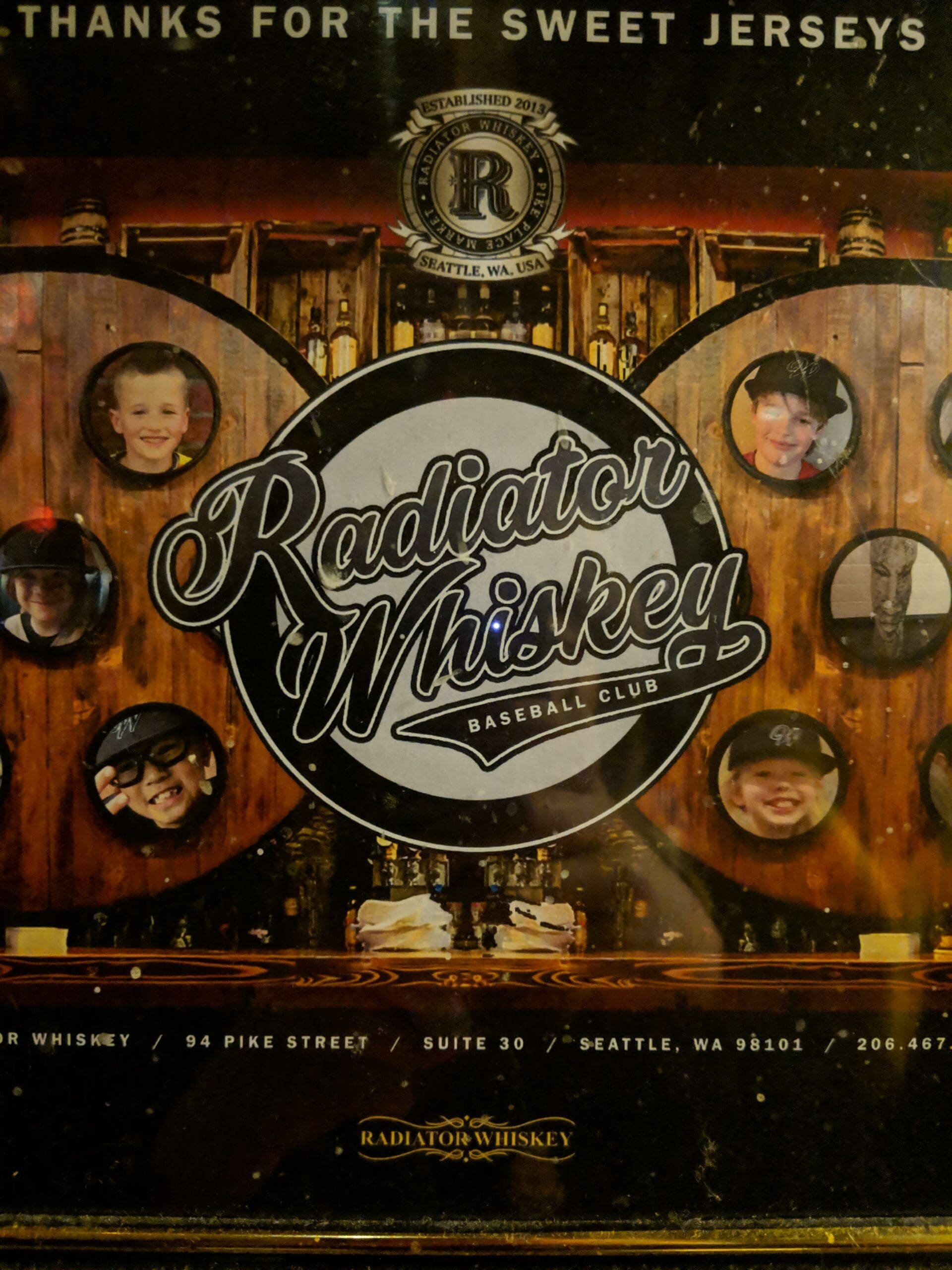
Radiator Whiskey
Seattle Waterfront, Seattle
Bar in Seattle, United States
 Book with Pearl
Why go
Radiator Whiskey is a Pike Place pick for a whiskey-led Seattle bar stop, especially when the plan calls for something more focused than a quick market drink. It is not the right call for a wine-by-the-glass deep dive; choose it for a compact, spirit-first room near the market instead.
About Radiator Whiskey
Radiator Whiskey is a Seattle venue with evening hours and a casual dress code. Use this guide for basic planning, and check directly with the venue for current menu, seating, pricing, or service details.
A casual Seattle stop with evening hours
Radiator Whiskey has a casual dress code. Hours are 3–10 PM Monday through Thursday, 3–11 PM Friday and Saturday, and closed Sunday. For menu format, reservations, seating, prices, or specific drink offerings, check directly with the venue.
For a broader Seattle outing, compare the timing and fit with other named options such as Zig Zag Cafe, rachel's ginger beer - pike place, Seattle Waterfront, White Horse Tavern, INFINITY pool + bar, and Radiator Whiskey. Use those comparisons as planning references rather than assumptions about identical service, menu, or atmosphere.
Use it when the schedule fits your plan
The clearest planning signal is the schedule: Radiator Whiskey opens at 3 PM Monday through Saturday, closes at 10 PM on weeknights, stays open until 11 PM on Friday and Saturday, and is closed Sunday. If you need details beyond hours and casual dress, check directly with the venue before building the rest of the night around it.
If this stop is part of a broader Seattle trip, use category guides rather than forcing one venue to do everything: Our full Seattle restaurants guide and Our full Seattle hotels guide can help with dinner and lodging planning, while other Seattle dining and bar options can fill in the rest of the itinerary.
Planning details
- Location
- 94 Pike St #30, Seattle, WA 98101
- Website
- radiatorwhiskey.com
- Phone
- +1 206 467 4268
The take
The Take
The Vibe
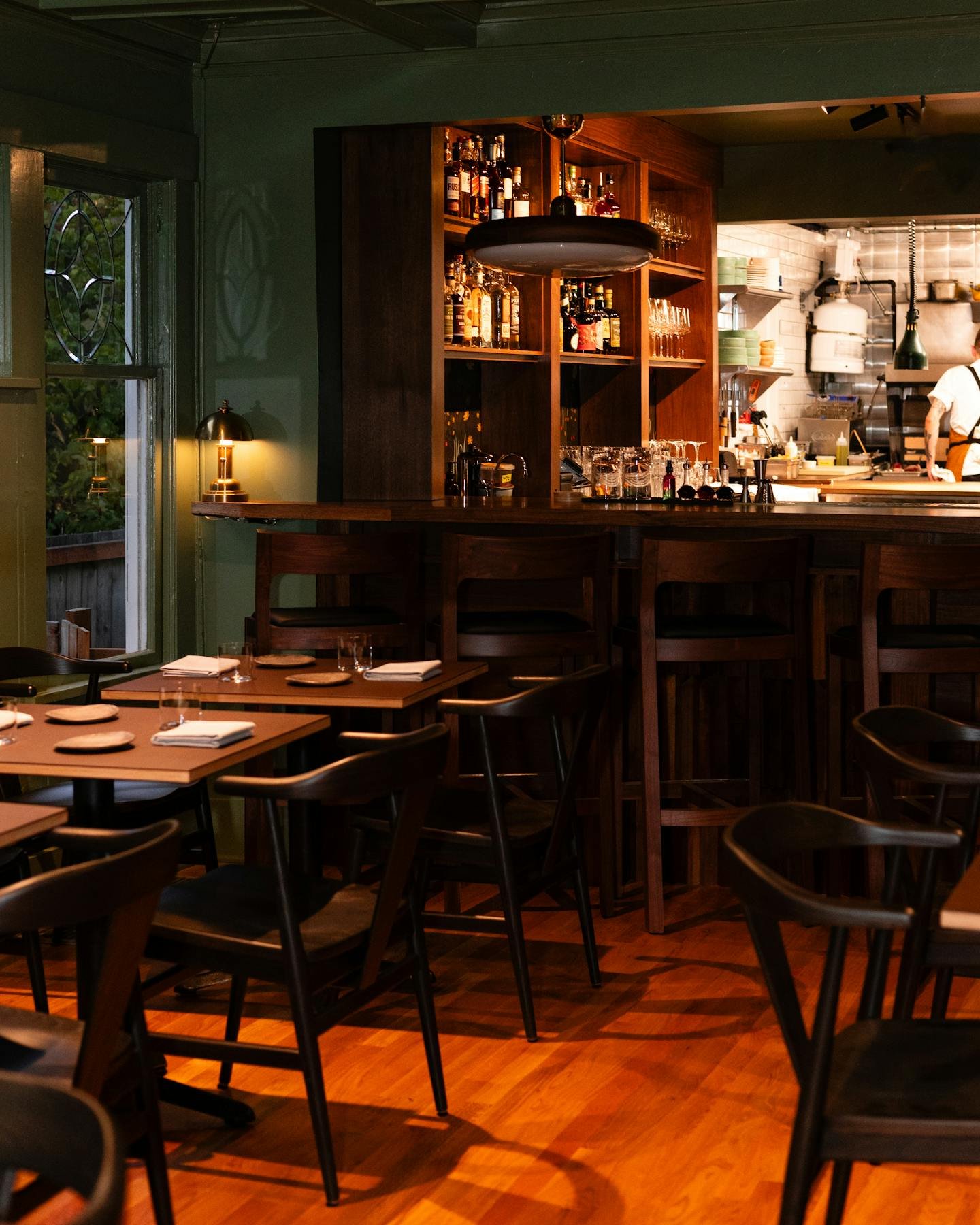
Radiator Whiskey sits snugly within Pike Place Market, presenting a focused, no-frills celebration of American whiskey and complementary kitchen work. The bar reads less like cocktail theatre and more like a room built around provenance, craft and pairing logic: smoke, fat, acid and salt. The market approach—the walk through working corridors past fishmongers and produce stalls—frames the experience before you even arrive, so the hospitality feels earnest rather than performative. The result is a classic, sophisticated whiskey bar that favors serious selection and straightforward service over flash.
Best For
This is a destination for people who care about whiskey and the food that amplifies it. The program is purpose-built for evenings when pours and plates are tasted together: braised, smoked and cured preparations that echo barrel char and play off bourbon and rye. It suits after-work drinks and casual meetups where provenance and craft matter, and it’s particularly good for diners who prefer thoughtful pairings to theatrical cocktails. The Pike Place setting also makes it a good stop for visitors exploring Seattle’s culinary history.
Ordering Tips
Order with pairing logic in mind: seek out smoked or braised dishes and umami-forward preparations to soften tannin and lengthen a whiskey’s finish. Balance those richer plates with pickled or acidic elements that reset the palate between pours. When in doubt, ask staff about provenance and which bottles are meant to be sipped solo versus paired with food—the bar emphasizes selection depth and transparency, so servers can point you to pours that resonate with the smoke and char on the plate.
Venue details
Ambiance
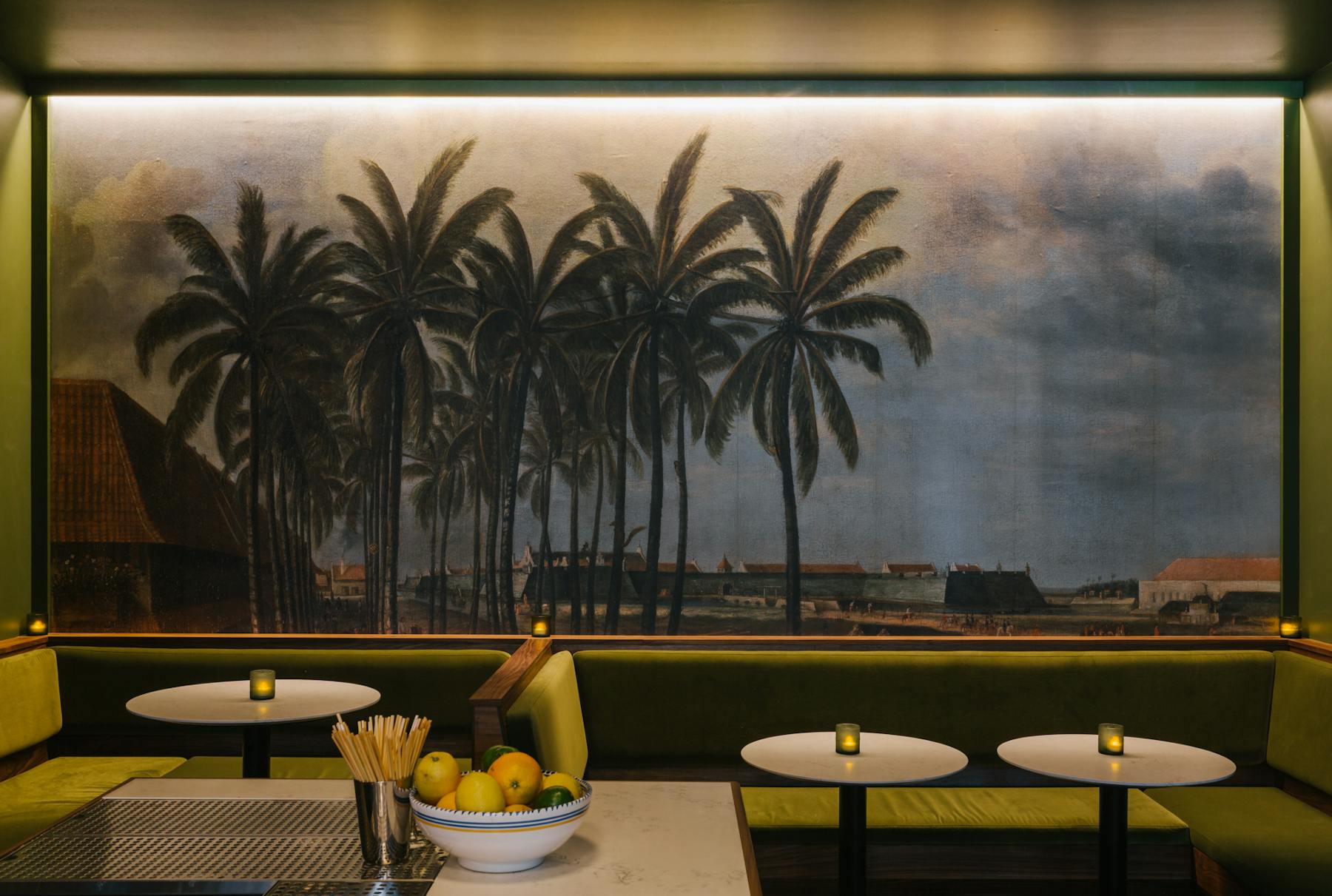
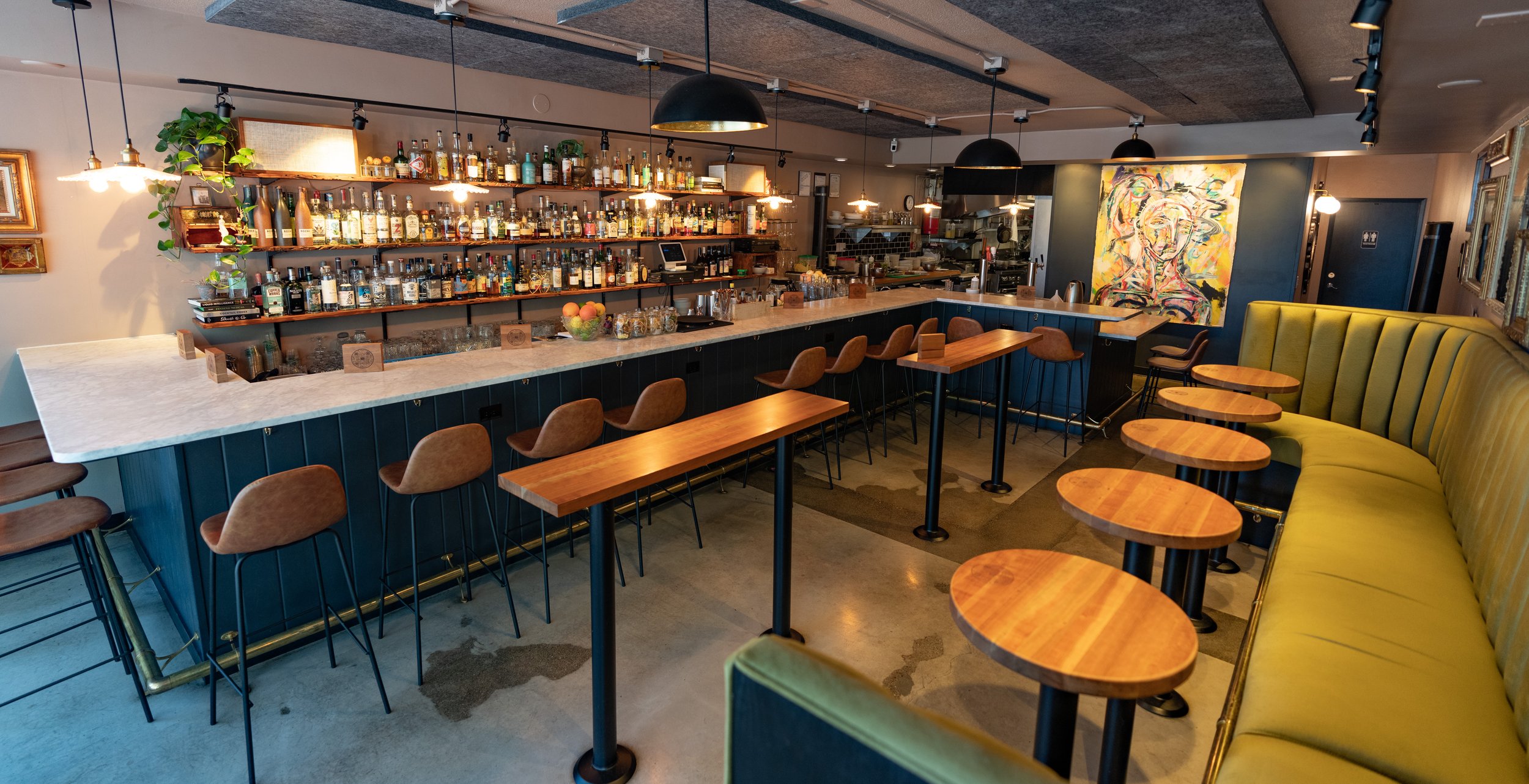
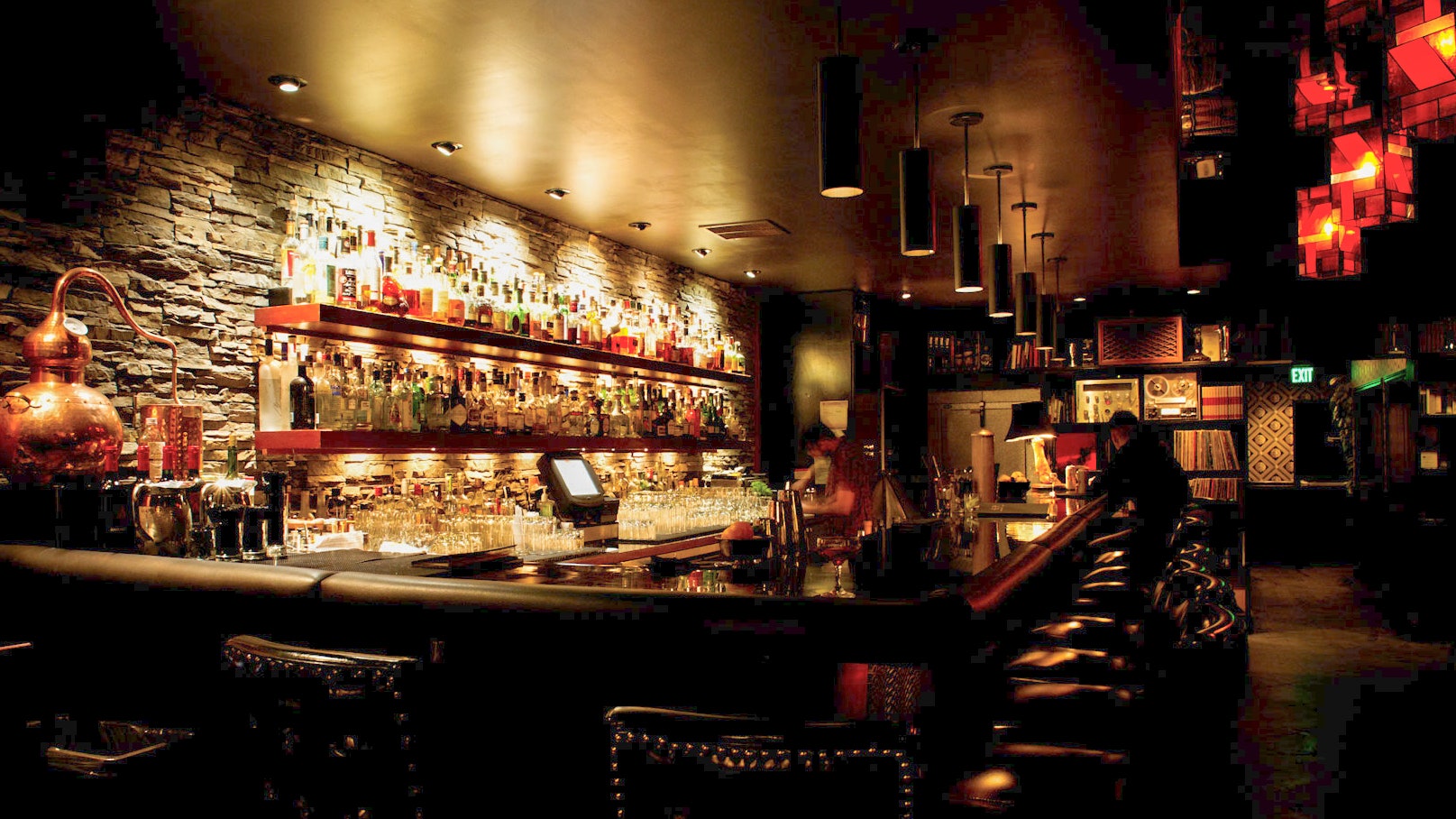
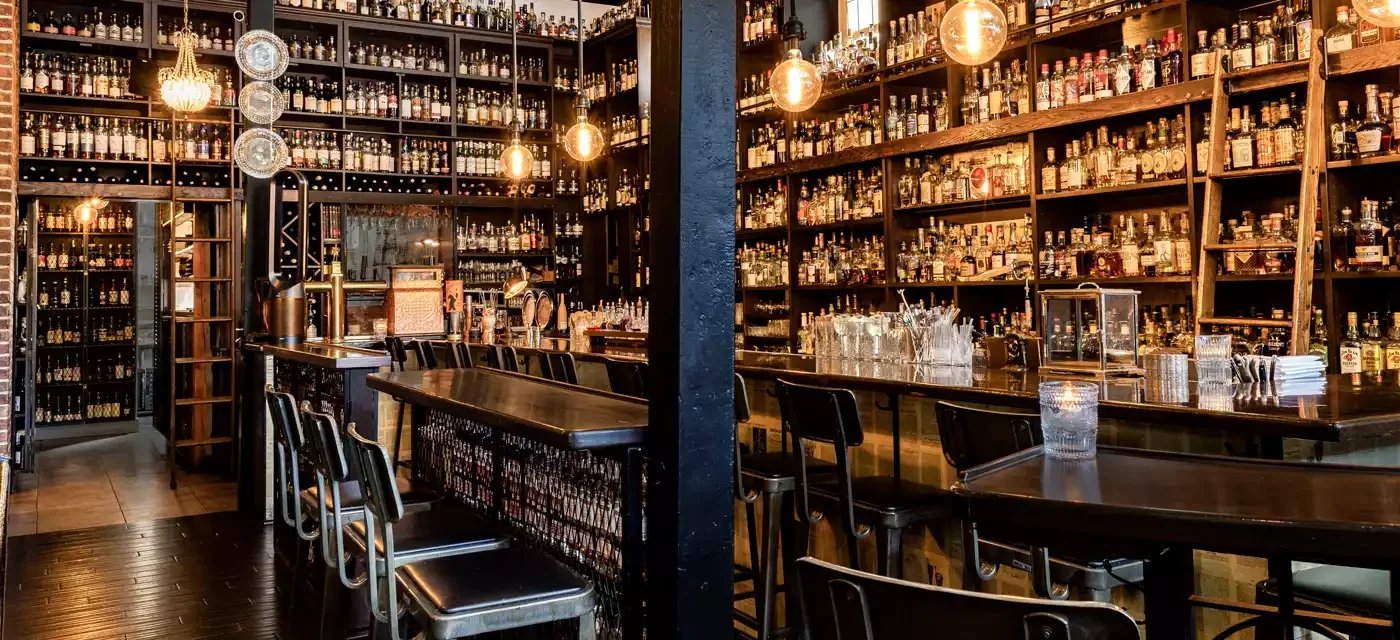
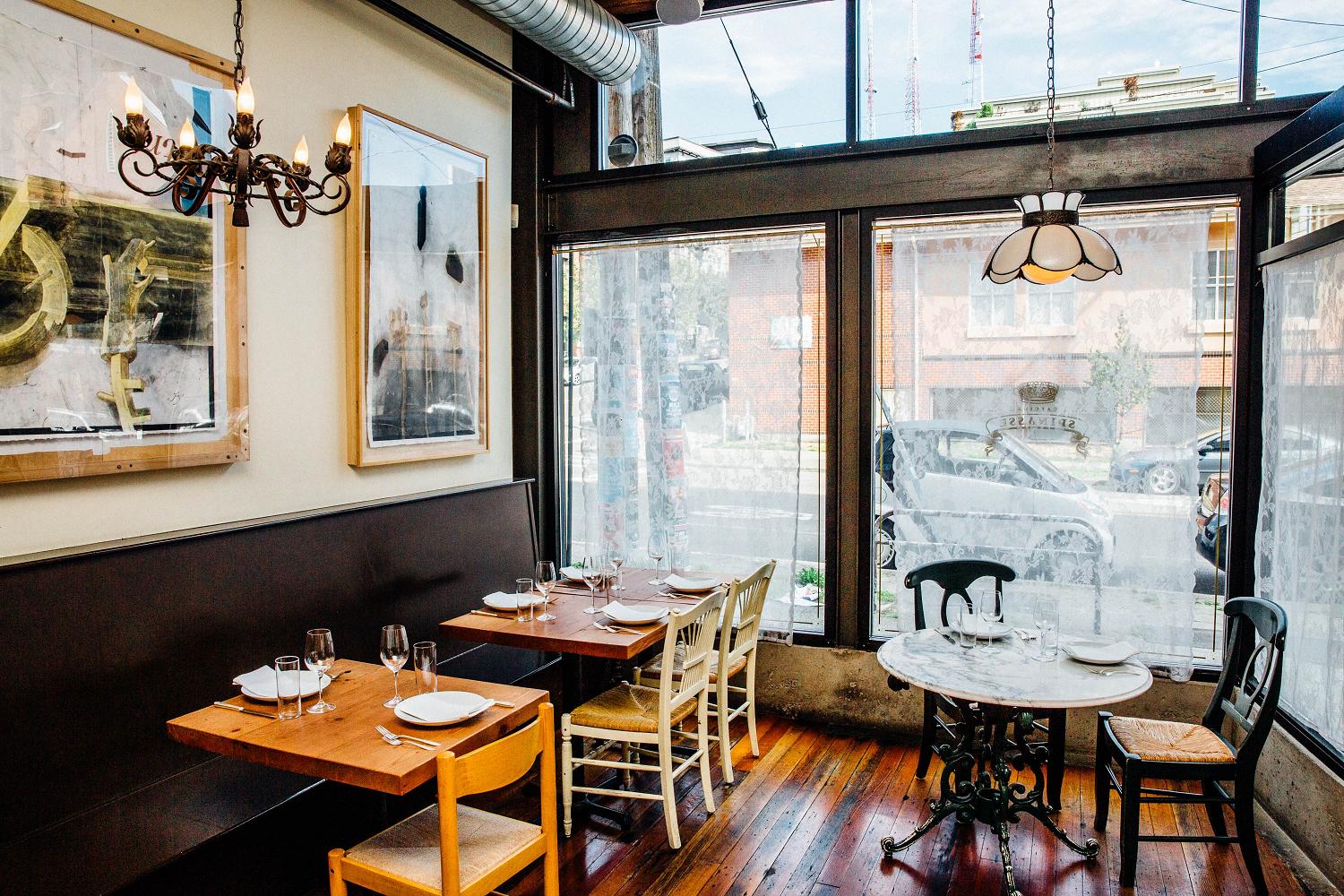
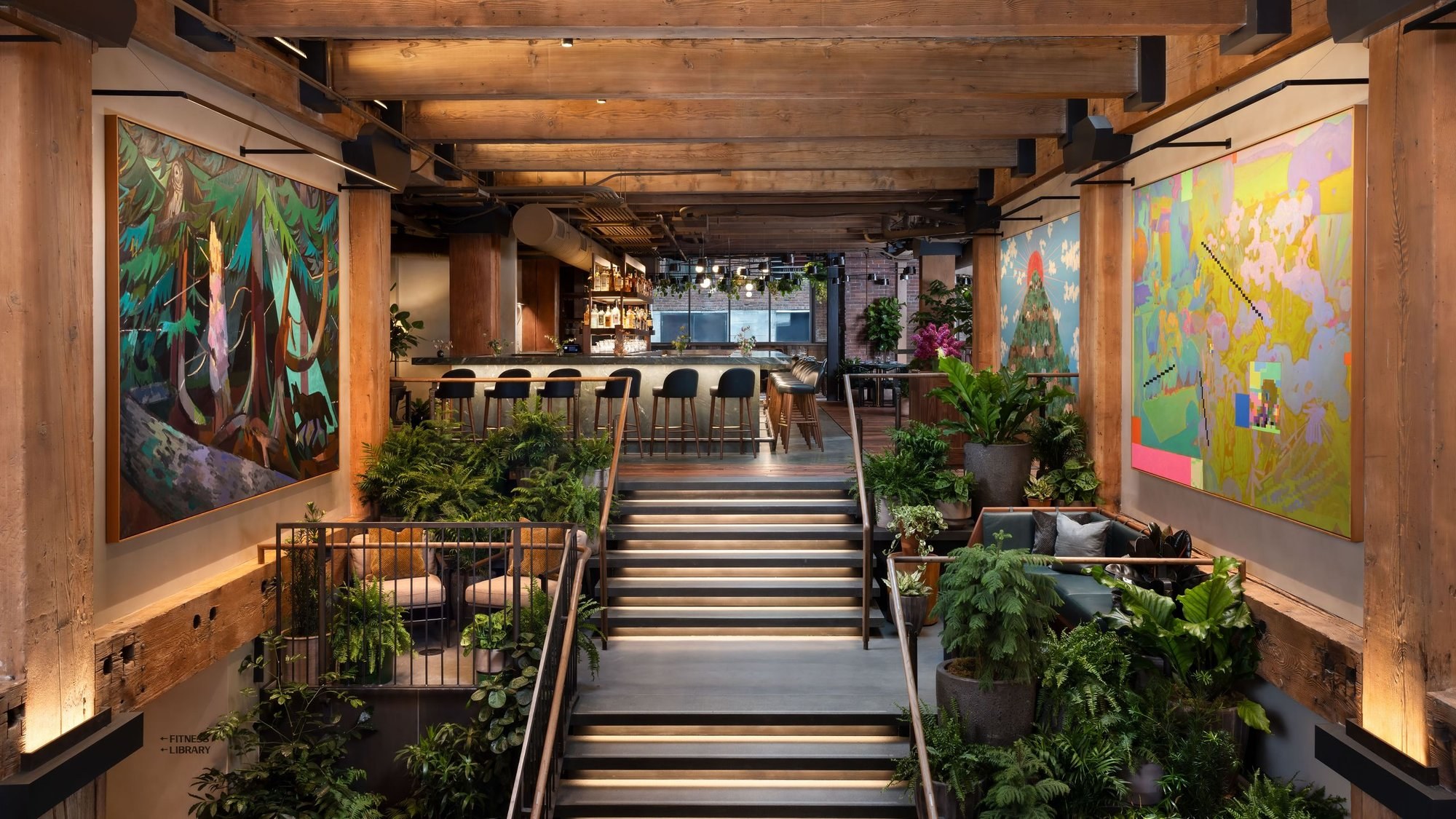
Warm tones, industrial Pacific Northwest decor with natural wood accents and a large whiskey barrel wall.
Tags
Vibe
Best For
Experience
Format
At the Bar
- Late Night
- Closes by Midnight
Signature Pours
- Radiator Whiskey
- Barrel Aged Cocktails
Know before you go
Know Before You Go
- Getting there
- 94 Pike St #30, Seattle, WA 98101
Planning details
Location
Also consider
Where to go if this does not fit
If the goal is cocktails rather than whiskey, choose Zig Zag Cafe. If the group wants something lighter and easier near Pike Place, rachel's ginger beer - pike place is the simpler fallback.
Bar context
How Radiator Whiskey compares in Seattle
Radiator Whiskey is the better call than rachel's ginger beer - pike place when the group wants a stronger, more bar-driven stop rather than a fast, casual drink near the market. Rachel's is easier for a low-commitment refreshment; Radiator Whiskey is the better fit when the night needs a whiskey anchor.
Zig Zag Cafe is the cross-shop for cocktail-minded drinkers who care more about classic bar craft than a whiskey-first identity. Choose Zig Zag for a more cocktail-forward plan; choose Radiator Whiskey when the category focus matters more than a broader drink list.
Seattle Waterfront and INFINITY pool + bar make more sense when view and setting outrank drink focus. White Horse Tavern is the better alternate for a pub-like mood. Radiator Whiskey is the practical middle lane: central, spirit-led, and easier to slot into a Pike Place evening than a destination lounge.
Around this place
Discover more on Pearl
Unlock the full Radiator Whiskey guide in Pearl, including awards, comparisons, FAQs, planning details, and nearby places.
Compare Radiator Whiskey
| Venue | Location | Awards |
|---|---|---|
| Radiator Whiskey | Seattle | No published awards |
| rachel's ginger beer - pike place | Seattle | No published awards |
| Zig Zag Cafe | Seattle | No published awards |
| Seattle Waterfront | Seattle | No published awards |
| INFINITY pool + bar | Seattle | No published awards |
| White Horse Tavern | Seattle | No published awards |
How Radiator Whiskey Seattle compares with similar nearby venues.
FAQ
Frequently Asked Questions
What's the crowd like at Radiator Whiskey?
Radiator Whiskey is in Seattle, has a casual dress code, and is open from 3 PM Monday through Saturday, with Sunday closed.
Is Radiator Whiskey open late?
Radiator Whiskey is open until 10 PM Monday through Thursday and until 11 PM on Friday and Saturday. It is closed Sunday.
Is Radiator Whiskey good for a date?
Does Radiator Whiskey have outdoor seating?
For outdoor seating, check directly with the venue. Plan around the basics: Radiator Whiskey is in Seattle, has a casual dress code, and is open Monday through Saturday from 3 PM.
Is the food good at Radiator Whiskey?
What's the best time to go to Radiator Whiskey?
Plan around the hours: Monday through Thursday, it is open 3–10 PM; Friday and Saturday, it is open 3–11 PM; Sunday, it is closed.