
Bar in Seattle, United States
Kedai Makan Capitol Hill
100ptsMalaysian Hawker Format
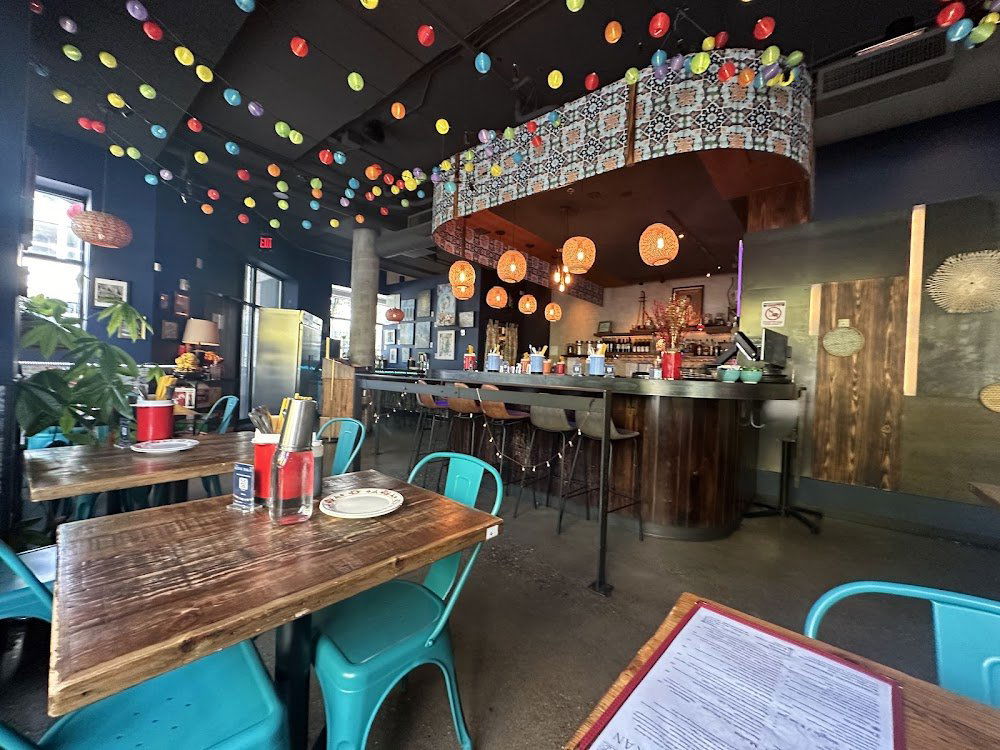
About Kedai Makan Capitol Hill
Kedai Makan Capitol Hill sits on East Pine Street in Seattle's most restaurant-dense neighbourhood, bringing Southeast Asian cooking to a city increasingly serious about the cuisine. The address places it squarely in the Capitol Hill corridor where independent operators with a defined point of view tend to find their audience fastest.
East Pine Street and the Case for Staying Independent
Capitol Hill's dining corridor along East Pine Street has become one of the clearest expressions of Seattle's restaurant identity: independent, neighbourhood-rooted, and less interested in replicating coastal trends than in doing something specific well. Kedai Makan sits at 1449 E Pine St, which puts it inside a stretch of blocks where the operators who survive tend to have a defined purpose. The neighbourhood rewards that approach. Foot traffic here is less tourist-driven than Belltown or Pike Place, which means the regulars are a self-selecting group: people who came specifically for the food, not because it was convenient to where they were already standing.
The word kedai makan translates roughly from Malay as "eating shop" or "food stall" — a reference to the casual, counter-style restaurants common across Malaysia, Singapore, and Indonesia, where the measure of a dish is flavour and technique rather than presentation format. That framing matters. In cities like Seattle, where Southeast Asian cooking often arrives filtered through a fine-dining or fusion lens, the kedai makan model sits closer to the source: direct, ingredient-forward, and built around a cuisine that doesn't need to apologise for being unpretentious.
Southeast Asian Cooking in a City Still Finding Its Footing
Seattle's Southeast Asian restaurant scene is smaller and less developed than its East Asian counterpart. The city has a well-documented ramen culture, a serious Japanese dining tier that includes omakase counters and izakayas, and a Chinese restaurant history rooted in the International District. But Malaysian and Indonesian cooking have been slower to find a consistent foothold, and the gap between hawker-style authenticity and Americanised approximation remains wider here than in cities like Los Angeles or the San Francisco Bay Area.
That gap is also an opportunity. When a restaurant comes in with a clear reference point — the kedai makan format, the street-food tradition of Southeast Asia , it occupies a position with few direct competitors. The question is whether it's cooking to that reference or simply using the name as branding. Capitol Hill's dining community tends to be discerning enough to know the difference, and the neighbourhood's track record suggests operators who cut corners don't last long on East Pine.
For context on Seattle's broader drinking and dining scene, our full Seattle restaurants guide maps the city's key corridors and what each neighbourhood does well. Capitol Hill consistently anchors the independent restaurant category.
Sourcing, Waste, and the Ethics of a Hawker Kitchen
The kedai makan model has an underappreciated relationship with sustainability. Traditional Southeast Asian food stalls are built around efficiency: small menus, high turnover, ingredients used in full. There's no à la carte sprawl that forces a kitchen to maintain a hundred different components. The tight format naturally reduces waste , a discipline that more elaborate restaurant models often have to engineer back into their operations at significant cost and effort.
In a city like Seattle, where the hospitality industry operates under increasing pressure to address food waste and supply chain ethics, a restaurant structured around this kind of inherent efficiency starts with an advantage. The question for any Capitol Hill operator is whether that structural efficiency translates into conscious sourcing practice: where the proteins come from, whether the aromatics and produce are sourced regionally when the growing season allows, and how the kitchen handles what doesn't make it onto a plate.
Seattle's proximity to the Pacific Northwest's agricultural network , farms in the Yakima Valley, seafood along the coast, a strong network of small-scale producers in Skagit and Whatcom counties , gives any restaurant in the city access to sourcing options that genuinely support a sustainability argument. A Southeast Asian kitchen in particular can draw on the region's chilli, ginger, lemongrass, and galangal producers, many of whom serve the city's substantial Asian food-service market. When that connection exists and is maintained, the kedai makan model and the Pacific Northwest sourcing culture are more compatible than they might initially appear.
Where Capitol Hill Fits in the Broader Seattle Night
A meal on East Pine connects easily to one of Seattle's stronger cocktail corridors. Canon has long anchored the neighbourhood's serious drinking tier, with a spirits library that places it in a different category from most American bars. The Doctor's Office represent different registers of the Capitol Hill bar scene , the former more wine-led, the latter with a concept-driven format. Further south, 2963 4th Ave S extends the city's cocktail geography into SoDo.
For readers comparing Seattle's cocktail culture against other cities: Kumiko in Chicago represents the Japanese-influenced precision end of the American bar spectrum. Superbueno in New York City anchors the agave-forward tier. ABV in San Francisco operates on a similar independent-neighbourhood model to Capitol Hill's leading bars. Internationally, Bar Leather Apron in Honolulu, Jewel of the South in New Orleans, Julep in Houston, and The Parlour in Frankfurt on the Main each represent a distinct bar culture worth understanding in context.
Planning Your Visit
Kedai Makan Capitol Hill is located at 1449 E Pine St, Seattle, WA 98122, in the central section of Capitol Hill's main dining corridor. The address is walkable from several neighbourhood bus routes and is within a short distance of Capitol Hill Link Light Rail station, which connects directly to downtown Seattle and the airport via the 1 Line. Given the venue's format and neighbourhood positioning, walk-in seating during peak evening hours may be limited , arriving early or checking current booking options directly with the venue before visiting is advisable. Current hours, pricing, and contact details should be confirmed through the venue's own channels, as this information changes seasonally.
Frequently Asked Questions
What should I try at Kedai Makan Capitol Hill?
The restaurant's name references the kedai makan tradition of Malaysian and Southeast Asian eating shops, which centres on flavour-forward dishes designed to be eaten without ceremony. Dishes from this tradition typically include rice-based plates, noodle preparations, and protein-heavy mains built around aromatics like lemongrass, galangal, and sambal. As the kitchen's specific menu is subject to change, checking current offerings directly with the venue before visiting will give you the most accurate picture of what's available.
What is the standout thing about Kedai Makan Capitol Hill?
In Seattle's restaurant scene, where Southeast Asian cooking is underrepresented relative to East Asian options, Kedai Makan fills a specific gap in Capitol Hill's dining offer. The kedai makan format itself , tight, purposeful, built around a defined culinary tradition , positions it differently from the broader category of pan-Asian or fusion concepts that populate many American cities. For a neighbourhood that rewards operators with a clear point of view, that specificity matters.
Should I book Kedai Makan Capitol Hill in advance?
Capitol Hill's most-visited independent restaurants regularly fill during Thursday through Saturday evening services, and venues with a focused format and limited seating tend to move quickly. Booking ahead where possible is advisable. Current reservation options, including whether walk-ins are accommodated, should be confirmed directly with the venue , contact and booking details are leading sourced from the restaurant itself, as they are subject to change.
Is Kedai Makan Capitol Hill a good option for solo diners interested in Southeast Asian food culture?
The kedai makan format historically accommodates solo diners well: the original Southeast Asian eating shops were built for quick, direct service rather than table-length social occasions. In that tradition, counter or small-table seating often makes a solo visit direct. Capitol Hill as a neighbourhood also has a strong history of solo-diner culture, with several of its best-regarded restaurants configured to make single covers feel comfortable rather than awkward. Confirming current seating arrangements directly with the venue before visiting is recommended.
More bars in Seattle
- 2963 4th Ave S2963 4th Ave S is a SoDo address with limited public information, making it best suited as a local exploratory stop rather than a planned destination. Booking is easy, and the neighborhood skews casual and accessible. For a structured cocktail evening in Seattle, venues like Canon or Roquette offer more certainty before you commit the trip.
- A Pizza MartA Pizza Mart on Stewart St is a walk-in, no-reservation pizza option in the heart of downtown Seattle. Easy to access, casual in feel, and suited to spontaneous stops rather than planned evenings out. Best for solo diners or small groups who want a low-friction meal close to Pike Place and Capitol Hill.
- a/stira/stir sits on Capitol Hill's E Pike corridor in Seattle, in one of the city's most walkable and late-night-friendly bar stretches. Booking is easy and walk-ins are realistic, making it a low-friction option for a flexible evening. Key details like price range and hours are not publicly confirmed, so verify before you go.
- Add-A-BallAdd-A-Ball is a pinball and arcade bar in Seattle's Fremont neighborhood that works best for groups of four or more looking for a low-pressure, high-energy night out. Walk-ins are easy, the format rewards a crowd, and the atmosphere is deliberately loud and social. Not the right call for a quiet date or serious cocktail focus — but a reliable group pick.
Related editorial
- Best Fine Dining Restaurants in ParisFrom three-Michelin-star icons to the next generation of Parisian chefs pushing boundaries, these are the restaurants that define fine dining in the world's culinary capital.
- Best Luxury Hotels in RomeFrom rooftop terraces overlooking ancient ruins to Michelin-starred hotel dining, these are the luxury hotels that make Rome unforgettable.
- Best Cocktail Bars in KyotoFrom sleek lounges to hidden speakeasies, Kyoto's cocktail scene blends Japanese precision with global influence in ways you won't find anywhere else.
Save or rate Kedai Makan Capitol Hill on Pearl
Keep this venue in your Pearl passport, rate it after you visit, and track it alongside every other place you collect.