
Bar in Scottish Borders, United Kingdom
Traquair House
100ptsProvenance-Driven Ale
About Traquair House
Traquair House in the Scottish Borders is one of Britain's oldest continuously inhabited houses, and its estate brewery produces ale using centuries-old methods that few producers in the country can match. The experience sits at the intersection of living history and craft production, drawing visitors who want context alongside their drink rather than a conventional tasting room format.
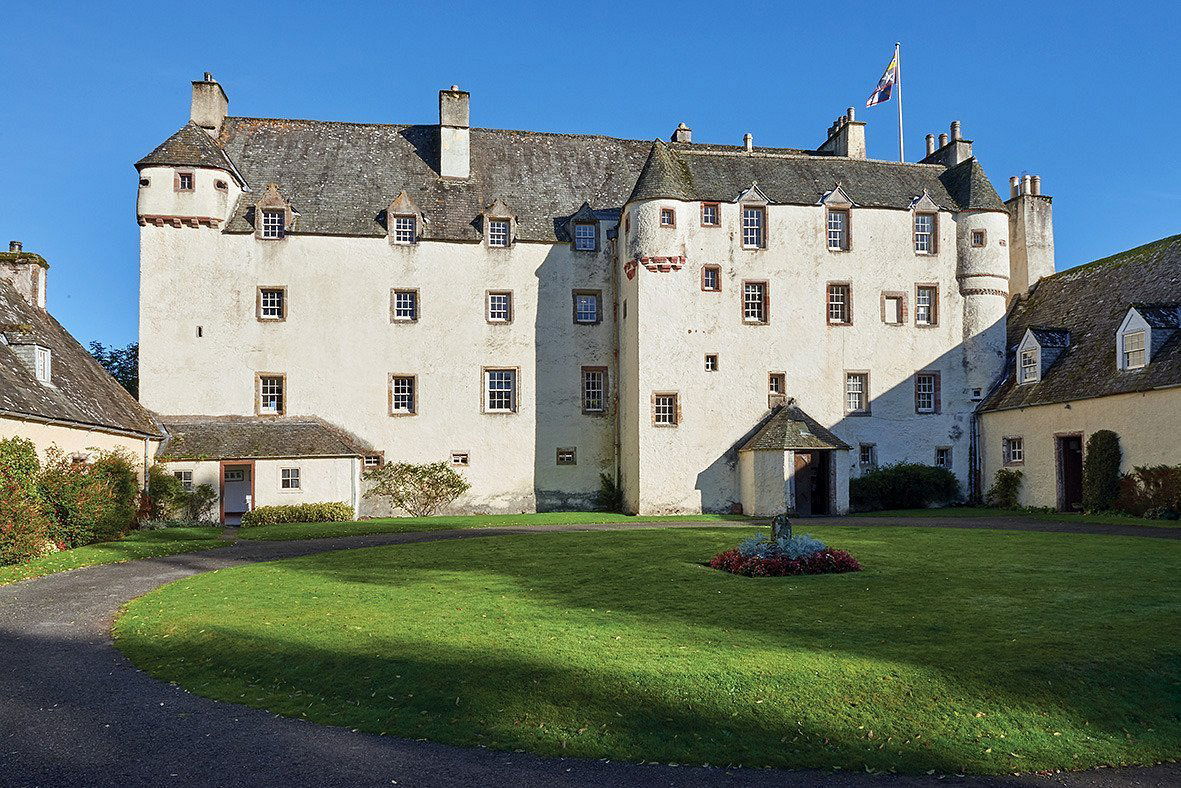
The approach to Traquair House along a tree-lined avenue in Innerleithen sets a particular kind of expectation. The house itself — a pale harled facade rising from the Borders landscape, flanked by formal gardens — signals something older and less managed than a typical heritage attraction. That quality of unpolished continuity defines what happens inside as much as what you see from the drive. This is not a museum piece but a functioning estate, and the brewery operating within its eighteenth-century wing is the clearest expression of that fact.
Ale in the Borders: A Tradition That Predates the Category
Scotland's relationship with ale production stretches back centuries before the craft beer movement gave it a contemporary vocabulary. In the Borders, brewing was historically tied to estate life , a practical matter of feeding and sustaining a household rather than a commercial enterprise. Traquair House sits within that older tradition. The estate brewery, which draws on original equipment and processes, produces ale in small volumes that position it firmly outside the mass-market tier and closer to the allocation-driven model associated with serious wine producers. For visitors to the Scottish Borders, this gives the house a distinct place in the regional drinking culture that a conventional pub tour simply cannot replicate. You can find context on how the broader Borders drinking and dining scene is structured in our full Scottish Borders restaurants guide.
The comparison that tends to matter for serious drinkers is less about style than about intent. Where a bar programme like 69 Colebrooke Row in London frames its output through technique and bartender creative vision, or where Bramble in Edinburgh built its reputation on ingredient-led cocktail development, Traquair operates through a different logic entirely: the process itself is the statement, and the historical continuity of the method is what gives the drink its character.
What Comes Out of the Brewery
The ales produced at Traquair House are defined by their low-intervention, traditional character. Scottish ales of this register tend toward malt-forward profiles with lower hop presence than their English or American counterparts , a stylistic orientation that reflects both regional ingredient availability and historical preference. The Traquair House Ale, produced here, operates in that tradition. Visitors who arrive expecting the rotating tap lists of a city bar programme will need to recalibrate. The point is not novelty but fidelity to a method.
For those who have spent time at producer-focused destinations , a small distillery in the Western Isles, or somewhere like Digby Chick in Na H-Eileanan An Iar where the sense of place governs the drink experience , the Traquair approach will feel familiar. The ale functions as a record of where it was made, rather than a vehicle for a bartender's current preoccupations.
How the Visit Actually Works
The estate is open to visitors seasonally, and the brewery forms part of the wider house tour circuit. The experience is closer to a producer visit than a bar call: you are moving through a working property and the brewery is one of its operating functions, not a standalone hospitality venue. This places Traquair in a different category from urban bar programmes such as Schofield's in Manchester or Merchant Hotel in Belfast, where the cocktail programme and service design are the primary draw. At Traquair, the drink is the conclusion of a broader encounter with the estate's history.
Visitors arriving by car from Edinburgh , roughly forty-five minutes south via the A7 and B709 , will find Innerleithen a small village with limited onward hospitality options, so the estate itself absorbs most of the visit time. Planning around a half-day is the practical minimum. The house and grounds warrant at least two hours before accounting for any time in the brewery or the small on-site shop, where bottled ales are available for purchase and export.
Where Traquair Sits in the Drinks Culture Conversation
Across Britain, there is a small but coherent tier of drink experiences that derive their authority from provenance rather than programme. Horseshoe Bar in Glasgow operates through the weight of its Victorian interior and neighbourhood continuity. Avon Gorge by Hotel du Vin in Bristol earns its position through setting and history as much as programme depth. Harbour View and Fraggle Rock Bar in Bryher offers a version of this logic at the furthest geographic extreme. Traquair belongs in this company , venues where what surrounds the drink is inseparable from the drink itself.
The contrast with technically-led bar programmes is sharpest here. A venue like Mojo Leeds or L'Atelier Du Vin Wine and Cocktail Bar in Brighton and Hove places its value in the current menu, the bartender's knowledge, and the cultivated atmosphere of a designed room. At Traquair, the room was not designed for this purpose , it was repurposed from something older , and that distinction runs through every part of the experience. Even Bar Leather Apron in Honolulu, a venue that draws on historical cocktail culture for its identity, is fundamentally a contemporary bar programme wearing period references. Traquair is not wearing them; it has simply never taken them off.
Planning Your Visit
The estate operates on a seasonal calendar, typically open from spring through autumn with more limited access during winter months. Checking current opening arrangements before travel is essential, as the house functions as a private residence as well as a visitor attraction, and schedules can shift accordingly. The brewery shop operates on the same seasonal basis and offers bottled versions of the core ales for those who want to extend the experience beyond the visit itself. Accommodation in the broader Borders area , Peebles and Galashiels both have reasonable options within twenty minutes by road , allows a more relaxed approach to the estate than a day trip from Edinburgh, particularly during the quieter shoulder-season months when the Borders countryside carries a different quality of light and the main tourist circuits have thinned out.
Frequently Asked Questions
Is Traquair House more formal or casual?
Experience sits closer to a historic estate visit than a formal dining or bar occasion. There is no dress code in the conventional hospitality sense, and the atmosphere is defined by the house's character rather than a managed service environment. That said, the nature of the visit , walking through working estate buildings, including the brewery , means practical rather than dressed-up clothing is the sensible approach. The Scottish Borders is not Edinburgh or London, and the context here is rural heritage rather than urban sophistication.
What is Traquair House known for?
Traquair House is known primarily as one of Scotland's oldest inhabited houses and for the estate brewery that operates within its grounds, producing traditional Scottish ale using methods and equipment with a documented history stretching back centuries. It occupies a specific niche in the Borders: a working historic property rather than a preserved attraction, with the brewery providing one of the few places in the region where you can drink something made on-site with genuine historical lineage behind it.
What's the leading thing to order at Traquair House?
The Traquair House Ale is the definitive product of the estate brewery and the clearest expression of what makes the visit worthwhile. It is a malt-led Scottish ale produced in limited volume using traditional methods, and its character is directly tied to the place that produces it. Purchasing bottles from the on-site shop is the practical way to extend the experience after the visit itself, particularly for those who want to place the ale in the context of a meal elsewhere in the Borders.
Can you buy Traquair House Ale to take home?
Bottled ales from the estate brewery are available through the on-site shop, which operates alongside the house on its seasonal opening schedule. This makes a visit to Traquair one of the few opportunities in the Scottish Borders to acquire a genuinely place-specific drink in the way you might buy a wine direct from a small producer estate. Stock is produced in limited quantities and availability at retail outside the estate is narrow, so purchasing during a visit is the most reliable approach for those with a specific interest in the brewery's output.
Related editorial
- Best Fine Dining Restaurants in ParisFrom three-Michelin-star icons to the next generation of Parisian chefs pushing boundaries, these are the restaurants that define fine dining in the world's culinary capital.
- Best Luxury Hotels in RomeFrom rooftop terraces overlooking ancient ruins to Michelin-starred hotel dining, these are the luxury hotels that make Rome unforgettable.
- Best Cocktail Bars in KyotoFrom sleek lounges to hidden speakeasies, Kyoto's cocktail scene blends Japanese precision with global influence in ways you won't find anywhere else.
Save or rate Traquair House on Pearl
Keep this venue in your Pearl passport, rate it after you visit, and track it alongside every other place you collect.