
Bar in Santa Fe, United States
The Anasazi Restaurant & Bar
100ptsPueblo Revival Dining
About The Anasazi Restaurant & Bar
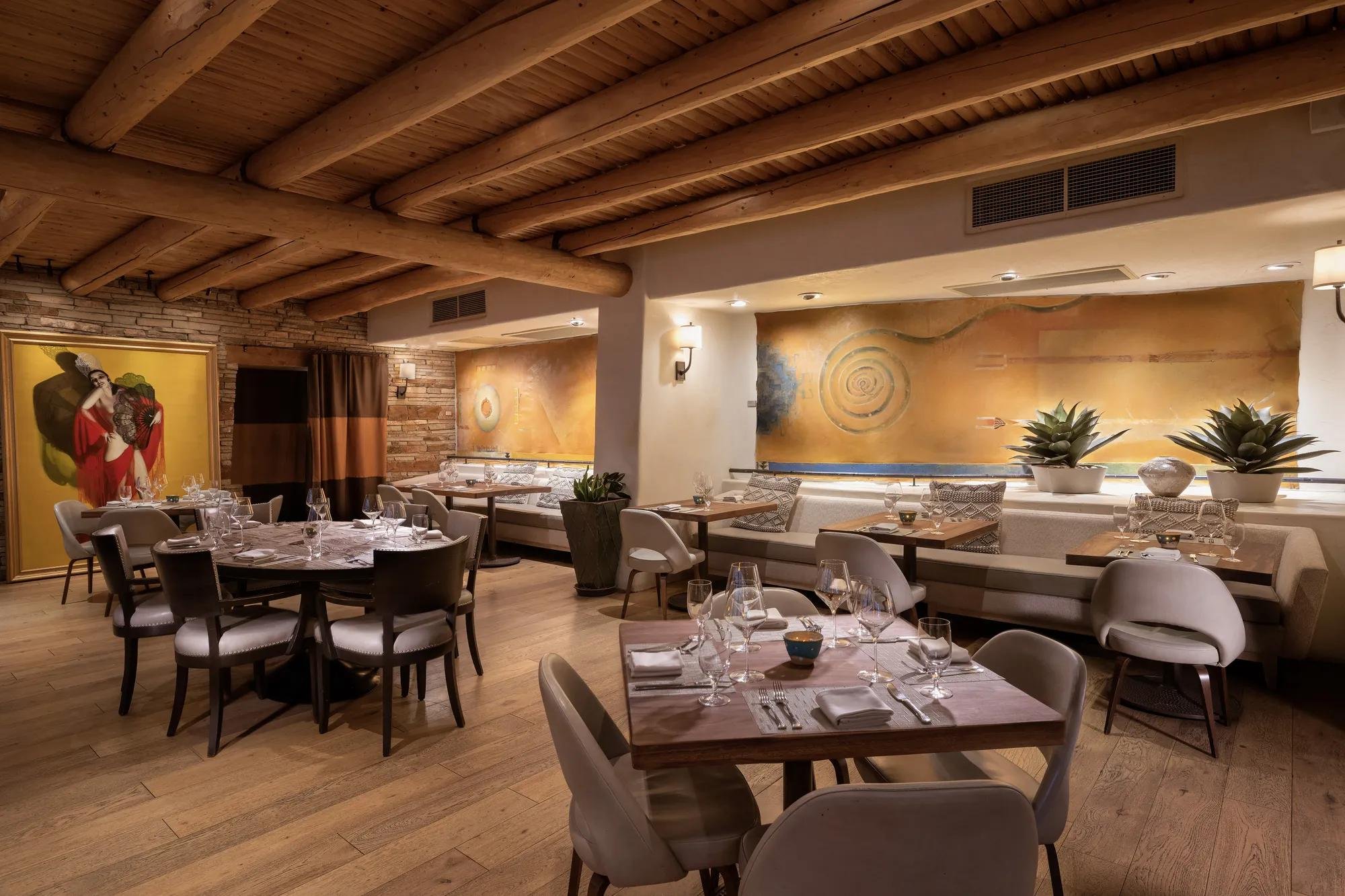
Set inside the Inn of the Anasazi on Washington Avenue, this Santa Fe dining room occupies one of the city's most architecturally considered spaces, with hand-carved wooden details, kiva fireplaces, and walls finished in natural plaster. The kitchen draws on New Mexican and Southwestern ingredients in a setting that positions it closer to the boutique-hotel dining tier than the casual canyon-country bracket. A reference point for visitors weighing serious dining options near the Plaza.
Stone, Timber, and Adobe: How a Room Sets the Terms
In Santa Fe, the built environment does a great deal of the editorial work. The city's strict building codes and Pueblo Revival aesthetic mean that nearly every structure within a few blocks of the Plaza shares a common visual grammar: thick adobe walls, flat rooflines, and earth-toned plaster. Within that constraint, The Anasazi Restaurant & Bar, at 113 Washington Ave, manages a level of interior specificity that separates it from the generic Southwestern hotel dining category. Entering from the street, the room presents low, warm light, hand-hewn wooden ceiling beams, and kiva fireplaces that operate as functional architecture rather than decorative gesture. The walls carry the texture of natural plaster rather than the smoothed-out, production-line finish that has spread through the city's hotel renovations over the past decade. The effect is deliberate compression: low ceilings and stone surfaces create acoustic intimacy, making the room feel closer to a private dining space than a hotel restaurant with open sightlines.
This matters in Santa Fe's current dining context. The city has, over the past several years, seen a bifurcation between high-volume tourist-oriented dining around the Plaza and a smaller tier of properties where the physical container and kitchen program are aligned toward a slower, more considered experience. The Anasazi sits in the latter category, which places it in a different competitive conversation than, say, the outdoor-deck energy of Coyote Cafe & Rooftop Cantina or the high-spirited bar-forward format at Cowgirl.
Southwest Cooking as Architectural Argument
The connection between interior design and kitchen philosophy is not incidental in New Mexican dining. The regional tradition, built on chile, corn, and slow-cooked proteins with roots in both Indigenous and Hispano culinary culture, is one of the few American regional cuisines with a genuinely distinct ingredient vocabulary that predates European colonization. Hotels that take that tradition seriously tend to signal it through their physical spaces as much as their menus. The Anasazi's room, with its material references to pre-Columbian Pueblo architecture, frames the food in a specific cultural and historical argument rather than simply dressing the dining room in Santa Fe aesthetic shorthand.
For visitors arriving from cities where Southwestern cooking is approximated through casual Tex-Mex frameworks, the distinction matters. New Mexican cuisine runs on red and green chile as primary rather than secondary flavors, and the state's own Hatch Valley produces some of the most regionally specific agricultural products in the American Southwest. A kitchen operating inside a space this architecturally coherent carries an implicit obligation to the food it serves, and that implied contract is part of what draws a certain kind of traveler to this address over more direct alternatives nearby.
Where It Sits Among Santa Fe's Drinking Establishments
The bar program at The Anasazi occupies a mid-tier position in Santa Fe's cocktail conversation. The city does not operate at the technical program depth of venues like Kumiko in Chicago, Jewel of the South in New Orleans, or Bar Leather Apron in Honolulu, where format discipline and sourcing depth define the program. Santa Fe's cocktail identity is shaped more by spirit-forward simplicity and regional ingredient integration, and the Anasazi bar reflects that character: a room where a house margarita built on locally available agave spirits or a whiskey served with New Mexican garnish reads as appropriate rather than under-ambitious.
For visitors looking for bars with explicit programming depth and local character elsewhere in Santa Fe, Del Charro operates with a distinct neighborhood energy, while Ecco Espresso and Gelato anchors the lighter end of the daytime drinking and coffee category. For those comparing the Anasazi's approach to cocktail programs at comparable boutique-hotel restaurants in other American cities, Julep in Houston, Superbueno in New York City, ABV in San Francisco, and The Parlour in Frankfurt on the Main each demonstrate how a hotel-adjacent bar program can be positioned and how Santa Fe's version compares in ambition and execution.
Planning a Visit: What the Address Implies
The restaurant sits on Washington Avenue, roughly half a block from the Santa Fe Plaza, which puts it at the geographic center of the city's tourist and cultural activity. The Inn of the Anasazi's location means the dining room draws both hotel guests and walk-in visitors, and the room's capacity and the Plaza's foot traffic suggest that reservations become a practical consideration on weekend evenings and during peak season, which in Santa Fe runs from May through October and again during December's holiday programming around Canyon Road. The altitude, 7,000 feet above sea level, is a detail that affects wine and spirits metabolism for first-time visitors, and it is worth accounting for when planning a long dinner with a full cocktail and wine sequence. For a broader picture of where The Anasazi sits within Santa Fe's overall dining and drinking options, see our full Santa Fe restaurants guide.
Frequently Asked Questions
What's the must-try cocktail at The Anasazi Restaurant & Bar?
The bar's orientation toward regional ingredients and New Mexican character suggests that agave-forward options, margaritas and mezcal-based drinks built with local or regional spirits, tend to be the most coherent choices here. The cuisine's chile-heavy profile means a drink with some bitterness or salinity handles the table's food better than sweeter formats. For verified current menu specifics, checking directly with the venue before visiting is advisable.
Why do people go to The Anasazi Restaurant & Bar?
Combination of location, interior architecture, and the broader Inn of the Anasazi reputation draws visitors who want a dining experience that reads as site-specific to Santa Fe rather than generically Southwestern. The room's kiva fireplaces and adobe construction give it a physical character that few other Plaza-adjacent dining rooms can replicate. For travelers cross-referencing options by awards or price tier, the Anasazi sits in the boutique-hotel dining bracket rather than the casual or fine-dining extremes.
Do I need a reservation for The Anasazi Restaurant & Bar?
Given the restaurant's location a half-block from the Plaza and its position inside a boutique hotel that draws consistent occupancy, reservations are advisable for dinner, particularly from May through October and during the December holiday period. Walk-in availability at the bar is more likely on weekday evenings outside peak season. Contacting the venue directly or checking through the Inn of the Anasazi's booking channels is the most reliable approach, as phone and online booking specifics are not published in this record.
Is The Anasazi Restaurant & Bar better for first-timers or repeat visitors?
First-time visitors to Santa Fe will find the room's architectural coherence a useful orientation into the city's Pueblo Revival aesthetic and New Mexican culinary identity, making it a logical early stop. Repeat visitors who have already covered the Plaza's more casual options tend to return for the bar's quieter atmosphere and the room's year-round fireplace warmth, which makes it particularly compelling in winter months when outdoor dining elsewhere in the city becomes impractical.
How does The Anasazi Restaurant & Bar connect to Santa Fe's Indigenous culinary heritage?
The restaurant's name references the ancestral Pueblo peoples of the Four Corners region, and the Inn of the Anasazi's design draws deliberately on pre-Columbian architectural traditions. New Mexican cuisine itself carries deep Indigenous roots, particularly in its use of corn, chile, and squash, ingredients that predate Spanish colonization by centuries. Visitors interested in tracing that culinary lineage through the city's dining scene will find the Anasazi's physical and culinary framing a more considered entry point than most Plaza-adjacent alternatives.
Related editorial
- Best Fine Dining Restaurants in ParisFrom three-Michelin-star icons to the next generation of Parisian chefs pushing boundaries, these are the restaurants that define fine dining in the world's culinary capital.
- Best Luxury Hotels in RomeFrom rooftop terraces overlooking ancient ruins to Michelin-starred hotel dining, these are the luxury hotels that make Rome unforgettable.
- Best Cocktail Bars in KyotoFrom sleek lounges to hidden speakeasies, Kyoto's cocktail scene blends Japanese precision with global influence in ways you won't find anywhere else.
Save or rate The Anasazi Restaurant & Bar on Pearl
Keep this venue in your Pearl passport, rate it after you visit, and track it alongside every other place you collect.