
Bar in Santa Fe, United States
La Boca
100ptsSpanish Back-Bar Precision
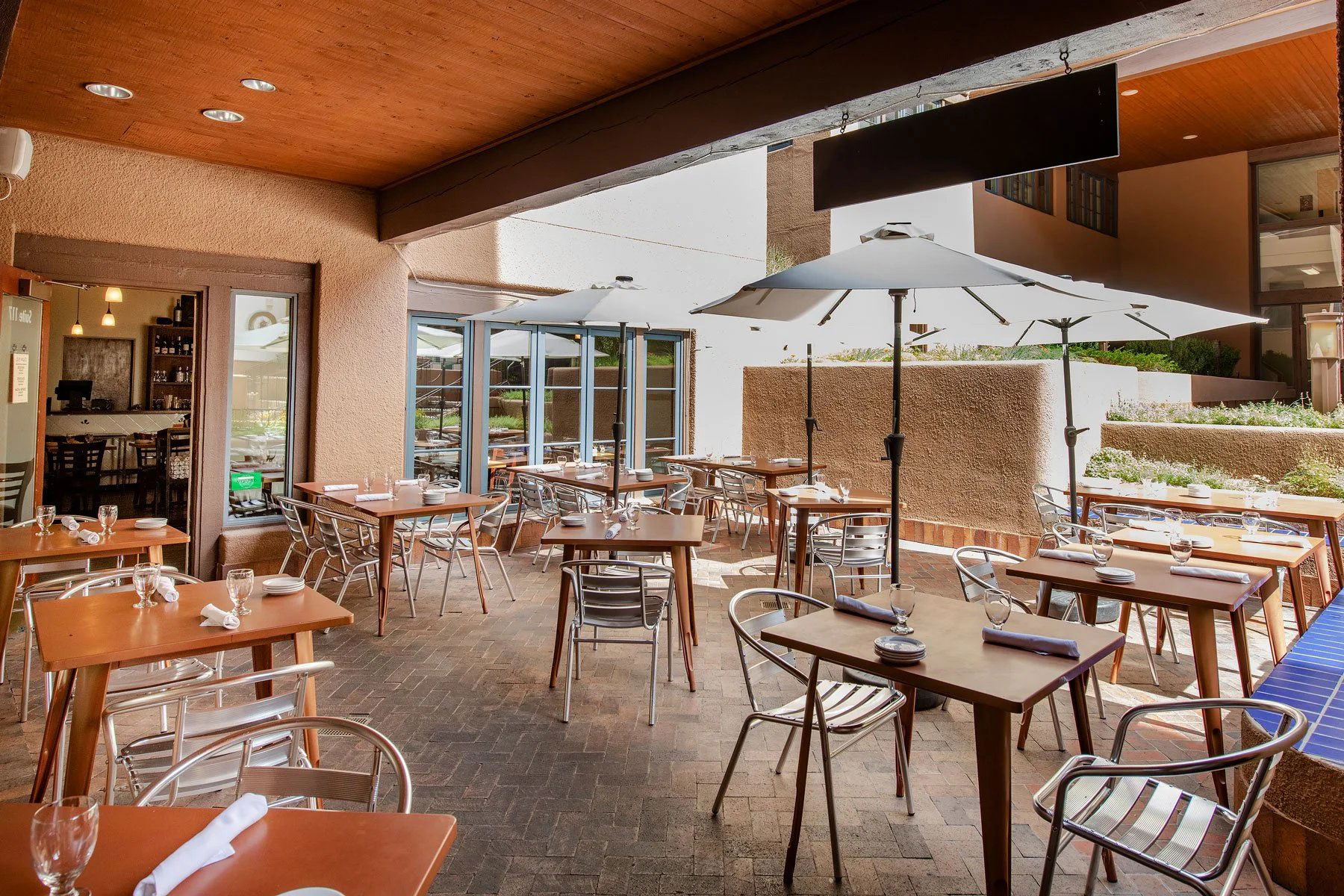
About La Boca
On West Marcy Street in Santa Fe's gallery district, La Boca operates at the intersection of Spanish-influenced cuisine and a considered spirits program. The bar's curation leans toward depth over novelty, positioning it alongside the city's more serious drinking rooms rather than its tourist-facing cantinas. Booking ahead is advised, particularly during the summer arts season.
West Marcy Street and the Case for a Serious Back Bar
Santa Fe's dining scene splits fairly cleanly between two registers: the red-chile-and-margarita circuit that serves the city's considerable tourist traffic, and a smaller tier of rooms that take their drinks programs as seriously as their kitchens. La Boca, at 72 West Marcy Street in the gallery district, sits in that second register. The address puts it within walking distance of Canyon Road's galleries and the Plaza, which means it draws a crowd that has already spent money thoughtfully elsewhere that day. The physical approach matters here: West Marcy runs parallel to the Santa Fe River corridor, and the neighborhood carries a quieter, more residential character than the blocks immediately surrounding the Plaza. Arriving in the early evening, before the dinner rush fills the room, is when the space reads most clearly as a place where the bar program anchors the experience.
A Spirits Collection as Editorial Statement
Across American cities where serious cocktail culture has taken hold, the back bar has become a kind of editorial position. Bars like Kumiko in Chicago or Bar Leather Apron in Honolulu signal their intentions through bottle selection before a single drink is made. The question a well-curated back bar answers is: what does this room believe about spirits? At La Boca, the answer is organized around Iberian and Latin American influences, which aligns the spirits program with the kitchen's Spanish-leaning identity. That coherence is rarer than it should be. Too many bars in mid-sized American cities maintain a back bar that has no relationship to the food being served twenty feet away.
The Spanish wine tradition the cuisine draws from pairs logically with a spirits program that looks toward sherry-adjacent cocktails, aged brandies, and the wider category of Spanish fortified wines. Whether the program extends into rare Armagnac territory or treats the sherry category with genuine seriousness is the kind of distinction that separates a curated collection from a stocked bar. In the Southwest specifically, where agave spirits command the most attention, a room that looks outward toward Iberia rather than southward toward Oaxaca represents a deliberate positioning choice. That choice narrows the audience while deepening the experience for the subset of drinkers who arrive looking for precisely this.
Where La Boca Sits in the Santa Fe Bar Scene
Santa Fe's bar scene is more layered than its size suggests. Cowgirl on Guadalupe operates at the casual, high-volume end, with a patio that fills predictably during summer. Coyote Cafe and Rooftop Cantina draws from the city's Southwestern cuisine tradition and runs a rooftop program that prioritizes setting over bottle depth. Del Charro positions itself as a neighborhood local, with pricing and format to match. Ecco Espresso and Gelato addresses a different need altogether. La Boca operates in a distinct lane: Spanish-influenced, spirits-forward, and pitched at a visitor or local who is not looking for the city's default Southwestern experience.
Nationally, bars that have built reputations around similar depth and coherence include Jewel of the South in New Orleans, which treats its cocktail program with the rigor of a research project, and ABV in San Francisco, where the bottle list functions as an argument about what spirits deserve attention. Julep in Houston and Superbueno in New York City take Latin-inflected approaches that offer partial points of comparison, while The Parlour in Frankfurt on the Main demonstrates how European spirits traditions can anchor a cohesive program in a city not primarily associated with cocktail culture. La Boca belongs in this broader conversation about bars that use their bottle selection to say something specific.
The Kitchen's Role in the Drinking Experience
In tapas-format rooms, the relationship between the kitchen and the bar matters more than in restaurants where courses arrive in discrete sequence. Spanish small plates are designed to extend a meal, which means the bar program needs to sustain interest across multiple rounds rather than simply open and close an evening. The interplay between a glass of manzanilla and a plate of cured meat, or between a Basque-style cocktail and a salt cod preparation, requires a kitchen and a bar operating with shared intent. When that alignment works, the meal becomes something that would not function if either half were replaced by a generic equivalent. La Boca's positioning on West Marcy, away from the highest-traffic Plaza blocks, supports the kind of extended, unhurried visit that tapas-format dining actually requires.
Planning a Visit
Santa Fe operates on a distinct seasonal calendar. The summer months from June through August bring the highest visitor volume, driven by the Santa Fe Opera season and the Indian Market in late August, which means that rooms with limited seating fill significantly faster during this window. Spring and fall offer more flexibility without sacrificing weather, and the shoulder seasons in May and October tend to deliver the most relaxed dining experience in the city. La Boca's West Marcy address is accessible on foot from most downtown hotels, including the properties along Old Santa Fe Trail and Washington Avenue, and the gallery district context makes it a logical stop on an afternoon or early evening that begins on Canyon Road. Checking current hours and reservation availability directly before planning a visit is advisable, as operational details for independent restaurants in Santa Fe shift with the season. For a broader view of where La Boca fits in the city's overall dining picture, see our full Santa Fe restaurants guide.
Frequently Asked Questions
- What's the must-try cocktail at La Boca?
- Without confirmed current menu data, naming a specific cocktail would be speculative. What the program's Spanish-influenced framing suggests is that sherry-based or fortified-wine cocktails are likely to reflect the kitchen's identity most directly. Ask the bartender what on the current list draws from the Iberian spirits tradition — that question will surface the room's actual point of view faster than any fixed recommendation.
- What's La Boca leading at?
- La Boca's clearest strength in the Santa Fe context is coherence: a bar and kitchen aligned around Spanish and Iberian influences in a city where the default dining mode is Southwestern American. For visitors who have already covered the red chile and margarita circuit, it offers a different reference point. The West Marcy address and the gallery district setting reinforce a slower, more deliberate format than the Plaza-adjacent rooms.
- How far ahead should I plan for La Boca?
- During peak Santa Fe season — roughly June through August, with particular pressure during the Opera season and Indian Market , reservations at the city's better independent rooms can fill one to two weeks ahead. Outside that window, same-week booking is often possible. Confirming current hours and reservation availability directly through the venue before arrival is the safest approach, as operational details are not reliably reflected in third-party listings.
- What's La Boca a good pick for?
- If you are looking for a Spanish-format room with a genuine spirits program in a city that defaults heavily to Southwestern cuisine, La Boca addresses that gap. It suits an evening that begins with a few tapas and an unhurried drink rather than a high-turnover dinner. The gallery district location also makes it a natural endpoint for an afternoon on Canyon Road.
- Does La Boca focus on Spanish wines as well as spirits?
- The Spanish and Iberian framing of the cuisine at La Boca makes a wine list organized around Rioja, Ribera del Duero, and sherry a logical extension of the room's identity. In tapas-format restaurants, wine and spirits programs typically work in parallel rather than in competition, with sherry in particular bridging both categories. Confirming the current wine list scope directly with the venue will give you the most accurate picture of what the cellar prioritizes.
Related editorial
- Best Fine Dining Restaurants in ParisFrom three-Michelin-star icons to the next generation of Parisian chefs pushing boundaries, these are the restaurants that define fine dining in the world's culinary capital.
- Best Luxury Hotels in RomeFrom rooftop terraces overlooking ancient ruins to Michelin-starred hotel dining, these are the luxury hotels that make Rome unforgettable.
- Best Cocktail Bars in KyotoFrom sleek lounges to hidden speakeasies, Kyoto's cocktail scene blends Japanese precision with global influence in ways you won't find anywhere else.
Save or rate La Boca on Pearl
Keep this venue in your Pearl passport, rate it after you visit, and track it alongside every other place you collect.