The Page
Haight Ashbury, San Francisco
Bar in San Francisco, United States
 Book with Pearl
The Read
Price
$20–30per person
Why go
The Page is a practical Lower Haight pick when the night calls for a casual San Francisco bar rather than a polished cocktail destination. Choose it for flexible group plans around Divisadero; look elsewhere if outdoor seating, food detail, or a more drinks program is the main reason for booking.
About The Page
The Page has a casual dress code. The safest way to plan around it is simple: consider it when the timing works, especially for evening or late-night plans. For a specific menu, service style, reservation policy, outdoor setup, or price point, check directly before committing.
The strongest planning signal is the schedule. The Page is open from 4 PM to 2 AM Monday through Thursday, and from 1 PM to 2 AM Friday through Sunday. That makes it easier to consider for later plans in San Francisco than venues with earlier closing times. If the night needs food-first planning, use Pearl's San Francisco restaurants guide before committing to the rest of the itinerary. If the night is more about comparing late-hour options, check Pearl's San Francisco bars guide and decide what kind of stop fits the evening.
Choose it for late hours and a casual dress code
The Page is easiest to understand through its core details: it is in San Francisco, it has a casual dress code, and it keeps listed hours that run until 2 AM every day. Those details support a flexible plan. For particulars such as cuisine, chef, beverage program, seating setup, reservation approach, or award history, check directly before making it the centerpiece of the night.
For amenity-specific planning, confirm details directly before making The Page the centerpiece of the night. If outdoor seating, food availability, takeout, delivery, allergy accommodations, or exact service format matters, compare other San Francisco options or use broader guides before deciding.
Who should skip it
Skip it if the night depends on food detail, a known menu format, formal service, a specific price range, or a particular room setup. Choose it if the group needs a San Francisco stop with casual dress. Travelers building a fuller city plan can pair this kind of stop with Pearl's San Francisco hotels guide or other broader San Francisco planning resources depending on how much structure the rest of the trip needs.
Planning details
- Hours
- Monday: 4 PM–2 AM · Tuesday: 4 PM–2 AM
- Location
- 298 Divisadero St, San Francisco, CA 94117
- Website
- thepagebar.com
- Phone
- +1 415 255 6101
The take
The Take
The Vibe
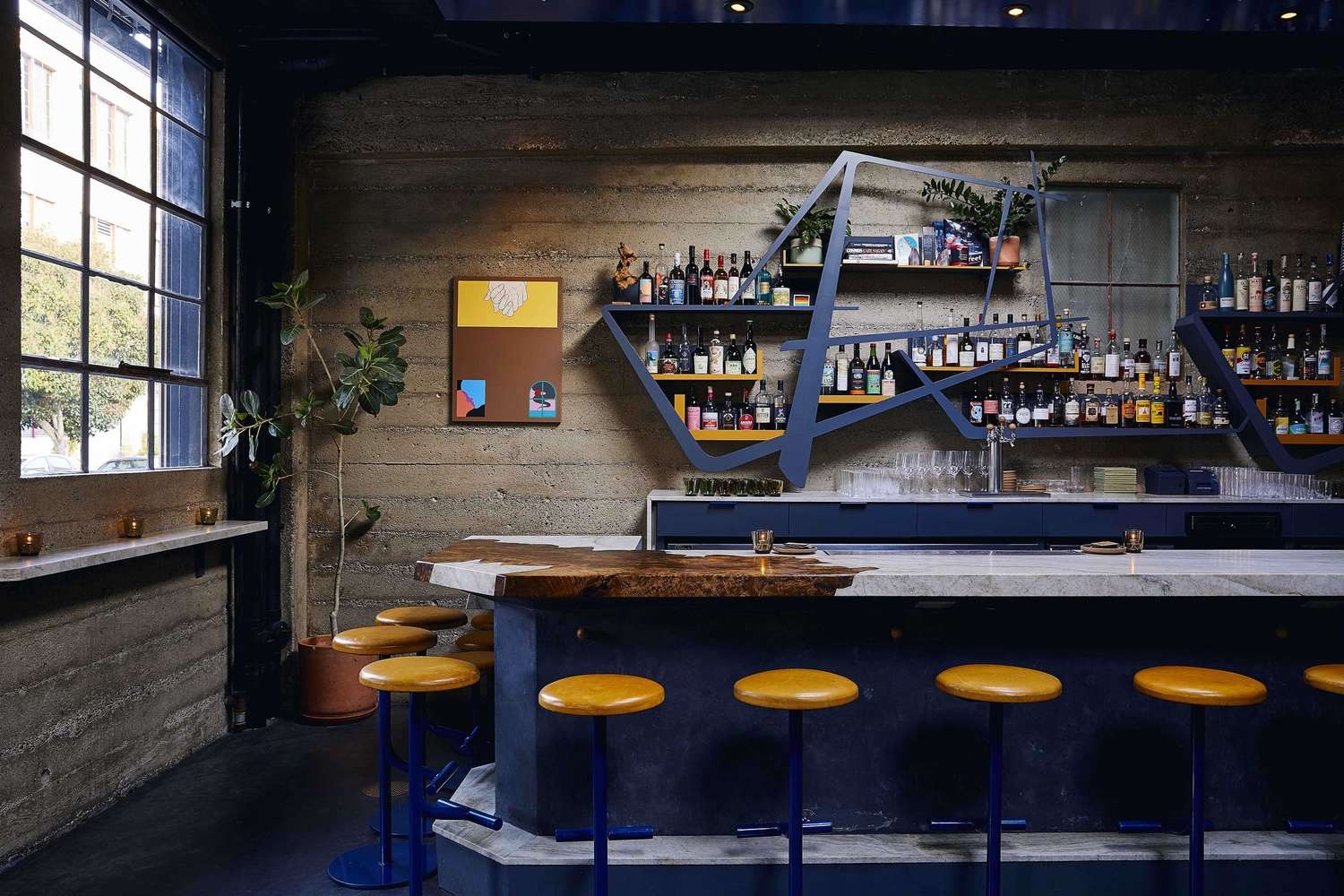
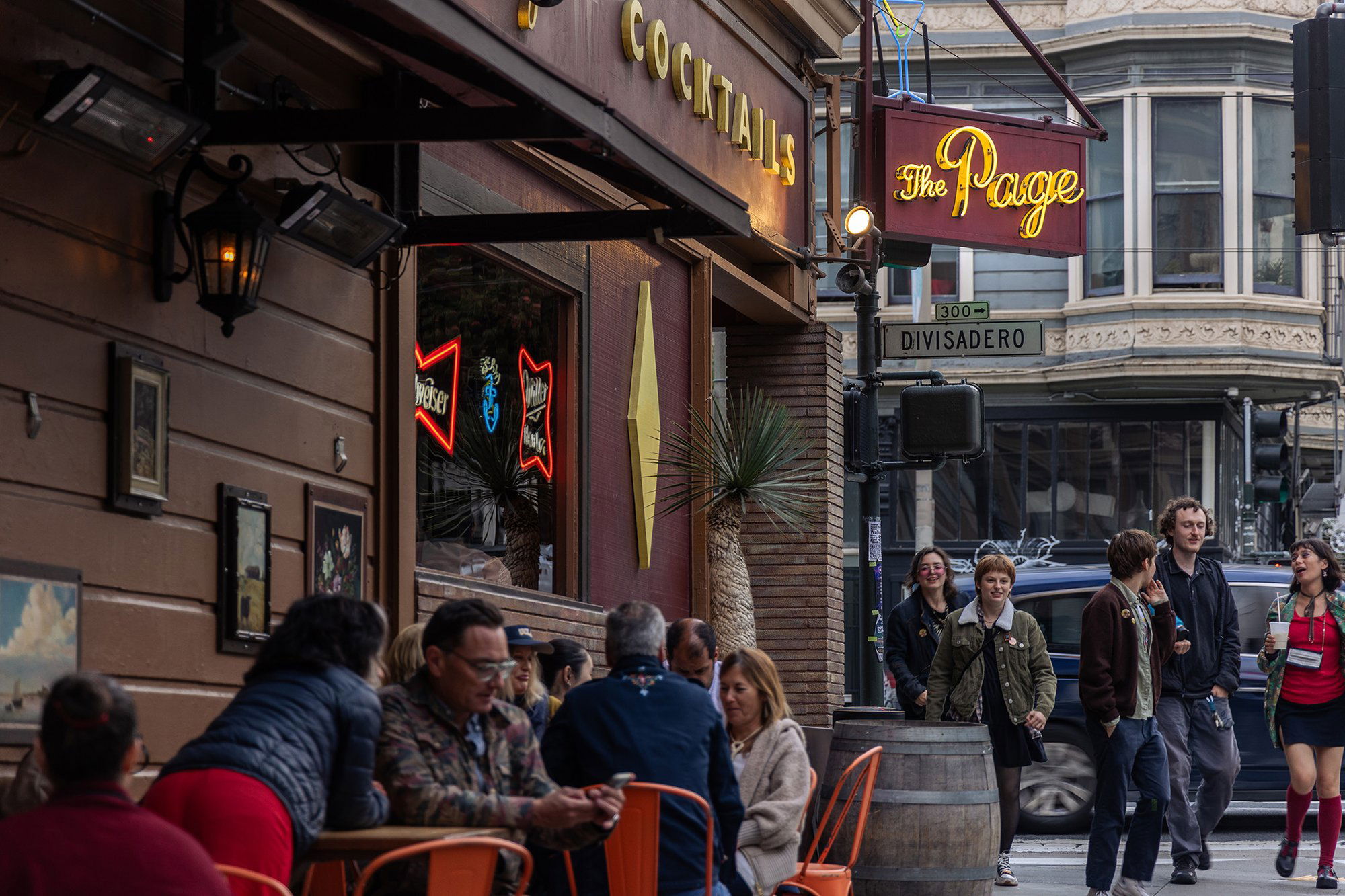
The Page reads like an older San Francisco corner bar where the room itself carries the appeal. Natural light in the afternoon and sightlines that take in foot traffic give the space an unstudied warmth; the focus is on ease rather than spectacle. Staff and programming aren't foregrounded in the way cocktail shrines or concept bars are: drinks serve as a convivial medium and the neighborhood crowd is the main attraction. The overall impression is relaxed and unpretentious: a place shaped by regular use, where arrival is straightforward and the atmosphere is quietly social.
Best For
This is a low-key, neighborhood spot that suits quick solo pours, casual after-work stops and easy socializing with local friends. It works best for people who value a familiar room over cocktail theater: drop-in visits, laid-back conversations and evenings that evolve naturally as the light changes. The Page is not positioned as a destination for elaborate tasting menus or formal celebrations; instead it serves as a dependable backdrop for everyday drinking and informal meetups with neighbors and coworkers as the block settles into night.
Ordering Tips
Treat The Page like a classic corner bar: plan to arrive without a reservation and expect walk-in seating. A spontaneous approach, finding a seat, ordering from the bar and settling in, matches the room’s rhythm. Cocktails and drinks are part of the environment, so opt for straightforward choices and focus on the company and the space. Avoid expecting programmatic offerings; this is a neighborhood bar that values familiarity.
Venue details
Ambiance
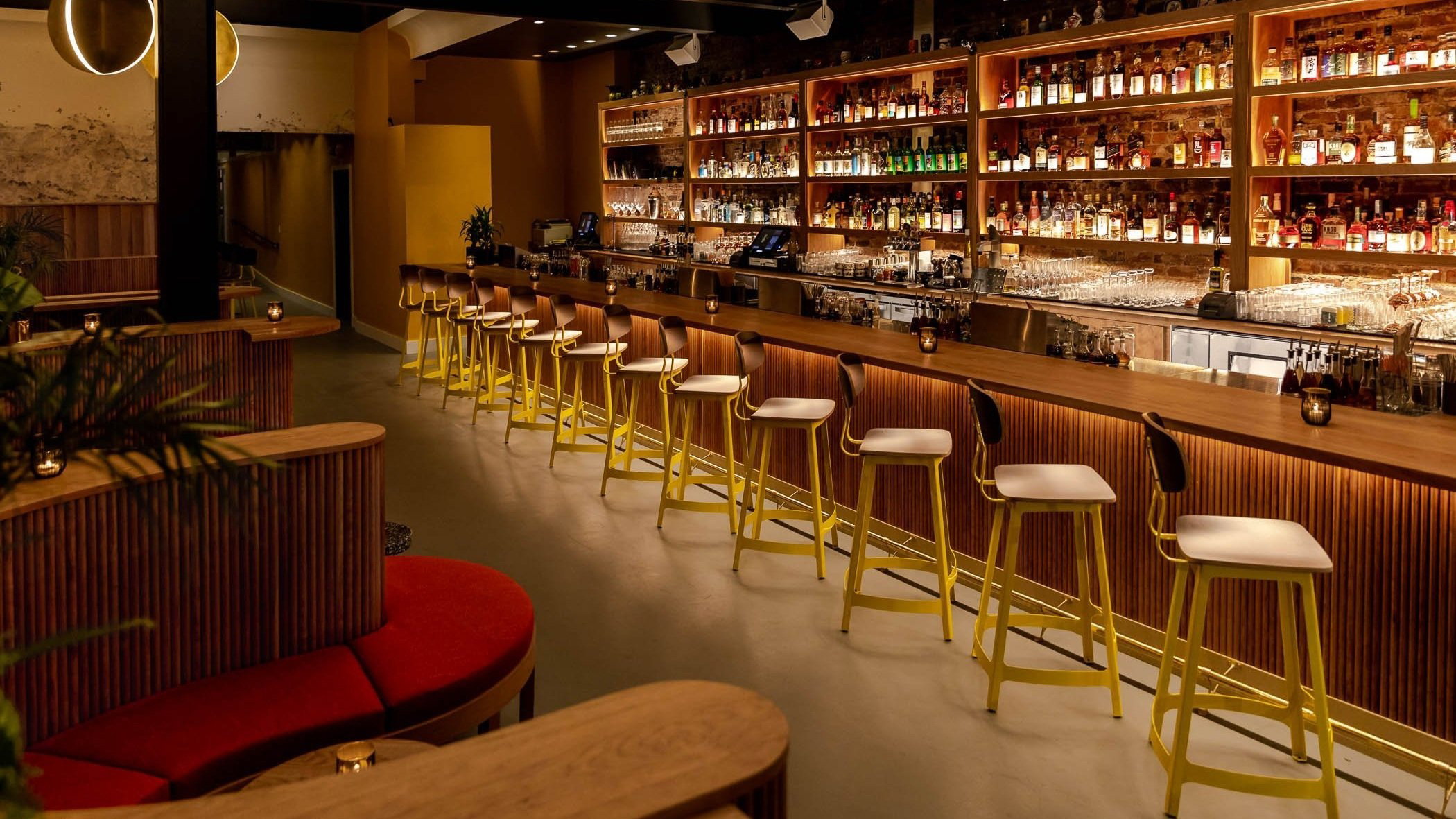
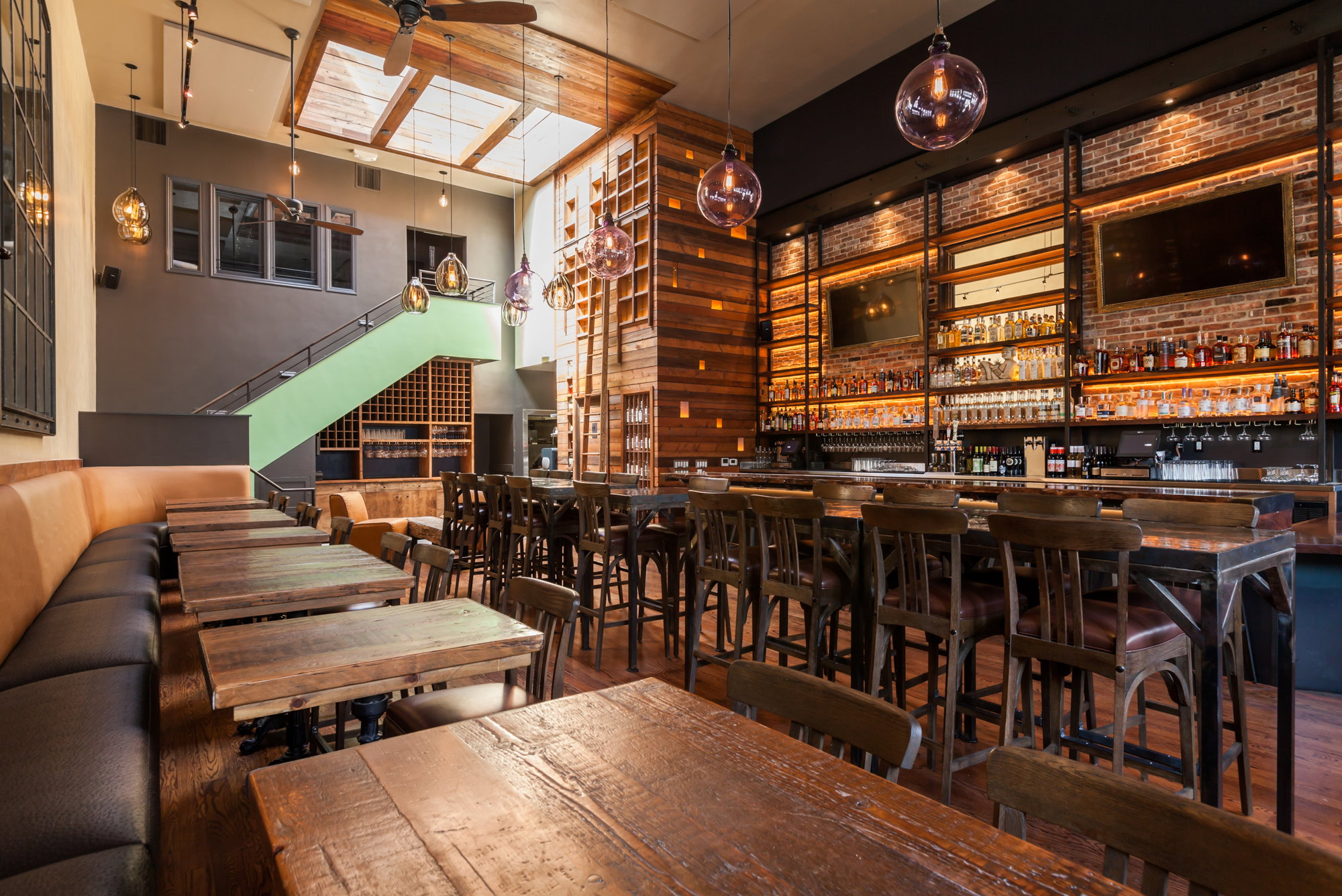
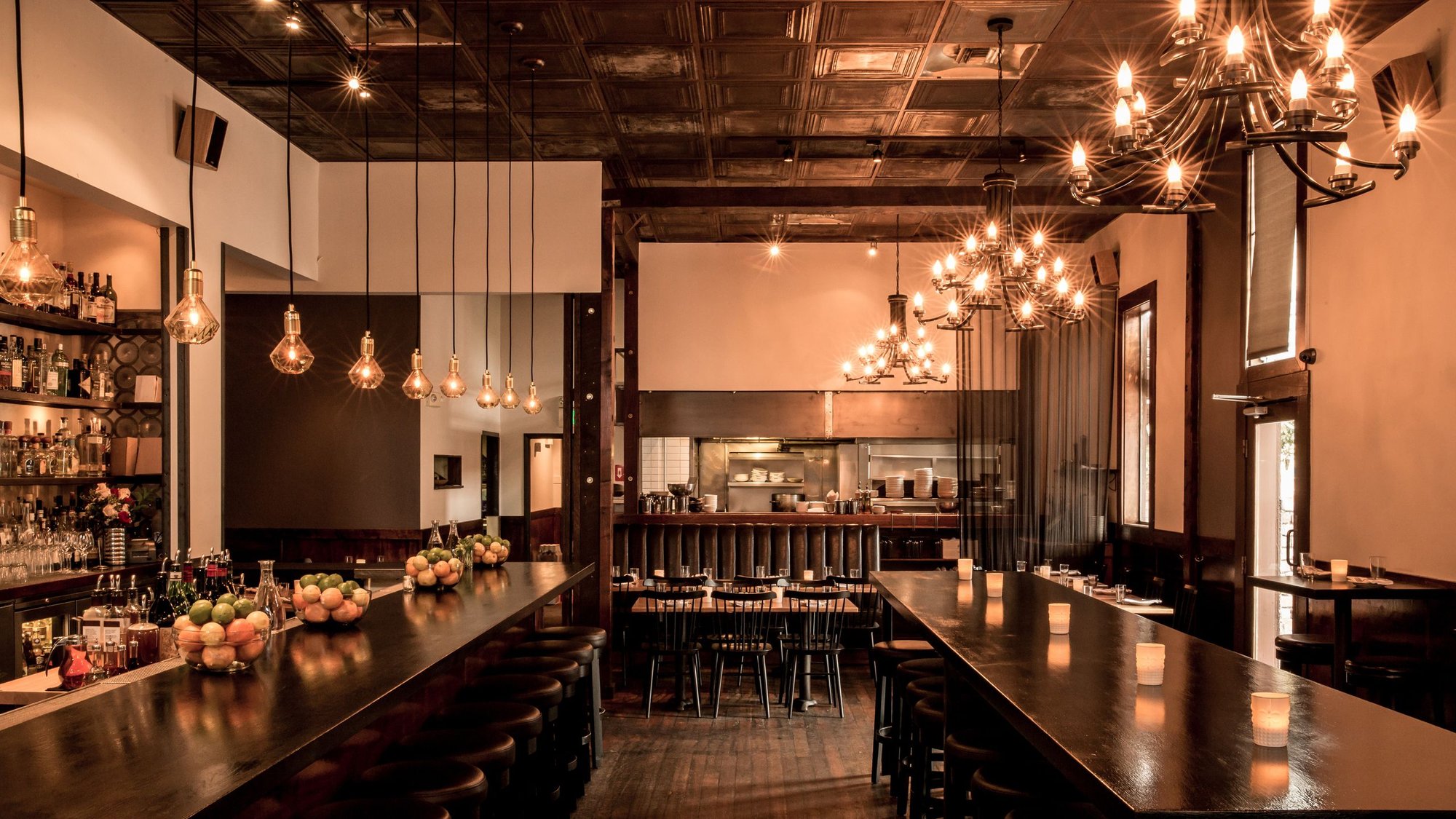
Cozy and charming with worn framed paintings, big wooden booths, and glowing red lantern lights evoking a Gold Rush-era feel.
Tags
Vibe
Best For
Experience
Format
At the Bar
- Bar Category
- Dive Bar
- Late Night
- Closes by Midnight
- Music
- Jazz and Soft Rock
- Live Music
- Yes
Signature Pours
spooky puppy
Know before you go
Know Before You Go
- Getting there
- 298 Divisadero St, San Francisco, CA 94117
Planning details
Hours
- Monday
- 4 PM–2 AM
- Tuesday
- 4 PM–2 AM
- Wednesday
- 4 PM–2 AM
- Thursday
- 4 PM–2 AM
- Friday
- 1 PM–2 AM
- Saturday
- 1 PM–2 AM
- Sunday
- 1 PM–2 AM
Location
Also consider
Where to go if this is not the fit
If the group wants beer first, cross-shop Fort Point Lower Haight or Toronado. If the priority is a more distinctive room, Noc Noc is the better backup.
Bar context
How The Page compares in Lower Haight and nearby
Choose The Page when ease matters more than specialization. Against Fort Point Lower Haight, it reads more like a general neighborhood bar choice, while Fort Point is the cleaner pick if the group is specifically in a beer-first mood. For value, both can make sense, but Fort Point gives the decision more structure if beer is the plan.
Fool's Errand is a tighter, more intentional drinking stop; The Page suits a looser group night. Noc Noc has a stronger room-as-event angle, so choose it when ambiance is the point. The Page suits groups seeking a less scene-driven San Francisco bar.
Toronado suits serious beer drinkers; The Page suits mixed groups that want the venue choice to stay low-key. Ju-Ni is not a like-for-like bar comparison; use it when the night needs a high-commitment dining plan, then choose a bar like The Page only if the group wants a casual stop before or after.
Around this place
Discover more on Pearl
Unlock the full The Page guide in Pearl, including awards, comparisons, FAQs, planning details, and nearby places.
Compare The Page
| Venue | Location | Awards |
|---|---|---|
| The Page | San Francisco | No published awards |
| Fort Point Lower Haight | San Francisco | No published awards |
| Fool's Errand | San Francisco | No published awards |
| Noc Noc | San Francisco | No published awards |
| Toronado | San Francisco | No published awards |
| Ju-Ni | San Francisco | No published awards |
How The Page San Francisco compares with similar nearby venues.
FAQ
Frequently Asked Questions
Is The Page good for groups?
The Page may be worth considering for a casual San Francisco plan. For group policies, seating setups, or reservations, confirm directly.
Is The Page good for a date?
It depends on the kind of date. The casual dress code and late hours can suit a relaxed plan in San Francisco.
Is The Page open late?
Yes. The Page is open until 2 AM every day: from 4 PM to 2 AM Monday through Thursday, and from 1 PM to 2 AM Friday through Sunday.