One Pocha
Northeast, San Antonio
Bar in San Antonio, United States
 Book with Pearl
The Read
Price
$20–30per person
Why go
One Pocha is worth considering for a casual San Antonio night when ease matters more than a polished dining agenda. The strongest reason to go is flexibility: it suits a group that wants a low-commitment late outing, while Hanzo, Koi Kawa Japanese Restaurant, or DASHI Chinese Kitchen + Bar are better cross-shops when the plan needs a clearer bar or restaurant identity.
About One Pocha
One Pocha is a San Antonio venue with daily evening and late-night hours. It is open from 5 PM to 2 AM every day, and the dress code is casual. It’s a casual San Antonio option.
A casual San Antonio pick
The clearest reason to consider One Pocha is its schedule. It is open daily from 5 PM to 2 AM, which makes it relevant for people looking at evening or late-night options in San Antonio. Beyond that, avoid assuming a specific menu, price tier, reservation policy, or dining format unless the venue confirms it directly.
For other San Antonio options, compare it with Hanzo, Koi Kawa Japanese Restaurant, DASHI Chinese Kitchen + Bar, Cappy's Restaurant, or Paloma Blanca Mexican Cuisine. If the group wants a broader San Antonio plan before or after dinner, the useful starting points are our full San Antonio restaurants guide, our full San Antonio bars guide, and our full San Antonio experiences guide.
Where it fits in a night out
Use the planning anchor: One Pocha is casual and open from 5 PM to 2 AM daily. That supports an evening or late-night San Antonio plan, but it does not confirm details such as outdoor seating, takeout, delivery, dietary accommodations, a particular drinks program, or a specific type of meal.
Travelers sorting the rest of the trip can also use our full San Antonio hotels guide and our full San Antonio wineries guide.
Planning details
- Hours
- Monday: 5 PM–2 AM · Tuesday: 5 PM–2 AM
- Location
- 4408 Walzem Rd, San Antonio, TX 78218
- Website
- instagram.com/one_pochasatx
- Phone
- +1 726 444 0933
The take
The Take
The Vibe
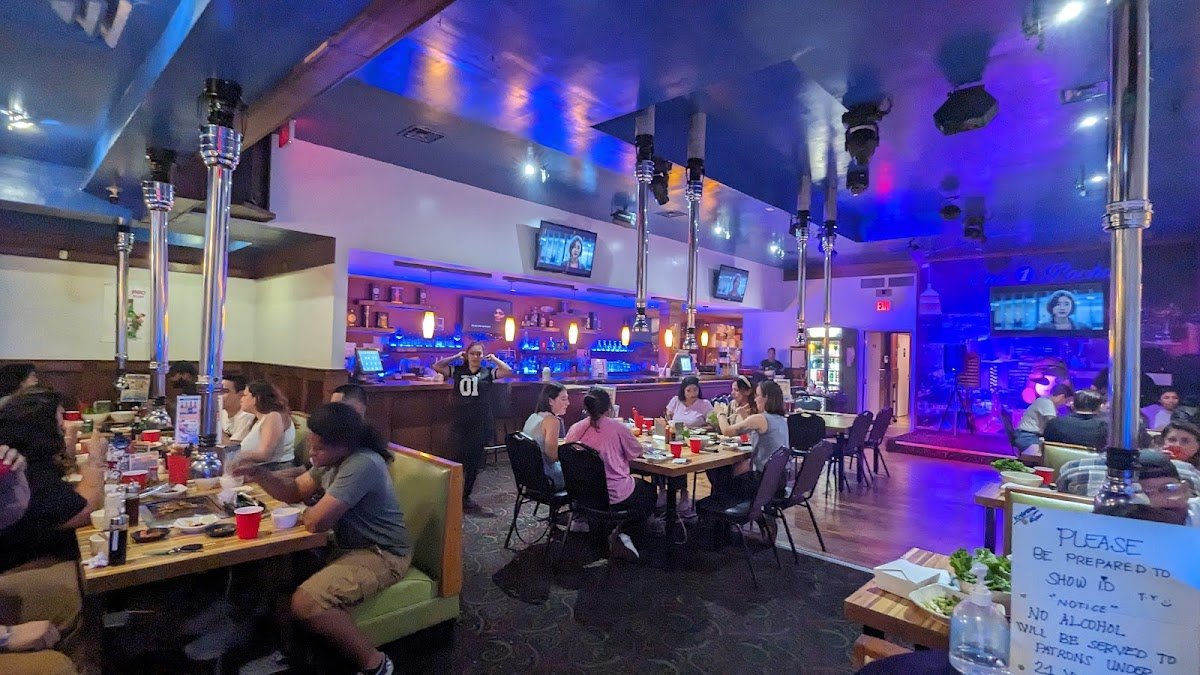
One Pocha channels the informal, convivial energy of Korean pocha culture inside a Northeast San Antonio strip‑mall setting. It reads less like a structured restaurant and more like an indoor pojangmacha: late‑night, neighborhood‑focused, and built for talk, drinking and grazing. One Pocha serves soju and draft beer alongside hearty plates such as gamja‑tang and dubu kimchi, and the space is a social hub with a relaxed, communal pace. The result is a casual, locally rooted drinking spot that brings a distinct Seoul street‑stall spirit to Walzem Road.
Best For
This is a spot tailor‑made for informal after‑work pours, group gatherings and late‑night celebrations. Because the format privileges shared plates and drinking over a formal sequence of courses, it works best for small groups who plan to graze and socialize rather than for business dinners or tightly timed meals. The neighborhood location also makes it a natural choice for locals looking for a nearby place to keep the evening rolling: a place to convene, drink soju and draft beer, and enjoy plates meant to be passed around.
Ordering Tips
Treat the menu like a lineup of snacks and small plates meant to accompany drinks: order multiple items to share rather than expecting a plated, multi‑course meal. Gamja‑tang, dubu kimchi and various fried or grilled plates pair with soju and draft beer, so plan to pair several savory, hearty dishes with rounds of drinks. Embrace the informal rhythm: start with a few shareable plates, add more as conversation and bottles prompt, and expect the evening to unfold as a casual, communal grazing session.
Venue details
Ambiance
Vibrant and lively atmosphere perfect for socializing, groups, and celebrations.
Tags
Vibe
Best For
Format
At the Bar
- Bar Category
- Lounge
- Late Night
- Open Until 2am
- Music
- Karaoke
Know before you go
Know Before You Go
- Getting there
- 4408 Walzem Rd, San Antonio, TX 78218
Planning details
Hours
- Monday
- 5 PM–2 AM
- Tuesday
- 5 PM–2 AM
- Wednesday
- 5 PM–2 AM
- Thursday
- 5 PM–2 AM
- Friday
- 5 PM–2 AM
- Saturday
- 5 PM–2 AM
- Sunday
- 5 PM–2 AM
Location
Also consider
If One Pocha Is Not the Right Fit
Try Hanzo if the night should revolve around drinks and atmosphere. Try DASHI Chinese Kitchen + Bar if the group wants a more clearly restaurant-led meal.
Bar context
How It Compares
One Pocha is the easier, lower-ceremony choice in this San Antonio set. Hanzo is the better cross-shop when the group wants the night to feel more bar-led, while Koi Kawa Japanese Restaurant is the safer move when the priority is a clearer sit-down restaurant format.
For a broader meal, DASHI Chinese Kitchen + Bar gives the decision a more defined dining angle. Paloma Blanca Mexican Cuisine and Cappy's Restaurant make more sense for diners who want a more conventional restaurant choice rather than a casual late-night plan.
The practical verdict: choose One Pocha for flexibility and an easier group call. Choose Hanzo for a bar-first night, Koi Kawa Japanese Restaurant for a more focused Japanese restaurant option, and DASHI Chinese Kitchen + Bar when the meal itself needs to carry the evening.
Around this place
Discover more on Pearl
Unlock the full One Pocha guide in Pearl, including awards, comparisons, FAQs, planning details, and nearby places.
Compare One Pocha
| Venue | Location | Awards |
|---|---|---|
| One Pocha | San Antonio | No published awards |
| Hanzo | San Antonio | No published awards |
| Paloma Blanca Mexican Cuisine | Alamo Heights | No published awards |
| Cappy's Restaurant | Alamo Heights | No published awards |
| Koi Kawa Japanese Restaurant | San Antonio | No published awards |
| DASHI Chinese Kitchen + Bar | San Antonio | No published awards |
How One Pocha San Antonio compares with similar nearby venues.
FAQ
Frequently Asked Questions
Is One Pocha open late?
Yes. One Pocha is open every day from 5 PM to 2 AM, making it a late-night option in San Antonio.
Is One Pocha good for a date?
One Pocha is casual and open from 5 PM to 2 AM daily. For a different San Antonio restaurant option, Paloma Blanca Mexican Cuisine or Cappy's Restaurant may also be worth comparing.