Ramen Ichizu Bar
Downtown, Salt Lake City
Bar in Salt Lake City, United States
 Book with Pearl
The Read
Price
$20–30per person
Why go
Ramen Ichizu Bar is a practical Salt Lake City pick for casual ramen, lunch, early dinner, or a later Friday and Saturday stop. It is not the venue to choose for a wine-led night or formal celebration, but it works well when the priority is an easy meal with minimal planning.
About Ramen Ichizu Bar
Ramen Ichizu Bar is a casual venue in Salt Lake City with a schedule that covers weekday lunch periods, most weekday evenings, and later hours on Friday and Saturday. For planning, focus on practical basics: casual dress and the published hours, and check directly for menu format, service style, seating, prices, or special amenities if those details matter.
A casual Salt Lake City stop
Ramen Ichizu Bar is in Salt Lake City, the dress code is casual, and the hours vary by day. Monday, Wednesday, and Thursday list both lunch and dinner windows; Tuesday lists lunch only; Friday and Saturday run from noon to midnight; and Sunday runs from noon to 9 PM.
For private rooms, seat count, reservation policy, beverage program, price range, dietary accommodations, takeout, delivery, or outdoor seating, check directly before building a plan around them. If you are comparing it with other Salt Lake City dining or drinking options, focus on the schedule and casual dress code rather than assuming a specific format.
Use it when timing matters
The clearest practical advantage is the schedule. Ramen Ichizu Bar has lunch hours on every day listed, dinner hours on most days, and later Friday and Saturday hours until 12 AM. Tuesday is the most limited day, with only a 12–2:30 PM window listed.
For broader planning, the Salt Lake City bars guide and Salt Lake City restaurants guide can help you compare other options. Quick reference: consider Ramen Ichizu Bar when casual dress and its hours fit your plan.
Planning details
- Hours
- Monday: 12–2:30 PM, 5–9 PM · Tuesday: 12–2:30 PM
- Location
- 915 Washington St Suite #1A, Salt Lake City, UT 84101
- Website
- instagram.com/ramen_ichizu
The take
The Take
The Vibe
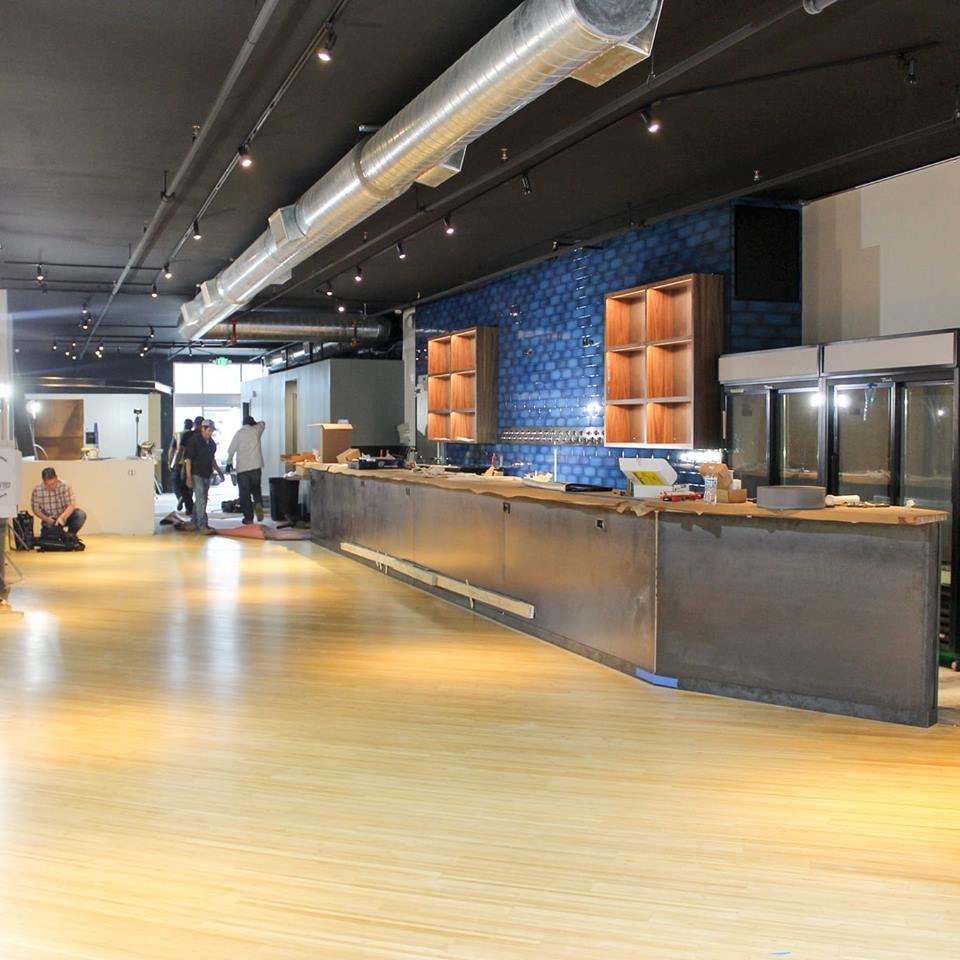
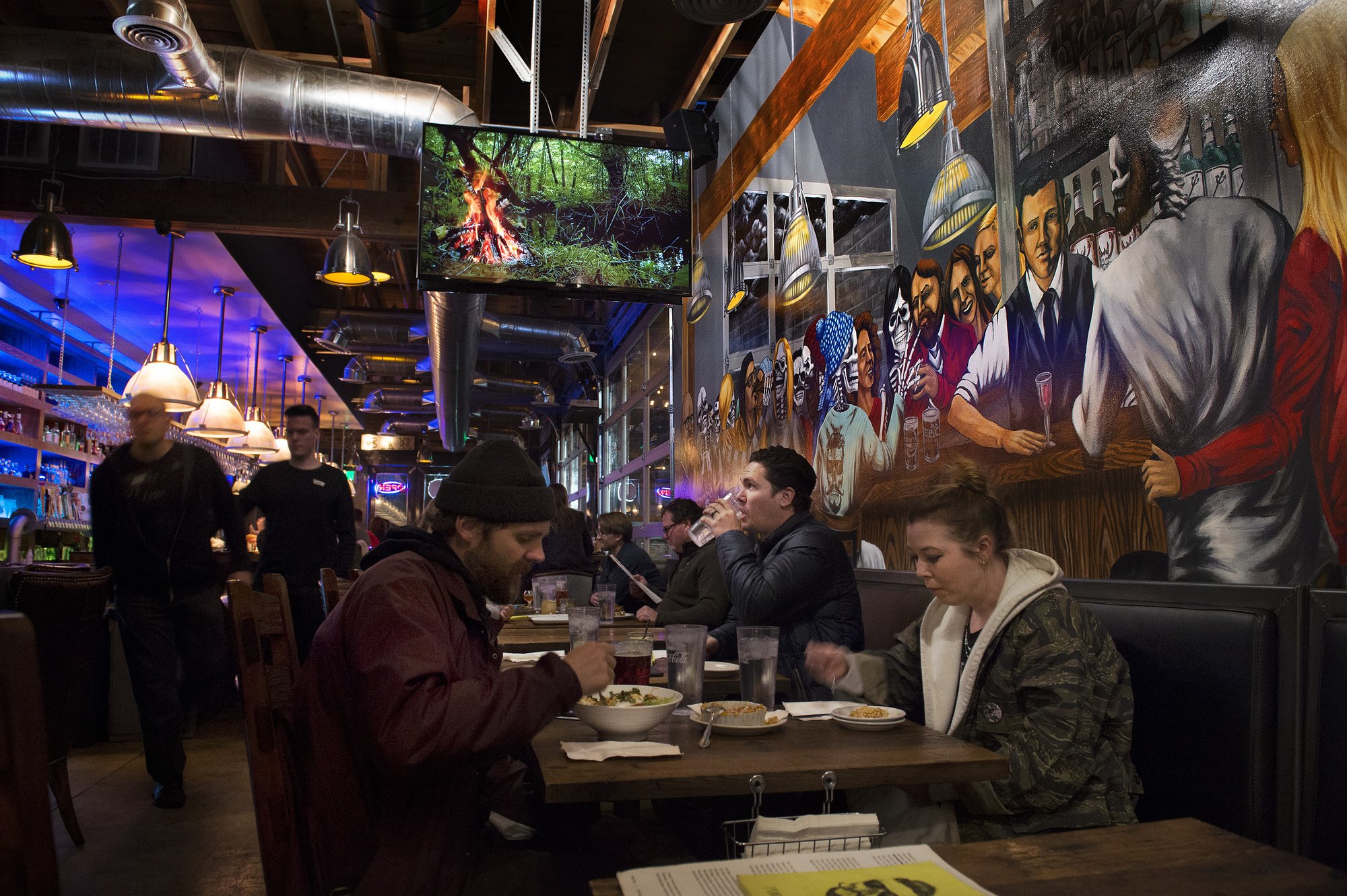
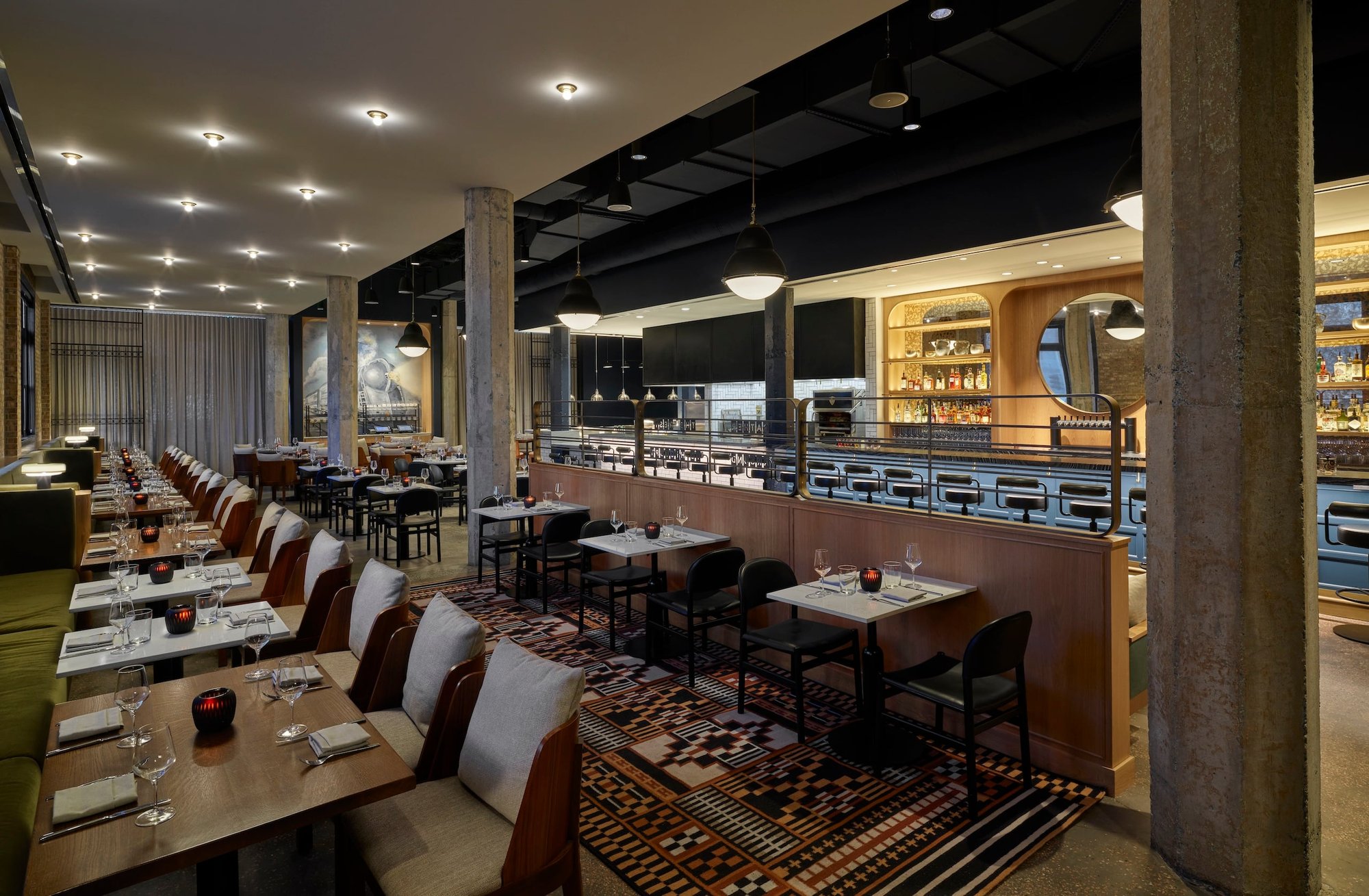
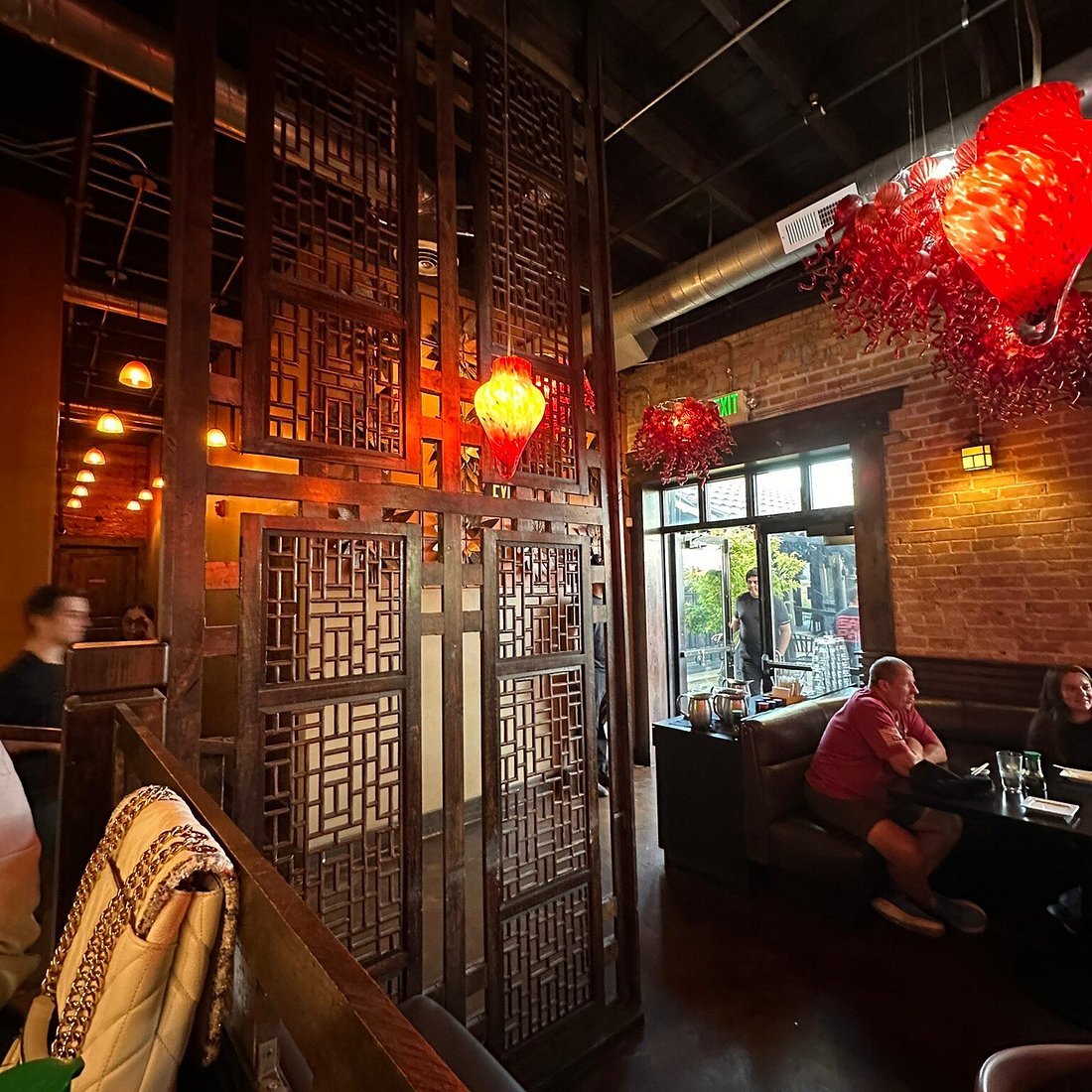
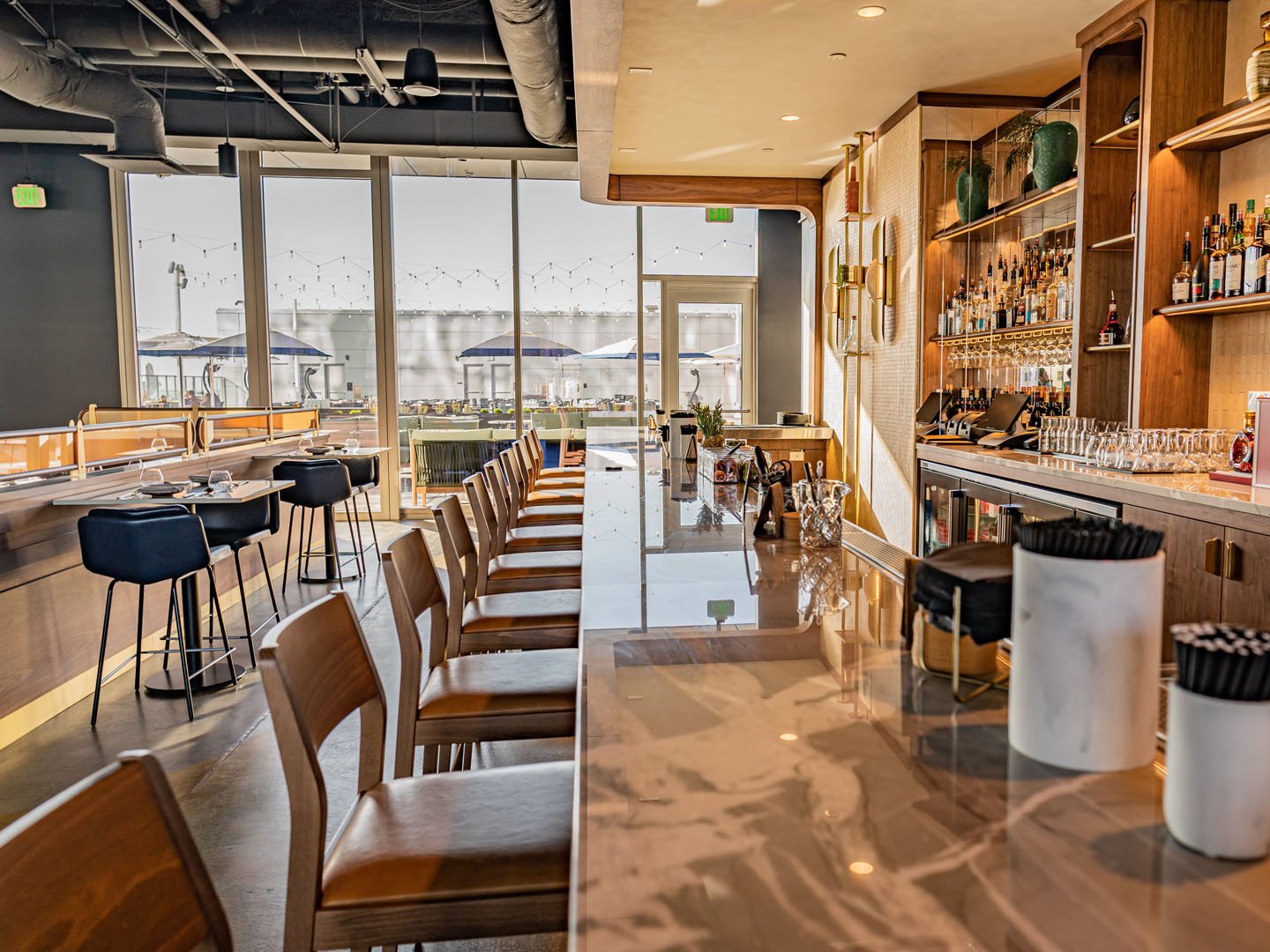
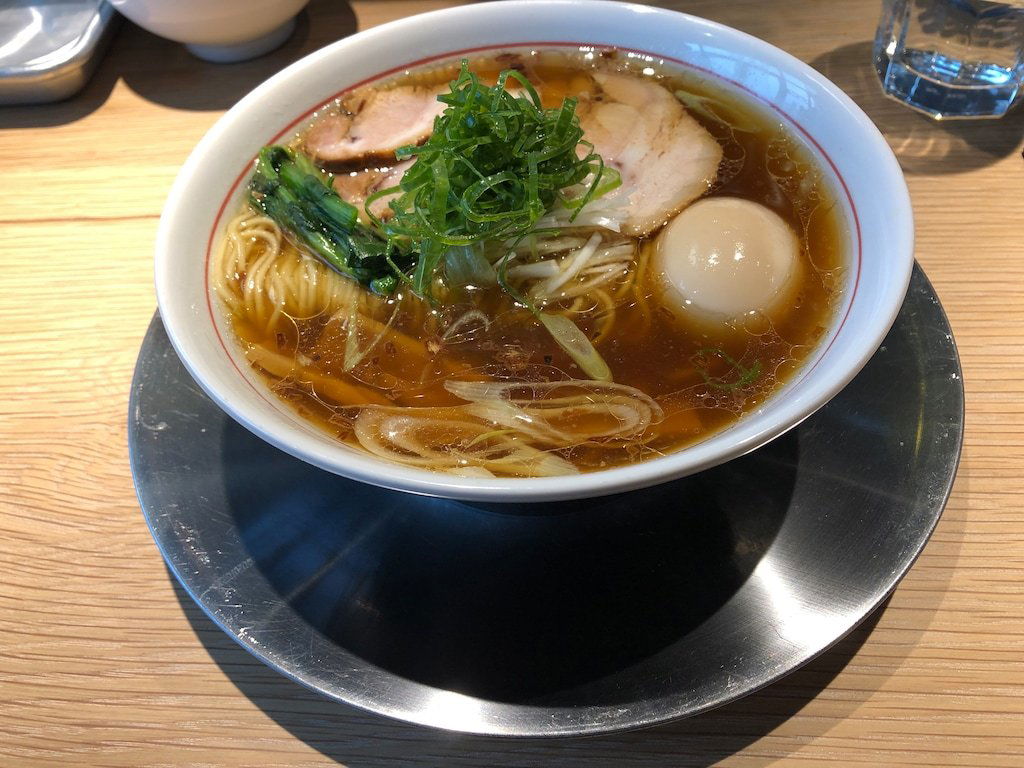
Ramen Ichizu Bar presents itself as a focused, take-no-shortcuts ramen spot tucked into downtown Salt Lake City. The signage is intentionally low-key, positioning the restaurant as a quiet local discovery rather than a flashy destination. Inside, the counter-and-stool layout keeps attention trained on the kitchen; it’s the sort of compact, purpose-built space where the ritual of eating a bowl becomes the point. The overall feel is casual and intimate: a cozy, serious ramen bar that rewards diners who favor craft and concentration over spectacle.
Best For
This is ideal for solo diners and small groups who want a concentrated ramen experience rather than a drawn-out multi-course meal. The counter seating encourages watching the cooks and tuning into how bowls are assembled, so it’s a natural after-work stop or casual hangout for noodle enthusiasts. It’s less suited to large parties or formal business dinners; instead, come ready to focus on the bowl and the kitchen’s technique, whether you’re sampling broths for the first time or returning for a definitive rendition.
Ordering Tips
Ordering at Ichizu is about following the bowl’s internal progression: taste the surface elements like chashu first, then work through broth and noodles. Tonkotsu requires long bone reduction for opacity and body; shoyu and shio emphasize clarity, so choose noodle thickness/firmness accordingly if that option is offered. Some ramen bars let you order noodles separately or specify texture; when available, use that choice to match the broth. Eat deliberately and while hot to experience the layers as the kitchen intends.
Venue details
Tags
Best For
Experience
Format
Accessibility
At the Bar
- Late Night
- Closes by Midnight
Know before you go
Know Before You Go
- Getting there
- 915 Washington St Suite #1A, Salt Lake City, UT 84101
Planning details
Hours
- Monday
- 12–2:30 PM, 5–9 PM
- Tuesday
- 12–2:30 PM
- Wednesday
- 12–2:30 PM, 5–9 PM
- Thursday
- 12–2:30 PM, 5–9 PM
- Friday
- 12 PM–12 AM
- Saturday
- 12 PM–12 AM
- Sunday
- 12–9 PM
Location
915 Washington St Suite #1A, Salt Lake City, UT 84101 · Directions
Also consider
Where to go if this is not the right fit
If the night is more about drinks than ramen, go to Water Witch for cocktails or Templin Family Brewing for beer. If the goal is a more complete bar-and-food evening, Bar Nohm is the stronger alternative.
Bar context
How it compares for an easy Salt Lake City night out
Ramen Ichizu Bar is the simpler food-first choice in this group. Pick it when the plan is casual ramen and an easy table rather than a drinks-led evening. Bar Nohm is the stronger cross-shop for diners who want the meal to feel more bar-driven, while Water Witch is the better fit when cocktails are the main event.
For value, Ramen Ichizu Bar and Vertical Diner sit in the low-pressure lane: easier to use for casual plans than venues built around a tighter bar experience. Templin Family Brewing is the more obvious choice for beer and a group hang, while Ramen Ichizu Bar is better for a meal that starts and ends with noodles.
The Pearl and Bar Nohm make more sense for date-night energy or a longer evening. Ramen Ichizu Bar is the safer choice when booking difficulty, timing, and simplicity matter more than ambiance polish.
Explore Salt Lake City
Around this place
Discover more on Pearl
Unlock the full Ramen Ichizu Bar guide in Pearl, including awards, comparisons, FAQs, planning details, and nearby places.
Compare Ramen Ichizu Bar
| Venue | Location | Awards |
|---|---|---|
| Ramen Ichizu Bar | Salt Lake City | No published awards |
| Vertical Diner | Salt Lake City | No published awards |
| The Pearl | Salt Lake City | No published awards |
| Bar Nohm | Salt Lake City | No published awards |
| Water Witch | Salt Lake City | No published awards |
| Templin Family Brewing | Salt Lake City | No published awards |
How Ramen Ichizu Bar Salt Lake City compares with similar nearby venues.
FAQ
Frequently Asked Questions
Is Ramen Ichizu Bar good for a date?
It may fit a casual plan, since the dress code is casual.
Is the food good at Ramen Ichizu Bar?
Check a current menu or recent guest feedback if dishes, prices, or food specifics are important to your decision.
Is Ramen Ichizu Bar open late?
Friday and Saturday hours run until 12 AM. Other days close earlier, with Tuesday listing only 12–2:30 PM.
What's the best time to go to Ramen Ichizu Bar?
Choose a time based on the published schedule: Monday, Wednesday, and Thursday list 12–2:30 PM and 5–9 PM; Tuesday lists 12–2:30 PM; Friday and Saturday list 12 PM–12 AM; and Sunday lists 12–9 PM.