Ozora Izakaya
Clark Learning Office Center, Salt Lake City
Bar in Salt Lake City, United States
 Book with Pearl
The Read
Price
$20–30per person
Why go
Ozora Izakaya is a practical downtown Salt Lake City pick for casual groups, especially when the priority is easy coordination over a formal dining-room experience. Book it for a relaxed shared-table night; look to Aker Restaurant & Lounge or Bodega and The Rest if the evening needs more lounge polish or a stronger bar-led identity.
About Ozora Izakaya
Should you choose Ozora Izakaya? In Salt Lake City, it can make sense when you want a casual option and do not need a formal special-occasion setup. The dress code is casual, and the hours are available. It is a practical choice rather than a venue with formal recognition, a published chef-led format, or a tasting-menu structure.
For groups, the main appeal is flexibility rather than ceremony
This is the kind of option that may work when several people need a Salt Lake City plan and nobody wants a high-commitment dining room. The dress code is casual, which works in its favor for diners who want a relaxed meal rather than a more formal night out.
The tradeoff is that there is not enough detail to justify framing it as a splurge or a food-first pilgrimage. If the night needs a different style of setting, Aker Restaurant & Lounge is a natural cross-shop. Bodega and The Rest gives the evening another comparison point.
Book it when convenience beats ceremony
Ozora Izakaya is a sensible option for visitors using our full Salt Lake City restaurants guide to sort a casual plan. It is less convincing as the only meal to plan a trip around, especially if the group wants a known awards signal, a published chef story, or a clearly priced tasting format.
For a group outing, the recommendation is simple: use it when the priority is easy coordination and a casual setting. For a date, it can work if the goal is relaxed rather than formal. For a client dinner or anniversary-level meal, compare it against From Scratch, MONARCA, and Eva before committing.
Readers building a fuller Salt Lake City plan can also cross-check our full Salt Lake City bars guide, our full Salt Lake City hotels guide, our full Salt Lake City wineries guide, and our full Salt Lake City experiences guide to decide how Ozora Izakaya fits into the day.
Planning details
- Hours
- Monday: 5–10 PM · Tuesday: 5–10 PM
- Location
- 65 E Broadway, Salt Lake City, UT 84111
- Website
- kazesushiut.com/menu
- Phone
- +1 801 800 6768
The take
The Take
The Vibe
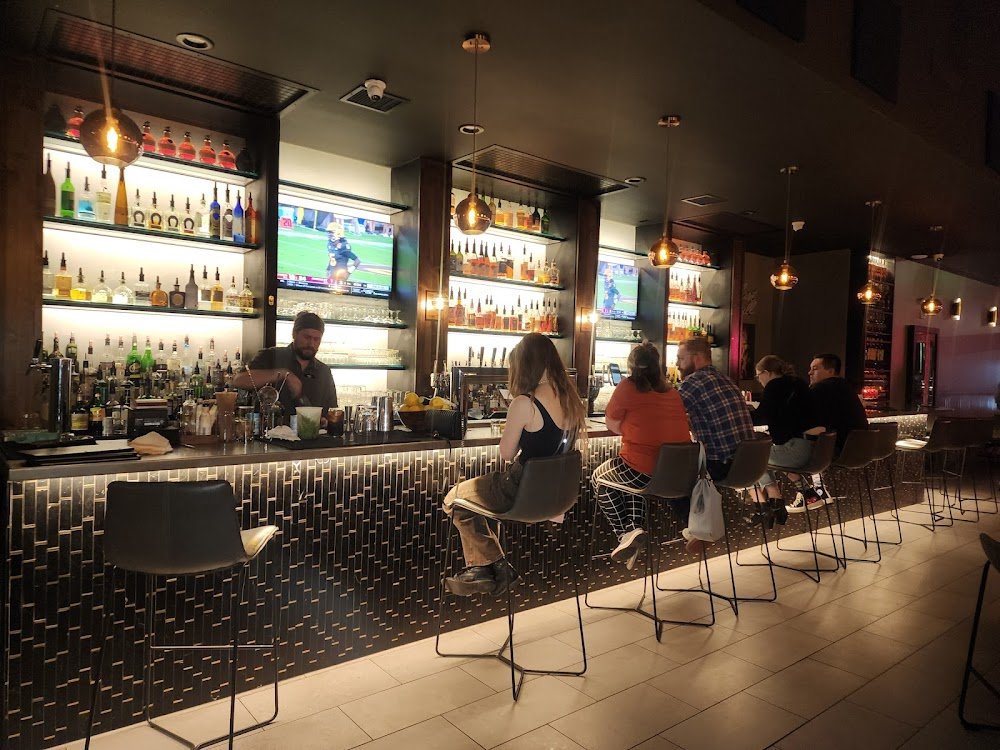
Ozora Izakaya sits squarely in downtown’s Broadway dining corridor, where walkable streets funnel a mix of theatergoers and office workers into its doors. The place reads as a contemporary, social-focused spot that leans toward casual conviviality rather than formal dining. Because the izakaya format centers on drinking and small plates, the room tends to feel animated and social in the evening, attracting an after-work crowd and people looking for a relaxed, food-forward bar experience. The focus is on informal sharing and conversation, making it a city-center destination for lively, easygoing nights out.
Best For
This izakaya is best for evenings: after-work drinks, casual group dinners, and late-night hangouts. Its downtown placement within reach of the theater district also makes it a sensible stop before or after a show, and the small-plates format naturally supports groups who want to graze and share rather than follow a formal course sequence. Couples and friends looking for an informal date-night spot that emphasizes drinks and conversation will find it suited to that purpose, and groups benefit from the shareable, order-as-you-go rhythm.
Ordering Tips
Approach ordering like an izakaya regular: think small plates to share rather than a single plated entrée. The format emphasizes items ordered across the table alongside drinks, with no fixed progression of courses, so plan to put several dishes into rotation and stagger orders as the evening unfolds. The goal is to extend the drinking occasion, so pace yourself, order when you’re ready for the next round, and prioritize a mix of flavors to keep the table moving. This is not a tasting-menu experience: embrace casual, communal sharing.
Venue details
Ambiance
Vibrant atmosphere with chill music at perfect volume, lively yet conversational.
Tags
Vibe
Best For
Experience
Format
At the Bar
- Bar Category
- Sake Bar
- Late Night
- Open Until 2am
- Music
- Chill
Signature Pours
- Ozora
- Miyazaki Roll
- Kyoto
Know before you go
Know Before You Go
- Getting there
- 65 E Broadway, Salt Lake City, UT 84111
Planning details
Hours
- Monday
- 5–10 PM
- Tuesday
- 5–10 PM
- Wednesday
- 5–10 PM
- Thursday
- 5–10 PM
- Friday
- 12–11 PM
- Saturday
- 12–11 PM
- Sunday
- 2–9 PM
Location
Also consider
Where to go if this is not the right fit
Choose Aker Restaurant & Lounge if the group wants a more composed lounge environment. Choose Bodega and The Rest if the night should lean more toward drinks than dinner.
Bar context
How Ozora Izakaya compares in Salt Lake City
Ozora Izakaya is the easiest recommendation for a casual group that wants a central dinner without turning the night into a production. Compared with From Scratch, MONARCA, and Eva, it reads as the lower-pressure choice: better for flexible ordering and mixed preferences, less compelling if the group wants a more defined culinary point of view.
For ambiance, Bodega and The Rest is the stronger pick when the night is about drinks and a tucked-away feel. Aker Restaurant & Lounge is the better cross-shop for a more polished lounge setting. Ozora Izakaya wins when booking ease and group practicality matter more than a high-design room or a special-occasion frame.
Value is hard to rank without published pricing, so the safer decision rule is occasion-based: choose Ozora Izakaya for casual groups, Aker Restaurant & Lounge for a dressed-up lounge night, Bodega and The Rest for drinks-led plans, and From Scratch, MONARCA, or Eva when the meal itself needs to carry the evening.
Explore Salt Lake City
Around this place
Discover more on Pearl
Unlock the full Ozora Izakaya guide in Pearl, including awards, comparisons, FAQs, planning details, and nearby places.
Compare Ozora Izakaya
| Venue | Location | Awards |
|---|---|---|
| Ozora Izakaya | Salt Lake City | No published awards |
| From Scratch | Salt Lake City | No published awards |
| MONARCA | Salt Lake City | No published awards |
| Eva | Salt Lake City | No published awards |
| Bodega and The Rest | Salt Lake City | No published awards |
| Aker Restaurant & Lounge | Salt Lake City | No published awards |
How Ozora Izakaya Salt Lake City Guide compares with similar nearby venues.
FAQ
Frequently Asked Questions
Is the food good at Ozora Izakaya?
Ozora Izakaya is best approached as a casual Salt Lake City option rather than a formal tasting-menu destination. The dress code is casual, and the available hours make it workable through the week.
Is Ozora Izakaya good for a date?
Yes, if you want a low-pressure Salt Lake City meal with a casual dress code. If you want a more formal or polished dinner, compare it with From Scratch, MONARCA, Eva, or Aker Restaurant & Lounge before deciding.
Does Ozora Izakaya have outdoor seating?
Ozora Izakaya does not list outdoor seating, so do not make that the reason to choose it.