Fisher Brewing Company
Downtown, Salt Lake City
Bar in Salt Lake City, United States
 Book with Pearl
The Read
Price
$20–30per person
Why go
Fisher Brewing Company is worth choosing for a casual, beer-first Salt Lake City stop, especially when easy planning matters more than a formal dining experience. It is not the right target for a serious wine-by-the-glass night or a chef-led meal, but it works well for value-minded groups who want a relaxed brewery format.
About Fisher Brewing Company
Is Fisher Brewing Company worth choosing in Salt Lake City? It can be, if the plan calls for a casual stop with posted daily hours rather than a formal, highly structured night out. The basics are straightforward: Fisher Brewing Company is in Salt Lake City, keeps daily hours, and lists a casual dress code.
The clearest planning advantages are its casual dress code and its hours: 11 AM–11 PM Monday through Thursday, 11 AM–12 AM Friday and Saturday, and 11 AM–10 PM Sunday.
Choose it for a casual Salt Lake City plan, not a fully documented restaurant night
This is a better fit when the group wants a low-pressure plan and does not need every detail settled in advance. It is not the strongest choice to frame as a chef-led dining destination, a special-occasion restaurant, or a venue to choose specifically for a food program. That distinction is important: plan around the basics, then check directly if you need details such as reservations, seating, menu options, accessibility, or private-event arrangements.
For a broader night out, compare it with Bar Nohm if you are considering another option, or scan Salt Lake City bars guide for more bar options. If dinner is the priority, Salt Lake City restaurants guide is the better starting point, especially for anyone trying to build the evening around a full meal rather than a loosely planned stop.
Low-friction works better than occasion dining
The most reliable way to think about Fisher Brewing Company is as a casual Salt Lake City venue with long daily hours. Its dress code is casual, which makes it easier to fold into an uncomplicated plan. If reservations, capacity, service style, or event policies matter, check directly rather than building a high-stakes date, client night, or special occasion around assumptions.
Other options can change the decision. If you want to compare choices, consider venues such as The Pearl, Bar Nohm, Ramen Ichizu Bar, or Vertical Diner, depending on the kind of evening you are planning. For a broader search, use Salt Lake City guides to compare other local dining and bar options.
Planning details
- Hours
- Monday: 11 AM–11 PM · Tuesday: 11 AM–11 PM
- Location
- 320 W 800 S, Salt Lake City, UT 84101
- Website
- fisherbeer.com
- Phone
- +1 801 487 2337
The take
The Take
The Vibe
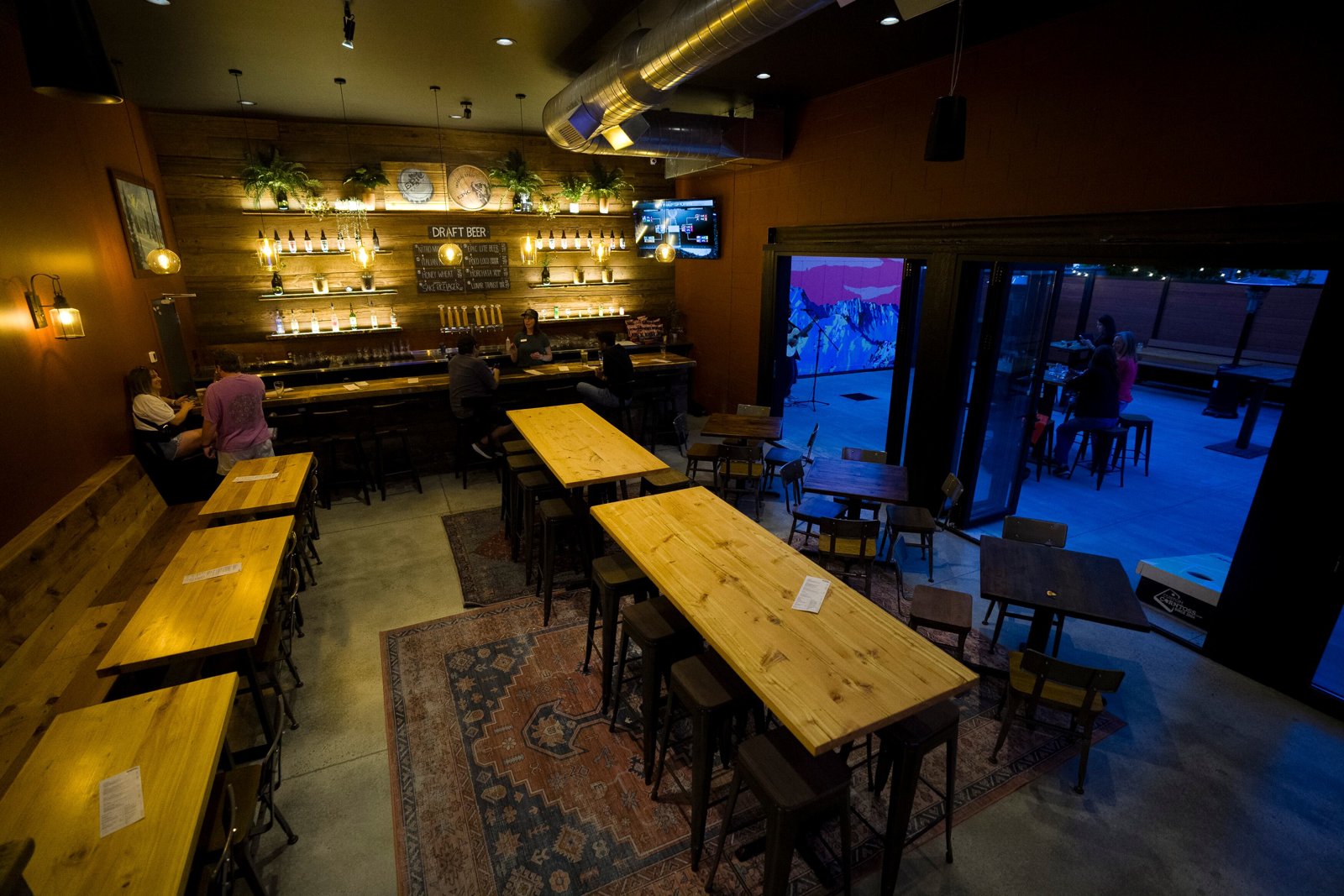
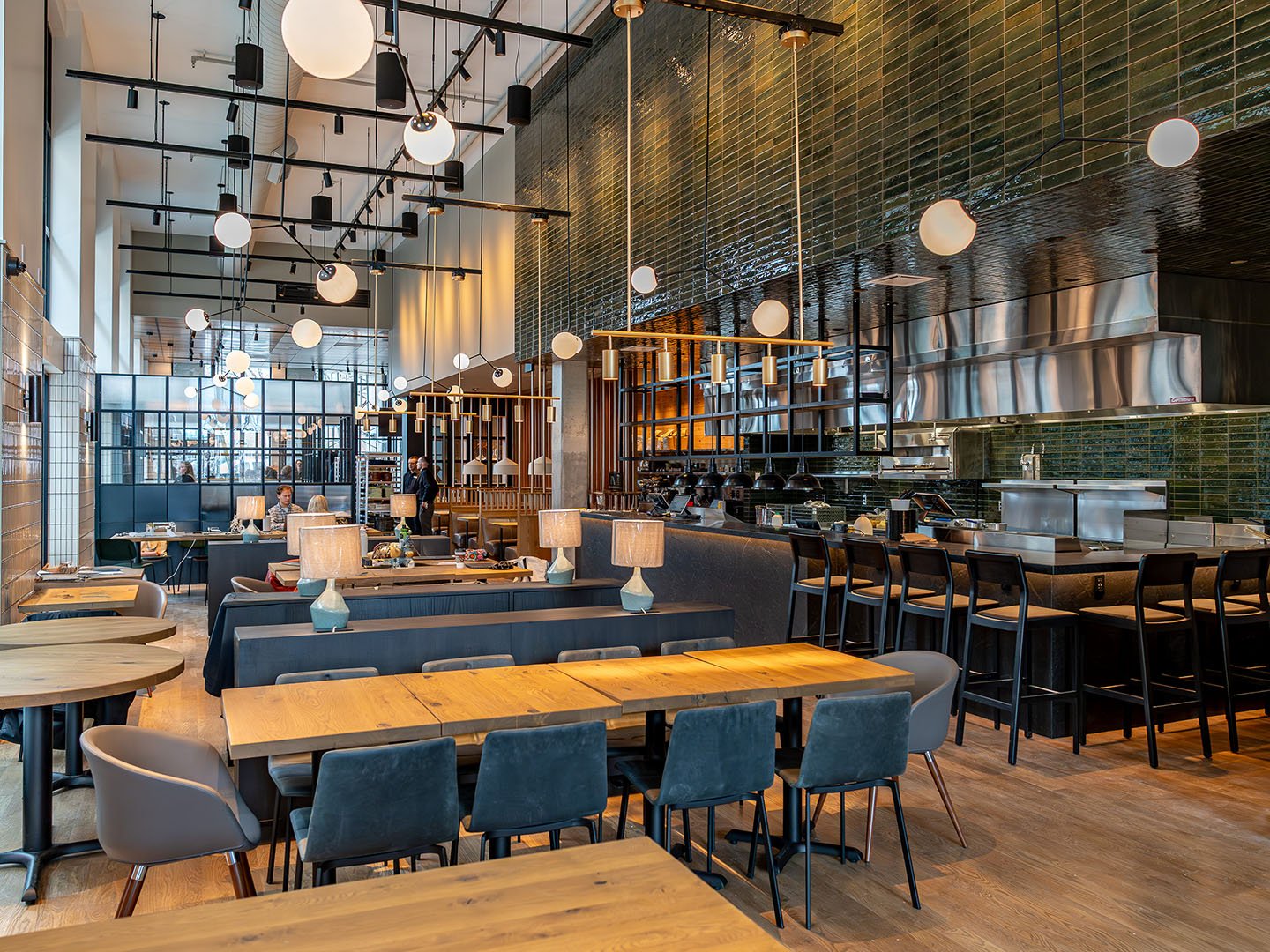
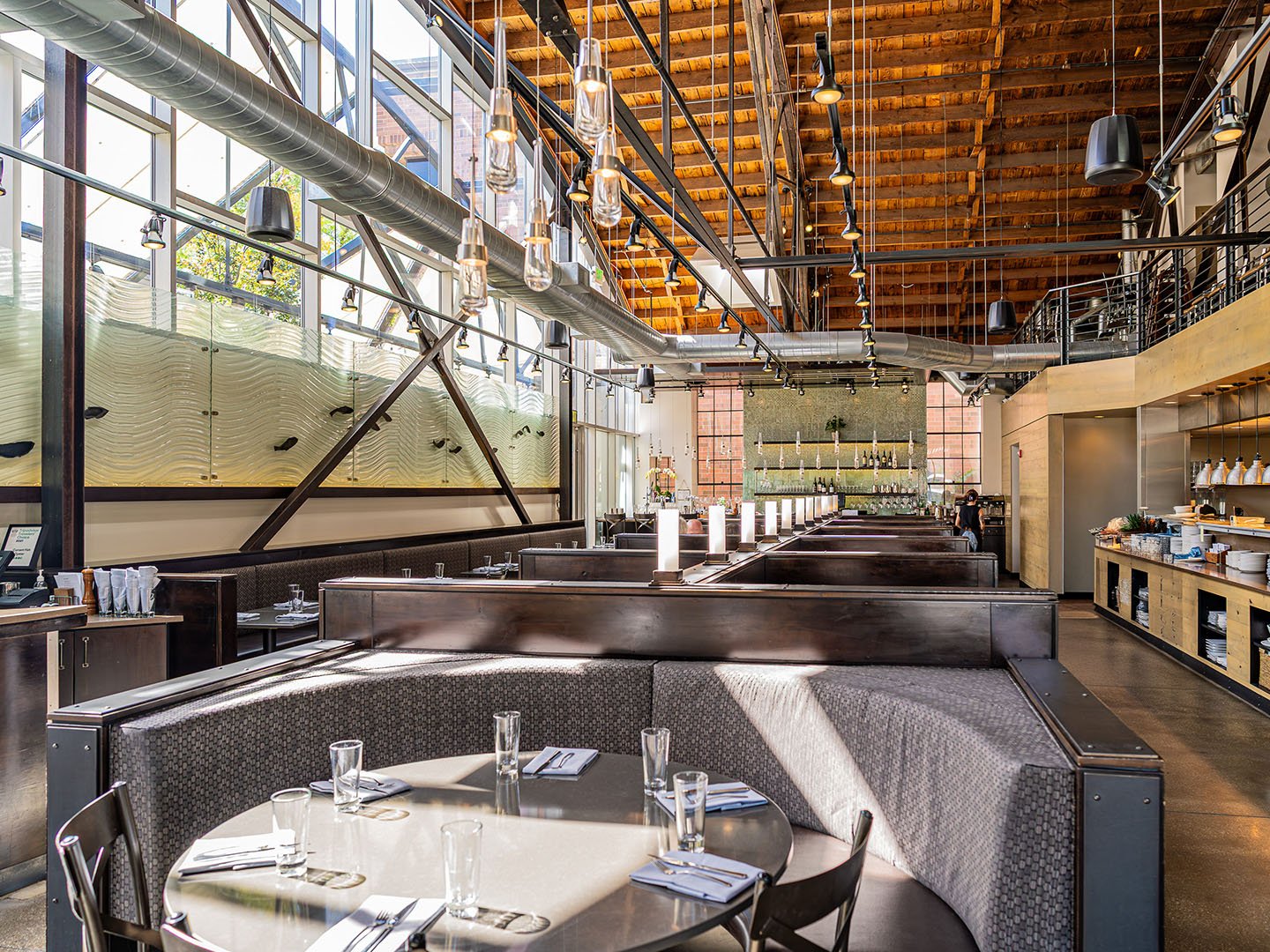
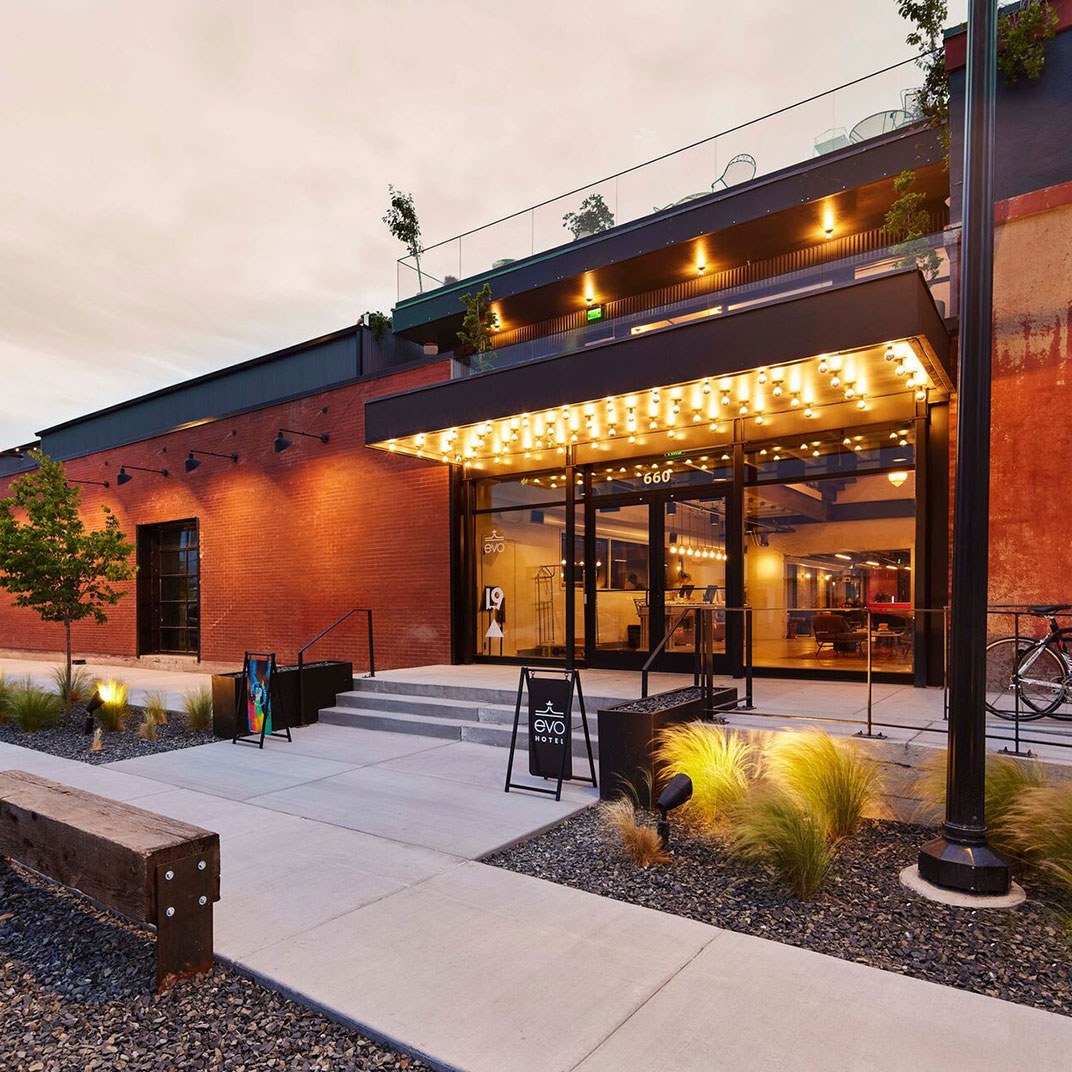
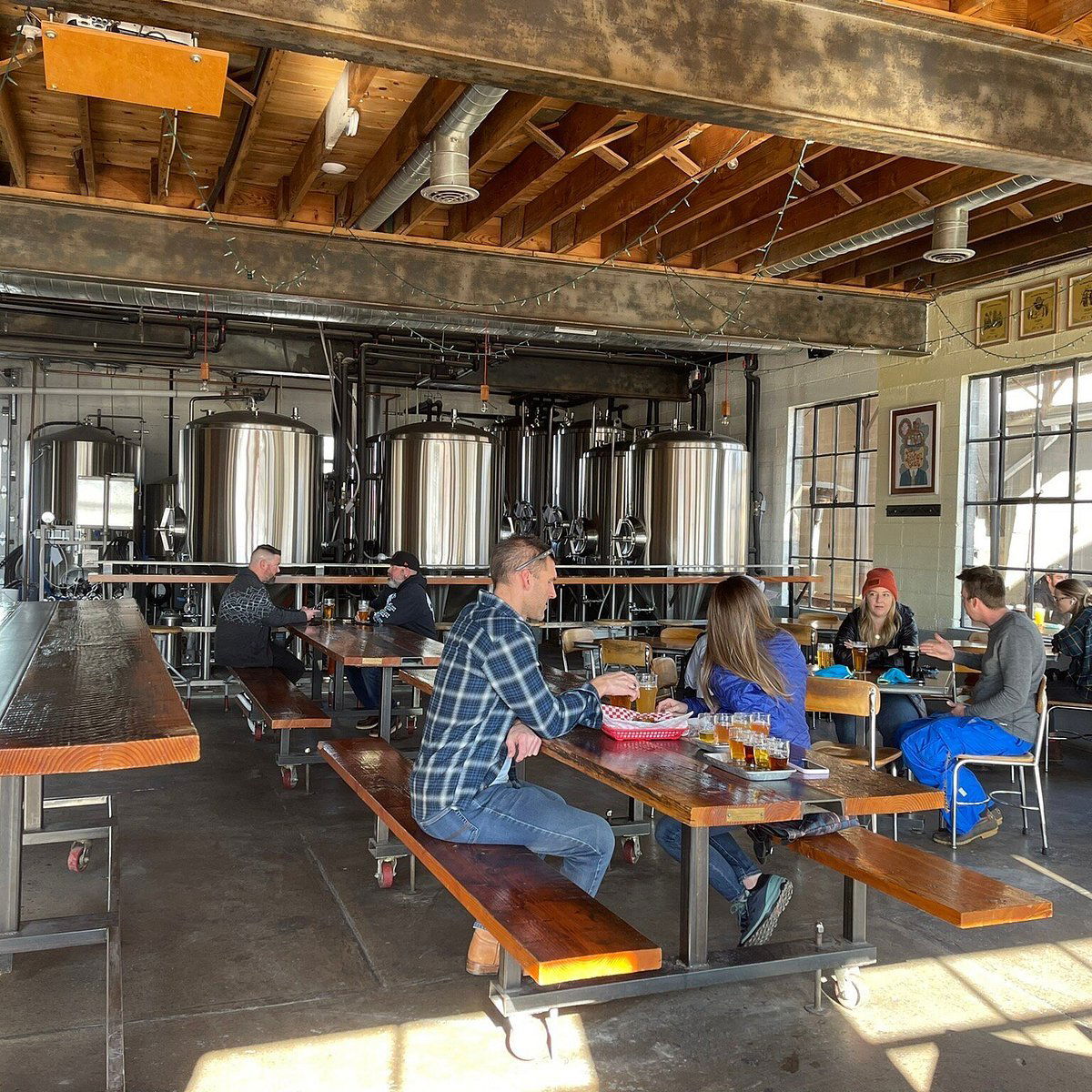
Fisher Brewing Company presents a stripped-back, production-first taproom that foregrounds brewing rather than décor. Concrete floors, open ceilings and the visible presence of fermenting tanks make the industrial process part of the room’s aesthetic; the faint yeast-and-grain scent and the low ambient hum of refrigeration underline that fermentation is happening on site. The writing positions Fisher closer to working breweries than weekend lifestyle venues, so the atmosphere reads as straightforward and unpretentious: you come for technically focused beer in a functional, casual setting where craft and process are the draw.
Best For
This is a destination for beer-focused visits: solo enthusiasts, small groups of craft-minded friends and after-work drop-ins will all find something to appreciate. The taproom’s production emphasis rewards people who want to engage with brewing rather than a full-service dining experience; the piece contrasts Fisher with hospitality-first brewpubs and frames it as a place rooted in local production. If you’re interested in technically precise beers and seeing tanks in the room, Fisher is an ideal casual stop in the Granary District.
Ordering Tips
Keep Utah’s regulatory context in mind when planning a visit: the description outlines a history of ABV limits and licensing quirks that shape taproom service. Ask staff about on-tap strengths and any procedural steps for additional pours; the story explicitly notes that the local framework can make 'ordering a second round' more complex than in other states. Otherwise, approach Fisher as a working brewery taproom: focus on the beer selection, talk to the team about what’s fermenting on site, and prioritize tasting the production-driven offerings.
Venue details
Ambiance
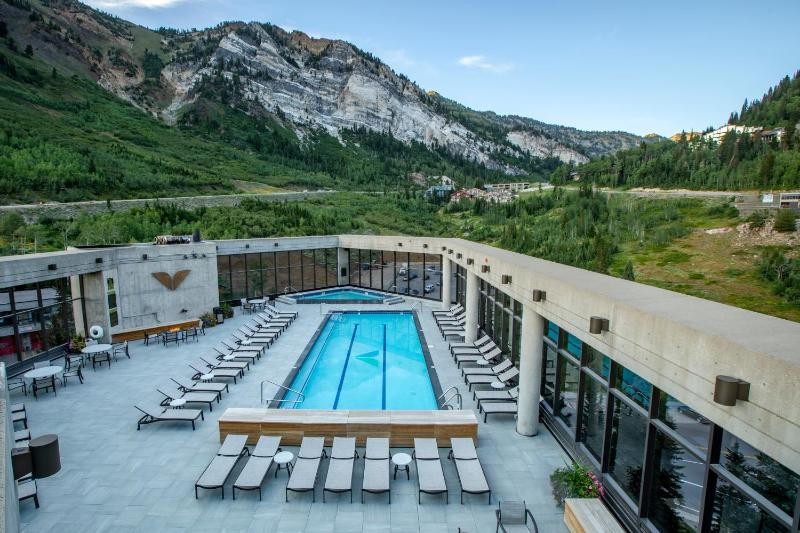
Relaxed taproom atmosphere with indoor/outdoor seating, mountain views from the rooftop patio, and a community-focused vibe enhanced by food trucks.
Tags
Vibe
Best For
Experience
Format
View
At the Bar
- Bar Category
- Beer Bar
- Late Night
- Closes by Midnight
Signature Pours
- Fisher Beer
- Wasatch Community Gardens Beet Saison
- Citra Bomb Tom
Know before you go
Know Before You Go
- Getting there
- 320 W 800 S, Salt Lake City, UT 84101
Planning details
Hours
- Monday
- 11 AM–11 PM
- Tuesday
- 11 AM–11 PM
- Wednesday
- 11 AM–11 PM
- Thursday
- 11 AM–11 PM
- Friday
- 11 AM–12 AM
- Saturday
- 11 AM–12 AM
- Sunday
- 11 AM–10 PM
Location
Also consider
Where to go if this is not the right fit
For another brewery-style choice, cross-shop Templin Family Brewing. For a date or a tighter bar-and-food night, choose Bar Nohm instead.
Bar context
How Fisher Brewing Company compares in Salt Lake City
Choose Fisher Brewing Company when the priority is beer-first value and low planning friction. Templin Family Brewing is the closest comparison for another brewery-led night, so the better pick comes down to location and the kind of room the group wants. Fisher is the safer call when ease matters more than making the bar itself the occasion.
Bar Nohm and The Pearl make more sense for a date or a more composed bar experience. They are stronger cross-shops when food, cocktails, and atmosphere carry the night. Fisher is better when the group wants casual beers without dressing the evening up.
Vertical Diner and Ramen Ichizu Bar are better choices when the meal is the anchor. Pick those for food-first plans; pick Fisher when drinks are the plan and food is secondary.
Explore Salt Lake City
Around this place
Discover more on Pearl
Unlock the full Fisher Brewing Company guide in Pearl, including awards, comparisons, FAQs, planning details, and nearby places.
Compare Fisher Brewing Company
| Venue | Location | Awards |
|---|---|---|
| Fisher Brewing Company | Salt Lake City | No published awards |
| Vertical Diner | Salt Lake City | No published awards |
| Ramen Ichizu Bar | Salt Lake City | No published awards |
| Templin Family Brewing | Salt Lake City | No published awards |
| The Pearl | Salt Lake City | No published awards |
| Bar Nohm | Salt Lake City | No published awards |
How Fisher Brewing Company Salt Lake City compares with similar nearby venues.
FAQ
Frequently Asked Questions
Is Fisher Brewing Company good for a date?
It can work for a casual date in Salt Lake City, especially if you want an easygoing plan and casual dress.
Does Fisher Brewing Company have outdoor seating?
Do not count on outdoor seating unless you verify it before going.
What's the best time to go to Fisher Brewing Company?
Use the posted hours to plan: Monday through Thursday 11 AM–11 PM, Friday and Saturday 11 AM–12 AM, and Sunday 11 AM–10 PM.
Is Fisher Brewing Company open late?
Yes. Fisher Brewing Company is open until 11 PM Monday through Thursday, until 12 AM on Friday and Saturday, and until 10 PM on Sunday.
Is Fisher Brewing Company good for groups?
It may fit a casual group plan because the dress code is casual and the posted hours are broad.