
Bar in Saint-Emilion, France
Vignobles et Châteaux Wine Bar
150Pearl PointsWine-First Stop

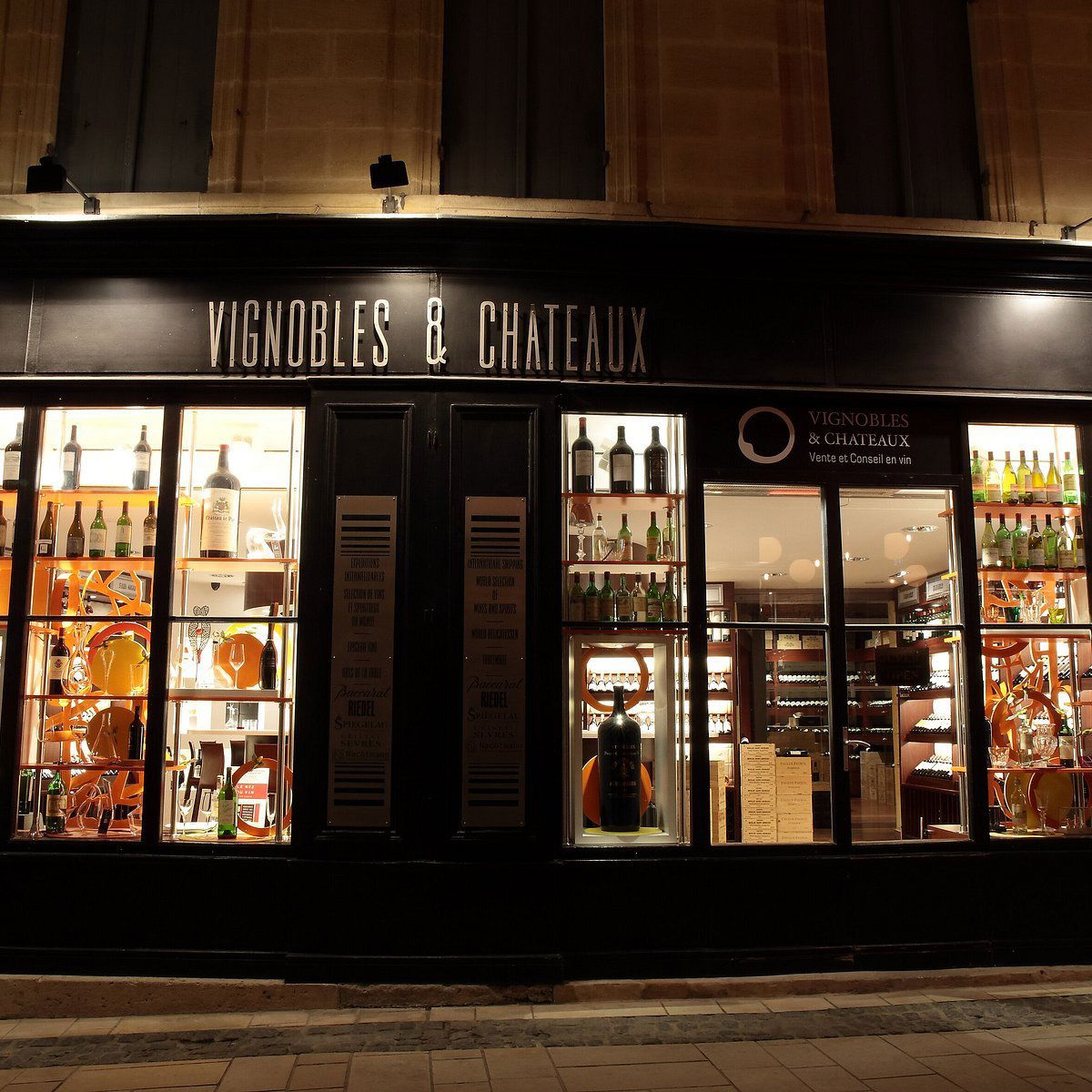
About Vignobles et Châteaux Wine Bar
Vignobles et Châteaux Wine Bar is a practical Saint-Émilion pick for wine-focused travelers who want an easy village stop rather than a full dinner plan. It suits small groups better than food-led occasions, with Star Wine List recognition adding a useful trust signal for serious drinkers.
Vignobles et Châteaux Wine Bar is a wine bar in Saint-Emilion. The most useful confirmed planning details are simple: it is recognized by Star Wine List (2026), and the dress code is smart casual. Beyond that, travelers should avoid assuming a specific menu, service format, seating setup, price level, or hours unless they confirm directly with the venue.
For visitors building time in Saint-Emilion around wine, this can be considered as part of a flexible plan. Because the verified information does not confirm a food program, lunch service, cocktail focus, outdoor seating, or reservation policy, treat those details as questions to check before making it the anchor of an itinerary.
Better for wine-focused groups than dinner groups
Use Vignobles et Châteaux Wine Bar primarily as a wine-bar option rather than as a confirmed meal destination. Its Star Wine List (2026) recognition supports a wine-led expectation, but the available verified record does not establish a specific cuisine, menu format, chef, price point, or dining style. If dinner is the priority, start with Pearl's Saint-Emilion restaurants guide instead, then consider this venue separately for wine.
The smart-casual dress code makes it a direct fit for travelers who want to look polished without planning for formal dining. For any group size, the safest approach is to confirm current availability and practical details with the venue before relying on it for a key stop.
Use it as a Saint-Emilion wine-bar stop
The practical read is that Vignobles et Châteaux Wine Bar is best evaluated as a wine-bar stop in Saint-Emilion. It is not currently verified here as a full-service restaurant, cocktail bar, late-night venue, or outdoor terrace, so do not build a plan around those assumptions without checking first.
Because the verified details are limited, planning should stay flexible. Confirm current hours, reservations, menu details, and seating directly with the venue, especially if timing or group logistics matter.
Bottom line: choose Vignobles et Châteaux Wine Bar when you want a smart-casual wine-bar option in Saint-Emilion with Star Wine List (2026) recognition. Do not treat it as a confirmed dinner anchor, cocktail destination, or specific-format venue unless the venue confirms those details for your visit.
Frequently Asked Questions
Does Vignobles et Châteaux Wine Bar have happy hour deals?
Happy hour details are not verified here. Treat Vignobles et Châteaux Wine Bar as a wine bar in Saint-Emilion and confirm any current pricing or promotions directly with the venue.
What's the crowd like at Vignobles et Châteaux Wine Bar?
The verified information does not confirm a specific crowd profile. Given that it is a wine bar in Saint-Emilion with Star Wine List (2026) recognition, it is reasonable to plan around a wine-oriented visit, but check directly for the current atmosphere if that matters to your plans.
Do I need a reservation at Vignobles et Châteaux Wine Bar?
A reservation policy is not verified here. If you are planning around a specific time, group, or itinerary in Saint-Emilion, confirm availability directly with Vignobles et Châteaux Wine Bar.
Is the food good at Vignobles et Châteaux Wine Bar?
The current food offering is not verified here. Do not plan around a specific menu or meal format unless you have confirmed those details with the venue.
Is Vignobles et Châteaux Wine Bar good for a date?
It can be a sensible option if you want a smart-casual wine bar in Saint-Emilion. If the date depends on a full meal, outdoor seating, or a particular service style, confirm those details before going.
Does Vignobles et Châteaux Wine Bar have outdoor seating?
Outdoor seating is not verified here. If outdoor space matters, check the venue's official channels or contact Vignobles et Châteaux Wine Bar directly for the latest details.
Location
1, Rue du Clocher, Saint-Émilion
Saint-Emilion, France
Compare Vignobles et Châteaux Wine Bar
| Venue |
|---|
| Vignobles et Châteaux Wine Bar |
| Hauterive Bar |
| Morimoto Bar |
| Le Sobre Chartrons |
| Papillon |
| Symbiose |
A quick look at how Vignobles et Châteaux Wine Bar compares on price and recognition.
Also Consider
- Hauterive Bar, Notable alternative
- Morimoto Bar, Notable alternative
- Le Sobre Chartrons, Notable alternative
- Papillon, Notable alternative
- Symbiose, Notable alternative
How it compares for a Saint-Émilion wine stop
Choose Vignobles et Châteaux Wine Bar if the priority is a wine-first stop in Saint-Émilion itself. Compared with Hauterive Bar and Morimoto Bar, the draw is simpler: it fits a village wine itinerary without asking the group to shift focus toward a broader bar night. Booking is listed as easy, which makes it the safer option for travelers building a flexible day around tastings.
If ambiance and cocktail-bar energy matter more than local wine context, compare it with Papillon or Symbiose before committing. Those are better cross-shops for readers who want the bar itself to be the evening's main event. Vignobles et Châteaux Wine Bar is the more practical call when the group wants wine depth and a lower-planning stop between other Saint-Émilion plans.
Le Sobre Chartrons is the comparison to consider if the trip also includes Bordeaux and the group wants a city wine-bar alternative. For value, the decision is less about a published price tier and more about format: stay with Vignobles et Châteaux Wine Bar for Saint-Émilion convenience, or cross-shop Le Sobre Chartrons if the itinerary is already pulling the group back toward Bordeaux.
Recognized By

Explore Saint-Emilion
Save or rate Vignobles et Châteaux Wine Bar on Pearl
Keep this venue in your Pearl passport, rate it after you visit, and track it alongside every other place you collect.