
Bar in Rotterdam, Netherlands
't Ouwe Bruggetje
100ptsDelfshaven Waterfront Genever
About 't Ouwe Bruggetje
Positioned on the Delfshaven waterfront at Voorhaven 6A, 't Ouwe Bruggetje is one of Rotterdam's most characterful brown café addresses, where the emphasis falls on spirits curation and the kind of unhurried, canal-side drinking that the city's newer bar scene rarely replicates. The back bar runs deep, the atmosphere skews local, and the setting alone places it in a different register from Rotterdam's more polished cocktail venues.
Waterfront and Brown Café Tradition
Rotterdam's bar culture divides along a clear fault line. On one side sit the design-forward cocktail rooms that have opened across the city centre over the past decade, places with precise menus, trained bar teams, and a self-conscious relationship with craft. On the other sits the brown café tradition, the bruin kroeg lineage that runs through Dutch drinking culture like a load-bearing wall: dark wood, aged interiors, genever on the shelf, and regulars who arrive with the confidence of people who have been coming for years. Café De Ooievaar represents that tradition in one part of the city; 't Ouwe Bruggetje carries it on the Delfshaven waterfront.
Delfshaven is the only neighbourhood in Rotterdam to survive the 1940 bombing largely intact, which means the streets around Voorhaven retain a physical character that the rebuilt city centre cannot replicate. Approaching 't Ouwe Bruggetje along the canal, the low-slung façade and the water on both sides frame the venue before you reach the door. This is drinking in an architectural context that most Rotterdam addresses no longer have access to, and the bar trades on that position without overstating it.
The Back Bar and Spirits Curation
In the brown café format, spirits depth has historically meant a well-stocked genever shelf and a rotating selection of Dutch jenever styles, from the lighter jonge expressions to the maltier, more complex oude varieties that share territory with aged grain whisky. That framework still applies at 't Ouwe Bruggetje, where the back bar reflects the Delfshaven neighbourhood's historical connection to Dutch maritime and distilling traditions. Delfshaven was, for centuries, a working port, and the genever trade moved through it.
The curation question at a venue like this is not about rarity in the contemporary collector sense but about range and coherence within a tradition. A well-assembled brown café back bar will carry multiple houses, multiple ages, and enough variety to move a conversation forward across an evening. It will also carry the Belgian and Dutch beers that contextualise the spirits, because in this format, the two categories are in dialogue. Rotterdam venues with stronger craft beer programming, like Biergarten, approach that dialogue from a different starting point; the brown café approach is older and less curated in the modern sense, but no less considered for that.
For visitors more familiar with the contemporary cocktail bar format, the comparison point is useful. Venues like Door 74 in Amsterdam or Bowie in The Hague represent the technical, menu-driven end of Dutch bar culture. 't Ouwe Bruggetje represents something older and less mediated: the bar as a fixed point in a neighbourhood, defined by its location and its regulars as much as by what is on the shelf.
Setting the Scene Inside
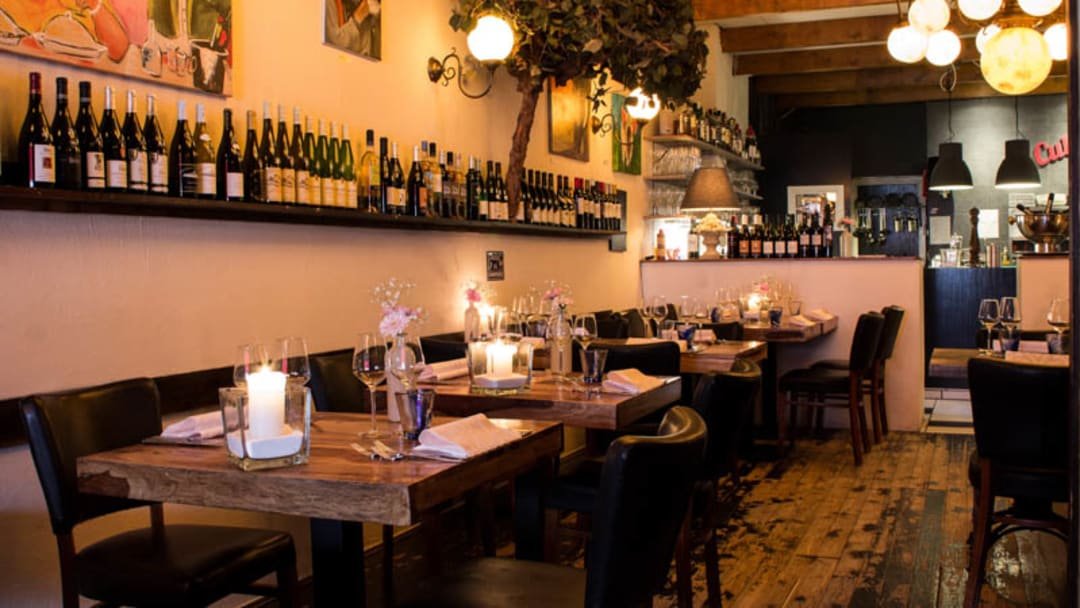
The interior logic of a brown café is cumulative rather than designed. Objects, surfaces, and furniture accumulate over decades rather than being selected for a coherent aesthetic brief, and the result is an atmosphere that no fit-out budget can replicate. At 't Ouwe Bruggetje, the canal-side position adds a spatial dimension that most brown cafés in denser urban settings cannot offer: windows that face water, and a sense of the room extending outward into the Delfshaven streetscape.
This matters for the drinking experience in practical terms. The light shifts through the afternoon and evening in ways that alter the character of the room, and the canal traffic and waterfront pedestrians provide the kind of ambient movement that turns a solo drink into something more observational. Rotterdam's bar culture includes plenty of venues built around interior drama; this one draws its atmosphere from outside.
Compared to the more interior-focused drinking rooms in the city, such as Cafe Kiem or Botanero, 't Ouwe Bruggetje is explicitly a place where the neighbourhood is part of the offer. Delfshaven functions as an extension of the bar in a way that applies to very few Rotterdam addresses.
Where It Sits in the Rotterdam Drinking Scene
Rotterdam's bar scene has expanded and diversified significantly since the mid-2010s, with cocktail bars, craft beer taprooms, and specialty coffee operations all staking out territory in the city centre and its expanding nightlife districts. That growth has created a more layered and interesting scene overall, but it has also made the surviving brown cafés more identifiable by contrast. The older format now reads as a distinct category rather than simply the default.
Within that context, a canal-side brown café in a historically intact neighbourhood occupies a specific niche. It draws a different visitor than the cocktail venues do, and it draws different regulars than the newer taprooms. For travellers comparing Rotterdam with other Dutch cities, the reference points outside Rotterdam are useful: Florin Utrecht in Utrecht and Brasserie Lalou in Delft both represent the kind of venue where food, drink, and local character converge in a less self-consciously modern register. 't Ouwe Bruggetje sits in that broader tradition, though the Delfshaven location gives it a historical specificity those venues do not share.
For a fuller view of where Rotterdam's drinking and dining scene is heading across different categories and price points, see our full Rotterdam restaurants guide. Venues like Café Barolo in Eindhoven and Bar Leather Apron in Honolulu illustrate how spirits-led bars operate across very different formats and markets, the contrast sharpens what the brown café model offers and where it sits in the international bar spectrum. Boode Foodbar in Bathmen similarly shows how regional Dutch venues build character through a combination of location, product selection, and consistency over time.
Planning Your Visit
Voorhaven 6A sits in Delfshaven, accessible from Rotterdam Centraal by tram or a 20-minute walk through the Nieuwe Westen neighbourhood. The waterfront is most atmospheric in the late afternoon and early evening, when the canal catches the western light and the foot traffic on the quay is at its most varied. As the venue's website and phone details are not currently listed in public sources, arriving in person remains the most reliable approach for checking hours or availability, particularly on weekdays when brown cafés in working-class neighbourhoods can keep irregular schedules. The Delfshaven area rewards spending at least an hour in the surrounding streets before or after visiting: the windmill, the old dry dock, and the Pilgrim Fathers church are all within a few minutes of the bar's address.
Frequently Asked Questions
- What cocktail do people recommend at 't Ouwe Bruggetje?
- 't Ouwe Bruggetje operates within the brown café tradition rather than as a cocktail bar in the contemporary sense, which means the recommended order leans toward genever served neat or with a beer alongside, the Dutch combination known as a kopstootje. This format has a long history in Delfshaven and reflects the spirits selection the bar has built around Dutch distilling heritage rather than international cocktail programming. Visitors looking for a more menu-driven cocktail experience in Rotterdam are better directed toward the city's newer venues.
- What is the standout thing about 't Ouwe Bruggetje?
- The combination of a historically intact Delfshaven canal-side setting and a brown café format that has remained outside Rotterdam's rapid post-2010 bar development cycle is what separates this address from newer venues in the city. In a Rotterdam bar scene that now ranges from polished cocktail rooms to craft taprooms, a working waterfront brown café on Voorhaven occupies a position that the city's rebuilt centre cannot offer. The price point for brown cafés of this type remains among the most accessible in the Rotterdam on-trade, placing it in a different tier from the city's designed cocktail venues.
- Is 't Ouwe Bruggetje suitable for visitors who are not familiar with Dutch brown café culture?
- The brown café format can feel unfamiliar to visitors accustomed to menu-driven bars, but Delfshaven's status as a heritage neighbourhood and tourist destination means 't Ouwe Bruggetje receives a more mixed clientele than inner-city neighbourhood brown cafés. The kopstootje tradition, a small genever alongside a Dutch lager, is well understood by bar staff in this format and makes for a direct entry point. The canal-side setting at Voorhaven 6A also provides enough ambient context that the experience reads clearly even without prior knowledge of the genre.
Related editorial
- Best Fine Dining Restaurants in ParisFrom three-Michelin-star icons to the next generation of Parisian chefs pushing boundaries, these are the restaurants that define fine dining in the world's culinary capital.
- Best Luxury Hotels in RomeFrom rooftop terraces overlooking ancient ruins to Michelin-starred hotel dining, these are the luxury hotels that make Rome unforgettable.
- Best Cocktail Bars in KyotoFrom sleek lounges to hidden speakeasies, Kyoto's cocktail scene blends Japanese precision with global influence in ways you won't find anywhere else.
Save or rate 't Ouwe Bruggetje on Pearl
Keep this venue in your Pearl passport, rate it after you visit, and track it alongside every other place you collect.