RAAF Rotterdam
Tarwewijk, Rotterdam
Bar in Rotterdam, Netherlands
 Book with Pearl
Why go
RAAF Rotterdam is a practical Rotterdam Zuid option when easy booking matters more than a fully documented food, wine, or cocktail program. Use it for a flexible drink-led plan near Maashaven, but compare it with Rotterdam peers if you need a clearer atmosphere, terrace, or group format.
About RAAF Rotterdam
RAAF Rotterdam is a venue in Rotterdam. Use it as a name to investigate rather than something to plan around without checking current details directly, especially if menu, drinks, service style, address, hours, prices, seating, chef, or booking difficulty matter.
Use it as a Rotterdam lead, not a high-certainty dinner plan
Do not assume RAAF Rotterdam is a food destination, drinks specialist, casual bar, dinner booking, or any other particular format.
For wider Rotterdam planning, cross-check our full Rotterdam bars guide, our full Rotterdam restaurants guide, our full Rotterdam hotels guide, our full Rotterdam wineries guide, and our full Rotterdam experiences guide.
Good backup logic if the group is flexible
If you are considering RAAF Rotterdam for a date, group plan, or casual stop, keep the plan flexible until you have checked current venue details. It is safer to treat RAAF Rotterdam as one Rotterdam option among others rather than the anchor for a tightly timed occasion.
For comparison while planning, you can also look at Café De Ouwehoer, Captains Lounge, Fenix Food Factory, Lido Terrace, and NOTK, along with other Rotterdam dining and drinking options.
Quick reference: RAAF Rotterdam is a venue in Rotterdam.
Planning details
- Location
- Maashaven Zuidzijde 2, 3081 AE Rotterdam, Netherlands
- Website
- raafrotterdam.nl
The take
The Take
The Vibe
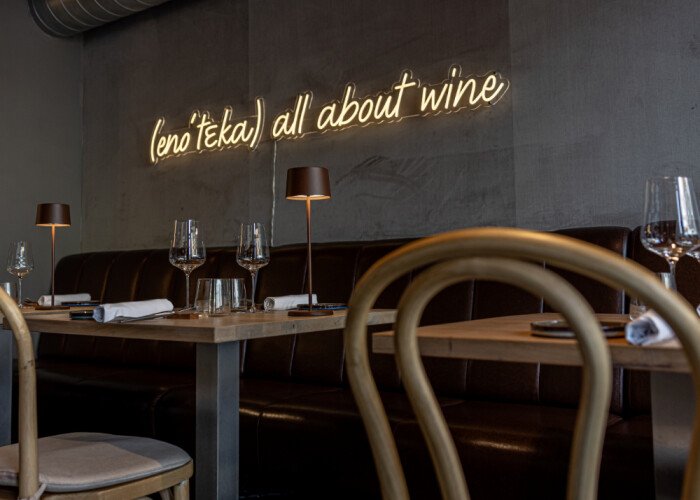
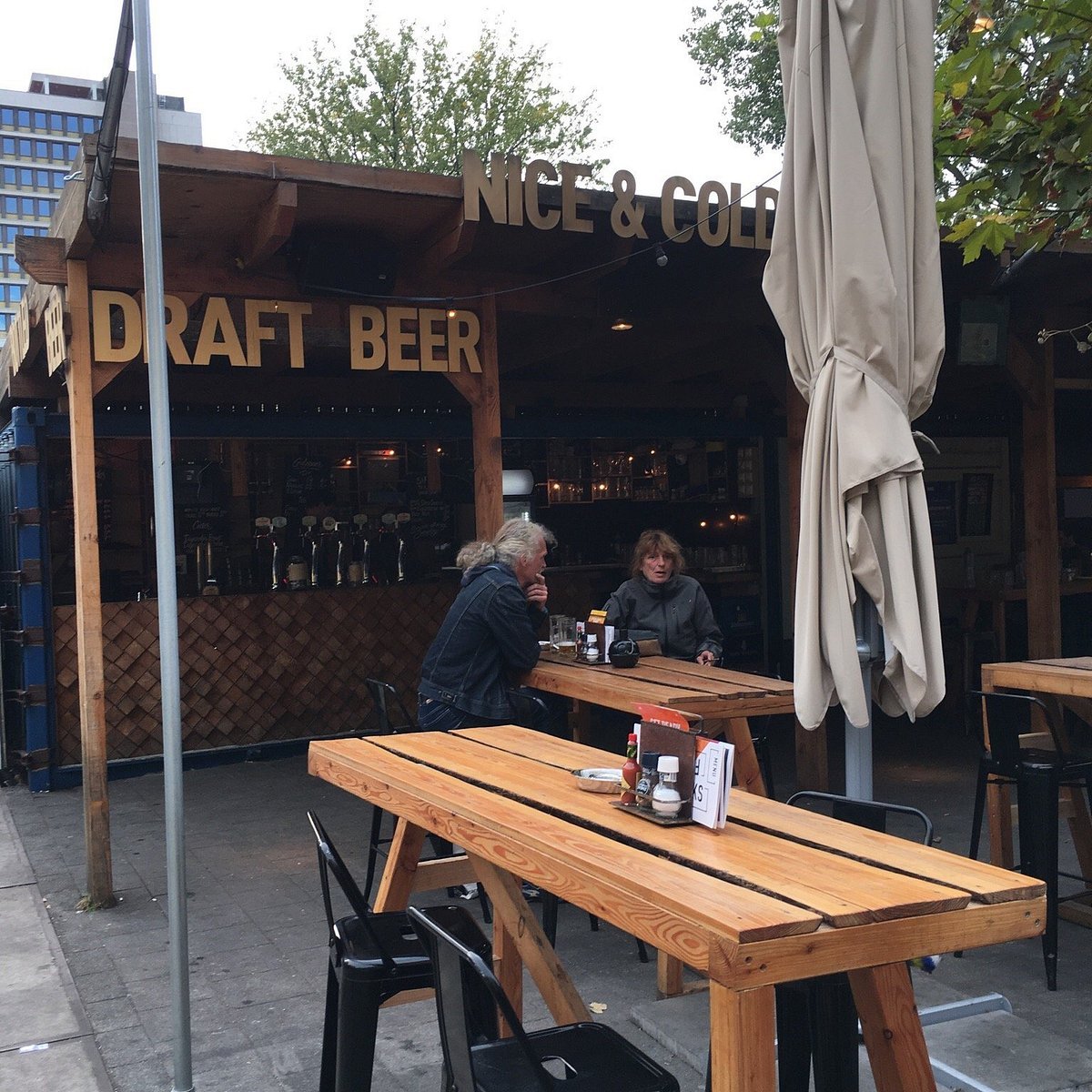
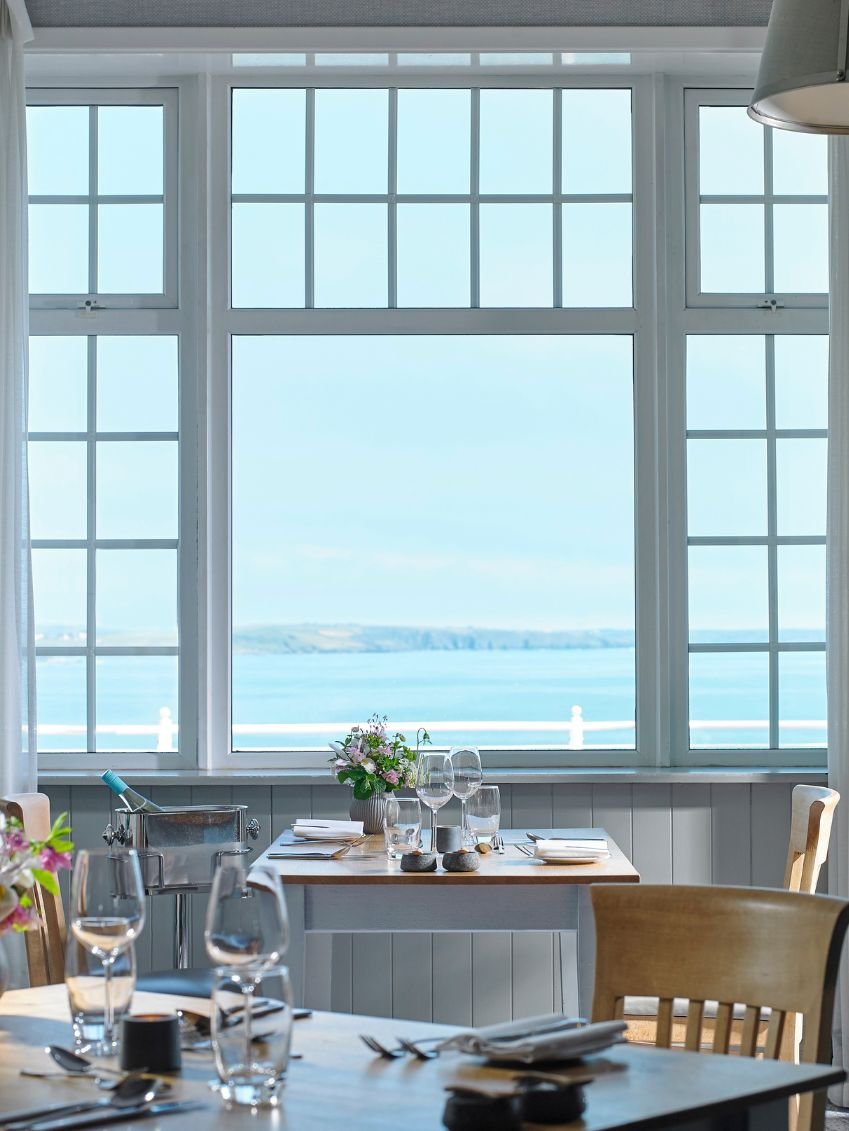
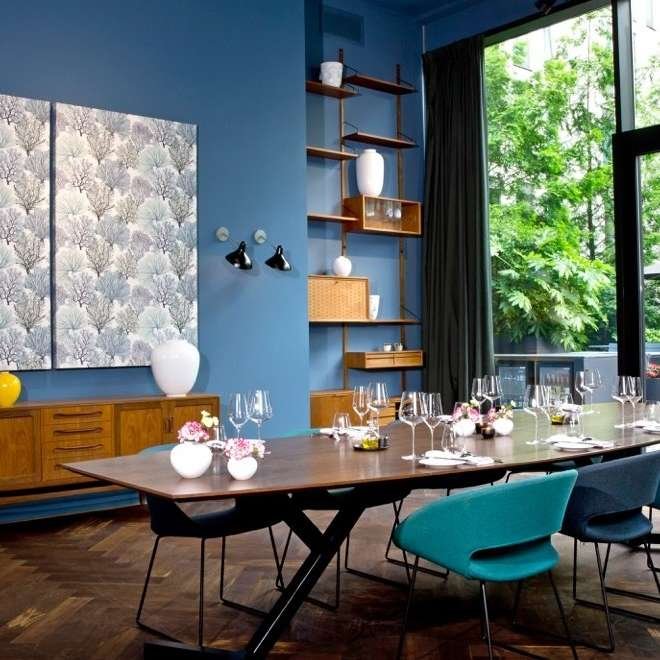
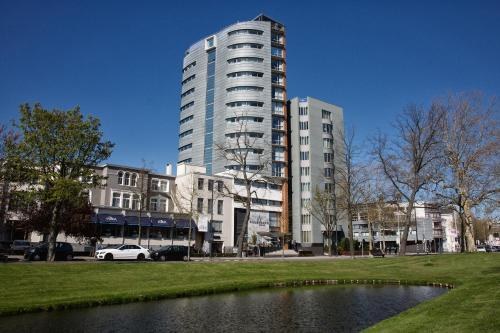
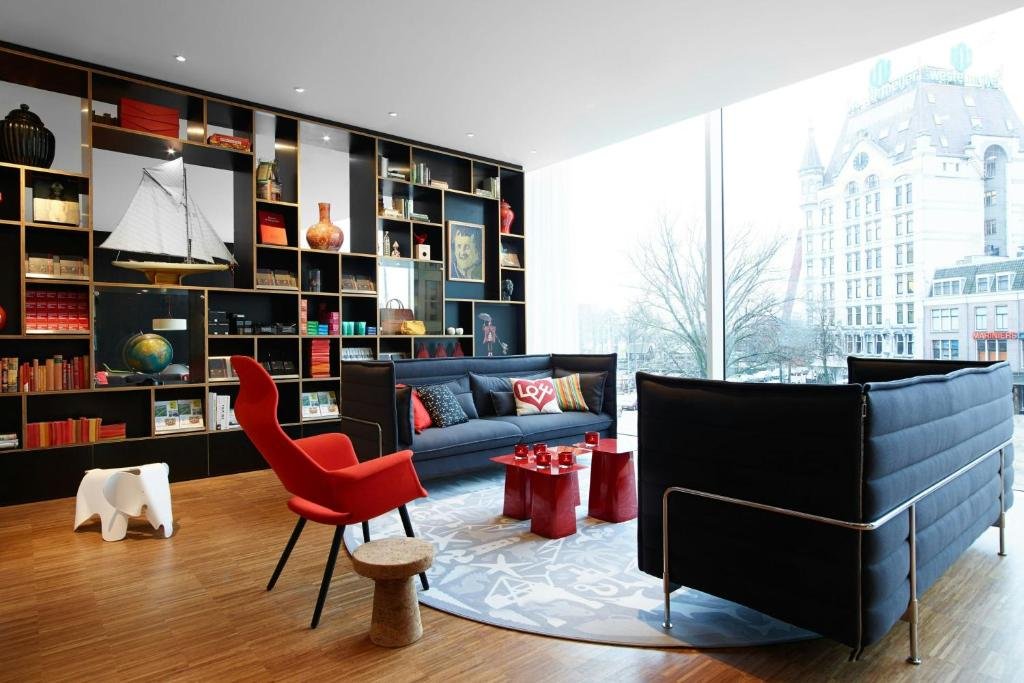
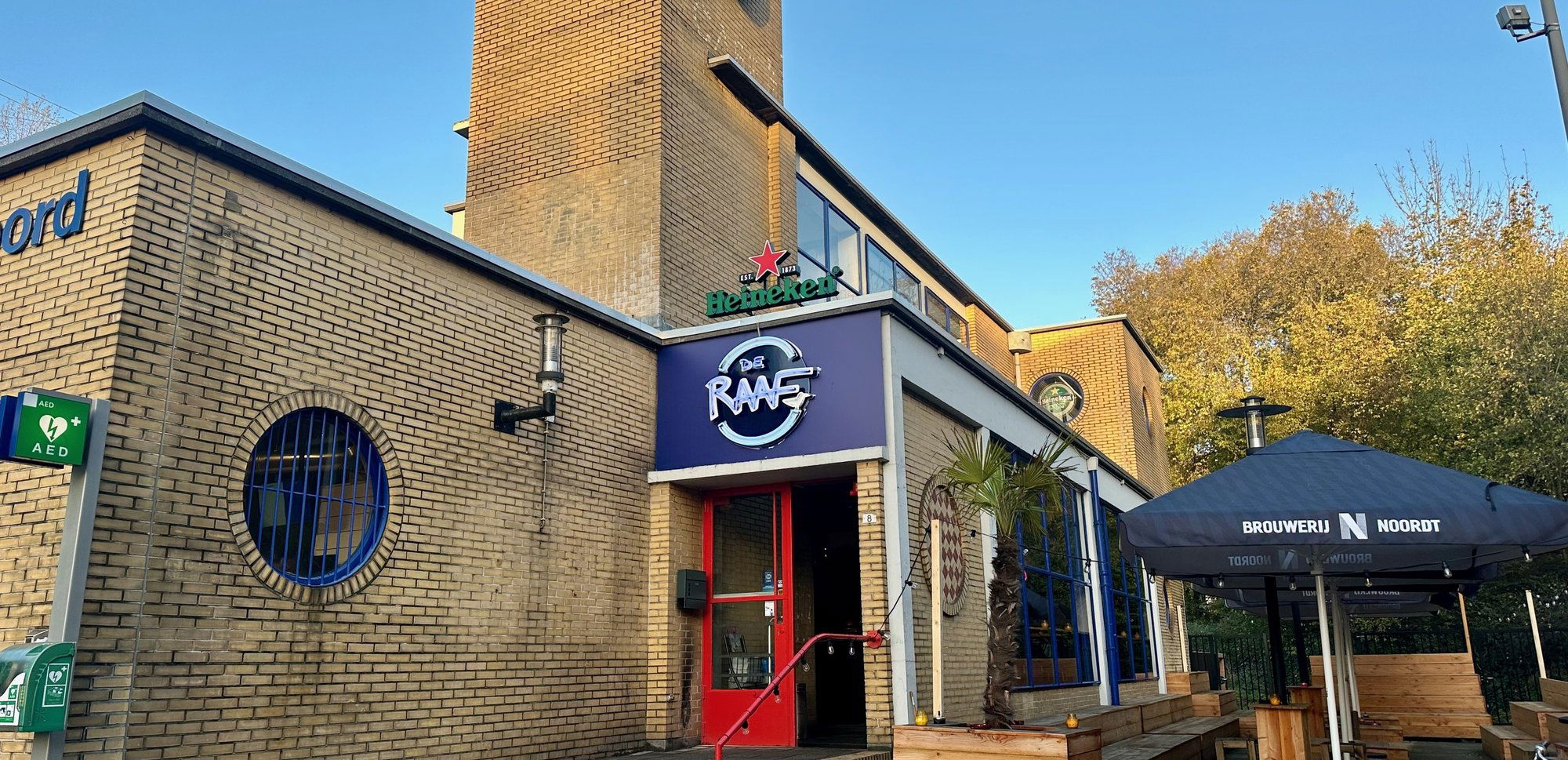
RAAF Rotterdam presents an industrial, harbour-edge temperament that leans on place as much as on décor. Set along the Maashaven quay in a converted warehouse frame, the bar lets the heavy-set buildings, broad quaysides and occasional crane silhouettes set the scene. Inside, programming and atmosphere emphasize mood over polish: the space reads as atmospheric and elemental rather than soft or refined. The result is a bar that feels of the port, raw, purposeful and scenic, where architecture and location do a lot of the work in defining the guest experience.
Best For
This is a spot for people who want an atmospheric, design-forward bar without canal-house intimacy. It suits casual meetups and evenings when the waterfront setting is part of the draw: after a walk along Maashaven, for a low-key drink with friends, or for those who prefer an industrial, scenic backdrop to their night out. The venue’s selective approach to its drinks list also makes it appealing to visitors who enjoy bars that present a clear point of view rather than an exhaustive menu.
Ordering Tips
The description stresses that the drinks program is oriented around a coherent point of view rather than broad coverage. Expect a list that argues for a particular way of drinking; don’t look for sheer breadth. Ask the staff to explain the bar’s approach and to recommend a drink that embodies that concept. Opt for selections that the bartender highlights as representative of the program rather than scanning for familiar crowd-pleasers: the experience is about the bar’s identity as much as any single serve.
Venue details
Know before you go
Know Before You Go
- Getting there
- Maashaven Zuidzijde 2, 3081 AE Rotterdam, Netherlands
Planning details
Location
Maashaven Zuidzijde 2, 3081 AE Rotterdam, Netherlands · Directions
Also consider
Where to go if RAAF Rotterdam is not the right fit
For groups, try Fenix Food Factory; it is the safer recommendation when different people want different options. For a more setting-led plan, compare Lido Terrace before committing.
Bar context
How RAAF Rotterdam compares in Rotterdam
Choose RAAF Rotterdam when ease is the priority. Against NOTK, the case is less about a defined bar identity and more about convenience around Maashaven. If the night needs a sharper cocktail or wine-bar brief, NOTK is the safer comparison to check first; if the plan is loose and booking friction needs to stay low, RAAF Rotterdam is the simpler play.
Fenix Food Factory is the better cross-shop for groups who want a more casual, social, food-hall-style rhythm. RAAF Rotterdam makes more sense for a contained stop, while Fenix Food Factory is easier to justify when different people want different things. Café De Ouwehoer is the more character-led pick if atmosphere matters more than convenience.
For waterfront or terrace-leaning plans, compare with Captains Lounge and Lido Terrace. RAAF Rotterdam is the pragmatic backup; Captains Lounge and Lido Terrace are stronger when the setting is part of the reason to go.
Explore Rotterdam
Around this place
Discover more on Pearl
Unlock the full RAAF Rotterdam guide in Pearl, including awards, comparisons, FAQs, planning details, and nearby places.
Compare RAAF Rotterdam
| Venue | Location | Awards |
|---|---|---|
| RAAF Rotterdam | Rotterdam | No published awards |
| NOTK | Rotterdam | No published awards |
| Fenix Food Factory | Rotterdam | No published awards |
| Café De Ouwehoer | Rotterdam | No published awards |
| Captains Lounge | Rotterdam | No published awards |
| Lido Terrace | Rotterdam | No published awards |
How RAAF Rotterdam compares with similar nearby venues.
FAQ
Frequently Asked Questions
Is the food good at RAAF Rotterdam?
Do not plan a meal around RAAF Rotterdam without checking the current cuisine type, chef, menu format, and price range.
Is RAAF Rotterdam good for a date?
RAAF Rotterdam may be worth considering if you are looking at options in Rotterdam. Because hours, prices, seating, and service style can affect the experience, check the current setup and keep it for a flexible plan rather than a carefully scheduled special occasion.
What's the crowd like at RAAF Rotterdam?
Do not assume a particular atmosphere at RAAF Rotterdam without checking current sources.