
Vigneto
Prenestino-Labicano, Rome
Bar in Rome, Italy
 Book with Pearl
The Read
Price
$20–30per person
Why go
Vigneto is a practical wine-led pick in Rome's Pigneto area, strongest as a late evening stop rather than a full dinner bet. Its 2026 Star Wine List recognition gives it credibility for drink-focused value, while nearby peers like Drink Kong and Birra + make more sense for cocktails or beer.
About Vigneto
Rome's evening options can vary widely, so the safer way to judge Vigneto is by the basics: it is in Rome, it has a casual dress code, it opens at 6 PM daily, and it carries Star Wine List recognition for 2026. That makes it a reasonable candidate for an evening plan where confirmed recognition matters, while leaving other details to confirm directly with the venue.
The case for going is clearest later in the evening. Vigneto runs until 12 AM from Sunday through Thursday and until 12:30 AM on Friday and Saturday. For another evening comparison, Drink Kong is one option to consider; Birra + is another Rome option. Vigneto's confirmed details are its Star Wine List recognition, casual dress code, and late evening schedule.
Choose it for an evening stop, not an dining bet
The safest recommendation is to treat Vigneto as an evening venue with Star Wine List recognition. Star Wine List recognition for 2026 is the strongest trust signal here and helps distinguish it from a generic Rome choice.
That distinction matters for planning. If the goal is a different evening plan, Drink Kong may be a useful comparison. If the goal is another casual Rome stop, Cohouse Pigneto or Birra + may be worth considering depending on the kind of night you want. Vigneto is best evaluated on its confirmed hours, casual dress code, and Star Wine List recognition.
The better timing is later, when the hours suit the format
Go when an evening stop makes sense. Vigneto opens at 6 PM every day, closes at 12 AM from Sunday through Thursday, and stays open until 12:30 AM on Friday and Saturday. The schedule does not support a lunch plan, so it should be treated as an evening-only option.
For readers building a wider Rome plan, keep Vigneto in the evening lane rather than forcing it into a daytime itinerary. Other Rome dining and drinking options may solve different needs, from coffee breaks to full meals to later nights. Vigneto is most useful when the plan calls for a casual Rome venue with confirmed late hours and Star Wine List recognition.
The decision is simple: choose Vigneto for a casual evening in Rome with Star Wine List 2026 recognition and a schedule that runs late. Skip it if the priority is a confirmed full restaurant meal, a named cocktail program, specific dishes, published prices, or detailed seating information, because those details are not part of the record. For broader planning, use Our full Rome restaurants guide and Our full Rome bars guide.
Planning details
- Location
- Piazza dei Condottieri, 26/27, 00176 Roma RM, Italy
- Website
- enotecavigneto.it
- Phone
- +39 06 2171 0136
The take
The Take
The Vibe
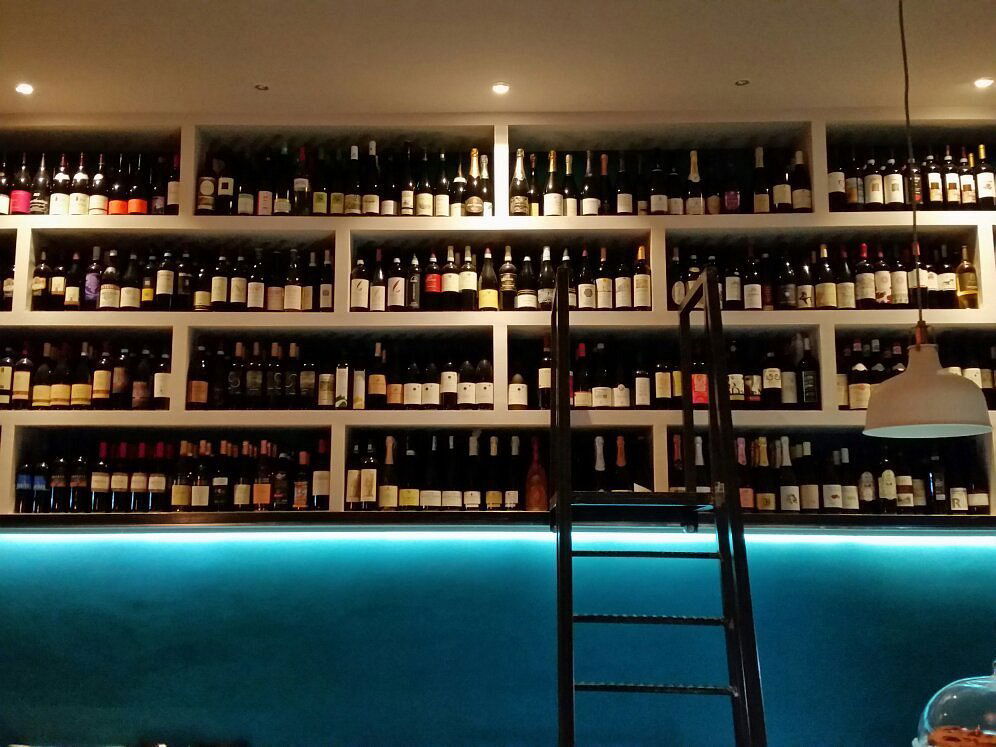
Vigneto reads as a neighbourhood wine bar rooted in Pigneto’s unruly, lived-in streets. The copy situates it among students, young professionals, creatives and long-term residents, and emphasizes local anchoring over tourist-facing polish. The name itself — a wink between 'vigneto' and 'Pigneto' — underlines that neighborhood-first attitude. Rather than a slick aperitivo stop, Vigneto projects a relaxed, casual charm grounded in the area’s Pasolini-era history and the enoteca tradition that still shapes Rome’s drinking culture outside the historic centre.
Best For
This is a bar to drop into for early-evening drinks and low-key socialising. The piece highlights aperitivo hour and notes that foot traffic around Piazza dei Condottieri picks up in the early evening, which makes Vigneto a natural after-work stop for locals and visitors wanting an authentic neighbourhood experience. It also fits casual date nights and informal meetups: the crowd skews younger and local, and the emphasis is on becoming a regular fixture rather than a one-off destination.
Ordering Tips
Approach Vigneto with the enoteca mindset the essay describes: this is about wines by the glass or bottle and the aperitivo ritual more than technical cocktail theatre. The write-up points to Rome’s neighbourhood wine-bar tradition and the recent rise of natural wine spots, so ask staff for by-the-glass suggestions or local recommendations and time your visit for early evening aperitivo when the piazza comes alive. Keep expectations simple — it’s a place to sip, socialise and lean into the neighbourhood’s convivial rhythm.
Venue details
Ambiance
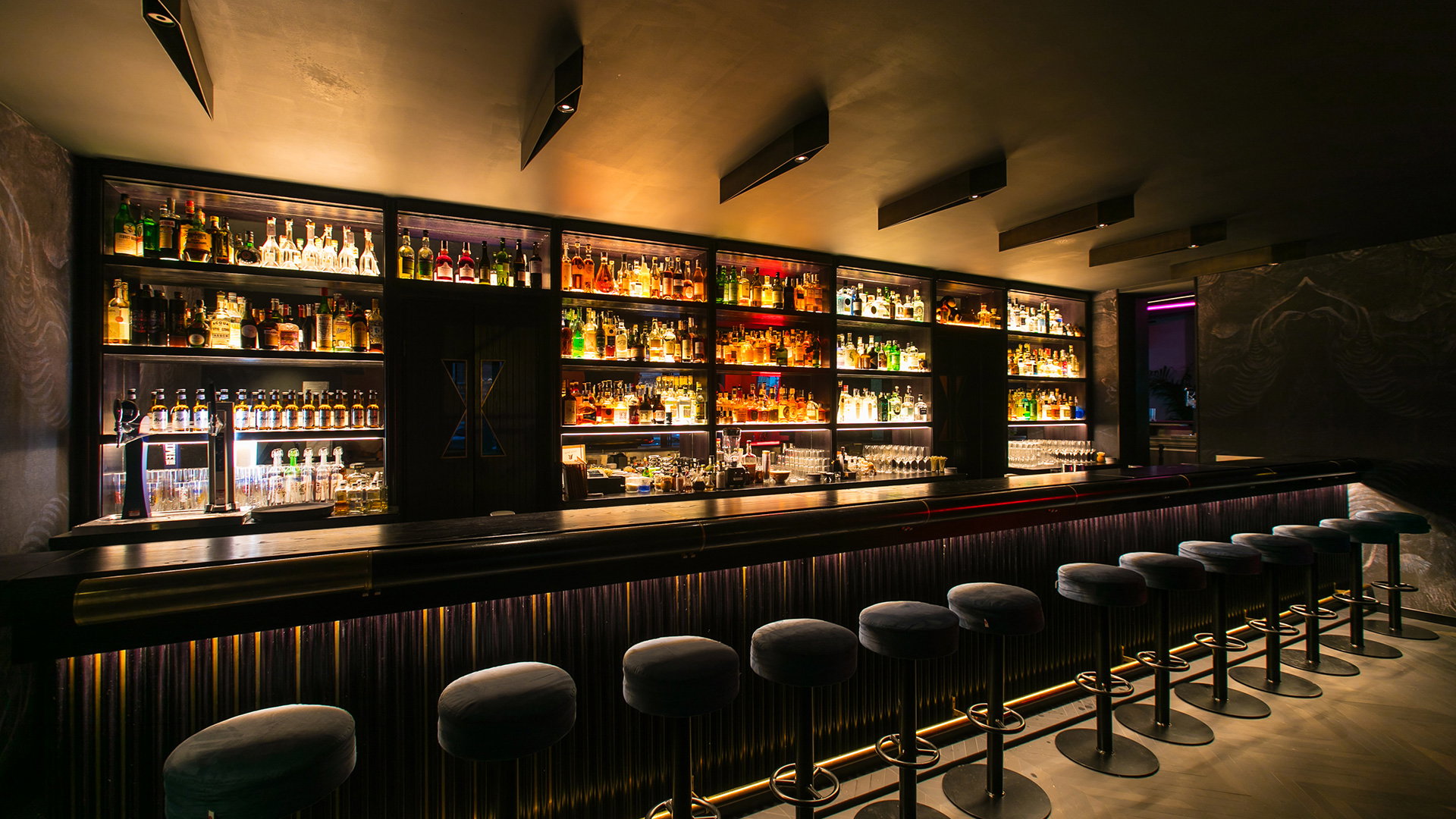
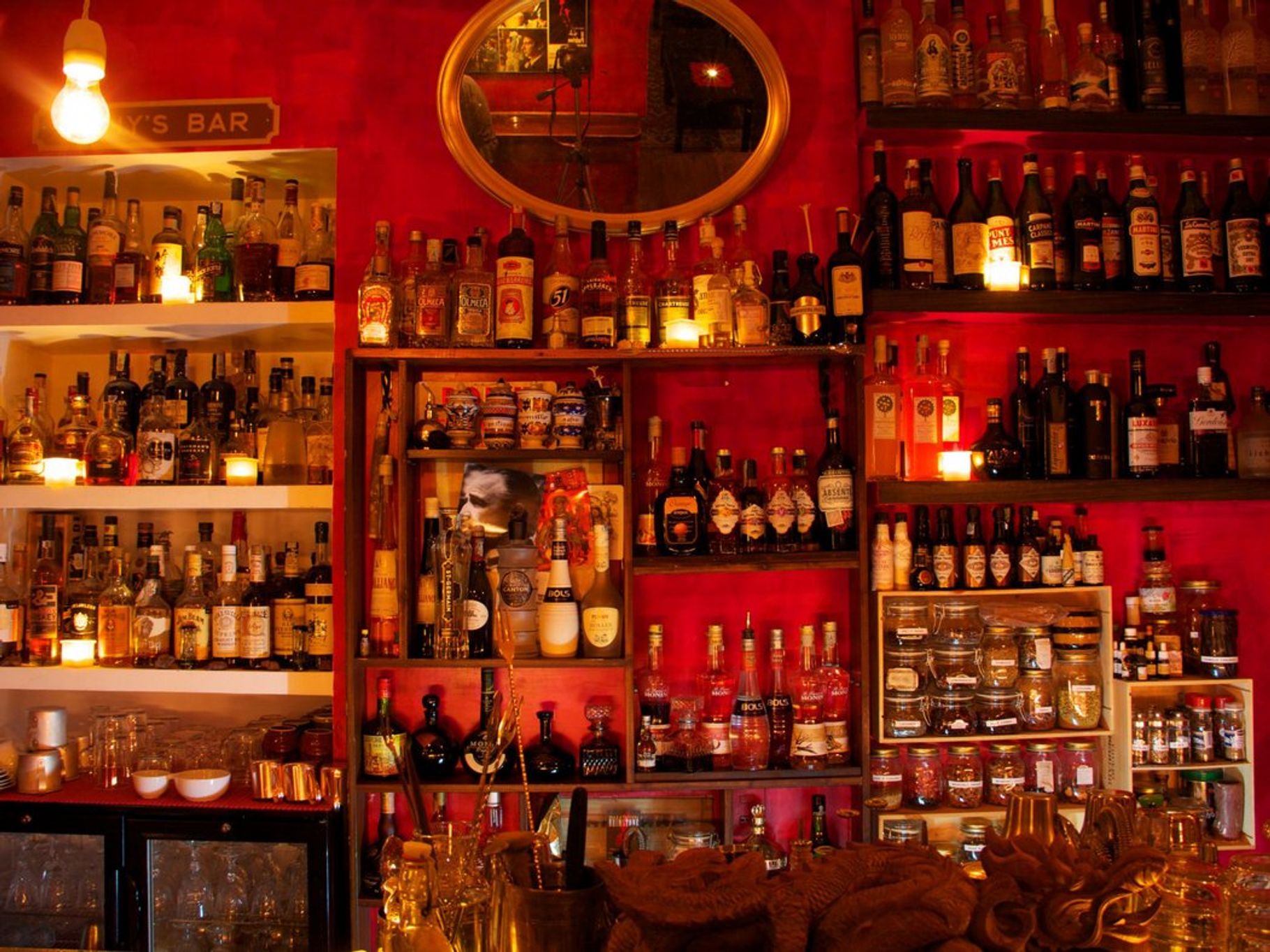
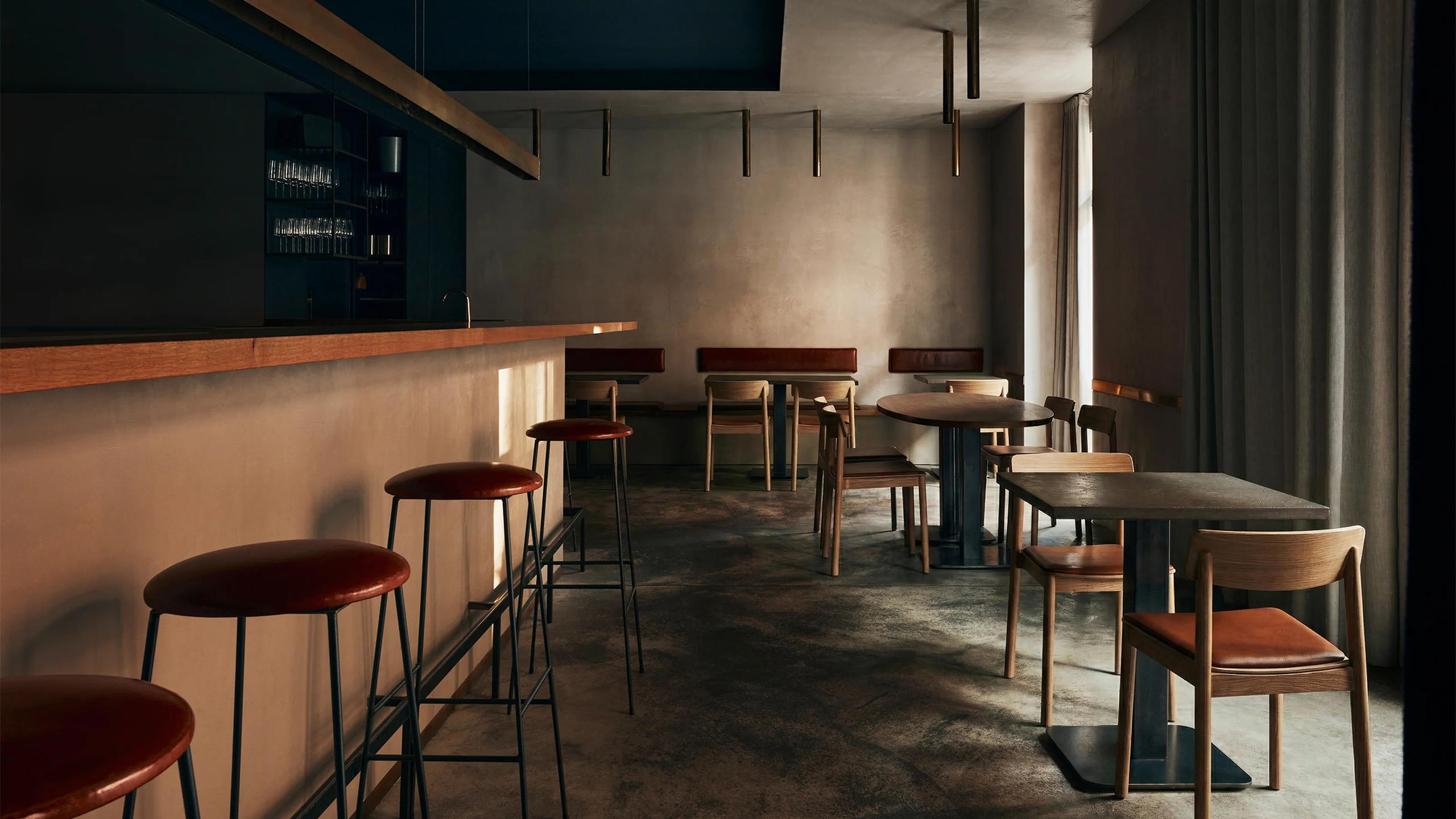
Inviting and relaxed, set in a young, multicultural nightlife district, with indoor and outdoor tables and a cozy atmosphere for wine drinking without formality.
Tags
Vibe
Best For
Experience
Format
View
Accessibility
At the Bar
- Bar Category
- Wine Bar
- Late Night
- Open Until 2am
Know before you go
Know Before You Go
- Getting there
- Piazza dei Condottieri, 26/27, 00176 Roma RM, Italy
Planning details
Location
Recognition and awards

Also consider
Where to go if Vigneto is not the fit
If the group wants cocktails rather than wine, choose Drink Kong. If the plan is more casual and beer-led, Birra + is the cleaner alternative.
For another Pigneto option with a broader neighborhood feel, use Cohouse Pigneto. For a daytime add-on rather than a replacement, Regoli Pasticceria is the better match.
Bar context
How it compares in Rome
Choose Vigneto over Cohouse Pigneto when the night needs a clearer wine focus and less of a general neighborhood-bar feel. Cohouse Pigneto is the easier all-purpose fallback for casual groups, but Vigneto has the stronger wine signal thanks to Star Wine List recognition.
Birra + is the better choice for a beer-led evening, while Blind Pig makes more sense when the group wants a bar with a broader late-night feel. Vigneto is the more focused pick for people comparing value through the quality of the wine list rather than the size of the drinks menu.
Drink Kong is the stronger option for destination cocktails and a more intentional bar plan. Regoli Pasticceria is not a direct night-out substitute; use it for a daytime pastry stop, then keep Vigneto for the evening if the plan shifts toward wine.
Around this place
Discover more on Pearl
Unlock the full Vigneto guide in Pearl, including awards, comparisons, FAQs, planning details, and nearby places.
Compare Vigneto
| Venue | Location | Awards |
|---|---|---|
| Vigneto | Rome | Star Wine Lists 2026 |
| Cohouse Pigneto | Rome | No published awards |
| Birra + | Rome | No published awards |
| Blind Pig | Rome | No published awards |
| Regoli Pasticceria | Rome | No published awards |
| Drink Kong | Rome | 2026 Europe's 50 Best Bars · #322026 Falstaff Bar GuideTop 500 Bars 2025 · #272025 World's 50 Best Bars · #402024 World's 50 Best Bars · #332023 World's 50 Best Bars · #212021 World's 50 Best Bars · #192020 World's 50 Best Bars · #45 |



How Vigneto Rome compares with similar nearby venues.
FAQ
Frequently Asked Questions
What's the crowd like at Vigneto?
The details point to a casual evening venue in Rome. Vigneto opens at 6 PM daily, runs until midnight most nights, and has Star Wine List (2026) recognition, but specific crowd details are not confirmed.
Is the food good at Vigneto?
The confirmed reason to consider Vigneto is its Star Wine List recognition in 2026, along with its evening hours and casual dress code.
Does Vigneto have outdoor seating?
If an open-air table matters, ask the venue directly before heading out in Rome.
Is Vigneto good for groups?
The confirmed schedule is 6 PM to 12 AM from Sunday through Thursday and 6 PM to 12:30 AM on Friday and Saturday, so check directly with the venue if party size or seating setup matters.
Is Vigneto good for a date?
It may suit an evening plan in Rome if you want a casual setting and a venue with Star Wine List recognition.
Is Vigneto open late?
Yes. Vigneto is open from 6 PM to 12 AM Sunday through Thursday, and from 6 PM to 12:30 AM on Friday and Saturday.
What's the best time to go to Vigneto?
Use it for an evening plan, since Vigneto opens at 6 PM daily. Friday and Saturday offer the latest closing time at 12:30 AM, while the rest of the week runs until 12 AM.