Bar do Bode Cheiroso
Maracanã, Rio de Janeiro
Bar in Rio de Janeiro, Brazil
 Book with Pearl
Why go
Bar do Bode Cheiroso is an easy Maracanã pick for a casual bar meal, especially when location and low-friction planning matter more than awards or a high-design room. Choose it for informal dates, small group plans, or neighborhood convenience; pick Bar dos Descasados or Rio Scenarium when the occasion needs more atmosphere.
About Bar do Bode Cheiroso
Bar do Bode Cheiroso is a casual venue in Rio de Janeiro with opening hours from Tuesday through Sunday and a Monday closure. Frame it simply: a casual Rio de Janeiro option where timing matters, with a casual dress code and flexible expectations around the rest of the visit.
The practical comparison is also direct. If you are weighing more than one Rio de Janeiro option, Bar dos Descasados may be another venue to consider. If the priority is Bar do Bode Cheiroso itself, plan around its posted hours and casual dress code rather than assuming a particular cuisine, crowd, reservation style, or drinks program.
Pick it for the basics
The core profile for Bar do Bode Cheiroso is straightforward: it is in Rio de Janeiro, the dress code is casual, and the weekly schedule is available. Keep expectations flexible, especially if you are planning around menu format, outdoor seating, takeout, delivery, price point, awards, chef details, seat count, or a specific service style.
For a date, group, or casual outing, treat the venue as an option to contact directly before committing to a specific occasion. Larger parties should confirm practical details in advance because capacity and seating format can shape the plan. For a broader scan of the city's bar options, use Rio de Janeiro bars guide.
How to time it
Use the schedule as the main planning tool. Bar do Bode Cheiroso is closed on Monday. It opens Tuesday, Wednesday, and Thursday from 11:30 AM to 10:30 PM; Friday from 11:30 AM to 11:30 PM; Saturday from 11:30 AM to 10:30 PM; and Sunday from 11 AM to 6 PM.
Friday is the latest listed night, while Sunday has the earliest close. If timing is important, confirm the current hours before going, especially around holidays or special events. For outdoor seating, specific promotions, menu details, and service style, check with the venue before making them the deciding reason to choose it.
Planning details
- Location
- R. Gen. Canabarro, 218 - Maracanã, Rio de Janeiro - RJ, 20271-203, Brazil
- Website
- instagram.com/bardobodecheiroso
- Phone
- +55 21 2568 9511
The take
The Take
The Vibe
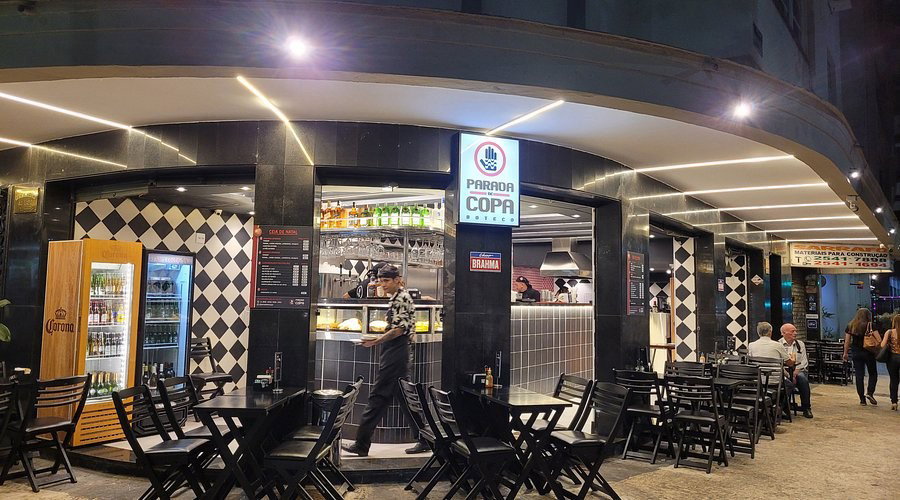
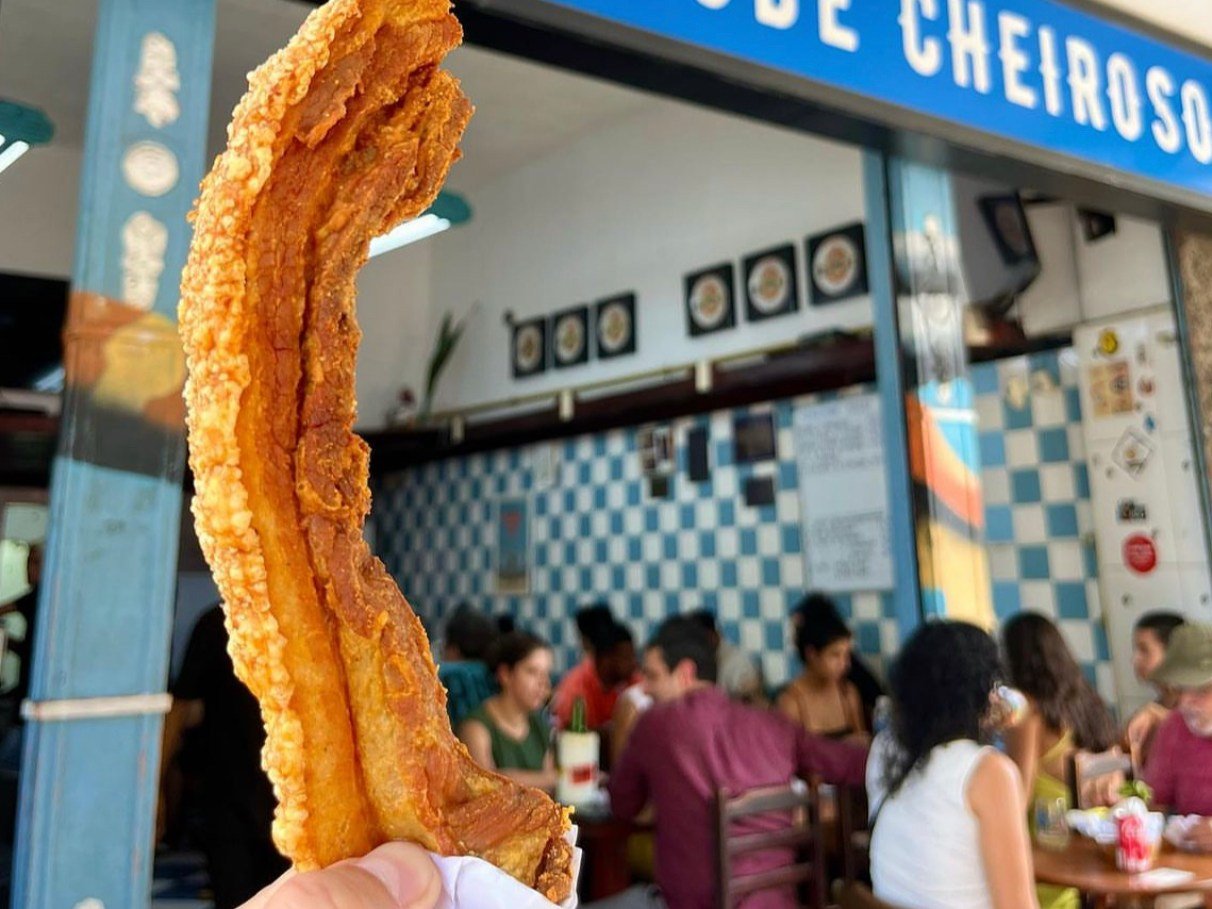
Bar do Bode Cheiroso reads like a working‑class Maracanã boteco: unpretentious, community‑rooted and shaped by regulars rather than a curated concept. The bar centers on a counter and a proprietor who knows names, and service arrives with minimal ceremony — cold 300ml bottles of beer and plates of petiscos that land on the bar without fuss. The piece emphasizes hospitality that’s accrued over time, not performed for tourists, so the place feels warm and charming in a very grounded way. It leans into neighbourhood rhythms rather than trend‑driven gestures.
Best For
This is an evening‑leaning neighbourhood bar that suits weekday after‑work drinks, casual hangouts and small group outings where the social ritual matters more than presentation. Because the description repeatedly points to the counter, regulars and the stadium‑adjacent character of Maracanã, it’s best for people who want an authentic local experience rather than a destination cocktail program. The bar serves as a social anchor for the immediate community, so it’s particularly appropriate for low‑fuss gatherings and post‑shift wind‑downs.
Ordering Tips
Expect simple, efficient service: beers are served in small bottles and petiscos arrive without fanfare. The bar’s model revolves around the counter and a proprietor who knows the regulars, so place straightforward orders rather than seeking theatrical presentations. Lean into classic boteco staples—cold beer and shareable snacks—and accept that hospitality here is personal and communal rather than technically showy. The description makes clear that the rhythm of the room is driven by long‑standing patrons and the bartender’s instincts, so be prepared for a familiar, conversational tempo.
Venue details
Ambiance
Laid-back and lively traditional bar atmosphere with a focus on casual socializing.
Tags
Vibe
Best For
Experience
Format
At the Bar
- Bar Category
- Pub
- Late Night
- Closes by Midnight
Know before you go
Know Before You Go
- Getting there
- R. Gen. Canabarro, 218 - Maracanã, Rio de Janeiro - RJ, 20271-203, Brazil
Planning details
Location
R. Gen. Canabarro, 218 - Maracanã, Rio de Janeiro - RJ, 20271-203, Brazil · Directions
Also consider
Where to go if this does not fit
If the night needs more atmosphere, choose Bar dos Descasados. If the group wants a bigger Rio night with more energy, choose Rio Scenarium.
Bar context
How it compares in Rio
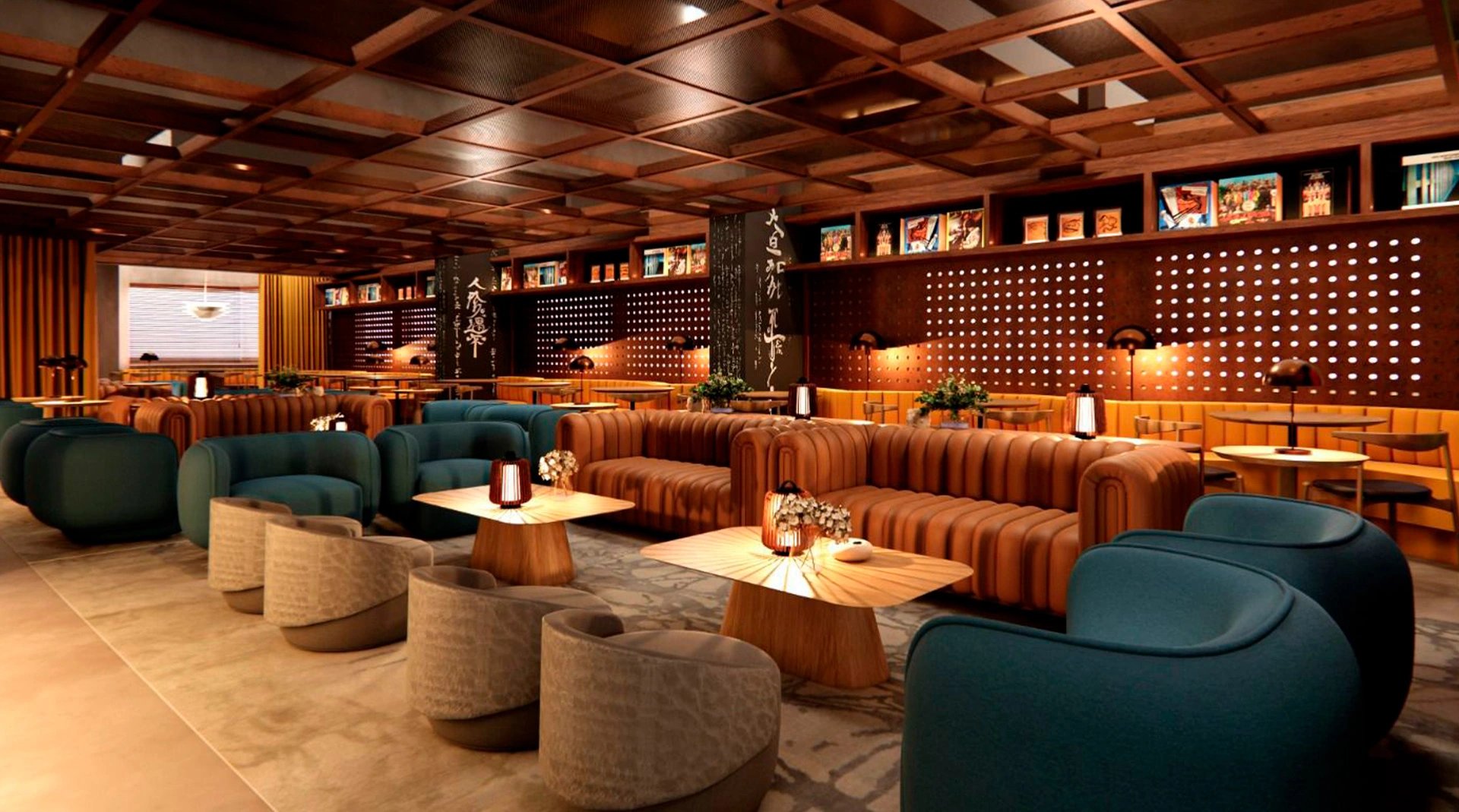
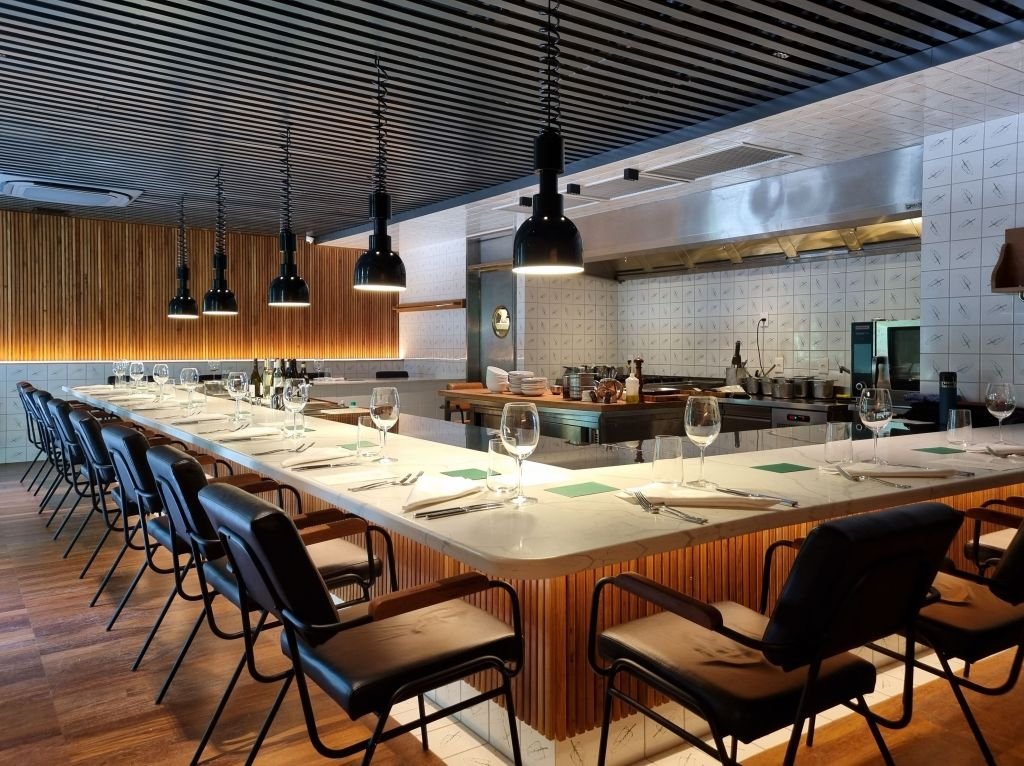
Choose Bar do Bode Cheiroso when ease and Maracanã convenience matter more than a destination setting. Mama Shelter Bar is the more hotel-driven option, better for a designed room and a cleaner date-night plan. Bar dos Descasados is the stronger choice when atmosphere is part of the spend.
Bar do Mineiro is the closer cross-shop for readers who want a casual Rio bar feel rather than a polished night out. If the priority is music, scale, and a bigger evening, Rio Scenarium is a clearer fit. For a more composed, occasion-friendly plan, Elena Horto should sit higher on the list.
The practical verdict: Bar do Bode Cheiroso is the easier neighborhood decision, not the splurge play. Use it when booking friction needs to stay low; trade up to Bar dos Descasados or Elena Horto when the room itself needs to carry the night.
Explore Rio de Janeiro
Around this place
Discover more on Pearl
Unlock the full Bar do Bode Cheiroso guide in Pearl, including awards, comparisons, FAQs, planning details, and nearby places.
Compare Bar do Bode Cheiroso
| Venue | Location | Awards |
|---|---|---|
| Bar do Bode Cheiroso | Rio de Janeiro | No published awards |
| Mama Shelter Bar | Rio de Janeiro | No published awards |
| Bar dos Descasados | Rio de Janeiro | No published awards |
| Bar do Mineiro | Rio de Janeiro | No published awards |
| Rio Scenarium | Rio de Janeiro | No published awards |
| Elena Horto | Rio de Janeiro | Star Wine Lists 2026Top 500 Bars 2025 · #426 |


How Bar do Bode Cheiroso Rio de Janeiro compares with similar nearby venues.
FAQ
Frequently Asked Questions
Is the food good at Bar do Bode Cheiroso?
Bar do Bode Cheiroso can be considered as a casual venue in Rio de Janeiro. If food details are central to your decision, confirm the current menu directly before going.
Is Bar do Bode Cheiroso good for a date?
It may work for a low-pressure plan if a casual dress code and Rio de Janeiro location fit the occasion. Since atmosphere, seating style, and service format can shape a date night, contact the venue if those details matter. Bar dos Descasados is another Rio de Janeiro option to compare.
Does Bar do Bode Cheiroso have outdoor seating?
Do not assume a terrace or open-air setup unless you confirm it directly with the venue. The core details are the Rio de Janeiro location, casual dress code, and weekly hours.
What's the best time to go to Bar do Bode Cheiroso?
Plan around the hours: Tuesday through Thursday from 11:30 AM to 10:30 PM, Friday from 11:30 AM to 11:30 PM, Saturday from 11:30 AM to 10:30 PM, and Sunday from 11 AM to 6 PM. The venue is closed on Monday. Friday is the latest listed night, while Sunday is the shortest service day.
Is Bar do Bode Cheiroso good for groups?
It may be an option for a casual group plan. Confirm seating, reservations, and group policies directly before planning for a larger party. Rio Scenarium is another venue to consider.
What's the crowd like at Bar do Bode Cheiroso?
Expect a casual venue in Rio de Janeiro with listed hours from Tuesday through Sunday. Compared with Elena Horto or Mama Shelter Bar, choose based on the occasion and confirm current details directly if atmosphere is central to your plans.