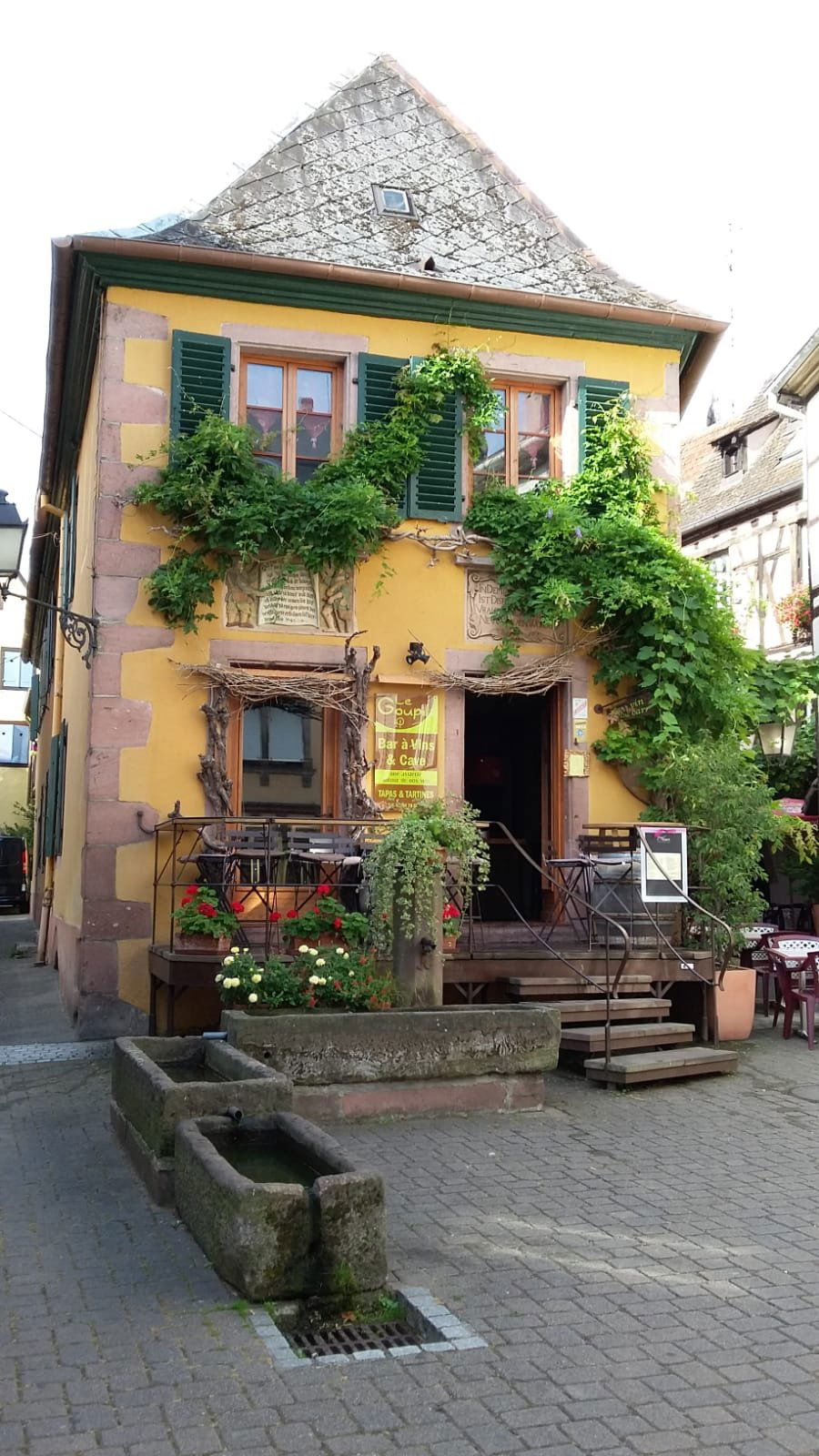

Le Goupil
centre-ville historique, Ribeauvillé
Bar in Ribeauvillé, France
 Book with Pearl
The Read
Price
$20–30per person
Why go
Le Goupil is worth considering for a two-person, wine-led evening in Ribeauvillé, especially if you want an easy plan rather than a formal dinner. The key trust signal is Star Wine List recognition in 2026; treat it as a bar-style choice for conversation and wine, not a cuisine-led restaurant booking.
About Le Goupil
Le Goupil in Ribeauvillé is a direct evening option to shortlist for a casual night out, with evening-only hours and Star Wine List recognition in 2026. Approach it as a Ribeauvillé venue with a clear wine-list signal, and keep plans flexible if you need to plan around a specific cuisine, chef, menu format, seating count, price point, or service style.
Use it when the timing fits the schedule: Le Goupil is closed Monday and Tuesday, opens from 5:30 PM on Wednesday through Sunday, and runs latest on Friday and Saturday. If you need a plan built around a specific cuisine or more detailed venue information, use our full Ribeauvillé restaurants guide first, then decide whether Le Goupil fits the evening.
Choose it for a casual evening with a confirmed wine-list signal
The main decision point is how much detail you need before going. Le Goupil supports a casual evening visit: dress code is casual, hours are in the evening, and Star Wine List recognition in 2026 gives the venue a wine-related credential. It is not the best choice to plan around a named chef, cuisine, dish, menu structure, price, seat count, or special dining format unless you confirm those details directly.
That makes Le Goupil easiest to recommend for a flexible Ribeauvillé evening rather than a tightly scripted occasion. The Star Wine List mention is a useful trust signal, but it should not be stretched into claims about a particular bottle list, pairing format, or restaurant award. For travelers mapping a wider stay, pair this with other Ribeauvillé planning resources if the day needs more structure, or keep the evening plan flexible if Le Goupil is the main stop.
First-timers should keep the plan flexible
First-timers should plan around the opening pattern. Le Goupil is closed on Monday and Tuesday; it opens at 5:30 PM Wednesday through Sunday, closing at 11:30 PM on Wednesday and Thursday, 12 AM on Friday and Saturday, and 11 PM on Sunday. Those hours make it an evening-only choice.
If the trip is built around Ribeauvillé as a base, keep the rest of the plan simple. Confirm any practical details that matter to your group directly with the venue, and use other Ribeauvillé resources for daytime planning if the date needs an earlier add-on.
How to think about the wider evening set
Le Goupil stands out mainly because it combines Ribeauvillé, casual dress, evening hours, and Star Wine List recognition in 2026. For comparison planning, keep other options such as K Bar, L'Esprit Libre, L'Un des Sens, Le Cercle des Arômes, and Marius Bar in mind as separate venues to research on their own terms rather than as part of a detailed ranking, score, or like-for-like service comparison.
Planning details
- Location
- 2 Pl. de l'Ancien Hôpital, 68150 Ribeauvillé, France
- Website
- facebook.com/people/BAR-%C3%A0-VIN-LE-GOUPIL/100057541642635
- Phone
- +33 9 55 31 22 97
The take
The Take
The Vibe
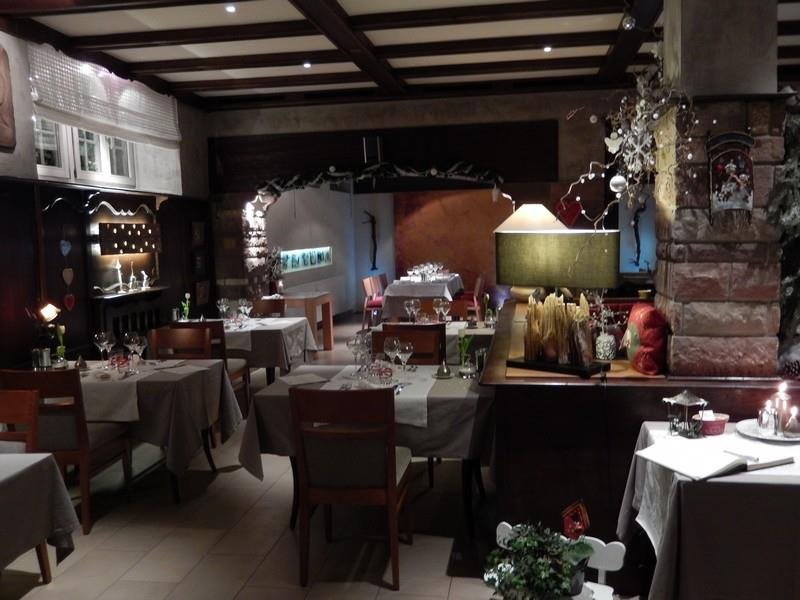
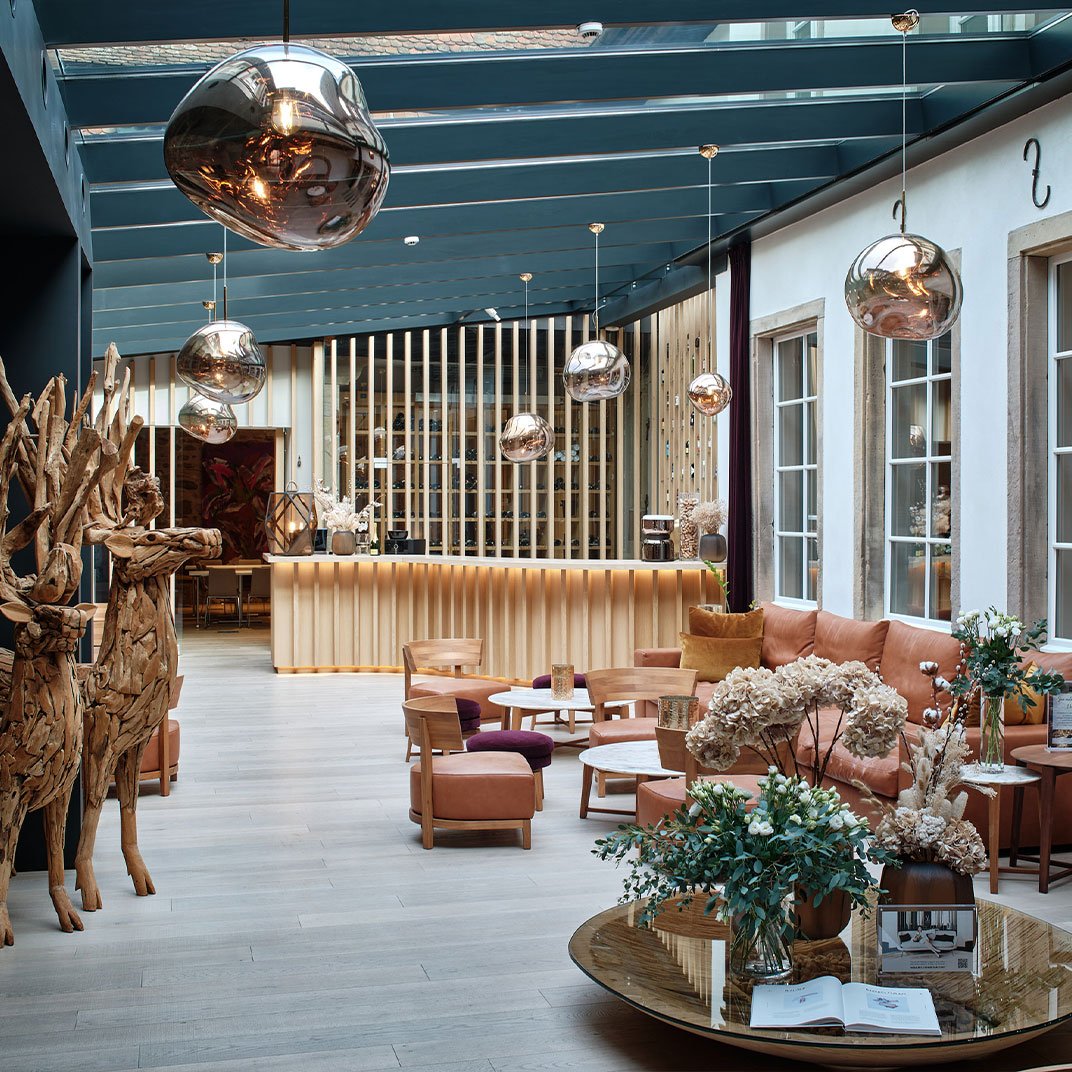
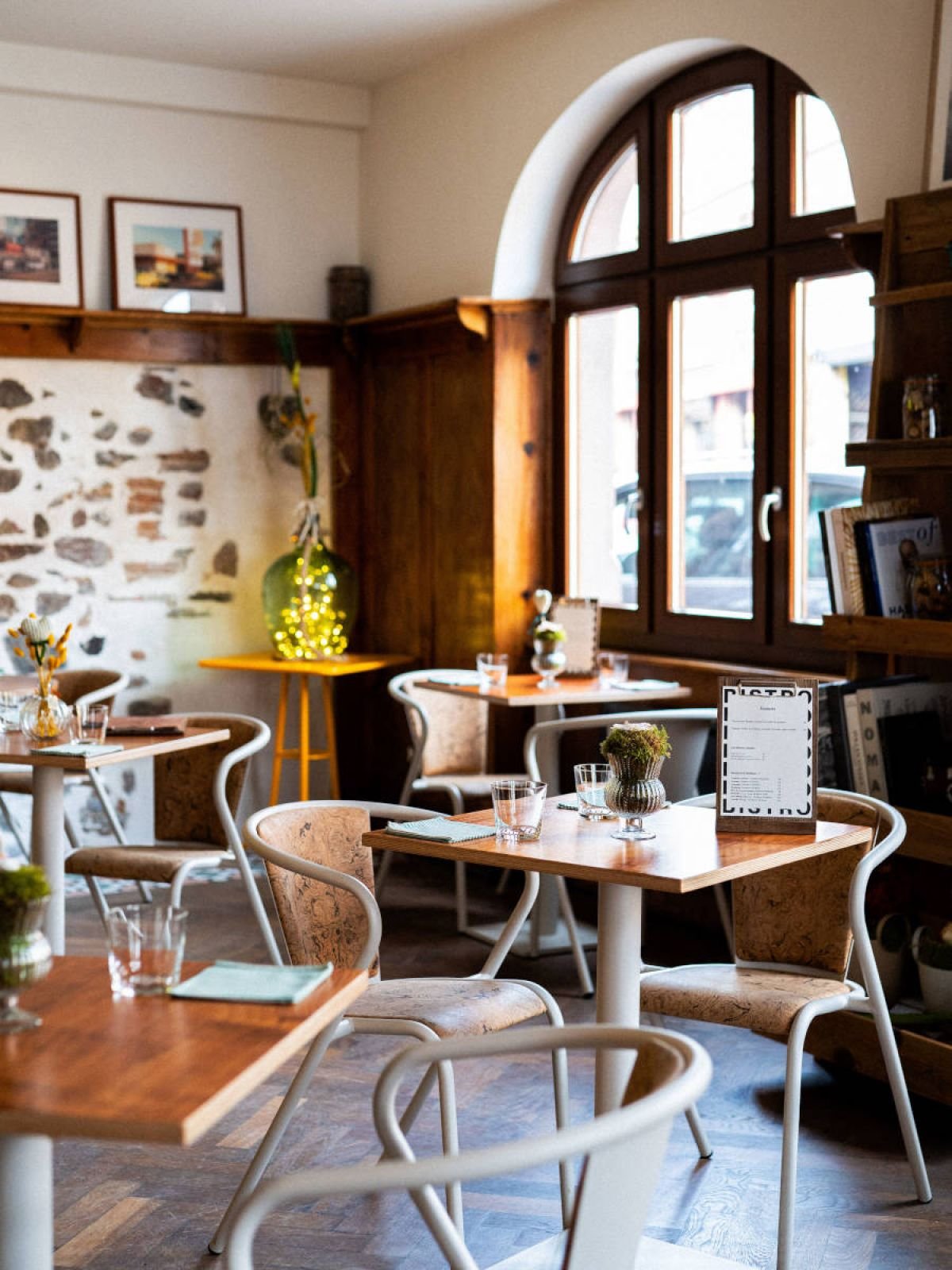
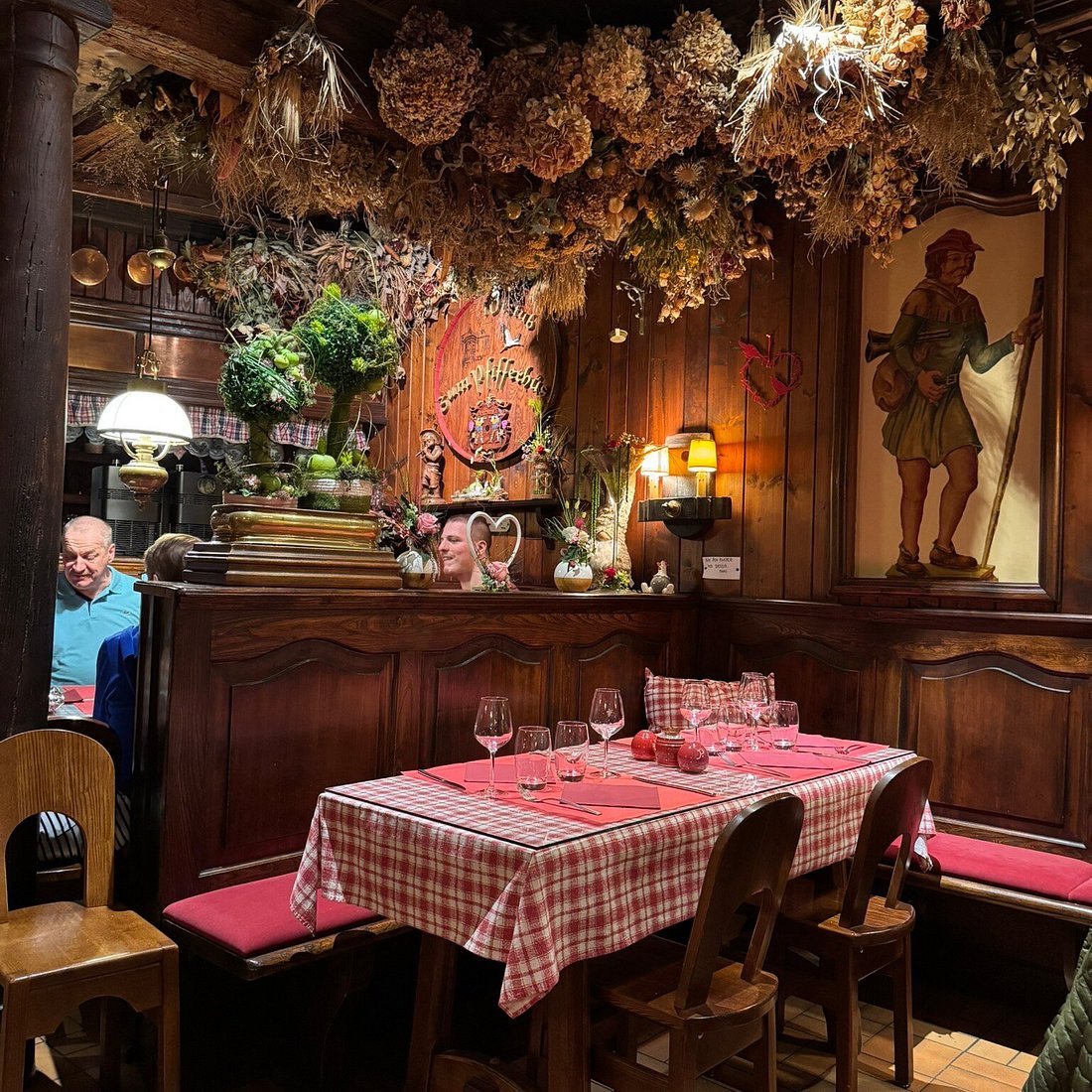
Le Goupil presents a small-scale, village wine-bar experience that leans into Alsace’s local character. Set on a modest square beneath half-timbered facades and castle ruins, the atmosphere is quietly scenic and historic rather than flashy. The operation’s seasonal rhythm—open May through December to match the vine calendar—reinforces a deliberate, unhurried mood. With only thirty to forty seats and a conversational approach to service, the bar feels intimate and charming: a place for slow, considered drinking where the regional personality of Riesling, Gewurztraminer and other Alsace varieties is the central attraction.
Best For
This is a spot for small-group evenings, quiet date nights and anyone who wants to focus on wine rather than a full dining program. The compact seating and terrace make it ideal for lingering conversations over glasses or bottles, particularly in the warmer months when the terrace is open. The bar’s close ties to local producers and its role as a winemaker’s landmark suit visitors who want a sense of place and provenance; it’s less about loud nights out and more about savoring Alsace’s varietal range in a village setting.
Ordering Tips
Prioritize regional grapes and vintages: Riesling, Gewurztraminer, Pinot Gris, Muscat and Sylvaner are the backbone of the list. Note the Alsace bottle format (the long-necked flûte) and expect the programme to follow the vineyard calendar—new vintage Rieslings appear in late spring. Because the approach is conversational rather than didactic, ask the host for suggestions tailored to your taste or for tastes by the glass if you want to compare styles. If visiting between May and November, consider taking a seat on the terrace to enjoy the village square setting.
Venue details
Ambiance
Warm, relaxed atmosphere with friendly service, sometimes featuring music, popular among locals in a small historic space.
Tags
Vibe
Best For
Experience
Format
View
At the Bar
- Bar Category
- Wine Bar
- Late Night
- Closes by Midnight
Know before you go
Know Before You Go
- Getting there
- 2 Pl. de l'Ancien Hôpital, 68150 Ribeauvillé, France
Planning details
Location
2 Pl. de l'Ancien Hôpital, 68150 Ribeauvillé, France · Directions
facebook.com/people/BAR-%C3%A0-VIN-LE-GOUPIL/100057541642635
Recognition and awards

Also consider
Where to go if this does not fit
If Le Goupil is not the right match for timing, start with Le Cercle des Arômes for another wine-oriented alternative in the. For a looser backup plan, check L'Un des Sens next.
Bar context
How it compares in Ribeauvillé
Le Goupil is the clearest pick if wine credibility is the deciding factor, thanks to its Star Wine List recognition in 2026 and easy booking profile. Marius Bar, Le Cercle des Arômes, L'Un des Sens, K Bar, and L'Esprit Libre are the right alternatives to check if your priority is a different room feel or a backup plan in the same general bar category.
For a date, Le Goupil is the safer first choice when the evening should feel low-pressure and wine-led. If you want to compare ambience before committing, cross-shop Le Cercle des Arômes and L'Un des Sens first; if the goal is simply to keep the night flexible, Marius Bar, K Bar, and L'Esprit Libre are practical backups rather than clear upgrades on the available facts.
Value is hard to rank without published price ranges for the set, so the useful distinction is risk. Le Goupil carries the strongest external wine signal; the peers are better treated as availability and mood alternatives when Le Goupil does not fit the timing or the group.
Explore Ribeauvillé
Around this place
Discover more on Pearl
Unlock the full Le Goupil guide in Pearl, including awards, comparisons, FAQs, planning details, and nearby places.
Compare Le Goupil
| Venue | Location | Awards |
|---|---|---|
| Le Goupil | Ribeauvillé | Star Wine Lists 2026 |
| Marius Bar | Kaysersberg | No published awards |
| Le Cercle des Arômes | Colmar | No published awards |
| L'Un des Sens | Colmar | No published awards |
| K Bar | Colmar | No published awards |
| L'Esprit Libre | Horbourg Wihr | No published awards |
How Le Goupil Ribeauvillé compares with similar nearby venues.
FAQ
Frequently Asked Questions
What's the best time to go to Le Goupil?
Wednesday or Thursday at opening, 5:30 PM, is the earliest evening option. Friday and Saturday run later, until 12 AM, while Sunday closes at 11 PM.
Is the food good at Le Goupil?
For a food-led decision, confirm the cuisine, chef, dishes, menu format, and price point directly with the venue. The standout credential is Star Wine List recognition in 2026, so do not plan around a specific kitchen style unless you confirm details directly.
Is Le Goupil good for a date?
It can fit a casual evening in Ribeauvillé, especially if the published hours work for your plan. Dress code is casual, and the venue has Star Wine List recognition in 2026. Confirm seating, menu, and service details directly if those matter to your date-night plan.